By Damaris Lenantare (Rendille, CS Journalism Fellow)
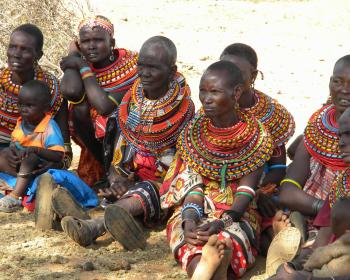
In Marsabit’s vast Arid and Semi-Arid Lands (ASAL), a land of great beauty, a quiet crisis is unfolding in Kenya. Repeated failed rainy seasons are pushing Indigenous pastoralist communities to the limits of their resilience.
For generations, the Rendille Indigenous community has survived in this harsh climate. Today, the weather patterns they once relied on have disappeared, replaced by unpredictable and prolonged drought that threatens their way of life. Across this dry landscape, a silent struggle is unfolding. For thousands of families, each new day brings a harder fight to survive.
A Lifeline Slipping Away
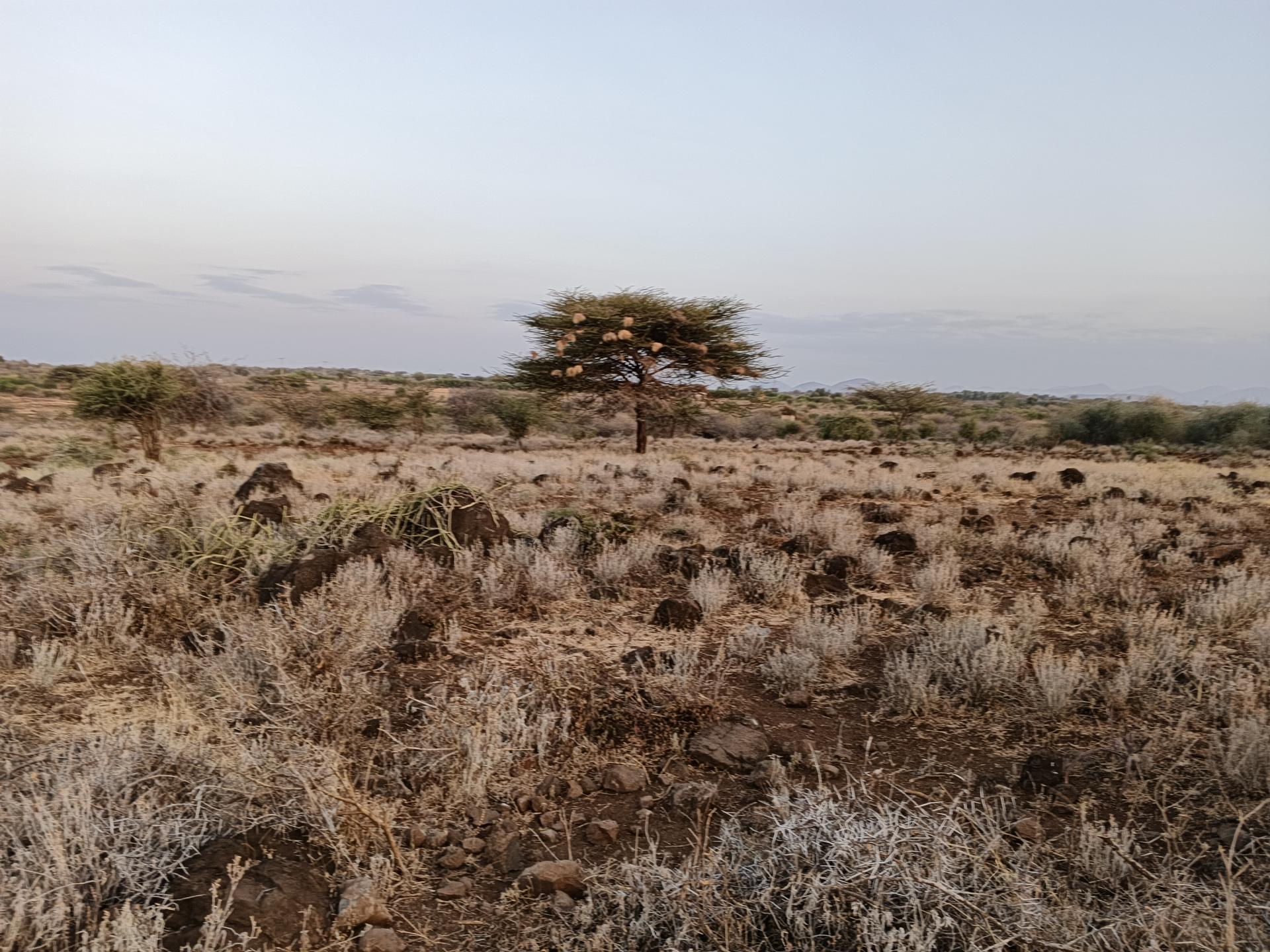
In Marsabit South, livestock is the main source of food, income, and dignity. But this lifeline is disappearing fast. Water pans have dried up in the cracked earth, and pastures are withering under the scorching sun. As water becomes scarce, more livestock are dying, leaving thousands of families struggling to survive each day.
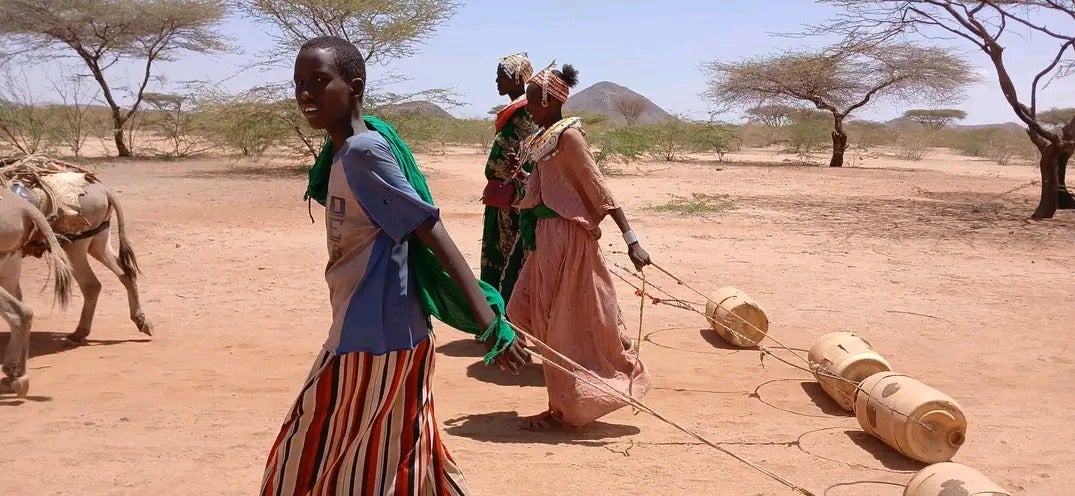
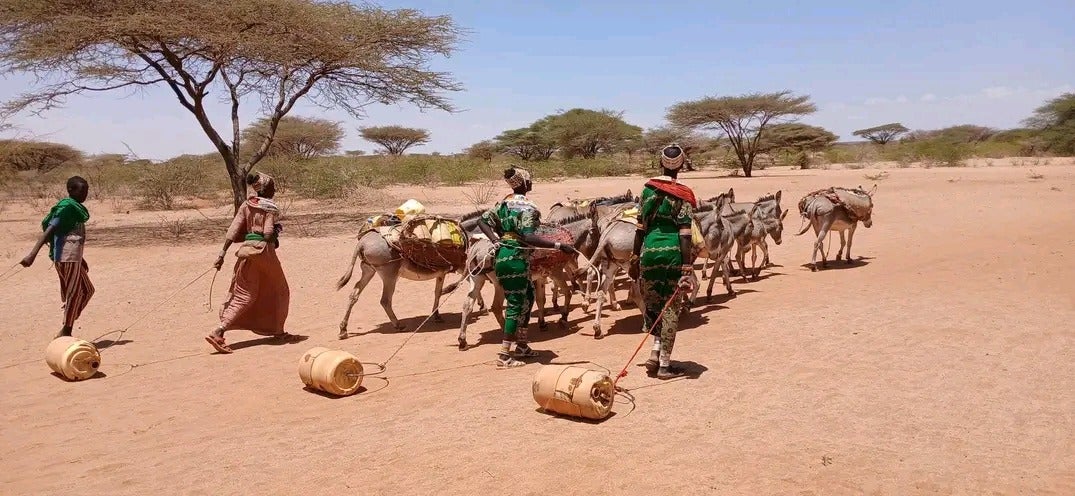
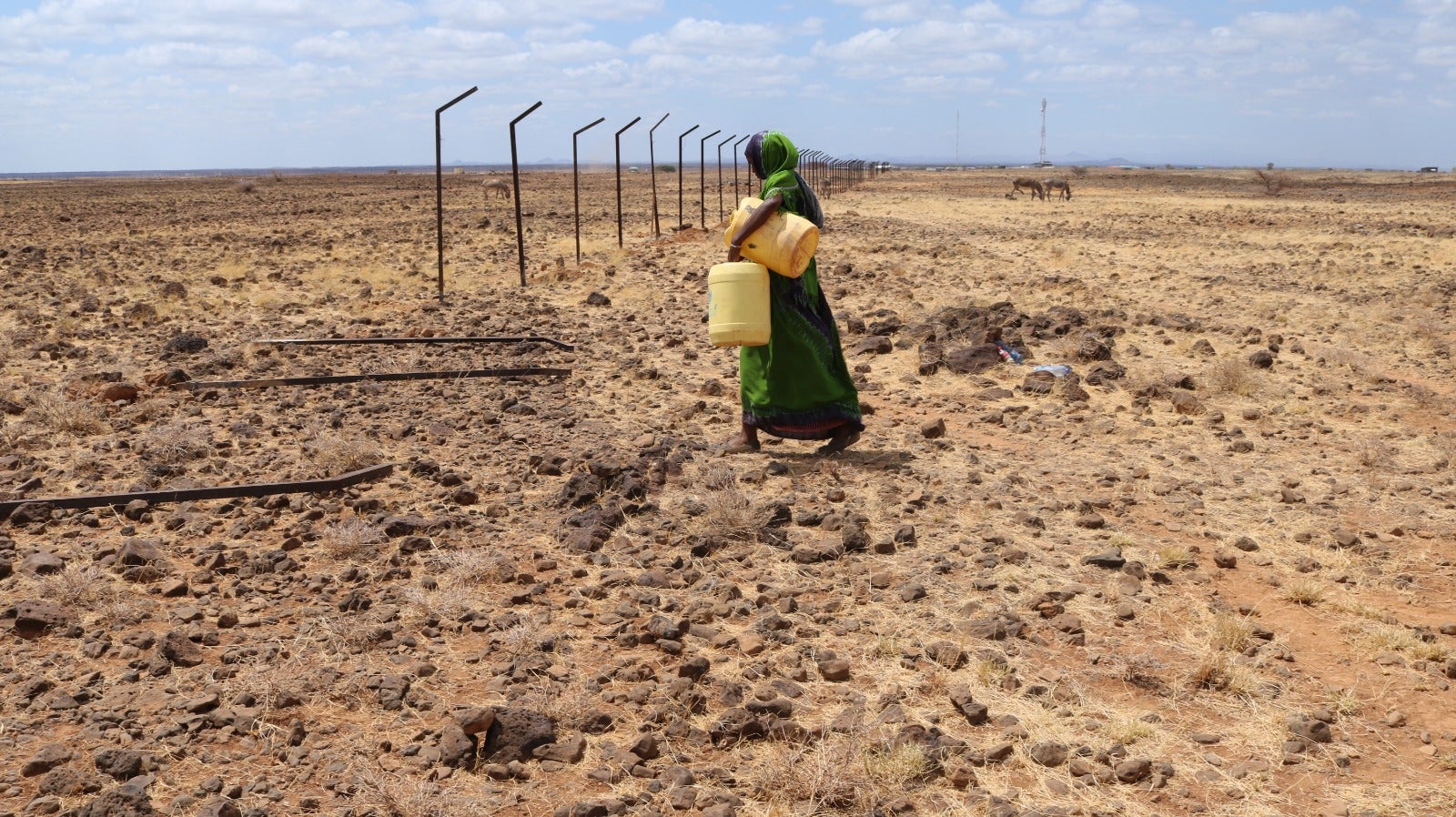
Women and young girls are carrying the heaviest burden. To find water, they often walk long, exhausting distances, sometimes with young children on their backs, risking their safety just to secure this basic necessity.
Voices from the Dry Lands
The human cost of the crisis is clear on the dusty roads of Laisamis. One recent evening, Mr. Dokhle, an 87-year-old Elder, described the painful changes he has seen in his homeland.
“Our land is becoming very dry, and the scorching sun above us is unbearable,” Dokhle said, visibly shaken. “These days, we can no longer predict the weather. The rains take longer to come, and drought seasons are taking over. We are facing water scarcity, unproductive land, and fewer livestock products. Everything is changing—and for the worse.”
Dokhle said many families now go to bed hungry, praying for relief that never arrives. “Before, we knew when the rains would come,” he added. “Now, we wait… and they do not come.”
Across the region, the same story is visible in the landscape. Many villages now stand empty, with abandoned homes left behind as families move deeper into the wilderness or migrate to distant areas in search of food, water, and pasture for their remaining animals.
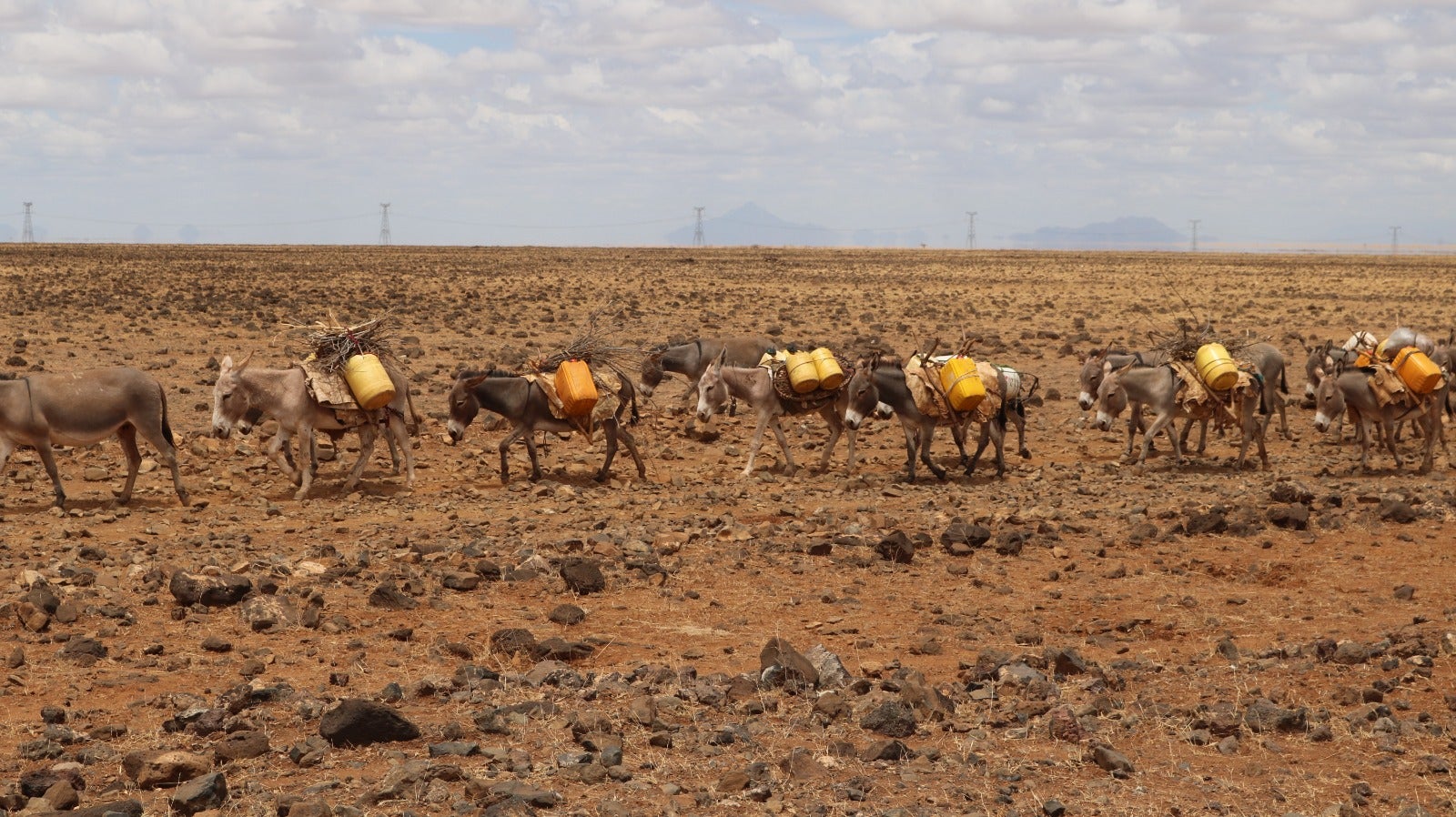
Indigenous Adaptation
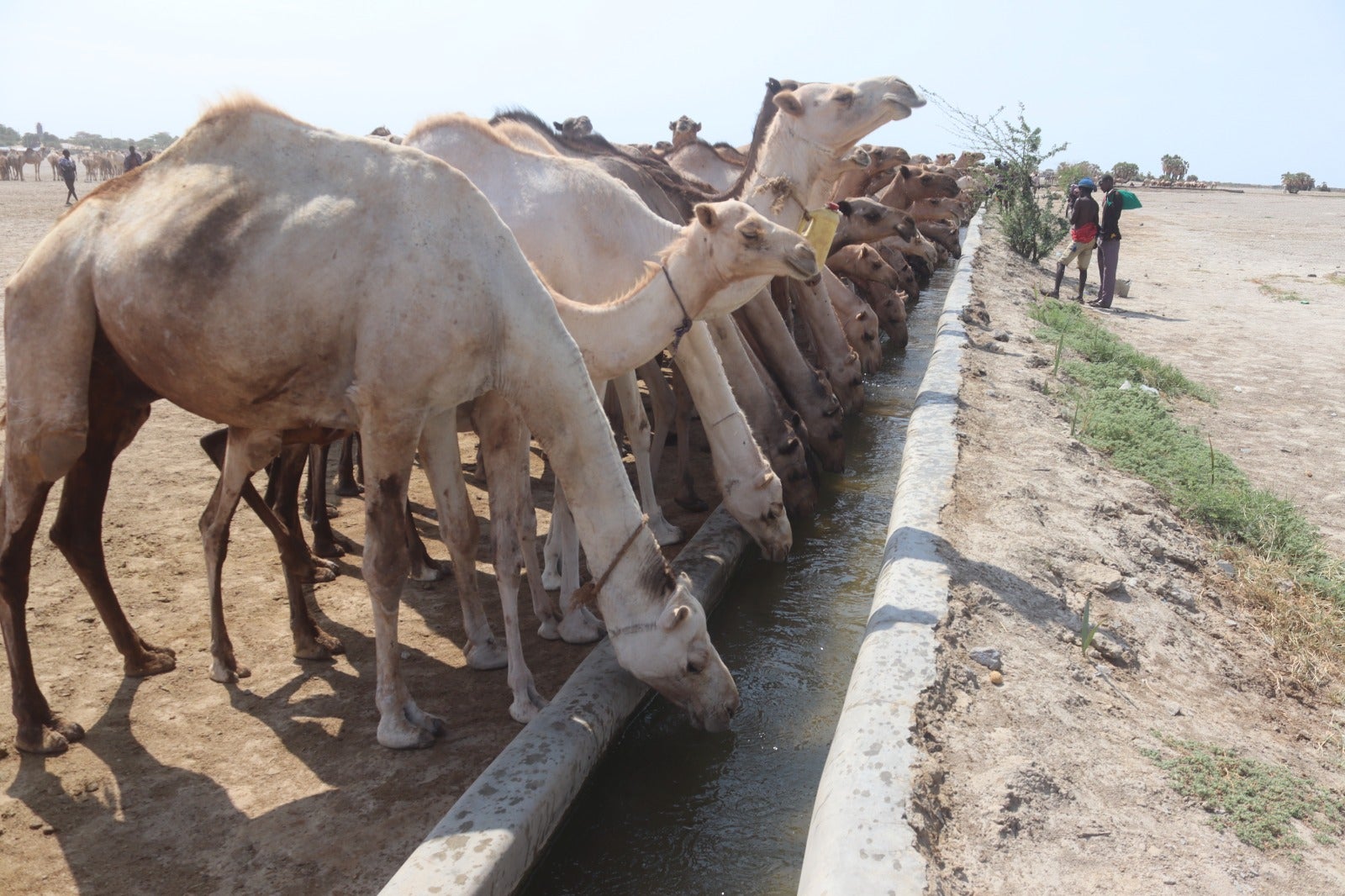
Despite the severe impacts of climate change, pastoralist communities are not simply waiting for help. The Rendille people are using their deep Indigenous knowledge to adapt to the harsh impacts of the climate crisis. Their efforts include community-led water management, shifting to drought-resistant livestock such as camels, and using early warning systems to prepare for future shocks.
Experts say these community-led solutions show that climate resilience is stronger when Indigenous voices are included in decision-making. However, these efforts need greater support to succeed in the long term. Pastoralist advocates are calling on governments, international partners, and the private sector to invest in sustainable water infrastructure, climate-smart livelihoods, and policies that reflect the realities of ASAL regions.
Fellowship programs, such as those supported by Cultural Survival, are also playing an important role. They give emerging Indigenous leaders opportunities to share ideas, build advocacy networks, and develop practical and innovative solutions for their communities. Through targeted training and global collaboration, frontline communities are gaining the tools they need to move from survival toward long-term sustainability.
As the climate crisis worsens, the future of Marsabit’s Indigenous communities depends on collective action. Investing in local leadership and community-driven solutions is one of the strongest paths toward a more sustainable and equitable future for the ASAL region.
--Damaris Lenantare is a 2026 Cultural Survival Indigenous Journalism Fellow. A member of the Rendille Peoples, she is a journalist and Indigenous women's rights activist from Kenya. She specializes in radio program production and short video reporting to amplify the voices of Indigenous Peoples, focusing on land rights, climate change, and cultural conservation in northern Kenya.]