Cultural Survival is pleased to announce the launch of the 2026 Indigenous Journalism Fellowship and Arts Residency Program. Through the Journalism Fellowship, we are committed to supporting Indigenous storytellers and communicators in responding to the urgent environmental crises threatening their ancestral lands and resources. The funding opportunity provides up to $5,000 USD in support, along with professional mentorship.
This year, the program supports Indigenous journalists from the Americas, Africa, and Asia to produce rigorous investigative reporting that shows how climate change, natural disasters, and the growing demand for transition minerals affect Indigenous communities. Fellows will work across diverse media formats to elevate community-led solutions and advocate for equitable and lasting change, strengthening the global network of Indigenous broadcasters and communicators.
The Arts Residency Program is a strategic pilot initiative within Cultural Survival launched in 2022 to advance the visibility and vitality of Indigenous knowledge systems. It provides Indigenous writers and artists with dedicated financial support to amplify their narratives across visual and literary forms, reinforcing the role of storytelling as a vehicle for cultural continuity and self-representation.
During the 2023–2024 cycle, four writers were supported through the residency. In the current cycle, two writers have been selected to undertake a six-month residency, during which they will carry out activities that contribute to the strengthening of Indigenous media ecosystems. We remain committed to securing additional support to expand this initiative and extend its reach to Indigenous creators in other regions.
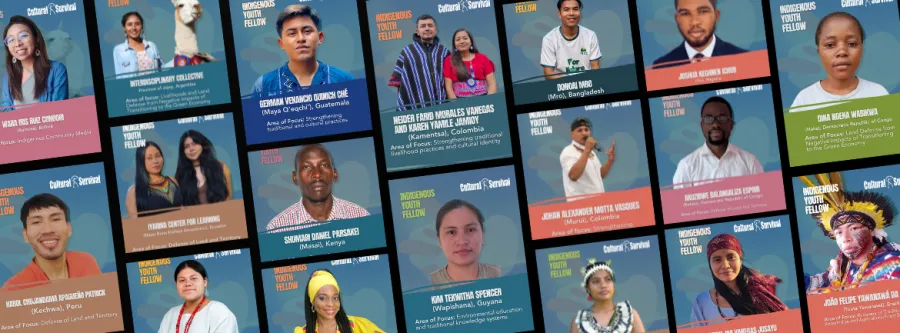
Meet the storytellers, communicators, and writers advancing change through the power of storytelling.
Our storytellers, communicators, and writers
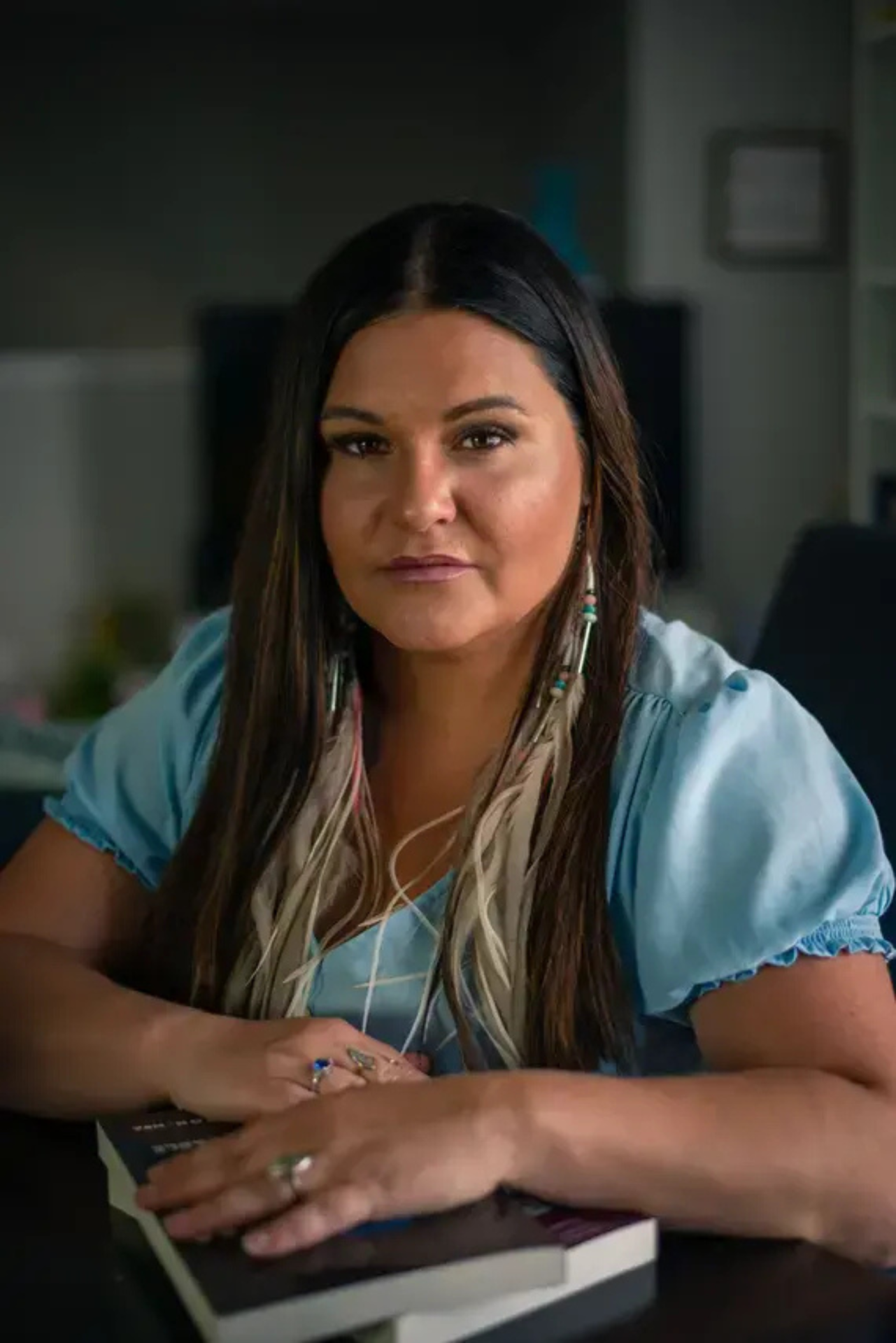
Brandi Morin
(Cree/Iroquois) Canada / Ecuador
Brandi Morin is an acclaimed Cree/Iroquois journalist from Treaty 6 territory in Alberta, Canada. She has spent nearly 15 years amplifying Indigenous voices through her work with major outlets, including National Geographic, the BBC, Al Jazeera English, Rolling Stone, and The New York Times. Her journalism has earned numerous awards, including the 2019 Human Rights Reporting award from the Canadian Association of Journalists, the 2022 National Native American Journalism Award for Best Feature Story, a 2022 Edward Murrow Award for her series on Missing and Murdered Indigenous Women and Girls, PEN Canada's 2023 Ken Filkow Prize, Amnesty International Canada's 2022/23 Media Award, a 2024 Sidney Hillman award for her documentary "Killer Water," the 2024 Canadian Association of Journalists Environmental and Climate Change award, and the 2024 Tim Giago Free Press Award.
Since December 2024, Brandi has been producing a short documentary film on the Shuar Maikiuants in Ecuador in collaboration with MulluTV, Re:Wild, and Earth Alliance. The film documents the community's struggle to stop Solaris Resources, a giant copper mine, from devastating their territories and lives. Mullu.tv, an Ecuadorian production company, is co-producing the film.
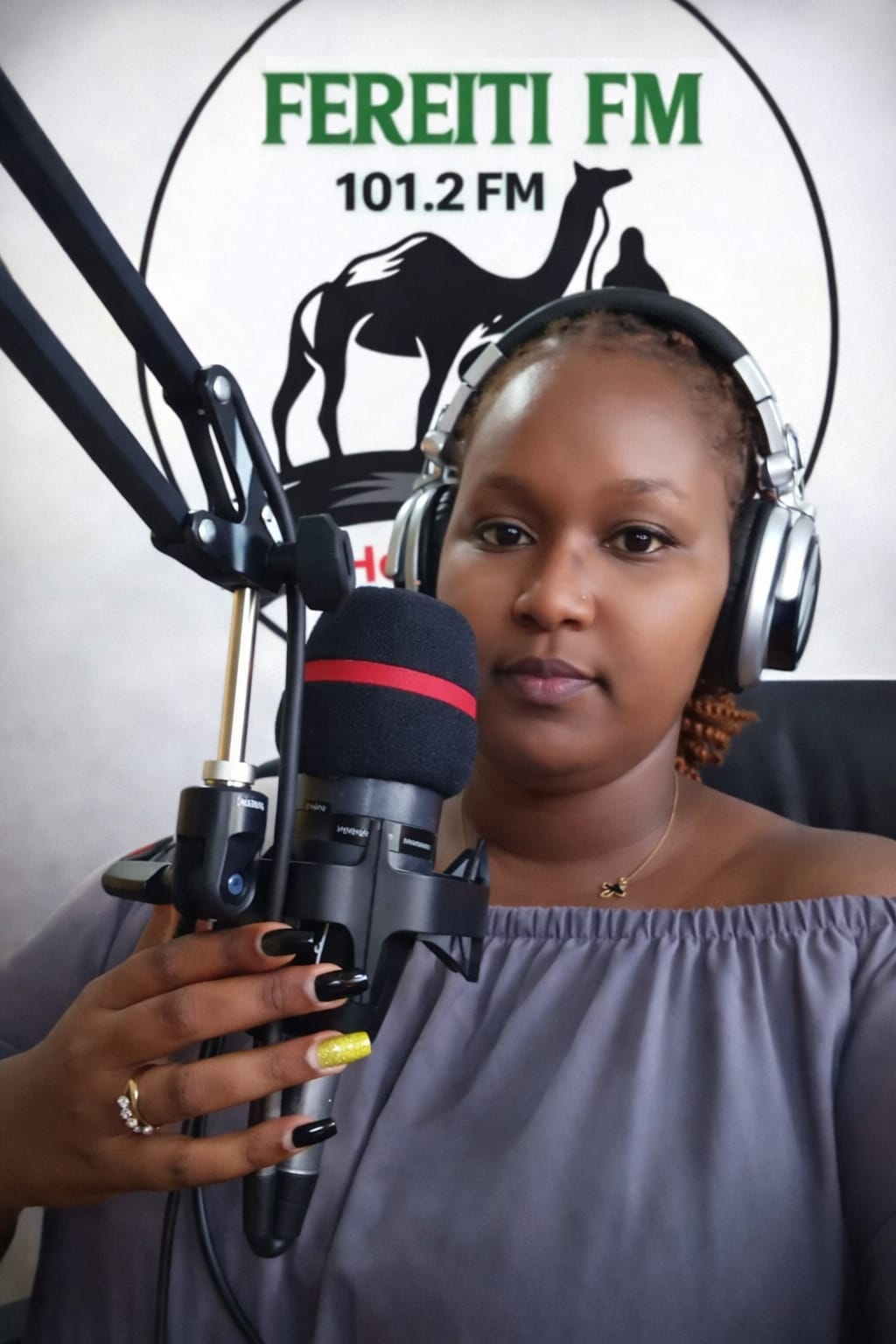
Damaris Lenantare
(Rendille) Kenya
Damaris Lenantare is a member of the Rendille Peoples and a journalist and Indigenous women's rights activist from Kenya. She has more than five years of experience in community media, covering stories and creating content at Fereiti 100.3 FM. She specializes in radio program production and short video reporting to amplify the voices of Indigenous Peoples, focusing on land rights, climate change, and cultural conservation in northern Kenya.
During this fellowship, Damaris will conduct research on the impact of natural disasters, focusing on drought and its effects on water scarcity and livestock. She will also conduct field reporting in Marsabit County to document the stories of Indigenous communities and other expert's insights, and produce articles and radio programs highlighting the challenges posed by climate change and climate-resilient agricultural solutions.
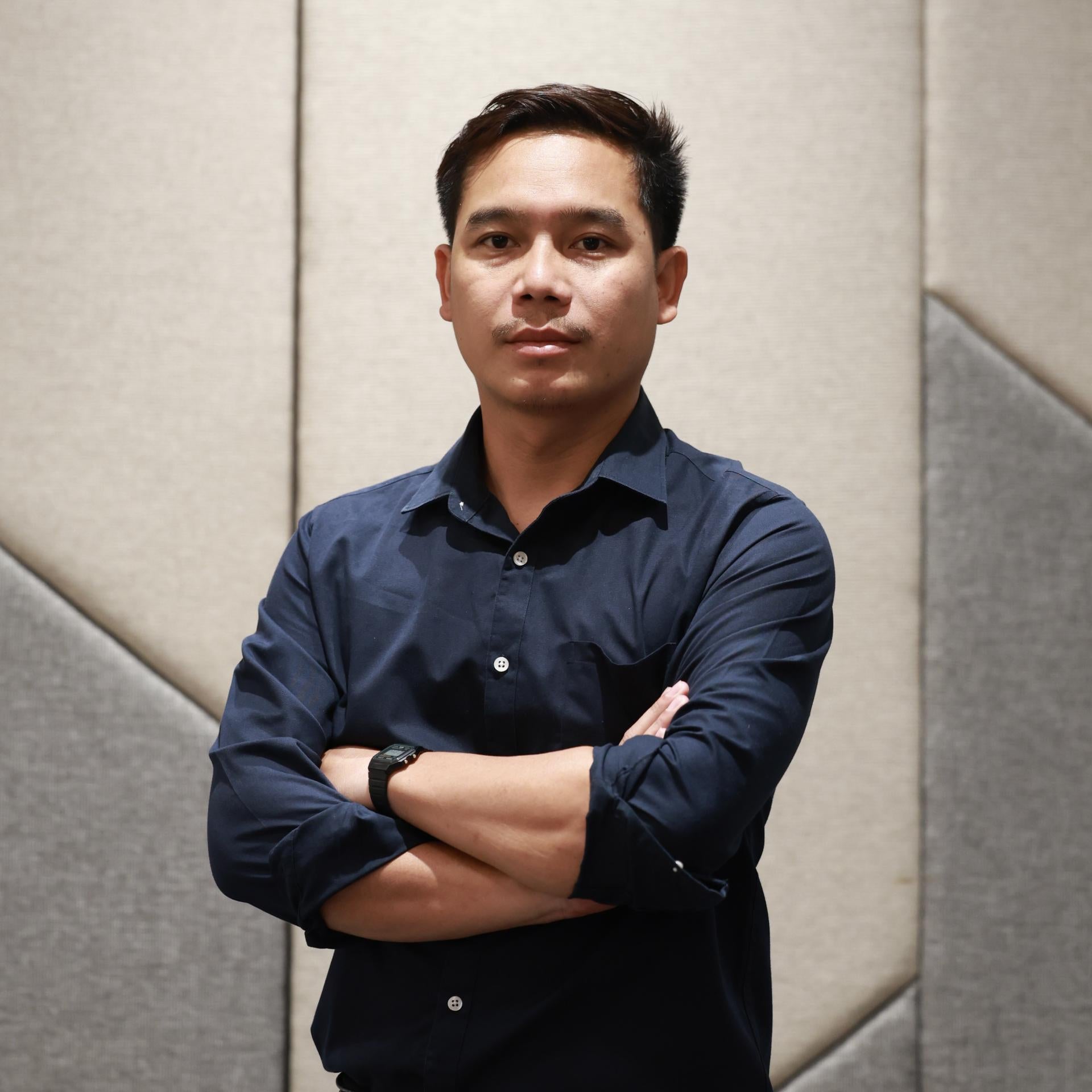
Phnom Thano
(Karen) Thailand
Phnom Thano belongs to the Karen Peoples in Thailand. He is a journalist and content creator with over seven years of media production experience. He previously held the role of chief editor at the Indigenous Media Network (IMN), where he now serves as an advisor. Phnom is dedicated to amplifying Indigenous Peoples' voices and promoting their rights, Traditional Knowledge, and livelihoods through documentary filmmaking, photography, and Thai-English interpretation.
In this fellowship, Phnom will conduct field visits across northern, eastern, and southern Thailand to document Traditional Knowledge and resource management practices. He will also produce in-depth articles on natural disaster preparedness, a photo collection documenting forest conservation, and a documentary film and audiovisual storytelling to safeguard Indigenous wisdom for future generations.
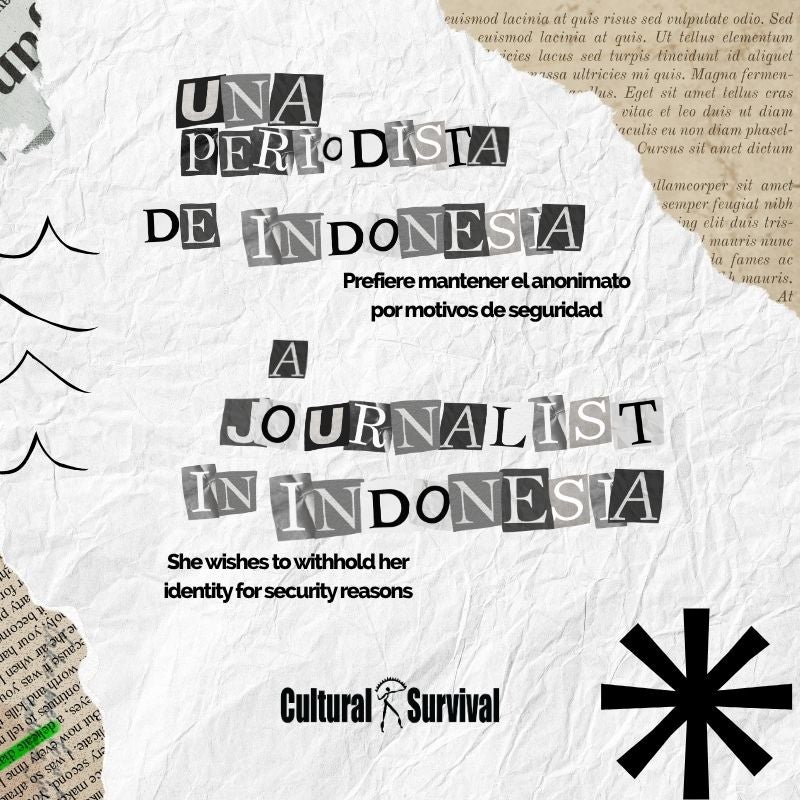
A Journalist in Indonesia
(She wishes to withhold her identity for security reasons)
A journalist and human rights defender based in Indonesia has pioneered some initiatives for women's empowerment and youth counselling. She has over two decades of experience in media advocacy for women, children, and Indigenous communities, documenting the violation of Indigenous Peoples' rights to land and access to customary forests by the extractive industries. In this fellowship, she will amplify the voices of Indigenous communities, primarily focusing on the environmental impacts of mining, through investigative articles and visual reports about the disruption of local economies and degradation of Indigenous land and territories due to mining expansion.
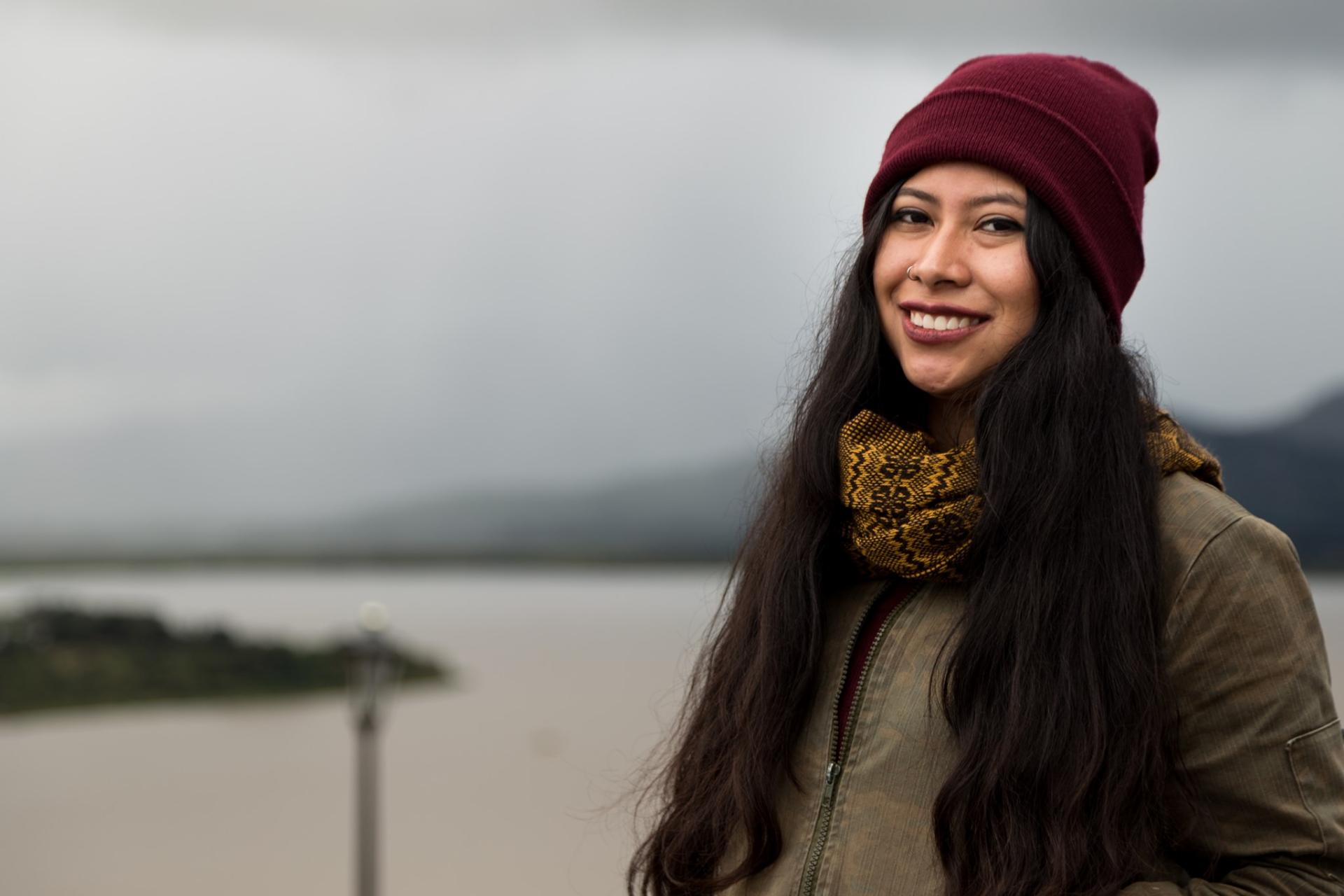
Lorena Janeth Gómez Gómez
(Tseltal) Mexico
Lorena Janeth Gómez Gómez is a Tseltal woman from the community of San Fernando, Huixtán, Chiapas. A graduate of the Bachelor's program in Intercultural Communication at the Intercultural University of Chiapas, Lorena works in radio production and serves as a reporter and sound engineer for audiovisual projects. She carries out community radio and audiovisual projects with children in the communities of the Chiapas Highlands, collaborating on artistic, cultural, educational, and environmental projects in San Cristóbal de Las Casas. She has supported community communication initiatives in Indigenous, rural, and farming communities.
Her residency in the Community Media Program will support their production and dissemination of graphic, audiovisual, and radio materials addressing issues such as climate change, environmental justice, the impacts of transition minerals, and community strategies for prevention, mitigation, and response to natural disasters. She will seek to amplify the voices and perspectives of Indigenous Peoples as well as raise awareness of the work of the program's partner radio stations and media outlets.
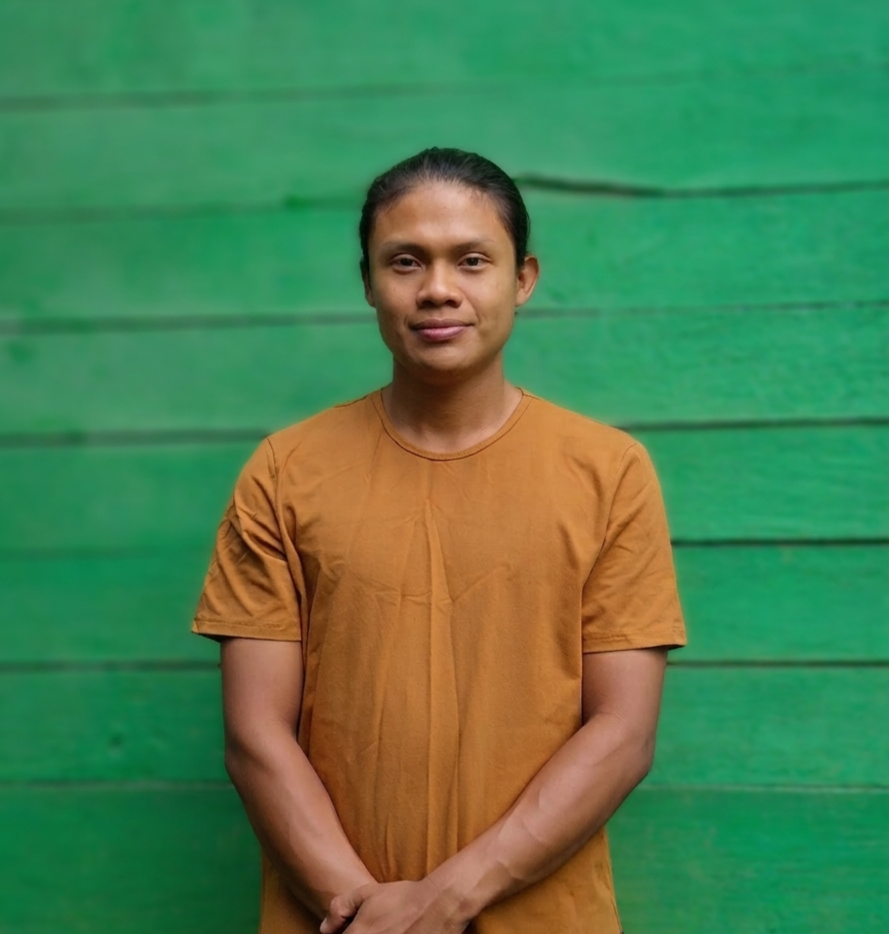
Iván Geovany Selles Vargas
(Bribri) Costa Rica
Iván Selles is a young Bribri man from Talamanca, Costa Rica and a trained cultural manager. His experience focuses on the development and empowerment of Indigenous communities, where he has participated in projects that directly benefit these populations. His work is notable for facilitating participatory processes using tools such as mapping and diagnostics to integrate the Indigenous perspective into decision-making. He has also led culturally adapted digital literacy initiatives, facilitating training in Bribri and Cabécar communities. His experience includes the systematization of ancestral knowledge on risk management and the promotion of Indigenous identity.
Iván's project will focus on increasing the visibility of the work carried out by the Indigenous Community Media program through a strategy that combines visual communication and cultural identity. He will produce digital and print materials using language and identity that is inclusive of Indigenous Peoples, identify Indigenous allies in Costa Rica, and develop his own project in his community.