Meet Our 2026 Cohort of Indigenous Youth Fellows from Africa and Asia
Cultural Survival is excited to announce our 2026 cohort of Indigenous Youth Fellows as part of our Capacity Building Program. This Fellowship supports young Indigenous leaders aged 18-28 who are committed to strengthening their communities by elevating, defending, and revitalizing their cultures and Traditional Knowledge while building skills in leadership, organization, and project management. Since 2018, our program has awarded 157 fellowships, supporting more than 368 Indigenous youth worldwide.
This year’s cohort brings together 30 young leaders from around the globe. Here, we highlight the stories of the 15 Fellows based in Africa and Asia, sharing their journeys and community-driven initiatives. Together, the 30 fellowship projects address critical issues such as climate change, food sovereignty, decolonization, language revitalization, land protection, media, storytelling, the arts, and the reclamation of ancestral traditions.
Indigenous youth are vital agents of change, and their leadership is key to carrying forward ancestral knowledge while strengthening the continuity and vibrancy of their cultures. Join us in celebrating their talent, creativity, and unwavering commitment.
Asia
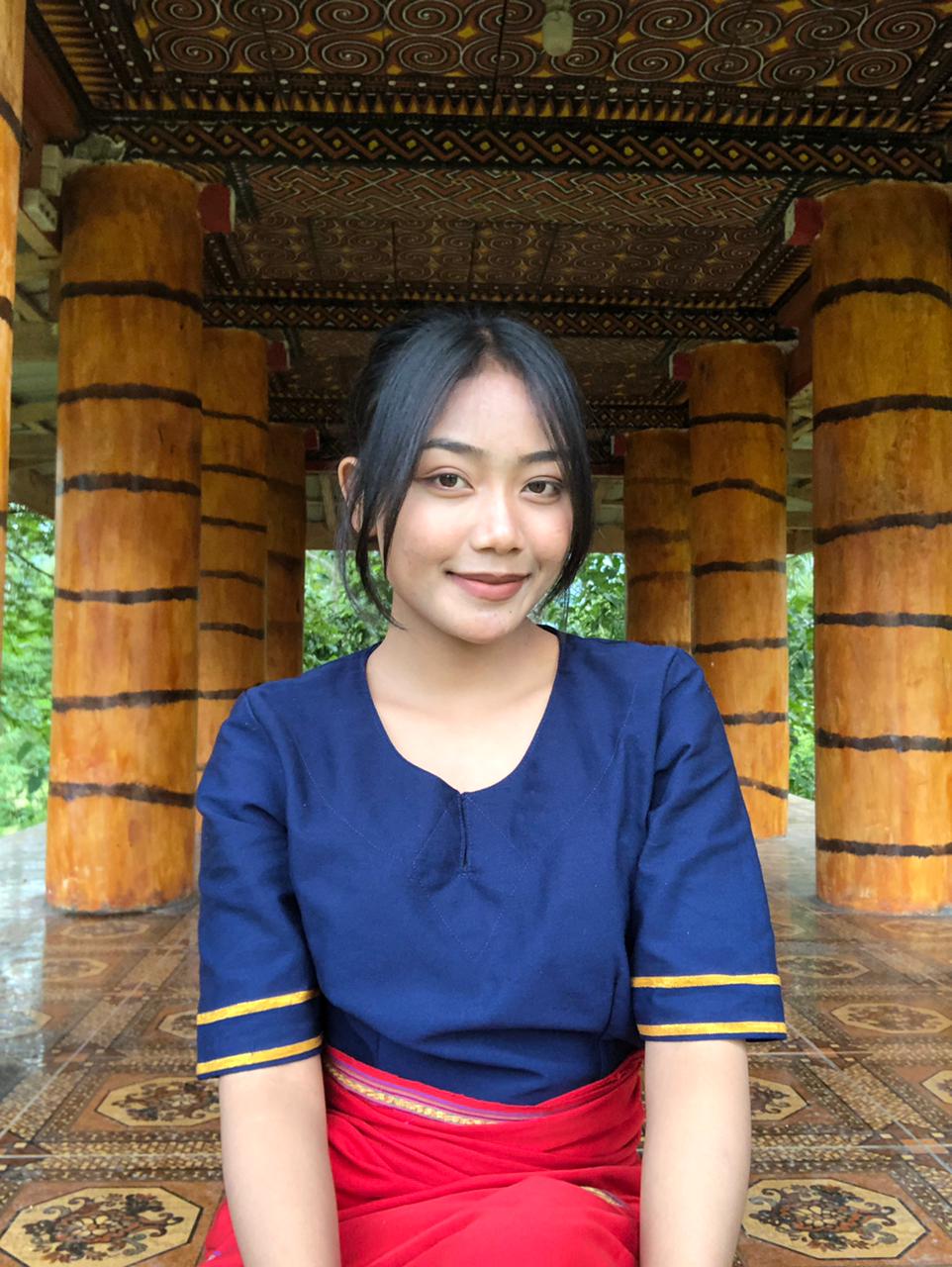
Flaviona Gabriel Sirumba Pasorong
Toraya • Indonesia
Flaviona Gabriel Sirumba Pasorong (Toraya), Indonesia
Thematic area: Indigenous Land Rights, FPIC, and Environmental Justice
Flaviona Gabriel Sirumba Pasorong (Toraya) is from the Pali community in Bittuang District, Tana Toraja Region, South Sulawesi, Indonesia. As a young Indigenous woman, Flaviona is actively working to protect her ancestral lands from environmental damage, natural resource exploitation, and development projects that threaten Indigenous territories. She serves on the board of the Indigenous Youth of Toraya, where she works with her team to strengthen awareness and collective action among four Indigenous communities in Bittuang District: Pali, Balla, Bittuang, and Se’seng. Their work focuses on helping communities understand the environmental impacts of extractive and energy projects, while also strengthening the Indigenous movement to defend ancestral territories from land grabbing.
Through Cultural Survival’s Indigenous Youth Fellowship Program, Flaviona and her team are implementing a project called "Raising Awareness and Organizing Indigenous Communities to Face Geothermal Energy." The project aims to strengthen Indigenous communities in resisting geothermal development that happens without their Free, Prior and Informed Consent. The project will facilitate community activities to raise awareness about the rights of Indigenous Peoples and the potential impacts of geothermal exploitation on land, culture, livelihoods, water sources, and the future of Indigenous communities. It will also support community organizing through Indigenous assemblies, creating safe spaces for dialogue, collective decision making, and movement building.
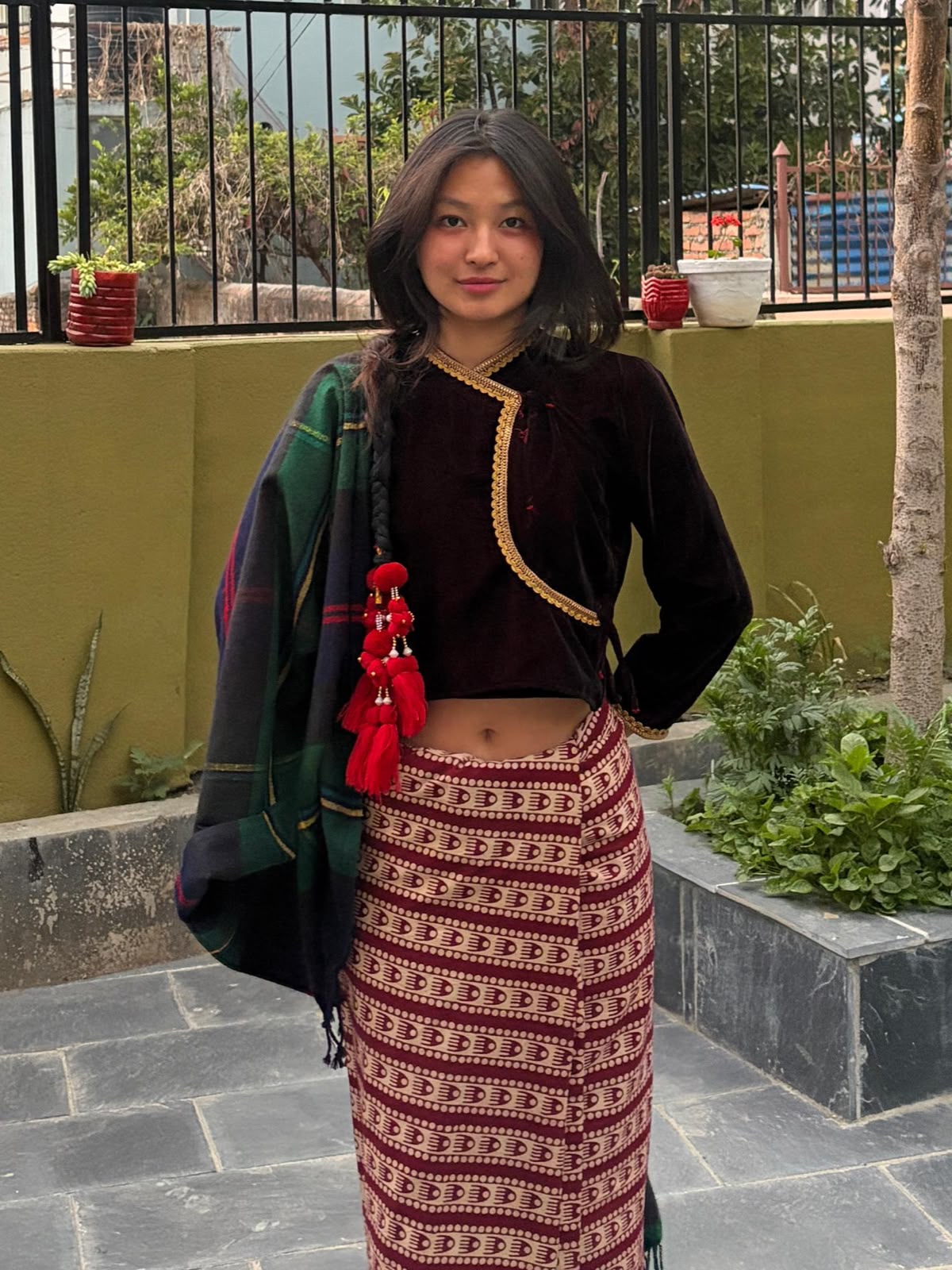
Anisha Buda
Kaike Magar • Nepal
Anisha Buda (Kaike Magar), Nepal
Thematic area: Indigenous Women’s Rights, Climate Justice
Anisha Buda (Kaike Magar) is an Indigenous youth from Nepal. She currently works as a program officer at the National Indigenous Women Forum (NIWF), where she supports initiatives focused on the social, cultural, and environmental rights of Indigenous and marginalized women and girls in Nepal. Her work brings together climate justice, biodiversity conservation, ecosystem restoration, capacity building, and the economic empowerment of women and girls.
Beyond her work with NIWF, Anisha serves as an interim committee member of the International Indigenous-Led Fire Adaptation Network under the Food and Agriculture Organization of the United Nations. She is an active member of the Asia Pacific Network of Environmental Defenders, where she raises awareness about the challenges faced by Indigenous environmental defenders in Nepal. She is serving as a member of the Secretariat Committee at Indigenous Peoples and Community Conserved Areas - ICCA Network Nepal, where she will focus on biocultural conservation projects from an Indigenous youth perspective. She also presented a paper, “Rungma, a Ritual of Reinforcing Ecological Awareness: A Case of Tarali Magars in Dolpa District," at a youth conference organized by ICCA Network Nepal.
Through Cultural Survival’s Indigenous Youth Fellowship Program, Anisha will implement a project titled “Climate Week New York City 2026”. The project will support her participation in Climate Week NYC, where she will document and share the perspectives of an Indigenous youth working on climate change at local and national levels in Nepal, bringing lived experiences, knowledge, and leadership into global climate conversations.
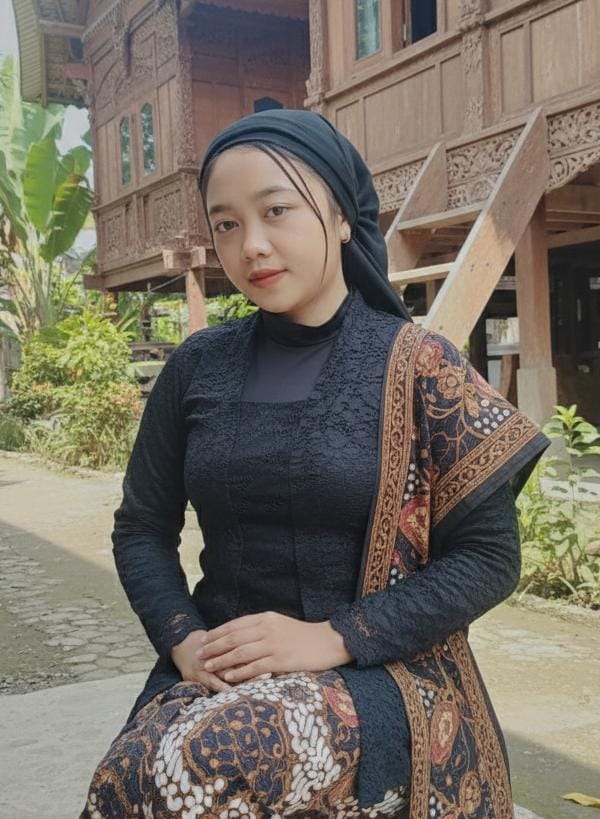
Sucia Lisdamara Yulmanda Taufik
Kasepuhan Bayah • Indonesia
Sucia Lisdamara Yulmanda Taufik (Kasepuhan Bayah), Indonesia
Thematic area: Natural Disaster Preparedness Education
Sucia Lisdamara Yulmanda Taufik (Kasepuhan Bayah) is from Lebak Regency, Banten Province, Indonesia. Born and raised in a culture deeply connected to nature, ancestral traditions, and local wisdom, her lived experience has shaped her strong commitment to protecting Indigenous knowledge systems and community autonomy. Since 2021, she has been actively involved with Barisan Pemuda Adat Nusantara, an Indigenous youth organization that works to defend customary territories, strengthen Indigenous youth leadership, and promote meaningful participation in decision-making processes related to Indigenous land rights and governance. She also serves as a facilitator of Indigenous education at Sekolah Adat Banten Kidul, where she supports community-based learning rooted in Indigenous language, culture, and values. Her work is driven by concern over the accelerating loss of Traditional Knowledge as environmental degradation increasingly affects Indigenous territories, particularly due to extractive industries such as mining and large-scale corporate projects.
Sucia will implement a project titled “Indigenous School for Disaster Preparedness: Strengthening Local Knowledge in Facing Earthquakes and Tsunamis in Kasepuhan Bayah.” The project aims to integrate Indigenous knowledge of natural signs and traditional practices into disaster preparedness education, ensuring that local wisdom becomes part of both formal and informal learning processes. Using a participatory approach, the project will develop community-based disaster risk maps to strengthen traditional evacuation routes. It also seeks to preserve ancestral stories related to earthquakes and tsunamis as intergenerational learning resources while enhancing the capacity of Indigenous youth to serve as key facilitators in disaster education and preparedness simulations within their communities.
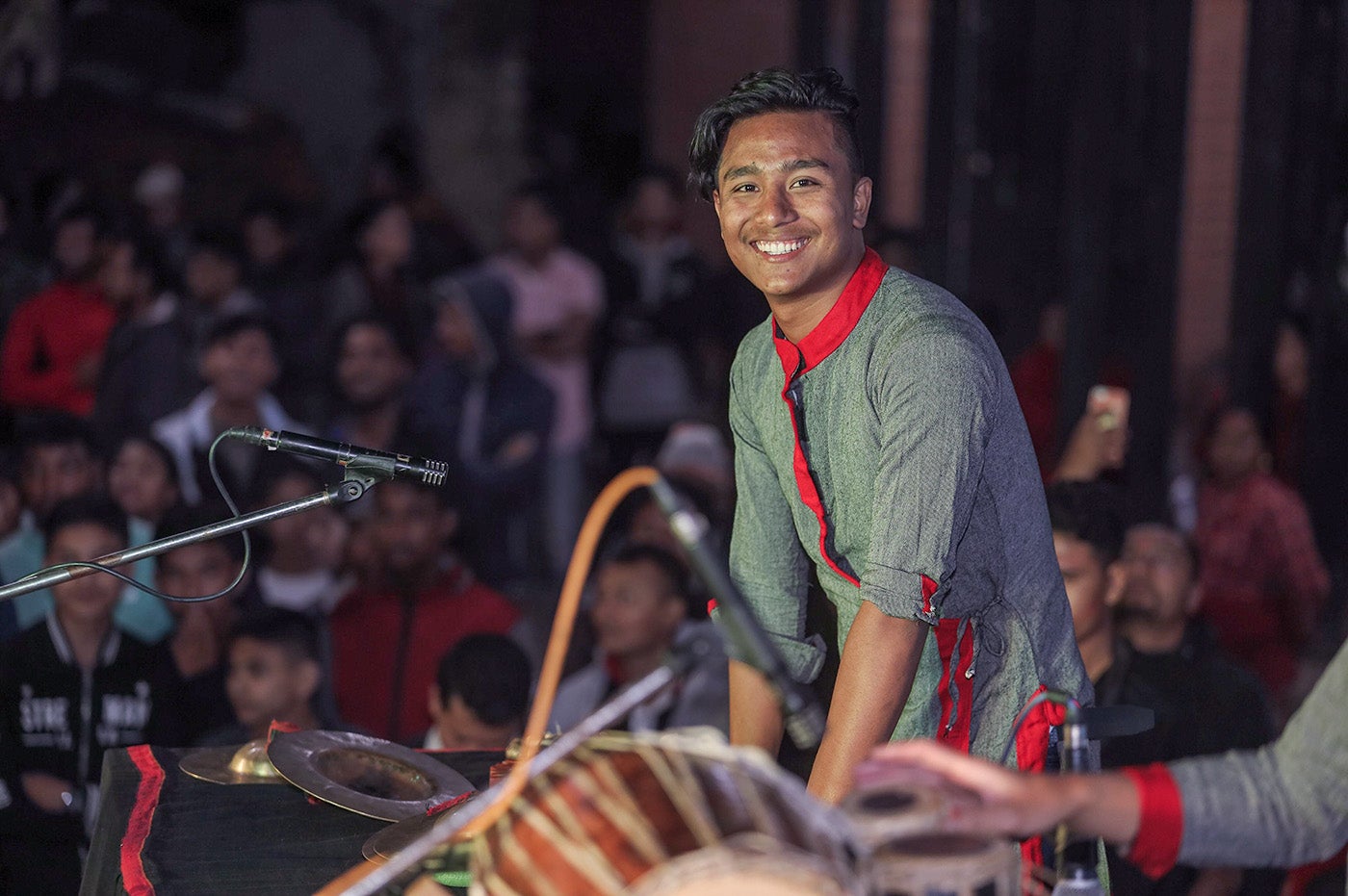
Ashim Maharjan
Newa • Nepal
Ashim Maharjan (Newa), Nepal
Thematic area: Land Rights and Sustainable Livelihoods
Ashim Maharjan (Newa) is from Khokana, Nepal. He holds a bachelor’s degree in social work and is currently pursuing a master’s degree in sociology. His academic and professional interests focus on youth and women’s livelihoods, land rights, and community resilience, with a strong emphasis on participatory and culturally grounded development approaches. Ashim works as a researcher with the Community Empowerment and Social Justice Network, where he conducts field research, facilitates community consultations, collects data and documents findings, and prepares reports on social and development issues in close collaboration with local communities and civil society organizations. He has also participated in the International Citizen Service program, supporting community engagement, cross-cultural collaboration, and community-led development initiatives. He is actively engaged in cultural preservation through music as a member of Shreekali, a Newa cultural music group. Ashim promotes Newa language, music, and cultural identity through community performances and cultural programs, using art as a tool for youth engagement, intergenerational learning, and community cohesion
Ashim will implement the project, “Promoting Land Rights and Traditional Livelihoods in a Fast Track Expressway and Other Infrastructure Projects Affecting Indigenous Newa Communities in Khokana in the South of Kathmandu.” Combining Traditional Knowledge with community-based initiatives, the project seeks to strengthen food security, preserve cultural heritage, and create resilient economic opportunities to fight against projects imposed on Newa lands.
Africa
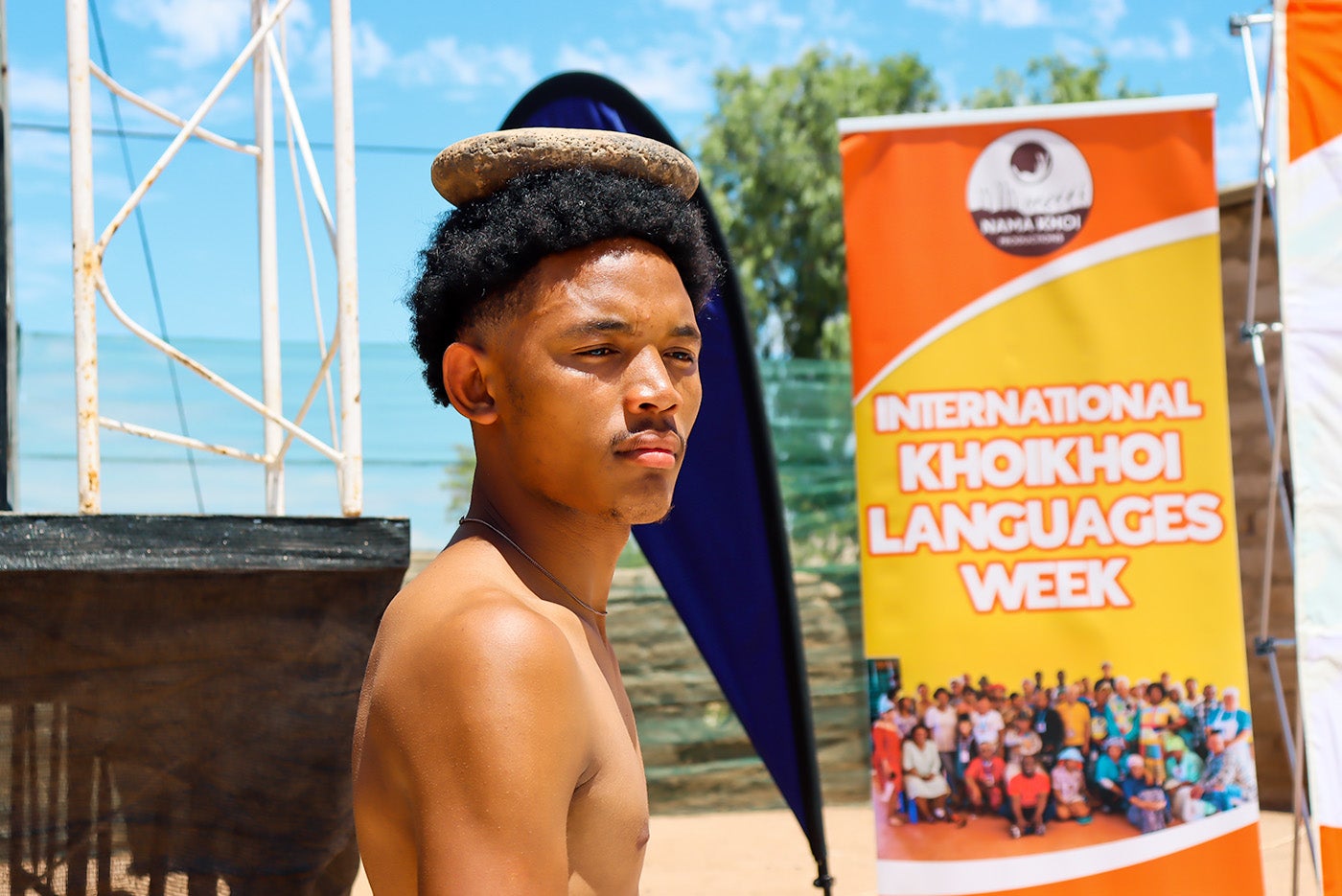
Jayden Cloete
Nama Khoi • South Africa
Jayden Cloete (Nama Khoi), South Africa
Thematic area: Indigenous Knowledge, Land Protection and Transitional Minerals
Jayden Cloete (First Nation Nama Khoi) is a theater practitioner and cultural activist from South Africa. He is an active member of Nama Khoi Productions, a theater collective dedicated to protecting and advancing the rights, language, and cultural heritage of the Nama Khoi community through artistic practice. For Jayden, theater is more than performance: it is memory, resistance, education, and a space where Indigenous voices speak back to injustice. His work uses theater as a tool for cultural preservation, social awareness, and community dialogue. He has contributed to several activist-driven productions, including “Naeb/Naelstring” (2025), “Ons Gister Dans” (2024), “Dwaling/Ihare mâ” (2024), and “Bosveld Klong” (2024).
In addition to stage productions, Jayden has participated in community-based protest theater initiatives, including “The Silent Protest” (2024), which engaged with issues of governance and community accountability. Through his creative practice, he continues to amplify Indigenous youth voices and strengthen cultural identity through performance. As part of his fellowship, Jayden is implementing a project titled “What Remains?" which investigates the environmental, social, and cultural impacts of lithium and mineral sand extraction on Indigenous lands. The project asks the powerful and urgent questions: What remains of land when extraction reshapes it? What remains of culture when ancestral territories are placed under pressure? What remains of identity when communities are asked to carry the cost of global demand for transitional minerals?
Tebogo Sendelinah Xhao
Ju/'hoansi • Botswana
Tebogo Sendelinah Xhao (Ju/'hoansi), Botswana
Thematic area: Indigenous Language Preservation, Intergenerational Knowledge Transmission
Tebogo Sendelinah Xhao (Ju/'hoansi) is a youth leader from Botswana. She is deeply committed to safeguarding her mother tongue from extinction and exploitation and works to ensure that the Ju/'hoansi language, culture, and identity continue to thrive for future generations. Her work focuses on Indigenous language revitalization, cultural heritage preservation, intergenerational knowledge transmission, and the promotion of Indigenous Peoples’ rights to protect and celebrate their own knowledge systems. Learning from Elders, engaging with linguistic resources, and connecting with individuals and organizations working on language revitalization experiences, Tebogo gained a deeper understanding of both the challenges facing the Ju/'hoansi language and the strength within her community to lead its own solutions.
Through the Indigenous Youth Fellowship, she will implement a project titled “Ju/'hoansi Language Immersion Project,” which aims to document, preserve, and celebrate the unique cultural heritage of the Ju/'hoansi people. The project will create spaces for language learning, oral history sharing, and intergenerational knowledge transmission among Elders, youth, and community members.
Cynthia Nurse Shadi Soso
San • Botswana
Cynthia Nurse Shadi Soso (San), Botswana
Thematic area: Indigenous Knowledge Revitalization and Community Development
Cynthia Nurse Shadi Soso (San/Naro) is a young woman from Botswana. A passionate student at the University of Botswana, she is pursuing a bachelor’s degree in Lifelong Learning and Community Development. She is also an active member of the San Youth Network, navigating the complex realities of development work where cultural preservation, donor accountability, and youth agency often intersect. Her journey is driven by a strong commitment to inclusive education, social justice, the preservation of Indigenous knowledge, and sustainable community empowerment. She is particularly interested in designing and implementing community-based interventions that address participatory development, social inequalities, Indigenous methodologies, and support for vulnerable populations in Botswana. Through her studies, she has developed knowledge and skills in adult education, participatory development, monitoring and evaluation, and community engagement. Her academic work has focused on empowering marginalized groups, with particular attention to peacebuilding and substance abuse prevention. She believes that education is a transformative tool that can empower individuals, strengthen communities, and promote social cohesion.
During the fellowship, Cynthia will implement a project that aims to revitalize and strengthen the use of the Naro language and cultural knowledge among Naro youth in Botswana, particularly in the village of D’Kar, where Naro language use is declining rapidly. Through intergenerational learning, storytelling, and cultural mentorship, the project seeks to reconnect young San people with their mother tongue, oral traditions, and cultural identity.
Samuel Stanley
San • Botswana
Samuel Stanley (San), Botswana
Thematic area: Climate Change Awareness and Adaptation
Samuel Stanley (San) is an Indigenous youth leader, motivational speaker, climate advocate, and legal professional from Chobokwane Village in the Ghanzi District of Botswana. A proud member of the San community, Samuel is committed to advancing Indigenous rights, youth empowerment, environmental sustainability, cultural heritage preservation, and community development. He is a member of the International Indigenous-led Fire Adaptation Network committee under The Food and Agriculture Organization. He holds a bachelor’s degree from the University of Botswana, a certificate in Paralegal Studies from the Dollar Orman Institute in Cape Town, South Africa, and a certificate in Rock Art Site Documentation from the University of Namibia. His academic and professional journey reflects his dedication to legal empowerment, social justice, Indigenous knowledge, and cultural heritage protection. He currently serves as the African Focal Point of the Global Indigenous Youth Caucus, where he supports Indigenous youth engagement across Africa and advocates for Indigenous rights, food systems transformation, climate action, and sustainable development in international policy spaces.
As a fellow, Samuel will implement the project “Indigenous Climate Voices: Raising Climate Change Awareness and Revitalizing Indigenous Knowledge among Youth in Ghanzi District, Botswana.” The project aims to increase climate change awareness among Indigenous youth and community members while promoting San Indigenous knowledge as a valuable tool for climate adaptation and resilience.
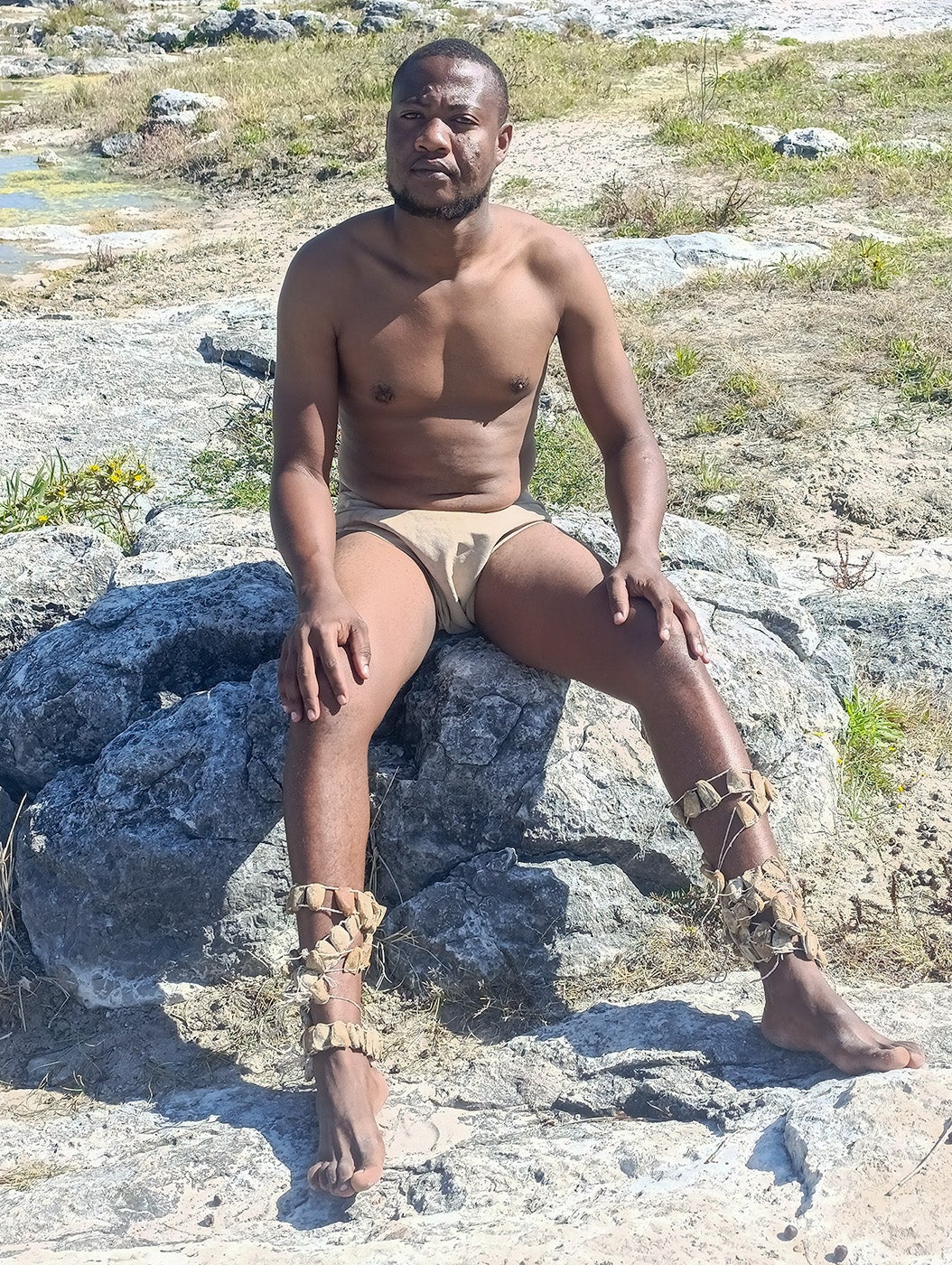
Gofaone Tsaae
Ju/’hoansi • Botswana
Gofaone Tsaae (Ju/’hoansi), Botswana
Thematic area: Indigenous Knowledge Transfer, Intergenerational Dialogue
Gofaone Tsaae (Ju/’hoansi) is a youth leader, cultural advocate, and community organizer from Qangwa, Botswana. Passionate about preserving Indigenous knowledge systems, he is committed to protecting and promoting the cultural heritage, identity, and Traditional Knowledge of the Ju/’hoansi people.
Through this fellowship, Gofaone is implementing a project titled “Indigenous Knowledge Systems.” The project focuses on supporting the transfer of knowledge from Knowledge Keepers to youth and children, ensuring that Ju/’hoansi cultural practices, oral histories, environmental knowledge, and traditional skills are passed on to future generations. The project will document oral histories, environmental knowledge, traditional tracking skills, and cultural practices through interviews with Elders and digital archiving. By creating spaces for dialogue and knowledge exchange between youth and Elders, the project seeks to strengthen cultural identity, bridge generational gaps, and promote intergenerational learning.
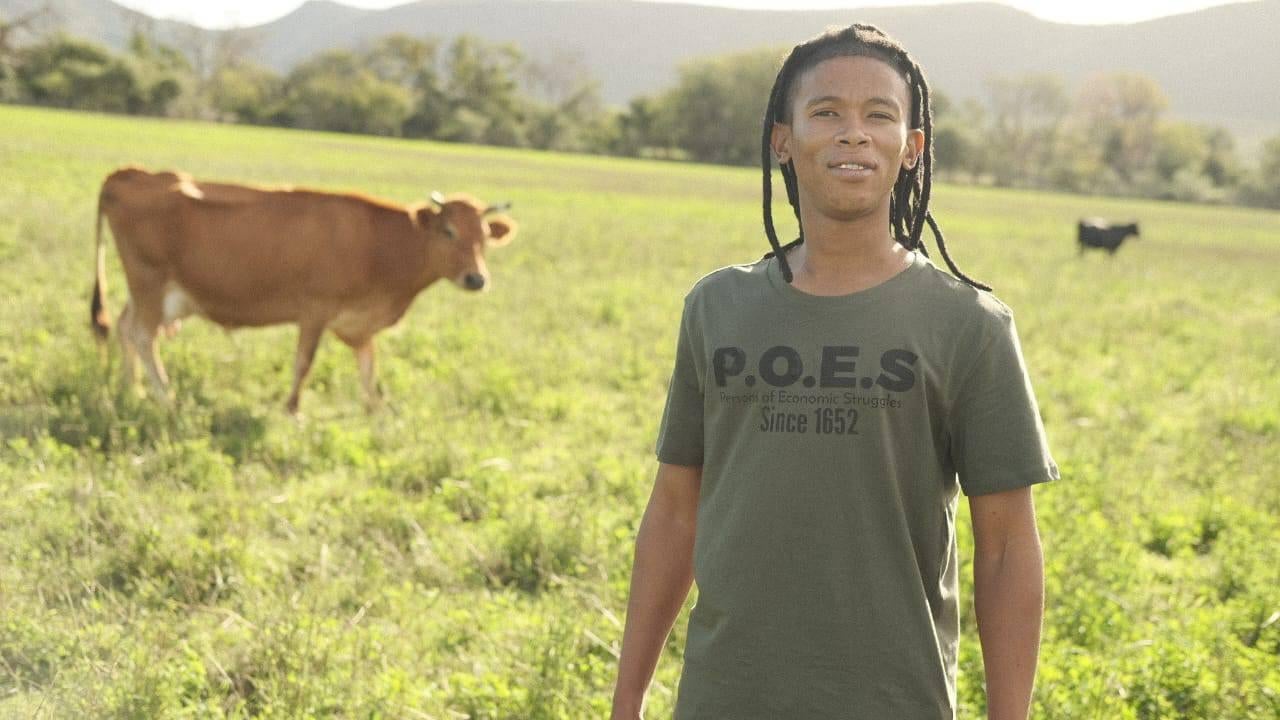
Zandry Gaai
Khoikhoi • South Africa
Zandry Gaai (Khoikhoi), South Africa
Thematic area: Traditional Ecology, Climate Change Knowledge, and Transitional Minerals
Zandry Gaai (Inqua Khoikhoi) is from the Eastern Cape, which is the ancestral homeland of Sarah Baartman, one of the world’s most iconic taras (women). His sisen (work) is rooted in a personal and collective journey of healing, reclaiming an erased Khoikhoi identity, the nam (tongue) of his aboxan (ancestors), and Khoikhoi stories of khaima (resistance). Gaai is passionate about using storytelling to raise awareness of Khoikhoi presence in the Eastern Cape and across South Africa while supporting other Khoikhoi youth who are navigating questions of identity, belonging, and cultural loss.
Gaai will implement a project titled “The Khoikhoi Eco-Memory Project.” The project aims to empower Khoikhoi youth to document and share Traditional Ecological Knowledge passed down by Elders, with a focus on water systems, ancestral grazing cycles, plants and natural medicines, and drought indicators, particularly in the Karoo, a region known for its arid climate. The project will produce a bilingual Khoikhoi and English booklet, a public mural mapping ancestral knowledge of the land, and a series of intergenerational climate workshops. This initiative seeks to strengthen climate resilience, cultural pride, and language preservation within Inqua Khoikhoi First Nation communities in the Eastern Cape. The project will also engage with issues related to transitional minerals by conducting interviews with Khoikhoi Elders, land defenders, and activists in the Eastern Cape. These conversations will explore Indigenous perspectives and alternatives to transitional minerals, generating knowledge that can be used to educate communities and support advocacy efforts in legal and policy spaces.
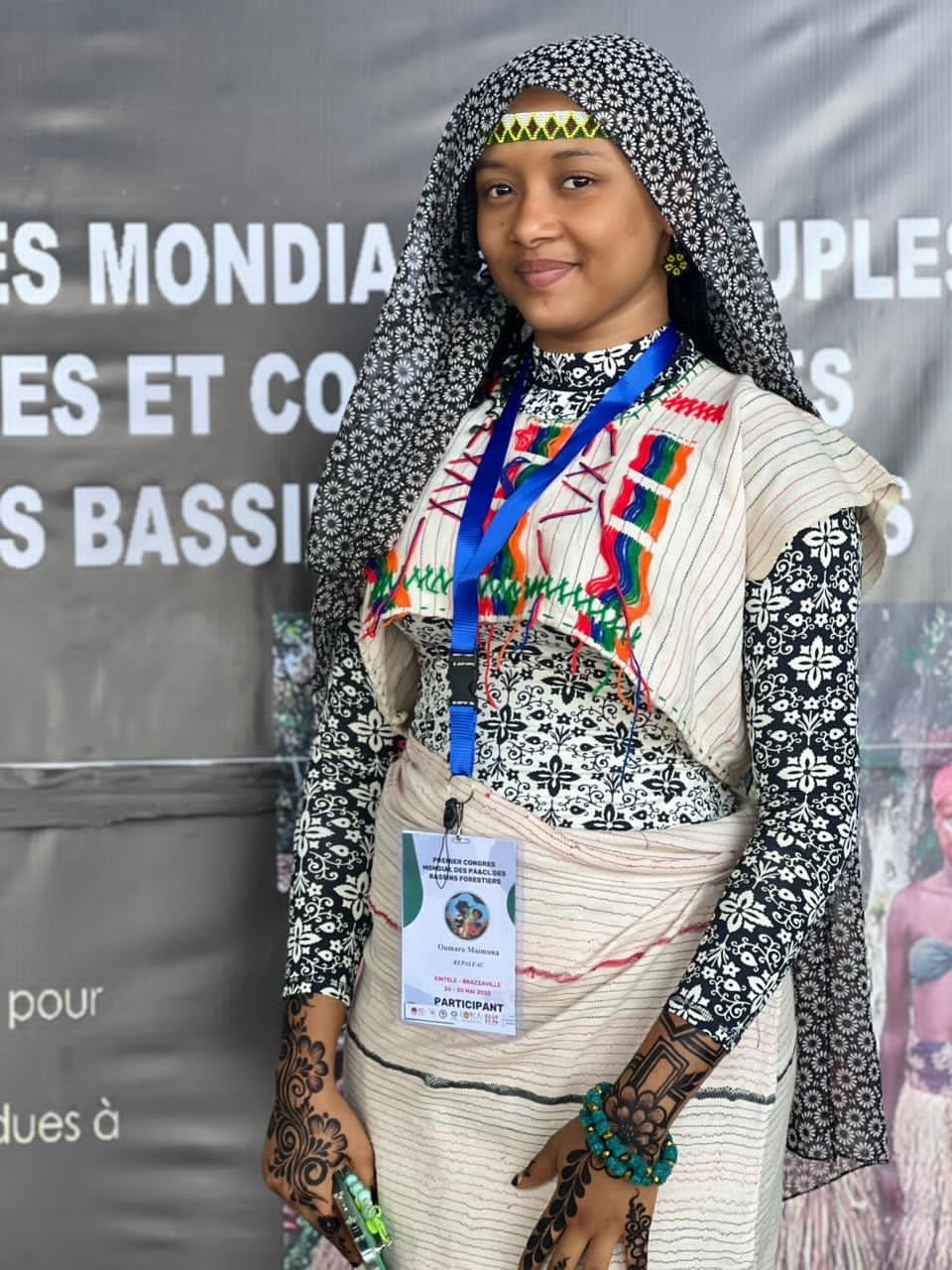
Nana Faizatou Ibrahim
Mbororo • Cameroon
Nana Faizatou Ibrahim (Mbororo), Cameroon
Thematic area: Indigenous Girls Empowerment, Climate Change Awareness and Advocacy
Nana Faizatou Ibrahim (Mbororo) is from the Fulani pastoralist community of Cameroon. Growing up in her community instilled in her a deep appreciation for Traditional Ecological Knowledge, traditional medicine, and biodiversity conservation. As a communication volunteer with the REPALEAC Youth Women’s Movement, she has contributed to community-based initiatives focused on gender equality, health education, and climate resilience. Her work includes community sensitization on sustainable resource use, advocacy for reproductive rights, and fostering dialogue between traditional healers and health professionals. She has also participated in national and regional trainings on Indigenous rights, biodiversity policy, and youth leadership. Nana is currently developing a community-centered initiative to document Mbororo women’s ecological knowledge, aiming to preserve plant biodiversity and transmit knowledge to younger generations.
Nana’s project, “Indigenous Mbororo Girls Building Resilience for Climate Action,” aims to empower Mbororo girls with knowledge and practical tools to become climate change advocates and solution providers within their pastoralist communities and increase awareness on climate resilience, promote sustainable environmental practices, and build leadership among Mbororo girls to lead grassroots environmental actions.

Carine Bahati
Pygmy Batwa • Democratic Republic of Congo
Carine Bahati (Pygmy Batwa), Democratic Republic of Congo
Thematic area: Land Defense and Traditional Knowledge
Carine Bahati (Pygmy Batwa/Mbuti) is from South Kivu, Democratic Republic of Congo. She became an activist after her community was displaced from their ancestral lands in Kahuzi-Biega National Park. As the co-founder and coordinator of Indigenous Girls Advocacy, she works to empower Indigenous girls, combat food insecurity, and preserve Traditional Knowledge. Her mission focuses on bridging the gap between Elders and youth to safeguard ancestral medicinal and culinary practices, recognizing these traditions as essential to the community’s health, food security, and dignity.
Carine will implement a project called “Promoting Batwa Traditional Knowledge for Food Security and Community Health in Shabunda.” She intends to create community gardens where young people will learn to grow local food and medicinal plants while receiving knowledge from Elders and traditional healers. This project also aims to restore cultural pride and strengthen intergenerational ties so that young people become the guardians and innovators of their ancestral heritage, working towards a sustainable future for their people.
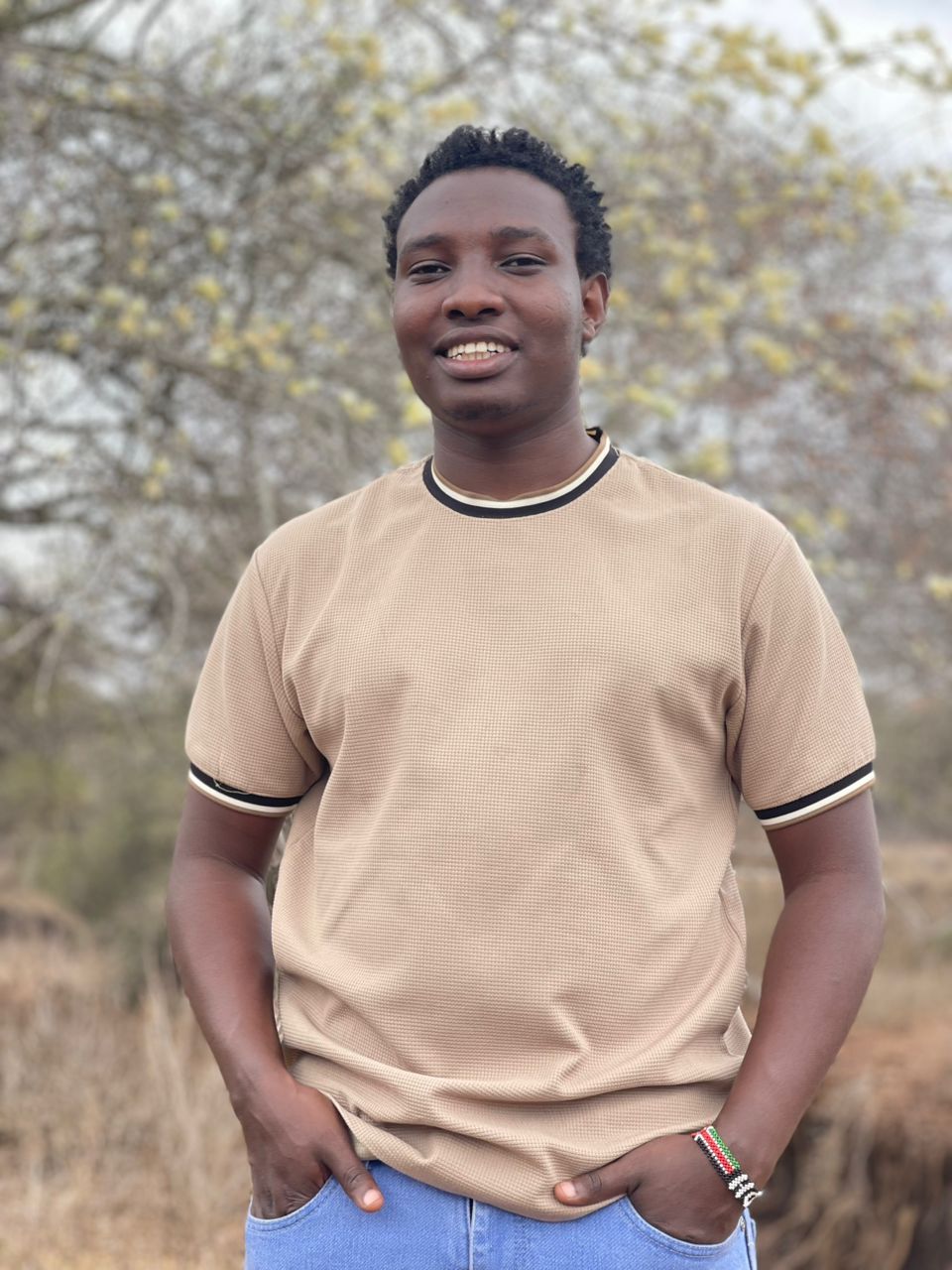
Mommon Makko
Maasai • Tanzania
Mommon Makko (Maasai), Tanzania
Thematic area: Climate Change and Land Restoration
Mommon Makko (Maasai) is an environmentalist specializing in dryland agriculture and rangeland restoration. Currently serving as project coordinator for the Nyangulo Environmental Conservation Alliance in Northern Tanzania, he has more than five years of leadership experience in this role. His work focuses on evidence-based, community-driven solutions to address desertification and climate change.
Mommon will implement a project titled “Restoration of Degraded Rangelands in Northern Tanzania." The objective is to rehabilitate degraded lands through community-led conservation and sustainable land management practices. By promoting sustainable grazing, reforestation, and soil restoration, the project aims to enhance ecosystem resilience and improve the livelihoods of pastoralist communities, with a specific focus on empowering women and youth.
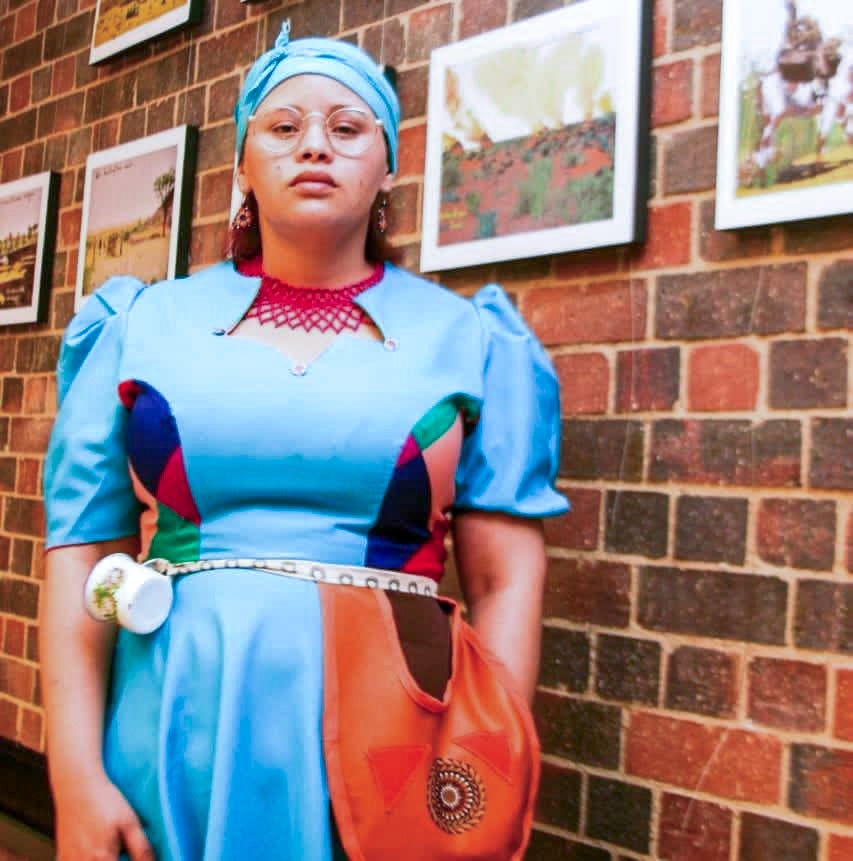
Louivenzia Komases
Nama • Namibia
Louivenzia Komases (Nama), Namibia
Thematic area: Land Restoration and Livelihoods
Louivenzia Komases (Nama) works at the intersection of youth leadership, civic engagement, and public management. Trained in political science and international relations, her work is grounded in both academic governance frameworks and the lived realities of marginalized rural and Indigenous communities. Her professional experience includes policy-oriented research on media integrity and democratic participation with the Institute for Public Policy Research, where she contributed to work addressing misinformation and democratic accountability. She has also held advisory and coordinating roles within the Nama Traditional Leaders Association Youth Forum, engaging directly with Indigenous governance structures, intergenerational dialogue, and community-based advocacy.
Louivenzia’s fellowship project, “Indigenous Economies for Resilient Futures: Youth Training in Social Entrepreneurship and Sustainable Livelihoods,” focuses on the practical revitalization of Indigenous economies as a pathway to youth resilience and self-determination. The project equips Indigenous youth with hands-on skills to transform ancestral knowledge, land-based practices, and cultural resources into sustainable social enterprises. Emphasis is placed on value addition rooted in Nama relationships to land, environmentally responsible resource use, and culturally grounded economic models. By linking remembrance, land stewardship, and livelihood creation, Louivenzia’s work seeks to ensure that Indigenous youth are not only custodians of memory, but also active agents shaping resilient, dignified, and self-determined futures for their communities.
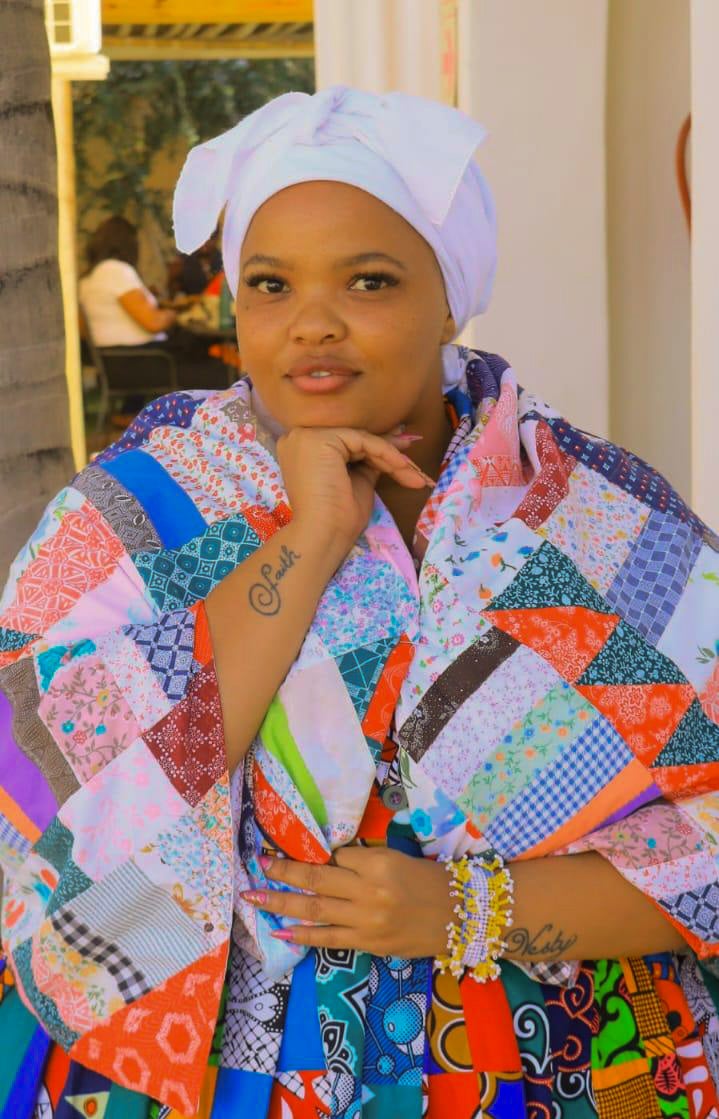
Evesty Afrikaner
Nama • Namibia
Evesty Afrikaner (Nama), Namibia
Thematic area: Indigenous Rights and Youth Leadership
Evesty Afrikaner (Nama) is a cultural preservationist from the Kai||khaun (ǁAes), also known as the Red Nation. Her work is centered on the protection and revitalization of the Nama language, history, and cultural heritage, with a strong emphasis on intergenerational knowledge transfer and community-based cultural education. She has contributed to youth development through her involvement with the Hoachanas Children’s Fund, where she supported initiatives aimed at mentoring and empowering Nama children within culturally-grounded learning environments. Her work reflects a consistent commitment to sustaining Indigenous identity through early education and community engagement.
Through her participation in the Indigenous Youth Fellowship, Evesty is launching a project titled “Nama Youth Voices: Reclaiming Our Heritage, Shaping Our Future Tour.” This initiative is designed to empower young people across all 13 Nama clans by deepening their understanding of Indigenous rights, ancestral heritage, and pathways for socio-economic growth. By strengthening these foundations, the project seeks to cultivate active leadership in community-led development and promote transparent, accountable governance within the NTLA Youth Forum.