By Dave Favreau (CS Staff)
Culture is not a costume, a wellness brand, or an aesthetic for corporations to exploit. Yet every day, deeply rooted Indigenous spiritual and community traditions are routinely stripped of their meaning, mass-produced by non-Indigenous corporations and sold for profit. This act is a form of cultural appropriation, which cuts off Indigenous creators from their own livelihoods and trivializes sacred histories.
Celebrating Indigenous artistry without participating in its exploitation and erasure necessitates moving past cultural appropriation and choosing instead to engage in respectful cultural appreciation. Supporting Indigenous art and cultures requires a shift from consumption to reciprocity.
In the current global marketplace, Indigenous patterns, designs, and cultural motifs are everywhere. They are frequently appropriated in design prints, jewelry, and tattoos, to name just a few. For many of these items, the understanding of the living culture behind the designs is lost. To be a culturally and socially responsible consumer, it is essential to understand the line between cultural appropriation and cultural appreciation.
Cultural appropriation is the unauthorized or unapproved commodification, taking, and/or misuse of aspects of a culture by members of another, usually dominant, cultural group. The deep, historical power imbalance between these communities can easily turn cultural exchanges into appropriation.
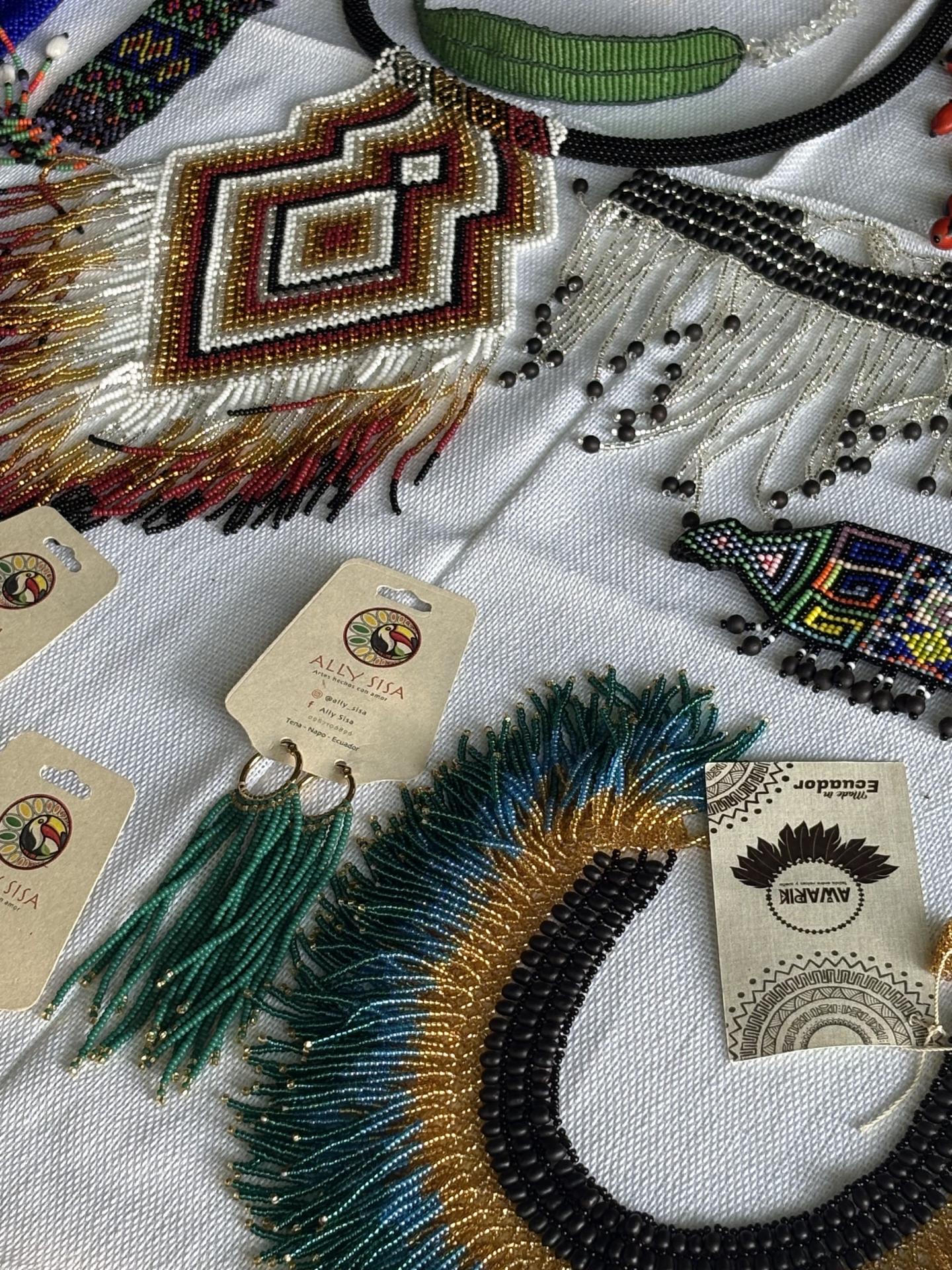
Indigenous Nations across the world have faced systematic erasure, genocides, forced assimilation, and laws that criminalized their languages, religious or spiritual beliefs, and traditional clothing. When non-Indigenous businesses or individuals use these same cultural elements for profit, they are actively ignoring the painful history of abuse these communities have endured. For example, Native American-inspired Halloween costumes degrade meaningful customs into cheap, trivial props. The same can be said for when non-Indigenous businesses mass-produce dreamcatchers or “Tribal” print blankets; they undercut Native artisans and remove the distinct cultural histories of those items, reducing sovereign Indigenous Nations to insulting caricatures.
We do not need to completely segregate ourselves from all cultures and customs other than our own to avoid appropriation. There is an alternative: to engage in cultural appreciation, which involves interacting with cultural elements with permission and genuine respect.
Let's consider the act of purchasing and wearing a pair of traditional moccasins. If you buy a mass-produced pair from a non-Native company, you are participating in cultural appropriation because the designs have been taken without permission, and the profits do not benefit Indigenous artists or their communities.
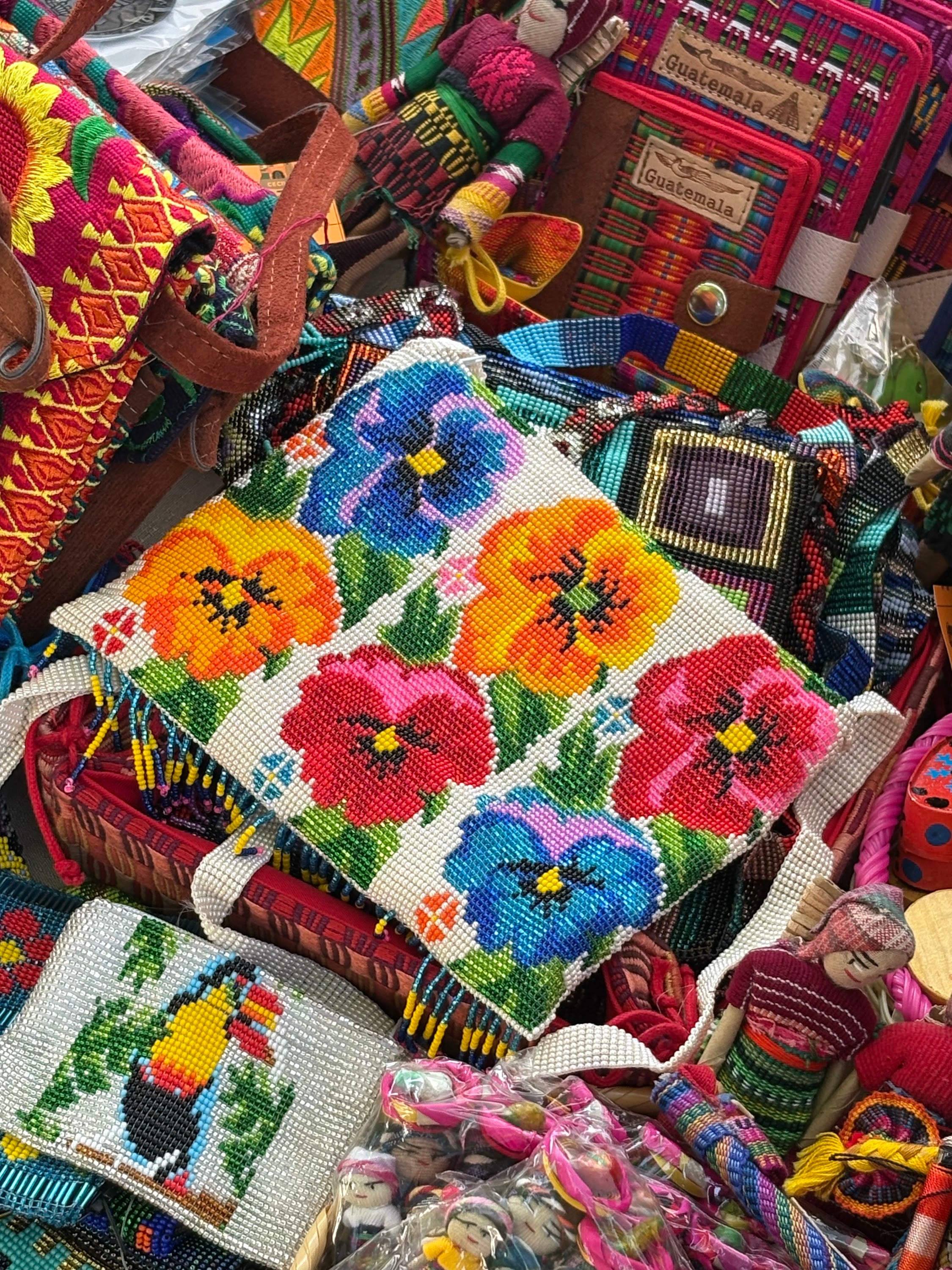
Instead, if you purchase a pair directly from an Indigenous artisan, you can engage in cultural appreciation. Indigenous artisans are contemporary creators who participate in Indigenous economies. These artists understand their own traditions and boundaries of use, and do not sell items that are sacred and restricted within their community. When an Indigenous artist or artisan sells an item publicly, it is an invitation to learn about the artist and their culture, to wear the item with pride.
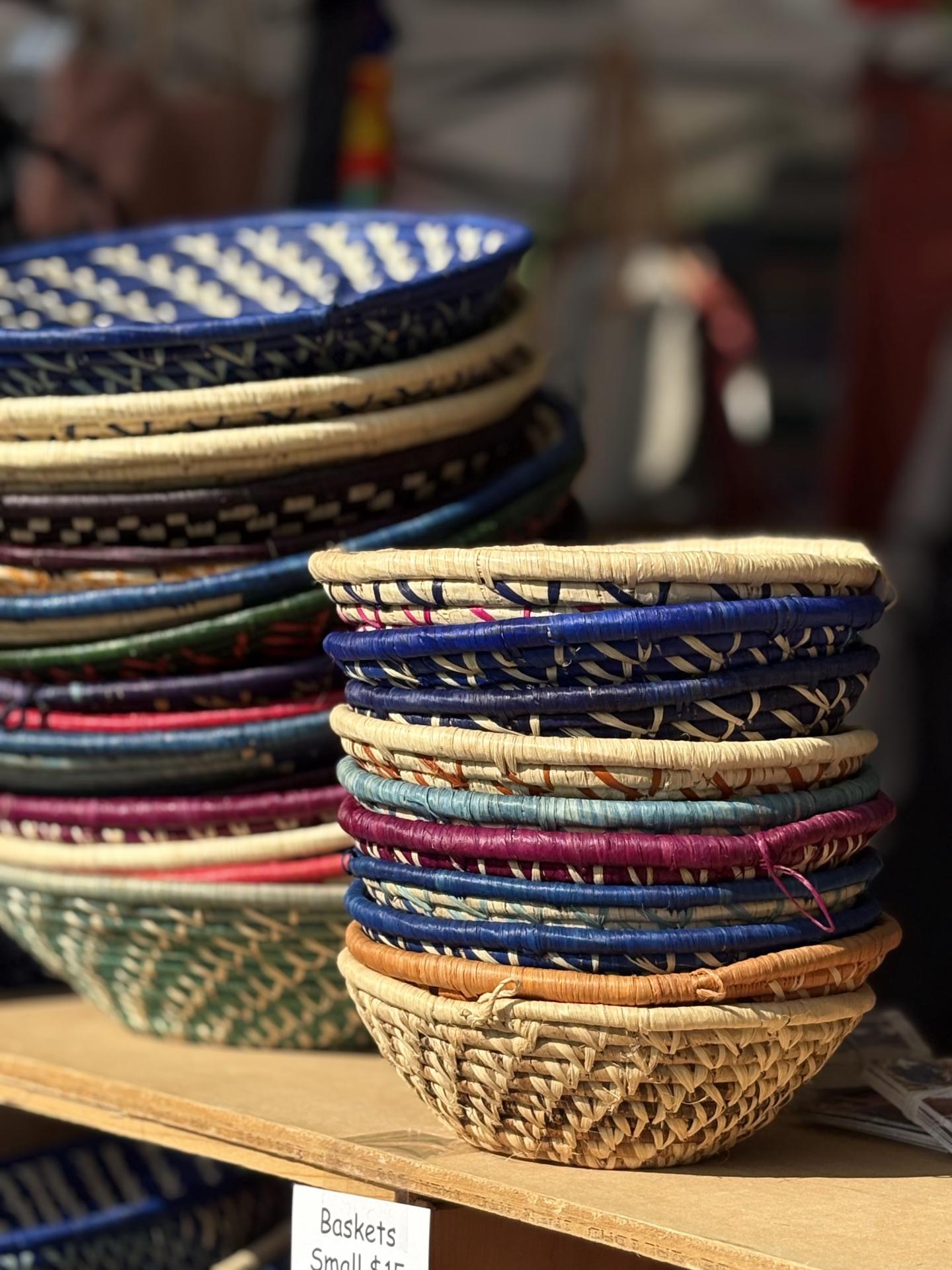
By purchasing directly from Indigenous artists, you are also practicing economic reciprocity. The sale of an item supports an Indigenous artist, their family, and community. By honoring the artist’s cultural intellectual property, you become a custodian of the item's backstory, celebrating a living tradition rather than perpetuating a stereotype or promoting predatory knock-offs.
By shifting how we consume art, fashion, and even media, we can move from appropriation to appreciation. Incorporating these core principles into how we shop can foster respectful, supportive relationships with Indigenous communities and their cultures. The Seattle-based art and lifestyle brand owned by the Snoqualmie Tribal Nation, Eighth Generation, popularized the slogan, “Shop ‘Inspired Natives’ NOT ‘Native-Inspired,’” capturing the ethical mindset of a consumer who seeks out authentic Indigenous creators.
To move away from appropriation, appreciation actually requires context. If you are buying a piece of jewelry, clothing, or print, take the time to learn about the artist and their culture. Research or ask about the history of the art form and learn about the materials used. Understanding the cultural background of an item can turn a simple object into a meaningful bridge of connection.
Another core principle involved in appreciation is respecting cultural boundaries. Some aspects of Indigenous cultures are not meant for commercial consumption. This includes spiritual vocabulary, ceremonial designs, and sacred medicinal plants. Sage smudge kits sold by non-Indigenous wellness brands are another form of cultural appropriation.
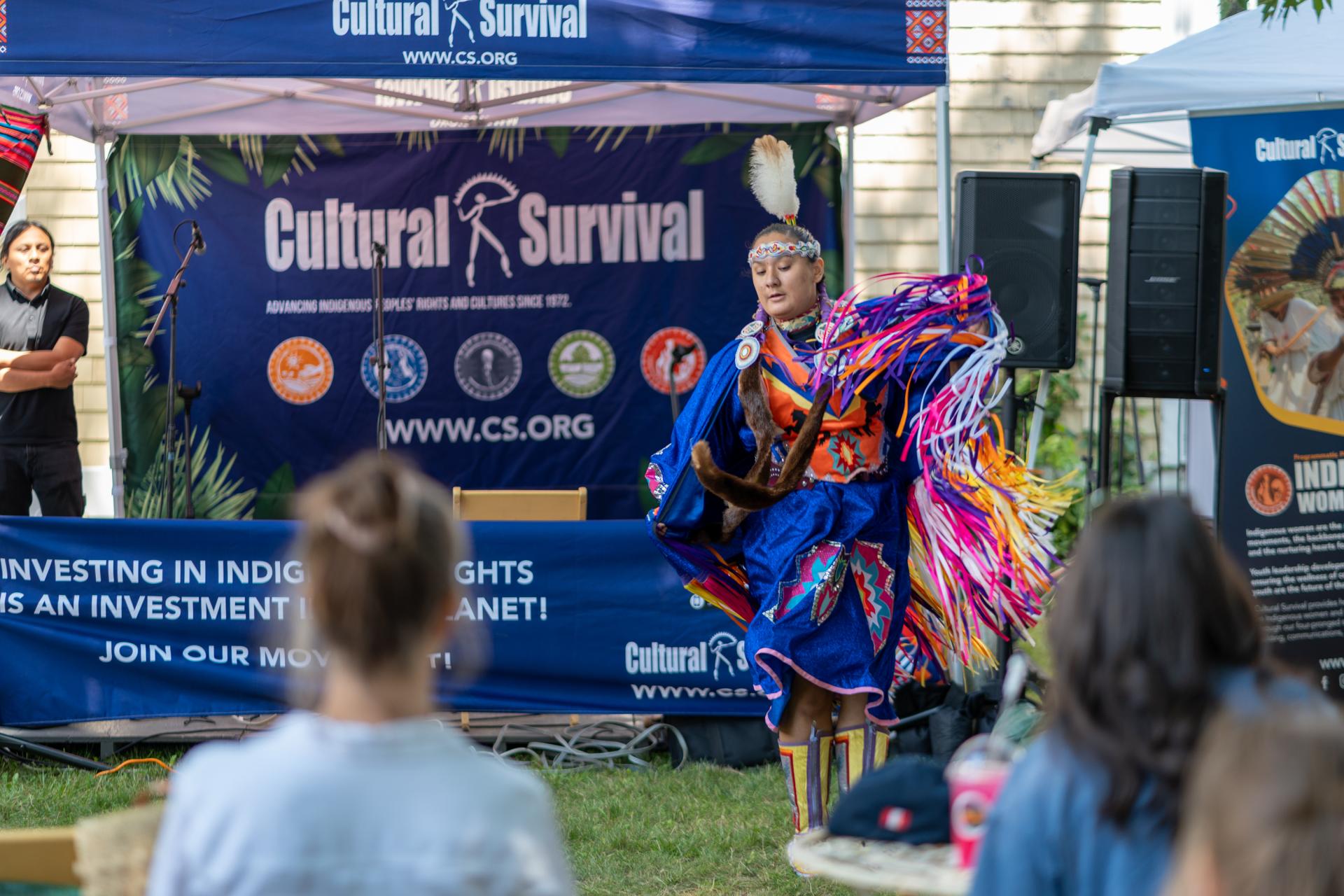
Mayiki-Niska Dorothy Plain Bull performing at the Cultural Survival Bazaar in Tiverton, RI.
Indigenous cultures are dynamic, innovative, and alive. Choosing to celebrate Indigenous creativity ethically creates true solidarity and respect. By investing your consumer power with Indigenous artisans and respecting the boundaries of the sacred, you join a global community dedicated to uplifting Indigenous sovereignty, mutual cultural respect, and economic and social justice.
Deconstructing centuries of cultural extractivism requires intentional choices from all of us. Indigenous traditions are not historical relics to be mined for corporate profit. They are living, breathing expressions of sovereignty and resilience. As consumers and allies, we hold the power to disrupt the cycle of exploitation. By educating ourselves on what is sacred, speaking out against harmful caricatures, and pouring our resources directly back into Indigenous hands, we help safeguard the cultural rights of generations to come.
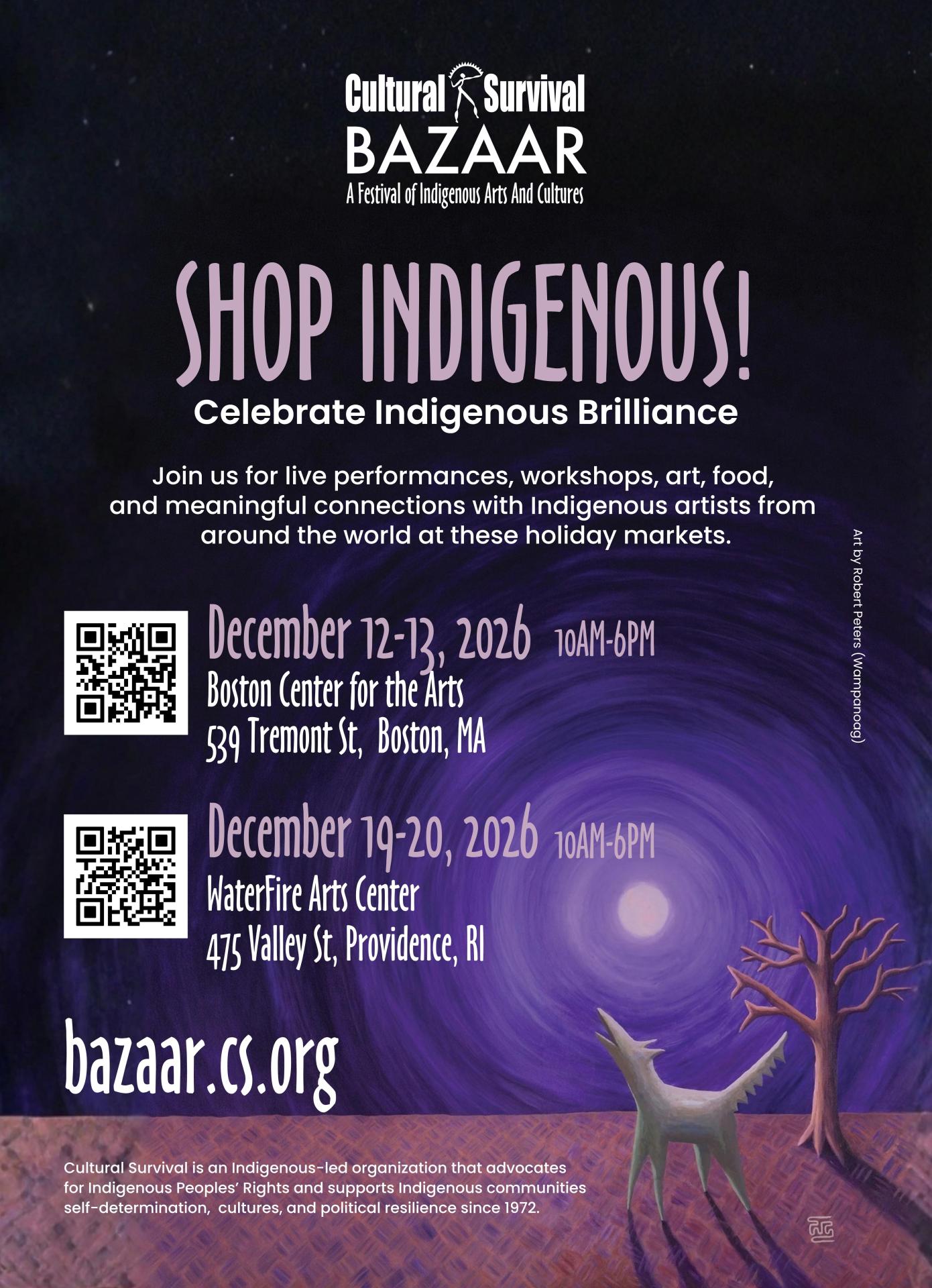
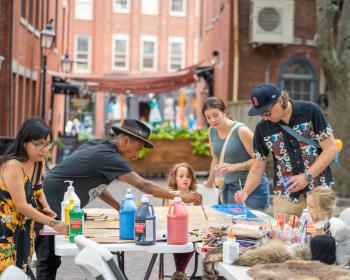
Cultural Survival will again host dozens of Indigenous artisans from around the world at the Cultural Survival Bazaars this December. Our Bazaars offer the opportunity to meet Indigenous artists directly, support their livelihoods, and engage in cultural appreciation. Learn more about the events at bazaar.cs.org.