Cultural Survival's community includes people from all walks of life, with beautiful stories to tell about why they decided to become advocates for Indigenous Peoples' rights. Sharing these stories further connects our community, provides much-needed solidarity and validation to our staff and partners on the ground, and helps us inspire others to join our movement. We are excited to spotlight members and former interns of our community and highlight your contributions and perspectives through our Cultural Survival Spotlight series.
Are you a former Cultural Survival intern or a passionate member of our community? We'd be honored to hear and share your story!
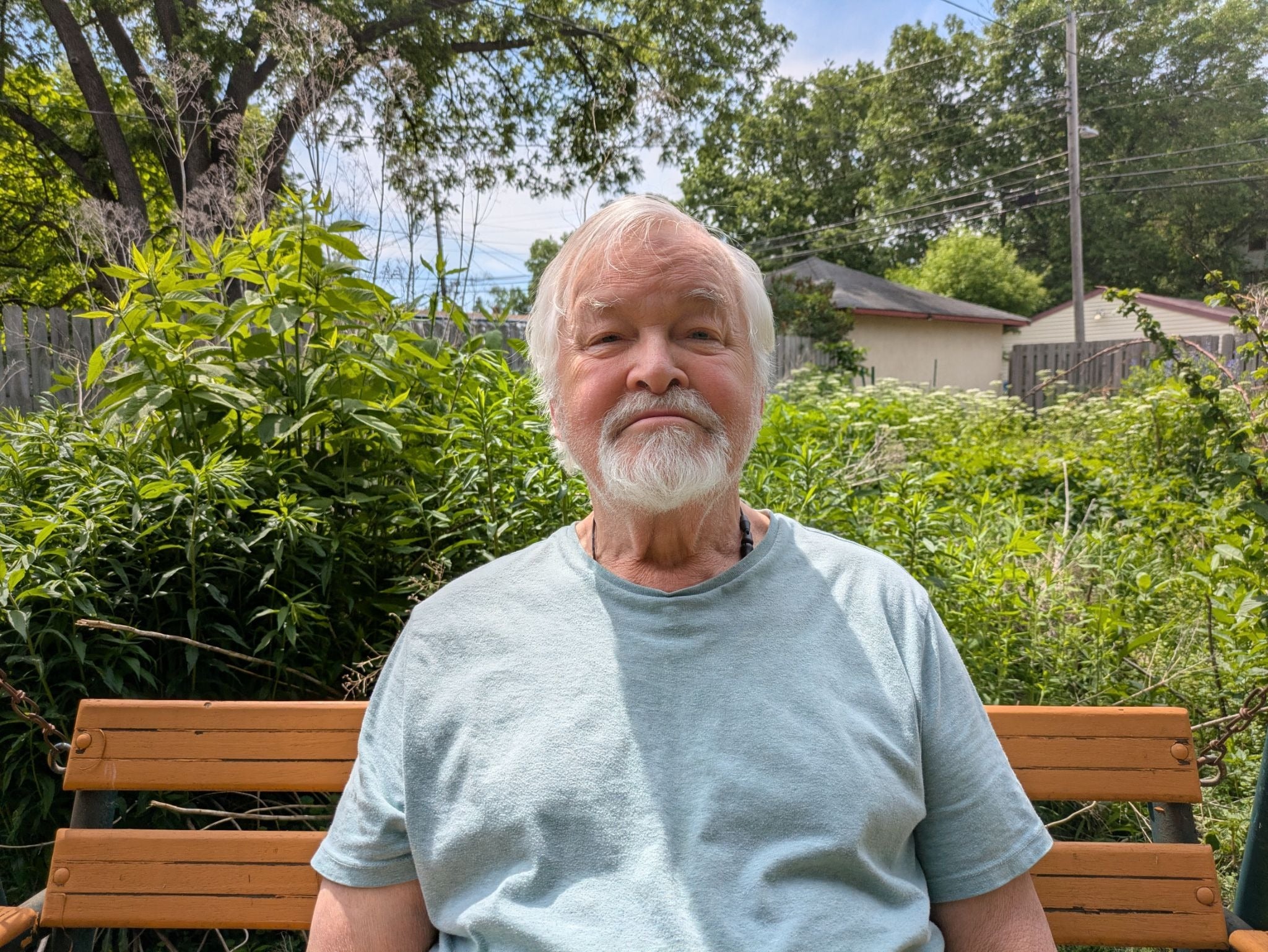
Steve Wiley, Cultural Survival member
Please tell us a little bit about yourself.
Born and now living in Minneapolis, moved around the suburban New York City area and lived with my family in Zurich, Switzerland, for nearly three years as a boy. There, I learned German in the classroom and Swiss German on the playground, and I learned French in four years in high school. I had nine years based in the greater NYC area, through college, followed by 3 years in Fiji, the first two as an elementary education Peace Corps Volunteer in a remote interior village on Viti Levu. Connections to the world beyond Laselevu (the village) were via transistor radio, bamboo raft, or long, shallow-draft riverboat, and through stories told by people who had visited or gone off to secondary school or work but sometimes came back to visit. The third year, I taught English at a prestigious high school in the capital, Suva. Afterward, I traveled through the South Pacific and across Asia for eight months, taught ESL at NYU for a year, and came to Minneapolis for grad school. Still here! I also like to sing, listen to blues from the thirties and forties, and research publications in paleoanthropology.
When did you first learn about Cultural Survival?
I traveled to Boston for a conference headed by CS founder David Maybury-Lewis and met wonderful people, and used his Millennium series (VHS at the time!) every time I taught my Cultural Anthropology course.
What motivated you to become a member of the Cultural Survival community?
CS has answered a powerful global need for a steadfast commitment to documenting and advocating for the lives, traditions, resilience, and humanity of Indigenous people and peoples around the world, even as modernity continues its assault on their "resources" and on them.
Cultural Survival advocates for Indigenous Peoples' rights and supports their self-determination. Why is this cause important to you?
It's become increasingly clear that the results and modus operandi of modernity are personally, socially, and planetarily unsustainable. We have overheated, dried out, and destabilized Mother Earth and have abandoned our stewardship of her. Indigenous peoples are holding on to their lifeways as best they can, with daily routines, intergenerational bonds of learning, love, intentionality, and respect. They are without illusion about what's at stake, and we denizens of the modern world mostly don't care, much less think about it. Our collective survival requires that we moderns accept the evidence of our failure and learn, adapt, and adopt all that we can from Indigenous people, notably from Indigenous women.
Do you have a connection or interest in a particular country/region or one of our programs?
My areas of interest are Oceania/the Pacific, Melanesia, Fiji, and, more recently, Nepal and Tibet.
Is there anything else you would like to share with us?
To quote a saying often attributed to Ben Franklin, we must all hang together, or we will assuredly hang separately. The sooner we all accept that we are one people, the better our chances of human and planetary survival. I would like to see your work shared regularly through liaisons with major broadcast and print media networks.