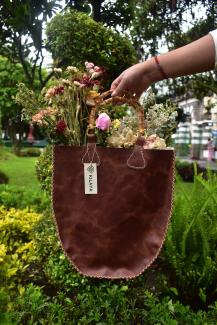
Kilaya comes from the Pucará Grande community in the village of Kizapincha, Ecuador. Fueled by a deep-rooted desire to honor her ancestral legacy, founder Samay Kinti Quinatoa (Kichwa Kisapincha) found her inspiration for the project at home, grounded in the steady, skillful hands of her grandmother, María Manuela Chadán. Chadán, now 82, dedicated her life to making chigras—traditional bags woven from cabuya fiber.
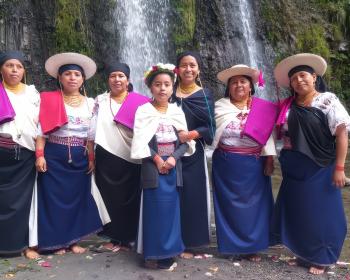
“While this craft requires time, technique, memory, and history, the price my grandmother received when selling these products at the market never truly compensated her for that effort,” Quinatoa says. This stark economic reality for Indigenous artisans was the catalyst for Kilaya. The project was founded as a vehicle to dignify artisanal labor, revitalize the local rural economy, and strengthen the capabilities of Indigenous women living in the páramo.
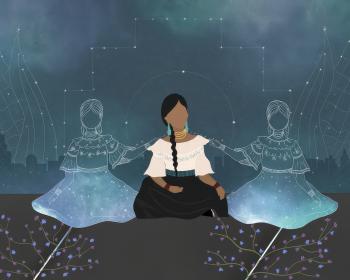
Kilaya’s identity is inextricably linked to the páramo, the high-altitude ecosystem that serves as the birthplace of Ecuador’s water. It is a living entity, vibrant with color, cultural history, and deep spiritual significance. “We speak of dressing the world in the páramo because our pieces carry its colors, textures, silhouettes, and fluidity,” Quinatoa says, describing a design philosophy that is woven into every garment.
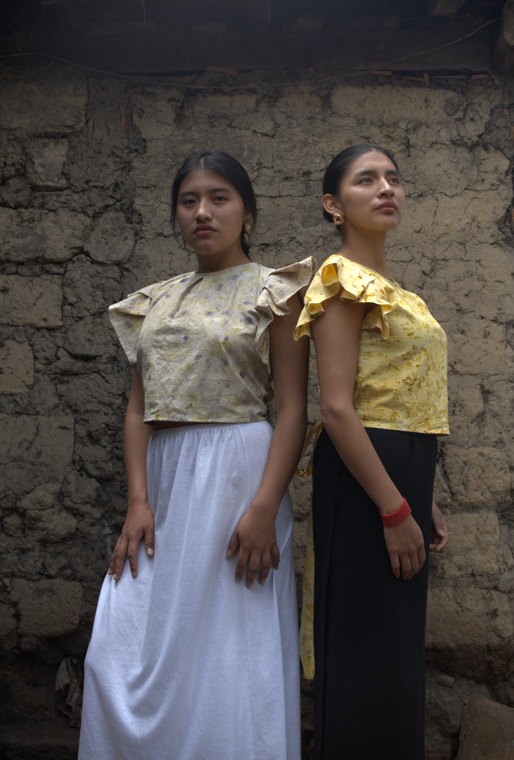
Kilaya’s aesthetic incorporates intricate embroidery depicting the community’s daily life, agricultural cycles, and the dramatic geography of Pucará Grande. “We can see iconic volcanoes from Pucará Grande, where we do our creative work. These volcanoes inspire us and have accompanied us throughout this journey. For those of us who live there, they are guardians that constantly guide our path,” Quinatoa says.
In an era of fast fashion, Kilaya stands out for its radical transparency and strict traceability. Each process in the brand’s value chain is carefully controlled. They exclusively use natural, ecological materials such as cotton, alpaca, linen, bamboo, and hemp, paired with natural pigments responsibly harvested from the páramo’s native plants. “Beyond their vital role in the ecosystem for water regulation, these plants are used in medicine, for spiritual cleansings or ancestral rituals, and to create natural dyes. Our garments represent the importance of páramo plants and the need to treat them with respect whenever we visit or ascend the páramo. It is also a way of saying that it is alive and should not be subjected to extractive industries,” Quinatoa says.
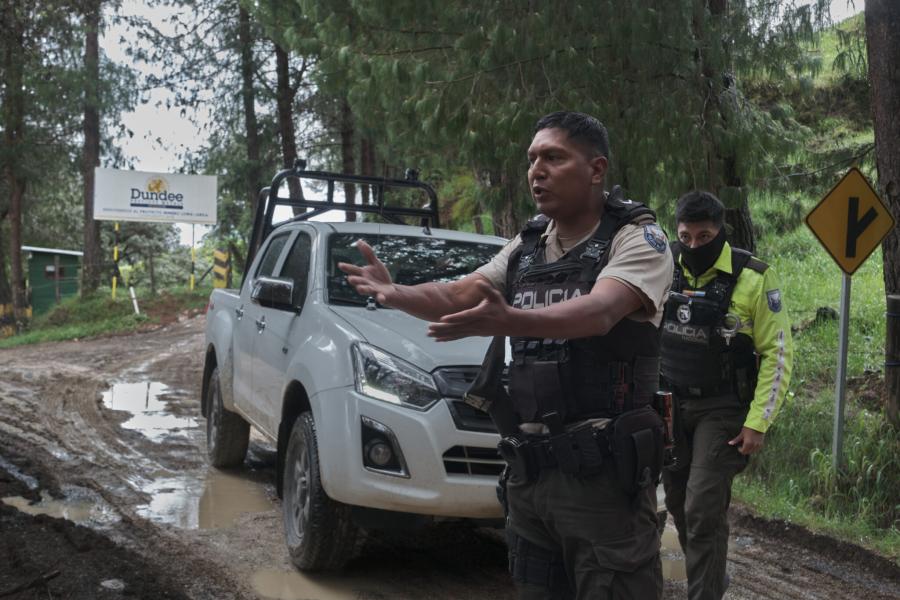
Kilaya’s garments are designed to last and, crucially, to return to the earth; both the fibers and the dyes are fully biodegradable. But Kilaya’s impact goes beyond sustainability. It provides a fair-wage alternative for Indigenous artisans while offering technical design guidance and emotional support, strengthening community capacity. And it poses a direct challenge to extractive industries, such as mining, that threaten the páramo.
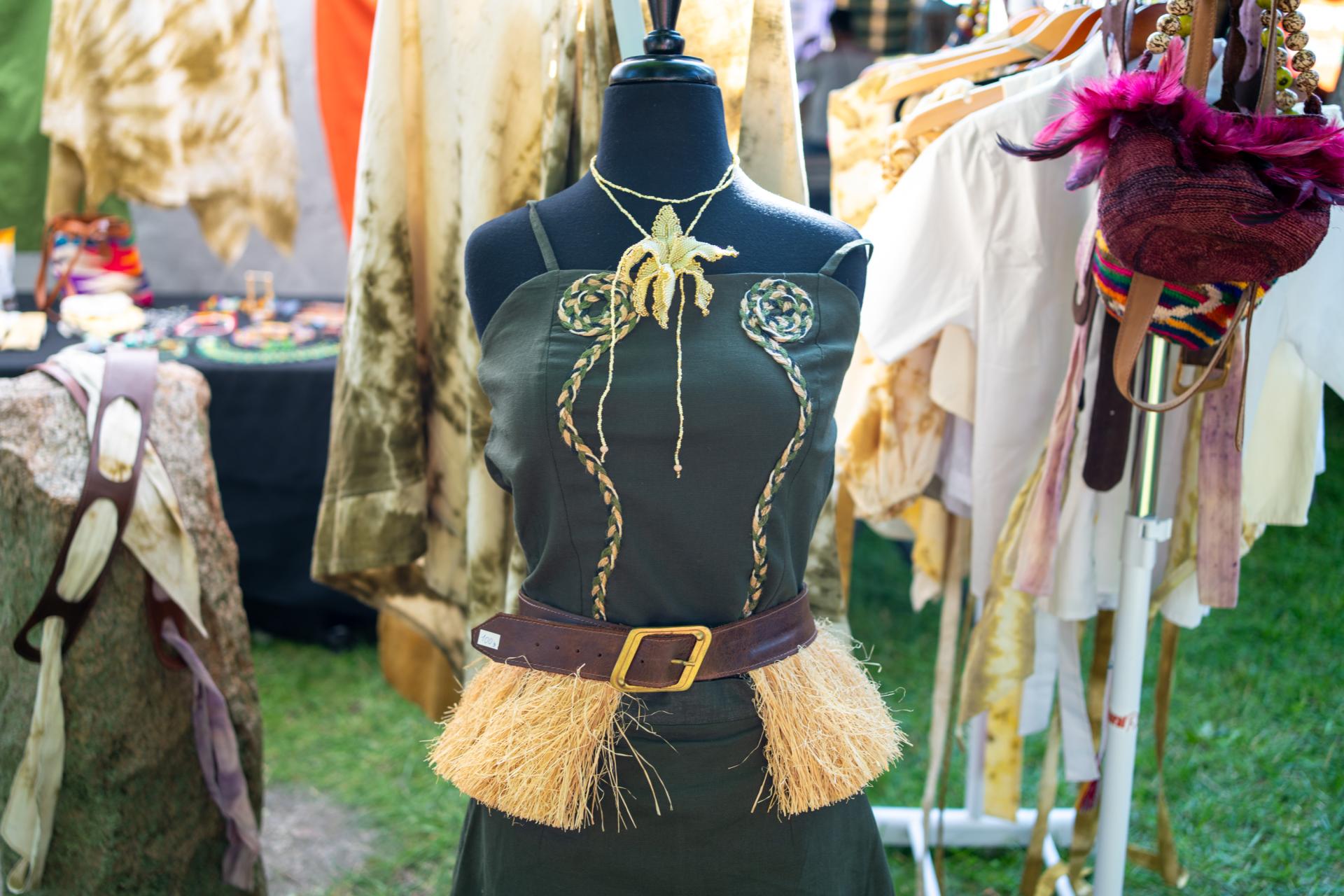
For Quinatoa, these garments are carriers of knowledge. Every creation comes with a story, including the name of the woman who crafted it. By connecting the consumer directly to the creator, Kilaya transforms a simple piece of clothing into a bridge between cultures. “We have been able to tell the story of various cultural and even medicinal practices woven into the garments,” she says.
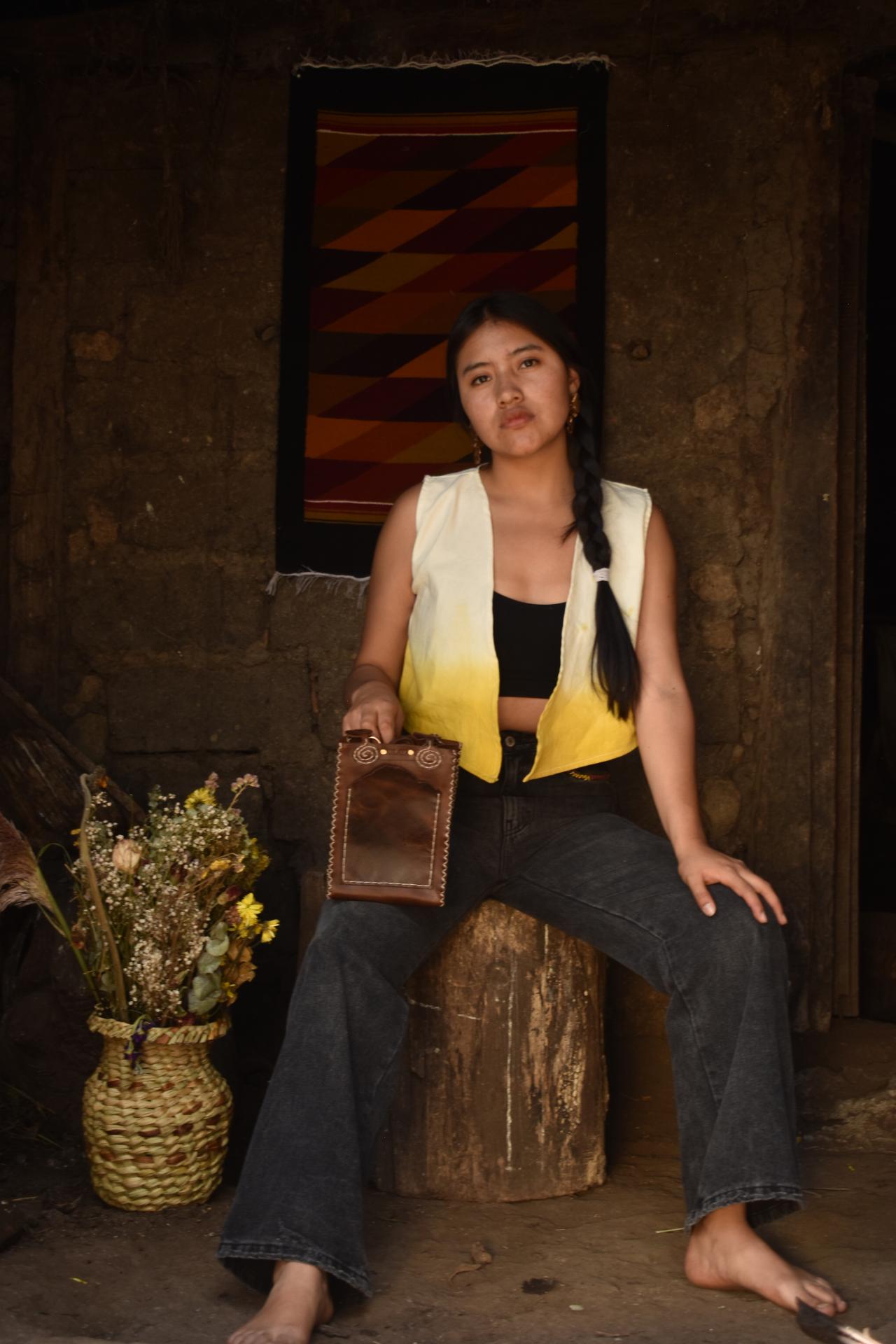
Quinatoa says that Kilaya’s success has not been without struggle, “mainly because our voices are not heard, and we are not legitimized. The fashion and textile industries appropriate voices and designs,” she says, and consequently, the voices of “people who are not part of the communities continue to be legitimized rather than those that come from the territories.” The struggle to reach a market that genuinely values these narratives—and is willing to pay the fair price that allows these traditions to thrive—remains another ongoing challenge.
Kilaya is doing more than simply creating fashion. They are documenting medicinal practices, safeguarding oral histories, and creating a sustainable, dignified future where their identity is not just respected but celebrated. Through Kilaya, the páramo is not just being protected. It is being shared with the world.
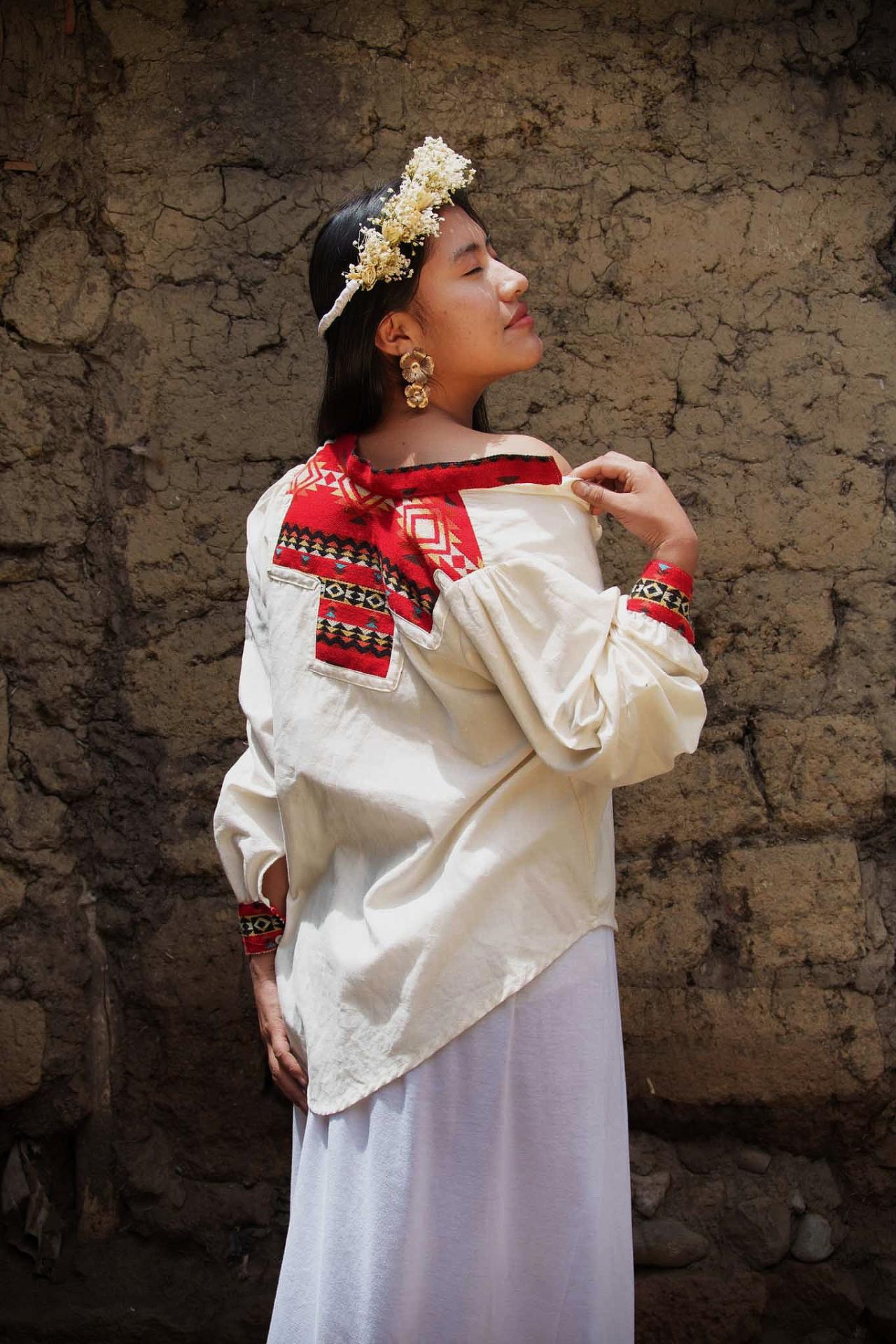
Don’t miss Kilaya at the Cultural Survival Bazaar this holiday season:
December 12-13, 2026—Boston Center for the Arts, Boston, MA
December 19-20, 2026—WaterFire Arts Center, Providence, RI
bazaar.cs.org