
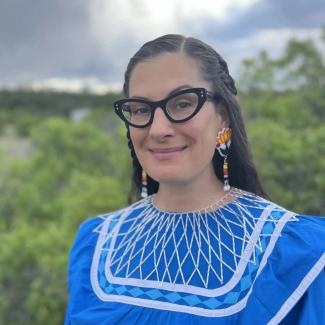
Halito akana (Hello friends),
Indigenous governance models, practiced for millennia and rooted in our cosmovisions, traditions, laws, and cultural values, are systems of cultural sovereignty through which our Peoples enact self-determination and ensure balanced relationships within communities and with our more-than-human-relatives in the lands and waters we call home. Our traditional models of governance often center collective decision-making, community responsibility, and respect for ancestral knowledge, which is intertwined with the natural laws of Mother Earth. By maintaining self-governance, Indigenous communities protect their cultural identity, strengthen local leadership, and address social, economic, and environmental issues in ways that reflect their Peoples’ values, needs, and perspectives. International bodies like the United Nations recognize the effectiveness and global importance of Indigenous governance in managing land, water, and biodiversity, improving well being, and addressing inequities, and the UN Declaration on the Rights of Indigenous Peoples affirms rights to self-determination and self-government.
In this issue of the CSQ, we share examples of cultural sovereignty in practice from the regions where we work. Some lessons that arise include:
- Indigenous governance systems have endured for centuries, surviving colonialism, State pressures, and modern challenges. They are living systems rooted in ancestral knowledge and adaptable to community needs.
- Leadership is based on service to the community, not personal power. Authority is earned through demonstrated responsibility, wisdom, and integrity. Decision-making is collective.
- Governance is inseparable from stewardship of land, water, plants, and animals. The land and all beings, flows, and entities are seen as living relatives with whom we have reciprocal relationships and responsibilities to protect. They are not treated merely as resources.
- Political, spiritual, and cultural life are intertwined. Elders and knowledge keepers guide decisions and maintain traditions.
- Women and youth are recognized as vital to governance, carrying knowledge of food systems, environmental stewardship, cultural continuity, and more.
- Indigenous governance systems face ongoing threats from State policies, extractive industries, and legal frameworks that often undermine autonomy. Recognition of Indigenous governance by States is often partial or conditional, leading to tensions and manufactured dependency. Despite these pressures, communities continue to assert their rights, resist dispossession, and adapt their governance to new realities.
- Indigenous governance is not static, but incorporates new tools, technologies, and organizational forms to address modern challenges such as climate change and legal advocacy.
The most important message is perhaps one that Irma Velásquez Nimatuj (Maya K’iche’) points out: “The challenge, according to those consulted in the regions where Cultural Survival operates, is not proving that Indigenous self-governance works, but rather getting nation States to stop sabotaging it.” Our systems have governed our Peoples from the beginning. Our greatest challenges are the outside threats that hinder our self-determination.
As a supporter of Cultural Survival, you contribute to the efforts of Indigenous Peoples who are safeguarding knowledge systems, languages, and lifeways for future generations. Please give generously at www.cs.org/donate.
Hóchi yakoke li hoke (I thank you all so much),
Aimee Roberson (Choctaw and Chickasaw),
Executive Director