By Boureima Guindo (Dogon, CS Investigative Journalism Fellow)
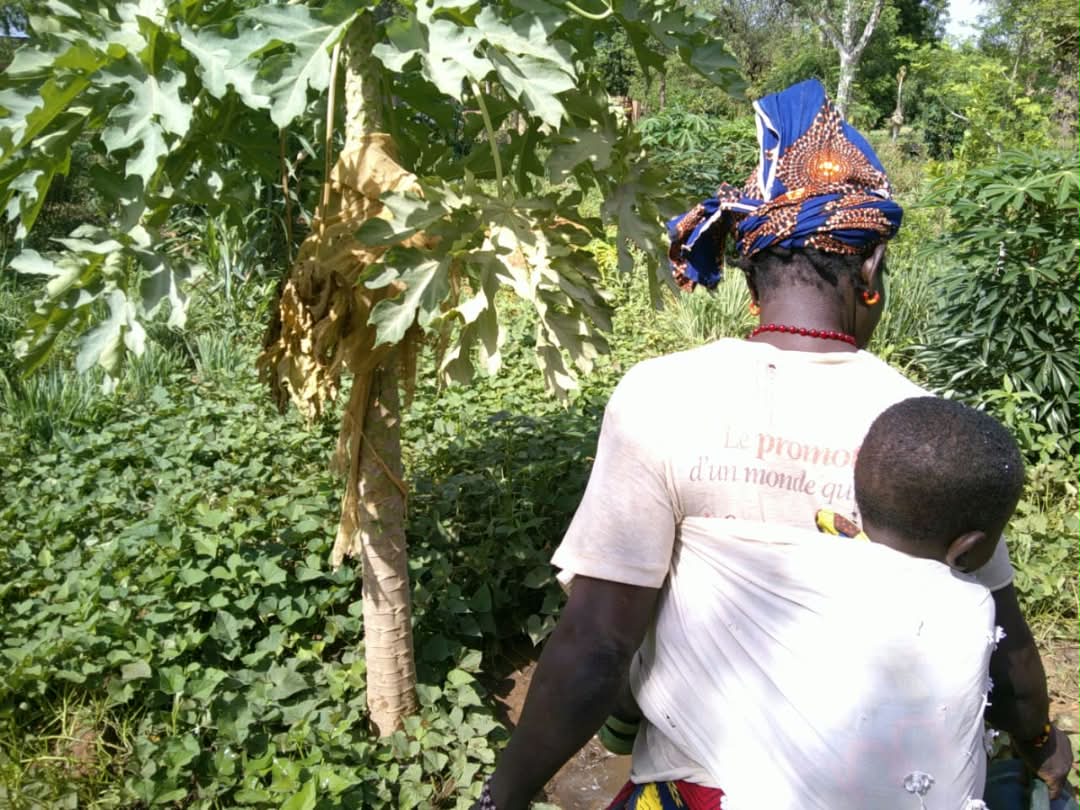
In Mali, particularly in Dogon Country, an upland area of the former Mopti region, communities are increasingly feeling the effects of climate change. Indigenous women involved in market gardening are among those most affected.
Despite growing difficulties in accessing water, these women continue to work hard to maintain their gardening activities. Faced with severe water shortages, many of them have turned to traditional methods of finding and conserving water.
In central Mali, especially in the Bandiagara region, rainfall has become much less reliable than it was in the past. Rain is now increasingly scarce. Local people have different explanations for this situation. Some blame war or human actions, while others who are more informed recognize climate change as a major cause. These communities understand that climate change can have serious consequences, particularly in remote rural areas of the Sahel.
In July 2025, our field investigation covered two villages, Noumoudama and Koyentomo, in the Bankass Cercle of Mali's Bandiagara region. The purpose was to understand how climate change is affecting women involved in market gardening. The investigation aimed to assess the working conditions of rural women engaged in gardening, identify the challenges they face, examine how climate change affects their activities, and understand the strategies they use to adapt.
The findings were troubling. In both communities, the effects of climate change are already being strongly felt. The area was once known for its pleasant climate, abundant rainfall, and easy access to water for farming. In the past, women, who are the main people involved in gardening in the region, were able to carry out their work without facing many difficulties.
According to several testimonies, water was once easily available, the sun was less intense, and the soil was fertile. Over the years, however, conditions have changed significantly. During the investigation, women also shared the different strategies they are using to adapt and offered suggestions on how communities could better respond to the environmental crisis.
The number of trees is decreasing, while access to water is becoming more difficult. Women now have to draw water from wells that are between 20 and 30 meters deep. This requires enormous physical effort. Even traditional measures such as building small dikes to hold water are becoming less effective.
Climate change is having a major impact on the local environment. Residents report a significant decline in rainfall compared with previous years. Drought is spreading, and deforestation and water shortages are worsening the situation. These problems are affecting agricultural activities, particularly market gardening.
Despite these challenges, the women of Dogon Country are refusing to give up. Many are considering adopting new farming techniques to adapt to changing climate conditions and avoid losing their livelihoods. Their determination and resilience are remarkable. In upcoming publications, we will share interviews and testimonies from several of these women, who describe clearly and powerfully how climate change is affecting their everyday lives.
Realities on the Ground
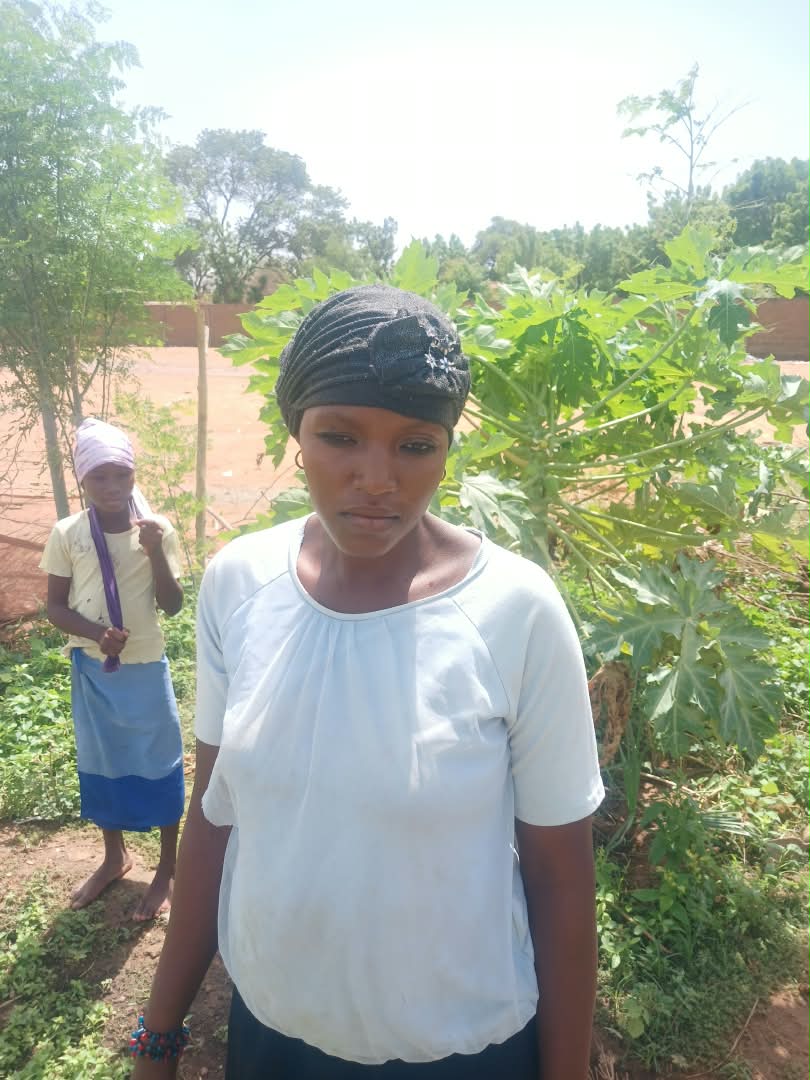
Along the Bamako–Sévaré–Bandiagara–Bankass route, the effects of climate change are clearly visible. Damage is visible everywhere, including in the forests. The situation has become so serious that it requires everyone's attention. It may also encourage informed communities to demand action from authorities. For decision-makers, the crisis has created an urgent need to respond.
In Koyentombo, Mariam Guindo, a woman in her sixties, expressed deep concern about the changes she has witnessed. "When we were young, it rained a lot. There were trees, there was water. The environment was beautiful, and life was better. Working conditions in gardening were also much easier," she said with sadness.
For several years now, rainfall has become increasingly scarce. Many residents of this central Malian community share Mariam's concerns.
"It has been several years now that it rains less. This lack of rain affects every sector, especially those of us who work in market gardening. It makes life harder for us and jeopardizes our livelihood," she said.
She is one of many people suffering from the consequences of declining rainfall linked to climate change.
In Noumoudama, women interviewed during the survey expressed similar concerns.
"We have faced tremendous difficulties in recent years because of the lack of rain," said Aminata Guindo, a woman in her forties.
Around a dozen women interviewed in the village, located only a few kilometers from the town of Bankass, shared the same concerns. People in this part of Mali depend heavily on agriculture for their livelihoods. When rainfall is insufficient, communities risk famine.
"We only know farming as our main livelihood here. And for the season to succeed, we need rain. When it rains less, yields fall short as well, leaving people exposed to many hardships, including irregular migration," said Souleymane Guindo, who had accompanied his wife to her garden.
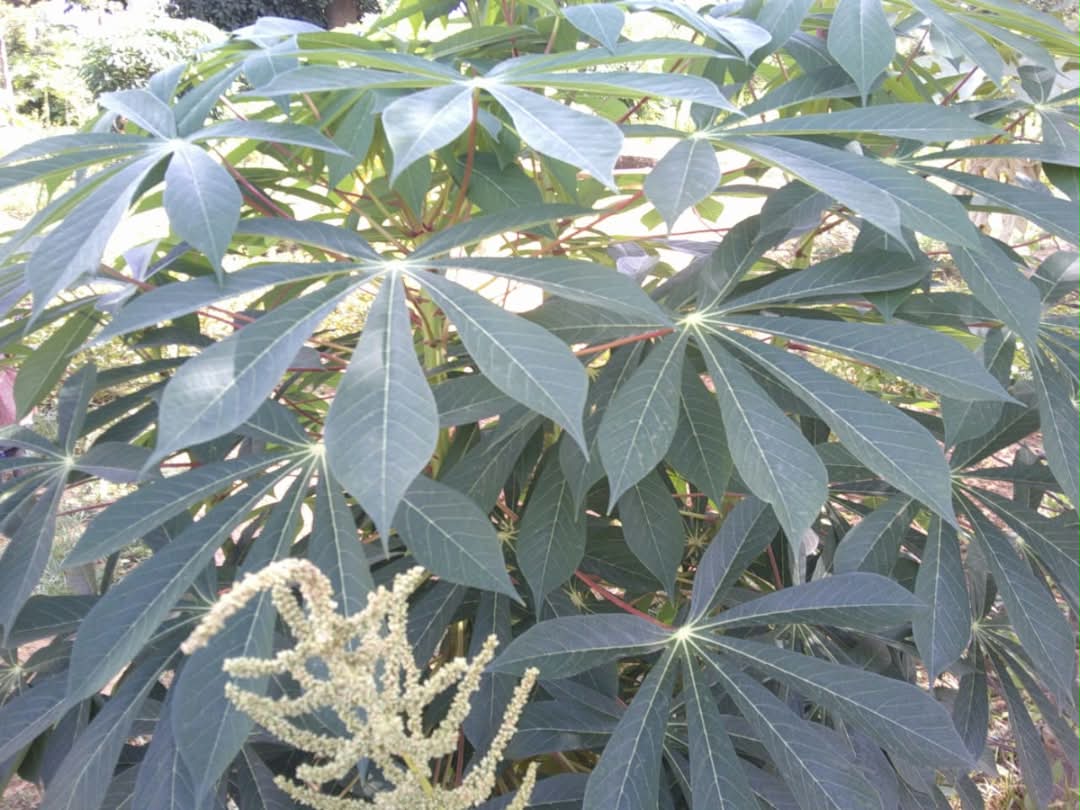
In both Noumoudama and Koyentombo, women practice gardening as a secondary economic activity. Climate change has also affected this income source. As rainfall becomes scarcer, gardening has become increasingly difficult.
"Before, it was easy for us to work in our gardens because there was plenty of water. Rainwater would fill the wells, making the work much easier," said Djéneba Warempa.
She believes climate change has seriously worsened their working conditions. The situation has become so difficult that some women have been forced to change professions entirely.
Environmentalist Moussa Diarra also believes climate change has seriously affected women involved in gardening and says appropriate measures are needed to address its effects.
"In central Mali, especially in the upland areas of the Mopti region, climate change severely undermines agricultural activities and everything tied to them. Drought is gaining ground each year," he said.
Resorting to Traditional Water Mechanisms
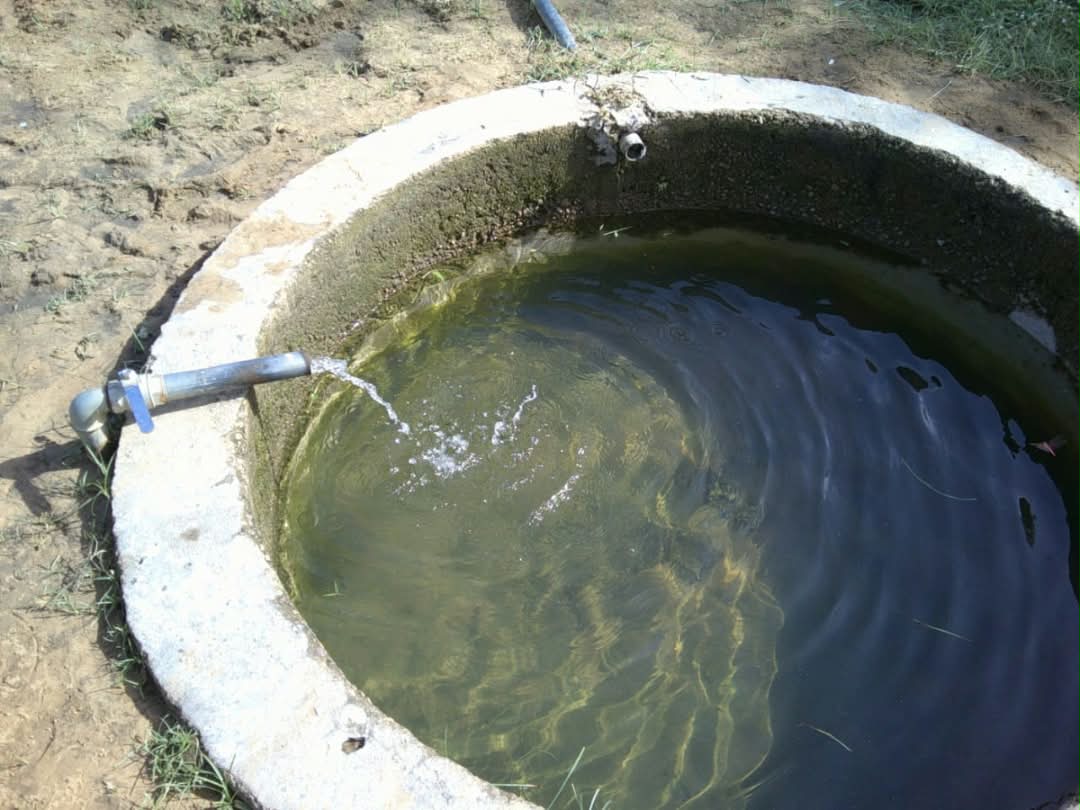
In central Mali, particularly in the Bankass Cercle, women increasingly rely on traditional methods to find water and keep working in their gardens. For them, these methods have become essential for survival.
According to Mariam Guindo, traditional ways of accessing water remain important.
"We are forced to resort to traditional ways of finding water. This allows us to hold our ground and keep doing our work properly," she explained.
Sanata shares this view and believes traditional methods of accessing water also significantly influence crop yields. One main traditional method involves digging hand-dug wells directly inside the gardens. They then use water from these wells to irrigate crops.
The women interviewed collectively called for projects to support climate change adaptation initiatives and help them continue their agricultural activities despite worsening environmental conditions.
--Boureima Guindo (Dogon) is a journalist originally from Bankass in Mali's Bandiagara region. He holds master’s degrees in English and Journalism and Communication from the Catholic University of West Africa-University Unit of Bamako. He began his journalism career in 2016 at Kaloum Infos before joining another weekly, L’ Oeil du Mali. In 2023, Guindo launched his own weekly publication, Le Devoir (The Duty), which contains general information, analysis, and investigative reporting. Through his newspaper, Guindo addresses culture, climate change, and the challenges faced by Malian communities, with a particular focus on the Dogon community. His articles primarily focus on promoting culture, the impact of conflicts on communities, and the rights of women and children to education and access to basic social services. His fellowship will focus on the significant impact of climate change on women in the Bandiagara region, specifically the Bankass area.