By Emily Pahuamba (CS Intern)
Art has long been a form of resistance, and Indigenous youth across Latin America continue this tradition. From the Omaguaca Nation in Argentina and the Mapuche Peoples in Chile, two young Indigenous artists supported through Cultural Survival’s Indigenous Youth Scholarship Program use art and performance to raise awareness of the issues affecting their communities while highlighting their identities and worldviews. Driven by their experiences and ancestral connections, their work represents a form of resistance against colonial structures that continue to oppress and harm Indigenous communities to this day.
Poleo Calipso Painemal Castillo (Mapuche) from Chile
Poleo Calipso Painemal Castillo (Mapuche) is a travesti artist born in Temuko, Chile, and a member of the Ramón Painemal lof in Coihue Painemal. Their artistic practice encompasses portraiture, painting, muralism, and illustration, primarily using water-based enamel, oil paint, and digital painting. More than fourteen years ago, Poleo began a self-taught artistic journey through graffiti and street muralism, an experience that shaped their visual language and artistic research. Their work has been exhibited in venues such as the Chilean Museum of Pre-Columbian Art, GAM, Matucana 100, the University of Chile's Main Campus, the German Embassy, and Espacio 218, among others. At the same time, Poleo has developed a career as a curator and cultural organizer.
Through the intersection of their Mapuche and travesti identities, Poleo creates work that explores the experiences of Indigenous travesti, transgender, and nonbinary people from an autobiographical, community-based, and territorial perspective. Their practice is rooted in ñütxam, an ancestral Mapuche practice of conversation and oral knowledge transmission through which they build narratives that are later transformed into visual works. Their artistic approach responds to a reality shaped by colonialism, whose impacts—including the loss of territories, languages, traditions, and knowledge systems—have also deeply affected the recognition of Indigenous gender-diverse people, creating forms of exclusion and violence that continue today.
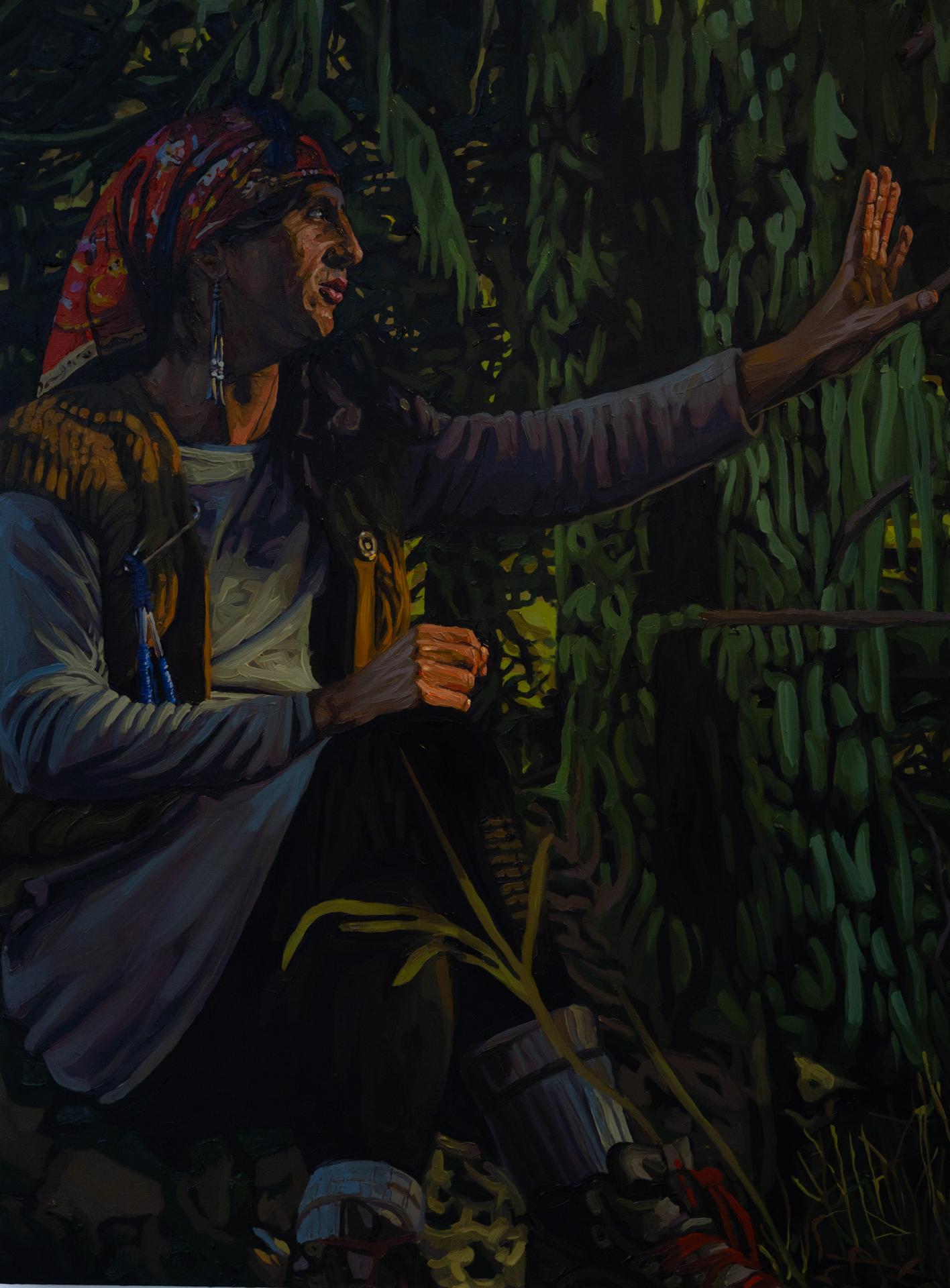
In response to this history of invisibility, Poleo created a series of portraits and an audiovisual archive documenting the experiences of Indigenous gender-diverse people while contributing to the preservation of their memories and worldviews. During the first stage of the project, Poleo traveled throughout the rural areas of Ngulumapu, visiting participants' homes. Through ñütxam, they explored each person’s relationship with their communities, territories, and ways of understanding and inhabiting the world. During these encounters, Poleo created live portraits, audiovisual recordings, and interviews—including conversations about each person’s relationship with their grandmothers as carriers of knowledge—as well as photographs that were later used as references to develop the final artworks in their studio.
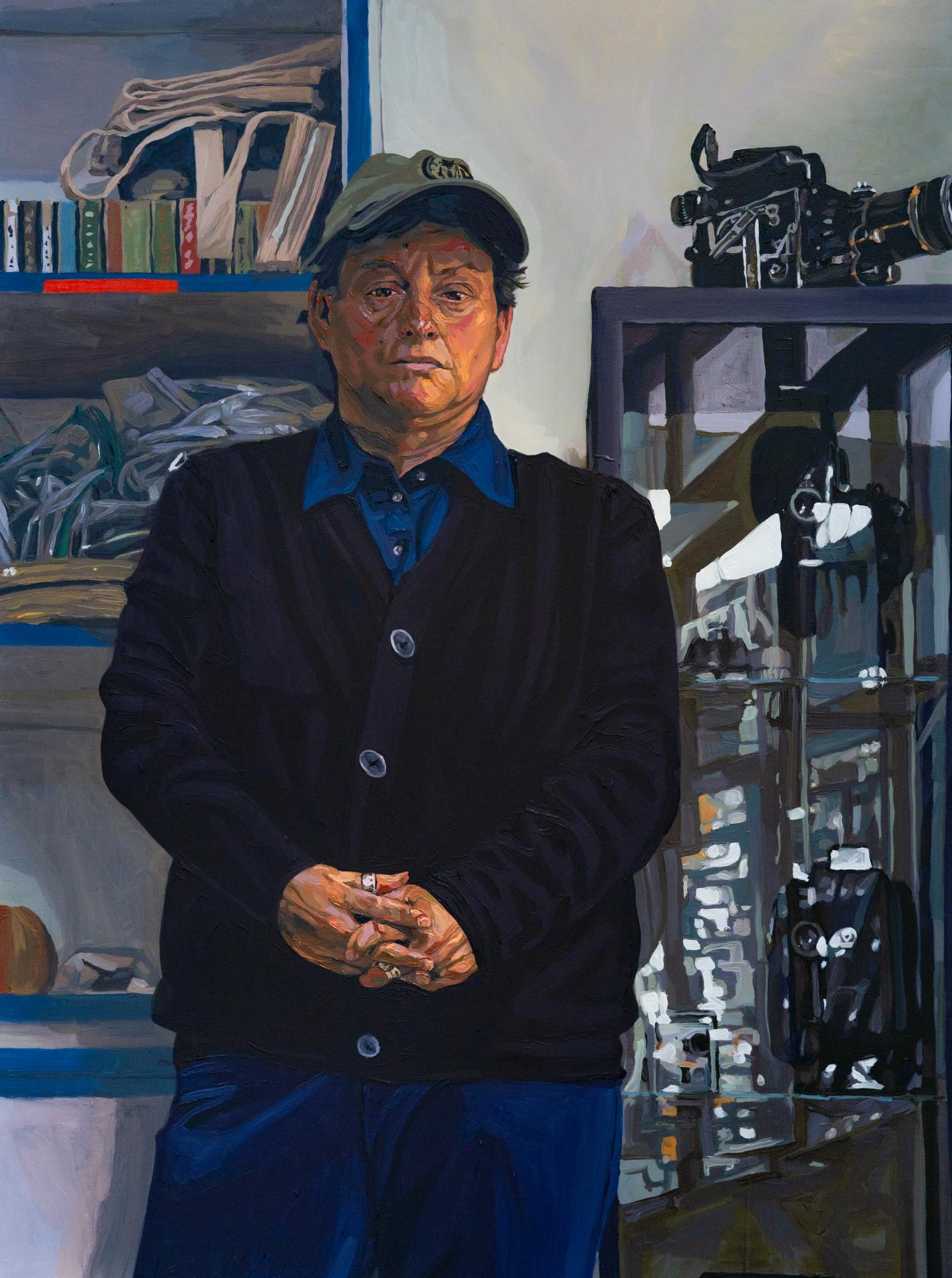
The research continued during a second stage in cities such as Santiago and Arica, where Poleo portrayed Indigenous and Afro-descendant gender-diverse people living in urban contexts. Once again, ñütxam served as the central methodology for learning about their life journeys and personal experiences. The people portrayed represent a wide range of professions and forms of leadership: singers, lawyers, performers, makeup artists, Indigenous leaders, painters, educators, researchers, scientists, dancers, security guards, and many others, demonstrating the many spaces Indigenous gender-diverse people occupy in contemporary society.
The result is a constellation of portraits, stories, and audiovisual records that place ancestral gender diversity in the present while challenging colonial narratives that have historically rendered these experiences invisible. More than a collection of artworks, the project serves as a living archive that strengthens representation, promotes respect for Indigenous gender and sexual diversity, and demonstrates that Indigenous knowledge, memories, and identities continue to be created and transformed across both rural territories and urban spaces.
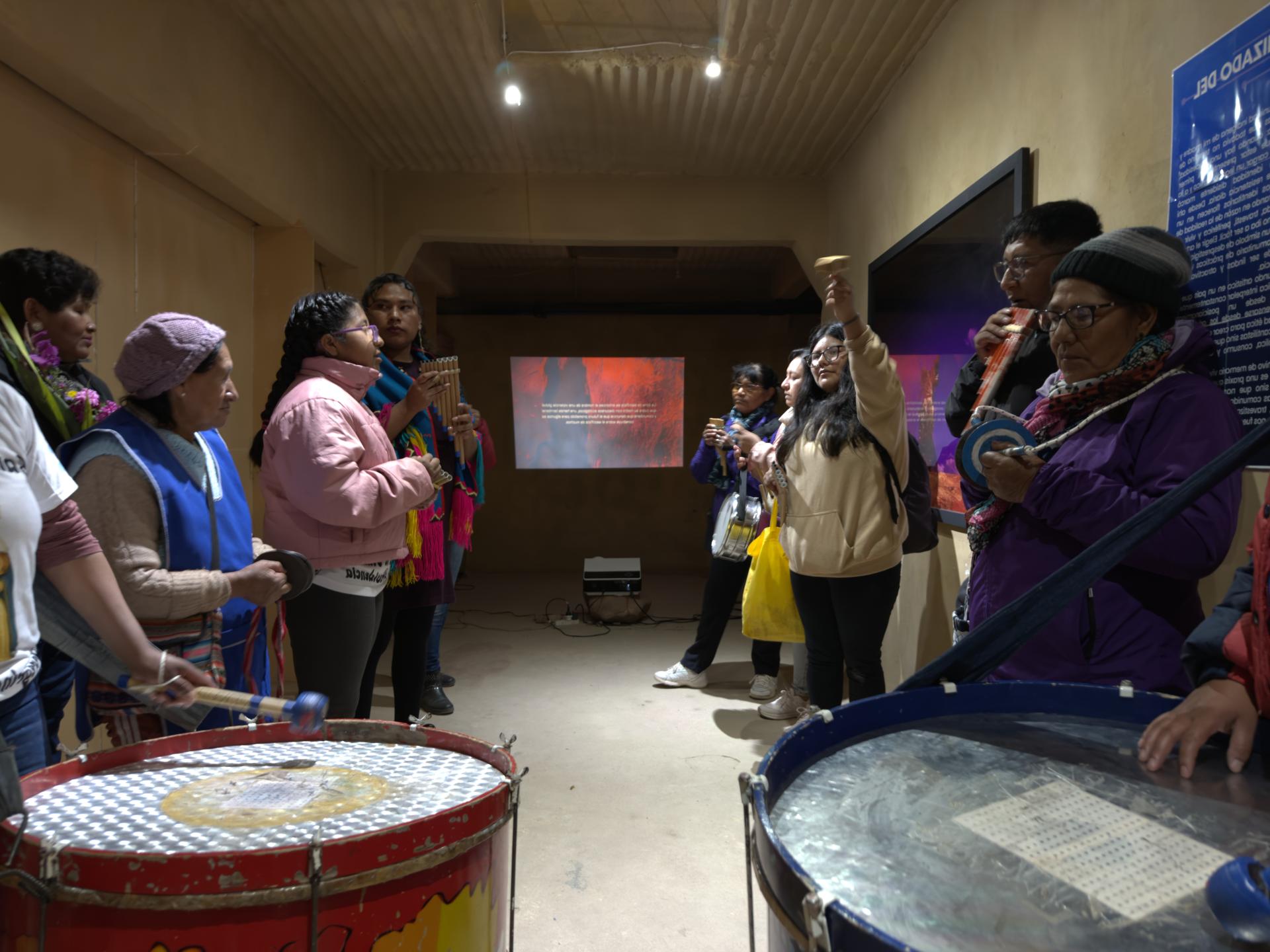
Quillay Méndez (Omaguaca) from Argentina
Born in Humahuaca, Jujuy, Argentina, Quillay Méndez is an Indigenous travesti dancer, performer, and researcher belonging to the Omaguaca Nation. Her artistic practice explores the intersections of territory, ancestral memory, race, gender, and performance, creating spaces where Indigenous knowledge and contemporary expression meet. As a coplera (traditional folk singer), Quillay carries the strength, voice, and ancestral songs inherited from her grandmothers, transforming these traditions into new narratives of resistance and cultural continuity. Through her artistic and activist work, she advocates for the rights of travesti, transgender, and 2SLGBTQ+ communities, promoting an Afro-Indigenous trans revolution that challenges colonial and patriarchal structures while strengthening Indigenous voices and territorial defense.
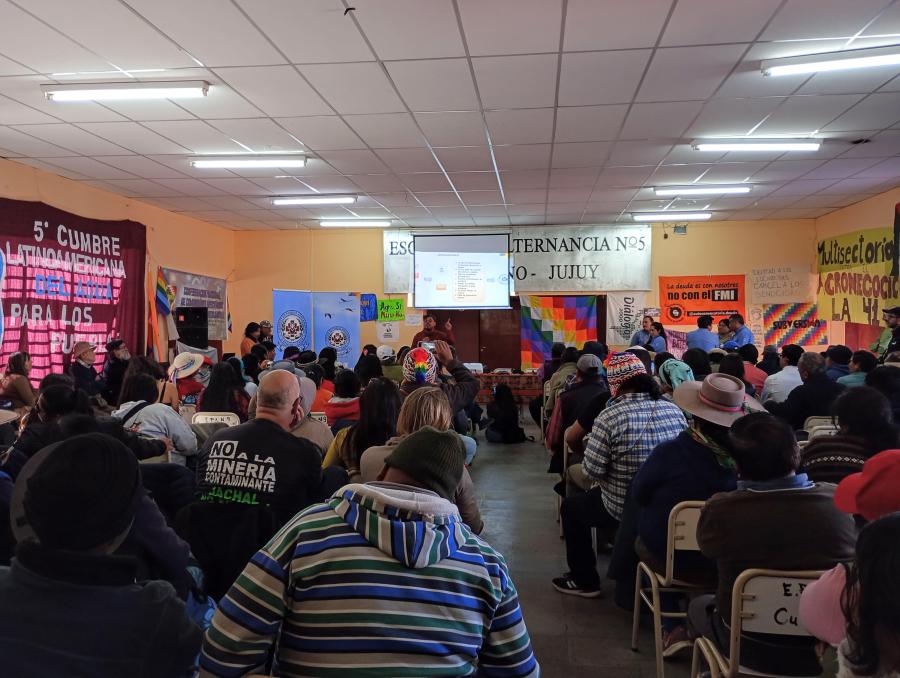
For generations, the Omaguaca Nation has resisted the impacts of colonialism and extractive economic systems, preserving its identity, traditions, and deep relationship with its territories. However, the Puna and Quebrada regions of Jujuy, where the Omaguaca Nation and other Indigenous communities have lived for centuries, face growing threats from the expansion of large-scale mining projects driven by the extraction of minerals, such as lithium. Today, more than 40 Indigenous communities in the region continue defending their territorial rights against policies and constitutional reforms that favor mining expansion without guaranteeing recognition of Indigenous autonomy or meaningful processes of consultation and participation. These struggles reveal the ongoing impacts of resource extraction, which not only threaten ecosystems and community health but also reproduce historical patterns of dispossession and exclusion.
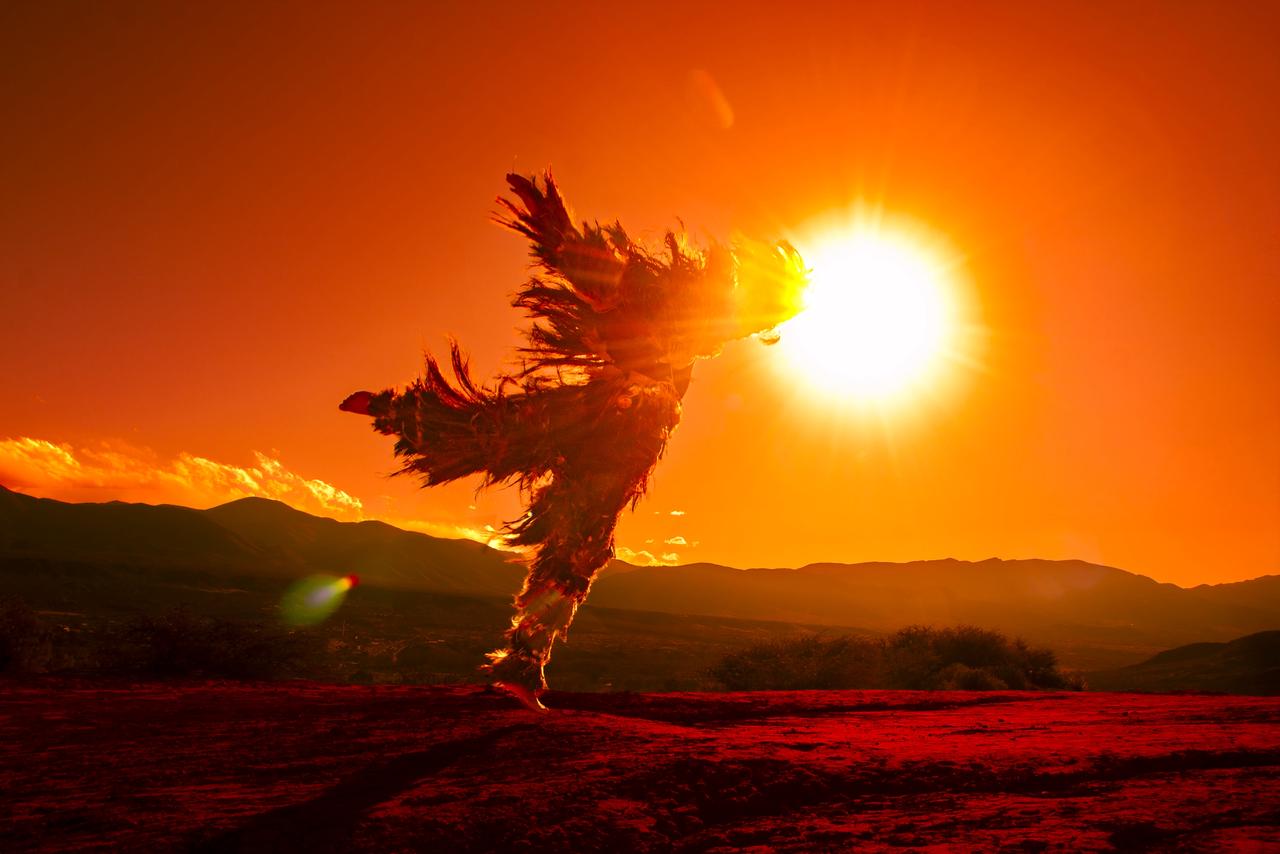
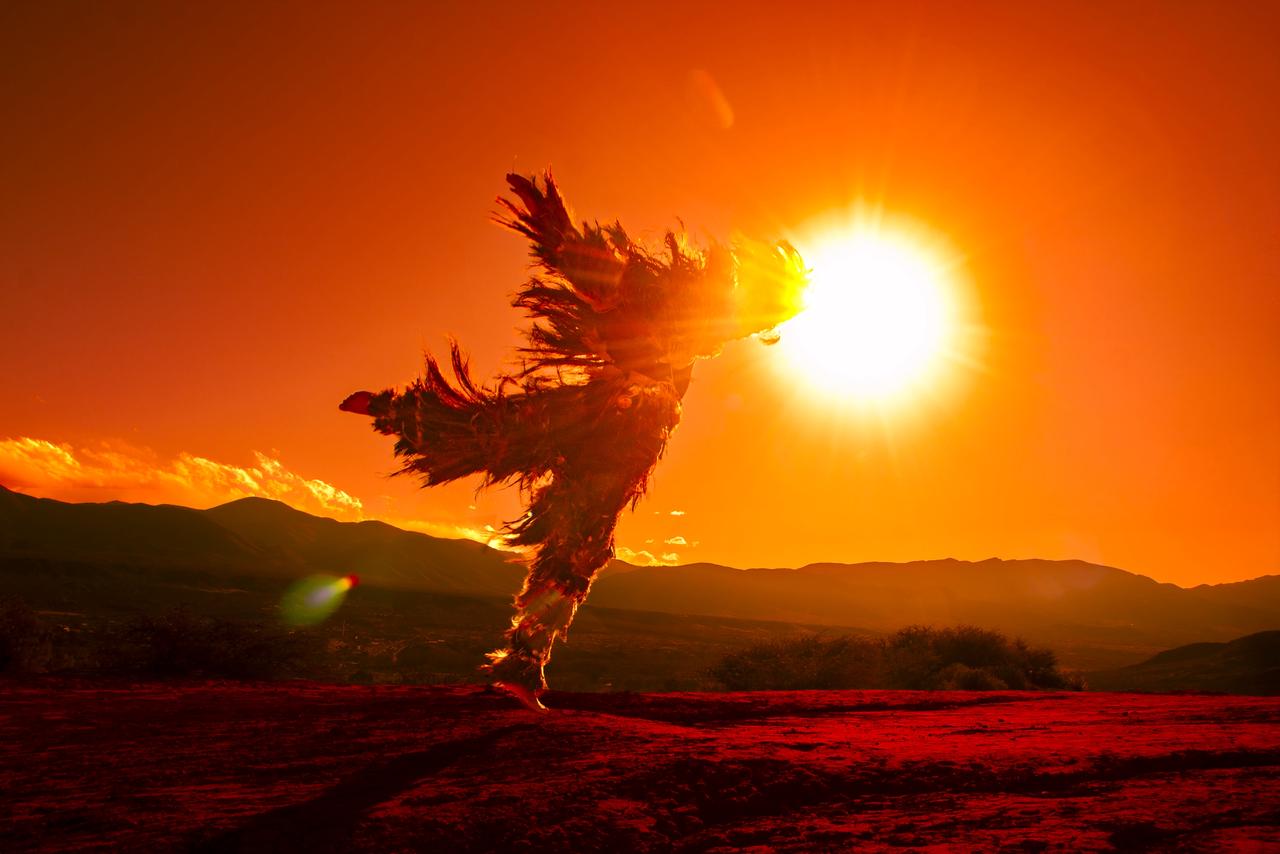
In response to the invisibility experienced by Indigenous communities affected by intensive lithium extraction in northern Argentina, Quillay created "Suri Lithium," an audiovisual performance that addresses the social and environmental impacts of mining and the dehumanization of Indigenous demands. Through art and performance, the work reclaims Indigenous identities, highlighting ancestral knowledge, traditions, and worldviews while inviting critical reflection on the exploitation of natural resources as a form of contemporary colonialism. The project creates a dialogue between current struggles and ancestral memories, demonstrating how art can become a tool for resistance, education, and territorial defense.
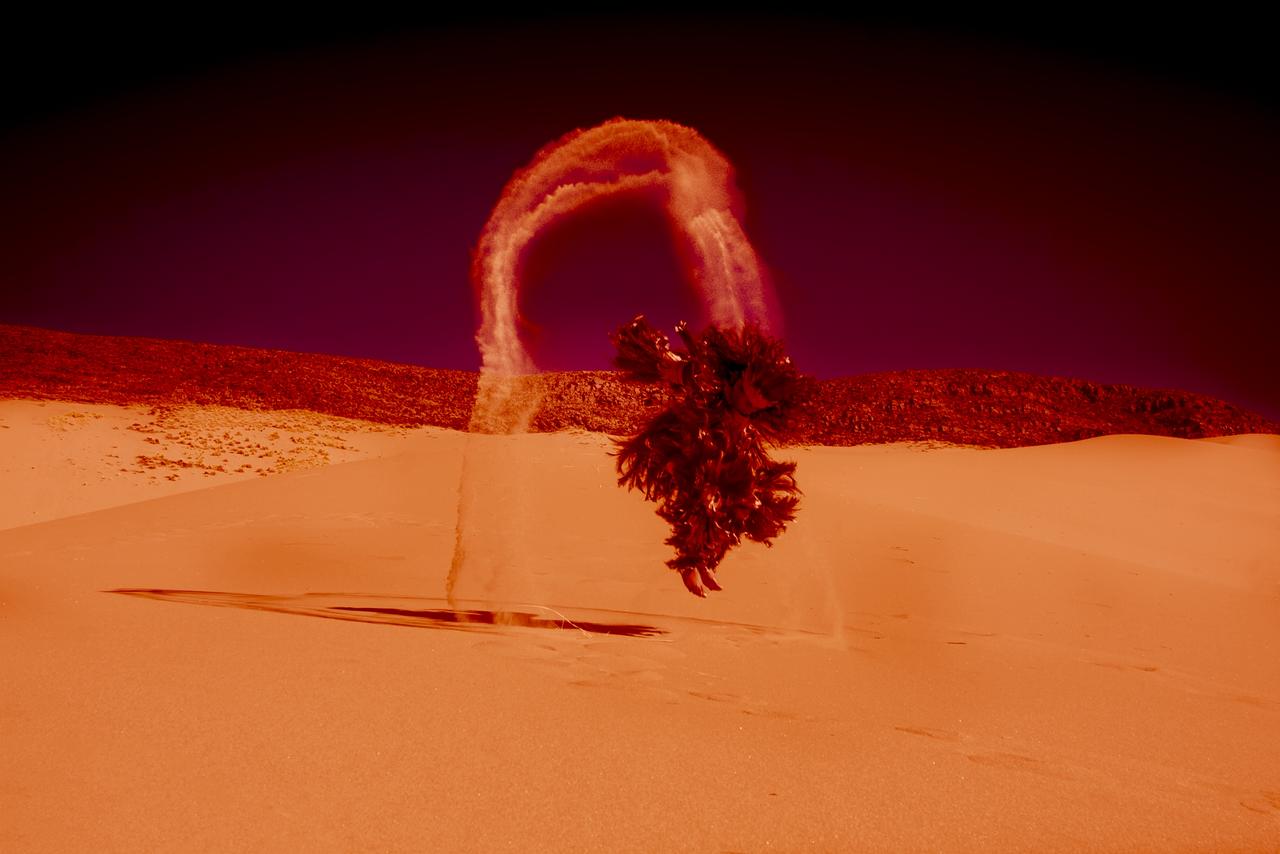
Developed through an inclusive and collaborative process, Suri Lithium brought together local educators, Indigenous and Afro-descendant community members, and members of the 2SLGBTQ+ community. The project reflects Quillay’s commitment to creating collective spaces where diverse experiences and forms of knowledge can coexist. By centering the voices of those directly affected by extractive industries, the performance challenges dominant narratives that have historically excluded Indigenous perspectives from conversations about development, territory, and natural resources.
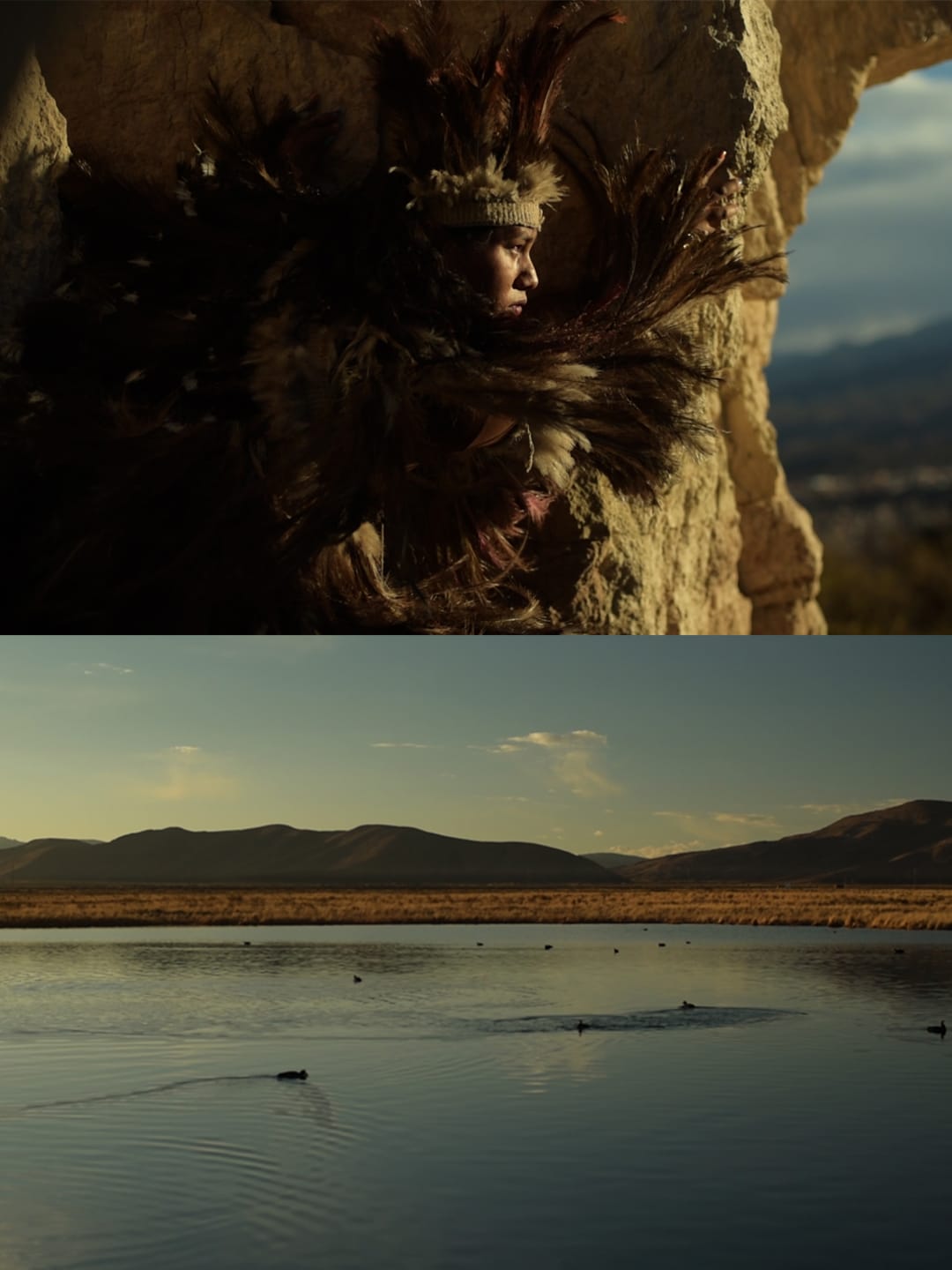
Through Suri Lithium, Quillay has created an accessible artistic tool that can be shared with schools, organizations, and Indigenous territories to continue raising awareness, strengthening cultural resistance, and fostering critical dialogue. Her work positions performance as a living practice of memory and transformation, connecting ancestral knowledge with contemporary struggles and reaffirming the presence, resilience, and sovereignty of Indigenous communities and gender-diverse peoples.