
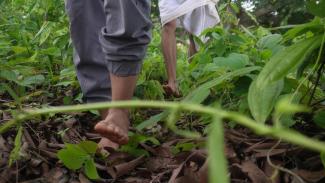
Belonging and connecting are rooted in the land that holds, nourishes, and expands our existence. It is a cyclical motion that embraces healing and wellness, leaning into the backbone of the ancestral constellation of knowledge. Cultural Survival’s Indigenous Youth Fellowship fosters these connections for youth in their community.
Ukhin Ne Chak (Chak) is an Indigenous rights advocate, development practitioner, and community member in the Bandarban Hill Tracts of Bangladesh. She has dedicated her career to safeguarding Indigenous Knowledge, strengthening traditional livelihood practices, and promoting sustainable entrepreneurship for Indigenous women and youth. Through her grassroots initiatives and advocacy, she works to bridge the gap between cultural heritage and economic empowerment, ensuring the resilience of Indigenous communities.
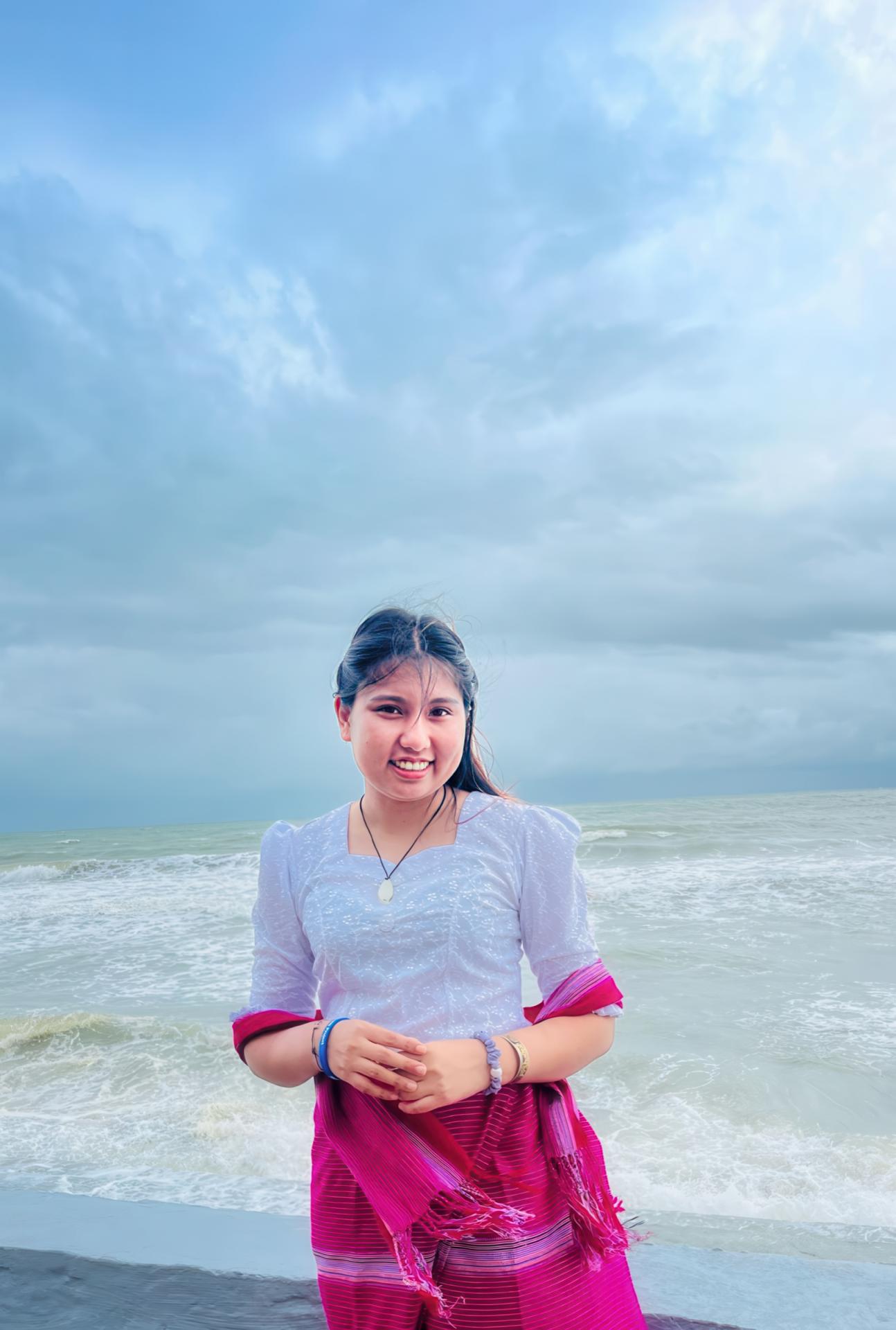
2025 FellowUkhing Nue Chak from Bangladesh.
For Indigenous communities, wellness is deeply connected to land, culture, identity, and community. Growing up in Bandarban in the Chittagong Hill Tracts, I learned that well being is not only about physical health, but also about safeguarding traditions, protecting nature, and maintaining strong community connections.
One of the biggest barriers to Indigenous wellness is the gradual loss of Traditional Knowledge and sustainable livelihoods. Many young people are moving away from cultural practices because of economic challenges and limited opportunities. Climate change and environmental degradation are affecting forests, water sources, and the emotional connections communities have with the land.
My understanding of wellness began by observing women in different Indigenous communities weaving traditional garments and textiles. Weaving is both a skill and connected to tradition. Weaving is not only a cultural practice or source of income; it is part of identity and heritage. Women spend long hours weaving, which often causes physical health challenges from sitting for extended periods. Despite these struggles, they continue weaving to preserve their culture and support their families.
This understanding inspired our work through Bandarban Indigenous Roots Development and Sustainability (BIRDS) and the Barefoot Forest Campaign. Through BIRDS, we support Indigenous women from communities such as Chak by strengthening traditional weaving practices while creating sustainable livelihood opportunities. At the same time, the Barefoot Forest Campaign encourages youth and communities to reconnect with forests, protect nature, and strengthen their relationship with the land.
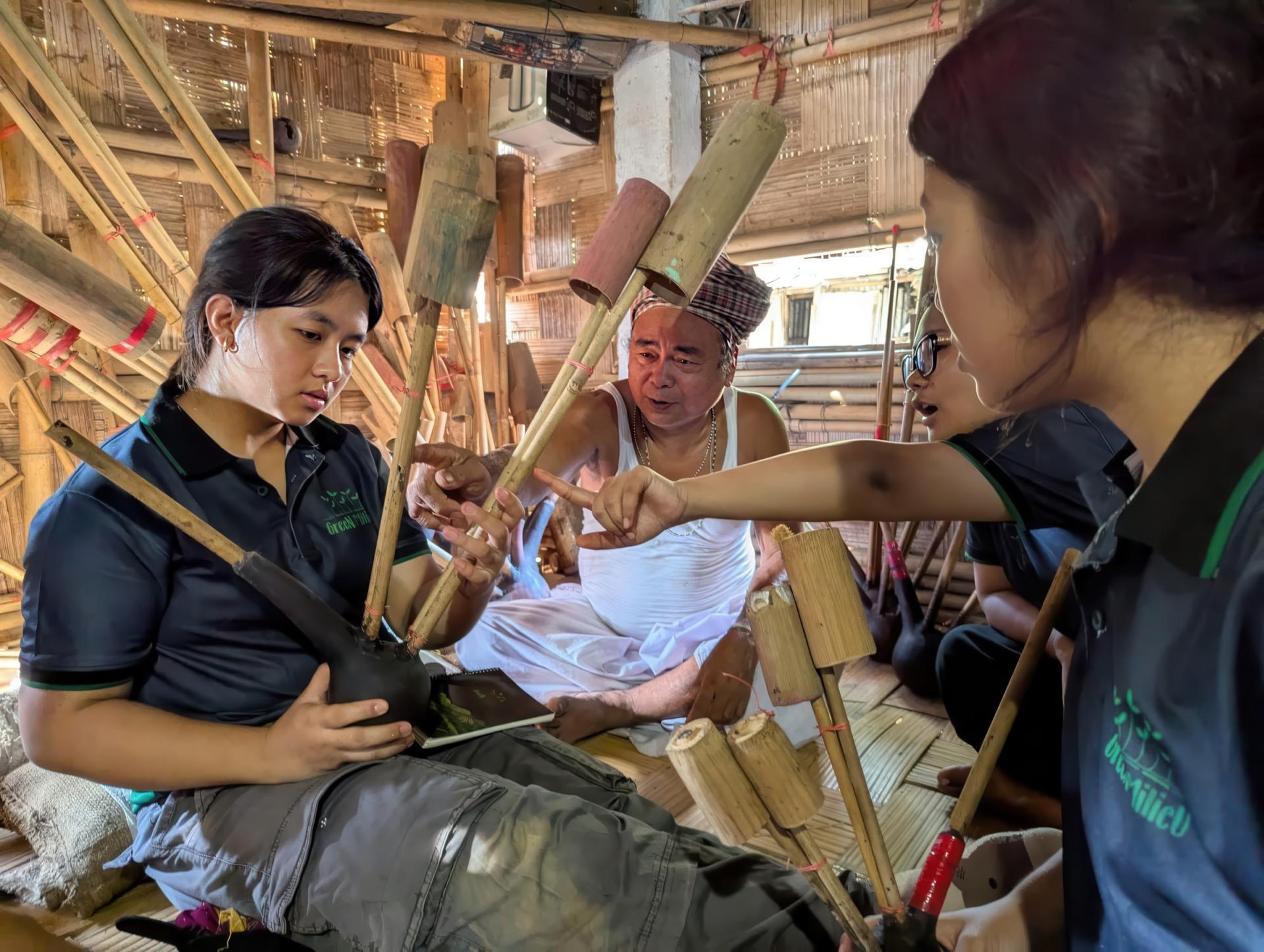
Youth exchange with Elder on traditional tools.
Through the campaign, young people learn about biodiversity, the importance of protecting native plants and wildlife, and how forests are connected to community well being and climate resilience. They also gain practical knowledge through forest walks, environmental learning, and community-based activities, which help them better understand how they can protect both nature and Indigenous Knowledge for future generations.
For me, healing comes from spending time in nature—walking forest paths, listening to birds, sitting beside rivers, learning from Elders. These moments remind me that wellness is both personal and collective. Today, more people feel disconnected than ever before. I see more Indigenous youth becoming interested in cultural preservation, climate action, and community leadership. I also see women proudly sharing their weaving knowledge with younger generations. Through culture, community, and connection with nature, we are creating stronger and more hopeful futures together.
Top Photo: Youth walk in the forest as part of Barefoot Forest Campaign. All photos courtesy of Ukhing Nue Chak
