By Wakinyan LaPointe (Sicangu Lakota)
In January 2026, under the U.S. federal government’s “Operation Metro Surge,” upwards of 3,000 masked and armed federal immigration agents flooded the streets of Minneapolis and St. Paul (“Twin Cities”). Soon afterward, accounts of agents dismissing or refusing Tribal IDs and the sovereign political status of American Indians began to emerge. The Minnesota governor described the surge of federal immigrant agents as “an unprecedented federal invasion in all aspects of life.” This statement reflects the violent history of colonialism and the settler state that sought to extinguish Tribal identities, sovereignty, and Indigenous homelands.
During encounters with federal immigration agents, American Indians in the Twin Cities identified themselves using multiple methods: Tribal Nation IDs, state IDs, passports, naming their Tribal Nation, and or stating, “I’m Native American.” In the Twin Cities, widely shared videos show American Indians being stopped and subjected to excessive force, and in some cases, brutalized by federal immigration agents who dismissed their Tribal identifications. Accounts of experiences under Operation Metro Surge include American Indians carrying their U.S. passports in addition to Tribal IDs, feeling no assurance and certainty that either would protect them from stops, detainment, or the potential of brutalization at the hands of federal immigration agents.
While some commentators have described the initial premise of these ICE/American Indian encounters as racial profiling, the rejection and refusal of Tribal Nations’ identifications raise more serious concerns. When federal agents disregard lawful Tribal identification and citizenship status, the issue extends beyond race-based discrimination and implicates the political status of Tribal Nations and their citizens. Members of Tribal Nations are dual citizens, meaning they are both citizens of a Tribal Nation and of the United States (per American Indian Citizenship Act of 1924).
The refusal to recognize American Indian identifications raises serious concerns regarding equal protection of Tribal citizenship, enforceability of Tribal identification documents, and the recognition of sovereign Tribal political status at both the domestic and international levels, including compliance obligations by federal agencies such as Customs and Border Protection. To the extent that such actions concern civil rights, constitutional rights, and international law, the State of Minnesota, federal officials, and the United Nations must initiate an investigation into the accounts of state violence against and dismissal of Tribal status and citizenship. Such an official investigation must partner with Tribal Nations to ensure true justice for Tribal citizens and that their voices aren’t just heard, but uplifted.
If anything is to be learned from what has happened and is happening, it is that there must be permanent institutional and systematic change to advance actions and policy recommendations for stronger, equal protections of Tribal citizenship, members, and their sovereign political status at multiple levels. Temporary justice and fixes are never enough. Nothing short of a reckoning for Indigenous justice is in order, one that cannot be ignored or sidestepped, and that raises the rights of American Indians to the highest possible standard and regard. There should be no more marginalization and exclusion of our rights and voices as Tribal citizens and American Indians at any level, by any institution, and by any sector. To do so would perpetuate the very injustices we have borne witness to and have ourselves experienced.
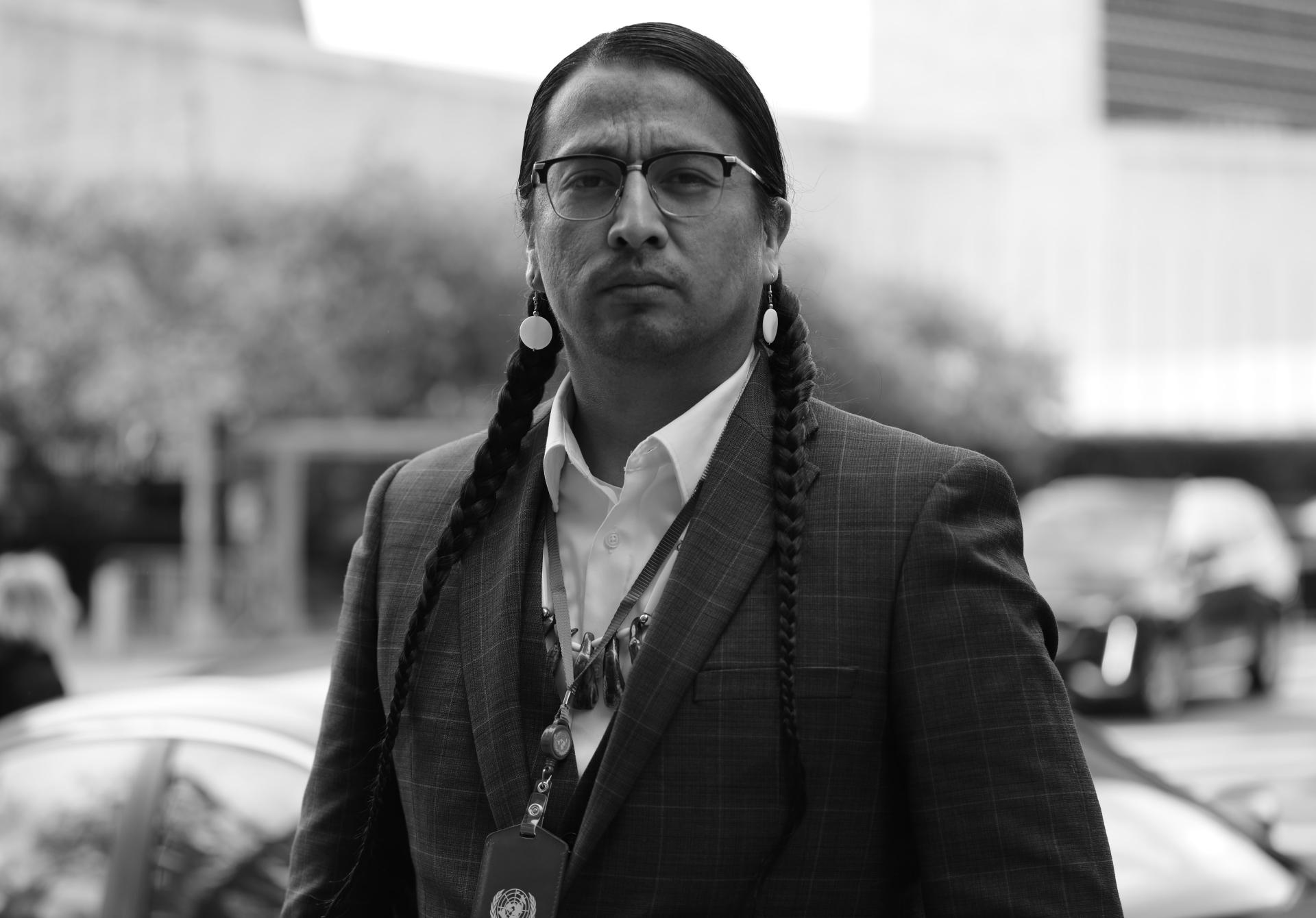
---Wakinyan LaPointe (Sicangu Lakota) is a citizen of the Rosebud Sioux Tribal Nation and a longtime member of the Twin Cities American Indian Community. He is a researcher, Indigenous human rights defender to the United Nations, and a UN Indigenous Programme Fellow ‘2023.
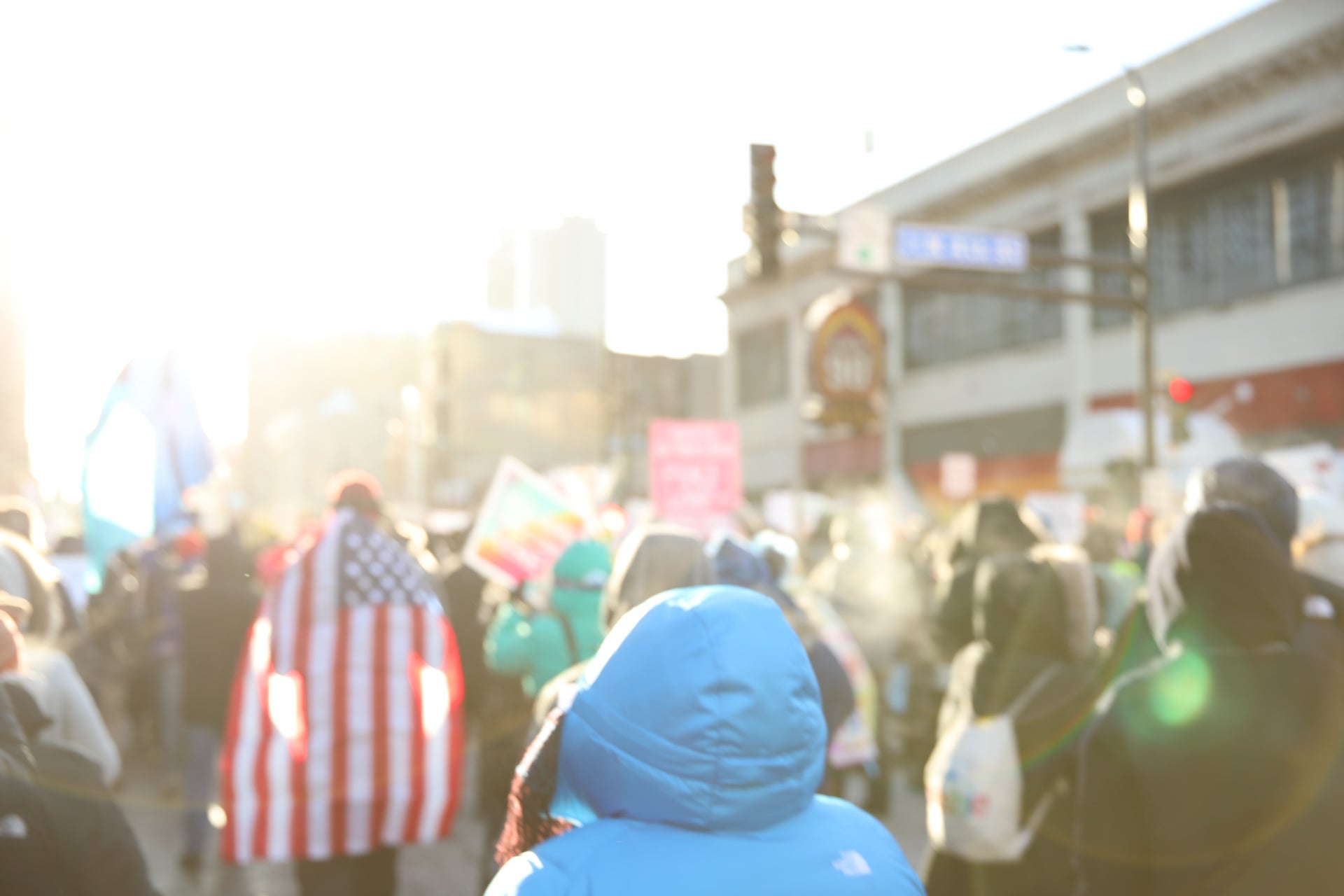
Top photo: January 23, 2025, March in Minneapolis, Minnesota, photo by Wakinyan LaPointe.