By Omar Challah, Executive Director, Jamii Action Centre (JAC)
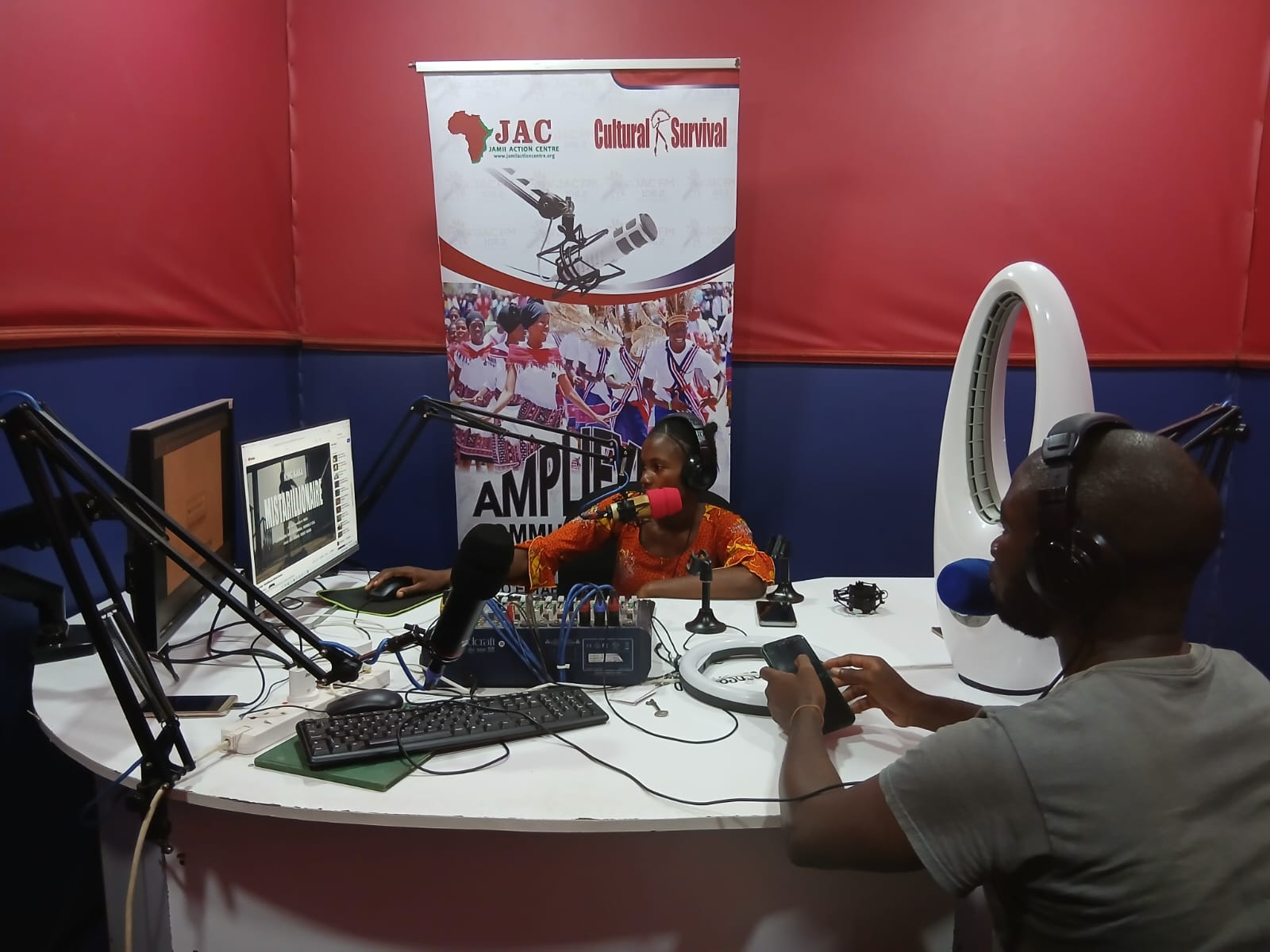
Jamii Action Centre has launched JAC FM, a community-owned radio station in Kwale County, Kenya. With this new station, we’re advancing efforts towards providing a platform for the Mijikenda People, a group that has been historically underrepresented in mainstream media.
For years, commercial radio stations in the region have focused on national interests, leaving a gap in coverage of issues unique to the local population. With the launch of JAC FM, we intend to address this void by providing a dedicated space for community dialogue, cultural expression, and civic education. “For the first time, I hear programs that speak directly to us about our traditions, our youth, and our struggles. JAC FM has become the voice of the people,” says Fatuma Mnyika, a listener from Waa-Ng'ombeni Ward.
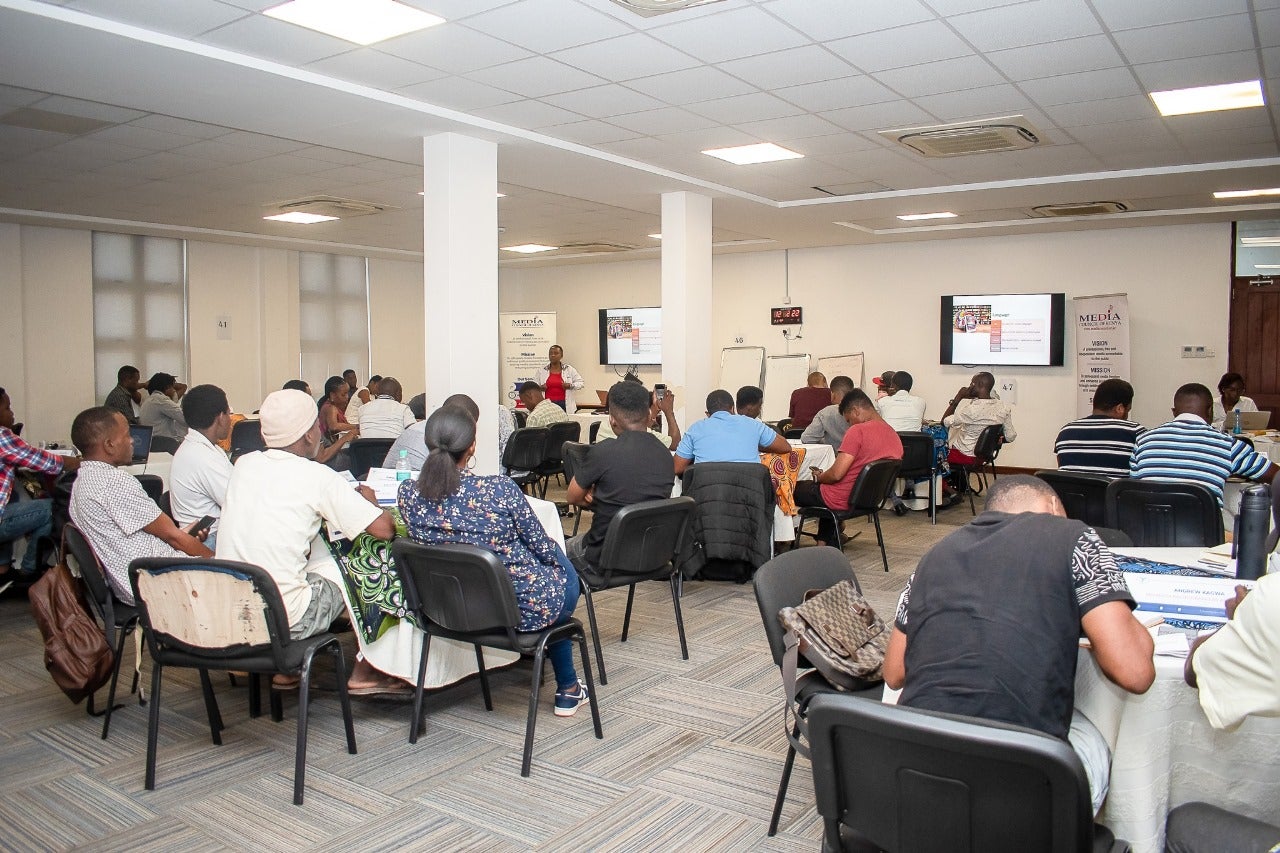
Among other activities, we held a capacity building workshop on media ethics and licensing. The training was a significant step in improving the skills and knowledge of our team. “As a young presenter, this opportunity has changed my life. I never imagined I could host a show, let alone talk about issues like youth unemployment and mental health on air. Now I feel like I have a purpose in my community,” says Jumbe Ali, a volunteer presenter for the Youth Spotlight Program.
All programs are produced multilingually in Kiswahili and local Mijikenda dialects, which has significantly increased their accessibility. Our content covers topics such as peacebuilding, climate resilience, and gender equity. “The partnership with JAC FM has made our advocacy work more impactful. Our sessions on parenting, peacebuilding, and gender have reached even remote areas. It's a game changer for community engagement,” says Mealii Mbodze, a project officer at a partnering civil society organization.
We are committed to gender inclusion, with women making up 45% of our on-air presenters—a rare accomplishment in a culturally conservative setting. Our programming includes discussions on mental health, menstrual hygiene, and women’s rights, providing a safe space for dialogue on sensitive topics. “As a woman in media, being a presenter here is empowering,” says Aisha Soza, a female presenter at JAC FM. “Our community is slowly beginning to accept that women have a strong voice. Hosting shows on menstrual hygiene and women’s rights is no longer taboo—it’s progress.”
Our station faces ongoing challenges, as frequent power outages disrupt broadcasts. We needlong-term solutions such as a sustainable solar energy system. The station, which is run entirely by a volunteer team, also faces the challenge of securing consistent financial support. Nonetheless, JAC FM’s strong reception by the community has laid a strong foundation for its future: the community’s enthusiastic response and a sense of ownership have been key to its success. Moving forward, we plan to focus on strengthening our digital presence through a functional website and use of social media.