By Hai//om Community San Council and Roseline Genade Geises (Hai//om San)
The Hai//om San are among the oldest Indigenous communities in Namibia. For thousands of years, we lived as hunter-gatherers and maintained a deep connection with nature, land, and cultural traditions. Their survival depended on their knowledge of the environment. We hunted wild animals, gathered fruits and plants, and used natural resources sustainably. Their cultural identity, spiritual beliefs, and social systems were closely linked to their ancestral land.
Despite their long history and rich heritage, the Hai//om San today face significant challenges. We are widely regarded as one of the most marginalized communities in Namibia. Marginalization refers to exclusion from social, economic, and political opportunities that others enjoy. Over time, historical injustices, forced removals, poverty, and discrimination have created serious obstacles that continue to affect their development and well-being. However, alongside these challenges, practical solutions can promote empowerment, dignity, and sustainable development.
One of the most serious challenges facing the Hai//om San is the loss of their ancestral land. Historically, many Hai//om communities lived in areas that are now part of Etosha National Park and surrounding regions. Their land provided food, medicine, shelter, and spiritual connection. During colonial rule, the establishment of national parks and commercial farms led to the forced removal of local communities. We were displaced without proper compensation or alternative land.
The removal from ancestral land disrupted their traditional way of life. Without access to hunting and gathering areas, the Hai//om lost their economic independence and cultural practices tied to the land. Many were forced to work as farm laborers under poor conditions or move to informal settlements. Today, land ownership remains limited for many Hai//om families, restricting opportunities for farming, housing, and economic growth.
A key solution to this challenge is strengthening land rights through legal recognition and policy reform. Government and civil society organizations can work together to facilitate land allocation programs, communal conservancies, and community farming projects. Supporting land claims processes and ensuring meaningful participation of Hai//om leaders in land negotiations would restore dignity and provide a foundation for economic independence. Community-based tourism and cultural heritage projects linked to conservation areas could also generate sustainable income while respecting traditional knowledge.
Poverty remains one of the most pressing issues within Hai//om communities. Many families live in informal settlements or temporary shelters made from plastic sheets, wood, and corrugated iron. These structures provide little protection from harsh weather conditions. Access to basic services such as clean water, electricity, and sanitation is limited in many areas. As a result, families face daily hardships in maintaining healthy living conditions.
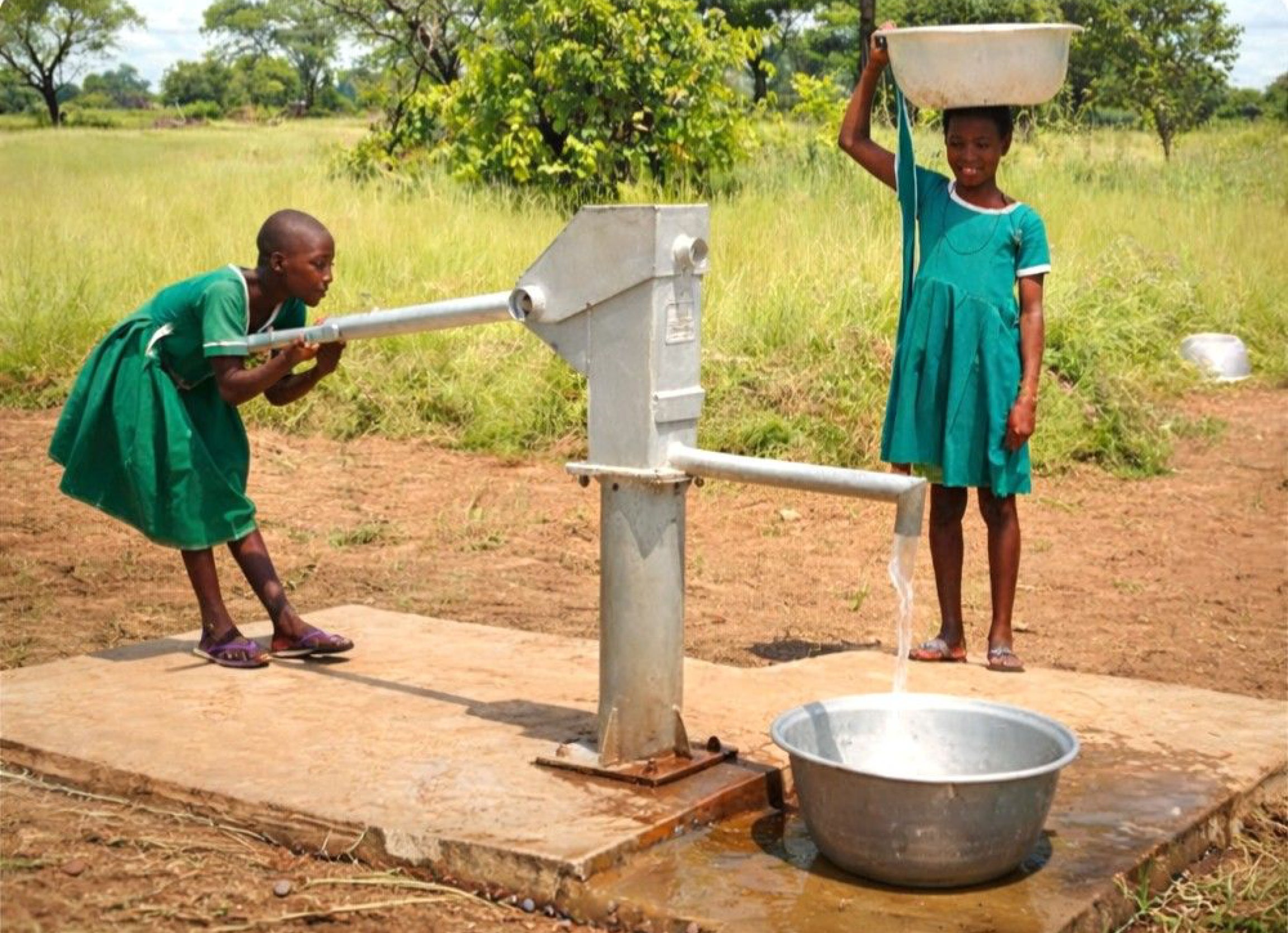
Addressing poverty requires integrated development programs. Housing initiatives can focus on constructing durable, low-cost houses using locally available materials. Water access can be improved through the installation of boreholes and community-managed water systems. Solar energy projects can provide affordable electricity in remote areas. Social protection programs should continue, but must be combined with empowerment initiatives that promote long-term self-reliance rather than dependency.
Food insecurity is another major concern. Many households struggle to provide sufficient food for their families. Malnutrition, particularly among children, affects physical growth, cognitive development, and school performance. Poverty limits access to nutritious food, healthcare, and school materials, perpetuating a cycle of disadvantage.
Solutions include community gardens, small-scale livestock farming, and agricultural training programs. Providing seeds, tools, and training in climate-resilient farming can enhance food production. School feeding programs and nutrition awareness campaigns can improve child health and educational outcomes. Partnerships with agricultural extension services can strengthen local capacity and sustainability.
Education plays a critical role in breaking the cycle of poverty. However, many Hai//om children face barriers to accessing quality education. Some families cannot afford school uniforms, stationery, or transport. In rural areas, children may walk long distances to reach school. Language barriers also create challenges, as many children grow up speaking their indigenous language at home but are taught in English at school.
Improving education requires targeted support. Scholarship programs, school supply assistance, and transport support can reduce financial barriers. Establishing early childhood development centers within communities can prepare children for formal schooling. Mother-tongue-based education in early grades would improve comprehension and confidence. Adult literacy programs can empower parents to support their children’s learning and increase participation in economic activities.
Unemployment remains a significant challenge. Due to limited education and vocational training, many Hai//om adults struggle to secure stable employment. Those who find work often take low-paying, insecure jobs. Without sustainable income, poverty continues across generations.
Skills development programs are essential. Vocational training in carpentry, sewing, agriculture, mechanics, and entrepreneurship can equip young people and adults with practical skills. Microfinance initiatives and small business grants can support community enterprises such as craft production, beadwork, and eco-tourism. Partnerships with local businesses can create internship and apprenticeship opportunities. Encouraging cooperative models can strengthen collective economic resilience.
Discrimination and social exclusion further worsen these challenges. Some members of the Hai//om community experience unfair treatment due to their indigenous identity. Stereotypes and negative attitudes limit equal access to services and employment. Limited participation in decision-making processes reduces their ability to advocate for their needs.
Promoting social inclusion requires awareness campaigns that celebrate indigenous cultures and challenge harmful stereotypes. Strengthening community leadership and representation in local and national structures is crucial. Leadership training and civic education programs can empower Hai//om representatives to engage effectively with government authorities. Inclusive policies must ensure equal access to public services and development programs.
Healthcare access presents additional difficulties. Many Hai//om communities live far from clinics and hospitals, and transportation costs can be prohibitive. Poor living conditions and malnutrition increase vulnerability to disease, particularly among children and the elderly.
Mobile health clinics can bring essential services directly to remote communities. Training community health workers can improve preventive care and health education. Expanding nutrition programs and sanitation infrastructure would reduce the burden of preventable illnesses. Collaboration between government health services and non-governmental organizations can strengthen outreach and service delivery.
Cultural preservation and revitalization are important areas to focus on. The Hai//om San possess a rich cultural heritage that includes language, storytelling, music, traditional knowledge, and spiritual practices connected to nature. However, displacement and modernization have weakened intergenerational cultural transmission.
Cultural preservation initiatives can include documenting oral histories, establishing cultural centers, and organizing cultural festivals. Supporting the teaching of indigenous languages in schools and community programs would strengthen identity and pride. Cultural tourism initiatives can provide income while promoting respect for heritage. Protecting cultural knowledge is not only beneficial for the Hai//om community but also enriches Namibia’s national diversity.
Political representation remains limited for many Hai//om communities. Without strong representation, marginalized groups struggle to influence policies that affect their lives. In rapidly growing urban centers such as Windhoek, development continues to accelerate, yet marginalized communities do not always benefit equally.
Strengthening political empowerment requires leadership development programs, advocacy training, and structured dialogue between communities and government institutions. Policies must be inclusive and responsive to indigenous concerns. Community participation in planning and decision-making processes ensures that development initiatives reflect local priorities.
The Namibian government and various organizations have made efforts to address these challenges. Social grants, educational support programs, housing initiatives, and skills training projects have produced positive outcomes. However, sustainable development requires long-term commitment and coordination among stakeholders.
In conclusion, the Hai//om San marginalized communities face interconnected challenges rooted in historical displacement, poverty, limited education, unemployment, discrimination, healthcare barriers, and cultural loss. Yet these challenges are not insurmountable. Through comprehensive and community-led solutions focused on land rights, education, healthcare, economic empowerment, cultural preservation, and political representation, meaningful progress can be achieved.
Every Namibian citizen deserves dignity, equality, and opportunity. Supporting marginalized communities, such as the Hai//om San, is not only a matter of social justice but also essential to building a more inclusive and equitable Namibia. With sustained collaboration between government, civil society, and the community itself, the Hai//om San can preserve their unique cultural identity while achieving social and economic empowerment for future generations.
-Roseline Genade Geises (Hai//om San) is a passionate and dedicated community member from Windhoek, Namibia. She is actively involved in community work and family literacy programs that support Grade 1 learners and their parents.
In 2026, the Hai||om San Community Council received a Keepers of the Earth Fund grant. Based in the Oshikoto Region of Namibia, Hai||om San Community Council is a women-led initiative designed and implemented by Hai||om women leaders with a focus on advancing the participation and leadership of women and girls in traditional governance. Their project aims to revitalize the traditional Hai||om governance model by integrating women and youth into community decision-making processes. Through dialogues with Elders to document original consensus-based practices, the establishment of women’s and youth circles, targeted leadership training, and the co-creation of a Hai||om Governance Protocol booklet, the project seeks to restore cultural agency, strengthen social cohesion, preserve critical knowledge, and build a more inclusive and resilient governance structure.