By Gregory Jones (Shawnee)
I grew up moving among many Tribal communities. My earliest memories are fragments of ceremonies, songs, and dances that belonged to Nations other than my own, moments from other Eastern Woodlands traditions, the wide-open plains of Oklahoma, river gatherings, and hints of southwestern cultural life. I heard different languages and watched people carry out teachings that were not mine to claim. When I was young, this sometimes made me feel as if I existed somewhere in between places. Over time, however, that space became meaningful. It allowed me to witness connections across communities and understand belonging as something rooted in relationships rather than tied to a single place. Through it all, I carry my Shawnee story and remain mindful of the ancestors and lands that shape it.
Living among different Tribal communities helped me develop what I now understand as a pan-Indian sense of identity. Rather than feeling disconnected, this perspective created room for multiple stories to coexist. It encouraged me to build relationships across Nations and to recognize the responsibilities that come with those relationships. Identity, in this sense, is not something fixed or isolated. It grows through connections with people, places, and shared experiences.
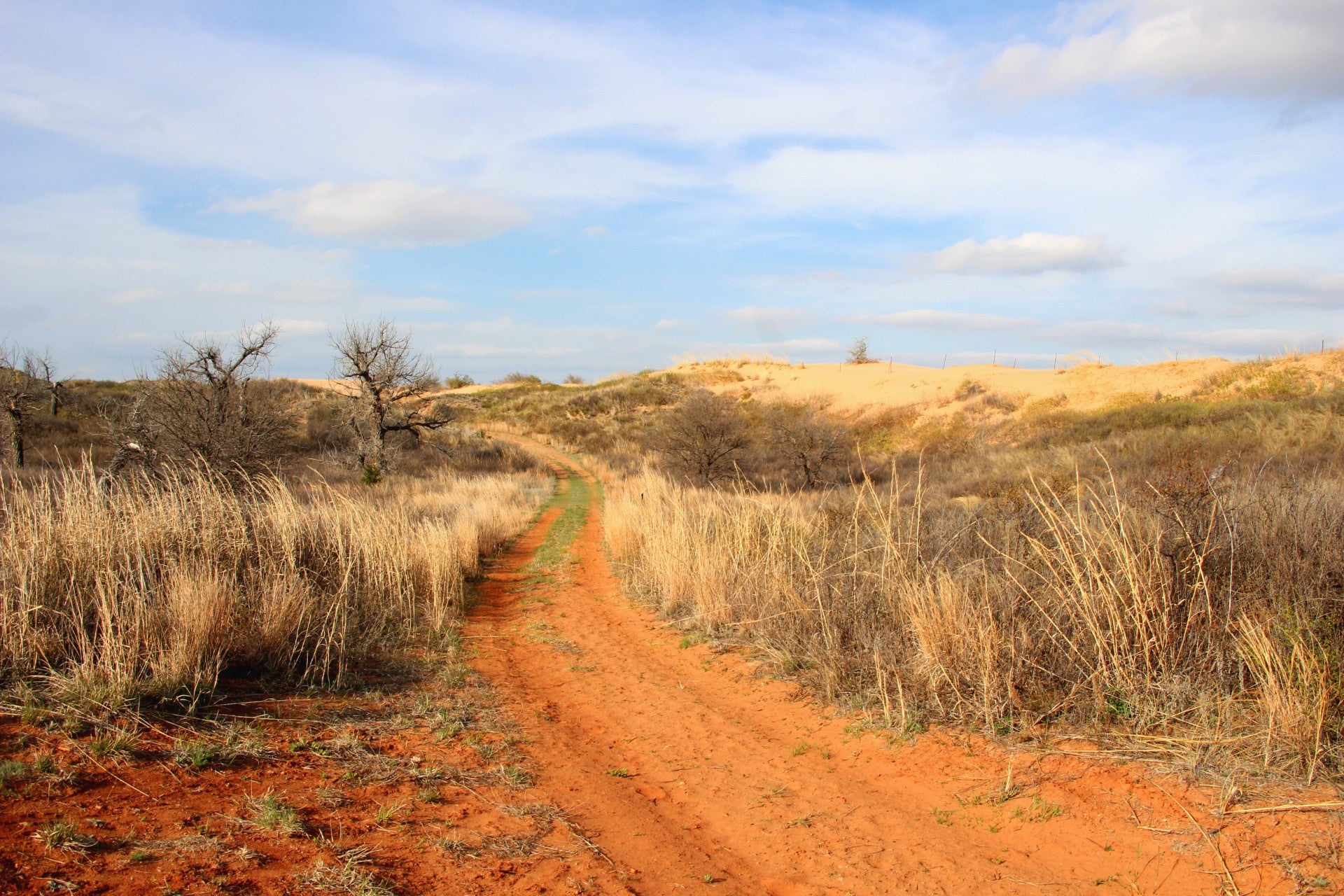
One memory that stays with me is standing on an Oklahoma prairie, watching the wind move across the tall grass and the horizon beyond it. In that moment, I felt a deep sense of belonging—not because of language or ceremony, but because of the land itself. The land has a way of teaching if you take the time to listen. Being present in those places taught me that understanding comes through patience, humility, and respect. I learned that I did not need to fully know every tradition to feel connected. What mattered was approaching each place and community with care.
For many Indigenous people, knowledge is carried through stories, daily practices, and relationships with the natural world. Learning often happens through observation, participation, and listening to those who hold experience and wisdom. My own learning followed this path. Walking along rivers, spending time on prairies, and listening to Elders when invited all became part of how I came to understand responsibility and community. These moments were not formal lessons, but they shaped my understanding in lasting ways.
Responsibility to the land is closely connected to responsibility to one another. Across different regions I visited—forests, rivers, and plains—I saw how communities cared for the places that sustained them. Those relationships were not only environmental but cultural and spiritual as well. Stewardship was part of governance, community life, and the continuation of knowledge from one generation to the next.
This perspective also shapes how I think about leadership. Leadership, in many Indigenous contexts, is not about authority alone. It involves listening carefully, building trust, and supporting the well-being of the community. It means creating space for many voices and recognizing that knowledge is shared rather than owned by any one person. In my own work within educational and institutional spaces, I try to follow these principles by encouraging collaboration, honoring community knowledge, and supporting connections across Tribal Nations.
I remember kneeling beside a river and placing my hands in the moving water. The current carried a quiet rhythm, reminding me that generations before me had stood in similar places. The river seemed to hold stories within its movement—stories of people, land, and time. In that moment, I understood that being Indigenous is not about possessing knowledge or claiming authority over it. Instead, it is about carrying responsibilities: to the land, to the people around us, and to those who will come after us.
Walking among different communities has shown me that identity and belonging are not rigid definitions. They grow through relationships, shared experiences, and the willingness to learn from others. My pan-Indian perspective has allowed me to see connections across places and Peoples while still honoring my Shawnee roots. From prairies and rivers to forests and lakes, the lesson remains the same: to live with respect for the land, to care for the relationships that sustain us, and to move forward with humility for the generations yet to come.

--Gregory Jones (Shawnee) is the Director of Native American Student Services at the University of Arkansas. His work centers on supporting Native students, strengthening relationships between universities and Tribal Nations, and creating spaces where Indigenous students feel a sense of belonging and purpose in higher education. Jones brings experience in both tribal government and Native higher education advocacy, and he currently serves on the Steering Committee for the American Indian Center of Arkansas. Raised among many Native communities and traditions, his perspective is shaped by relationships, stories, and the responsibility to carry forward the knowledge shared by elders and community members. His work reflects a commitment to building institutions that are more responsive to Indigenous students and communities.
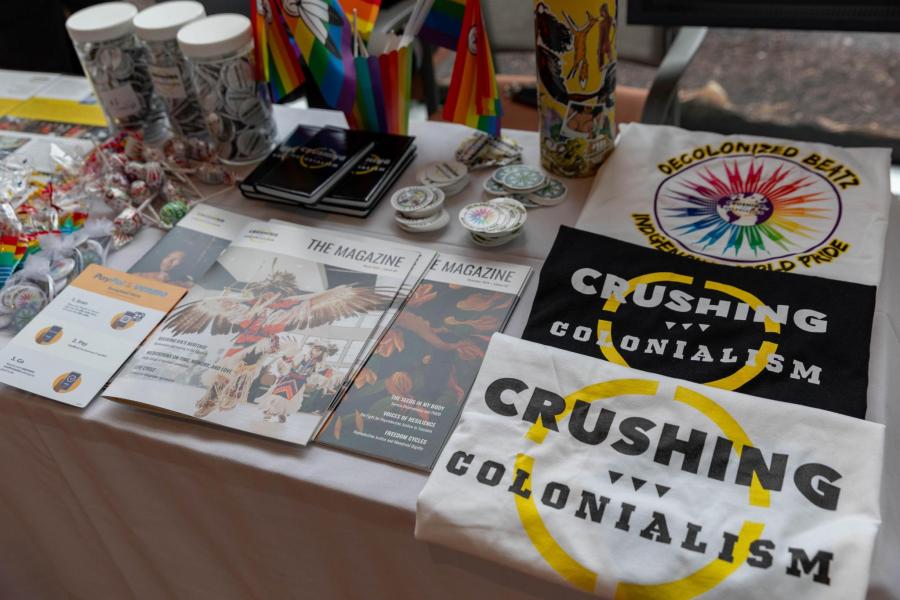
Top photo by Holly Chaffin.