
Mother Earth Medicine: An Ancestral Intelligence Podcast to Heal Our Future
Cultural Survival and the “Nihizhi” Podcast are joining forces to amplify Indigenous voices through a new podcast. “Mother Earth Medicine: An Ancestral Intelligence Podcast to Heal Our Future” is officially launching on Earth Day, April 22nd, 2026.
The new podcast is designed to bring valued listeners “potent and inspiring content that ushers in Ancestral Intelligence—the real AI needed in these trying times.” It seeks to honor Indigenous cultures and values as the co-hosts, guests, and listeners collectively dream and co-create a future of mutual flourishing for all. Ancestral Intelligence – rooted in Indigenous cosmovisions, traditional knowledge, and values – embodies the antidote to Artificial Intelligence and the extractive ideologies currently destroying our planet.
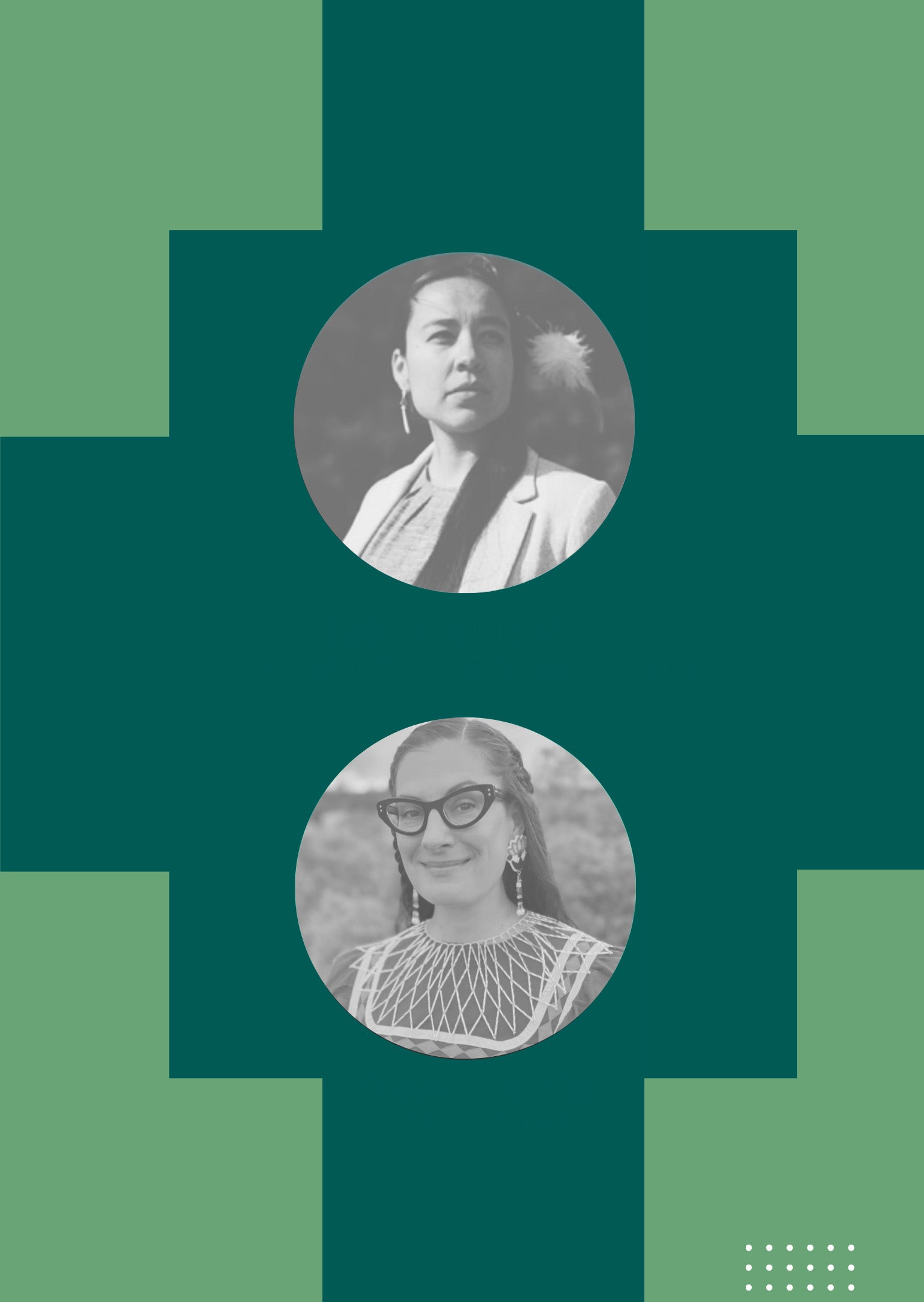
The show is co-hosted by Aimee Roberson (Chahta/Chikashsha), Executive Director of Cultural Survival, and Dr. Lyla June Johnston (Diné/Tsétsêhéstâhese), host of “Nihizhi” and a Cultural Survival Board member. They will engage in dialogue with Indigenous leaders, knowledge keepers, and allies on Indigenous issues worldwide.
Listen to Episode 6. Reclaiming Fire: Cultural Burning with Margo Robbins
Listen to Episode 5. Indigenous Kenya: The Power of Luhya Knowledge to Protect Biodiversity with Dr. Nelly Masayi
Listen to Episode 4. Caring for Self, Caring for Community: Lessons in Leadership with Tanaya Winder
In Episode 4, co-host Lyla June Johnston (Diné/Tsétsêhéstâhese) speaks with Tanaya Winder (Shoshone, Ute, Diné, and Paiute), an accomplished author, singer-songwriter, poet, and motivational speaker, about burn out and working from our heart’s purpose. Tanaya combines storytelling, singing, and poetry to delve into themes of healing, love, and discovering one's purpose—what she calls "heartwork," as a form of medicine and encourages individuals to harness their voices as a source of power. Don't miss this conversation! Listen to “Caring for Self, Caring for Community: Lessons in Leadership with Tanaya Winder.” To learn more about her work, visit: www.tanayawinder.com
Listen to Episode 3: Fierce Love: Balancing Nurture and Defense of Our Communities
In Episode 3, co-host Aimee Roberson (Chahta/Chikashsha) speaks with Alicia Moncada (Wayuu) and Avexnim Cojtí (Maya K'iche') about what it means to be Indigenous, how all of humanity has Indigenous roots, and the fierce love needed to care for and ensure the continuance of our cultures, communities, and connections to Mother Earth.
Listen to Episode 2: Burhan Sönmez. Kurdish Voices and the Power of Language
In Episode 2, co-host Dr. Lyla June Johnston (Diné/Tsétsêhéstâhese) speaks with Burhan Sonmez about the revitalization of the Kurdish language.
Listen to Episode 1: Healing Our Future
In Episode 1, our hosts, Dr. Lyla June Johnston (Diné/Tsétsêhéstâhese), Cultural Survival Board Member, and Aimee Roberson (Chahta/Chikashsha), Cultural Survival Executive Director, discuss their inspiration for this new podcast rooted in the wisdom of their ancestors. Aimee and Lyla honor Indigenous cultures and values and invite listeners to collectively dream and co-create a future of mutual flourishing rooted in Ancestral Intelligence.
The hosts invite listeners to explore how to address the world’s greatest challenges by centering traditional knowledge and values that promote sustainable and regenerative lifeways in right relationship with Mother Earth.
“We are revitalizing traditional knowledge, rekindling kinship and trade routes; and building movements and networks for social change, collective care, and mutual aid,” says co-host Aimee Roberson.
Co-host Lyla June adds, “We hope to inspire our listeners to reconnect with their own Indigenous roots... Join us on a journey of solidarity as we highlight Nations who never forgot their ways of life and who fight on the front lines every day to protect their languages, cultures, and territories.”
About the Hosts:
Dr. Lyla June Johnston (aka Lyla June) is an Indigenous musician, author, and community organizer of Diné (Navajo), Tsétsêhéstâhese (Cheyenne), and European lineages. Her multi-genre presentation style has engaged audiences across the globe towards personal, collective, and ecological healing. She blends her study of Human Ecology at Stanford, graduate work in Indigenous Pedagogy, and the traditional worldview she grew up with to inform her music, perspectives, and solutions. Her doctoral research focused on the ways in which pre-colonial Indigenous Nations shaped large regions of Turtle Island (aka the Americas) to produce abundant food systems for humans and non-humans. She is the host of the “Nihizhi” Podcast.
Aimee Roberson, Cultural Survival Executive Director, is a citizen of the Choctaw Nation of Oklahoma and also of Chikashsha, Scottish, Irish, and English descent. She is a lifelong student of Mother Earth’s wisdom and holds a bachelor’s degree in geology and a master’s in conservation biology. She is committed to reciprocity and community, and works with people to ensure that the social-ecological systems upon which we all depend continue to flourish. Throughout her career, Aimee has provided leadership to partnerships focused on environmental stewardship, co-creating a vision, integrating cultural values and ecological knowledge with science for meaningful decision-making, and implementing shared strategies in caring for people, wildlife, water, and ecosystems. Aimee came to Cultural Survival in July 2024 from her role as the Director of American Bird Conservancy’s Southwest Region. Previously, she served as Coordinator for the Rio Grande Joint Venture, and prior to that, she worked for the U.S. Fish and Wildlife Service, focused on conserving biodiversity and helping people adapt to our changing climate. Aimee is a co-founder of the Indigenous Kinship Circle and Regalia Making Relatives. Within her community, Aimee is learning Chahta anumpa (Choctaw language), practicing traditional arts, growing and preparing traditional foods, and learning and teaching about her Peoples’ history, values, and responsibilities to care for our land, waters, and all our relatives.
Tune in starting on Earth Day, April 22, 2026!
Where to listen:
- Soundcloud
- Indigenous Rights Radio
- Spotify
- YouTube Music
- YouTube Video
- Amazon Music
- Apple Podcast
- Spreaker
- Deezer
- I Heart Radio
- Podchaser
- Buzzsprout