By Sandra Peláez (CS Intern)
Climate change, poor environmental practices, and the neglect of ancestral knowledge have impacted the preservation of natural elements that are culturally significant to Indigenous communities worldwide. The Totorabamba community is situated in a key ecosystem within the high-Andean region of Peru, home to over 300 species of flora and fauna—some of which are protected by national and international conservation laws. However, the region is affected by practices driven by misinformation, such as soil overexploitation and the introduction of high-value exotic tree species that disrupt the region's natural balance. These factors, combined with the loss of ancestral botanical knowledge and climate change, have led to a decline in local biodiversity and threaten local food sovereignty.
Through the project "QAMPI QORAKUNATA WAQAYCHASUN ALLIN KAWSAKUNAPAQ", the Totorabamba community has sought to address this situation. The project benefits local women by conserving and propagating medicinal plants for both domestic and commercial use, focusing primarily on 22 species, including *muña*, horsetail, and plantain. It aims to raise community awareness regarding the importance of natural medicine while building capacity in the use of local flora and entrepreneurship, thereby fostering economic empowerment through an agroecological and culturally conscious approach.
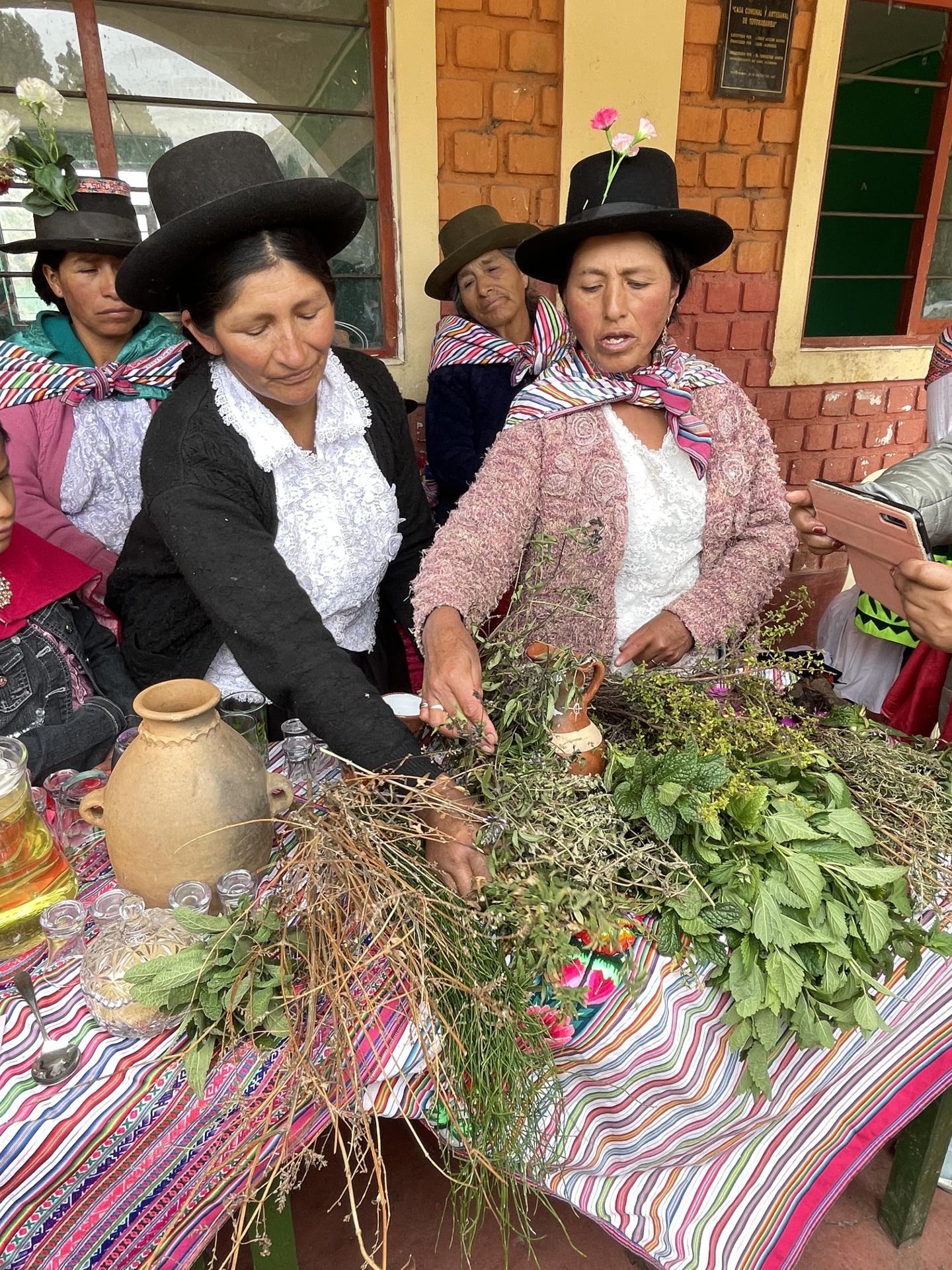
With support from the Keepers of the Earth Fund, workshops were held to reflect on the importance of conserving the community's natural resources. Intergenerational dialogues were also organized to promote the revaluation and transmission of ancestral knowledge, strengthen cultural identity through sustainable practices, and encourage exchange between the community's women and elders. These spaces enabled the identification of culturally significant aromatic and medicinal plant species, including sage (Salvia officinalis), wawillay (Calceolaria engleriana), anise (Tagetes filifolia), tankar (Berberis), qera (Lupinus), and dandelion (Taraxacum officinale).
Based on these dialogues, a community-based business model was designed to benefit the women by providing them with a source of income while also fostering the protection of these plants. Through a community decision, medicinal plants with the greatest potential for incorporation into family gardens were acquired. Additionally, a collective brand named "Tasta, Aromas del Bosque" (Tasta, Forest Aromas) was created; under this brand, the community received training in agroecological production and garden management, dehydration and packaging processes for optimal product preservation, and communication strategies for selling the medicinal plants.
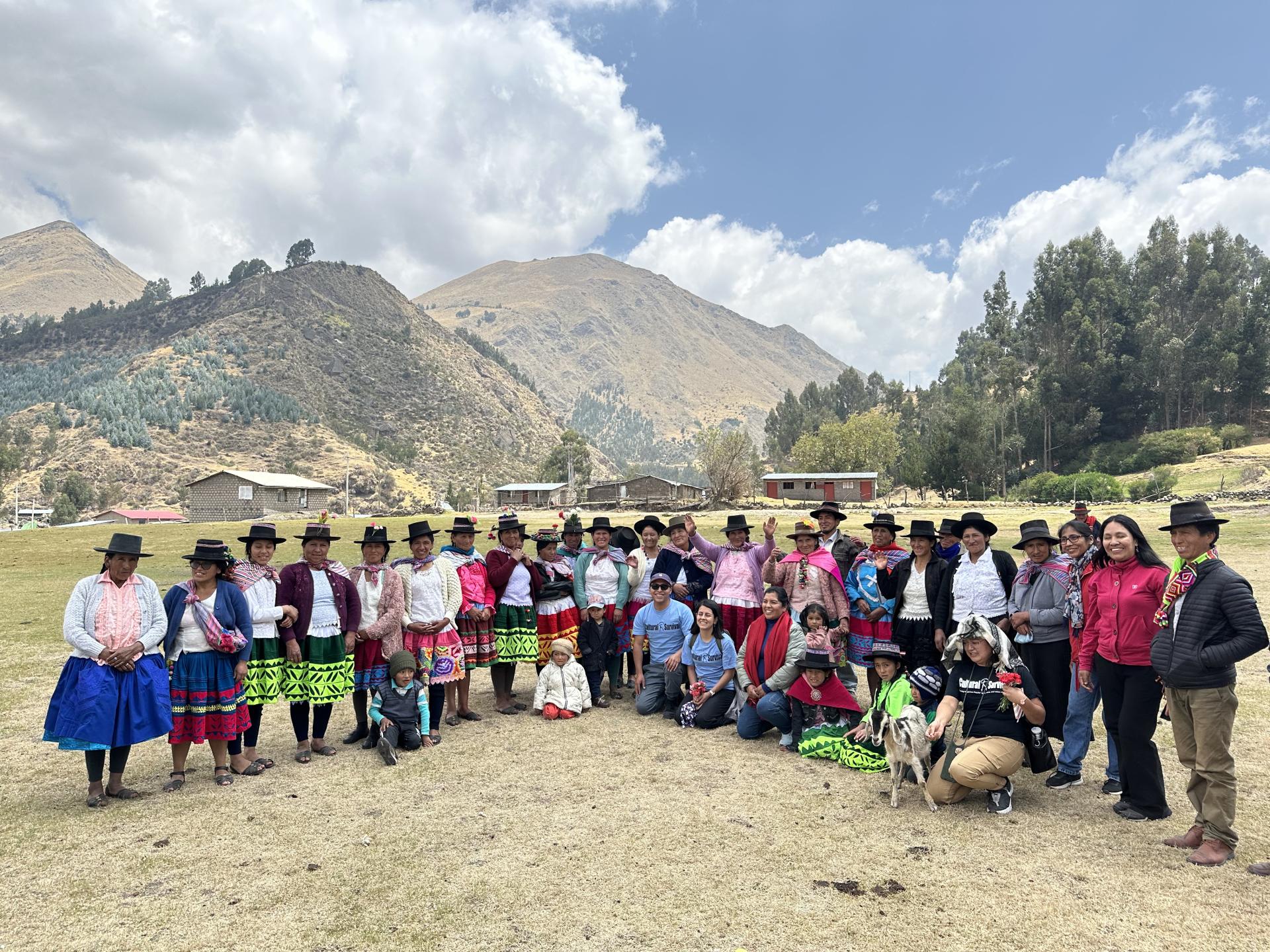
Furthermore, creating a strong brand identity was crucial; this identity embodies the venture's core values—such as community, the preservation of traditional knowledge, and environmental stewardship. This identity was conveyed through labeled jars that reflect the local culture, as well as through multimedia materials featuring the women themselves, showcasing their participation in the production processes, product development, and knowledge sharing. Through this use of technology, the participants and their knowledge were made visible and given a voice; it also served as a space to develop communication skills in the business field and increased their confidence in presenting themselves to the public and sharing their knowledge.
All actions together brought local products closer to a larger audience, which values sustainable production that benefits local people, such as participating in expo-sale spaces where they made Tasta known in different locations. In parallel, the creation of the Association of Entrepreneurial Women “Guardians of Pachamama – Sumaq Kawsay of Totorabamba” was promoted, thereby facilitating the institutional representation of entrepreneurial women and accounting for their community knowledge.
“QAMPI QORAKUNATA WAQAYCHASUN ALLIN KAWSAKUNAPAQ” is a project that managed, through community participation, to make visible the close relationship between traditional medicine knowledge and local biodiversity, where plants are understood as a living pharmacy rooted in the collective memory of families. These medicinal plants are recognized for their healing properties for physical, emotional, and spiritual ailments.
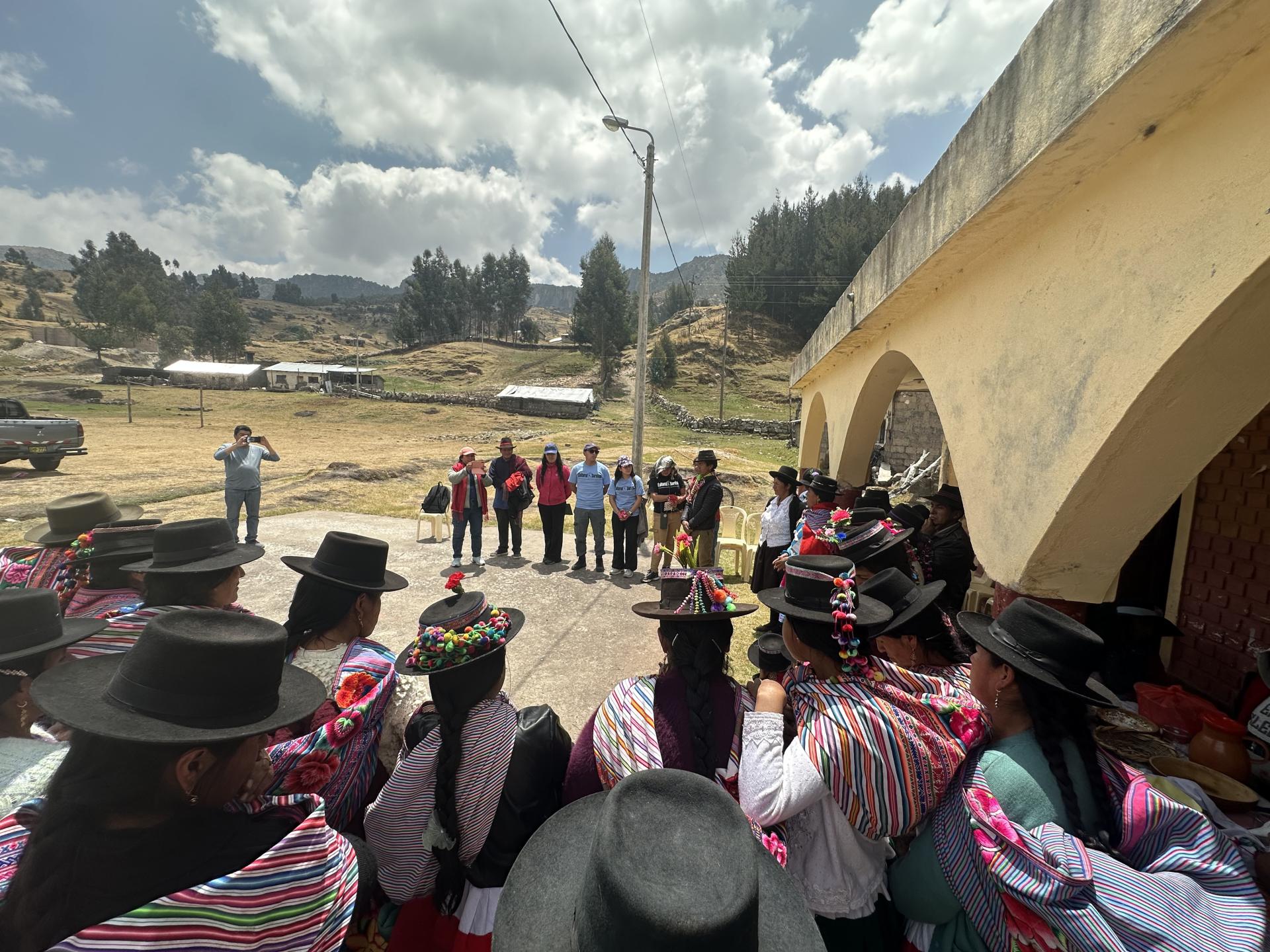
"Here in the forest, we have many good herbs, but due to a lack of knowledge, we do not take advantage of them. It would be important to identify them and understand their properties well to sell them. In the community, we heal ourselves only with those plants. Thanks to the project, we are now seeing which medicinal plants may also have value and thus be able to generate an income for ourselves."
Testimonies like this reflect how they seek to transcend the geographic limits of the community through reaffirmed collective consciousness, sharing their knowledge through products that generate income for Totorabamba women, and that actively help preserve the biodiversity of their region. These words demonstrate the value of traditional medicine in indigenous worldviews, where nature heals and cares. “Tasta” and "QAMPI QORAKUNATA WAQAYCHASUN ALLIN KAWSAKUNAPAQ" are examples of what can be achieved in community when multidimensional projects are carried out that incorporate areas such as culture, gender, and the environment into their mission, from a perspective faithful to their traditions and belief systems. Furthermore, they demonstrate the possibility of generating economic empowerment through community principles.
Thus, the success of the project is related to the ownership that the participants had when collaborating. Let us remember that the link between ancestral knowledge and the preservation of the local ecosystem cannot be dissolved. Thus, in this context, women are guardians and agents who preserve both dimensions: the protection of knowledge and related practices. These are the ones that generate a positive impact on the community, benefiting the economic autonomy of women, food sovereignty, and the community's cultural identity, while strengthening the organization's and women's participation capacity in spaces where they can share their knowledge.