By Elisa Rebeiro (CS Intern)
From their traditional territories, three Cultural Survival Indigenous Youth Fellows lead community-based initiatives that strengthen identity, language, and collective life. Through care for the land, art, and the transmission of ancestral knowledge, their projects weave possible futures where identity, language, and community life can flourish.
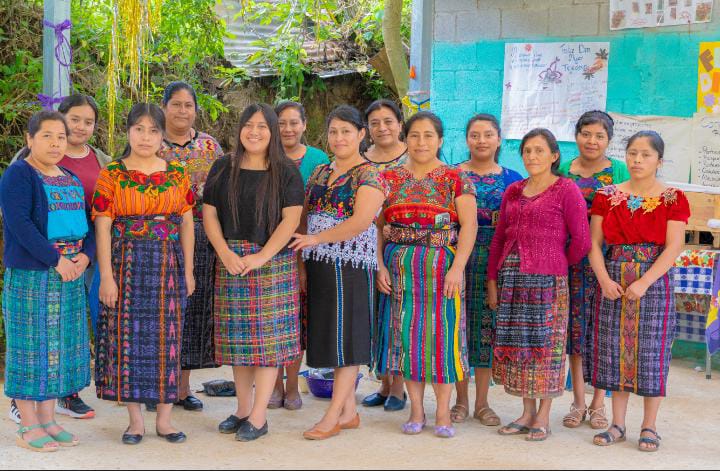
Karen Victoria Sac Hernández (Guatemala)
Originally from the departmental capital of Chimaltenango, Karen Victoria Sac Hernández (Kaqchikel) has built a strong sociocultural path within her community. She is a student of Legal and Social Sciences and began her activism at age 15 as a student leader. Since then, she has maintained a firm commitment to the care of Mother Earth, organizing peacefully in response to the environmental crisis that deeply affects her territory.
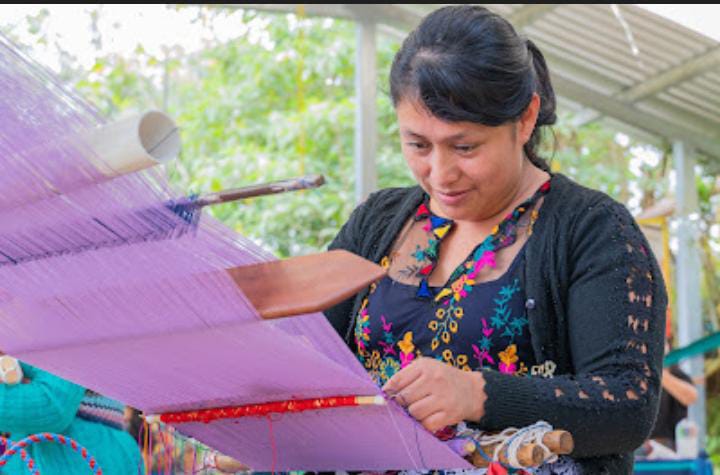
Through her project “Tiqatika’ Etamab’alil pa ruchojmilal” (Germinating Organic Knowledge), Karen promoted the reconnection of Kaqchikel Indigenous youth with traditional cultural practices. The project addressed challenges affecting youth, especially those related to the local economy and community food systems, “harmed by the expansion of supermarkets, the use of agrotoxins, and non-native seeds.” It also sought to raise awareness about the climate crisis and land expropriation by transnational corporations, and their impacts on public health and the territory of Chimaltenango.
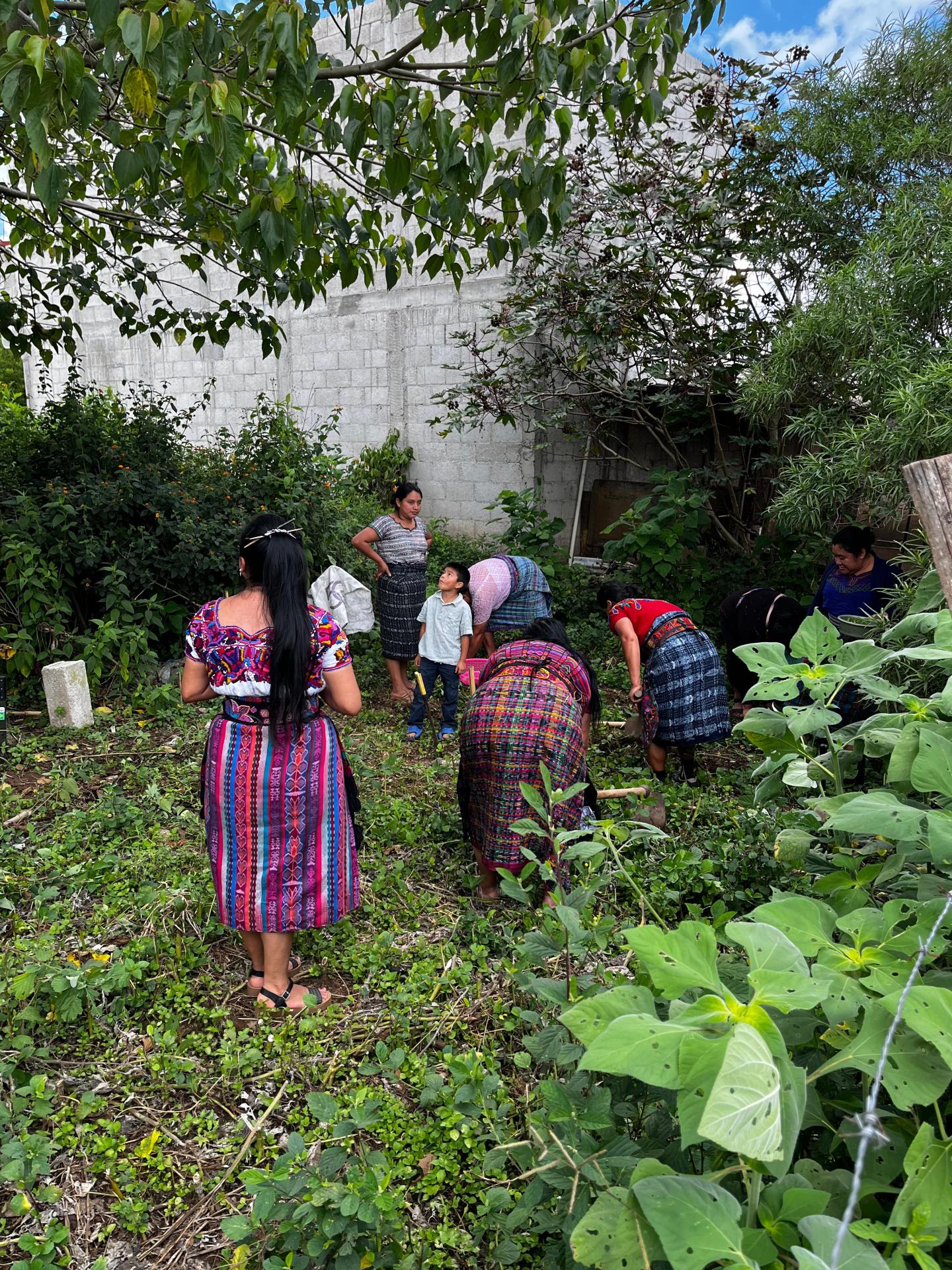
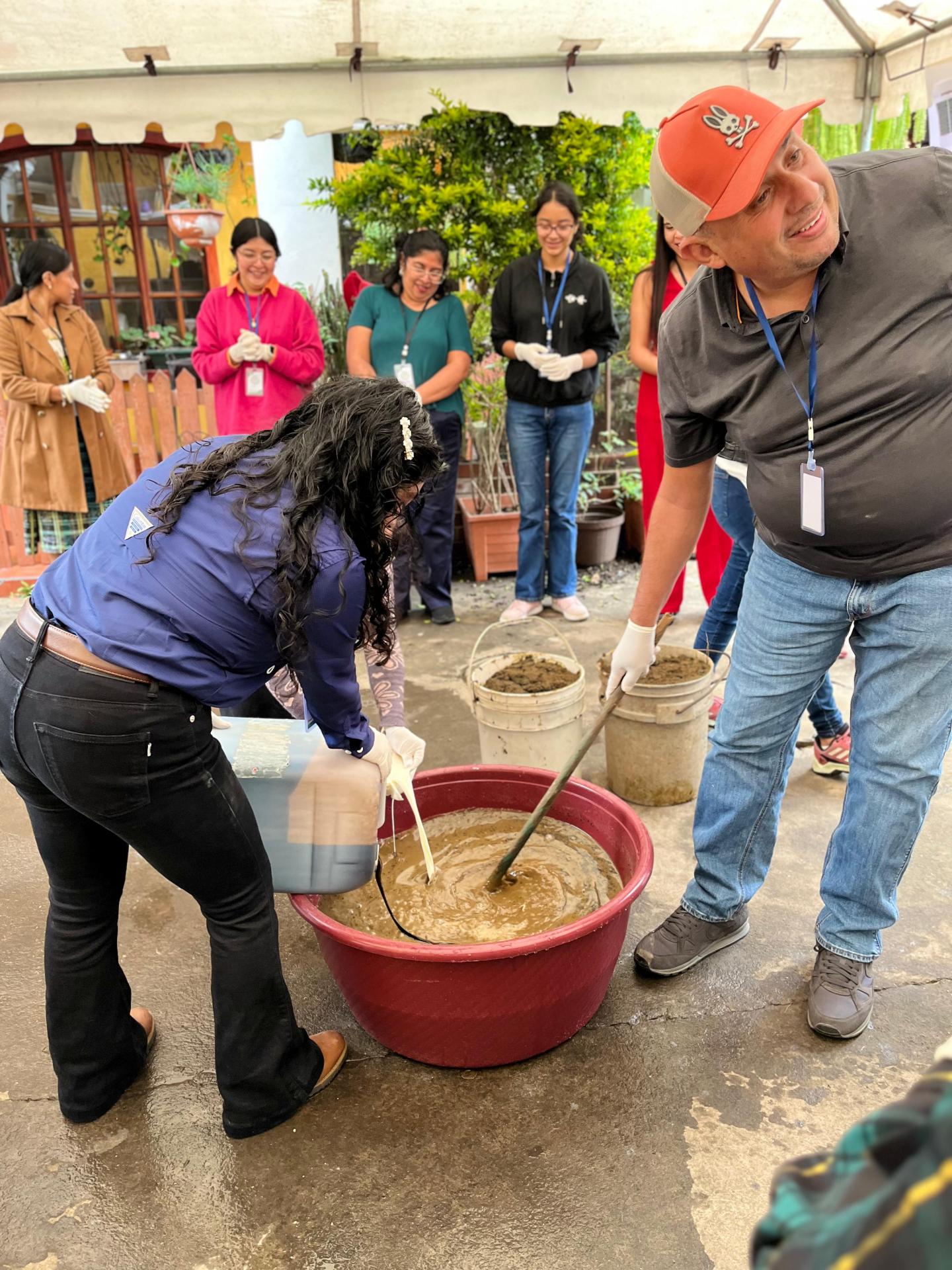
Karen affirms that “through the ancestral knowledge of our grandparents, we can improve our quality of life,” emphasizing the need to strengthen community organization to protect and care for the territory. These ties were built through a series of workshops held both virtually and in person. Virtual sessions addressed topics such as the Escazú Agreement, public administration, and Mother Earth, and ILO Convention 169 in relation to Guatemalan legislation. In-person activities included knowledge exchanges with the weavers of the Ajkem Tijob’al Aj B’oko’ weaving school and a biofertilizer-making workshop.
In a context where many young people face challenges such as anxiety and depression, this process allowed Karen and other youth to find meaning, purpose, and a deeper connection to their identity and territory. While facilitating learning spaces, the project also profoundly impacted her own personal journey. As a result, Karen began writing a book about the women who participated in the workshops, with plans to publish it next year. For her, “Tiqatika’ Etamab’alil pa ruchojmilal” was also a doorway to reconnect with the path of her grandmothers, grandfathers, and ancestors.
Adina Farinango and Nary Flores (Ecuador)
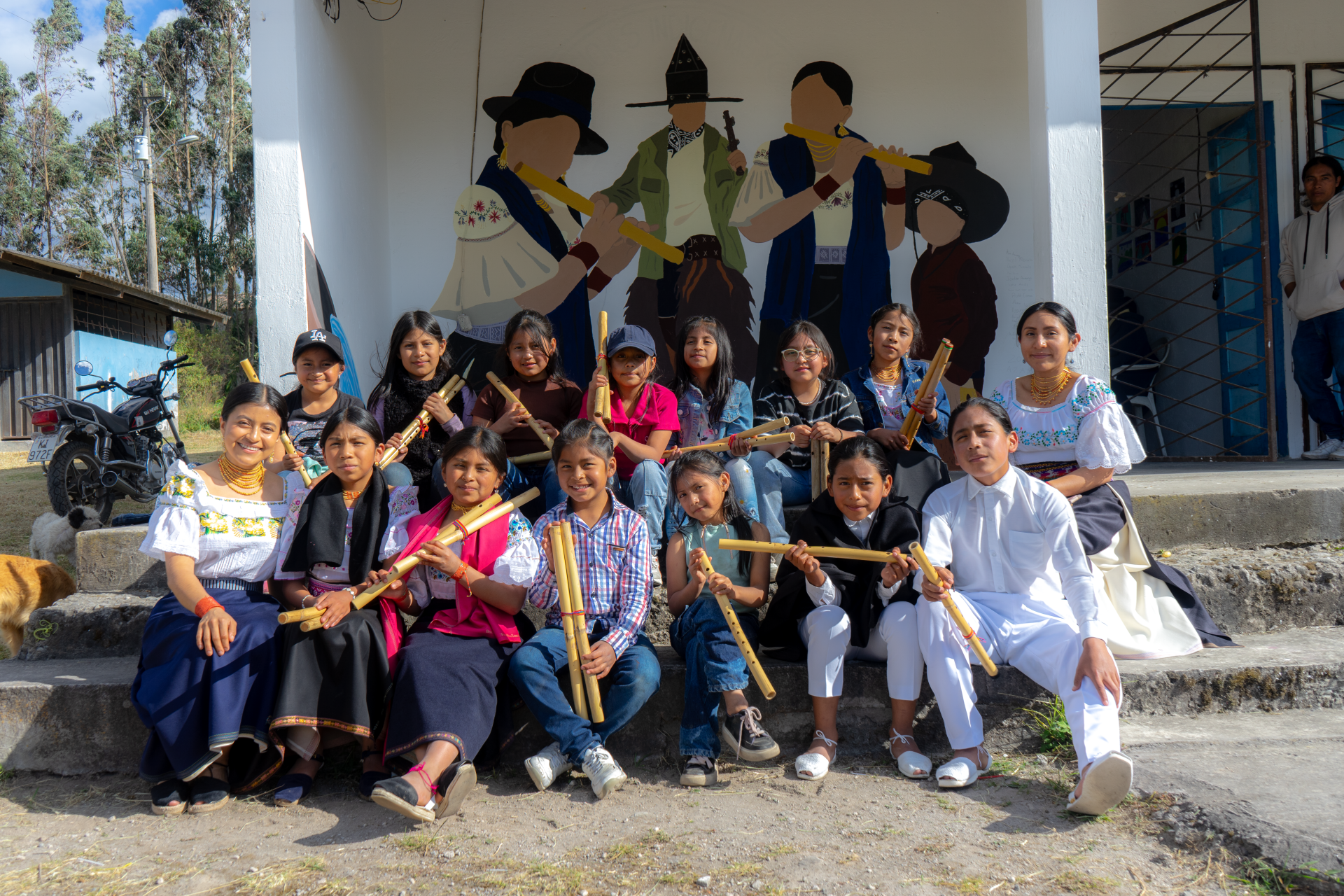
Adina Farinango (Kichwa Otavalo) and Nary Flores (Kichwa Otavalo) are from Otavalo, Ecuador. Adina is a multidisciplinary artist and Kichwa Otavalo designer based in Lenapehoking (New York), while Nary is an environmental consultant focused on sustainability and ecology in Indigenous territories. Together they led “Wiñaymuyu” (Seeds That Grow), a series of art workshops for Kichwa youth in the province of Imbabura, aimed at reflecting on identity and imagining possible futures for Kichwa culture.
The project took place in the Kichwa Otavalo community of Uyancha, in collaboration with UNORINCA (Union of Indigenous Communities and Pluricultural Communities of Azama). Its goal was to respond to specific community needs through art workshops for children ages 8 to 12, centered on dialogue between traditional and contemporary artistic expressions. By co-creating the initiative with local Kichwa-speaking leadership, the workshops honored community voices and strengthened intergenerational connections. As Adina notes, “this project reflects a commitment to celebrating Indigenous knowledge and empowers children to imagine a vibrant future rooted in cultural pride and innovation.”
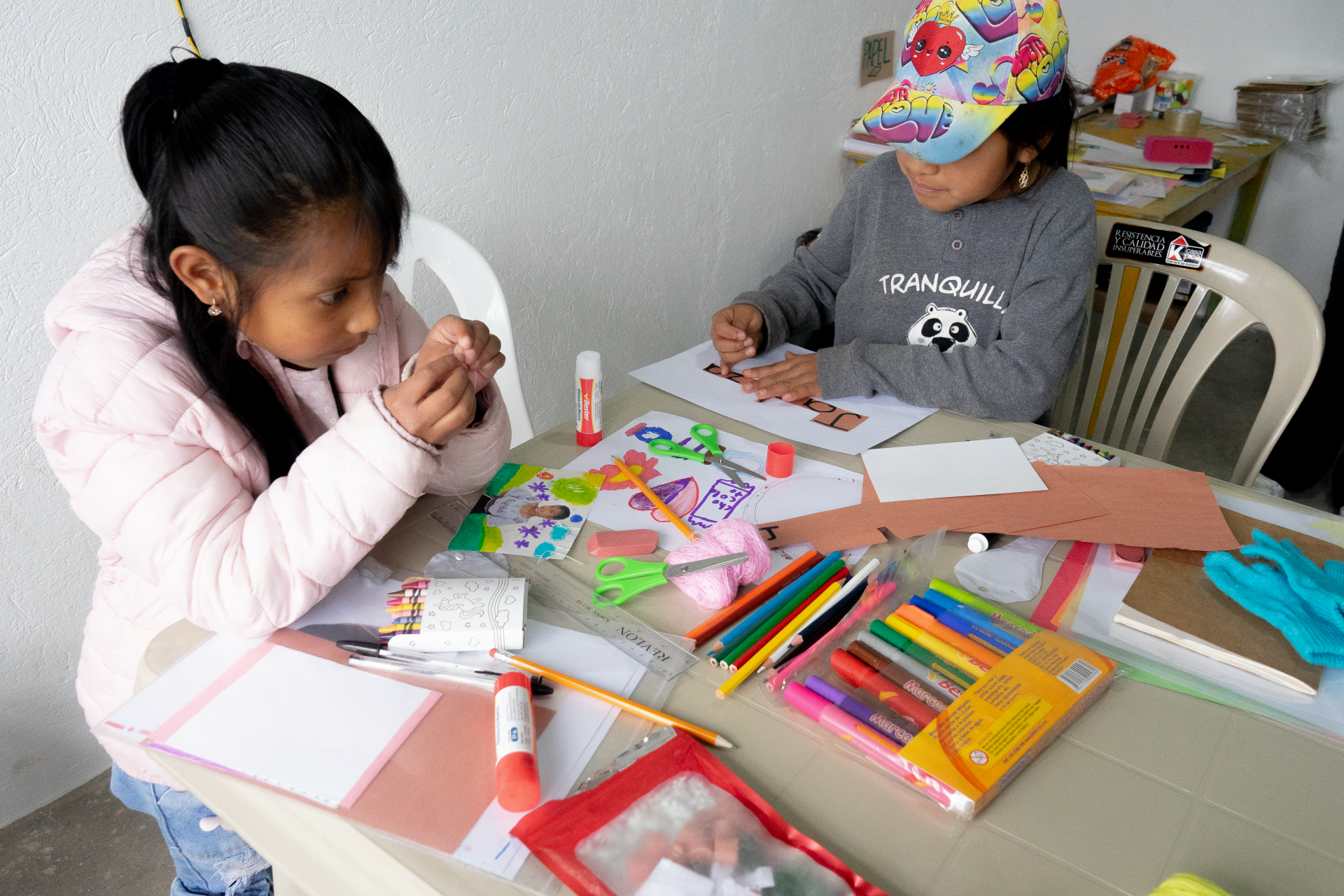
A key component of the process was the recovery and adaptation of UNORINCA’s Community House, the space where the workshops were held and which will continue to be used for community activities, including future Kichwa language-learning spaces—currently at serious risk of disappearing due to high levels of migration. Throughout the project, awareness-building activities were developed through artistic and narrative techniques, with an emphasis on the Indigenous language and the celebration of Inti Raymi, a festival of gratitude to the sun and the earth that marks the beginning of the Andean New Year.
The workshops were structured around the concept of Kichwa futurism. Adina and Nary explain that “by engaging in this process, children can dream boldly and use art to visualize how their culture thrives as a living, constantly evolving presence.” Activities included self-portrait creation, photo-embroidery, a collective mural that remains as a community memory, intergenerational dialogues, participation in Inti Raymi, the creation of posters about water care, and a closing event where children received backpacks with painting materials and traditional flutes. Despite challenges such as building trust with community authorities and high participation demand, Adina and Nary highlight the lessons learned and agree that “Wiñaymuyu” reaffirmed the power of art to heal, resist, and strengthen Kichwa cultural empowerment.
Perla Alviore (Mexico)
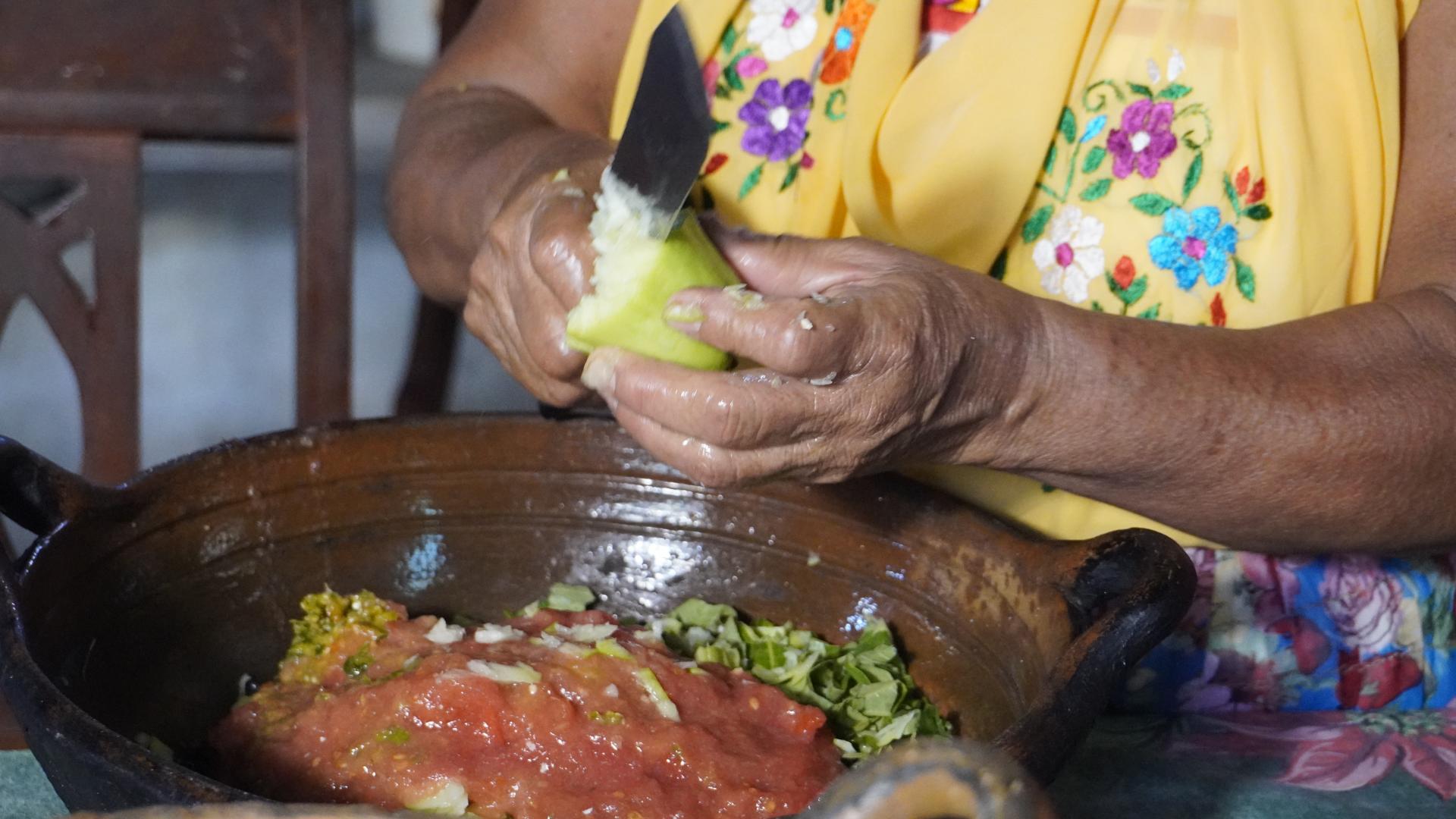
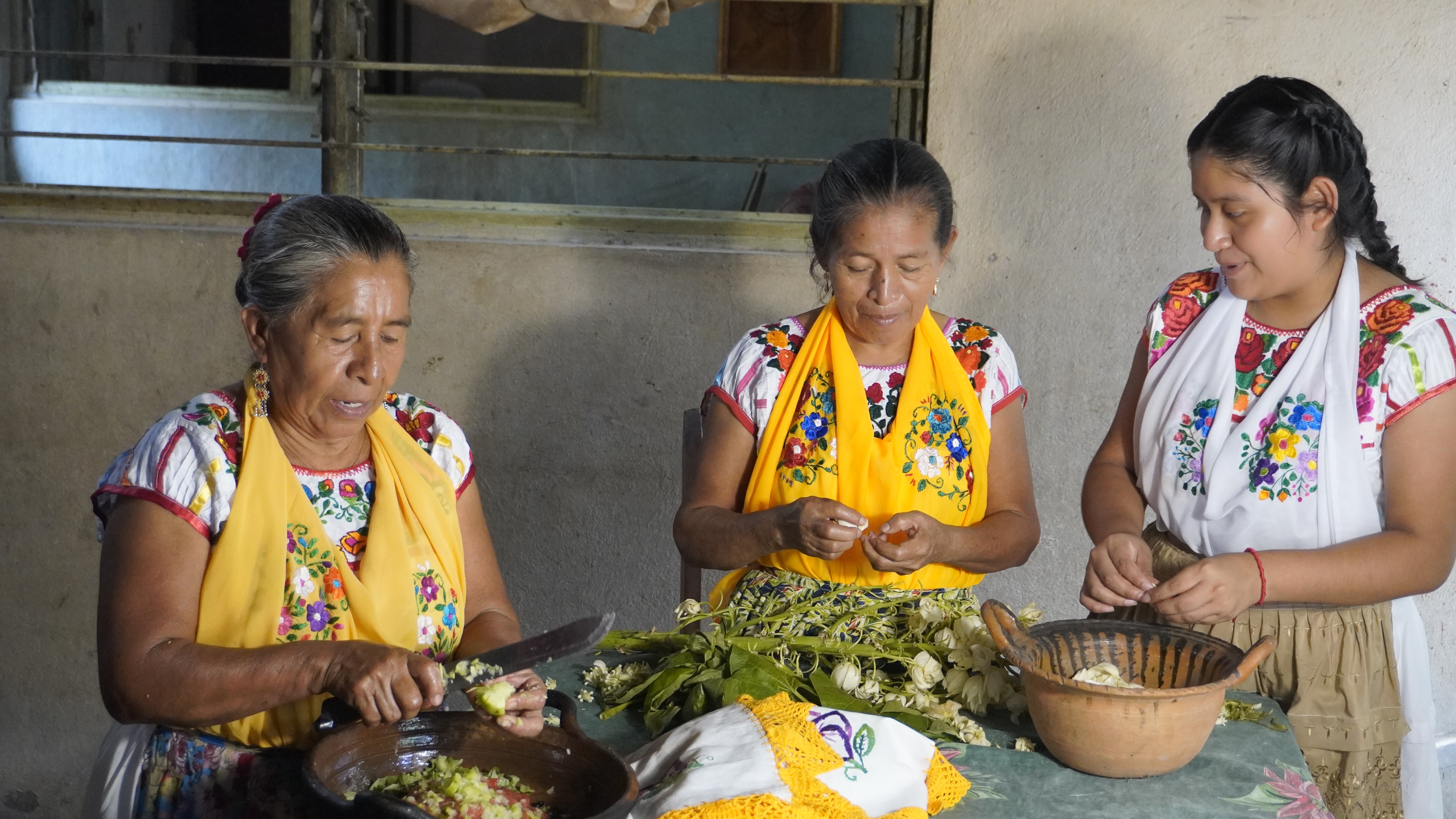
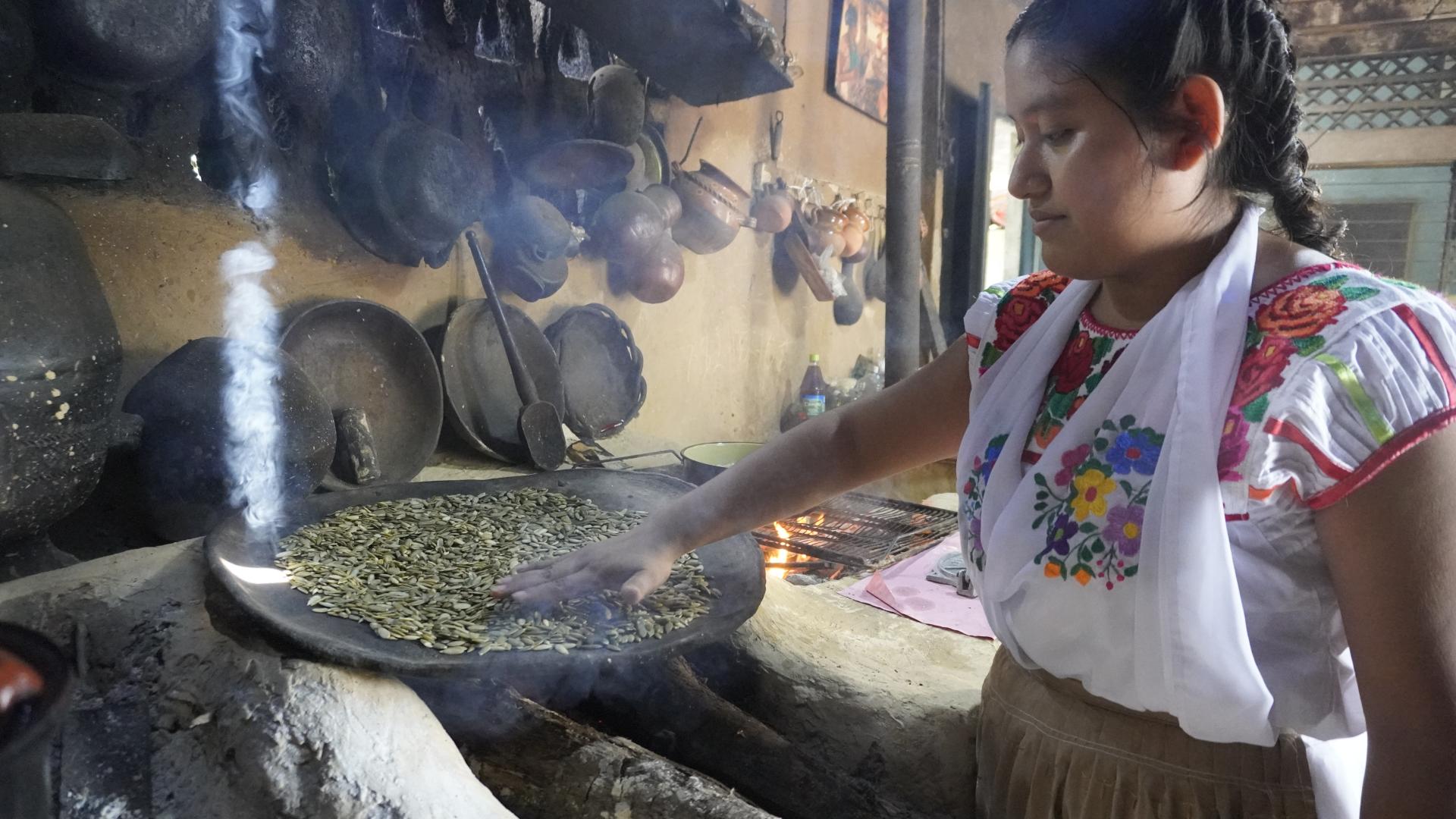
Perla Alviore is Totonac (Totonac) and lives in the community of El Cedro, Veracruz, Mexico. She comes from a family of traditional cooks and bakers and continues a multigenerational legacy: her mother and grandmothers passed down knowledge that she now shares as a fourth-generation bearer. Through weekly cooking classes for children and youth, Perla promotes the transmission of ancestral knowledge and the defense of food sovereignty. From this process emerged the Casa Escuela de Cocina Tradicional del Cedro (El Cedro Traditional Cooking School House), a community space that offers free training and strengthens the bond between culture, territory, and food.
The project focused on conducting cooking classes and producing audiovisual materials in the Totonac language about the gastronomic and agricultural calendar of the Papantla region. Through a collective of traditional cooks, knowledge connected to the hearth, the Indigenous language, and the Totonac worldview was shared—reclaiming practices historically rendered invisible by violence that prohibited language use and deeply affected local agriculture and gastronomy. As an expression of resistance and cultural continuity, the project was sustained under a shared call: “Let the hearths not go out!”
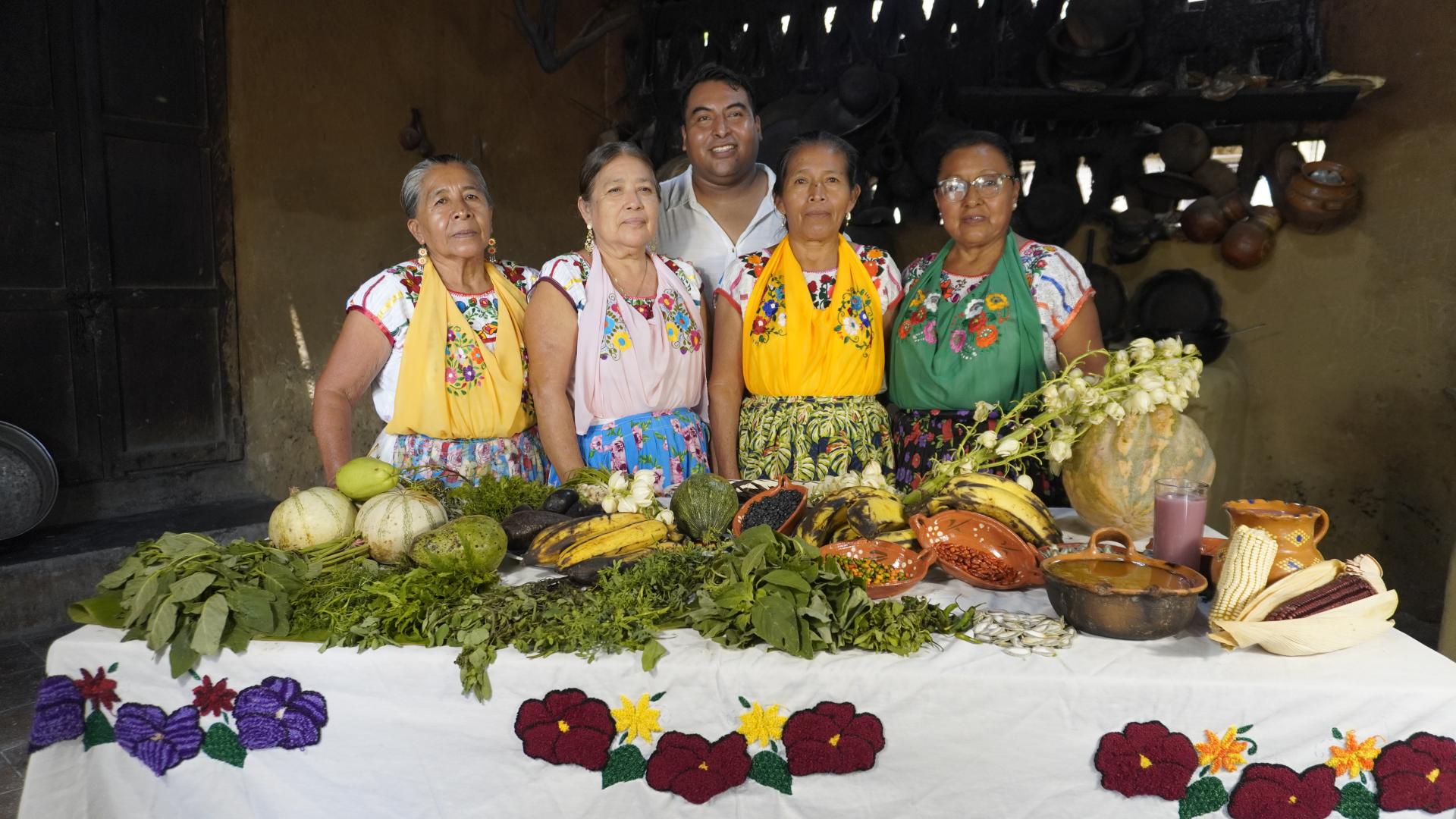
The traces of this violence also appeared as generational ruptures, and the School House became a space for reunion and listening. There, youth engaged in dialogue with grandmothers and grandfathers about life, spirituality, and the Totonac worldview. “We fell in love; there are things we didn’t know and now we know,” they shared, referring to the messages of the fire, the sounds of the hearth, and the knowledge that accompanies key moments in life. For Perla, Elders “teach us to nourish the body and the soul, and cooking with respect is also a spiritual act,” a lesson that reaffirms the project’s collective nature and the Elders' guidance along the community's path.
The process included in-depth research on staple ingredients such as beans and corn, during which grandmothers shared not only preparation methods but also personal stories filled with memory and affection. This intergenerational exchange was accompanied by audiovisual documentation that helped safeguard the traces of collective memory. As a result, the project strengthened community unity and enabled Perla to consolidate her leadership and envision new initiatives, including collaborations with universities. In addition, the agricultural calendar and videos shared on her YouTube channel expanded a network of people interested in Totonac worldview and gastronomy. Perla concludes: “What we received from Cultural Survival was like a seed that fostered a community gathering; there was a magical awakening of the grandmothers as they valued and recognized their wisdom.”