By Environmental Defender Team (Radio Terra FM), Uganda
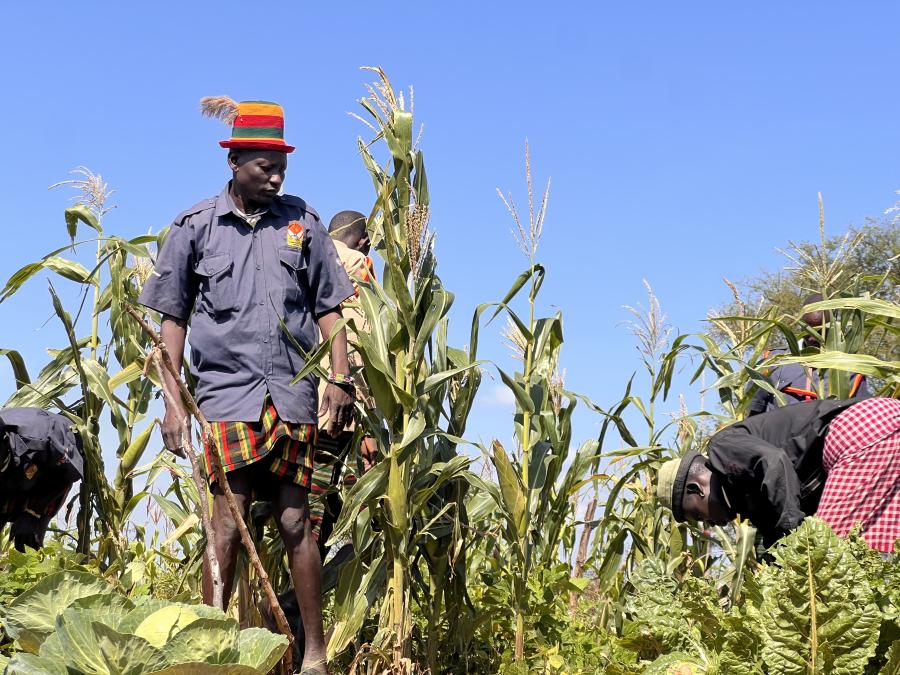
A corporate gold rush along the border between the Democratic Republic of the Congo and Uganda is taking land from Indigenous communities and polluting vital water sources. Yet, where global corporations expected little resistance, a powerful movement is growing, led by local women demanding accountability and environmental justice.
The global demand for transition minerals such as cobalt and copper in the DRC’s Lualaba Province, along with major oil projects like the Tilenga oilfield and the East African Crude Oil Pipeline in Uganda, has placed the heaviest burden on local communities. Indigenous and forest-dependent Peoples face forced displacement and deforestation while being excluded from decisions about the future of their ancestral lands.
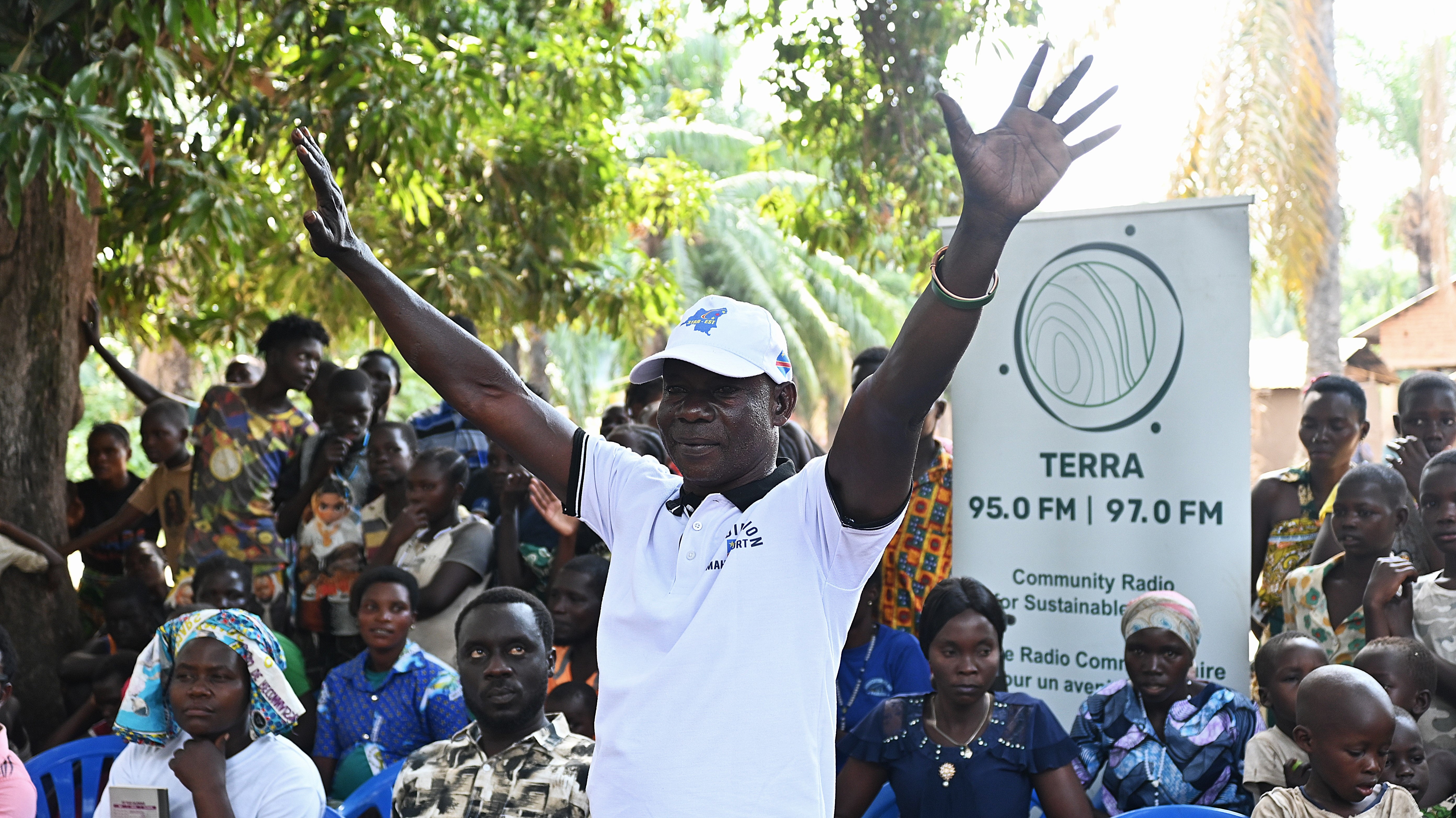
To respond to this crisis, a cross-border initiative led by the community radio organization Environmental Defenders (Radio Terra FM) has mobilized thousands of residents. By translating complex legal rights into Indigenous languages and hosting community dialogues, the project is helping people reclaim their power.
For years, conversations about local resources have been shaped by corporate and government interests. To challenge that narrative, the project launched a major awareness campaign, distributing more than 22,500 educational flyers and posters in mining and oil-affected areas. The materials and radio programs were delivered in local Indigenous languages, including Kilendu, Alur, and Lugbara. Hearing their rights explained in their own languages has changed how residents see these multimillion-dollar extraction projects.
“When Radio Terra and Radio FADES broadcast in our language about what happens around the cobalt mines, our young people listen,” said a traditional authority from the DRC’s Lualaba region. “They had been told this is only about money. Now they understand it is also about our water, our forest, and our daughters.”
By turning complex legal information into simple visuals and local dialects, the campaign has helped bridge the information gap between generations. A youth participant from Nebbi, Uganda said, “The flyers and posters helped me explain to my parents what is happening with the pipeline. They cannot read the long reports, but they understood the pictures and the words in our language.”
The heart of this movement is its focus on women, who are often hit hardest by environmental damage because they are responsible for farming and collecting water for their families. Of the 1,800 people who took part in six community dialogues, 65%—1,170 participants—were women. The program also created women-only discussion circles, giving female defenders a safe space to speak openly about sensitive issues such as safety risks, sexual violence in mining zones, and the burden of caring for families when water is polluted. Through these spaces, many local women have moved from being silent victims to informed advocates.
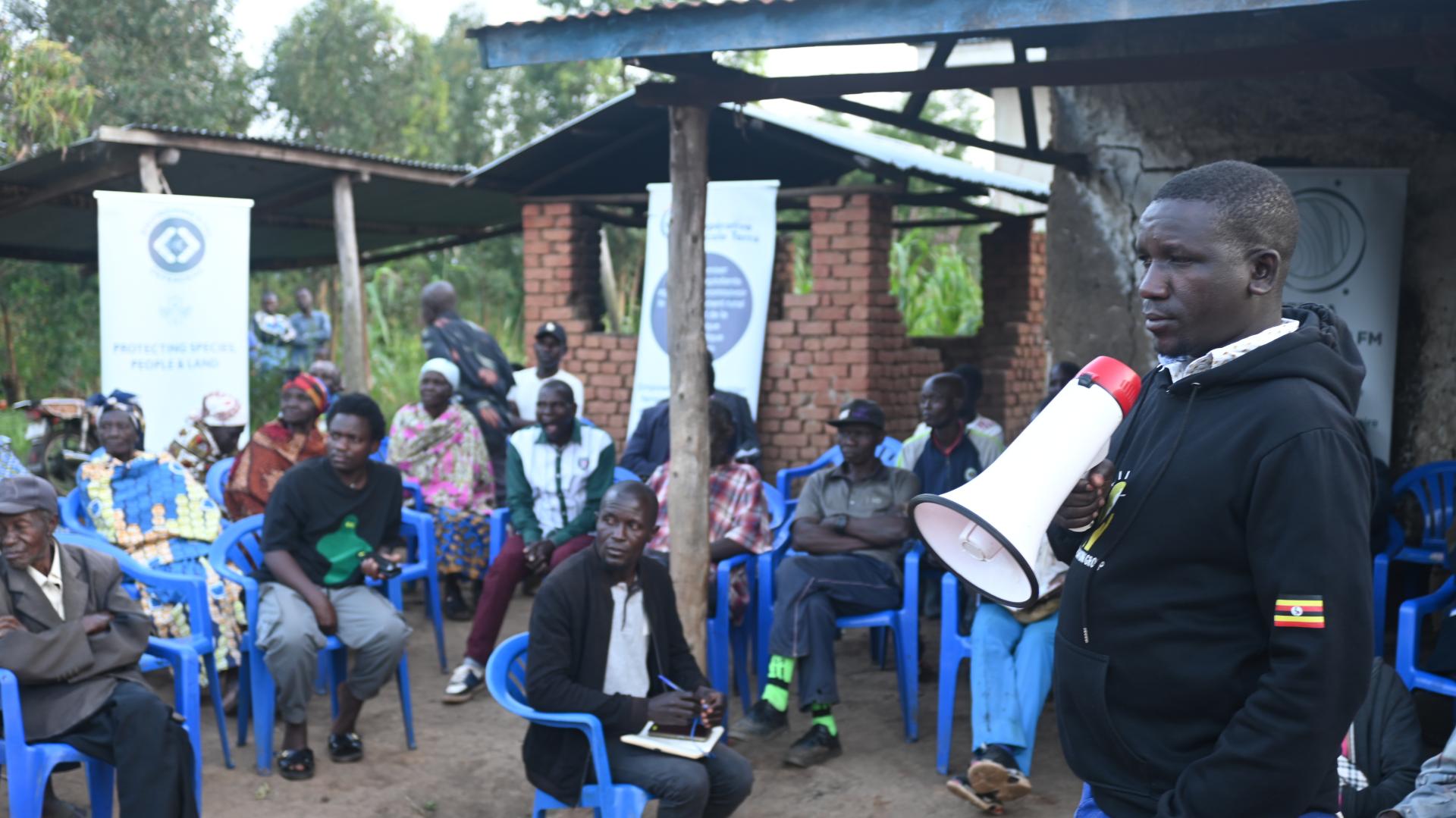
“Before this dialogue, I did not know that the company is required to ask my consent before opening a road through our gardens. Now I know what FPIC is, and I will not sign anything I do not understand,” said a woman Elder from the Mahagi area in the DRC.
By linking the struggles of people affected by cobalt mining in the DRC with those fighting oil pipelines in Uganda, the initiative has built a rare and important cross-border alliance. It has also helped break the isolation felt by environmental defenders who often face corporate pressure, shrinking civic space, and close surveillance.
“I am a woman defender. My work is not easy and many times I am alone,” said a female human rights defender from the Lake Albert area in Uganda. “The women’s circle in this dialogue made me feel that we are not alone, that there are other women across the border who are also defending land and water.”
The community dialogues have now produced an official charter of priorities calling for full corporate transparency, water protection, and secure land rights. With local radio networks broadcasting community-led debates that hold corporate actors accountable, the balance of power on the ground is beginning to shift.
As one listener shared via WhatsApp feedback to Radio Terra FM: “For the first time, a debate on our airwaves treated the mining companies as accountable to the community, not the other way around. That is a change.”
In 2025, Radio Terra FM received a grant from Cultural Survival’s Indigenous Community Fund, which provides opportunities for journalism, broadcasting, audio editing, technical skills, and more for community media from Indigenous communities around the world. In 2025 CS awarded a total of $502,000 to 63 Indigenous communication projects that will benefit Indigenous Peoples in 29 countries: Argentina, Bangladesh, Bolivia, Botswana, Brazil, Chile, Ecuador, Colombia, United States of America, Philippines, Guatemala, India, Kenya, Mexico, Nepal, Peru, South Africa, Democratic Republic of Congo, Indonesia, Honduras, Mali, Nicaragua, Cambodia, Chile, Canada, Panama, Paraguay, Papua New Guinea, New Zealand, Nicaragua, and Tanzania.