By Elisa Ribeiro (CS Intern)
“I believe that giving young people the opportunity to gain experience and develop leadership skills, learn about their traditional way of life, and increase their self-esteem can pave the way for a generation of outstanding leaders who participate in all aspects of community development.” -Kim Spencer, CS Youth Fellow
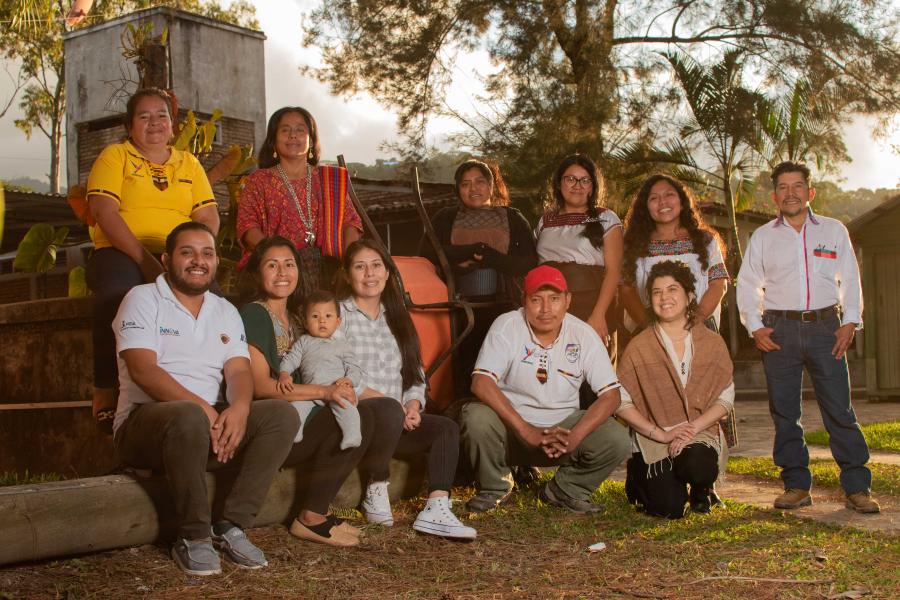
From distinct territories such as the Rupununi region in Guyana and the Alta Verapaz department in Guatemala, Kim Spencer and Kleidy Migdalia Sacbá Coc embody unique forms of leadership that weave together identity, territory, and the defense of nature. Their journeys show how young people continue to renew their communities’ commitments to the land, offering critical and creative perspectives on environmental challenges. They are two young women leaders and recipients of the 2024 Cultural Survival Indigenous Youth Fellowship, whose work in environmental education and wildlife conservation is rooted in the strength of their mother tongues and the traditional knowledge of their peoples.
Kim Spencer (Cabécar) from Guyana
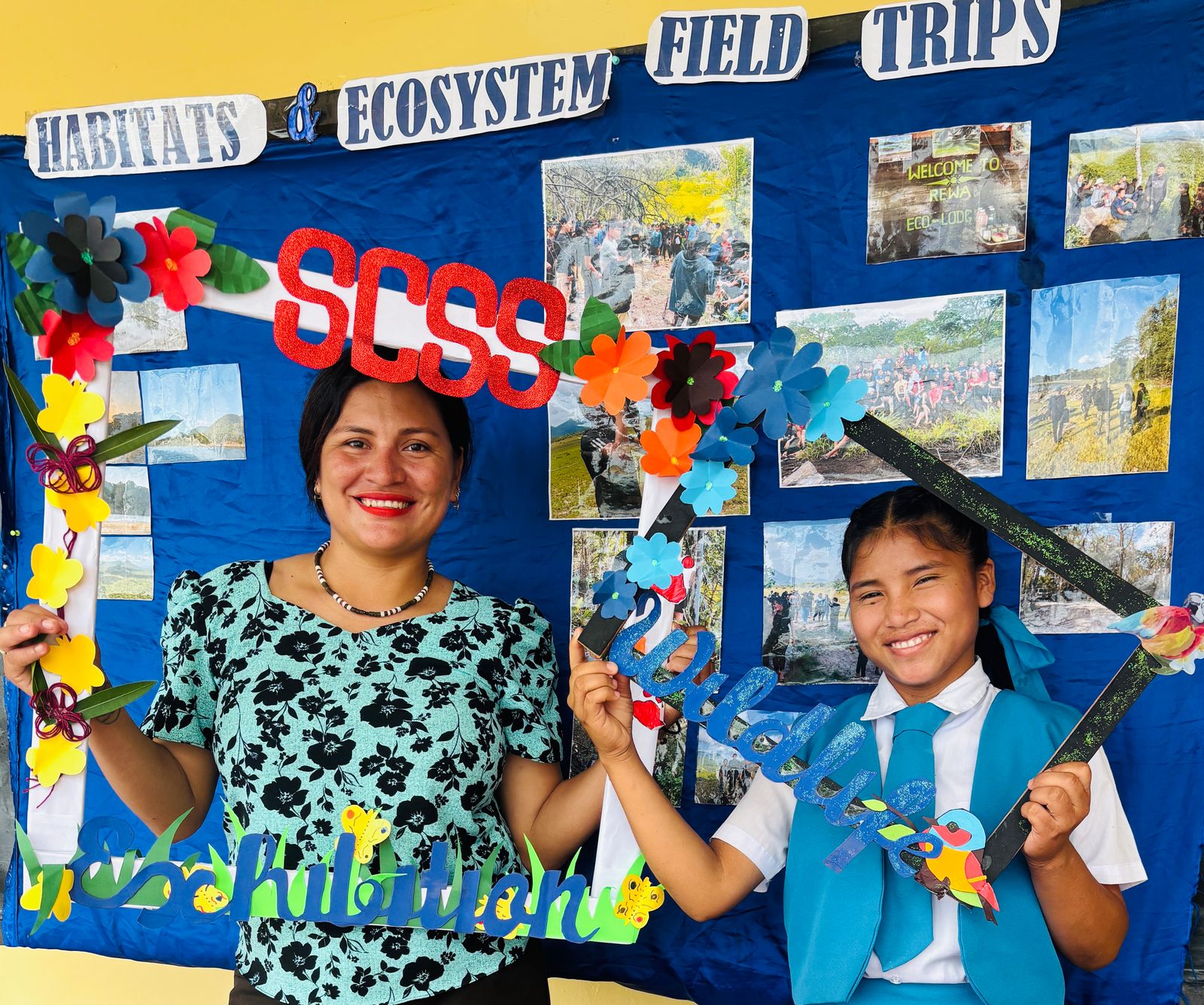
Kim’s family comes from a farming and ranching background—an environment that nurtured her deep appreciation for nature. Traveling by bicycle, she had opportunities to join excursions into the wilderness. These experiences later contributed to her work as a cadet ranger with the South Rupununi Conservation Society, as well as to her efforts to defend culture and preserve Indigenous traditions.
Kim also worked in education as a math teacher; however, she used this role as a platform to inspire her students to take environmental responsibility and recognize the importance of sustainable wildlife management. Kim reminds us of the importance of preserving our natural heritage and cultivating a deep connection with the land “in a world where wilderness spaces are increasingly threatened by human activity.”
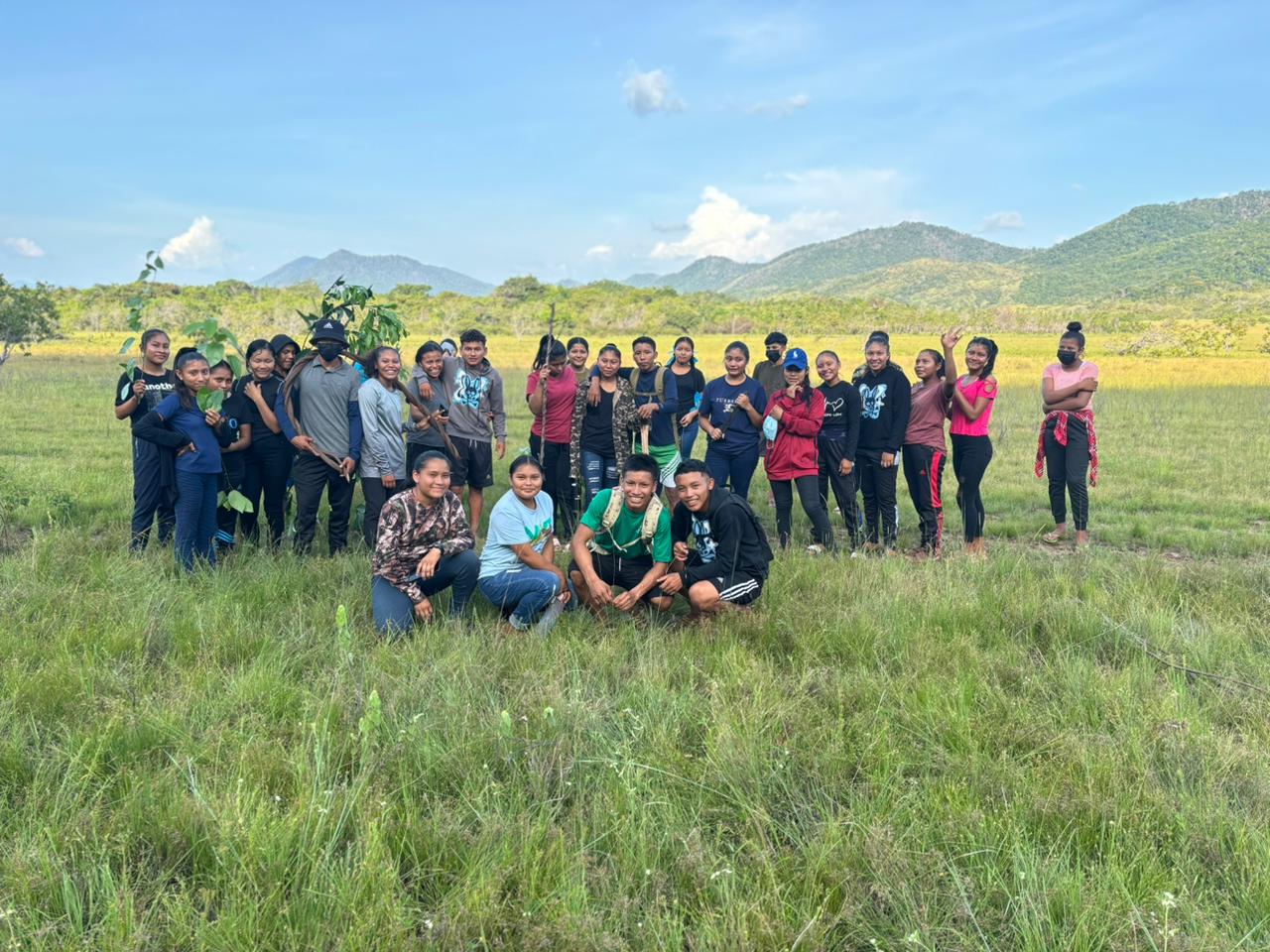
Kim felt that young people in her community needed opportunities to develop their leadership skills and learn their people’s traditional practices. She explains: “Young people are usually not consulted when decisions are made, which has led to the belief that youth are not interested in the community’s growth. Because of this exclusion, most feel they are unnecessary or unwanted, which limits their thinking and lowers their overall self-esteem.”
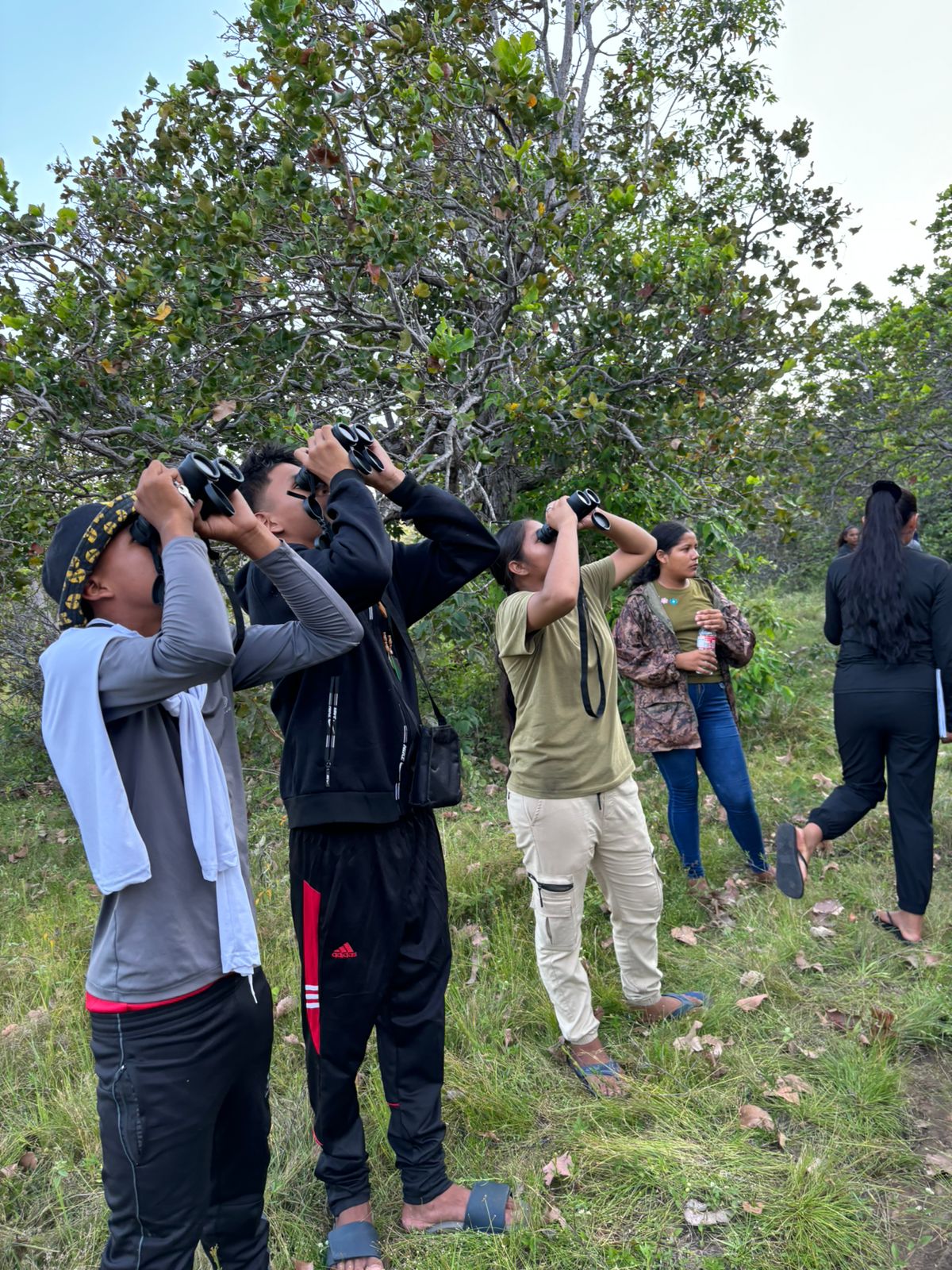
She centered her goals on working with 60 youth ages 11 to 17 in an after-school project designed to foster young leaders, value traditional knowledge, and strengthen self-esteem. To do this, she proposed installing camera traps and teaching students how to read and systematize the information they gathered on local wildlife and plant life. Her aim was for young people to recognize the biodiversity around them and learn to conserve and protect their environment, passing this knowledge on to future generations.
Kim held 30 sessions that included activities on leadership, problem-solving, teamwork, and decision-making. Each session was guided by key questions that opened space for broad reflection and personal expression. They also worked through games and songs that cultivated a sense of community and emotional connection.
Community members were invited to teach traditional practices such as basket weaving, which later served to make reusable bags, as well as spinning, farm walks, and preparing cassava bread. Students also listened to stories from knowledge holders, planted trees, and monitored their growth through records.
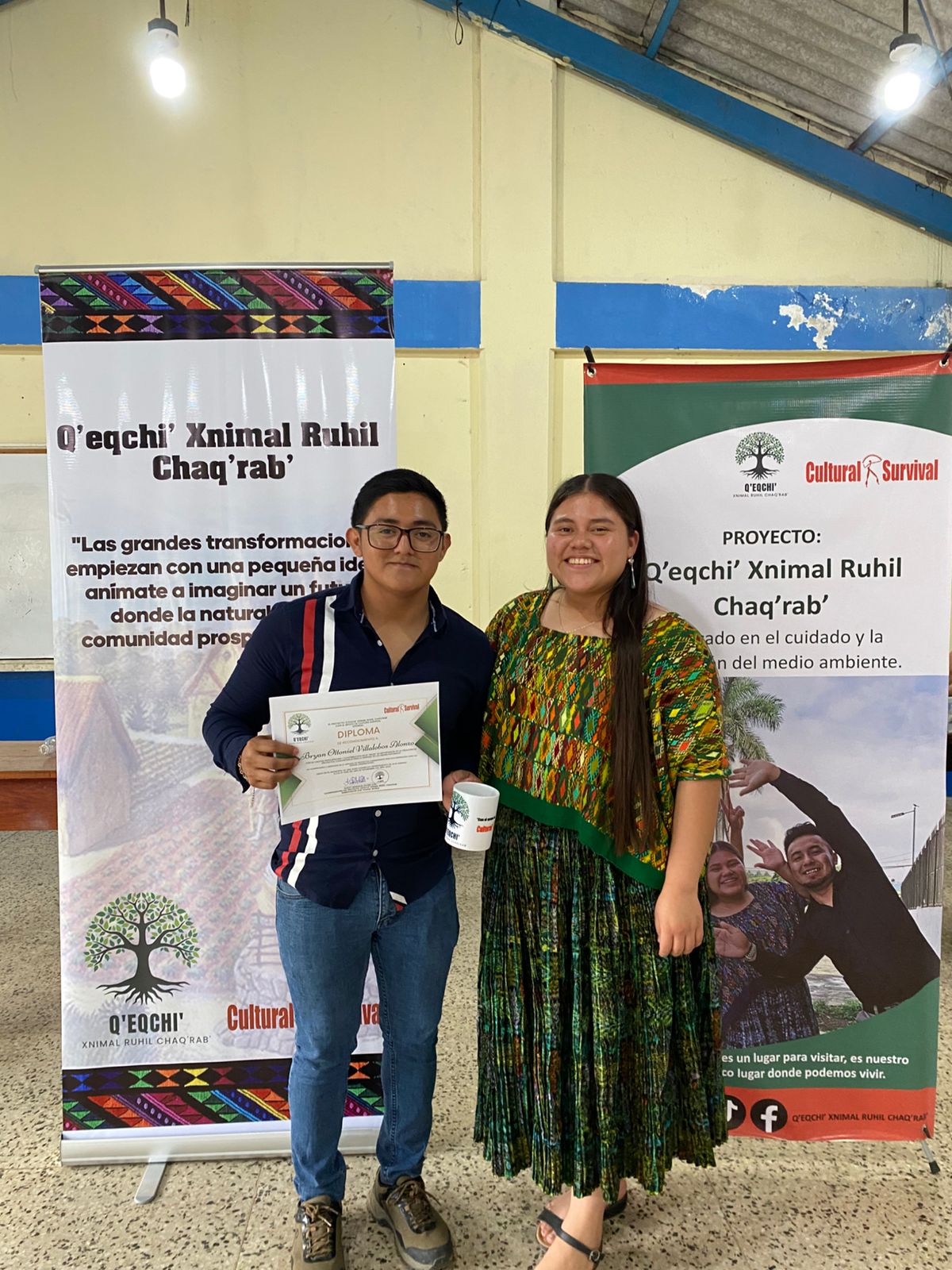
Kleidy Migdalia Sacbá Coc (Maya Q’eqchi’) from Guatemala
Kleidy is recognized for her representation of Indigenous womanhood as Rab’in Aj Poop O’b’atz, Princess Tezulutlán, and National Flower of the Maya People. Her territorial leadership extends into cultural and social realms, promoting community development with a focus on strengthening Indigenous peoples. She is also a creator of culturally relevant digital content. Her initiative, Q’eqchi’ Xnimal Ruhil Chaq’rab’, aims to share information on Indigenous peoples’ rights accessible in the Maya Q’eqchi’ language. In addition, she has trained Indigenous youth and women on international human rights instruments related to environmental issues, such as the Escazú Agreement. Through this work, she promotes public consultation processes in her territory, bringing her community's voices into international spaces. “Let us make use of our capacities to contribute to the development of our communities,” says Kleidy in her role as a young leader.
In Guatemala, projects focused on environmental education and ecosystem protection often receive limited support. This creates the challenge of ensuring that information reaches communities in a clear, culturally relevant way and in their own languages. In response, Kleidy has developed a comprehensive initiative that uses multiple forms of communication in Q’eqchi’. This includes digital strategies on social media—key tools for reaching youth—to community workshops and conversations that highlight the role of women in decision-making processes affecting land and the environment.
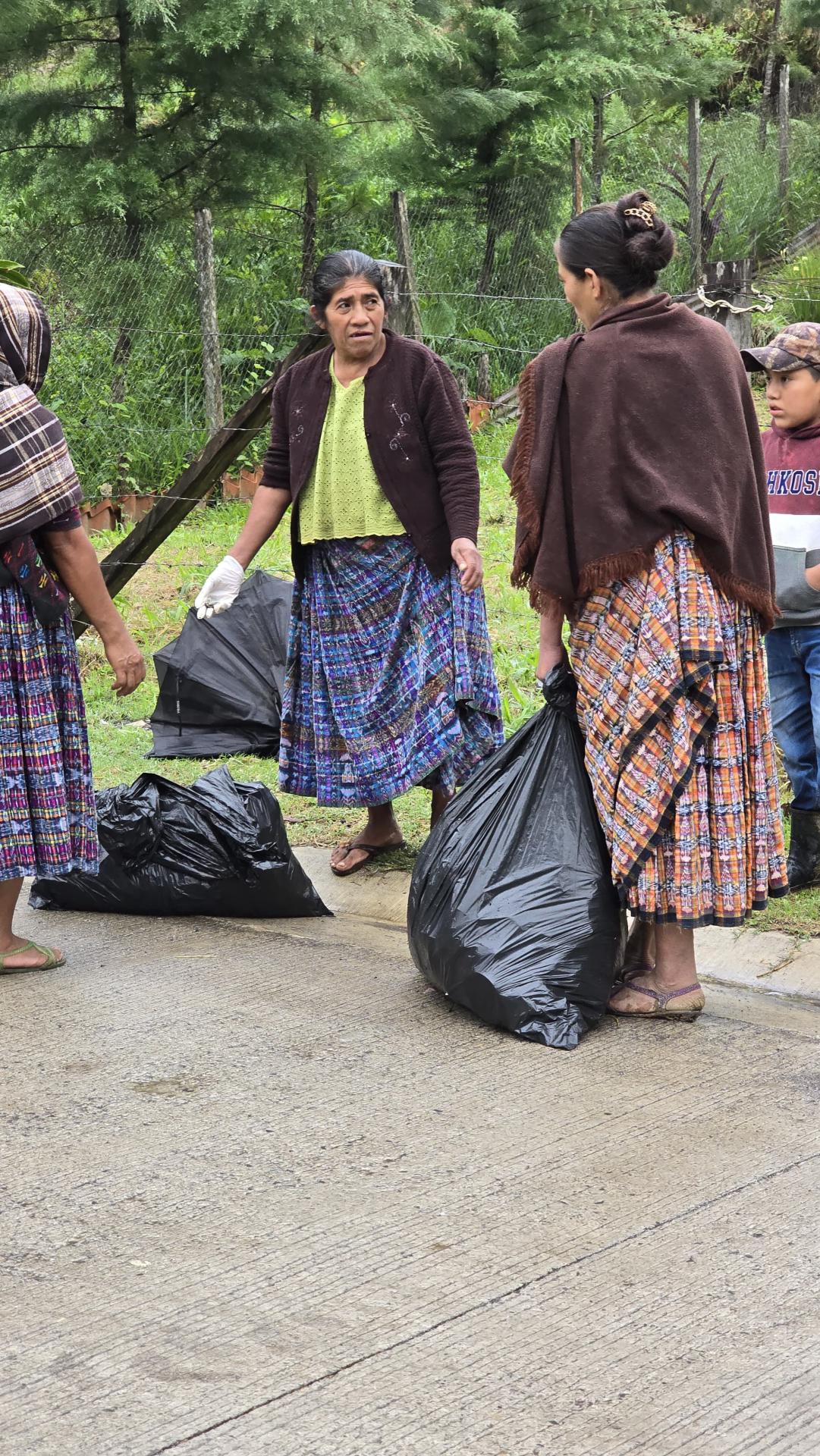
One of the most urgent problems Kleidy identifies in her region is poor waste management. Many communities are impacted by people from urban areas who discard their trash there, causing pollution and placing an unjust burden on local populations. Her project, therefore, incorporates training on solid waste separation and the importance of establishing sustainable collection systems. She also promotes community dialogues to generate agreements, shared responsibility, and long-term collective action. “Indigenous peoples do not want to be left merely picking up other people’s trash,” Kleidy emphasizes, underscoring the need for policies and practices that protect the territory and respect the dignity of its inhabitants.
Another key challenge was ensuring that information about the Escazú Agreement effectively reached the Maya Q’eqchi’ population. This instrument—the first in Latin America centered on environmental rights—is also groundbreaking for including protections for land and human rights defenders. Its dissemination is especially relevant in Guatemala, where the criminalization of environmental defenders continues to pose a real and ongoing risk.
In this context, Kleidy highlights the importance of intergenerational knowledge exchange, where experienced community members share their learnings with younger people to strengthen the social fabric and prepare new defenders. The goal is for them to understand their rights, become familiar with the legal frameworks that protect them, and strengthen their capacity for advocacy in their territories.
Kleidy also notes that one practice still present in some communities is rosa burning, a technique that destroys the microorganisms essential for soil fertility. The year 2024 registered the highest number of burns associated with rosa cultivation, causing major forest fires and health impacts.
In response, Kleidy mobilized a significant number of people—including women, youth, girls, and boys—to create spaces for dialogue, access to information, and the demand for government action to protect the environment. Among these efforts, her advocacy during the environmental crisis of Lake Atitlán stands out; the lake is an ecosystem severely affected by pollution and inadequate waste management.
Learnings and Paths Forward
Kim shares that this opportunity helped her improve her public speaking skills and that the project now aims to expand into other schools across eleven nearby communities. She has seen the project’s impact on her students and hopes to continue the work. She still has the necessary equipment and hopes to raise additional funds. She will remain at the school for five more years as a teacher and wants to keep strengthening students’ writing and research skills during that period—skills nurtured through the trust, closeness, and community built throughout the project.
Kleidy tells us that the project allowed her to have many experiences she would not otherwise have had the opportunity to lead. Although she initially faced challenges assembling the team, particularly with administrative tasks, she says she has built bridges through collective and community-based work, achieving even more than expected. The project has planted many seeds that will continue to grow in the community, as the trust established has opened spaces for sustained and collective continuity.