
By Pastoralist Peoples Initiative
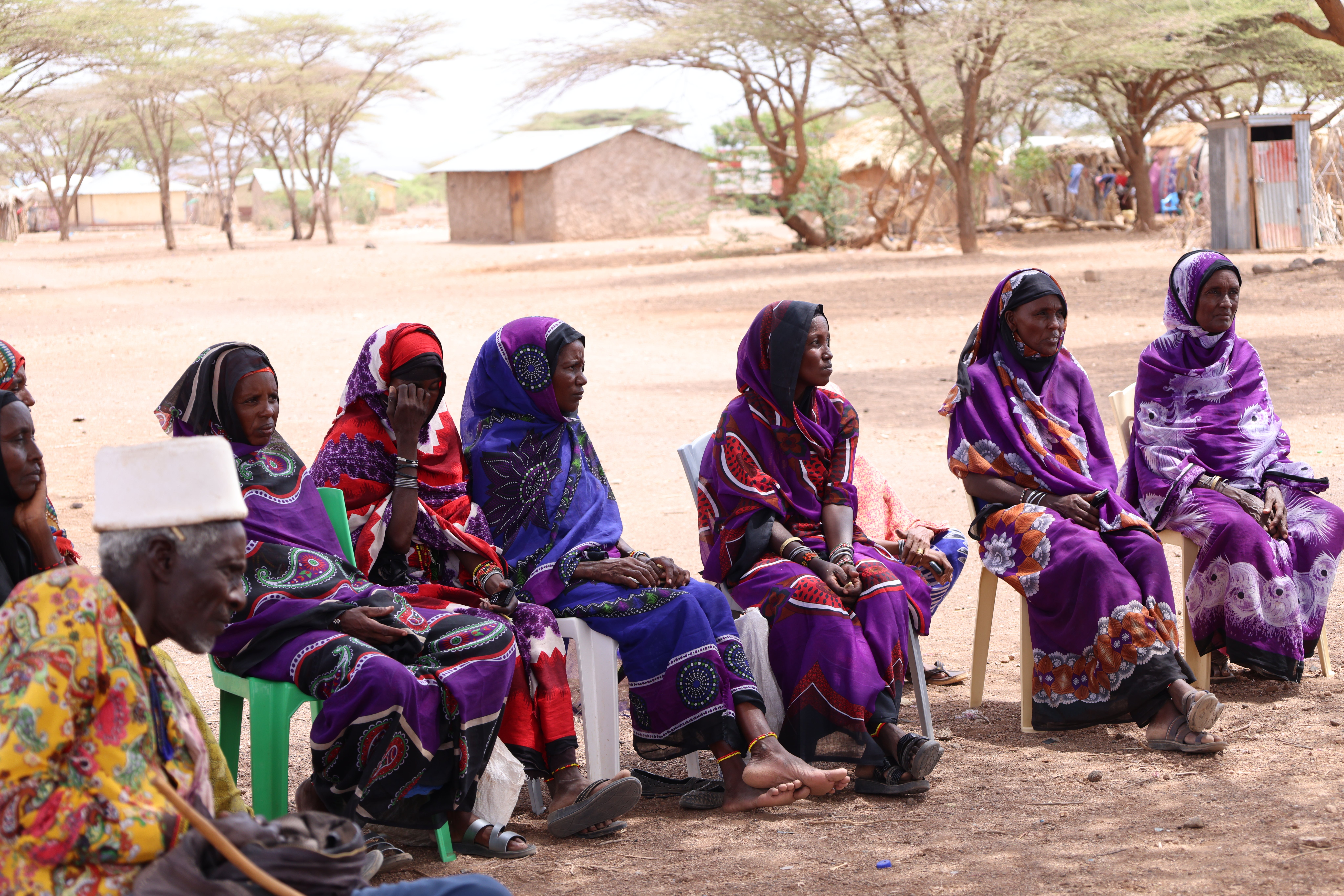
For decades, Rendille and Gabbra communities in Kargi and Kalacha in Marsabit County, northern Kenya, have raised concerns about the environmental and health impacts of historical oil exploration activities in the area.
The concerns date back to the late 1980s, when oil exploration was carried out in the region. Community members have since expressed worries about waste allegedly left at former exploration sites and possible contamination of water sources. For pastoralist communities whose lives and livelihoods depend heavily on water and livestock, concerns about water-source safety have significant consequences.
Over the years, residents have reported health problems and livestock losses that they associate with the area's environmental conditions. There have also been concerns about the availability and quality of healthcare, and about communities' ability to obtain clear information about the environmental and health risks they may face. These concerns remain contested and are now before the court for determination.
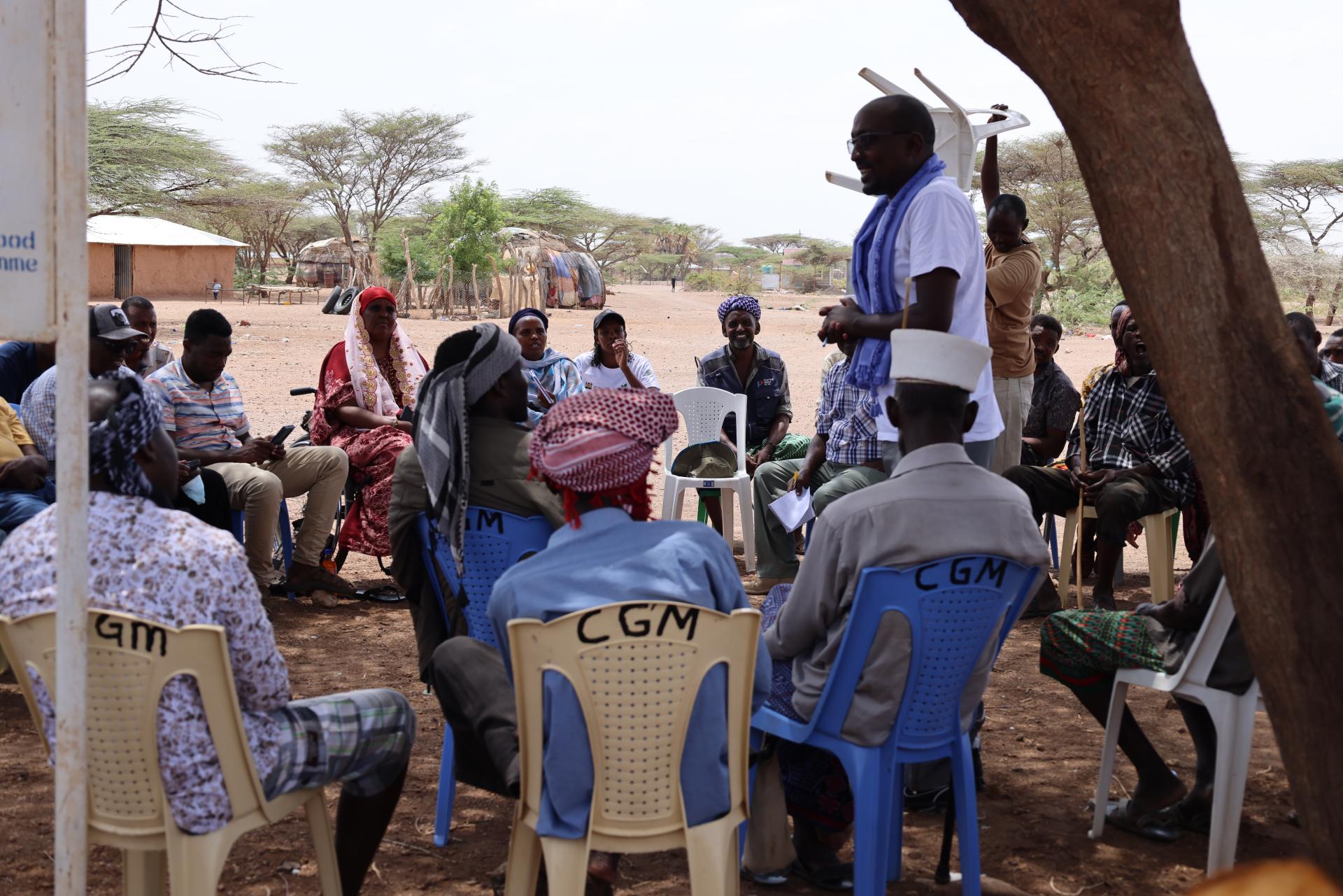
After years of community advocacy, the matter has been brought before the Environment and Land Court in Isiolo. In February 2026, 299 residents from Kargi, Kalacha and surrounding areas filed a petition seeking accountability and remedies for the alleged environmental harm. The case involves the respondents and several government institutions, and the court has allowed the matter to proceed.
Pastoralist Peoples Initiative (PPI), together with other civil society organizations, has been supporting efforts to ensure that the concerns raised by affected communities receive attention. For PPI, the case is part of a broader commitment to environmental justice and the protection of the rights and dignity of Indigenous pastoralist communities.
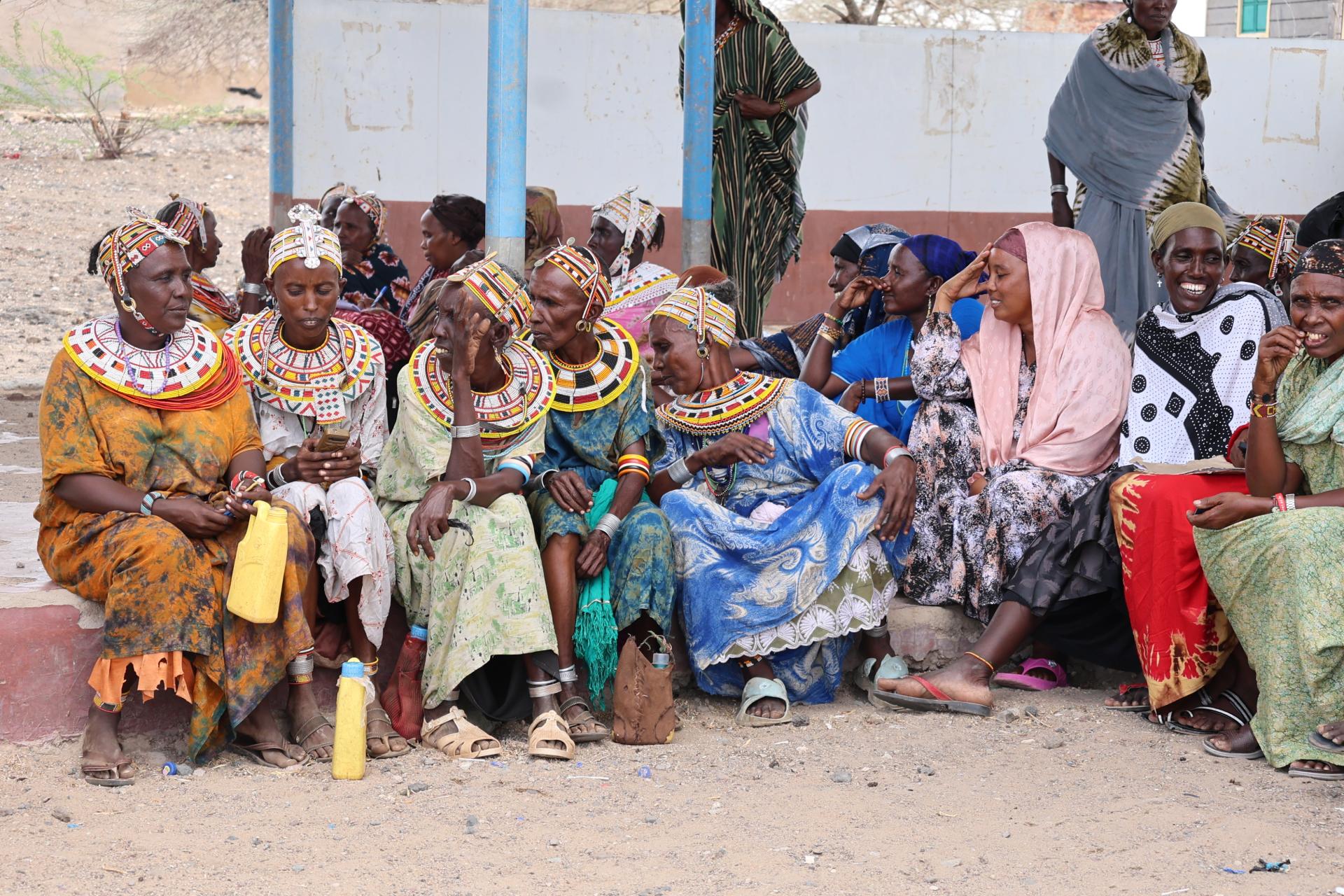
The case came up for mention again on September 24, 2026. During the proceedings, the respondents, through their legal representatives, requested that the documents served upon them be translated into English, even though they had already been served in English. The matter was subsequently adjourned, with the next court mention expected after 30 days.
While the legal process continues, the concerns of the affected communities extend beyond the court proceedings. They are also about access to safe water, environmental protection, health, accountability and the right of communities to participate in decisions concerning their land and natural resources.
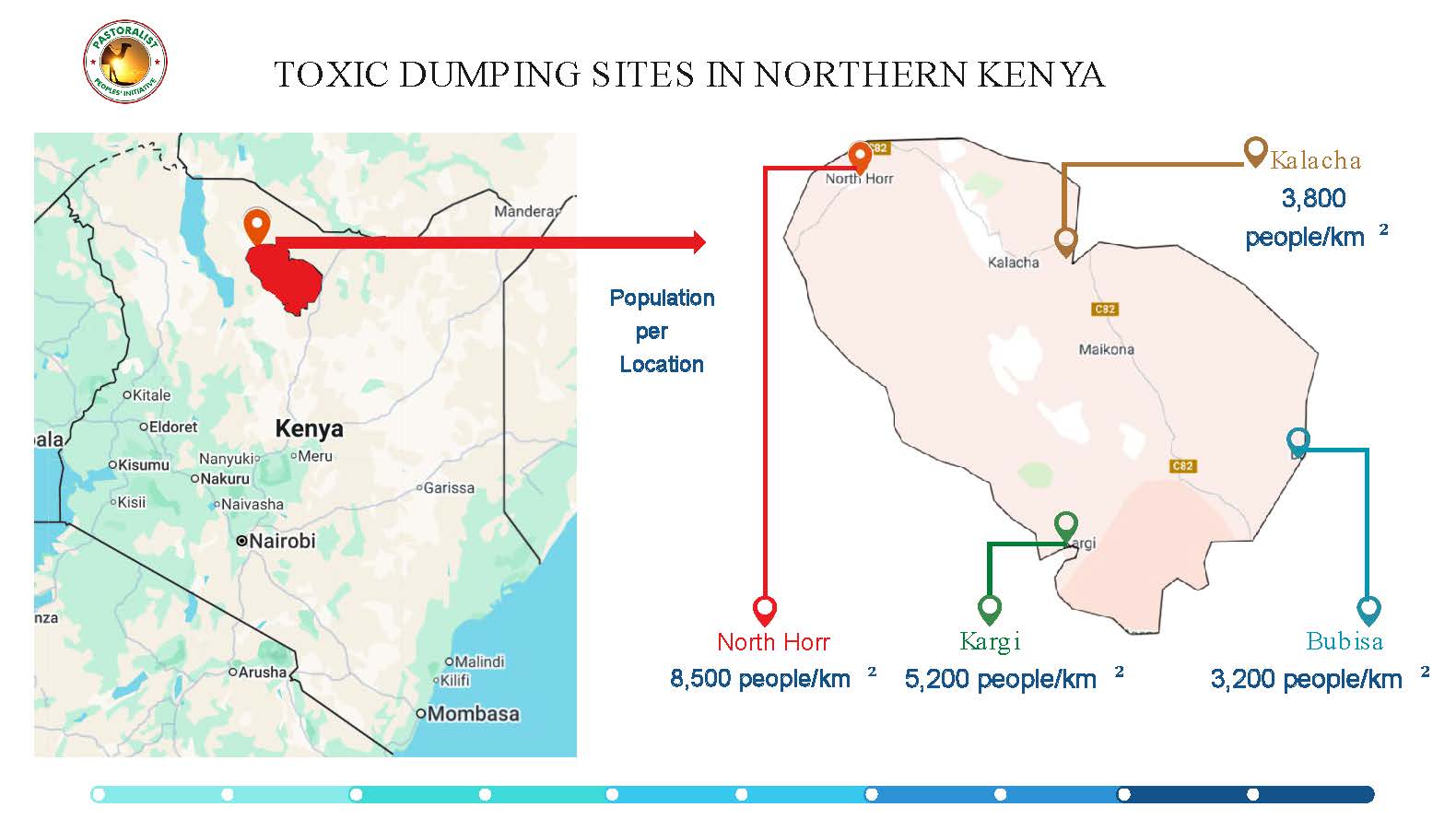
For communities in this arid region, land and water are central to pastoralist life. Environmental concerns can therefore affect not only individual households but also livestock, livelihoods, food security and the continuity of community life.
The case remains before the court, and its outcome will ultimately be determined through the judicial process. For the communities involved, however, pursuing the case represents an important step in seeking answers and accountability over concerns that have remained unresolved for many years.