On December 10, 2010, Terra Verde KPFA radio out of Berkeley, CA hosted a program on the survival challenges of reindeer and reindeer herding peoples with Dan Plumley of the Totem Project (a former Cultural Survival project), Peter Solomon, Gwich'in elder from Alaska and Ms. Liv Vors, Ph.D. University of Alberta, Co-author of a study on global decline of reindeer and caribou. You can listen to the program here:  https://kpfa.org/episode/65944/

ellenWe are deeply saddened to report that Cultural Survival's executive director, Ellen Lutz, died on Thursday, November 4, after a long battle with breast cancer, surrounded by her husband, Ted Macdonald, and her children, David and Julia. She was 55. 

Canada came under severe criticism in the current negotiations on an international regime on Access and Benefit Sharing (ABS) for the use of genetic resources at the tenth meeting of the Conference of the Parties (COP 10) to the Convention on Biodiversity was held in Nagoya, Aichi, Japan, from 18 to 29 October 2010, where over 200 Indigenous representatives participated. Canada stood alone in its shameful opposition to preambular text "Taking into account the significance of the United Nations Declaration on the Rights of Indigenous Peoples" (UNDRIP) in the proposed ABS Protocol.

A Message by Mr. Sha Zukang, Under-Secretary-General for Economic and Social Affairs 

New York, 18 October 2010

…Since 2007, the Declaration [on the Rights of Indigenous Peoples] has become a key reference point, a pivotal document in national and international legal proceedings involving violations of indigenous peoples’ rights. In a few countries, mainly in Latin America, it has become a part of constitutional reform processes. This integration is so vital for building strong foundations for the political, social and economic future of indigenous peoples.

On September 30th, 2010, the 15th session of the United Nations Human Rights Council adopted a resolution to renew the mandate and change the name of the former “UN Special Rapporteur on the situation of the human rights and fundamental freedoms of Indigenous People.” This position is currently held by Professor James Anaya and will now be called “the UN Special Rapporteur on the Rights of Indigenous Peoples.”  

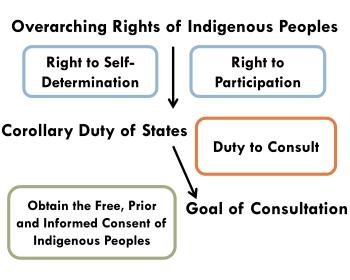
The UN Expert Mechanism on the Rights of Indigenous Peoples concluded its third session. The session took place from 12 to 16 July 2010, at the United Nations Office in Geneva. The Expert Mechanism is a new United Nations mechanism on the rights of Indigenous Peoples and was created by the Human Rights Council to continue the work of the Working Group on Indigenous Populations in 2007. This year’s session focused on the right to participate in decision-making.

In celebration of the first International Decade of the World's Indigenous Peoples (1995/2004), the Office of the High Commissioner for Human Rights (OHCHR) launched the Indigenous Fellowship Programme (IFP) to give Indigenous Peoples the opportunity to learn about the UN system. The program offers insights into mechanisms dealing with human rights in general and Indigenous issues in particular so Native Peoples can assist their organizations and communities in protecting and promoting the rights of their people.

Subscribe to Global