By Lucas Kasosi (Maasai, CS Fellow)
Across the world’s grasslands, savannas, wetlands, and drylands, Indigenous pastoralist Peoples have sustained life in landscapes that many outsiders describe as harsh, empty, or unproductive. These rangelands, often dismissed as marginal, are, in reality, living territories shaped through generations of mobility, collective governance, and ecological knowledge. From seasonal grazing routes to customary systems of land sharing, pastoralist communities have maintained ecosystems that feed millions, sustain biodiversity, and buffer the planet against climate extremes. Yet, the Peoples who steward these lands remain among the most politically marginalized and systematically excluded from decisions that shape their territories and futures.
For decades, pastoralists have watched their lands shrink under the pressures of conservation enclosures, agricultural expansion, infrastructure development, and extractive industries, often in the name of progress or environmental protection. Their mobility has been criminalized, their governance systems sidelined, and their knowledge dismissed as outdated. In many parts of the world, rangelands continue to be framed as “unused” spaces available for appropriation, rather than Indigenous territories governed through living systems of stewardship. This persistent erasure has had devastating consequences for pastoralist cultures, livelihoods, and rights.
How the International Year of Rangelands and Pastoralists Came to Be
The proclamation of 2026 as the International Year of Rangelands and Pastoralists did not emerge from institutional goodwill alone. It is the outcome of decades of organizing by pastoralist communities, Indigenous Peoples’ organizations, and regional alliances who have consistently challenged their invisibility in global policy spaces.
Pastoralist networks across Africa, Asia, and other rangeland regions have long called attention to how global food, climate, and conservation agendas systematically overlook rangelands and the Peoples who sustain them. For years, these advocates pushed back against development and conservation models that treated pastoralism as backward or environmentally destructive, despite mounting evidence that mobility-based land use is among the most climate-resilient and ecologically adaptive systems in dryland environments.
Through sustained advocacy within international policy forums and alliances with supportive states, pastoralist leaders worked to elevate rangelands onto the global agenda. These efforts culminated in a formal proclamation by the United Nations General Assembly in 2022, with the Food and Agriculture Organization of the United Nations designated as the lead agency. The designation reflects both growing recognition of rangelands’ global importance and the limits of existing institutional frameworks, which have historically marginalized pastoralist governance systems.
The International Year is therefore not merely symbolic, but a political recognition won through decades of struggle. It reflects growing acknowledgment, however overdue, that global climate, conservation, and development goals cannot be achieved while pastoralist Peoples are excluded from land governance, financing, and decision-making. Whether this recognition will translate into material change remains an open question.
Rangelands at the Margins of Global Attention
Despite covering more than half of the Earth’s land surface, rangelands have rarely occupied a central place in global environmental or development debates. Unlike forests, whose destruction is widely recognized as a crisis, the slow disappearance of grasslands, savannas, and drylands often goes unnoticed. When rangelands are lost, to cropland expansion, infrastructure, conservation enclosures, or extractive projects, the damage is rarely framed as an environmental emergency. Instead, these landscapes are routinely portrayed as empty, degraded, or underutilized spaces, masking both their ecological value and the presence of the Peoples who have sustained them for generations.
This marginalization is deeply tied to how productivity has been defined in modern policy frameworks. Dominant development models prioritize fixed land use, permanent settlement, and intensive cultivation, leaving little room for land systems built on mobility and variability. Because pastoralism does not conform to these expectations, rangelands have been misread as inefficient or unproductive. Such narratives have justified their conversion into farmland, plantations, wildlife reserves, and, more recently, renewable energy and carbon offset projects, often without meaningful consultation or consent from pastoralist communities.
The consequences of this mischaracterization are profound. Rangelands are among the world’s most significant climate-regulating ecosystems, storing nearly 30% of global soil organic carbon. They support vast populations of wild species and underpin food systems that feed hundreds of millions of people, with ripple effects across regional and global markets. Yet they receive a fraction of global climate finance and conservation investment. In Africa, for example, pastoralists manage roughly 43% of the land but receive less than 1% of public investment in agriculture and rural development, reflecting a stark imbalance between their contribution and the support they receive.
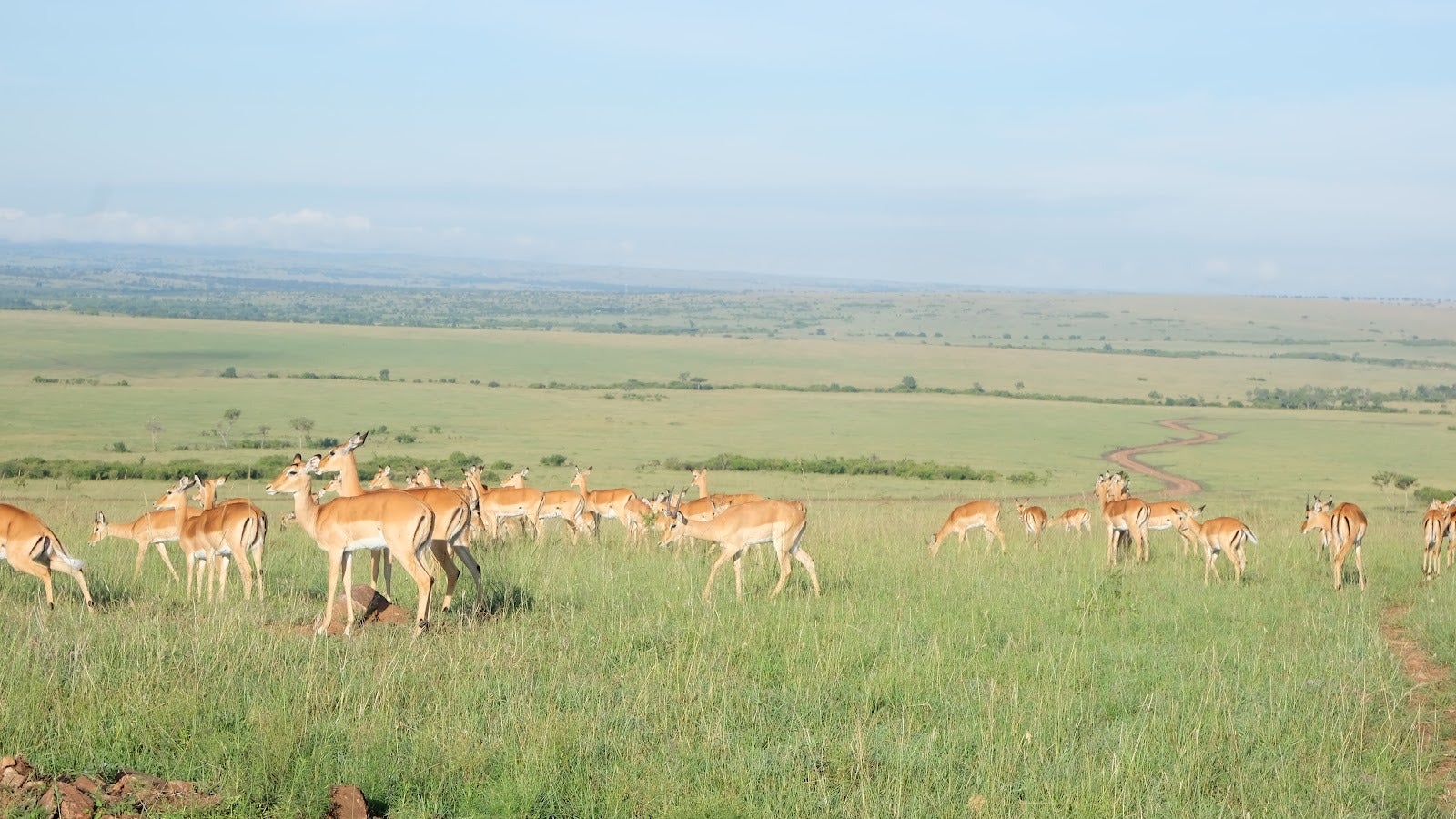
Antelopes graze in Maasai Mara Community Conservacy
This neglect is compounded by data gaps and misrepresentation. National statistics often fail to capture the full economic value of pastoralism, including informal markets, subsistence production, and ecosystem services. As a result, pastoralist contributions to national economies and food security are systematically undervalued, reinforcing policy decisions that sideline rangelands in favor of more visible or politically favored land uses. Without accurate data, rangelands are easily dismissed, and pastoralist livelihoods rendered expendable.
Environmental narratives have also played a role in pushing rangelands to the margins. Pastoralists have frequently been blamed for land degradation, desertification, and biodiversity loss, despite growing evidence that poorly planned development, land fragmentation, and climate change are the primary drivers of ecosystem decline. These narratives ignore the role of mobility in maintaining healthy rangelands and instead promote exclusionary conservation models that restrict grazing and criminalize traditional land use.
As a result, pastoralist communities find themselves caught between competing pressures: shrinking grazing lands, restricted movement, climate shocks, and policies that fail to recognize their rights or knowledge systems. Rangelands are treated as zones of intervention rather than living landscapes shaped by Indigenous stewardship. This framing not only undermines pastoralist cultures but also weakens global efforts to address climate change, biodiversity loss, and food insecurity.
The International Year of Rangelands and Pastoralists challenges this long-standing invisibility. By placing rangelands at the center of global conversations, it invites a fundamental rethinking of how value is assigned to land and who gets to define sustainability. Bringing rangelands out of the margins requires more than acknowledgment; it demands a shift in policy, investment, and narrative, one that recognizes Indigenous pastoralists not as obstacles to development, but as central actors in sustaining the ecosystems on which the planet depends.
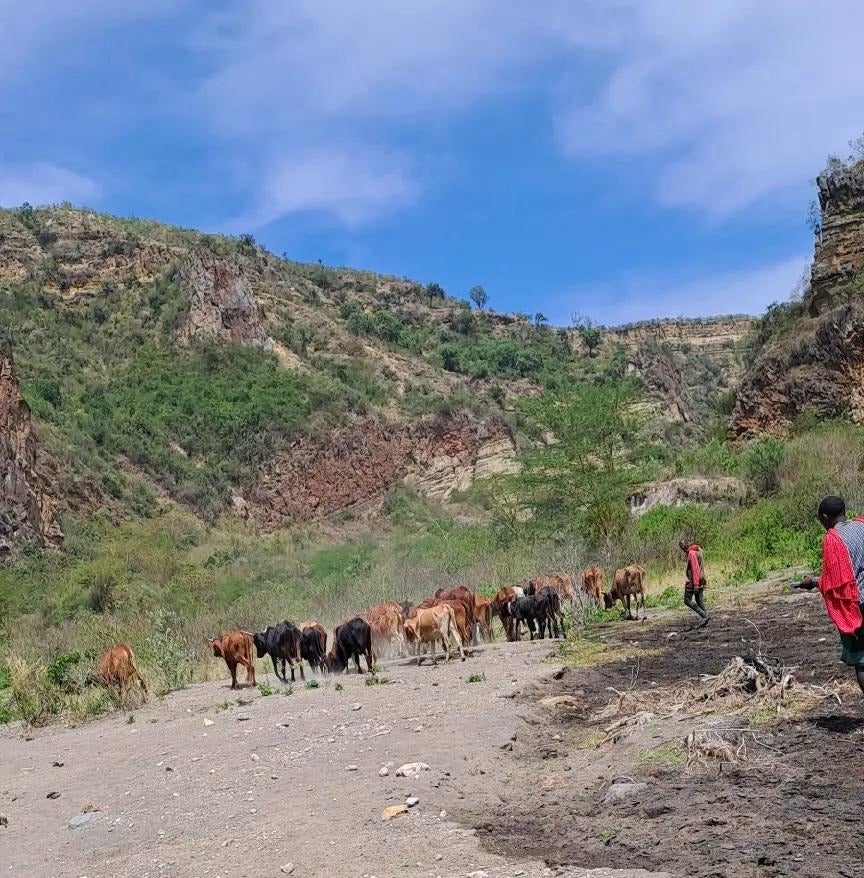
Pastoralism as Culture, Economy, and Survival
For Indigenous pastoralists, pastoralism is not simply a livelihood or an economic activity; it is a way of life that weaves together culture, identity, spirituality, and survival. Livestock are more than assets measured by market value. They are embedded in social relations, ceremonial practices, systems of reciprocity, and collective memory. Through herding, pastoralist communities transmit knowledge across generations, teaching children how to read landscapes, understand weather patterns, care for animals, and live in balance with ecosystems that demand respect rather than domination.
Across Africa, Asia, the Arctic, and the Americas, pastoralist cultures have developed in close dialogue with their environments. Songs, rituals, and oral histories encode ecological knowledge about grazing cycles, water sources, and migration routes. Elders guide decisions on when and where herds should move, ensuring that pastures are rested and resources shared. These cultural practices are not symbolic remnants of the past; they are active governance systems that sustain both people and land in contexts where rigid planning would fail.
Economically, pastoralism remains one of the most significant yet underestimated production systems in the world. By herding animals across rangelands unsuited to crop farming, pastoralists convert grasses and shrubs into meat, milk, wool, hides, and other products that support local, national, and regional economies. Globally, pastoralists manage around one billion animals, and estimates suggest that roughly 10% of the world’s meat is produced on rangelands. In many countries, especially in Africa, pastoralist economies underpin food security far beyond the communities directly involved in herding.
In Africa, Indigenous pastoralists manage nearly 43% of the continent’s land and support more than 1.2 billion livestock, feeding over 268 million people. Their contribution to national economies ranges from 10 to 44% of GDP in several countries, yet this figure is rarely reflected in public investment or policy priorities. Much of pastoralist production occurs in informal or semi-formal markets, making it largely invisible in official statistics. As a result, pastoralism is frequently dismissed as marginal, even as it sustains millions of households and supplies urban markets with animal-source foods.
At the heart of pastoralism is survival in environments shaped by uncertainty. Rangelands are defined by variability, rainfall is unpredictable, pastures are unevenly distributed, and climate extremes are common. Mobility allows pastoralists to navigate this uncertainty, spreading risk across landscapes and seasons. By moving herds rather than intensifying land use, pastoralists reduce pressure on ecosystems and increase resilience in the face of droughts, floods, and disease outbreaks. As climate change accelerates, these adaptive strategies are becoming ever more critical. For many communities, the erosion of pastoralism is not only an economic crisis, but a cultural one, disrupting knowledge transmission, social relations, and identity.
Indigenous Pastoralists as the World’s Largest Land Stewards
Indigenous pastoralists are among the world’s largest land stewards, managing vast rangeland ecosystems that continue to function precisely because of their care. Through seasonal mobility and collective governance, pastoralists allow grasses to recover, prevent localized overgrazing, and maintain habitat diversity. This adaptive stewardship contrasts sharply with fixed land-use systems that often degrade soils and reduce resilience under climatic stress.
Rangelands store nearly 30% of the world’s terrestrial soil organic carbon, making them central to global climate regulation. Pastoralist grazing, when aligned with ecological rhythms, supports nutrient cycling, seed dispersal, soil regeneration, and water infiltration, processes essential to healthy rangelands. Many key biodiversity areas overlap with pastoralist territories, where grazing and wildlife have coexisted for generations. In Africa alone, Indigenous pastoralists steward roughly 43% of the land, supporting over 1.2 billion livestock and feeding more than 268 million people.
Despite this scale of stewardship, pastoralists are rarely recognized as conservation partners. Instead, rangelands are often framed as degraded spaces in need of external intervention, and pastoralists are portrayed as drivers of environmental harm. These narratives ignore mounting evidence that land fragmentation, restrictive conservation models, inappropriate development, and climate change are the primary causes of rangeland degradation. By sidelining Indigenous governance systems, conservation and climate policies undermine the very practices that have sustained these ecosystems over time.
Recognizing Indigenous pastoralists as the world’s largest land stewards is not an act of benevolence; it is an acknowledgment of reality. Their continued exclusion from policy, finance, and governance frameworks represents not only a human rights failure but a missed opportunity to support some of the most effective land management systems on the planet.
The Colonial Roots of Rangeland Dispossession
The marginalization of pastoralists is rooted in colonial land regimes that redefined land, productivity, and belonging in ways that fundamentally conflicted with pastoralist systems. Colonial administrations privileged sedentary agriculture, private property, and fixed boundaries, rendering pastoralist mobility illegible and, ultimately, criminal. In many contexts, pastoralist mobility is policed through fines, arrests, and livestock confiscation, turning everyday survival practices into criminal acts under state law. Lands managed through seasonal grazing were labeled “vacant” or “waste,” opening them to appropriation for settler farming, extractive industries, and later, conservation enclosures.
Individual land titling dismantled communal tenure systems that allowed pastoralists to adapt to climatic variability. Borders drawn across pastoralist territories restricted cross-border mobility, which is essential for survival. Colonial conservation further deepened dispossession through exclusionary models that removed pastoralists from ancestral lands in the name of protecting nature. Independence did not dismantle these structures; many post-colonial states inherited and maintained colonial land laws under modernization agendas that continued to sideline pastoralism.
This legacy has shaped contemporary land governance across rangelands. Pastoralists often lack formal recognition of their land rights, even where they have occupied and managed territories for centuries. Administrative boundaries, conservation zones, and development corridors fracture grazing lands and migration routes, weakening customary governance and intensifying competition over resources. In regions such as the Sahel and the Horn of Africa, the fragmentation of seasonal grazing corridors by conservation areas, commercial farms, and roads has already disrupted routes communities have relied on for generations, intensifying conflict over shrinking pasture and water. As rangelands shrink, conflicts increase, not because pastoralism is inherently violent, but because colonial frameworks have stripped communities of the space and autonomy needed to manage land collectively.
Understanding the colonial roots of rangeland dispossession is essential to addressing present-day challenges. Without confronting these historical injustices, policies aimed at sustainability, conservation, or climate action risk reproducing the same patterns of exclusion. The dispossession of pastoralist lands is not merely a historical grievance; it is an ongoing process that continues to shape who controls rangelands and whose knowledge is valued.
Land Governance, Mobility, and the Struggle for Tenure Security
For Indigenous pastoralists, land governance is inseparable from mobility. Access to rangelands has historically been regulated through customary institutions that recognized shared use, seasonal variation, and collective responsibility. These systems allowed pastoralist communities to move herds across landscapes in response to rainfall, pasture availability, and ecological stress, ensuring both human survival and ecosystem regeneration. Mobility was not disorder; it was governance in motion, structured through customary tenure systems that regulated access, responsibility, and shared use across landscapes.
Today, this foundational principle is increasingly under threat. While some governments have begun to acknowledge communal land tenure and pastoralist rights in policy, implementation remains uneven and fragile. Administrative boundaries, land-use zoning, and privatization schemes continue to fragment rangelands, constraining movement and undermining the very practices that keep these ecosystems viable. Where land governance fails to accommodate mobility, pastoralism becomes untenable, leaving communities more vulnerable to the impacts of climate change.
While some regional frameworks acknowledge pastoralism as a legitimate land-use system, implementation remains weak. Individual titling and registration continue to disadvantage communal tenure systems, leaving pastoralists legally vulnerable to eviction. Conservation initiatives frequently restrict grazing without meaningful consultation, severing access to water points and migration routes essential to both livelihoods and ecosystems.
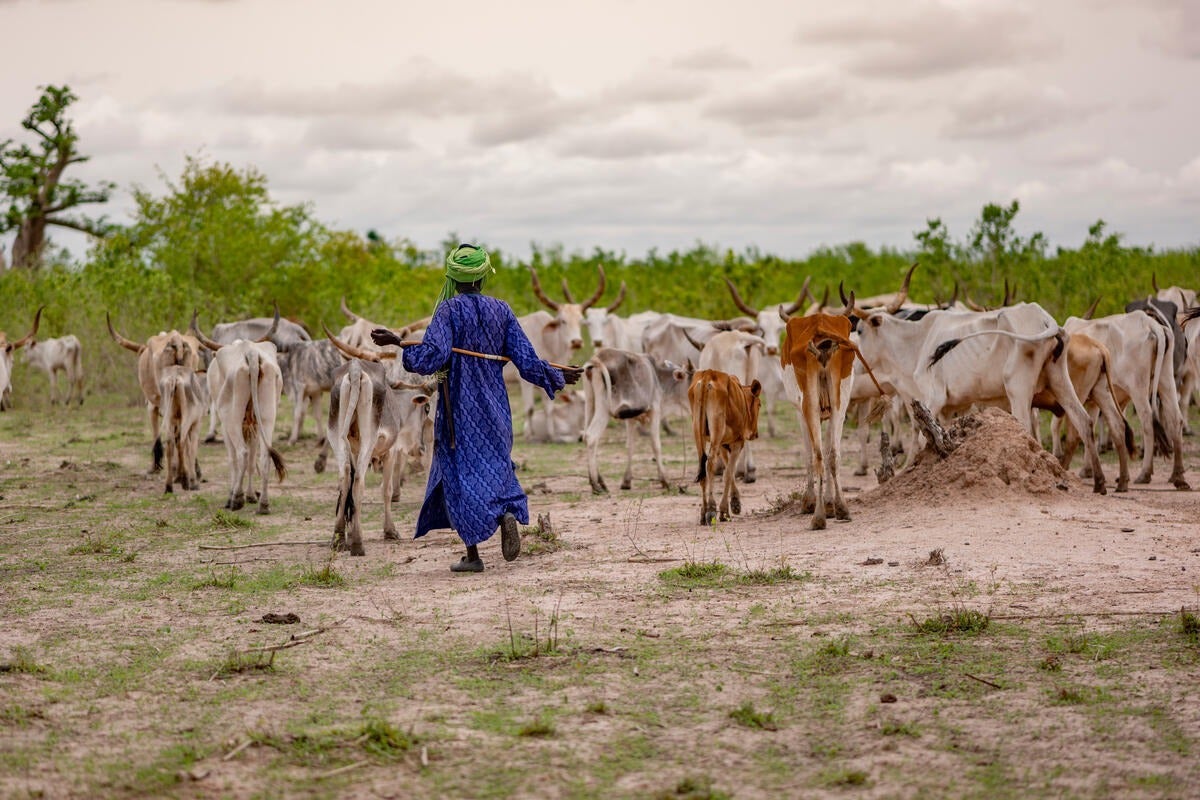
Image Courtesy of FAO.
New pressures have also emerged under the banner of climate action and development. Large-scale renewable energy projects, infrastructure corridors, and carbon initiatives increasingly target rangelands, drawn by their perceived availability and low population density. In many cases, governance mechanisms fail to involve customary authorities or local governments, leading to land deals that restrict mobility and weaken communal tenure. Without clear safeguards, such interventions risk becoming a new form of enclosure, replicating the dispossession of earlier eras.
Securing land tenure for pastoralists is not about freezing landscapes or fixing boundaries; it is about protecting the conditions that allow rangelands to function. Free, Prior and Informed Consent, mobility, access, and collective governance are the pillars of pastoralist resilience. Without them, rangelands fragment, conflicts intensify, and ecosystems degrade. With them, pastoralist communities continue to adapt, steward, and sustain some of the world’s most extensive and vital ecosystems.
Land, Climate, and Biodiversity
For Indigenous pastoralists, climate change is not an abstract future threat; it is a daily reality reshaping land, livelihoods, and survival. Across rangelands worldwide, rising temperatures, prolonged droughts, erratic rainfall, floods, and wildfires are intensifying pressures on already constrained landscapes. Pastures are shrinking, water sources are becoming less reliable, and livestock losses are increasing, pushing many pastoralist communities to the brink.
Yet pastoralism itself has long been a system of climate adaptation. Mobility, herd diversification, and collective land management are strategies developed over generations to build resilience in highly variable climates, allowing pastoralist communities to respond to droughts, floods, and ecological stress without exhausting any single landscape. By moving livestock across wide territories, pastoralists spread risk, reduce pressure on any single area, and allow ecosystems time to regenerate. These practices maintain biodiversity, sustain soil health, and buffer landscapes against climate extremes in ways that fixed land-use systems cannot.
Rangelands play a critical role in global biodiversity. They support migratory wildlife, pollinators, and plant species uniquely adapted to open, grazed environments. Pastoralist grazing maintains habitat heterogeneity, preventing bush encroachment and sustaining grassland ecosystems that many species depend on. More than one million square kilometers of rangelands are recognized globally as key biodiversity areas, many overlapping with Indigenous pastoralist territories. Where pastoralist mobility is restricted, biodiversity often declines alongside livelihoods.
Despite this, climate and conservation policies have frequently treated pastoralists as part of the problem rather than part of the solution. Efforts to address climate change have too often prioritized exclusionary conservation, carbon offsets, and large-scale interventions that restrict access to land. Such approaches ignore the reality that pastoralist stewardship has maintained rangelands for centuries and continues to offer viable pathways for climate resilience.
Rights-based approaches are therefore essential. Climate and biodiversity policies must respect Free, Prior and Informed Consent and recognize pastoralists as rights-holders and solution providers. Traditional knowledge systems, rooted in observation, mobility, and intergenerational learning, offer insights critical to managing climate risks, restoring degraded lands, and sustaining biodiversity. Integrating these systems into national and global strategies strengthens both ecological outcomes and community resilience.
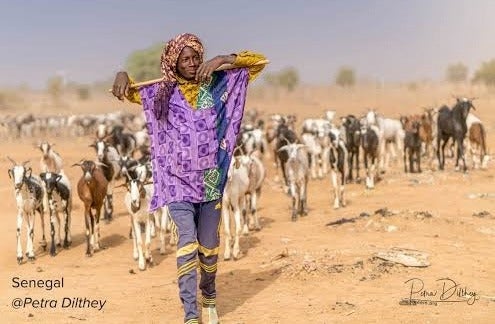
Image Courtesy of Petra Dilthey.
Conservation, Carbon Markets, and the New Enclosures
As global concern over climate change and biodiversity loss grows, rangelands have become increasingly attractive to conservation initiatives and carbon markets. Framed as solutions to planetary crises, these interventions often arrive in pastoralist territories with promises of environmental protection, climate mitigation, and economic opportunity. Yet for many Indigenous pastoralists, they echo older patterns of enclosure and dispossession, raising urgent questions about who benefits from climate action and at whose expense.
Conservation has long been a double-edged sword for pastoralist communities. While pastoralists have coexisted with wildlife for generations, modern conservation models have frequently excluded them from their own lands. Protected areas have been established or expanded on rangelands without meaningful consultation, reviving “fortress conservation” approaches that treat human presence as incompatible with nature. Similar patterns are emerging in parts of East Africa and Central Asia, where carbon and conservation projects have been introduced on customary grazing lands with limited community control, placing new restrictions on seasonal movement in the name of climate mitigation. Grazing restrictions, fines, and forced evictions disrupt mobility, sever access to water points, and undermine customary governance systems that once regulated land use sustainably.
Carbon markets represent a newer, but increasingly powerful, force reshaping rangelands. As demand for carbon offsets grows, pastoral landscapes are being reimagined as carbon sinks rather than lived territories. These schemes are often broker-driven and highly technical, making them difficult for pastoralist communities to fully understand. Contracts can extend for decades, placing long-term restrictions on land use that conflict with mobility and communal tenure, sometimes without clear or informed consent.
Lack of transparency has emerged as a central concern. In many cases, pastoralist communities are engaged late in the process, presented with complex agreements, or promised benefits that are poorly defined or unevenly distributed. Where land tenure is already insecure, carbon projects can deepen vulnerability, reinforcing external control over rangelands while limiting pastoralists’ ability to adapt to environmental change. For mobile communities, long-term land-use restrictions can undermine the very strategies that sustain both livelihoods and ecosystems.
Pastoralists are not opposing climate action; they are demanding climate justice and self-determination. Conservation and carbon initiatives must uphold Free, Prior and Informed Consent, recognize communal tenure, ensure equitable benefit-sharing, and protect mobility. Without these safeguards, climate finance risks reproducing colonial patterns of dispossession under the banner of environmental responsibility.
Knowledge Systems Rooted in Movement and Memory
Indigenous pastoralist knowledge systems are inseparable from the landscapes they inhabit and the movement that sustains them. Built through generations of observation, practice, and adaptation, this knowledge is not written in manuals or stored in laboratories, but carried in memory, language, ritual, and daily decision-making. It is learned by walking the land, tending animals, listening to Elders, and responding to ecological signals that shift with the seasons. Mobility is therefore not only an economic practice, but the condition through which knowledge itself is transmitted across generations.
Pastoralist knowledge guides when herds move, where they graze, how long pastures are rested, and how animals are cared for under changing conditions. It encompasses an intimate understanding of soils, grasses, water sources, animal health, and weather patterns, often allowing pastoralists to anticipate droughts, floods, or disease outbreaks before they are captured by formal early warning systems. In rangelands where uncertainty is the norm, this knowledge enables flexibility and resilience, ensuring survival where rigid planning would fail.
These knowledge systems have played a central role in sustaining rangelands and biodiversity. Practices such as rotational grazing, seasonal mobility, and selective herd management prevent land degradation, support soil regeneration, and maintain habitat diversity. Pastoralists understand which grasses recover quickly, which areas must be protected during dry seasons, and how livestock interact with wildlife in ways that sustain ecological balance. This knowledge has allowed rangelands to function as living systems rather than exhausted landscapes.
Despite its proven value, pastoralist knowledge has long been marginalized in scientific research and policy-making. Development and conservation initiatives frequently privilege externally generated data while dismissing Indigenous knowledge as anecdotal or unscientific. In many cases, pastoralist knowledge is extracted, used to inform projects or research, without ethical recognition, consent, or benefit-sharing. This erasure not only undermines pastoralist rights but weakens environmental governance by sidelining some of the most context-specific and adaptive knowledge available.
Knowledge transmission within pastoralist societies is also under threat. As rangelands shrink and mobility is restricted, opportunities for intergenerational learning diminish. Children who can no longer accompany herds lose access to practical knowledge passed down through lived experience. Formal education systems, often designed around sedentary livelihoods, rarely accommodate pastoralist realities, further widening the gap between Indigenous knowledge and institutional recognition.
Safeguarding pastoralist knowledge requires more than documentation. It demands protecting the conditions under which that knowledge is practiced, secure land tenure, mobility, cultural continuity, and respect for customary institutions. It also requires investment in Indigenous-led research, data sovereignty, and platforms that allow pastoralists to define how their knowledge is shared and used.
Women and Youth Holding Pastoralism Together
Women and youth are central to pastoralist resilience. Women manage small livestock, process and market dairy products, care for households, and transmit ecological knowledge, yet remain excluded from formal governance and decision-making. Youth inherit ecological knowledge and cultural responsibility but face shrinking access to land and limited economic opportunities, weakening intergenerational transmission as mobility erodes.
Investing in women’s leadership, gender-equitable access to land and resources, and youth participation in governance is essential to sustaining pastoralist systems. Without women and youth at the center of rangeland governance and pastoralist economies, efforts to protect rangelands will remain incomplete and unsustainable. Their leadership is not optional; it is essential to the future of pastoralism and the landscapes it sustains.
Data, Technology, and the Struggle for Pastoralist Visibility
For decades, pastoralists have been rendered invisible not only in policy but in data itself. National statistics, land-use maps, and development indicators have routinely misrepresented rangelands as empty, underutilized, or degraded spaces, reinforcing the narrative that pastoralism is backward or inefficient. This absence of accurate, pastoralist-led data has had profound consequences, shaping policies that justify land appropriation, restrict mobility, and prioritize extractive or sedentary land uses over Indigenous stewardship.
Much of the data used to govern rangelands is produced without pastoralist participation, relying on remote sensing, static land classifications, or assumptions rooted in sedentary agriculture. These approaches fail to capture the seasonal rhythms of mobility, the ecological logic of grazing cycles, and the social institutions that regulate access to pasture and water. As a result, pastoralist systems are often misdiagnosed as drivers of degradation rather than as adaptive responses to climatic variability.
The growing emphasis on digital tools, climate modeling, and artificial intelligence presents both risks and opportunities. On the one hand, new technologies can deepen exclusion if they replicate existing power imbalances, extracting data from pastoralist territories without consent, without benefit sharing, or without recognition of Indigenous knowledge. On the other hand, when governed ethically, technology can strengthen pastoralist economies and resilience. Mobile platforms can improve access to markets, veterinary services, early warning systems, and climate information. Community-led mapping can document customary land use, migration corridors, and sacred sites, reinforcing claims to tenure and mobility.
As the International Year of Rangelands and Pastoralists unfolds, correcting the data deficit is not a technical task but a political one. Making pastoralists visible requires shifting who defines evidence, whose knowledge counts, and who benefits from innovation. Without this shift, even the most advanced technologies risk reinforcing the same patterns of exclusion that pastoralist communities have resisted for generations.
Financing Pastoralist Futures Beyond Intermediaries
For pastoralist communities, access to finance is not simply a question of capital; it is a question of power, autonomy, and survival. Across rangeland regions, pastoralists face chronic underinvestment despite their significant contributions to national economies, food systems, and ecosystem stewardship. Where financing does exist, it is often routed through intermediaries: governments, international organizations, or large NGOs, leaving pastoralist communities with little control over priorities, implementation, or outcomes.
This model has repeatedly failed pastoralists. Funding mechanisms are frequently designed for sedentary populations, requiring fixed land tenure, formal registration, or bankable collateral that mobile communities cannot provide. As a result, pastoralists are excluded from credit, insurance, and public investment schemes, even as they absorb the escalating risks of drought, livestock disease, conflict, and climate variability. Emergency responses tend to arrive after livelihoods have collapsed, rather than supporting long-term resilience rooted in mobility and customary governance.
Pastoralist organizations have long called for financing that supports self-determined development. This includes direct, equitable, and non-discriminatory access to funds for rangeland management, animal health services, water infrastructure, and market access. It also means recognizing and strengthening internal financial systems such as savings groups, cooperatives, and customary redistribution mechanisms that already function as safety nets during crises.
The International Year of Rangelands and Pastoralists presents an opportunity to reimagine financing not as charity, but as investment in systems that work. Pastoralist economies are not relics of the past; they are dynamic, climate-adaptive systems with untapped potential for green jobs, value addition, and regional trade. Supporting them requires financial architectures that respect mobility, customary tenure, and collective governance, and that place pastoralist communities at the center of decisions about their own futures.
Reclaiming the Narrative: The International Year of Rangelands and Pastoralists as a Turning Point
The declaration of the International Year of Rangelands and Pastoralists marks a rare moment of global acknowledgment for landscapes and peoples that have long existed at the margins of international concern. The Year responds to decades of advocacy by pastoralist organizations, Indigenous Peoples, and allies who have consistently challenged the invisibility of rangelands in global policy spaces. It recognizes what pastoralists have always known: that rangelands are not empty, degraded, or unproductive spaces, but living systems sustained through mobility, collective governance, and intergenerational knowledge.
Yet the promise of the International Year will only be realized if it moves beyond symbolic recognition. Too often, global observances generate attention without accountability, producing declarations that fail to shift power, resources, or decision-making. For Indigenous pastoralists, the measure of success will not be found in celebratory events or policy statements, but in tangible changes on the ground, secure land rights, protection of mobility corridors, meaningful participation in climate and conservation governance, and direct access to financing for community-led initiatives. For many pastoralist families, the erosion of mobility is felt not in policy language, but in the daily loss of routes, water points, and the freedom to move herds in response to drought.
Reclaiming the narrative around rangelands also means confronting deeply embedded misconceptions. Pastoralism has long been portrayed as environmentally destructive, economically inefficient, or socially backward. These narratives have justified restrictive policies, forced sedentarization, and exclusion from development planning. The International Year provides an opportunity to challenge these assumptions with evidence and lived experience, demonstrating that pastoralist systems are among the most adaptive and sustainable responses to climate variability and ecological uncertainty.
The International Year of Rangelands and Pastoralists must therefore be understood not as an endpoint, but as a call to action: to center Indigenous pastoralists in decisions about their lands, recognize their rights under international law, and support their self-determined visions for the future.
The message is clear. Protecting rangelands means protecting the Peoples who have sustained them for generations. Honoring pastoralists requires more than recognition; it demands solidarity, accountability, and a fundamental shift in how the world values land, knowledge, and life itself.
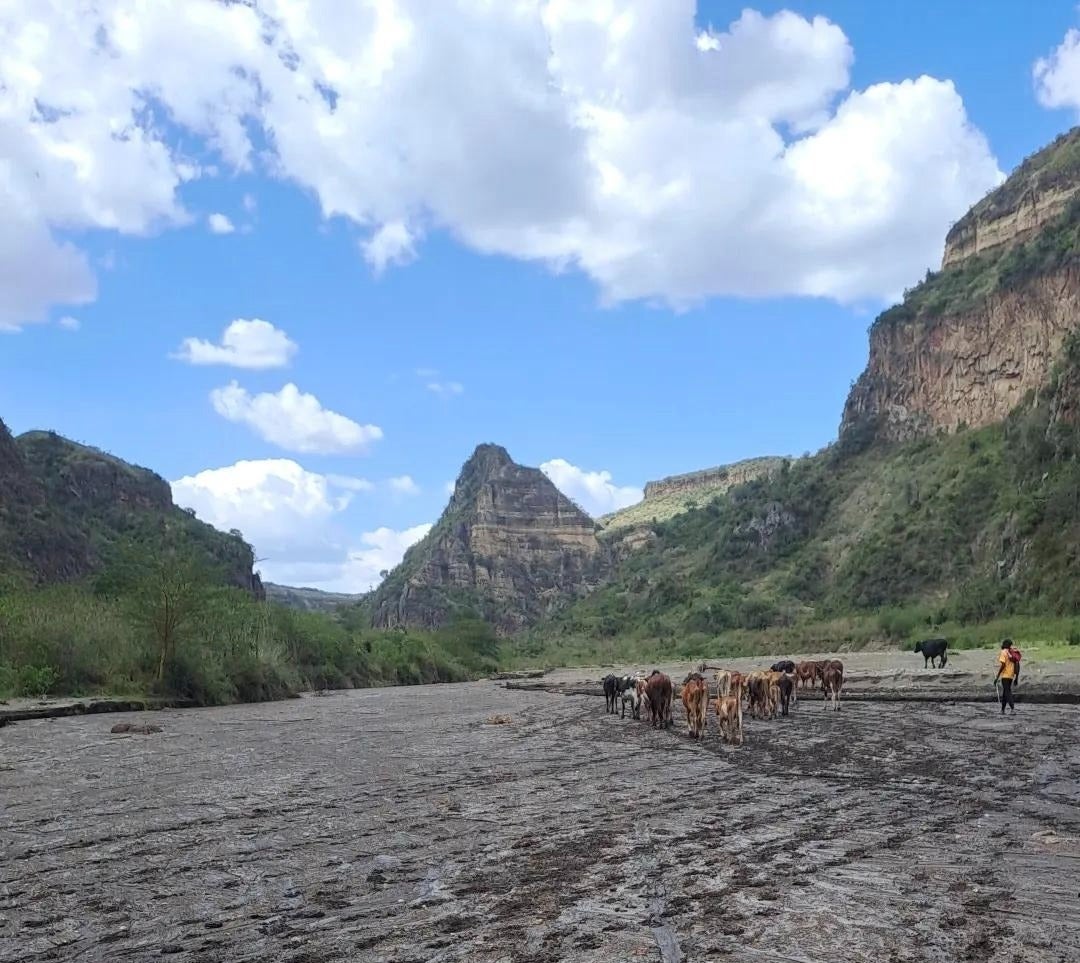
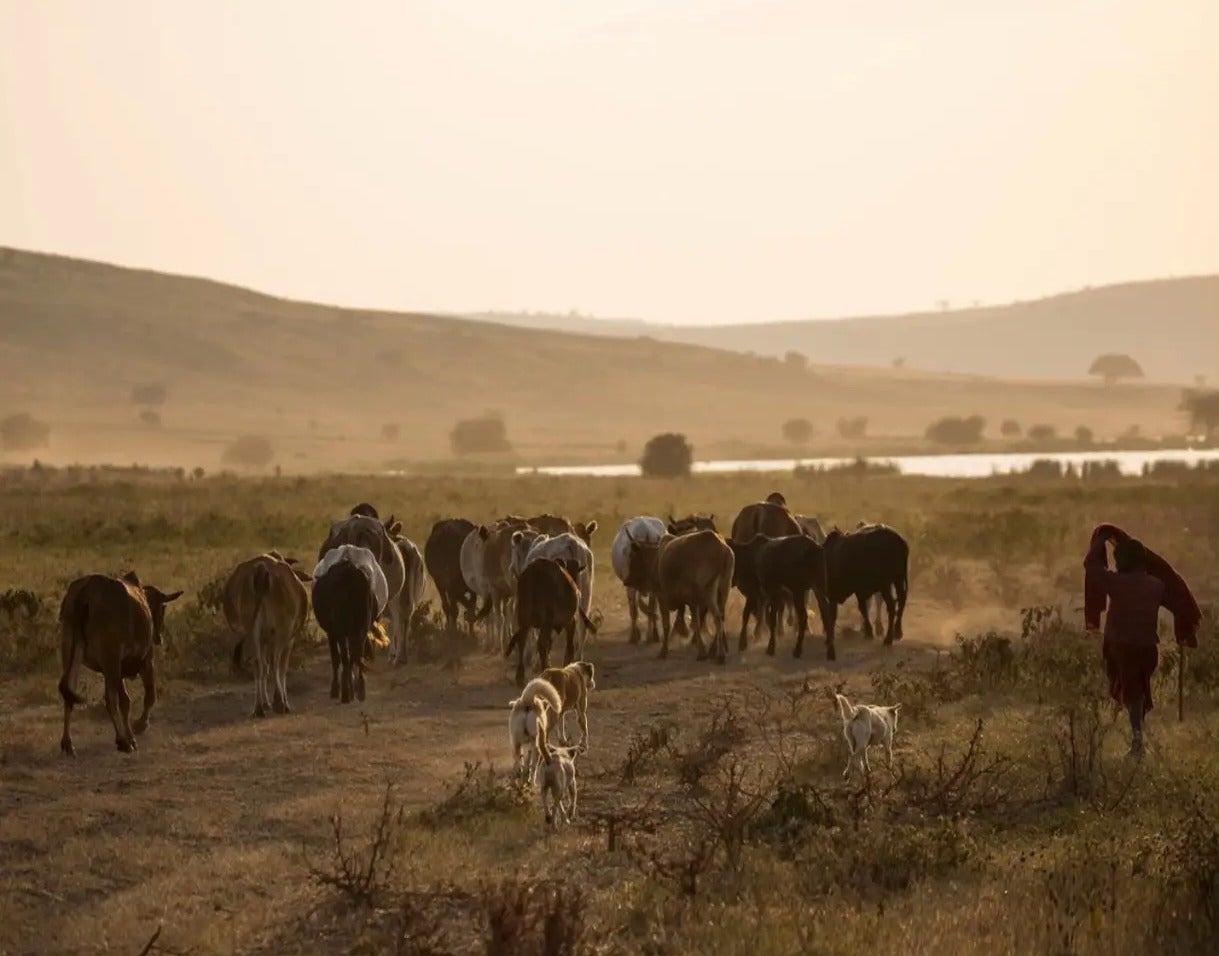
Top photo: A herder leads cows to a watering well in Kajiado, Kenya