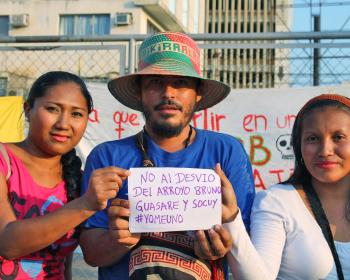
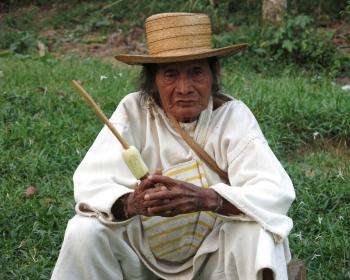
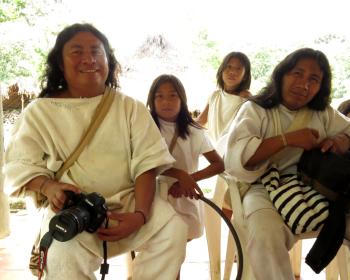
On May 30th, 2016, environmental and social activists from Indigenous Communities across Colombia came together to take part in the National Agrarian, Peasant, Ethnic and Grassroots Mobilization (Minga).
By Stephanie Hon
The UN Committee on the Rights of the Child reviewed Colombia on January 21, 2015. The Colombian Development Plan for the next four years were structured around the key pillars of peace, equity, and education, and Colombia has increased its investment in children from $1.3 billion in 2011 to $2 billion in 2014. Despite these improvements, Colombia is still challenged with addressing inequalities among regions and groups, particularly in regards to Indigenous Peoples.
By María del Rosario Sul González
Carol Gonzalez Aguilar is the coordinator of Women and Family from Organización de los Pueblos Indígenas de la Amazonía Colombiana (OPIAC) located in the village of Sano in the department of Vaupéz in Colombia. She was a participant observer at the World Conference on Indigenous Women held in Lima, Peru, from 27 to 30 October 2013.
The Sixth Summit of the Americas taking place in Cartagena, Colombia on April 14-15, 2012. Indigenous groups are asking for a specific chapter in the Summit's declaration that addresses matters which concerns them.
In a historic ruling in favor of Indigenous Peoples’ rights, Colombia’s Constitutional Court halted three industrial projects for not properly consulting affected Indigenous communities nor gaining their consent. The three projects are construction of a highway, an electric power line, and a mine.