Pasar al contenido principal

Revista de Cultural Survival Quarterly

Artículos

Irma A. Velásquez Nimatuj (Maya K’iche’, Consultora de CS)

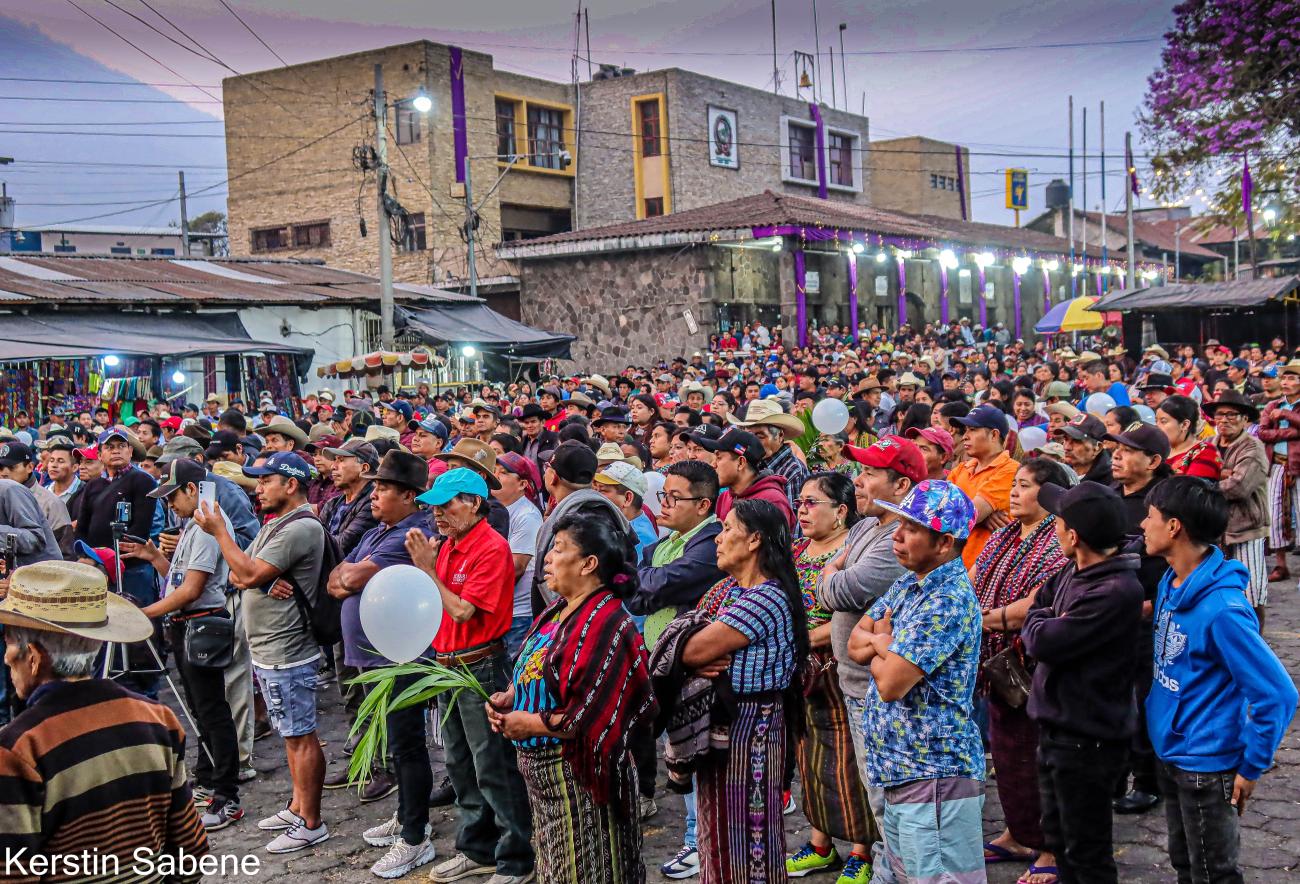
 

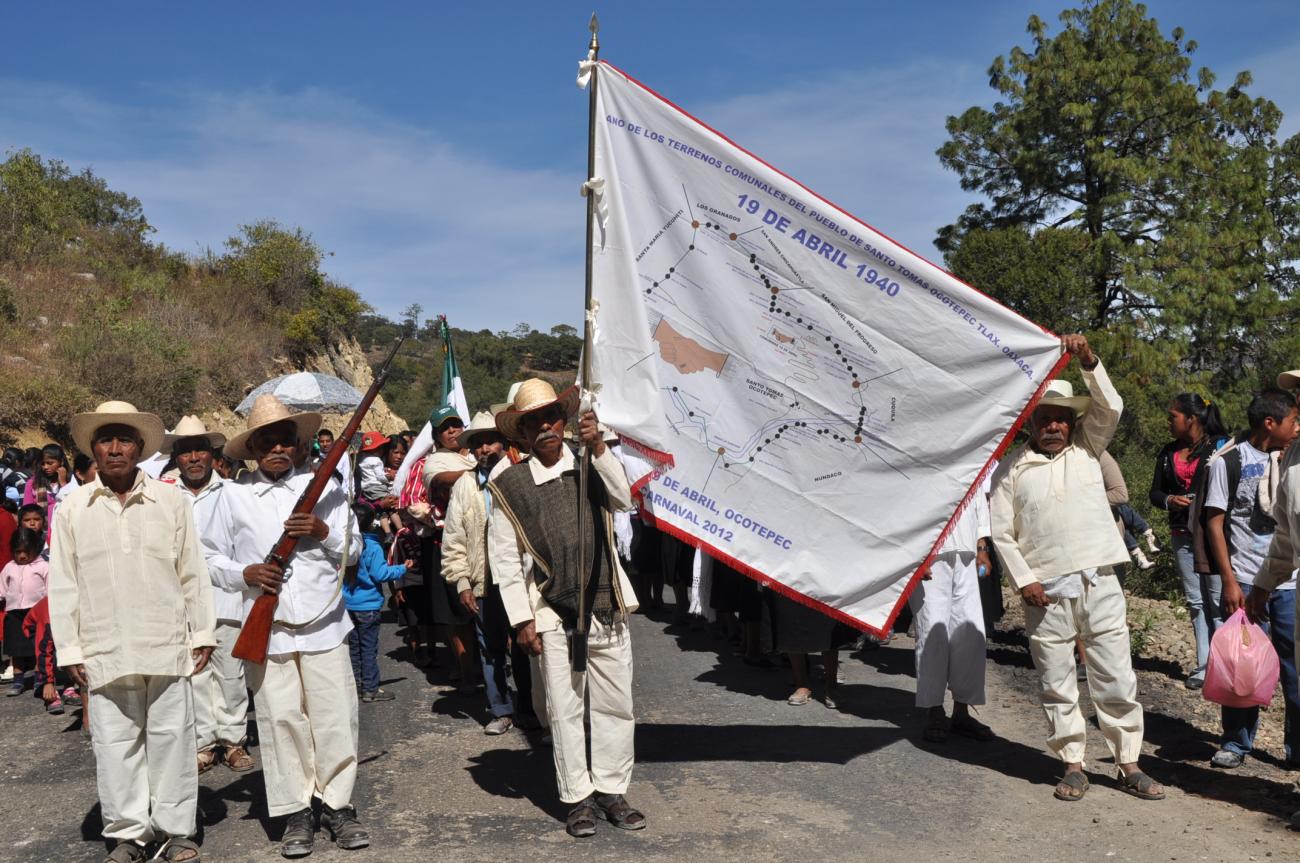
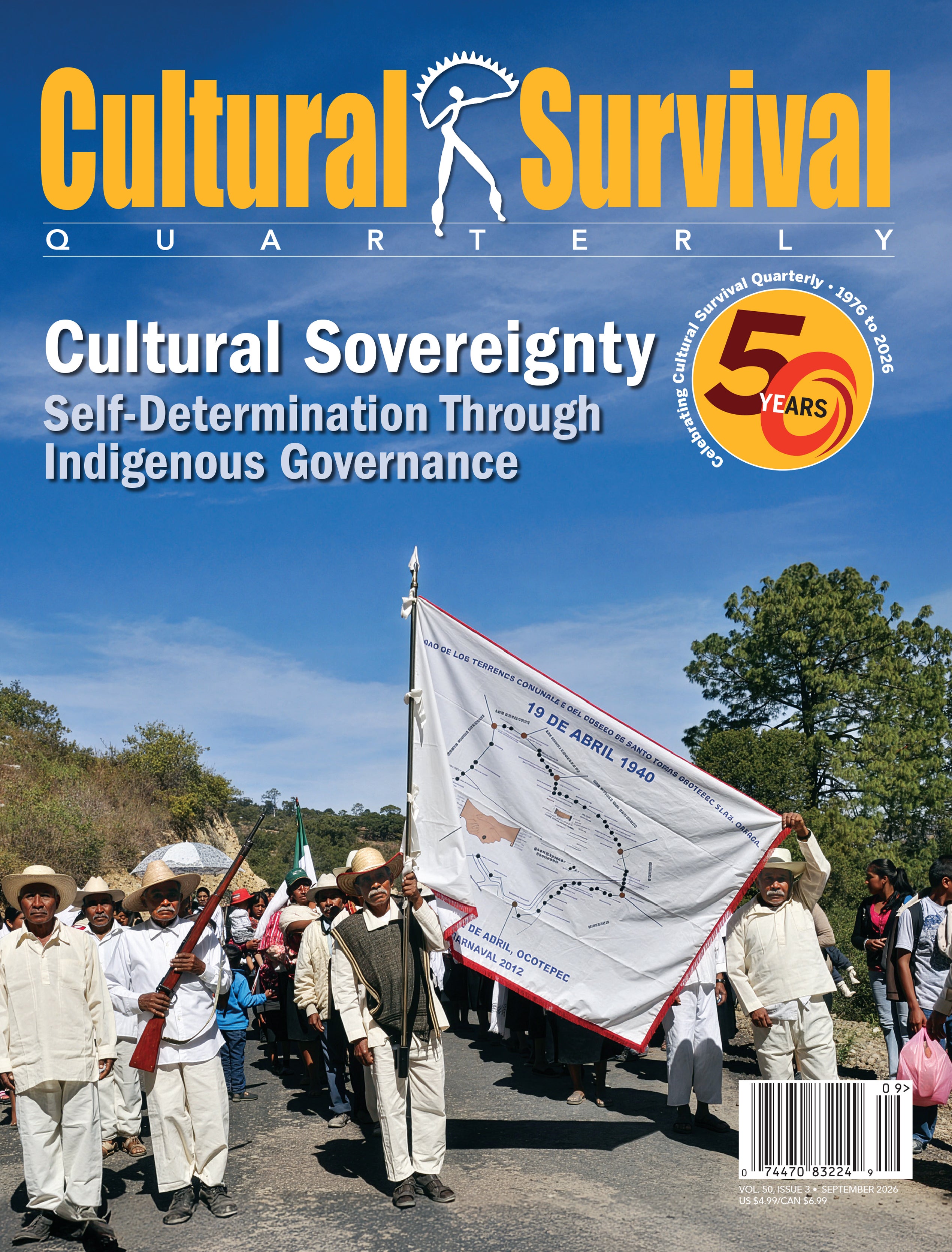
Despite centuries of colonial assimilationist policies, self-governance among Indigenous Peoples is a living history that continues to unfold. And while Indigenous Peoples around the world have diverse mechanisms for self-governance, they all share the fundamental principles of an inseparable link among community, culture, and territory, as well as a collective vision of life and the exercise of power. For many Peoples this does not begin with the law, but with memory, daily practice, and the continuity of their own ways of organizing life.


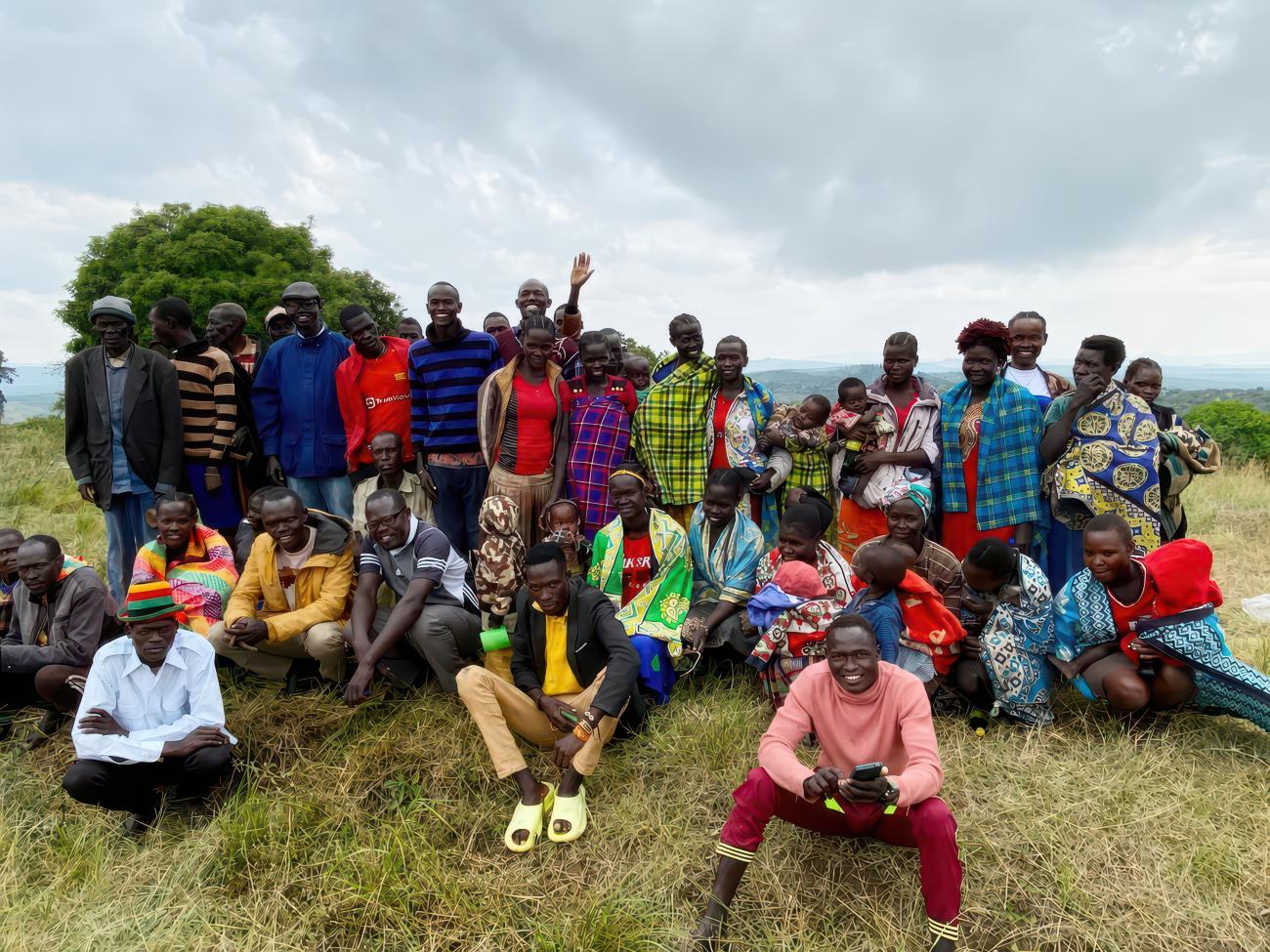
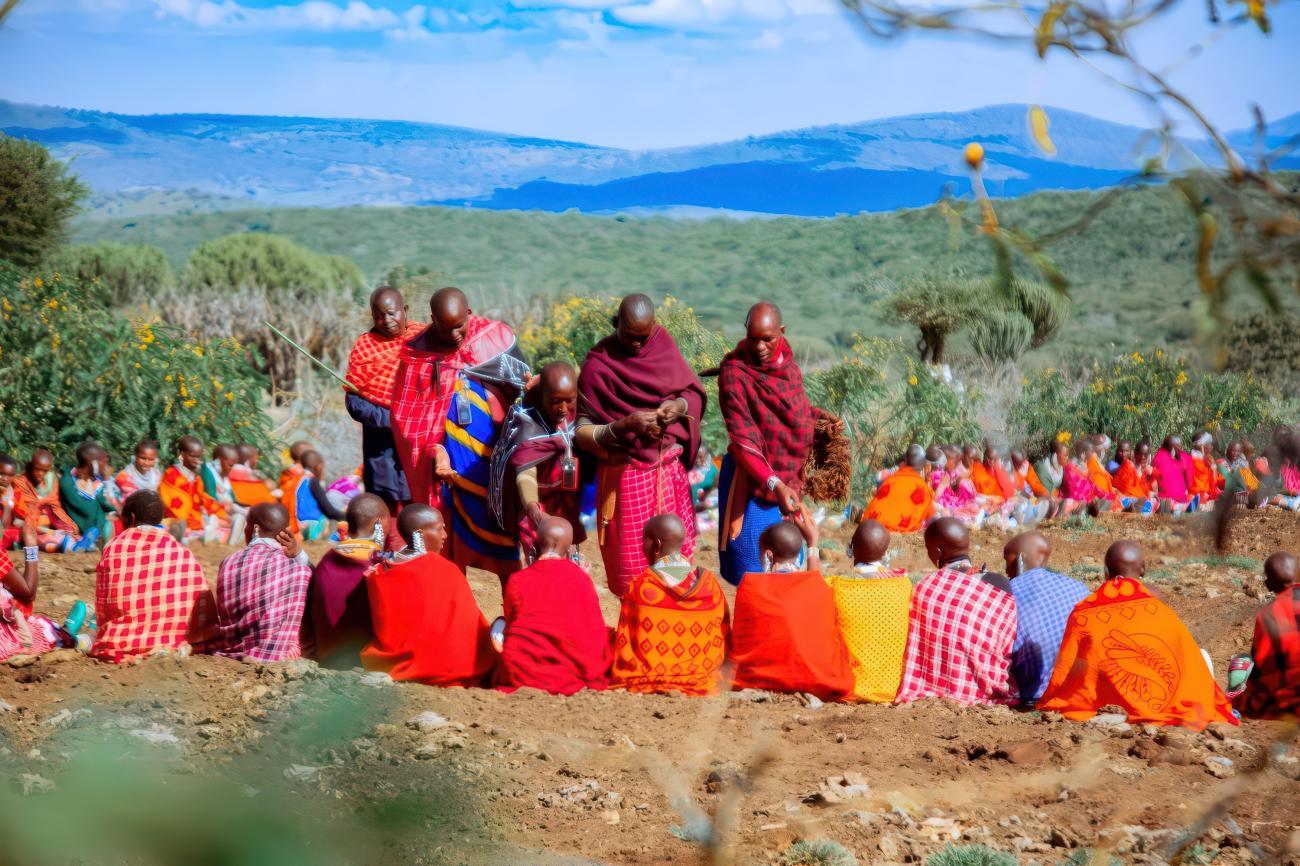
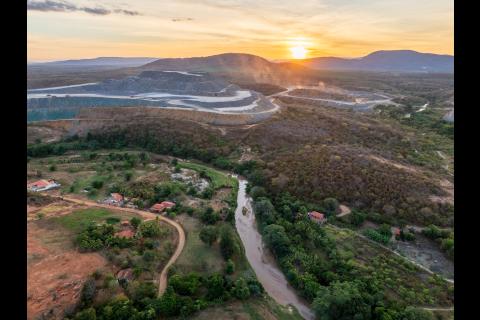
For generations, Indigenous communities in Abim District, Karamoja, in northeastern Uganda, have depended on a deep relationship with their land, water, animals, forests, and natural environment. This relationship has guided how communities make decisions, resolve challenges, protect resources, and prepare for uncertain times.


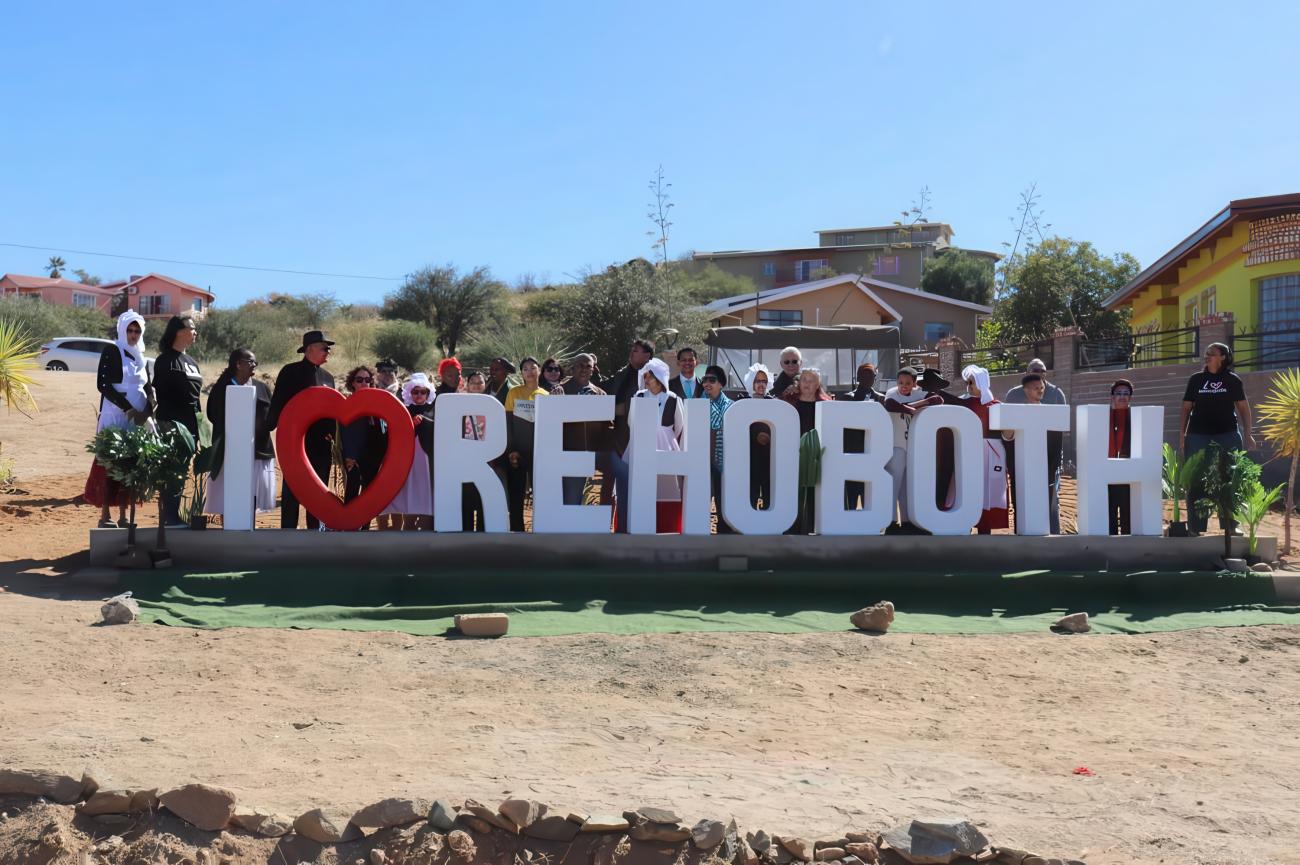
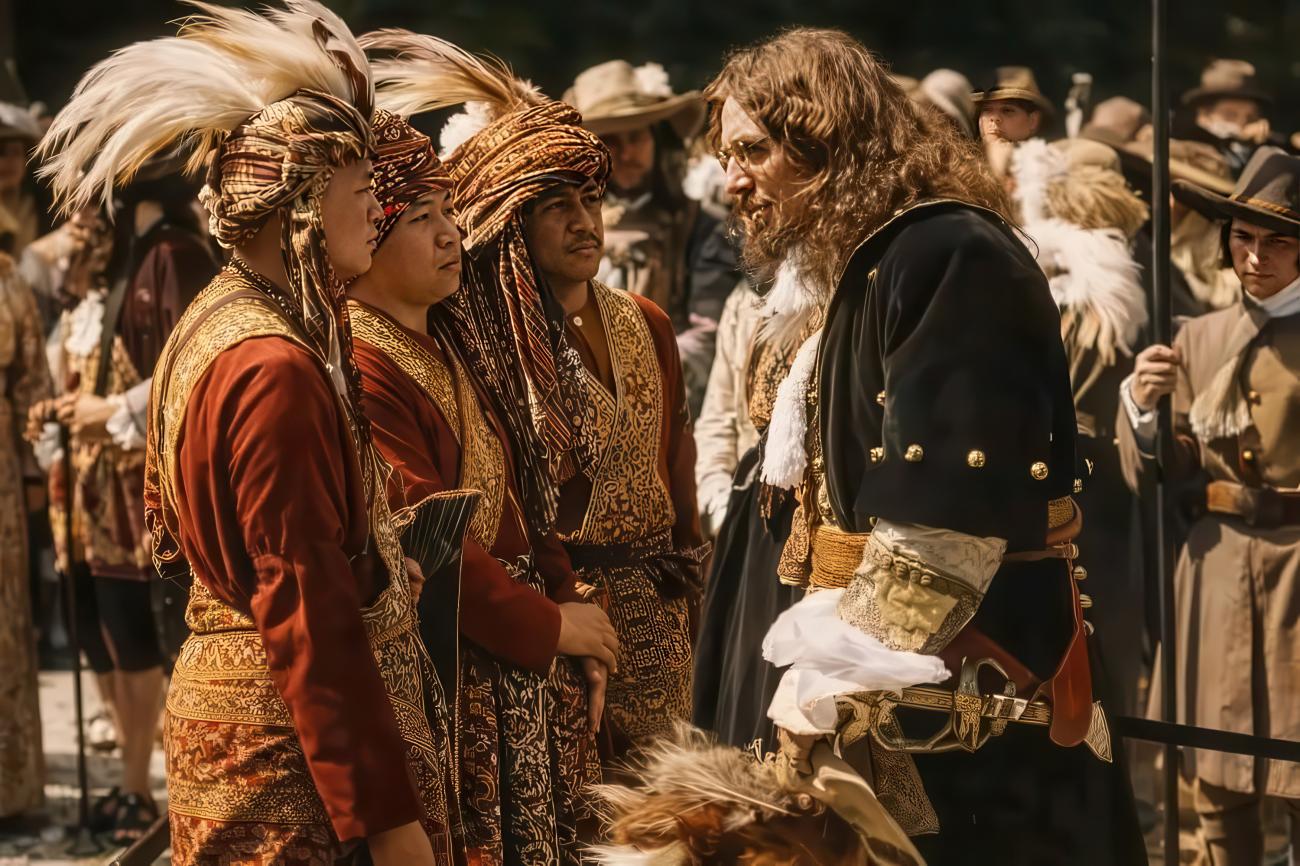
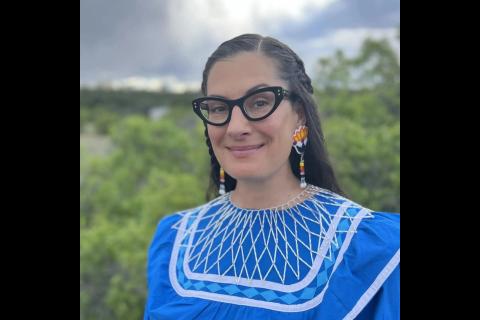
People who know where they come from will always know where they are going.” Those are words I often heard while growing up in Rehoboth. Whether it was around the family dinner table, during church gatherings, or listening to our grandparents’ stories under an old camelthorn tree, one lesson remained constant: our community exists today because our ancestors chose to govern themselves according to their own values.


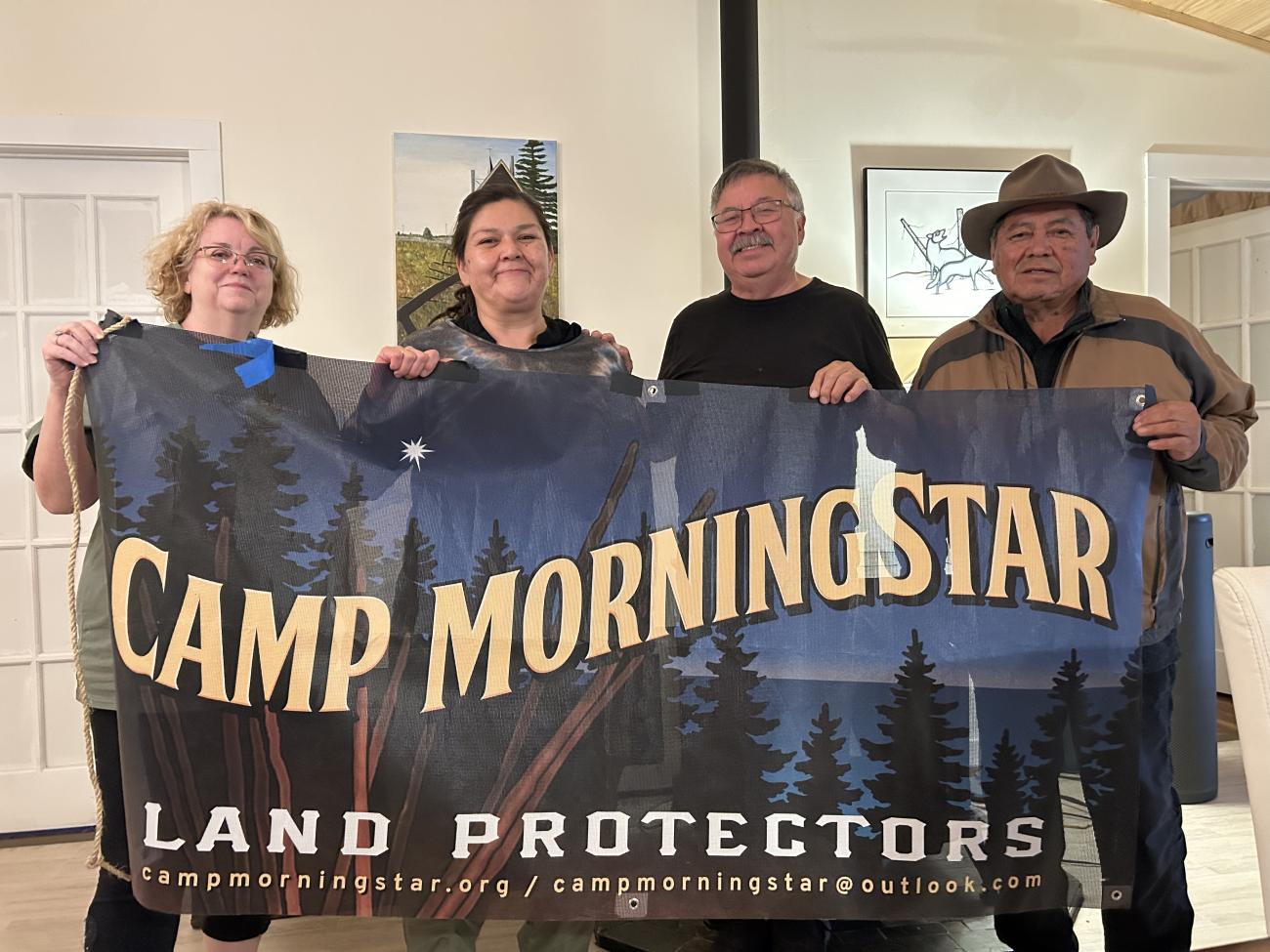
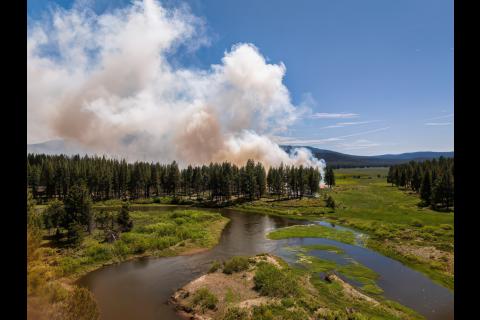
Los Pueblos Indígenas de Canadá, a través de diversas formas de organización —ya sea mediante jefaturas tradicionales y hereditarias, jefes y consejos, o colectivos y organizaciones—, tienen una orientación clara en el centro mismo de su existencia: la protección de la Madre Tierra y el mantenimiento de relaciones continuas con ella y con todos los seres que habitan el territorio, pensando en las generaciones venideras.


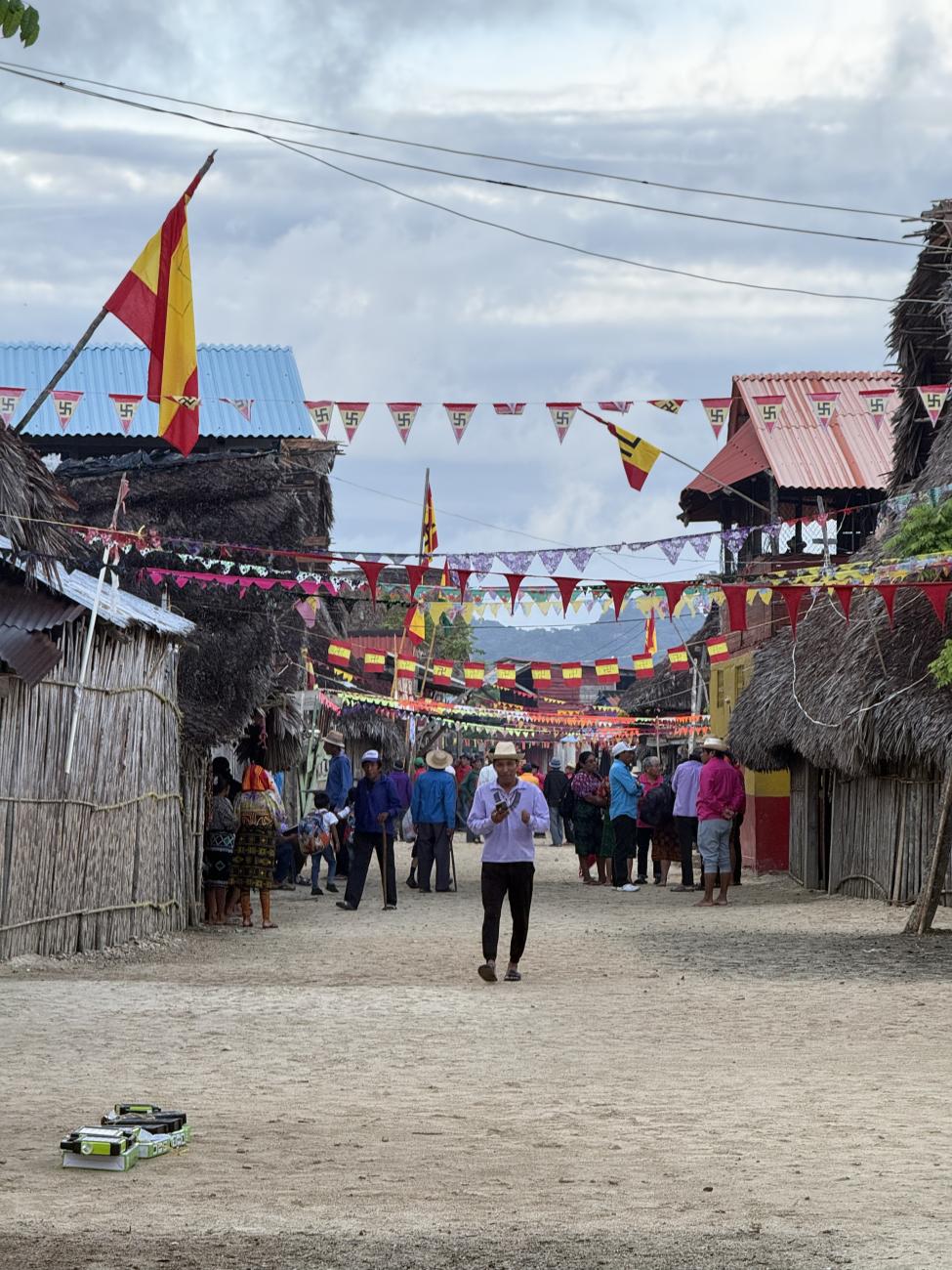
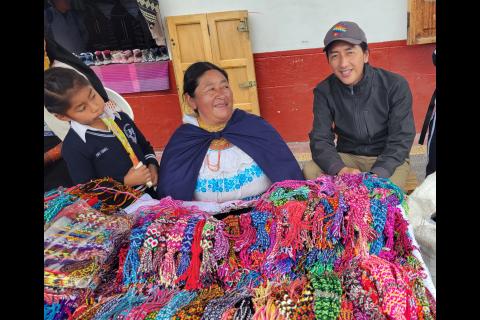
Iniquilipi Chiari-Lombardo (Guna) y May Pérez (Guna), equipo de CS


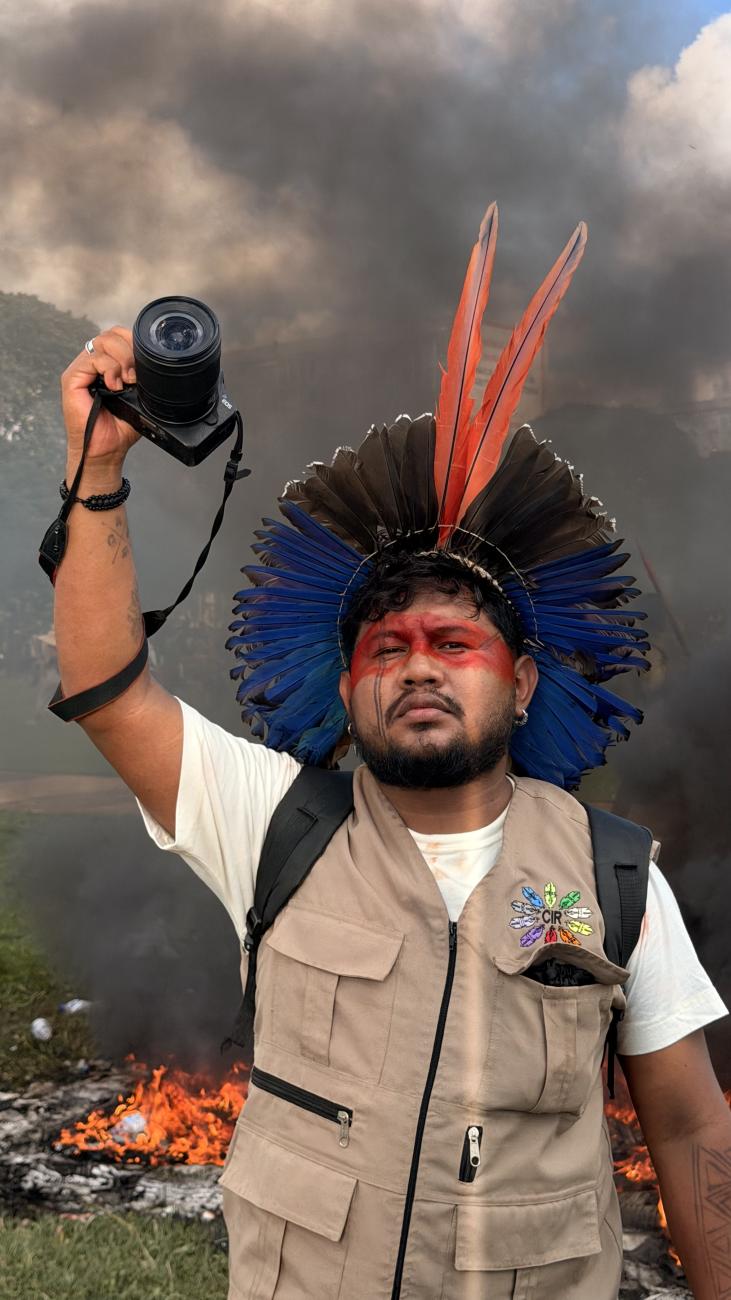
In a time of climate change, economic pressures, and growing threats to Indigenous rights, self-governance remains the most effective response for building a sustainable future for the next generations. The Indigenous Council of Roraima (CIR) in the Amazon rainforest demonstrates that Indigenous governance does not merely involve a recognition of Indigenous presence and political representation. It is a living process, built daily by communities, leaders, women, youth, and Elders who make collective decisions to protect their territories and secure the future of their Peoples.


Your support keeps our site free

Support Indigenous writers and journalists. This content is made entirely possible by loyal readers like you. Cultural Survival does not believe in paywalls. We rely on our supporters and readers to give what they can so that we can continue bringing you Indigenous-led solutions.


Our website houses close to five decades of content and publishing. Any content older than 10 years is archival and Cultural Survival does not necessarily agree with the content and word choice today.