Pasar al contenido principal

Revista de Cultural Survival Quarterly

Artículos

In recent years, global health and environmental institutions have increasingly recognized that Indigenous Peoples are central to biodiversity conservation, human health, and climate resilience. Yet, a persistent gap remains between the recognition of Indigenous leadership and the concepts and frameworks these leaders use to understand health, the environment, and the interconnectedness of all that exists.


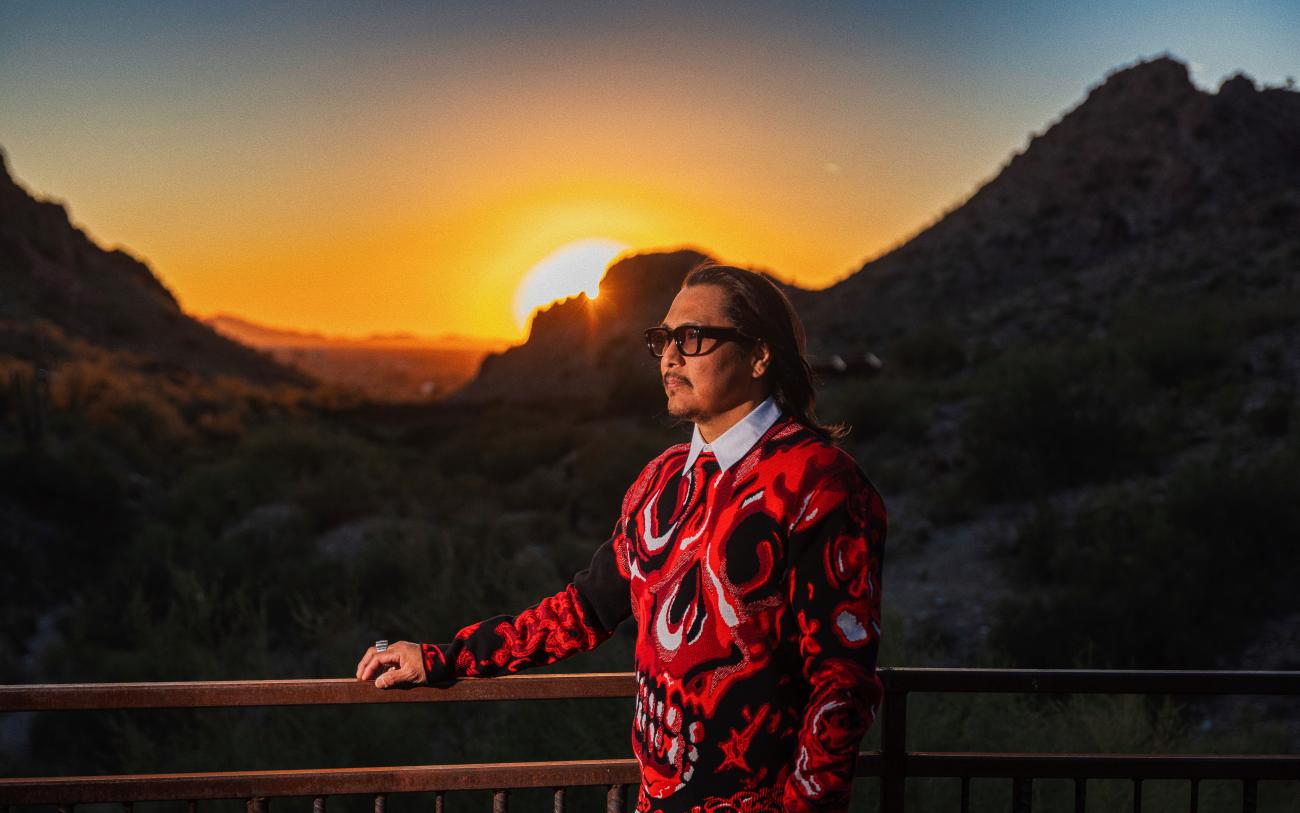
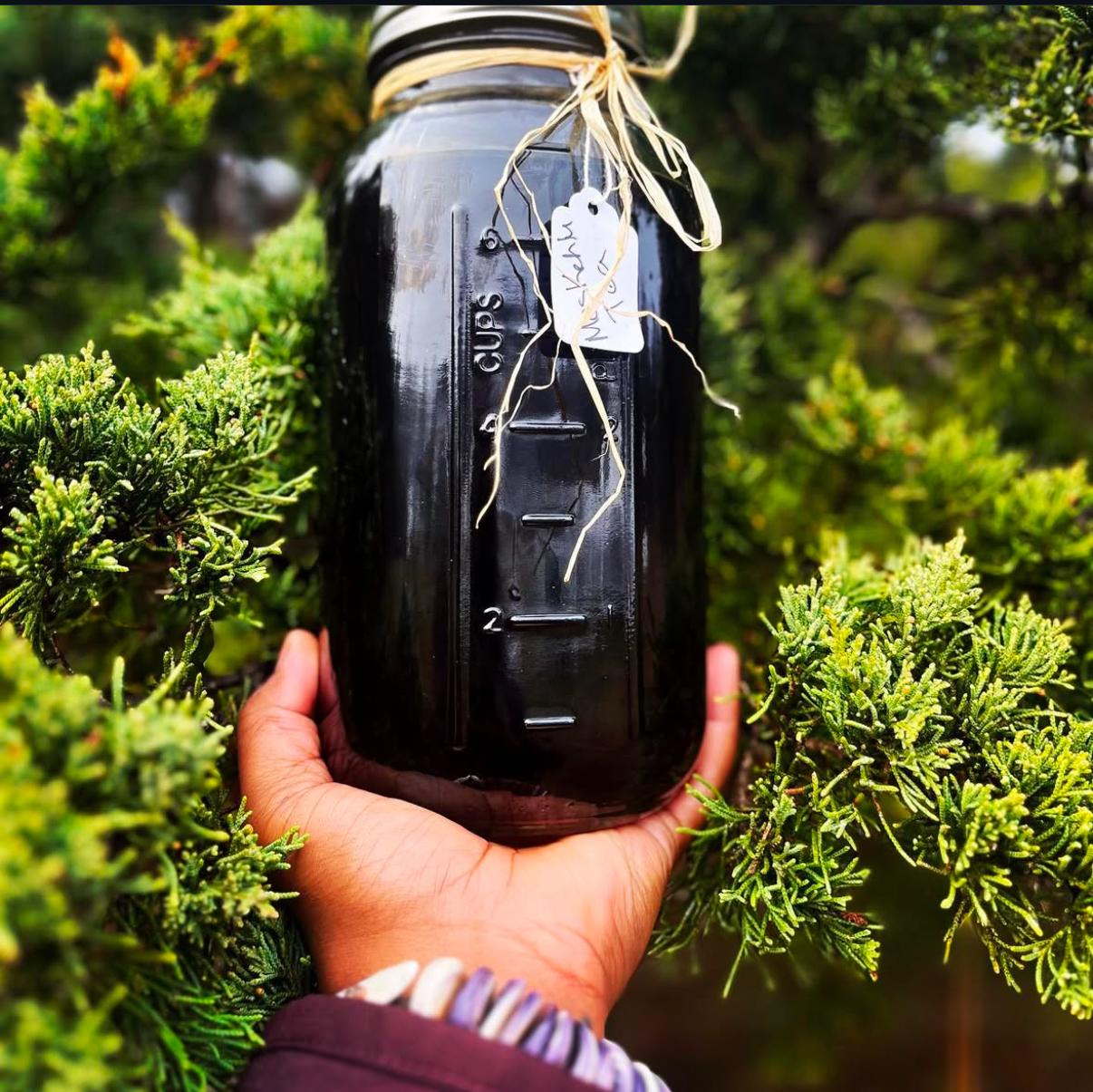
What does it take to stay present every day as an Indigenous man, artist, father, and recovering alcoholic and addict? Every morning I wake up with the sun and make my bed. I brush my teeth and wash my face, congratulating the man in the mirror. I push the power button on my thriftstore stereo, classical music echoing through the lo-fi speakers, and I light a sprig of cedar. Wafting the smoke onto myself, I walk through my home, speaking aloud everything that I’m thankful for and the gifts and blessings I’ve received.


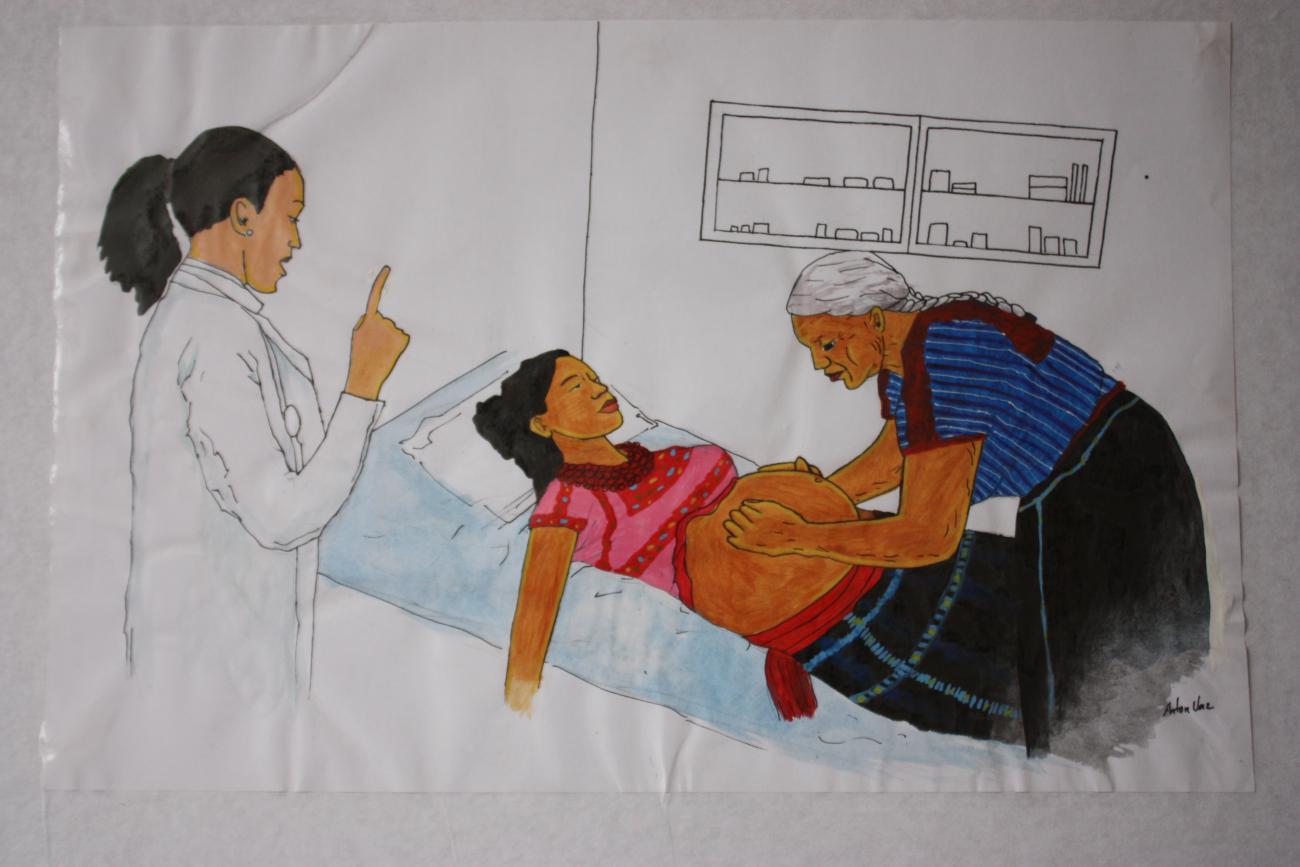
Before modern medicine imposed its standards for defining health and healing, Indigenous Peoples had already developed sophisticated forms of care that identified, treated, and alleviated illnesses. Developed over generations of intentional listening, communities maintained relationships through their traditional practices, grounded in deep ecological knowledge and the prioritization of communal ceremonies.


Belonging and connecting are rooted in the land that holds, nourishes, and expands our existence. It is a cyclical motion that embraces healing and wellness, leaning into the backbone of the ancestral constellation of knowledge. Cultural Survival’s Indigenous Youth Fellowship fosters these connections for youth in their community.


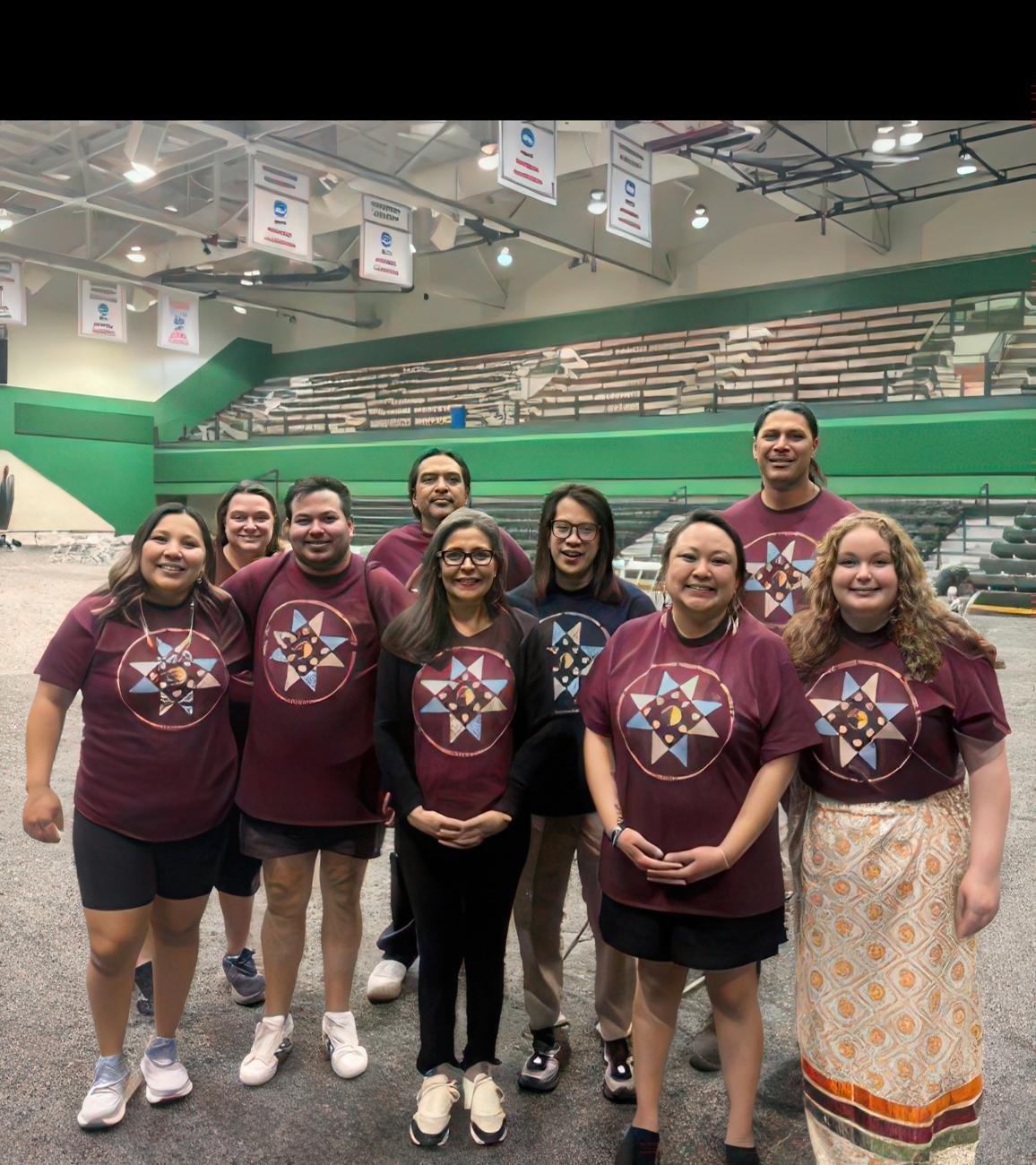
In 1990, Kathryn M. Buder founded the Buder Center for American Indian Studies within the Brown School at Washington University in St. Louis, Missouri. Since then, a total of 149 Master of Social Work (MSW) degrees have been earned and awarded through the Buder Foundation Scholarship. All scholars work with Native people and Native organizations on and off Tribal homelands, exemplifying the commitment of each graduate to acknowledge the needs of our Peoples and continue working toward future change.


Grounded in our traditional understandings and teachings, as well as social work values of justice and human rights, Indigenous social workers are making a difference in the health and well being of Indigenous Peoples around the world. The International Federation of Social Workers (IFSW) is the worldwide body for professional social work. It comprises over 120 professional social work associations representing over 5 million social workers. IFSW has formal consultative status with the United Nations and other global bodies.


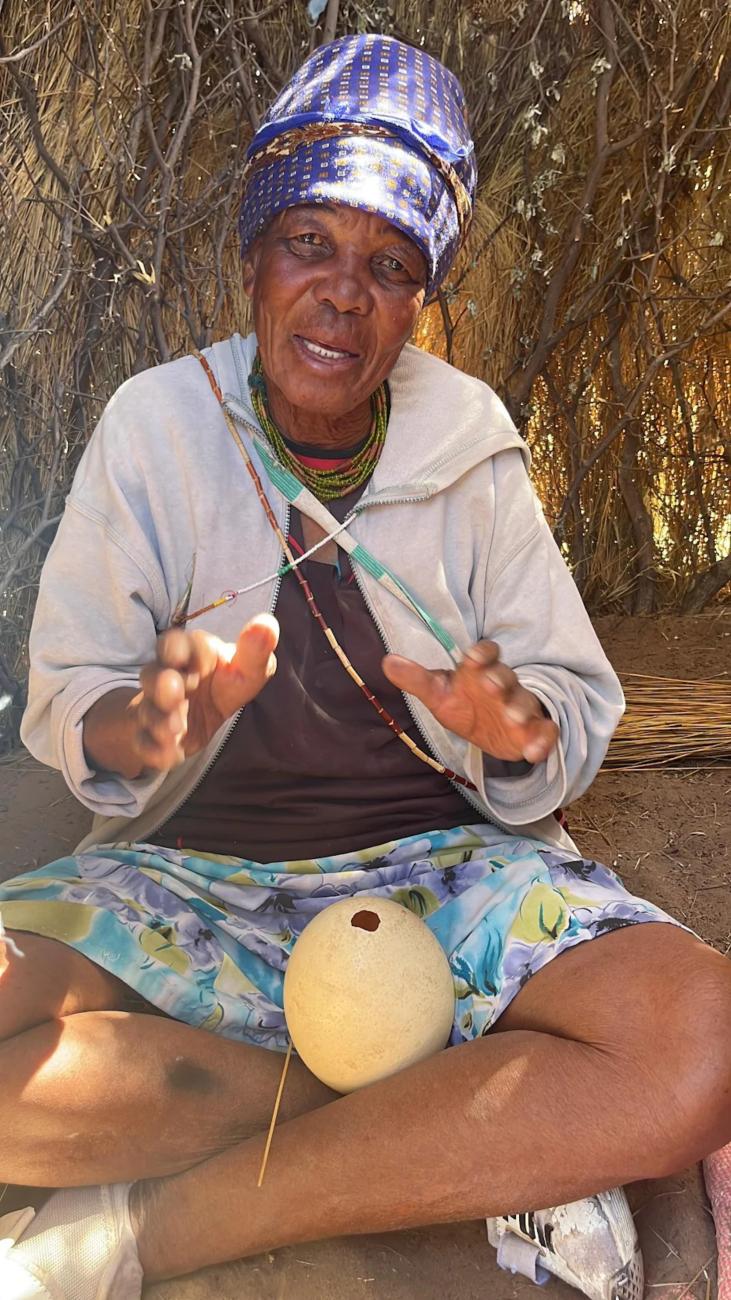
During Cultural Survival’s site visit to Botswana in April, we connected with grant partners and learned more about Indigenous communities from Maun and Chobokwane. Passing through New Xade, Gumare, and Ghanzi, we met with organizations and collectives of youth and women who are working to safeguard Indigenous Knowledge, identity, rights, and ways of life, and who demonstrated resilience and innovation in building the capacity of Indigenous communities, particularly youth and women.


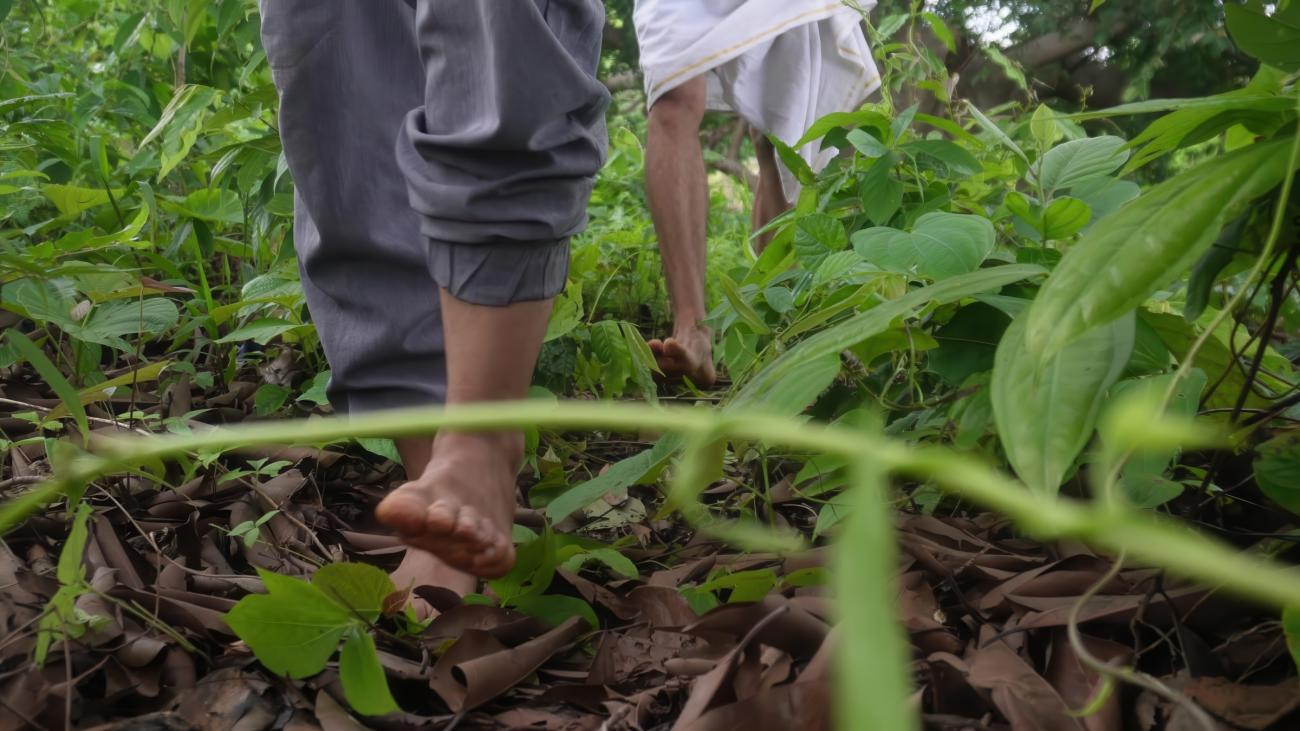
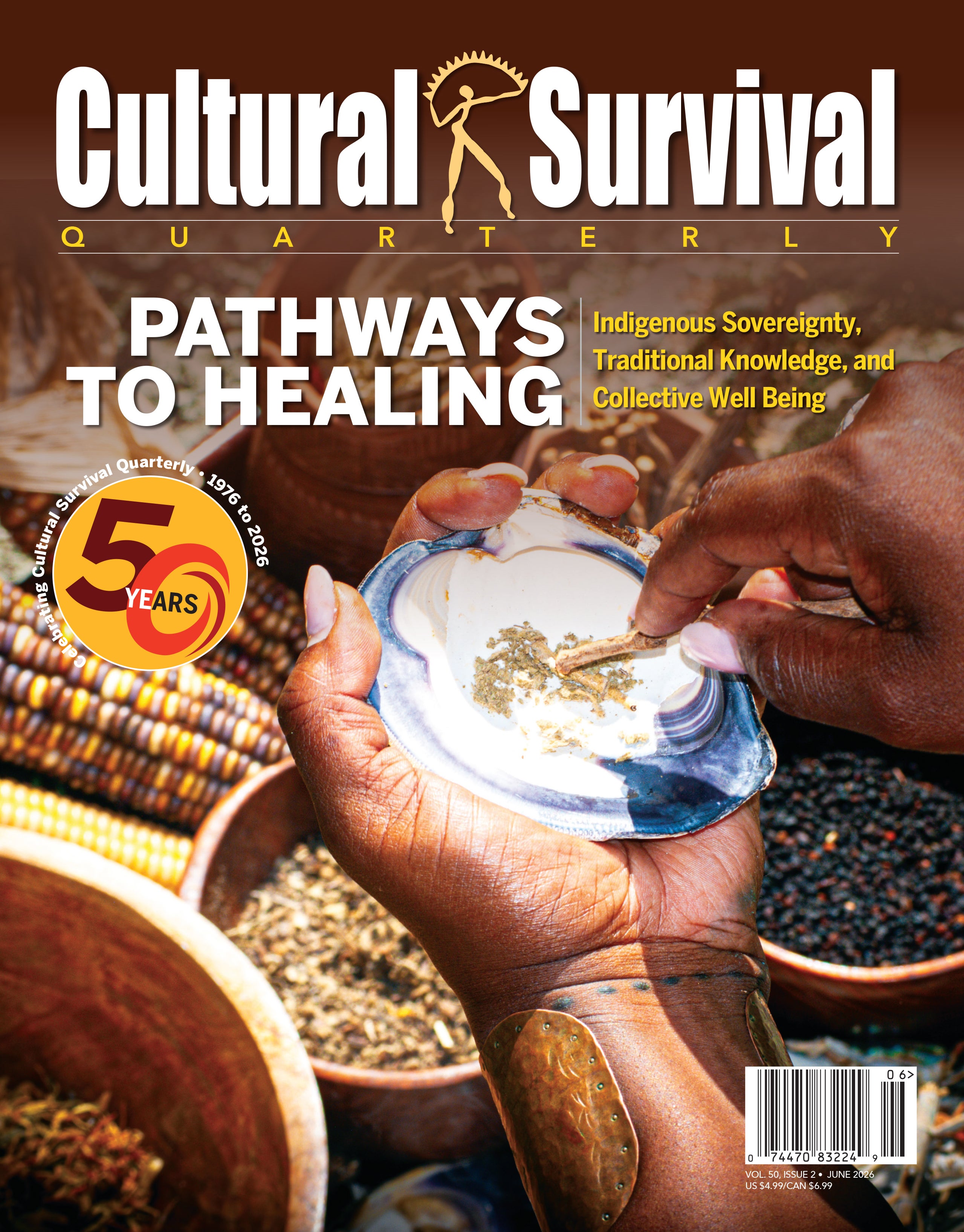
For thousands of years, Indigenous physicians, healers, and knowledge keepers have developed highly sophisticated systems of medicine grounded in careful observation of the natural world, relational accountability, and intergenerational learning. These systems are not historical artifacts—they remain active, living frameworks of care that sustain the health and cultural survival of Indigenous communities.