By Nichodimas Cooper (Nama, CS Journalism Fellow)
In 2025, as a Botswana-based heritage advocate and documentary storyteller, I was selected as a fellow in the first cohort of Cultural Survival’s Investigative Journalism Fellowship Program. The fellowship is part of the organization’s Indigenous Community Media Fund, which supports Indigenous journalists in documenting and reporting on issues affecting their communities. As a Namakhoen heritage advocate from Lokgwabe Village in Botswana’s Kgalagadi District, the fellowship offered a rare opportunity to bring global attention to the lived realities of Indigenous communities in the Kgalagadi region.
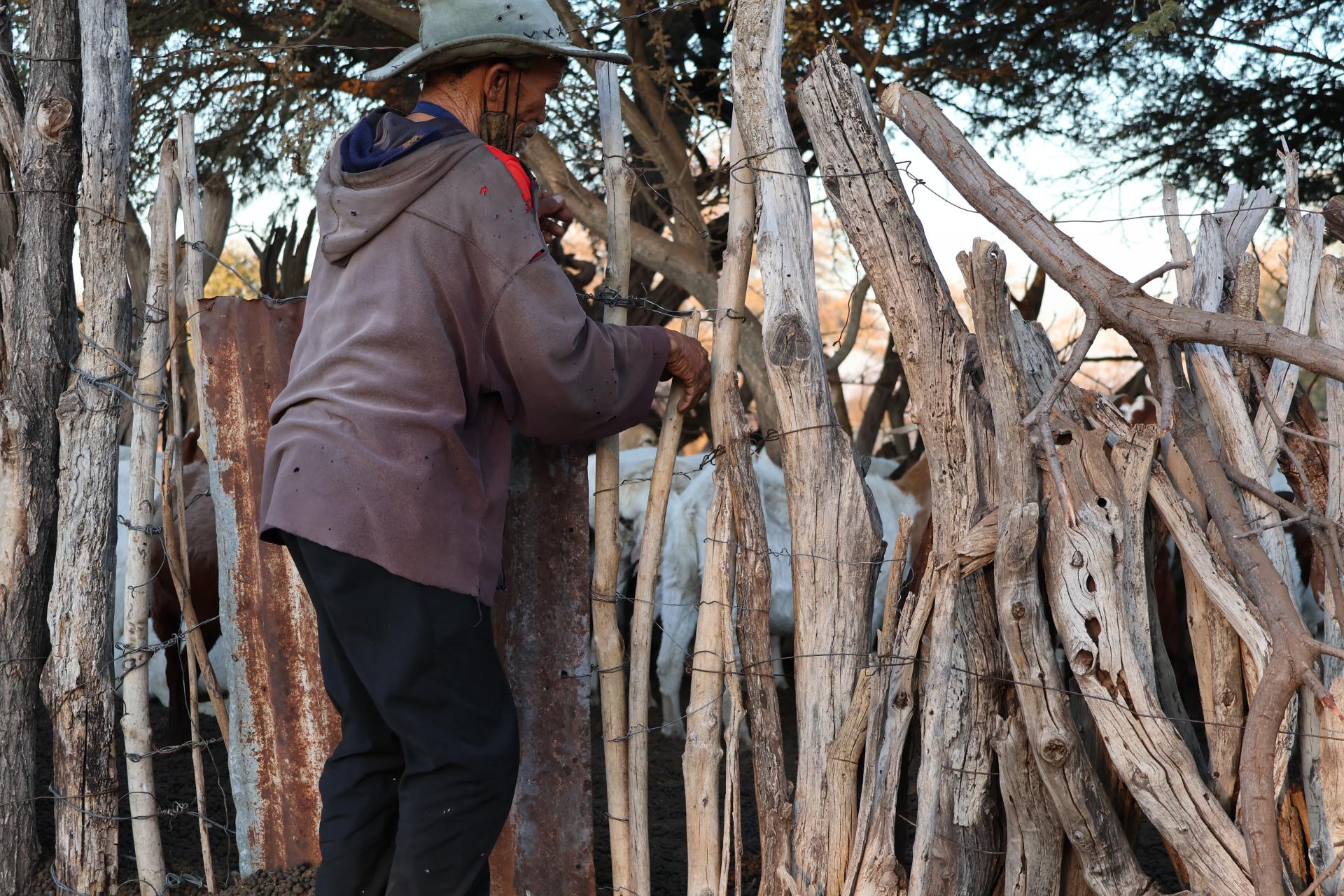
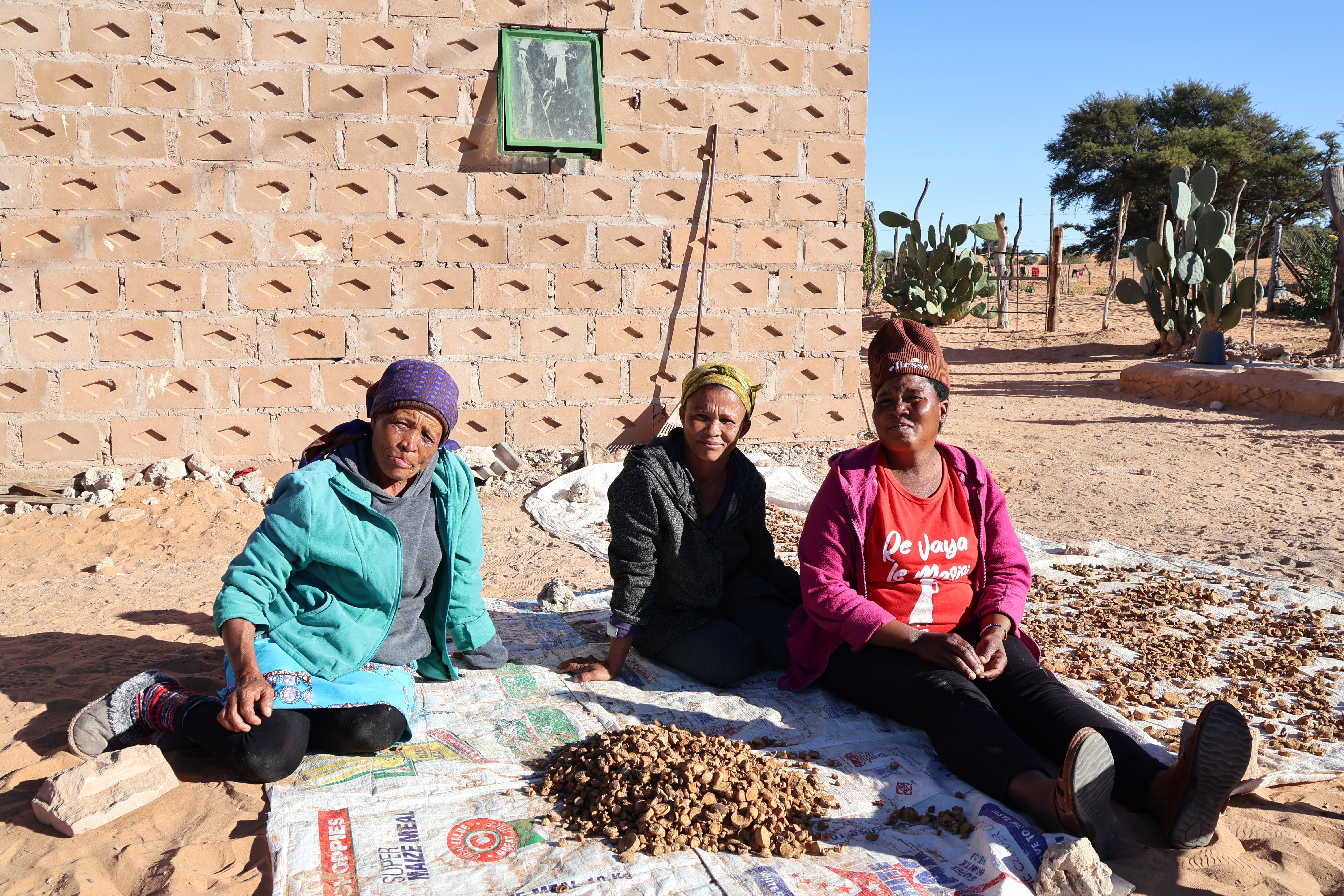
The fellowship, which ran from May 2025 to March 2026, provided financial and technical support for Indigenous journalists to produce investigative and multimedia stories that amplify Indigenous voices. As part of the fellowship, I undertook field research across the Kgalagadi District, covering four villages named Lokgwabe, Tshane, Tsabong, and Khawa, interviewing community Elders, traditional leaders, and local residents to document the impact of climate change on Indigenous livelihoods.
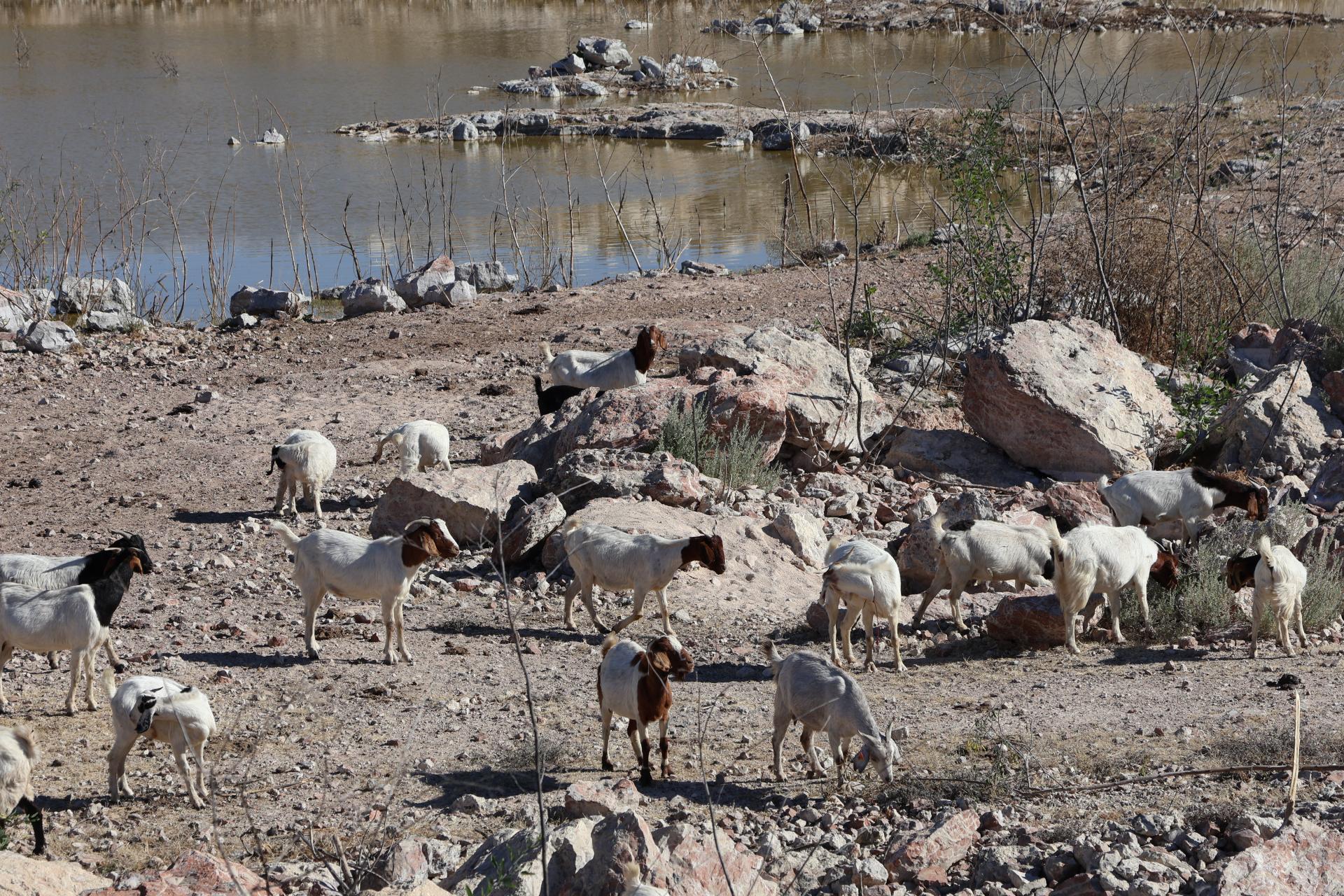
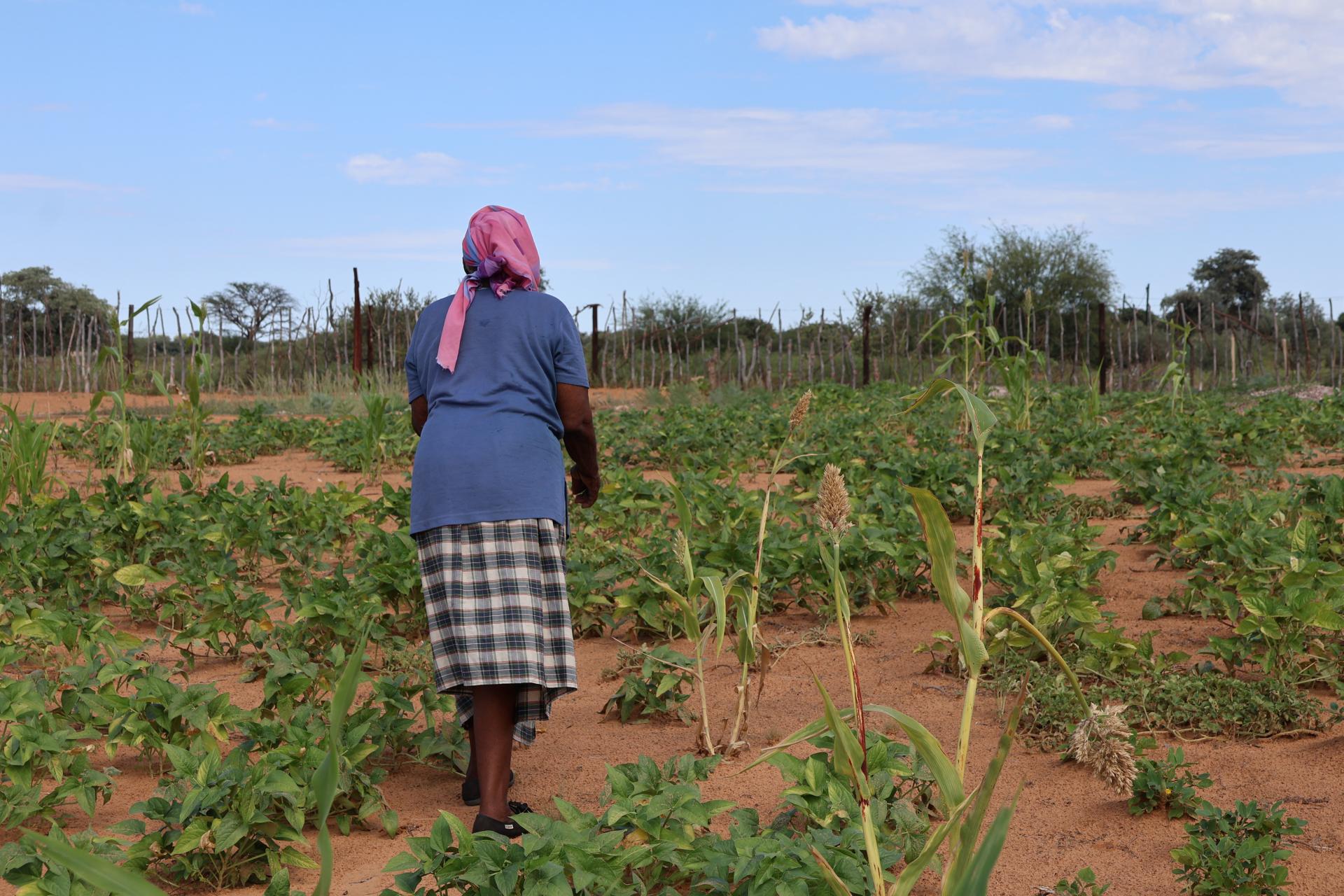
My project, which resumed during the past winter season, focused particularly on extreme cold and hot conditions, water scarcity, the existence and disappearance of some traditional medicinal plants, and environmental changes that directly affect pastoral and rural communities in the region. These changes are often overlooked in mainstream reporting, yet they deeply influence Indigenous ways of life, including traditional knowledge systems and food security.
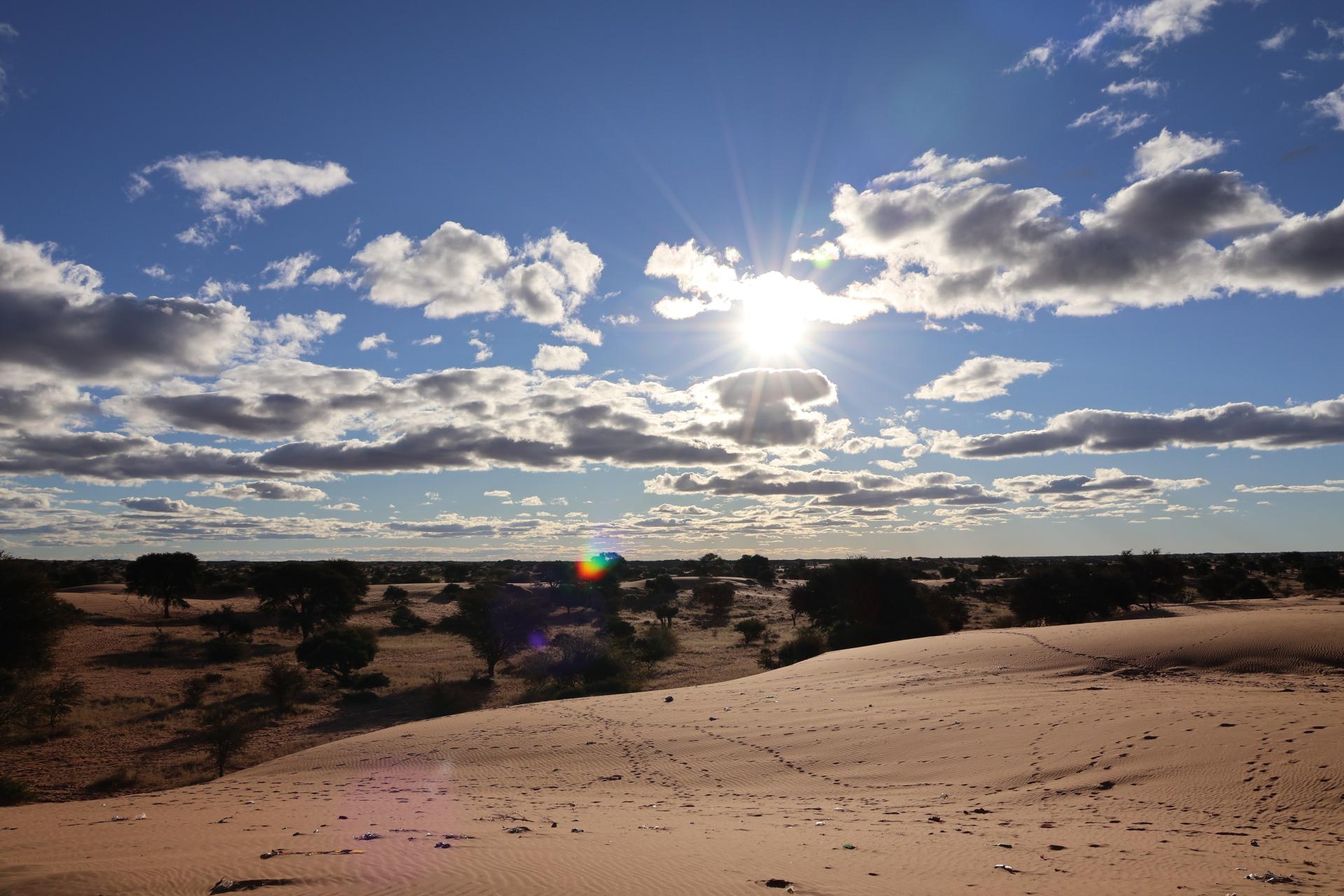
The centerpiece of the fellowship project is a 24-minute documentary film, "Namakhoen Voices In A Shifting Climate," highlighting the experiences of Indigenous communities confronting environmental change in the Kgalagadi Desert. Through interviews, landscape imagery, and community narratives, the film highlights how Indigenous resilience and traditional knowledge continue to guide adaptation strategies in harsh environmental conditions. The documentary also explores the historical context of the region, where communities such as the Namakhoen continue to live with the legacy of displacement following the German-Nama Genocide wars of the early twentieth century.
Beyond filmmaking, the fellowship requires fellows to engae directly with their communities. My project includes organizing local screenings and community discussions in Namakhoen-based villages, creating spaces where community members can reflect on environmental changes and discuss strategies for climate adaptation. The project scope also incorporates data visualisation tools, including maps and graphics that illustrate climate patterns affecting the Kgalagadi region in full consultation with environmental experts from government departments and other relevant stakeholders.
The fellowship also supports the dissemination of the documentary and related stories through media platforms and film festivals. The goal is to ensure that Indigenous perspectives reach both local and international audiences. Short video clips and storytelling segments will be shared and continue to be shared beyond the fellowship term on social media platforms such as YouTube and TikTok, helping amplify Indigenous voices in global conversations about climate change.
This fellowship is more than a professional milestone. It is a continuation of my broader mission to protect Namakhoen heritage, document Indigenous knowledge, and ensure that the stories of Kgalagadi communities are heard beyond the desert.
-- Nichodimas Cooper (Nama) is a 2025 Indigenous Investigative Journalism Fellow. Cooper passionately advocates for Indigenous rights and heritage preservation in Botswana. As an aspiring filmmaker and climate justice activist, he has dedicated his career to documenting the rich cultural tapestry and environmental challenges Indigenous communities face, particularly the Nama Peoples.
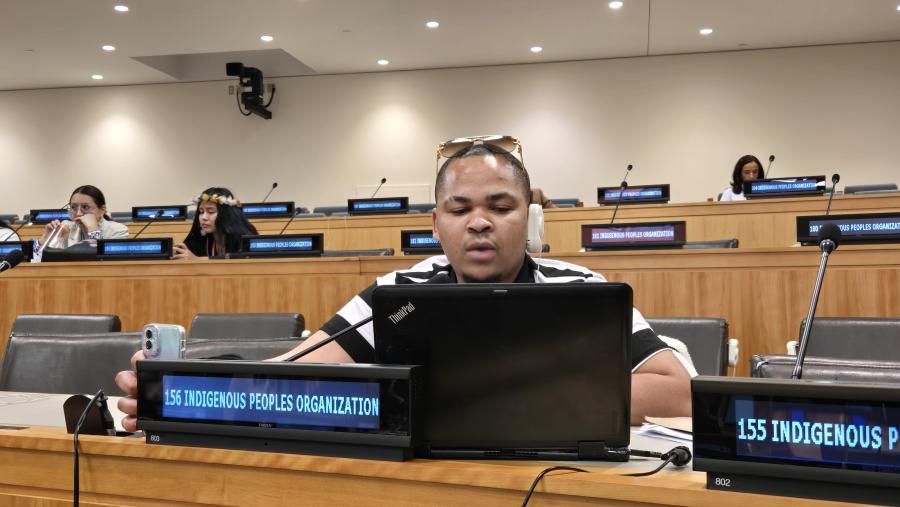
Cooper’s work emphasizes storytelling as a powerful tool for advocacy, amplifying marginalized voices while promoting cultural resilience and sustainable development. He has organized cultural festivals, established community-led museums, conducted research expeditions, built alliances with international organizations, including the Commonwealth Association of Museums and the International Communities Organization, and participated in global forums such as the UNFCCC Conference of the Parties (COP) and the United Nations Permanent Forum on Indigenous Issues. His fellowship will focus on the resilience of the Nama Peoples in the face of these changing conditions, as well as their deep connection to the land and the Traditional Knowledge they hold in managing natural resources.