By Phoebe Farris (Powhatan-Pamunkey)
One of the highlights of the annual Indigenous Journalists Association’s Indigenous Media Conference is the screenings of films produced, directed, and created by Indigenous filmmakers. The films at this year's conference, which took place in Portland, Oregon, July 22-24, 2026, wowed audiences once again.
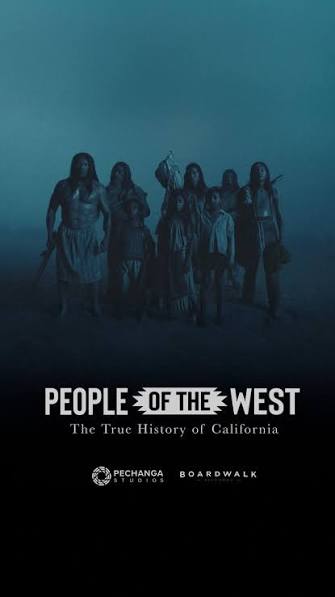
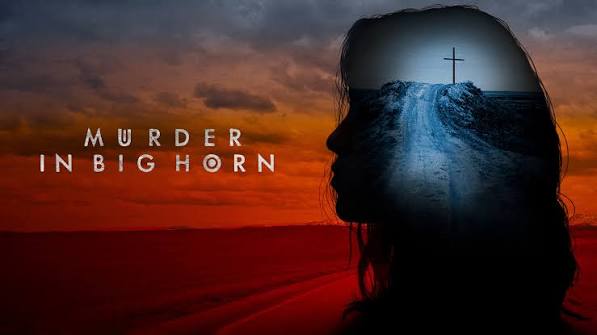
Some of the featured films and series were: “People of the West,” a 10-part documentary series presented by Executive Producers Brad Munoa (Pechanga Band of Indians) and Nico Magee (Pechanga Band of Indians), co-produced by Pechanga Studios; “Murder in Big Horn,” a three-part docuseries presented by Luella Brien (Apsaalooke), featured journalist Razelle Benally (Dine’/Lakota), Co-director Ivy McDonald (Blackfeet), and Producer Ivan McDonald (Blackfeet); “Respect the Rez,” presented by journalist Finn Wendt and Nick Zelle-Singh, Sports Editor of Cascadia Daily News; selections from OPB Indigenous Documentary Storytelling, sponsored by Oregon Public Broadcasting and presented by Kunu Bearchum (Northern Cheyenne, Ho-Chunk Nation), Producer Lillian Karabaic (Eastern Band of Cherokee), and OPB Producers Jessie Sears (Karuk) and Kami Horton; and “HULA: Becoming Kumu,” presented by Executive Producer Duy Linh Tu, Director/Producer Andy Lampard, and the Farhod family.
For this reviewer, the docudrama “People of the West” particularly stood out. It’s a 10-part series that relates the history of the state of California from the perspectives of current and past Native American Tribal members. The series focuses on creation histories and present-day realities, exploring the differences in how history is told from an Indigenous perspective versus that of European colonizers and present-day, western-oriented educators and historians.
One remarkable aspect of the series was the portrayals of the roles of women in the various Tribal communities. In talking circles, the women were heard and respected. If a woman’s decision on a specific issue was not chosen, the rejection was handled without criticism. As in many political conflicts, women often want to resolve problems peacefully to avoid bloodshed. But when people are attacked and their lands stolen, as in the case of the Spanish explorers in the 1600s, violence is inevitable. The violence portrayed in some episodes is historically accurate but not gratuitous.
Also important in the portrayal of the women was the accuracy of their appearance. In many films, Native women have long hair parted in the center and are dressed in fringed buckskin. While this may be accurate for some Tribes or regions, it was not, and is not, a universal manner of dress for all Native women in North America. The actresses wore Tribally-specific hats, skirts with grass-like material, and covered their breasts in a manner unique to California Tribes. The diversity of skin colors, hair textures, and physical features among both female and male characters enhanced the series’ accuracy.
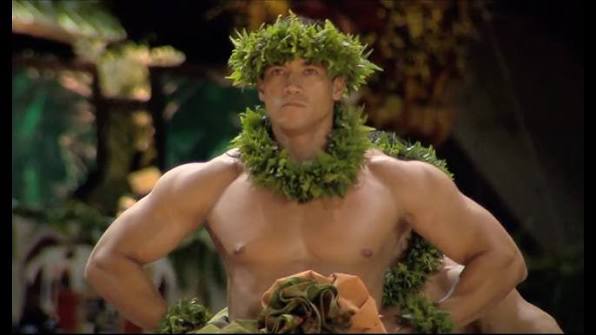
Still from "HULA: Becoming Kumu."
Until very recently, California public schools glorified the Gold Rush and Missionary eras and talked about California’s Native Peoples in the past tense. The blending of contemporary speech and conversations throughout the series, presented in 21st-century environments, helped emphasize that Native Peoples in California are “still here.” An important phrase heard during the screening was “No stories about us without us.”
“People of the West” is now being used in some school districts as a resource for middle schools, high schools, and in state universities as a component of Ethnic Studies, History, and Social Science standards. The 10 episodes utilize oral histories, animation, archival materials, and dramatization of pivotal events such as broken treaties, forced boarding school education, forced religion conversion, slavery, gaming, and ceremonial and Tribal identity.
During this year’s Indigenous Media Conference and elsewhere, Munoa has emphasized that Indigenous storytelling is not just for entertainment: it is for survival. Music, storytelling, movement, and creation histories are necessary for preserving one’s continued and future existence. He reminds audiences that “The series is an independent, Tribally-owned production, grounded in sovereignty, authenticity, and community responsibility.”
“People of the West” was selected to screen some of its episodes at the upcoming 10th annual Pocahontas Reframed Film Festival, which will take place in Richmond, Virginia, from November 18 to 22, 2026.
--Phoebe Farris (Powhatan-Pamunkey descent) is Contributing Arts Editor for the Cultural Survival Quarterly magazine. An art critic, curator, author, and photographer, she has written extensively on Indigenous visual, literary, and performing arts for over two decades. Farris is also a Professor Emerita of Art and Design at Purdue University and has curated and contributed to exhibitions highlighting Native and global Indigenous artists. Her work bridges scholarship, creative practice, and advocacy, amplifying Indigenous voices in contemporary art and media.