What kinds of knowledge do we need to tackle the climate crisis? We know that a science that merely measures destruction is not enough. We need knowledge that can engage with the Indigenous, Quilombola, and traditional wisdom of the peoples who have been caring for our planet for centuries.
The knowledge of Indigenous, Quilombola, and traditional communities is not merely complementary to climate science: they are living ways of generating solutions, interpreting the Earth’s signals, protecting ecosystems, and building collective pathways in the face of the crisis. The Youth for Climate program has demonstrated the power of this ancestral knowledge in addressing climate change when combined with collective action, communication across territories, and youth leadership.
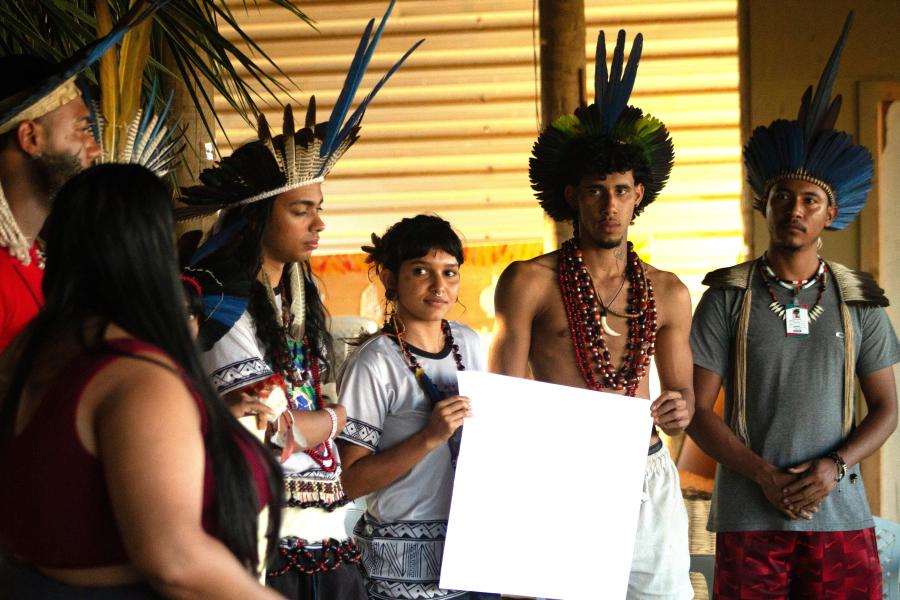
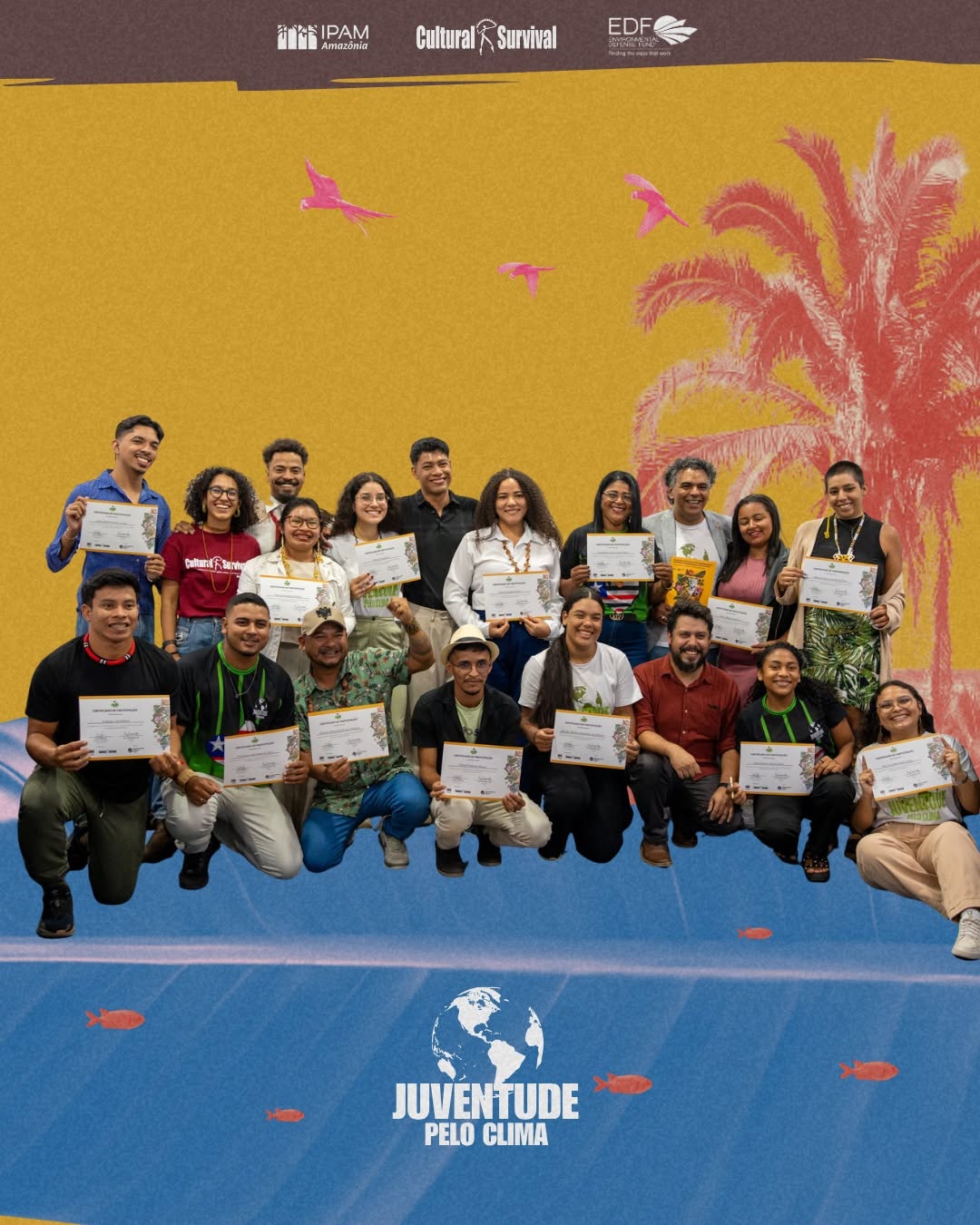
The result of a partnership between Cultural Survival and IPAM (Amazon Environmental Research Institute), Youth for Climate was a long-term capacity-building program in which 18 youth from Indigenous, Quilombola, and traditional communities in the Amazon region participated. Over the course of a year and a half, these 18 youth discussed how climate change has impacted their territories and how their communities’ traditional technologies, knowledge, and practices can help mitigate and adapt to the effects of the climate crisis.
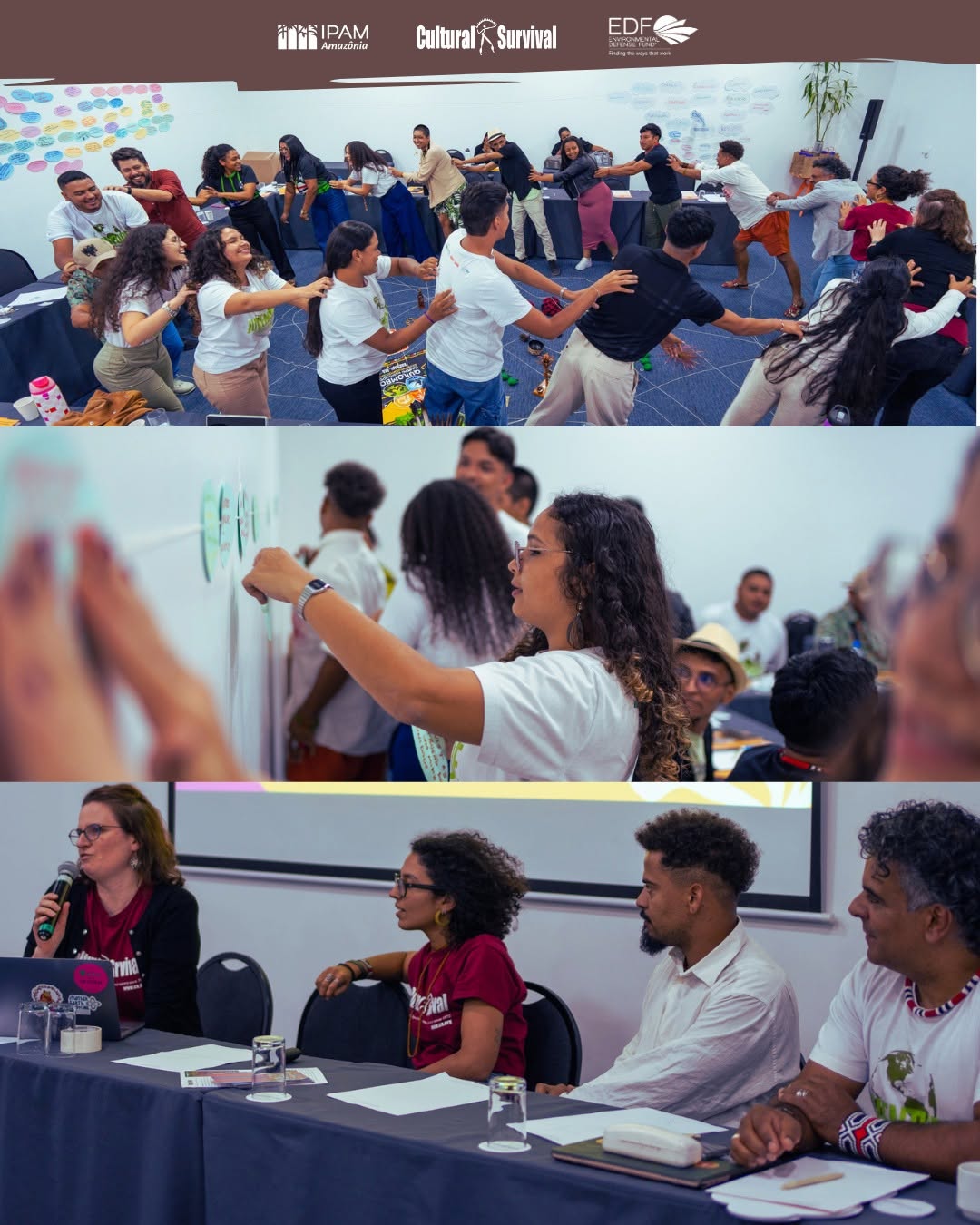
The first phase of the program involved more than 30 weekly online sessions and one in-person meeting, and resulted in a training course on climate-related topics and community realities, integrating scientific knowledge with that of Indigenous peoples, Quilombola communities, and traditional forest peoples. Drawing on this knowledge, each of the 18 participants developed a Climate Adaptation Plan for their territory, while also producing a short documentary film about the process of creating each plan.
Youth for Climate has equipped these young leaders with the tools to raise funds for their own initiatives, from developing ideas and drafting concept notes to designing projects, organizing budgets, and producing communication materials for outreach. Some participants have already secured funding and are implementing their projects in their local communities.
Between March and April 2026, these same 18 young people from Indigenous, Quilombola, and traditional communities in Brazil led a series of webinars on Cultural Survival’s communication channels. The Youth for Climate webinar series was designed to celebrate, promote, and bring international attention to the powerful initiatives and visions for the future of these young people and their communities. In total, there were three interactive sessions featuring international guests and bringing together testimonials from different peoples both within and outside Brazil.
Taking a holistic approach to climate issues in line with traditional worldviews, the webinars were structured around three main themes: fire, water, and biodiversity. The exchanges and connections fostered by these enriching gatherings reinforced the understanding that territorial rights struggles are globally interconnected, and that young people act as active agents of change, increasingly occupying spaces of decision-making and communication.
The webinars also emphasized that the preservation of forests, water, and biodiversity depends directly on the protection of traditional territories and their populations. Protecting these territories means ensuring the continuity of life. Living territories are essential for building possible futures, and defending them is an urgent and collective responsibility.
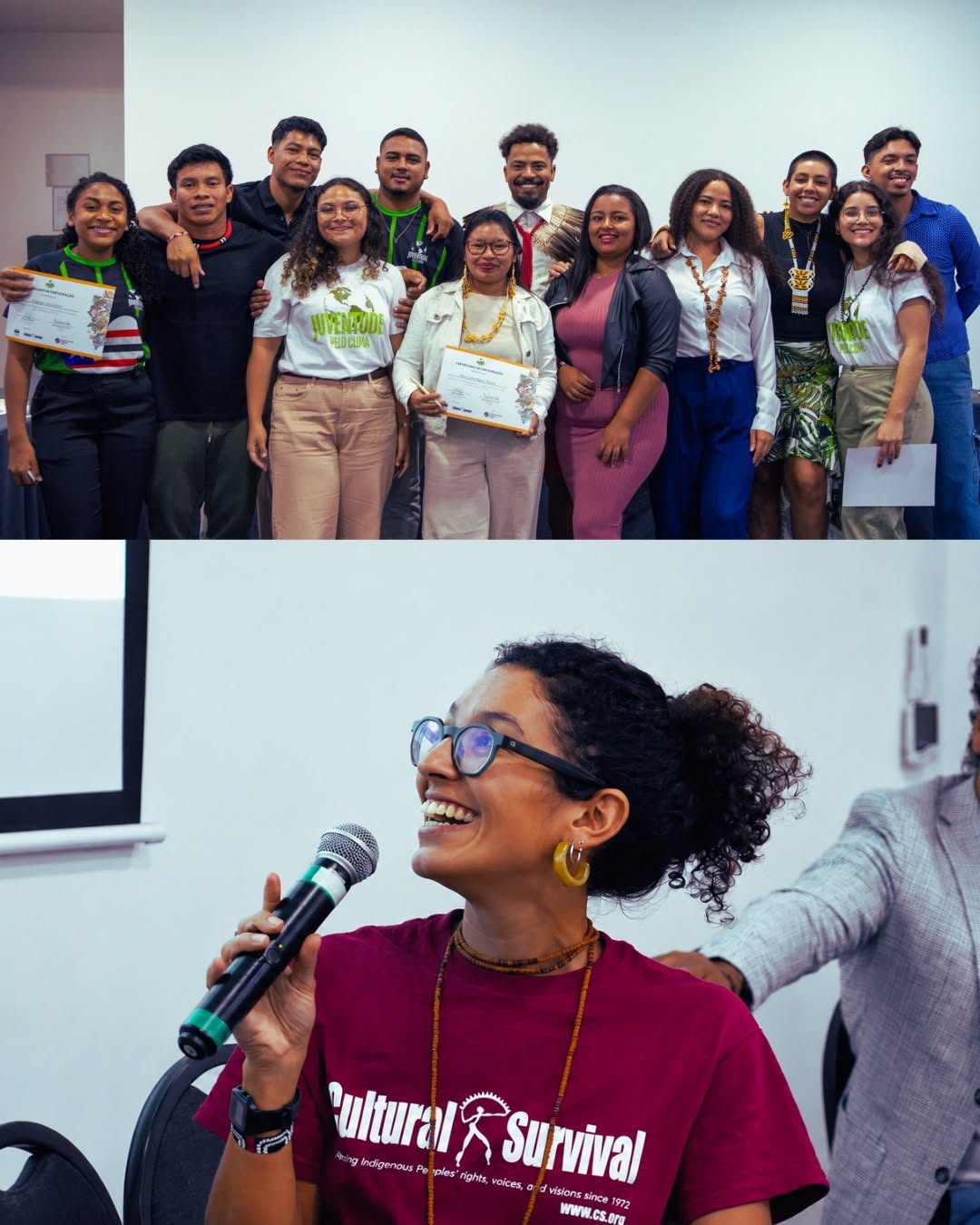
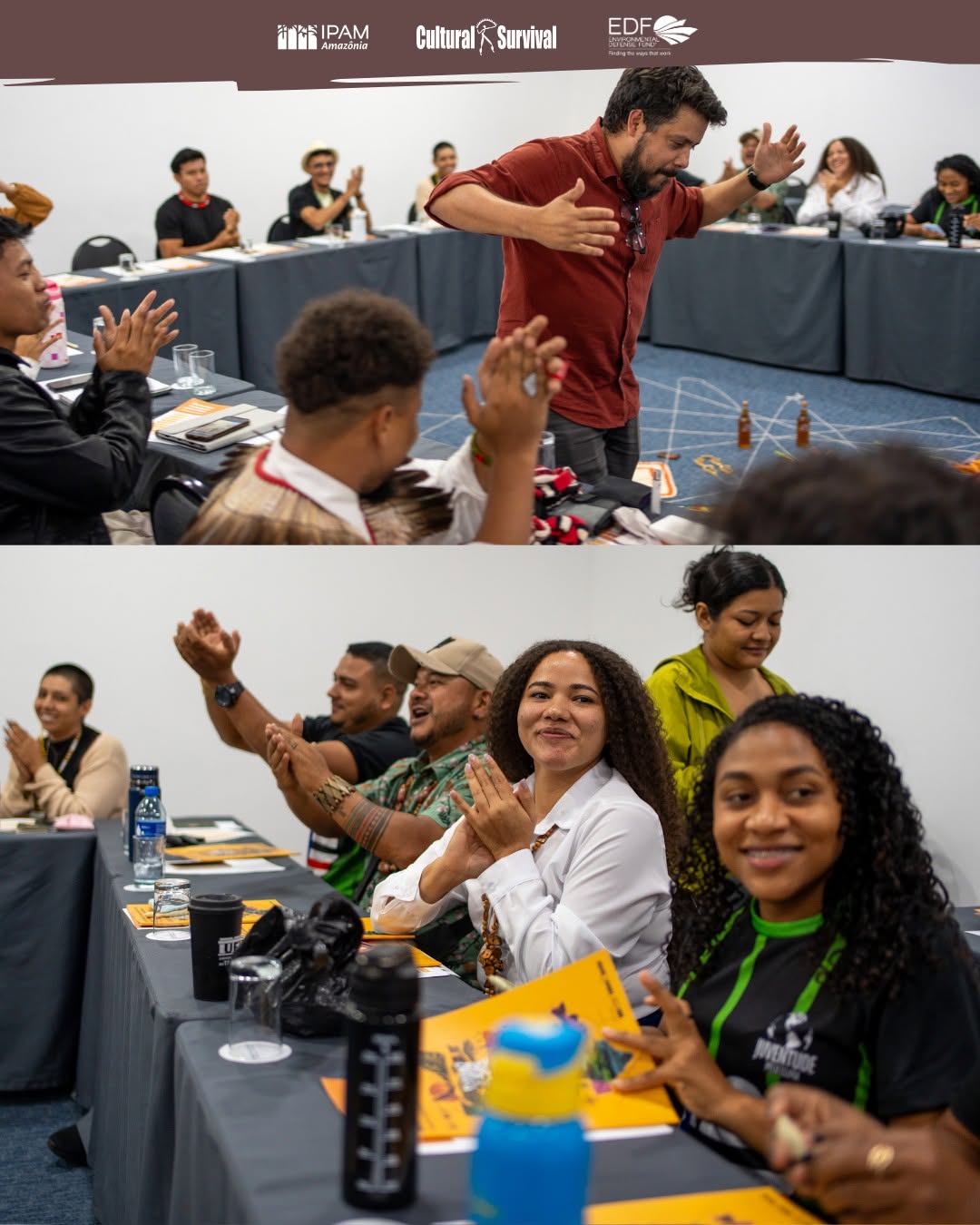
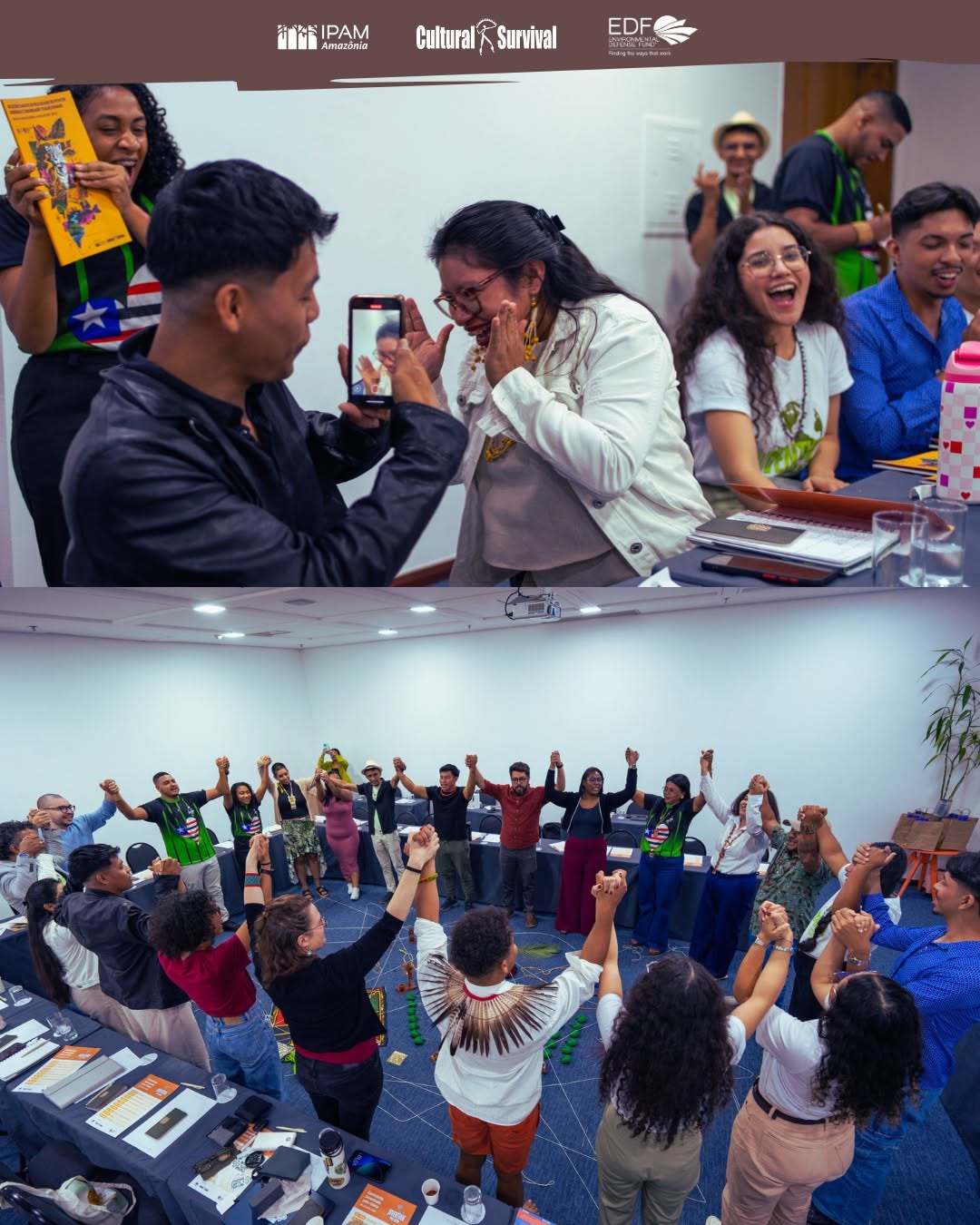
In addition to the webinars, we held the closing event for this first cycle of the Youth for Climate program in Brasília on June 5, 2026. This powerful in-person gathering of young leaders, who have worked side by side for over a year, was also attended by teams from Cultural Survival and IPAM, as well as partners from other organizations and a UN agency, further strengthening this network of young people, territories, and possible futures.
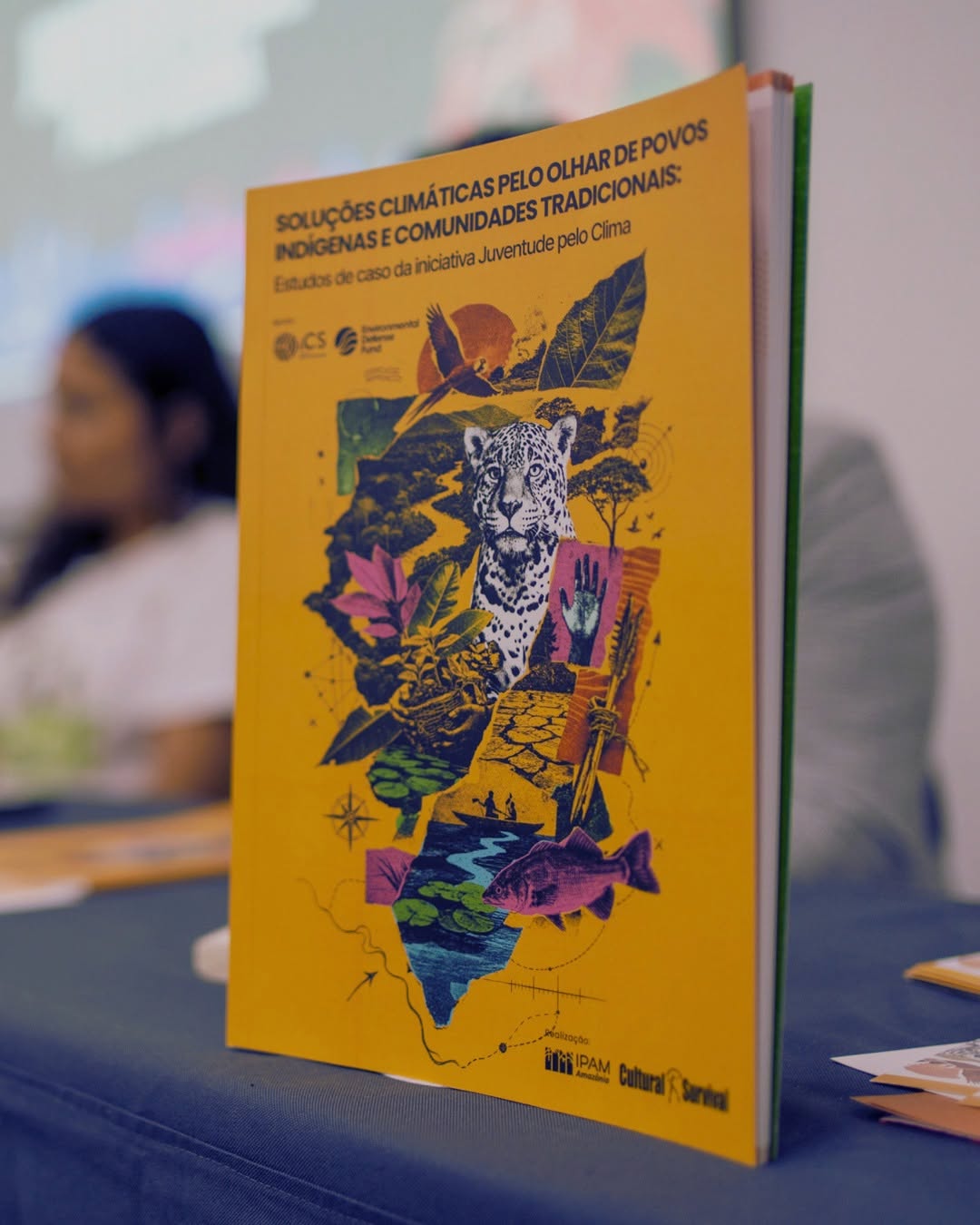
The event featured the launch of the book “Climate Solutions Through the Eyes of Indigenous Peoples and Traditional Communities: Case Studies from the Youth for Climate Initiative,” produced with support from the Climate and Society Institute (iCS) and the Environmental Defense Fund (EDF). The book serves as a summary and final product of the program, resulting from a collaboration between the IPAM and Cultural Survival teams, in partnership with the 18 youth participants. The book is avaiable in English, Portuguese, and Spanish.
And if Ailton Krenak is correct in stating that “the Future is Ancestral,” it is a sign that for Indigenous peoples, nothing ever truly ends. We are always moving toward a new cycle. Nego Bispo, a renowned Quilombola leader, echoes this sentiment, saying: “There is a beginning, an end, and then a new beginning.” With hope and enthusiasm, we resume our search for new partners who can help replicate the Youth for Climate model in other regions of Brazil and around the world. Endings are kin to beginnings.
Another great defender of the forests, Chico Mendes, reminded us of the power of local action to impact the world: “At first, I thought I was fighting to save rubber trees [...] Now, I realize I am fighting for humanity.” And so, with hearts full, we plant seeds of dreams, of memory, and of the future, celebrating the present and honoring the past, weaving networks of solidarity, networks of affection, and networks of resistance.
Collectively authored by:
Ana Julia Machado, Angagu Lua Kuikuro, Brenda de Alencar, Breno Amajunepá, Cinelândia Souza, Daiane Felipe, Fernando Neves, Keila Câmara, Luano Guerreiro, Lucas Cunha, Maicon Nicacio Rocha, Newiwe Top’ Tiro, Railson Kokama Pereira, Rilary Borari, Safira Ribeiro, Vera Ye’pa Mahsã, Rafael Pedroso Moura, Rotokwyi Airomkenti (Youth for Climate), Ray Pinheiro (IPAM), Carmem Cazaubon, Edson Krenak, Djalma Ramalho Araña Caboclo (Cultural Survival).
We also thank Martha Fellows and Paula Carolina (IPAM) for their support during the first phase of the program.