By Kelaia Acevedo (CS Intern)
Before modern medicine imposed its standards for defining health, well-being, and healing, Indigenous Peoples already developed sophisticated forms of care that identified, treated, and alleviated illnesses. Developed over generations of intentional listening, communities maintained relationships through their traditional practices, grounded in deep ecological knowledge and the prioritization of communal ceremonies.
Through Cultural Survival’s Indigenous Youth Fellowship Program, three young Indigenous women sought to share this ancestral knowledge intergenerationally. Ailing from communities of the Muisca in Colombia, the Ngäbe from Costa Rica, and the Kichwa Otavalo from Ecuador, the Fellows are revitalizing pathways their maternal figures once walked. In recentering the lifeways of the feminine, traditional knowledge on midwifery, menstruation, herbalism, and womanhood are once again accessible to their communities.
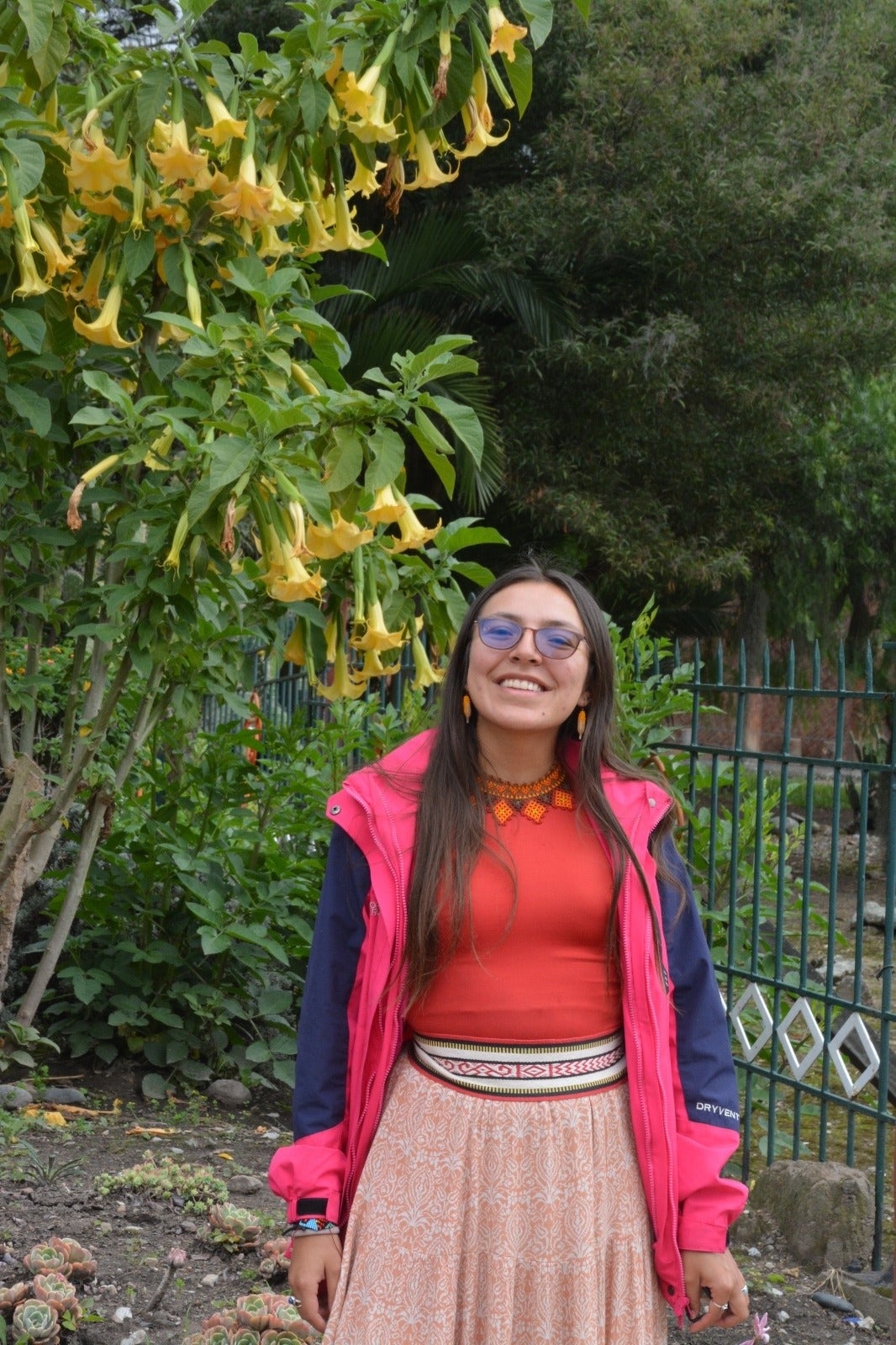
Gabriella Garibello Daza (Muisca), Colombia
2025 Youth Fellow
Gabriella Garibello Daza is a member of the Muisca tribe from the territory formerly known as Mhuykytá, now referred to as Bogotá, Colombia. She studied literature at Javeriana University in Bogotá, co-founded the Tinzi (“to bloom,”) Indigenous collective, and is a leader of the Bosa Native Language Revitalization Program. These experiences, including facilitating spaces for topics such as cultural identity, health, oral traditions, and Indigenous education, have guided her work and efforts in her community. She is currently an apprentice, immersing herself in Muisca ancestral medicine and midwifery.
In Cultural Survival’s Indigenous Youth Fellowship program, Gabriella—along with the support of Erika Samantha Galeano, Wendy Lorena Díaz Pachón, and Deina Catherin Tovar as co-coordinators—created a space for the retention of knowledge in women’s medicine, midwifery practices, and herbalism through the Indigenous Muisca perspective. Named after a pre-established school, “Escuela de Formación en Medicina Natural de Mujer y Partería Tradicional Muisca” (School of Training in Natural Medicine for Women and Traditional Muisca Midwifery), this project illustrated the significance of reintegrating Indigenous identities through community building and information exchange.
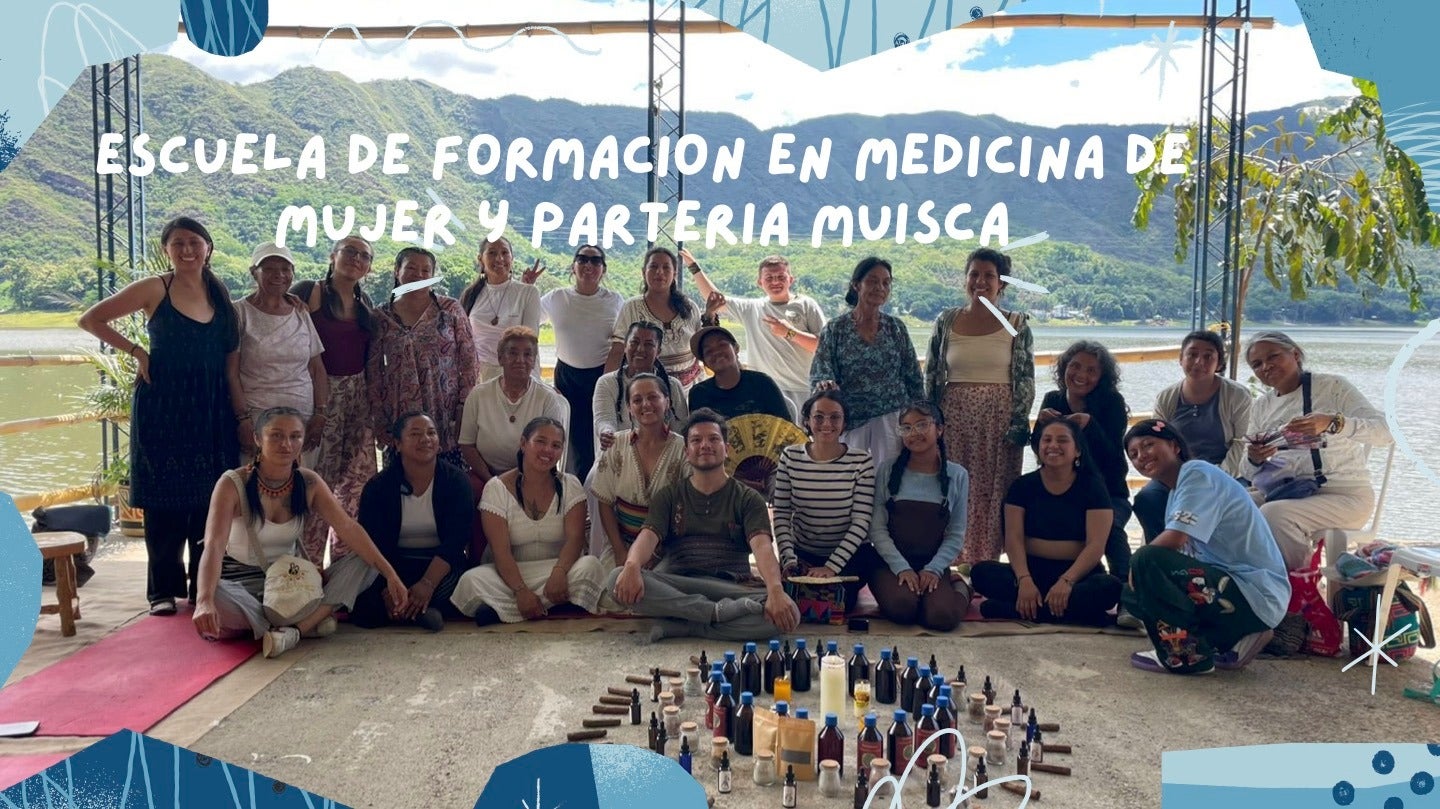
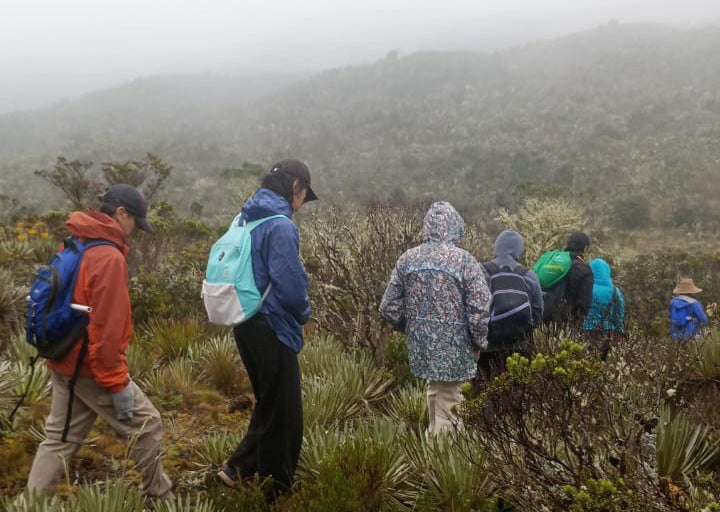
An outing with the, “Escuela de Formación en Medicina Natural de Mujer y Partería Tradicional Muisca”
Their mission was to center and engage Muisca women through preventative work, contributing to their physical, emotional, and spiritual well-being. Daza recounts, “Women in these communities are usually caring for others, but they don’t often have the time to care for themselves.”
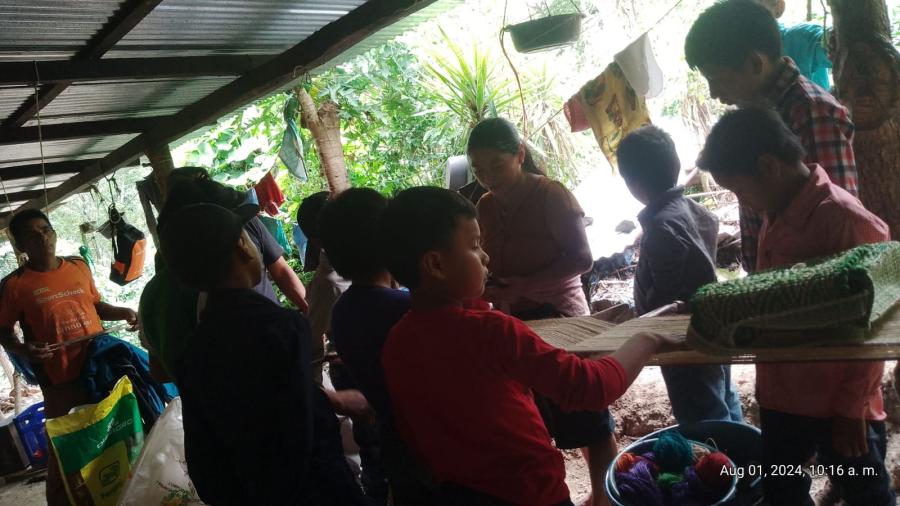
Over 8 months, 20 participants from four Muisca communities met once a month to engage in knowledge transfer. The work was divided into four spirals: Tasqua (“thought”), Quyca (“territory”), Puyky (“heart”), and Sie (“water”). In total, there were eight respective and immersive capacity-building workshops supporting the themes. Within each spiral, different aspects of Muisca knowledge were brought together. Topics such as weaving, menstruation and lunar cycles, womb work, traditional massages, baths, steams, and herbalism were applied throughout the project.
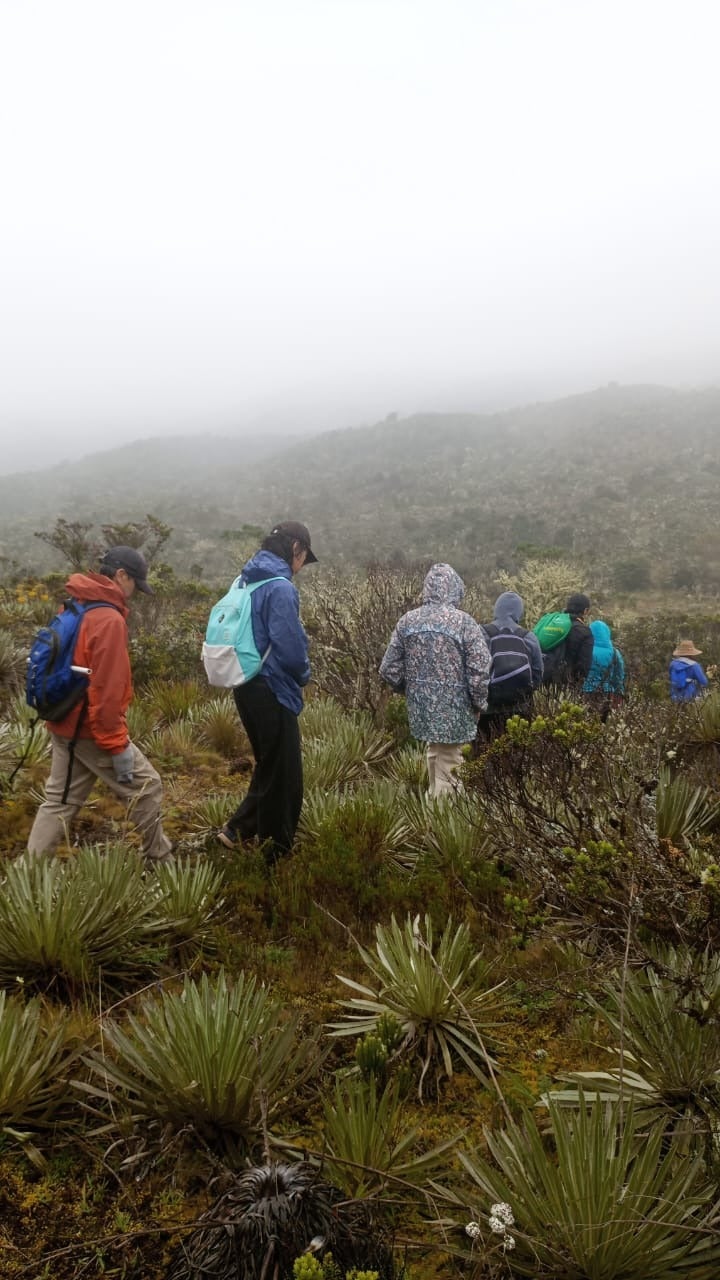
At the end of the project, Gabriella learned that she is more than capable of holding spaces for the communities that once poured into her. This knowledge has strengthened her desire to create spaces for women, by women, as she now understands that this level of connection is not only for learning and strengthening, but also for healing. In this intergenerational knowledge transmission, the women in the Muisca communities are pioneers. “The path of a leader is in company and not individually”, shares Gabriella. “It’s not about one person leading everything, it’s a shared responsibility.”
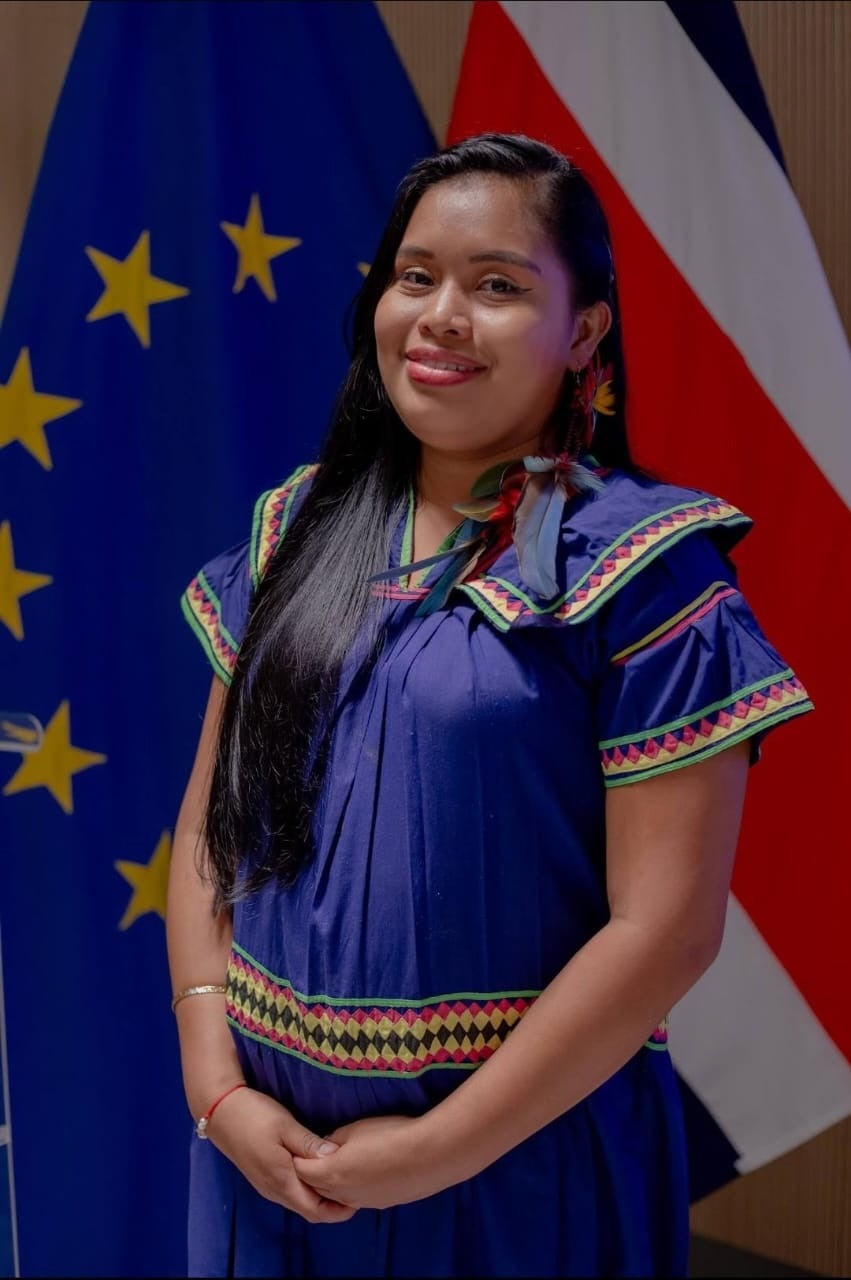
Thalía Jiménez Tomás (Ngäbe), Costa Rica
2025 Youth Fellow
Thalía Jiménez Tomás is a Ngäbe Indigenous woman residing in the Limón province of Costa Rica. She is a co-founder of the Meri Derikä Ngäbe Association (Ngäbe Women Leaders of Sixaola) and holds a degree in Local Management for Indigenous Peoples from the National Distance Education University (UNED). In 2018, she was a key figure in the creation of Law Number 9710, recognizing the identities of Indigenous and Tribal people and laying out protective procedures in respect to their being. For her work with the Indigenous Women’s Organization and promoting the rights of the Ngäbe people, Thalía is a recipient of the 2024 European Union’s Gender Equality award.
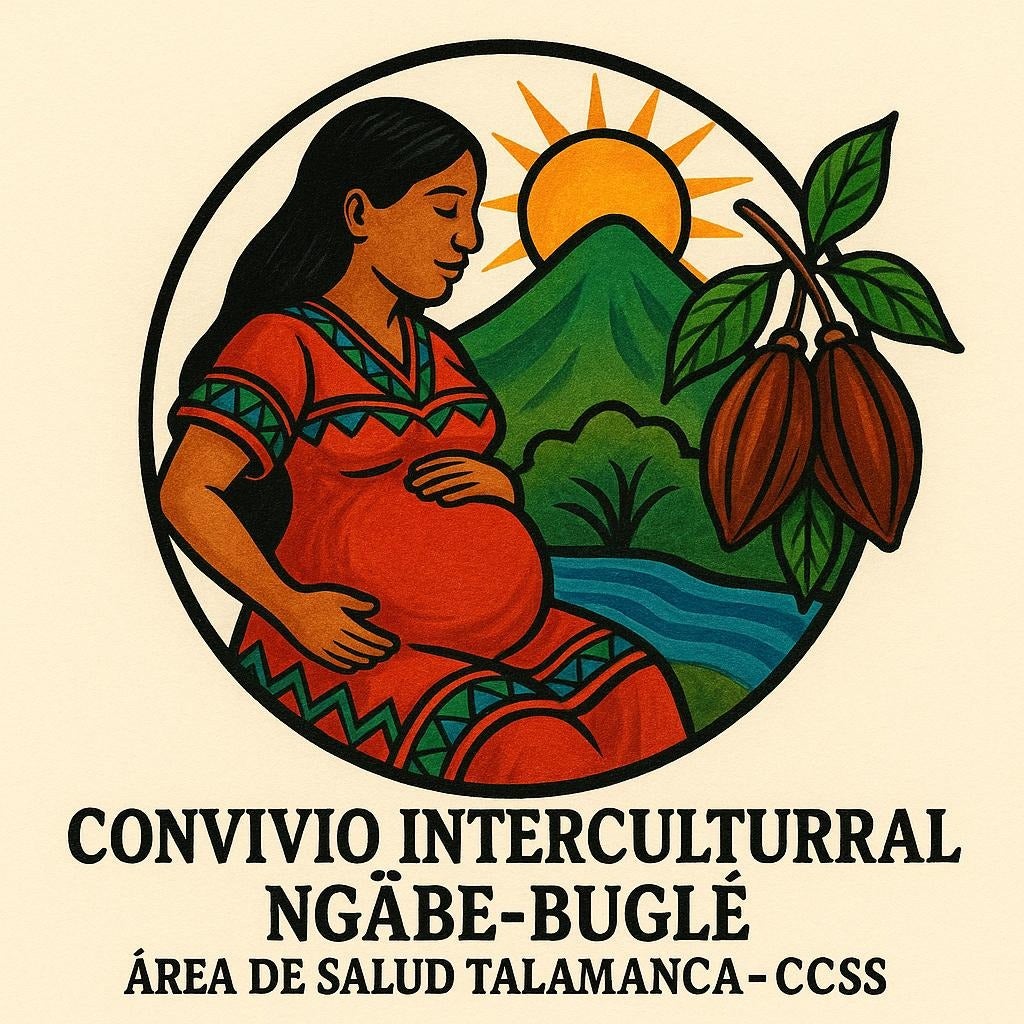
The aim of her project, “Meritre krägae Dean nain, migatrë gare monsotre ngäbere (Salud Materna como visión en la Juventud Ngäbe),” was to facilitate the recovery of intercultural maternal health knowledge between Ngäbe midwives, women, youth, and State-sanctioned healthcare.
Promotional flyer
Ngäbe women identify how difficult it is to access medical care because of the distance and travel required. When Ngäbe women go to healthcare centers to give birth or receive medical care, they often face a language barrier. Due to this lack of communication, they risk consenting to treatments that are not respectful of their Indigenous cosmologies, or simply do not understand what they’re consenting to. While there is a law preventing this, communities may not always be aware of it. Usually, mothers give birth at home, and when they are applying their children to school, they face the issue of not having a birth certificate. The State does not have evidence or documentation that the child resides in Ngäbe communities or is a citizen of Costa Rica. These lived experiences highlight some of the reasons this project was born.
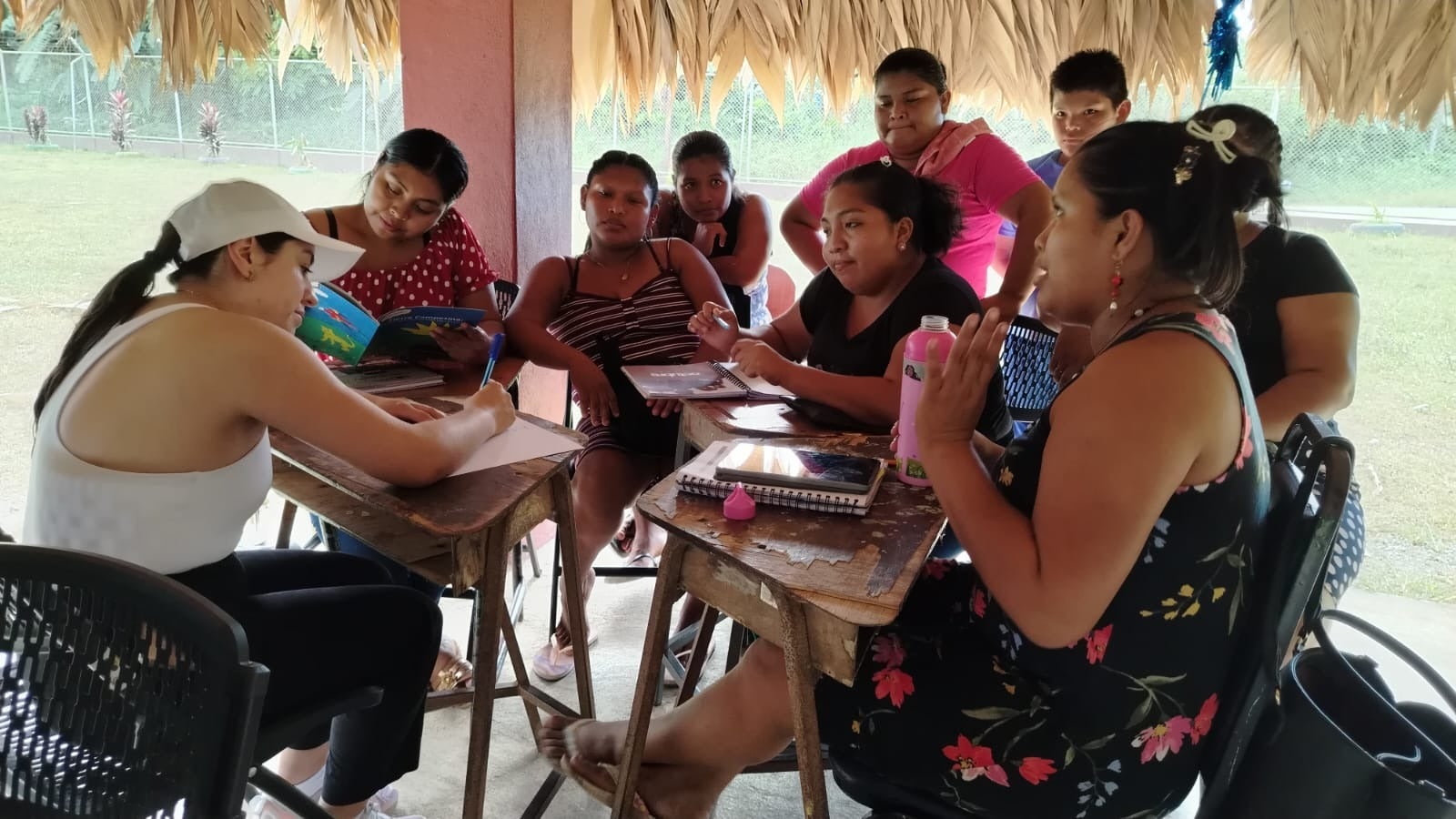
Cultural meeting exchange among Ngäbe women, youth, and advisors
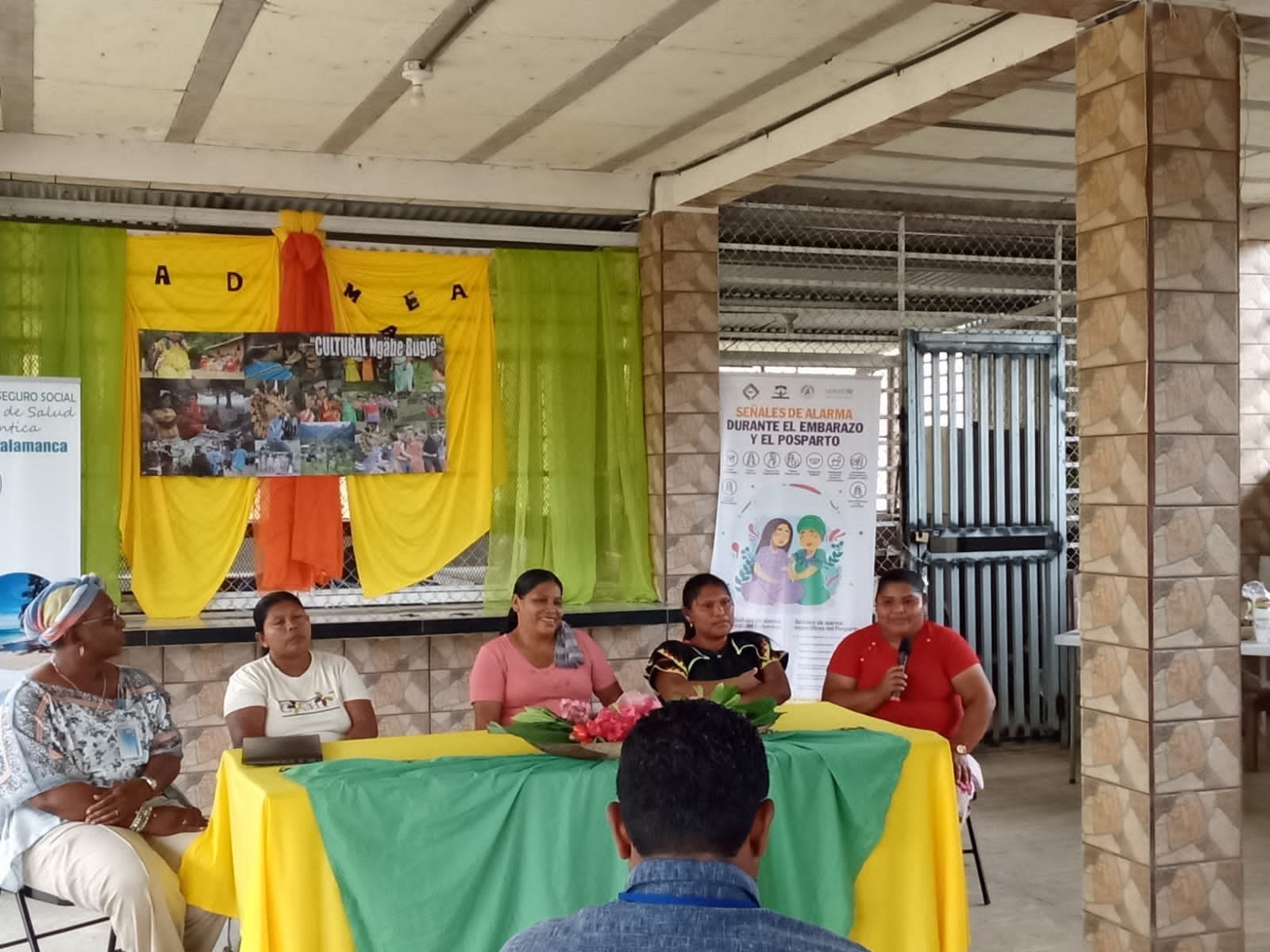
Presentation with the Ngäbe communities
As a result, Thalía’s work benefited over 40 women across four Ngäbe communities. Women had access to knowledge exchange and medicinal herbs and engaged in dialogue with health officials, such as obstetricians, where they advocated for their needs and learned information grounded in their cosmology. The University of Costa Rica even reached out to request a workshop.
For Thalía, it was an honor to do a project like this for her community and to do so with Cultural Survival. “These borders were placed by the States, yet the connections women had amongst themselves already existed,” she shares. Impassioned by the results of her project, Thalía is fighting hard to secure a State-recognized territory where the Ngäbe can reside and call home. She identifies a concern when living outside of a territory where Indigenous identities begin to disintegrate along with their ancestral practices. To prevent forgetting where they came from and who they are, Thalía continues this battle with her community.
Cenia Kaina Córdova Pichamba (Indígena Kichwa Otavalo) Ecuador
2025 Youth Fellow
Cenia Kaina Córdova Pichamba is a Kichwa Otavalo woman from Peguche, Imbabura, Ecuador. She graduated with a degree in Arts and Humanities and has continued her education in Anthropology, research, and cultural heritage. Her community, Doctor Miguel Egas Cabezas Peguche, comprises several Indigenous communities. Due to the textile workshop history in this region, it is often seen in the light of archeology, as something of the past. Local elders have expressed concern about the loss of identity, and while this has been alleviated by the hope found amongst youth, culturally significant customs are at risk of being lost.
One of these traditions is the practice of childbirth. Midwives are hard to locate due to age, language barriers, memory loss, and no archival documentation of ancestral knowledge. With these difficulties in mind, Cenia’s project seeks to respond intentionally, aiming to create lasting impact in her community. “Named Yuyaykuna, which means ‘knowledge’ in Kichwa,” Cenia explains, “it is an initiative to compile and recognize Indigenous science and knowledge.” The objective of Yuyaykuna asserts Indigenous knowledge, not merely as folklore, but as a part of everyday life.
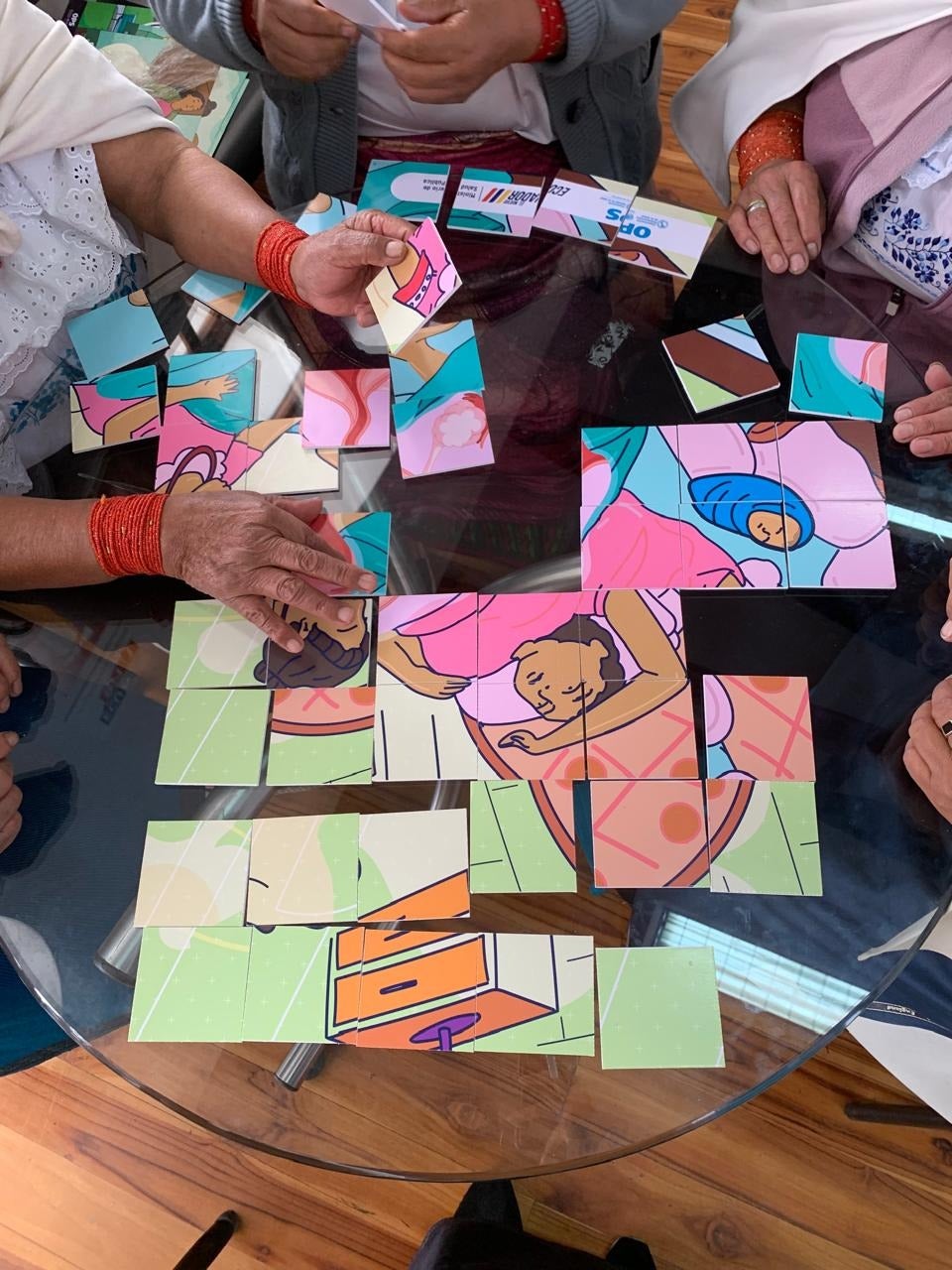
Elders gathered at the Midwife Gathering
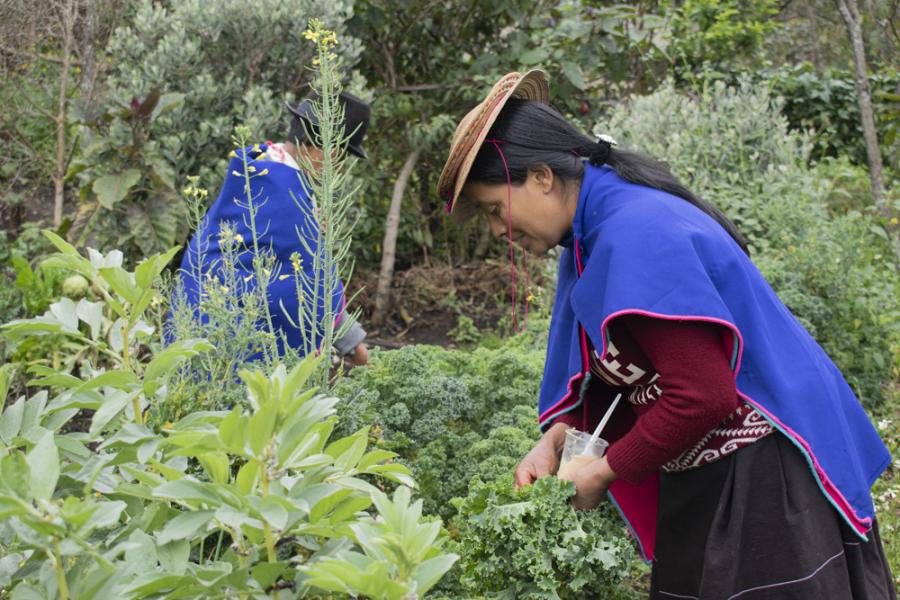
To carry out this work, the project focused heavily on record-keeping. This looked like documenting and collecting oral stories through interviews with midwives of the Kichwa community, keeping photographic records that support oral accounts, and taking wonderful portraits of the midwives and medicinal plants. Through carefully curated photography, Yuyaykuna seeks to dismantle harmful stereotypes associated with Indigenous figures, striking a dialogue of the impacts of recognizing identity and how it can be constructed.
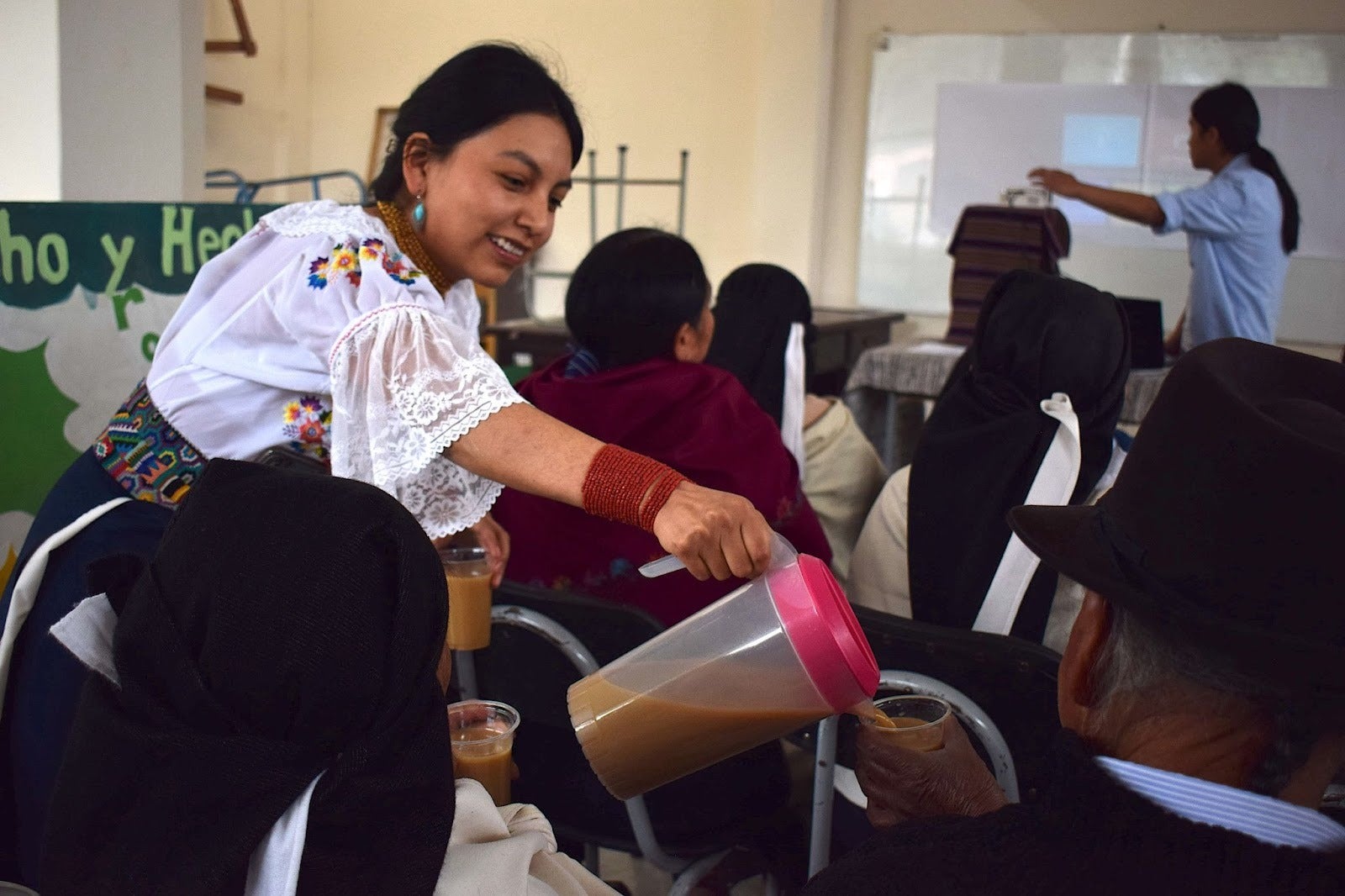
Once documentation was complete, Cenia organized a meeting with ten midwives to exchange information, offer critiques, provide feedback, and find reinforcement in their experiences. Midwives and an obstetrician gave presentations on how the bridge between traditional customs and modern medicine can be crossed. Additionally, once presentations were completed, communal food, prepared in traditional ways through the use of Indigenous recipes, was provided for the attendees, and all received certificates of training completion.
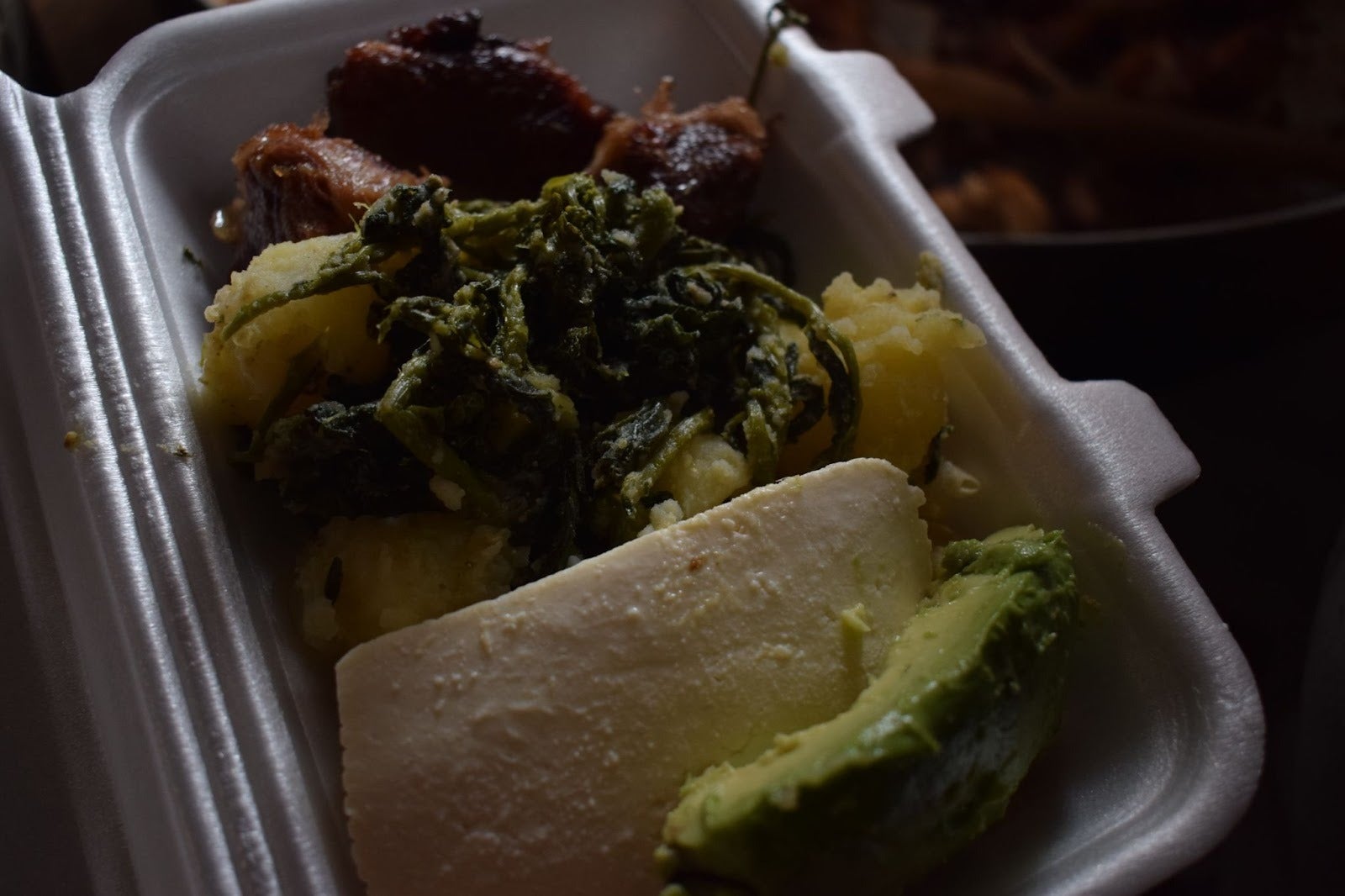
Traditional Kichwa recipe offered to attendees
Although the midwives who attended this gathering live in the same city, many have different cultural upbringings and practices. Despite differences, the goal succeeded in creating a supportive network amongst Indigenous Kichwa women and midwives.
With all the data collected throughout Cenia’s project, a photobook will be compiled to safeguard ancestral knowledge. Utilizing visual documentation, Cenia offers this form of Indigenous wisdom to resist globalization, threatening to erase Kichwa history and forms of knowing. By disseminating the contents of this project to the community, Cenia seeks to maintain her traditional customs by creating tools that enhance the longevity of her cultural identity.