
By Linda Raavolatsara (CS Intern)
Every year on March 21, people all over the world celebrate the International Day of Forests. It’s a day to pause and remember why forests matter. They give us clean air, keep the weather steady, protect animals and plants and provide for millions of people, including communities whose lives are tied closely to the land.
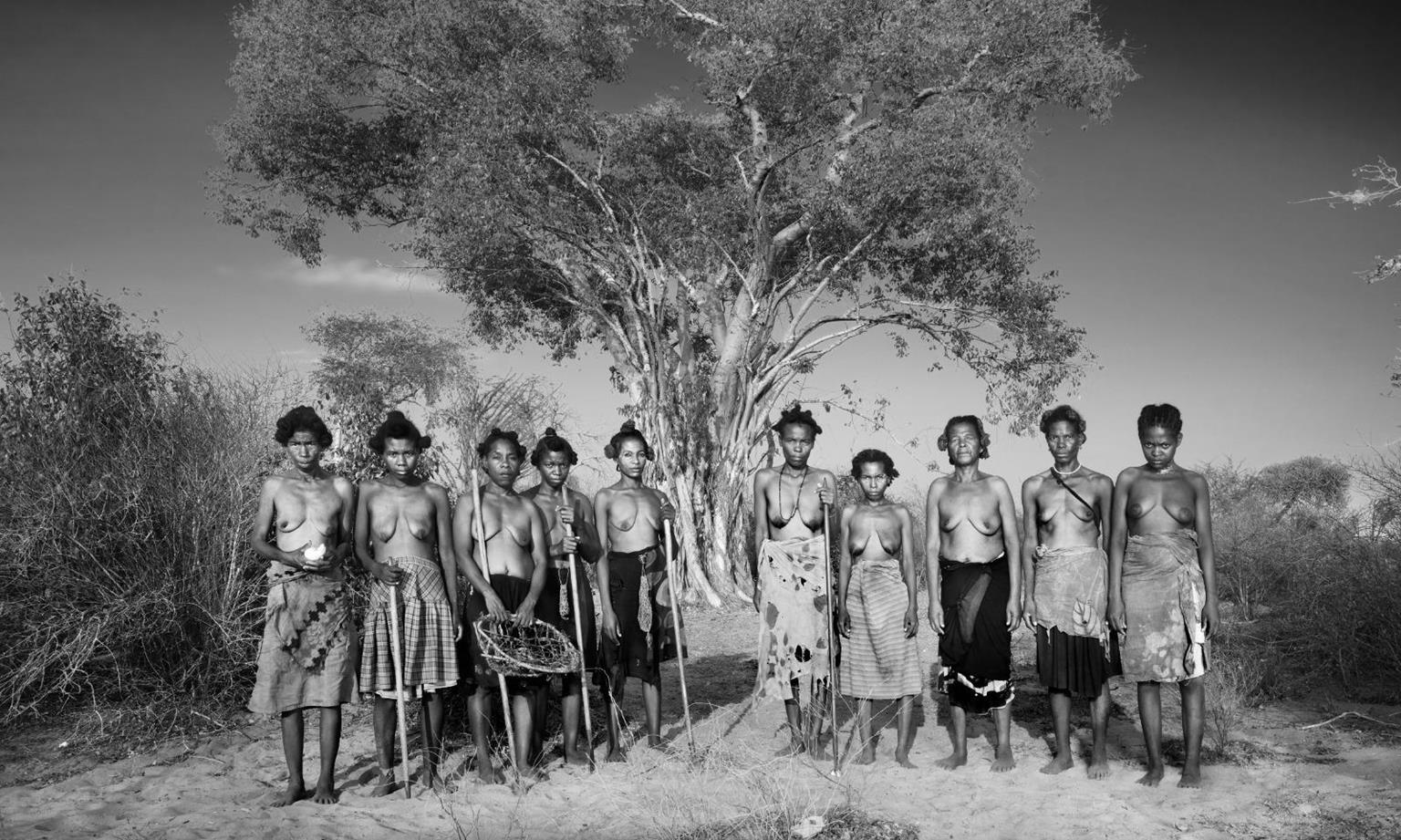
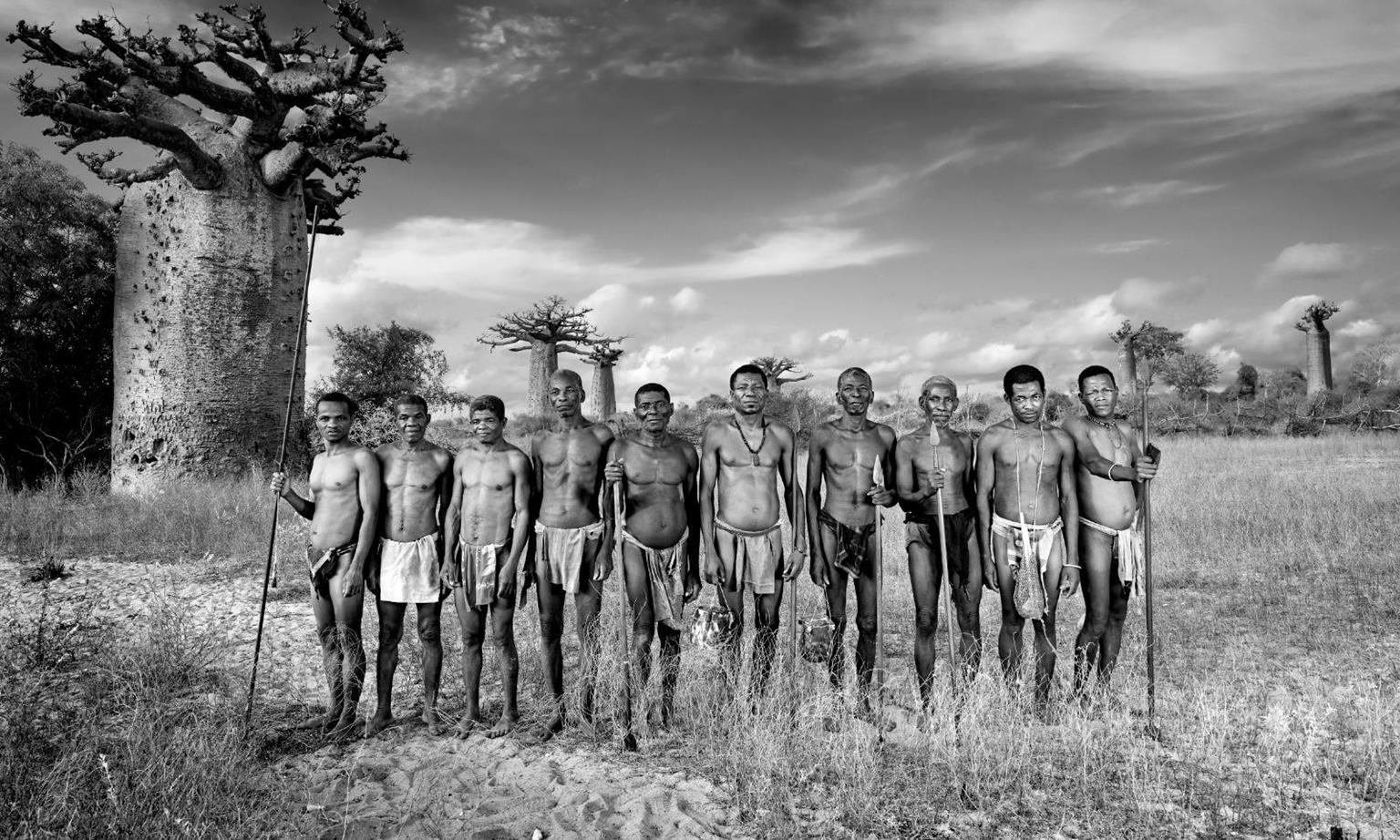
Across the world, many communities understand the true value of forests. In Madagascar, forests are more than just landscapes. They are living spaces, full of sounds and life, where people and nature are deeply connected. Among these communities are the Mikea people, who live in the dry forests of the southwest. This environment may seem harsh, but for them, it is home, a place that provides and teaches.
A Life Closely Connected to Nature
The Mikea live between Morombe and Toliara, in forests that look very different from one place to another. Some areas are open with sparse trees and dry soil; other parts are thicker, greener and cooler. Life here is not easy, but it is full of lessons. For many generations, daily life has followed the forest’s rhythm.
To better understand this way of life, I was able to interact with Tsivahora (through Mrs. Manou Emmanuelle) , a member of the Mikea community, a father, and one of the youngest among the local leaders. He plays an important role in sharing knowledge and protecting his people’s traditions.
They gather roots and tubers, collect wild honey, and hunt small animals. They know which plants are safe, where to find water, and how to move quietly in the forest. Children learn by following their elders, observing, trying, and sometimes failing. Over time, they understand the forest and its rhythms.
As Tsivahora explains: “Being Mikea is not just about belonging to a group. It is about our connection with the forest. We live with it, through it, and for it.”
For the Mikea, the forest is not separate from daily life. It is their home, their market, their pharmacy, and their school. Every sound, every tree, and every trace has meaning.
Knowledge, Roles, and Transmission
Within the community, each person has a role. Tsivahora describes himself as a husband, a father, a guide, and a guardian of knowledge. “I teach children the knowledge of our ancestors: how to find water, recognize plants, and hunt without destroying nature.”
He also takes part in community decisions alongside elders to protect their land. This sharing of knowledge is essential. It ensures that traditions and sustainable practices continue. The Mikea have long respected rules that help preserve the forest: Never take more than needed; protect the roots of plants; allow nature time to regenerate and respect sacred places. These practices are not new ideas; they are part of their way of life.
The Forest as Identity
For the Mikea, the forest is not just a place. It is identity. The word “Mikea” refers not only to the people but also to the forest itself. It carries their history, their stories, and their future. Families grow, learn, and live within it. It provides food, medicine, shelter, and meaning.
As Tsivahora shares: “We do not live next to the forest. We live with it.” This deep relationship shows a different way of understanding nature, not as something to control, but as something to respect and protect.
Facing Growing Pressures
Today, the Mikea forest is under threat. Deforestation, bushfires, illegal exploitation, and external pressures are putting this ecosystem at risk. For the Mikea, this is not only an environmental issue, but also a cultural one.“Losing the forest means losing our identity,” Tsivahora says. These challenges are becoming more serious, and they affect both the land and the people who depend on it.
Protecting the Forest and Culture
Despite these threats, the Mikea continue to protect their forest through their traditions. They follow fady (sacred rules), share knowledge through oral traditions, and watch over their territory together.
They are also opening up to new approaches, such as community-based and culturally respectful tourism. At the same time, they are learning to communicate with authorities to make their voices heard. Their actions show that protecting forests is not only about modern solutions, but also about respecting indigenous knowledge.
A Message to the World
At the end of the interview, Tsivahora shares a powerful message: “The forest is not empty. It is alive. It has memory and a soul.” He also reminds us that the Mikea way of life is not something from the past: “We are not behind. We have chosen another way of living, in balance with nature.” He concludes with a proverb:“Tsy velo ny Mikea raha tsy misy ala, tsy velo ny ala raha tsy misy Mikea.” (If the forest disappears, the Mikea people disappear. And without the Mikea, the forest also disappears.)
Why Forests Matter Today
On this International Day of Forests, the story of the Mikea people reminds us why forests matter today. They are not just natural resources. They are living systems connected to people, culture, and identity. Forests support life, not only for animals and plants, but also for indigenous people like the Mikea, whose knowledge and traditions help protect them. Listening to Indigenous communities is essential. They are not obstacles to development, but part of the solution. Their way of life shows that it is possible to live in balance with nature. Protecting forests today also means protecting cultures, knowledge, and future generations.
All pictures by Thierry Cron and provided by Mrs. Manou Emmanuelle
