By Prabindra Shakya (Newa) and Johnson Jament (Mukkuvar)
The Metals Company (TMC), a Canadian firm at the forefront of deep-sea mining, has rapidly expanded its operations across the Pacific, targeting areas vital to Indigenous and other coastal communities in Asia and the Pacific. Although the TMC is not yet commercially mining the seabed, they are pushing to begin mining aggressively – applying for U.S. permits in 2025 and conducting pilot collections (such as 2,000 tons for Nauru).
Indigenous coastal communities consider the sea/ocean as their mother and the coast as the mother’s lap. For example, members of Paravar and Mukkuvar coastal communities in South India refer to the ocean as kadalmatha or kadalamma (Mother Ocean) and do not separate ecology from ecology-dependent people in their customary wisdom. Further, Indigenous coastal communities believe that we are all connected by the sea/ocean. While TMC markets its extraction of polymetallic nodules from the seabed as the key to a greener future, critical evidence and mounting resistance reveal that its operations can cause far-reaching harms, particularly to Indigenous coastal communities.
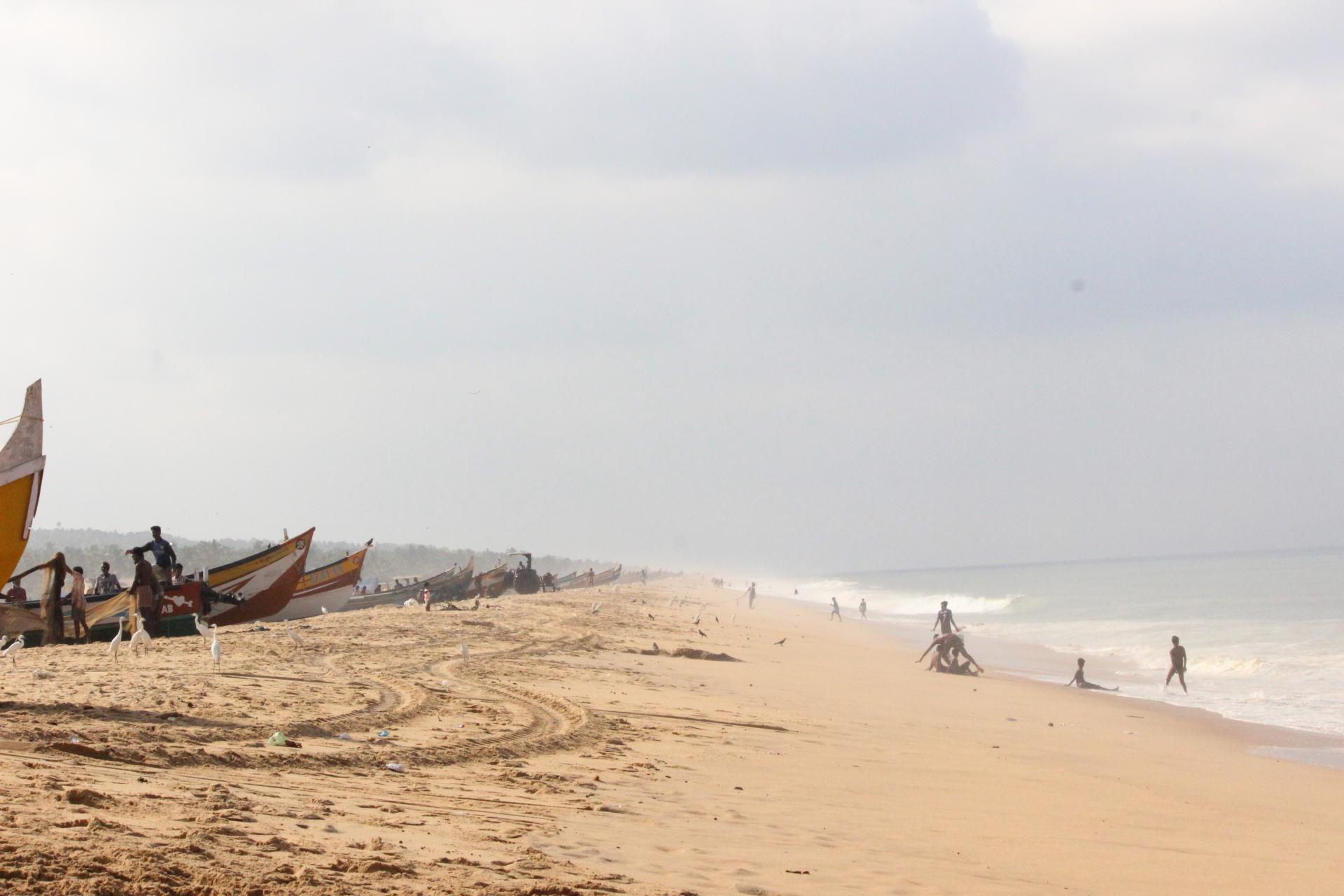
Everyday coastal life on the beach: children at play, fishers sorting nets, shore birds present, and small boats prepared for the next fishing journey.
Ecosystem Destruction
The Metals Company's deep-sea mining processes can disturb fragile marine ecosystems by extracting large quantities of seabed nodules, which are crucial habitats for a rich array of marine life. Once removed, these habitats may take decades or even centuries to recover—if at all—directly threatening the biodiversity of ocean regions relied upon by Indigenous and coastal communities for subsistence fishing, food security, and cultural practices. Scientific studies show that previous mining in similar zones led to persistent environmental scars with no sign of natural recovery after 40 years. Such ecological destruction will only aggravate the climate crisis, which is already threatening the entire humankind with unpredictable weather patterns and extreme disasters worldwide.
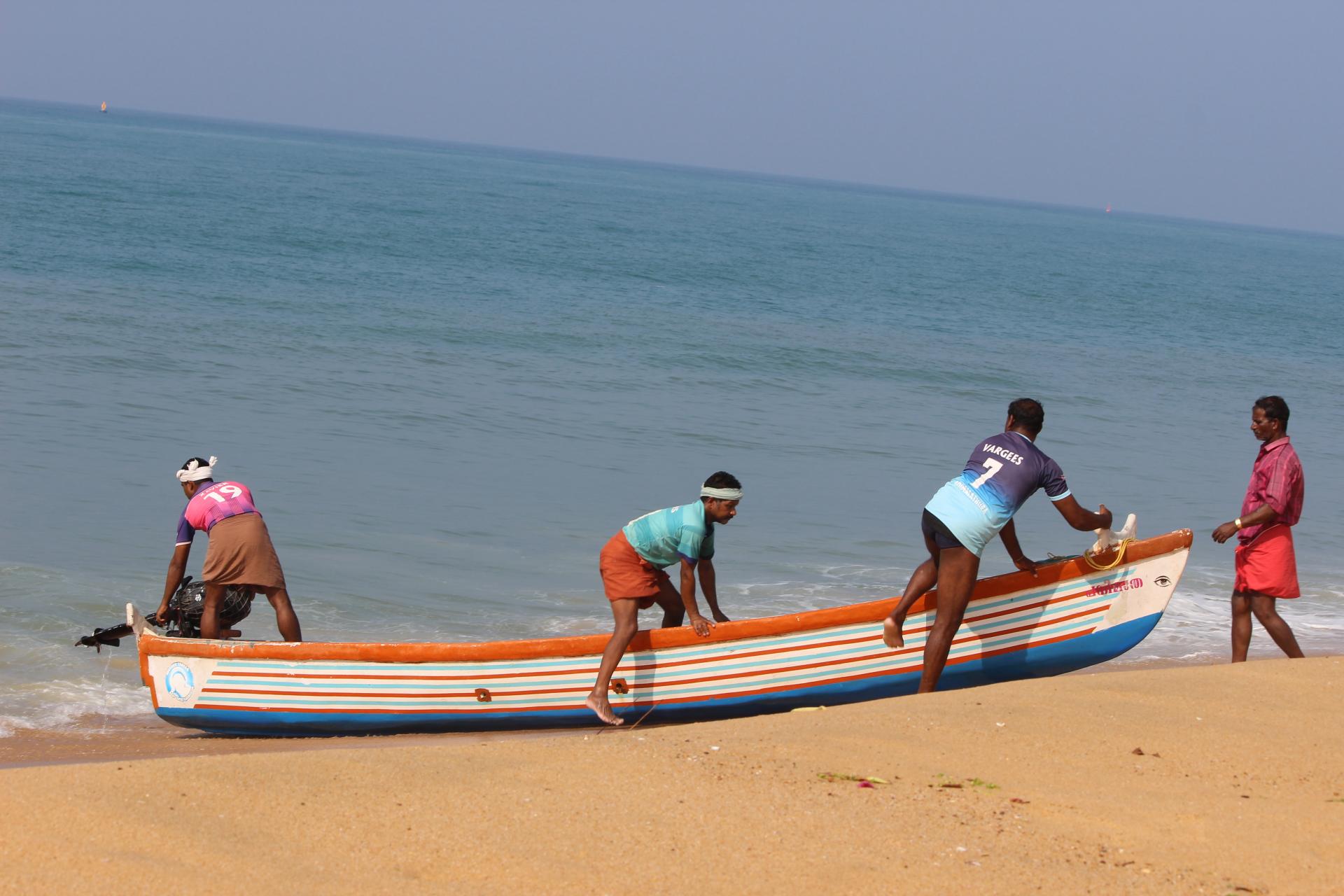
After daily fishing, catamaran fishers land their craft at the shore, supported by fellow community members in a continuing tradition of collective coastal labour.
Marginalization and Loss of Rights
The Metals Company aggressively pursues partnerships with Pacific States to secure access to the international seabed, often sidelining local voices and Indigenous concerns. Many Indigenous communities see their ancestral waters and stewardship ignored, with any expectation of economic benefits materializing at the community level. At the same time, many countries do not even legally recognize the ocean rights of Indigenous Peoples. The company’s operations have triggered protests and pushback, especially because public consultation and meaningful consent are widely lacking. The dismissal of opposition of Indigenous and coastal communities, supported by environmental groups, deepens historical patterns of marginalization and cultural erosion.
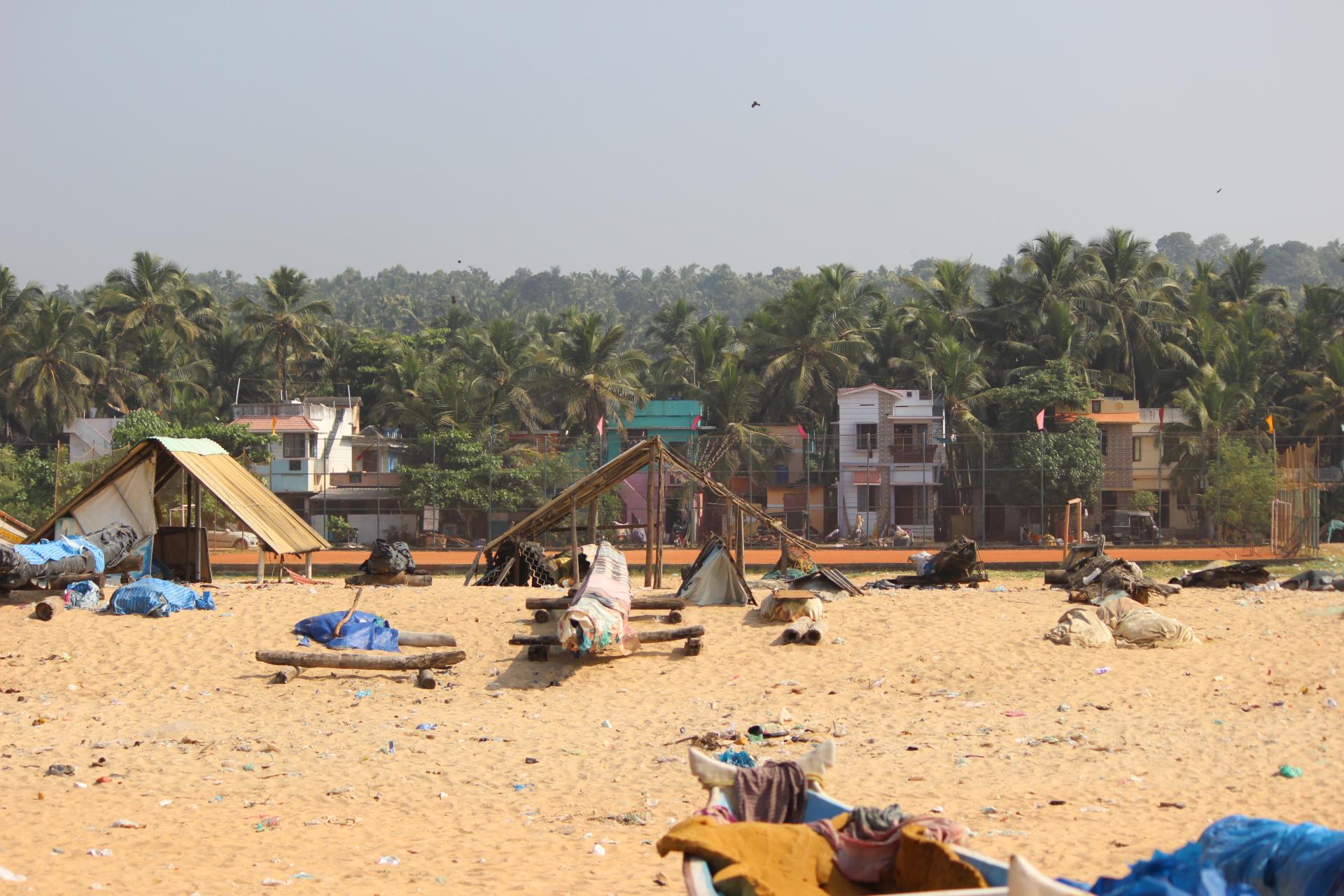
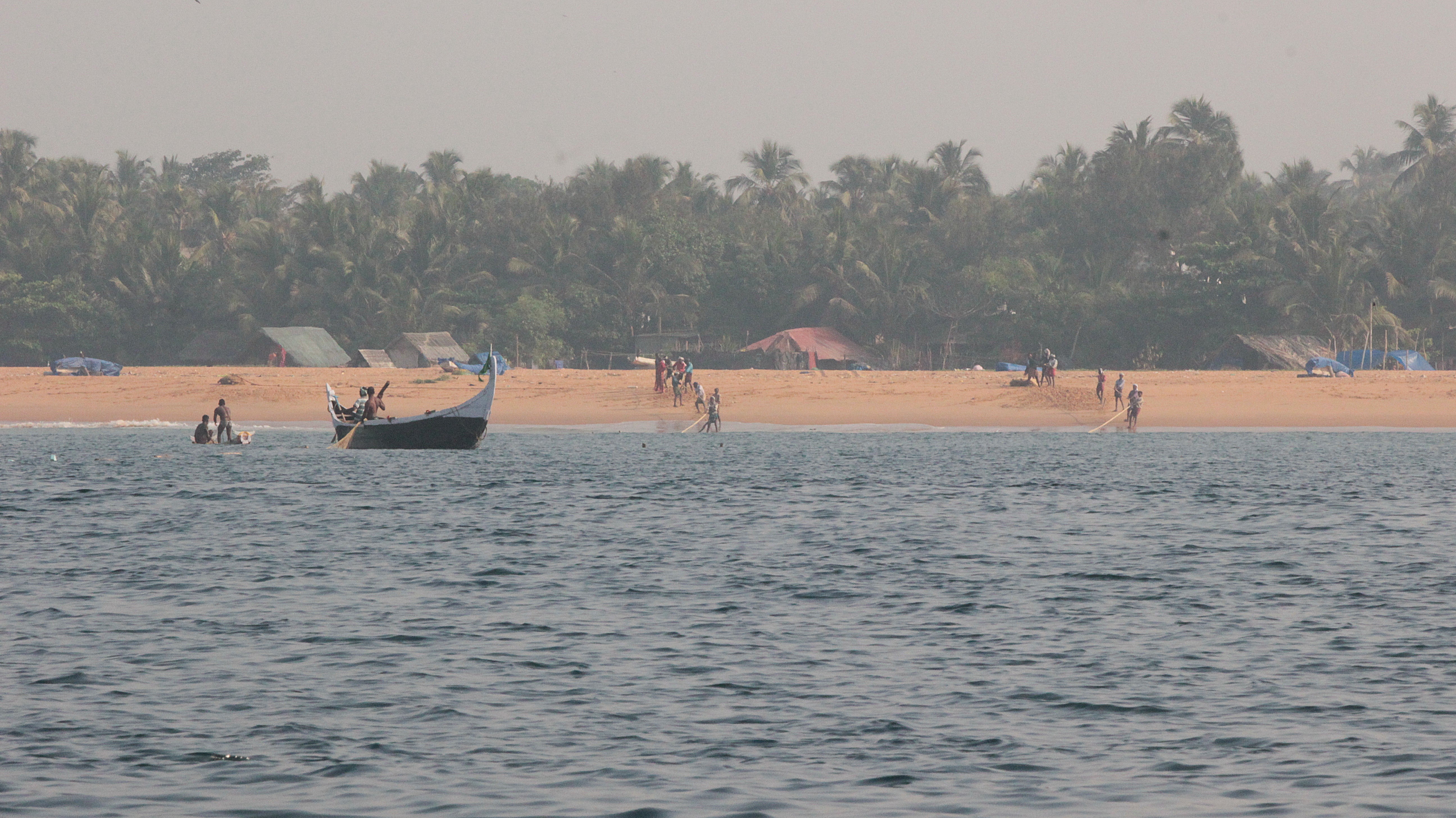
Houses, coconut trees, and fishing gear shelters stand close to the water, showing how the shoreline is not only a workplace but also a home for Indigenous fishing communities.
Socioeconomic Threats
Extractive activities associated with deep-sea mining, including those by The Metals Company, can jeopardize traditional economies based on fishing and sustainable use of marine resources. As fisheries and waters become polluted or less productive due to mining waste and debris, customary food and knowledge systems and economic resilience are destroyed, leaving communities dependent on outsiders for basic needs or pushing them towards urban migration. Displacement carries generational impacts—disrupting family structures, disintegrating the communities, and eroding vibrant cultural traditions central to Indigenous identity. Indigenous and coastal communities are already facing such impacts of offshore mining, which will only be exacerbated by deep-sea mining.
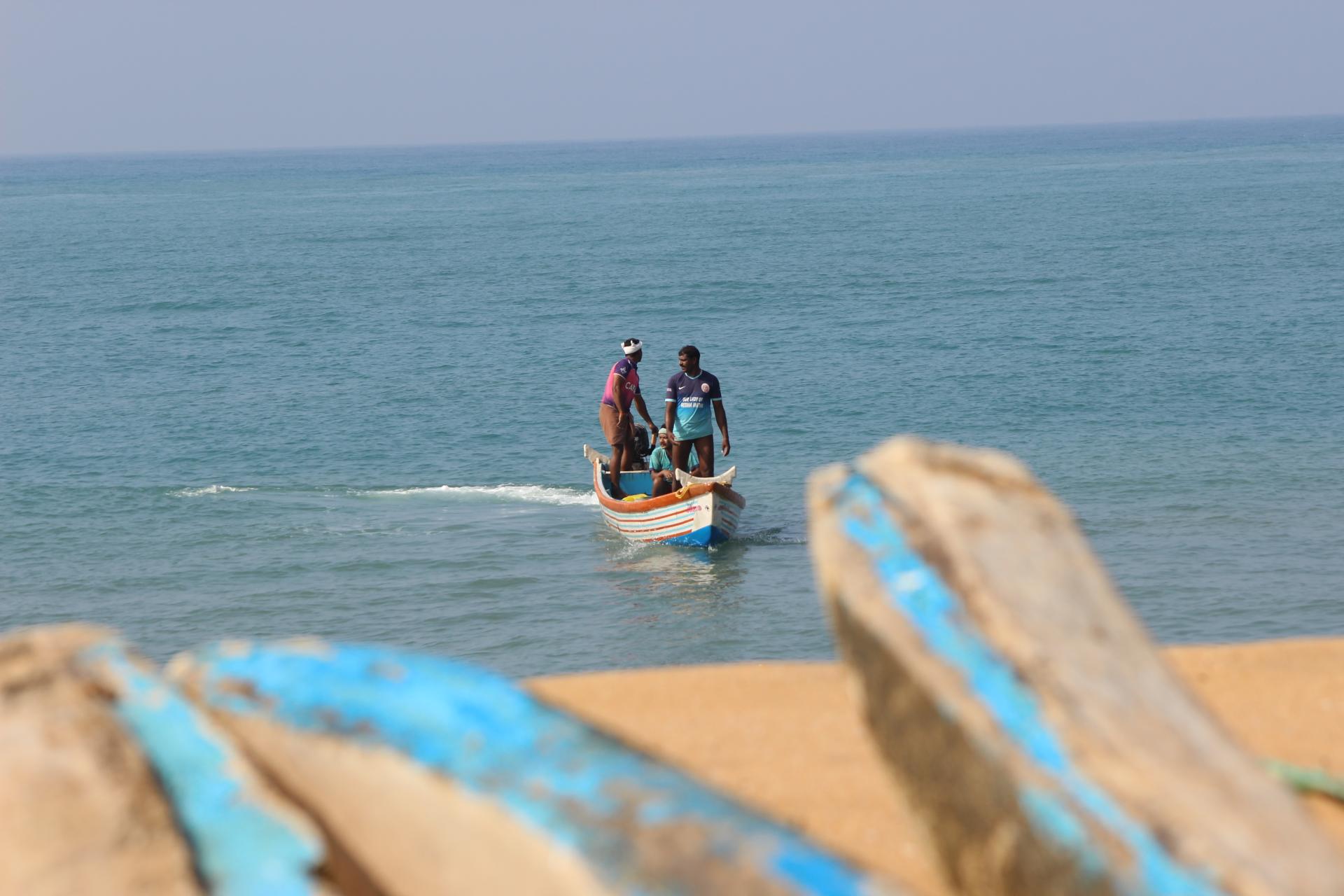
Catamaran fishers return with their catch, guided by practiced understanding of tides, currents, and safe shore landing.
Weak Regulatory Safeguards and Global Concern
Legal loopholes and the lack of robust international governance have enabled The Metals Company to move forward even as regulatory frameworks lag behind. The International Seabed Authority is years away from finalizing safeguards, yet mining explorations continue amidst international calls for a moratorium. All the while, Indigenous Peoples’ rights over their customary marine use areas and resources, as well as the coastal waters and the ocean, remain unrecognized and not respected. This weak oversight puts ecosystems and Indigenous communities at grave risk. Recognizing Indigenous communities’ rights over their marine areas, seas, and oceans can contribute to protection against the harms of deep-sea mining from companies like TMC.
The Metals Company's activities thus expose the deep tensions between extractive profits and Indigenous rights, revealing a model that privileges global shareholders at the expense of Indigenous coastal communities of Asia and the Pacific and the world. The environmental and social costs—loss of biodiversity, livelihoods, and cultural heritage—demand urgent recognition, greater protection, and respect for Indigenous stewardship. The resistance from communities and growing global outcry highlight the need for caution and responsible action before irreversible damage occurs.
--Prabindra Shakya (Newa) is the Convenor of Asia Indigenous Peoples Network on Extractive Industries and Energy (AIPNEE), and Johnson Jament (Mukkuvar) is the Director of BlueGreen Coastal Resources in India.
Top photo: Shore seine fishing and catamaran crafts remain central to traditional coastal livelihoods of Mukkuvar, even as nearshore fish diversity declines and erosion intensifies.
All photos by Romer Ignatious (Mukkuvar).