Brazil will arrive at COP31 after an election that strengthened political forces historically opposed to Indigenous territorial rights. What does this mean for forests, biodiversity, critical minerals, and Brazil`s international climate leadership for Indigenous perspectives?
By Edson Krenak (Krenak, CS Staff)
From COP30 to COP31: Waking up to a Different Political Landscape
Brazil left the United Nations Framework Convention on Climate Change Conference of the Parties (UNFCCC COP30) in Belem, having projected itself internationally as a leader on forests, Tropical Forest Forever Facility (TFFF), Indigenous Peoples participation, and climate diplomacy. Less than a year later, the October 2026 elections have produced a Congress substantially more favorable to the political forces associated with former President Jair Bolsonaro, while the presidency remains undecided at the time of this article, until the runoff.
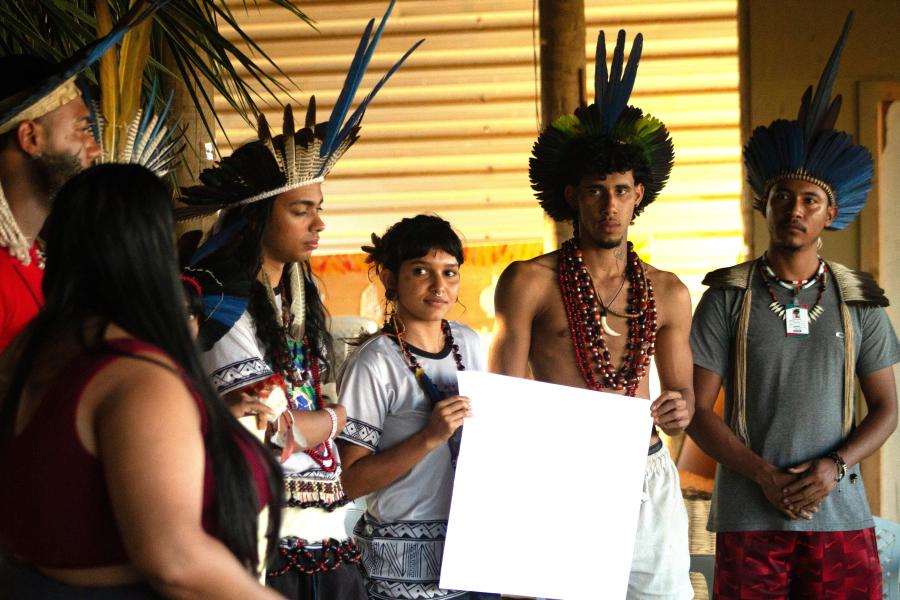
Local organizations like Wara Xavante and CIMI have described the result as “strengthening authoritarianism, Bolsonarism, and the anti-Indigenous agenda” within the Congress, and they warn that it represents a significant threat to Indigenous rights, climate policies, and Brazilian democracy. While Brazil`s diverse political governments have a mixed agenda for environmental protection and climate policies, trusting that civil society and institutions will hold on, for Indigenous Peoples, however, the election is not only about who occupies the presidency, because the most consequential result is what is happening to Congress in recent years, and now with the new elected lawmakers and senate.
The Deep Result: A Congress More Hostile to Indigenous Rights Since Democratization
The congress that will legislate and create the policies to govern the country in the next few years is the same one that has been orchestrating an anti-Indigenous agenda. Considering their camping plans and background, they have been the most hostile to Indigenous Peoples since 1988. Taking the Senate as an example, with the 40 new senators—and a two-thirds turnover—the far-right party, responsible for the worst records and policies against Indigenous Peoples since the Bolsonaro administration, achieved an impressive 34% of the seats in the Brazilian Senate, just over one-third of the total (81).
Bolsonaro’s party was responsible for the Marco Temporal Bill and the Mining on Indigenous Lands Bill, which have posed the greatest hardship for Indigenous Peoples and traditional communities such as the Quilombola over the past eight years. The Marco Temporal, which we covered in many articles, is a legal theory arguing that Indigenous Peoples can only claim rights to ancestral lands if they were physically occupying them or fighting for them in court when Brazil’s Federal Constitution was enacted on October 5, 1988, thus, ignoring the colonial legacies, forced displacement, expulsions, and State-sanctioned violence that Indigenous communities experienced prior to 1988, particularly during Brazil's military dictatorship (1964–1985).
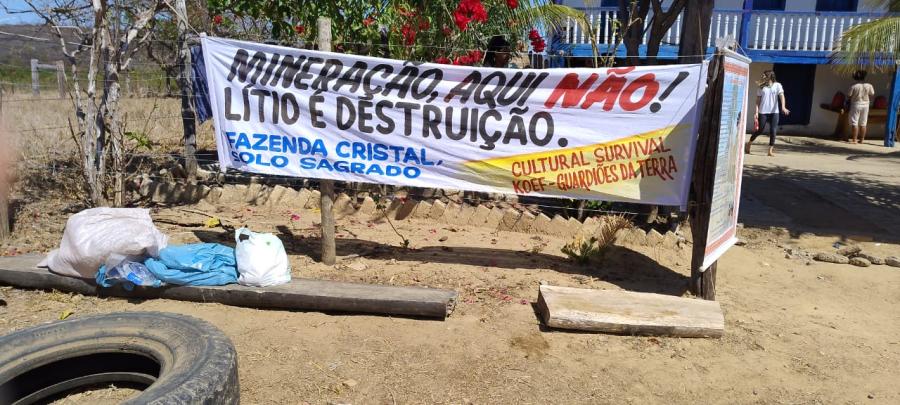
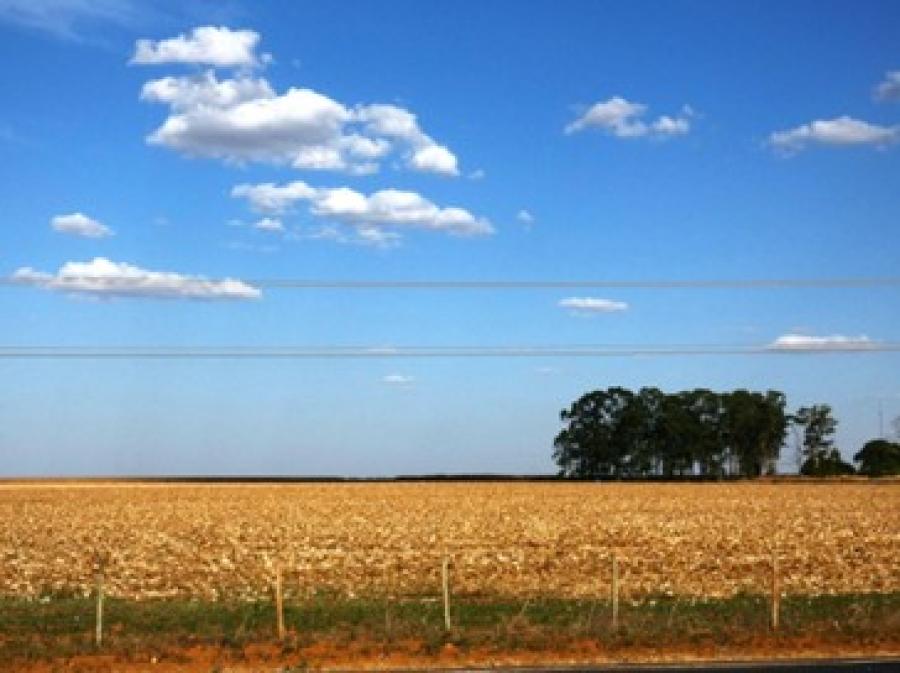
The second bill, also named the “Death Bill,” makes mining permits easier and regulates the exploration and extraction of mineral resources (such as small-scale mining and large-scale mining), as well as the construction of hydroelectric dams and agricultural and livestock activities on Indigenous lands and natural reserves, which are well-protected biomes and biodiversity. The infrastructure projects supporting green industrialization are part of their agenda, with little to no safeguards for communities. For instance, Brazil calls its export transport plan for grain and minerals "climate infrastructure." But the plan also causes deforestation and water loss, and these harms are not counted. FICO, the mega railway project (see Djalma Ramalho’s article), is making the region greener on paper: it cuts shipping emissions per tonne while speeding up deforestation, water shortages, mining, and farm expansion.
Social and environmental movements and Indigenous organizations point out that the bill paves the way for environmental degradation and the encroachment of intruders into protected territories, Indigenous lands, and poses a grave danger for Indigenous Peoples in Isolation and Initial Contact. The proposal was submitted by the federal government during Jair Bolsonaro’s administration and was fast-tracked by lawmakers from the ruling coalition and right-wing allies in Congress, the same parties now taking over.
In a country still grappling with the wounds of the criminal tragedies in Mariana and Brumadinho, this bill represents an incredible challenge for everyone concerned with climate and forest protection. The PL191/2020 represents at least six threats for Indigenous Peoples and Local and Traditional Communities, like Quilombola:
- Environmental and Climate Degradation
Increased Deforestation: Studies estimate that legalizing large-scale mining could increase Amazon forest loss by 20%, threatening over 860,000 square kilometers of tropical forests. The article “Proposed Legislation to Mine Brazil's Indigenous Lands Will Threaten Amazon Forests and Their Valuable Ecosystem Services brings the deepest concern that “the proposed bill does not contain any environmental or social safeguards and is silent about whether mining within Indigenous Lands will require Environmental Impact Assessment (EIA) or even obtaining Free, Prior and Informed Consent (FPIC) from Indigenous communities.
-
River and Water Contamination
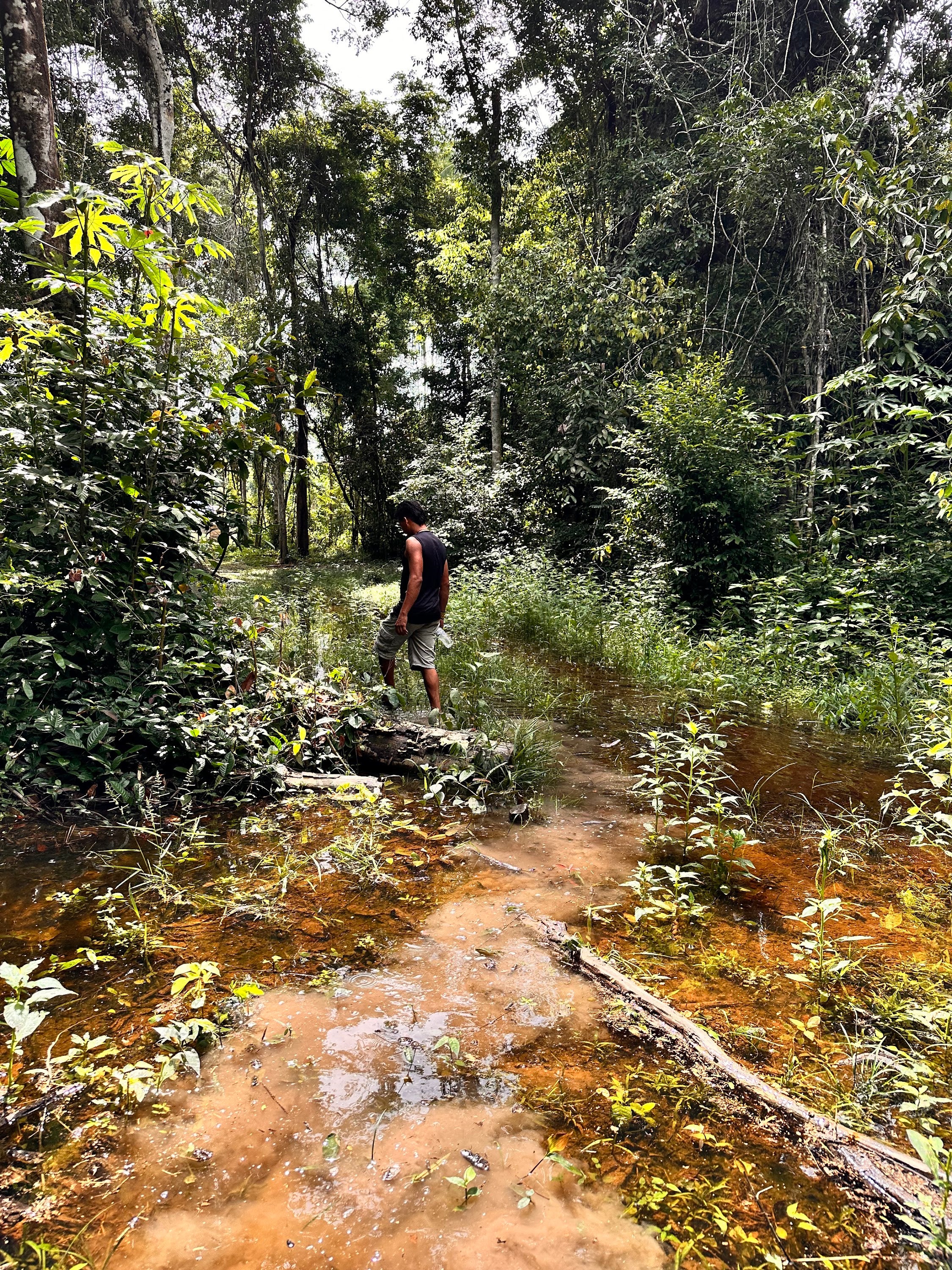
Mining operations rely heavily on chemical processing. Legalizing these operations across indigenous territories risks widespread mercury contamination of vital river basins, poisoning fish populations—the primary source of protein for many tribes. For example, the most impacted communities in the Amazon, Kayapo, Munduruku, and Yanomami, faced a 400% increase in land degradation over the last 10 years, totaling more than 18,000 hectares, concentrated mainly (90%) in their three territories, according to a study.
-
Loss of Ecosystem and Biodiversity
The environmental damage directly undermines critical global climate buffers. Research indicates that the proposal endangers key ecosystem services, such as climate regulation and greenhouse gas mitigation, valued at over $5 billion annually. The map was made, but a cited study shows that the mining permits are targeting the heart of the Amazon rainforest.
-
Social and Public Health Crises
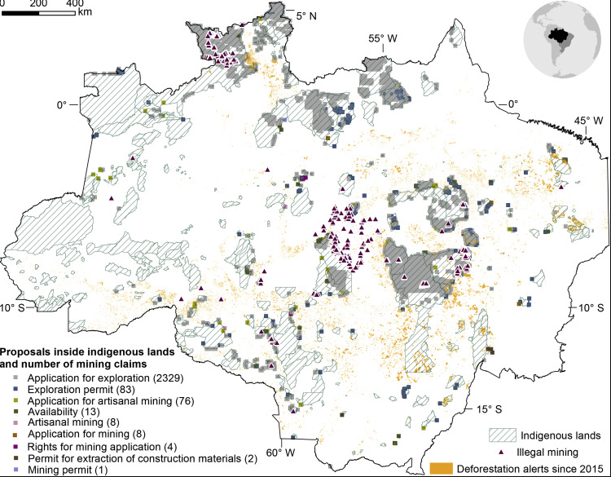
llegal mining hotspots and rapid overpopulation due to unplanned urbanization in the forests have already demonstrated how mining expansions correlate with a severe rise in infectious diseases and unprepared health care systems. The influx of outside workers historically accelerates the spread of malaria vectors and sexually transmitted infections, introduces viruses to isolated communities, and makes the already very poor care system precarious.
The environment and mining are becoming an increasingly deregulated landscape in the country. Mining activities and structural failures of tailings dams pose an immediate, catastrophic threat to Indigenous Peoples, traditional communities, and animal health. Tailings contain high concentrations of heavy metals such as arsenic, lead, and cadmium, as well as toxic chemical residues. (See, for example, the Xikrin case.) Without strict regulatory oversight, these pollutants systematically leak into local watersheds or inundate them entirely during a dam collapse. Because Indigenous communities depend directly on rivers for drinking water, food, and fishing, this contamination triggers heavy metal poisoning, chronic neurological damage, and severe developmental issues in children. Furthermore, the stagnant waters of unmonitored tailing ponds create sprawling breeding grounds for disease vectors, driving up local rates of malaria, dengue, and other waterborne illnesses. (See article “Mining and malaria in the Brazilian Amazon and in the Yanomami indigenous land.”)
-
Social Disruption and Violence
The physical introduction of mining infrastructure brings severe social complications. Indigenous communities often experience a rise in alcoholism, drug trafficking, and sexual violence targeting indigenous women and children. Driven by illegal mining and unplanned urbanization, gangs and cartels have taken the Amazon lands by force. Many Indigenous communities are facing severe violence, assassination, and loss of their houses and lands. The green narco groups are converging drug smuggling with illegal gold mining (garimpo), logging, and land-grabbing, transforming the homes and lands of Indigenous communities into a war arena. This criminal convergence relies heavily on the systemic social disruption and targeted violence directed at Indigenous populations, which is very common in mining areas. (See this report, The Amazon is under assault from organized crime, and this article by Mongabay.)
-
Threats to Cultural and Territorial Sovereignty
Perhaps one of the worst impacts of these bills is the erosion of cultural integrity and destruction of sacred sites. For Indigenous Peoples, land is not a financial asset but a cultural and spiritual sanctuary. Industrial excavation destroys ancestral burial grounds and sacred geographical markers, causing irreversible cultural erosion.
The bills will allow corporations to bypass Indigenous consent, stripping the already weak Indigenous communities of veto power. Instead of upholding the right to Free, Prior and Informed Consent mandated by international treaties, the bill offers financial “compensation” or royalties, effectively allowing the state and corporations to override a community’s refusal. The situation is so concerning that a report published by the newspaper Correio Braziliense on March 16, 2022, stated that some Brazilian and foreign mining companies oppose Bill No. 191/2020. The companies argued that the proposal to conduct mining operations on indigenous lands requires broader debate and respect for the affected communities' consent, and that the sacred sites of these communities must be taken into account.
Navigating COP31 and Beyond
This is the scenario we face in Brazil as we join Indigenous representatives from other regions of the globe for the UNFCCC COP31 in Antalya, Turkey. The increasingly hostile legislative environment at home alongside shifting international climate dynamics, is not only a Brazilian problem. And the outcomes of the 2026 elections, the deep conservatism in Congress, and the attacks on Indigenous territories or rights will impact the entire Earth.
The biomes and forests in Brazil that are home to Indigenous Peoples play a critical role in the global Climate, food, rain, and water. The need to protect them is very clear. We are heading to COP to demand true climate leadership that starts by protecting democratic mechanisms such as the Free, Prior and Informed Consent, meaningful participation of the Forest peoples in the designing and decisions that affect them, and safeguarding vital biomes from predatory extraction, and ensuring that Indigenous self-determination remains central to any just transition.