By Anonymous Journalism Fellow from Indonesia
For many residents of Sagea Kiya Village in North Weda District, Central Halmahera Regency, Indonesia, the rapid expansion of the mining industry has brought employment opportunities—but mostly as low-level labor jobs marked by long hours, strict supervision, and growing concerns about health and environmental risks. Thousands of workers have arrived in the region seeking economic stability, not only from Sagea Kiya but also from Ambon in Maluku Province and Manado in North Sulawesi. Many are drawn by the promise of a steady income, only to encounter difficult working conditions, high living costs, and fears surrounding workplace safety. Because of concerns about possible retaliation from companies, especially among current local employees, information about labor conditions remains hard to obtain. However, several former workers agreed to share their experiences on the condition that their identities remain confidential.
Young Workers Turn to Mining Amid Limited Opportunities
In Sagea Kiya, many young people choose not to continue their education after completing high school. Instead, they enter the mining sector to earn money and support their families. One former employee, identified as Mirna (not her real name), a young woman from Ambon, Maluku, described her experience working at a nickel mining operation in Central Halmahera. After nearly two years of employment, she resigned and returned home, citing financial pressures, health concerns, and difficult working conditions. Despite earning around 6 million Indonesian Rupiah per month, Mirna said her salary was insufficient due to the high cost of living in the mining area.
“Workers from outside the region are required to have a North Maluku identity card (KTP). Many people end up having two identity cards—one from North Maluku for employment purposes and another from their hometown,” she said.
According to her, wages are calculated strictly based on attendance.
“If you do not come to work, you are not paid. If you do not take overtime, you do not receive additional income,” she explained.
Strict Control Inside Mining Areas
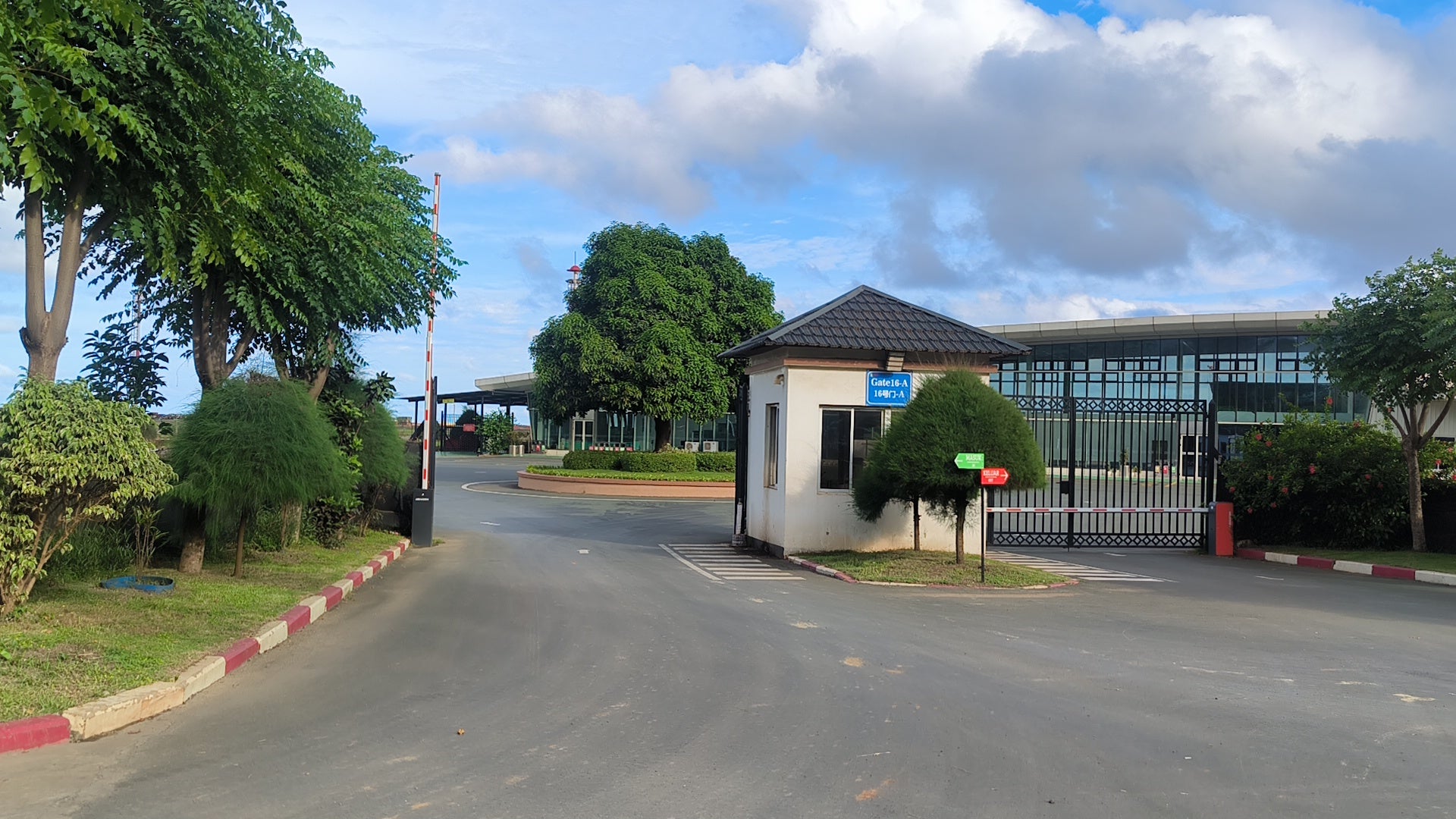
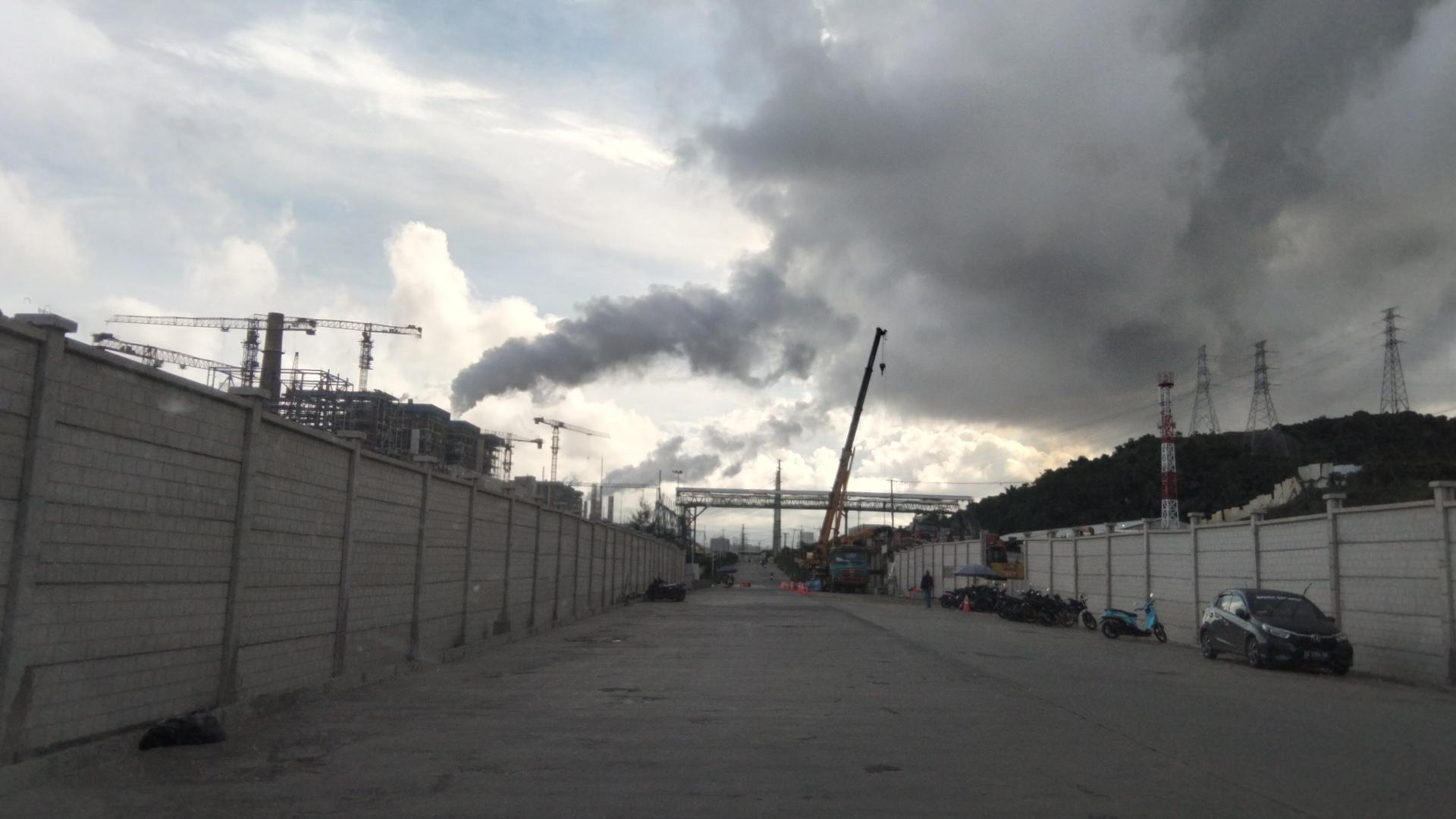
Mirna said security inside the mining complex was extremely restrictive. Surveillance systems, including drones, closely monitored worker movements. Employees were reportedly prohibited from meeting outsiders or receiving visitors without company approval. Even family members were not allowed to enter company areas freely.
“The security checks are very strict. The company monitors movement inside and outside the area,” she said.
Workers must also comply with strict company regulations. Violations, including safety breaches or attendance issues, can result in formal warnings and possible salary deductions.
Long Hours and High-Risk Work
Mirna worked at a nickel processing facility operated by Indonesia Weda Bay Industrial Park (IWIP), a major industrial complex in Central Halmahera. She said recruitment remains continuous because employee turnover is high.
“Vacancies are available almost every day. When someone resigns, the company can quickly replace them because many new workers continue to arrive,” she said.
According to her, production continues year-round with limited breaks.
“Work does not stop. Some employees, especially men, are still required to work during public holidays,” she added.
Workers generally follow a demanding schedule, starting preparation early in the morning and working until evening, often including overtime. Mirna said workers usually endure the conditions because they have financial goals, such as building houses, supporting families, or paying debts.
“Many people come only to achieve a short-term target. Once they have enough money, they leave,” she said.
Health Risks and Workplace Accidents
Workers face daily exposure to heavy machinery, industrial dust, heat, and hazardous materials. According to Mirna, welding crews frequently experience eye problems due to intense exposure to welding activities. Failure to wear personal protective equipment (PPE) can result in disciplinary action, but the risks remain significant.
“Safety meetings are held after accidents happen. Sometimes several incidents occur within one week,” she said.
She recalled reports of serious accidents, including workers falling into industrial pipes and losing their lives, as well as employees collapsing from exhaustion. In cases of workplace fatalities, companies reportedly provide compensation and arrange transportation of bodies. However, Mirna claimed that some foreign workers who die are buried directly within company areas rather than being returned to their home countries.
Workers Struggle Despite Company Facilities
Although the company provides dormitories, meals, drinking water, and medical facilities, Mirna said many workers remain dissatisfied with living conditions. She described experiencing serious health problems during her employment.
“I became sick twice. I suffered from gallbladder inflammation, which I believe was related to stress, mental pressure, and unhealthy eating habits,” she said.
She later experienced severe breathing problems and fluid accumulation in her lungs, requiring referral for treatment in Ternate.
“Before that, I had stomach pain for two weeks. I continued working because missing work means losing income,” she said.
Indonesia’s national health insurance program (BPJS) covered the treatment, with contributions deducted from workers’ salaries.
Food, Housing, and Rising Living Costs
Workers living outside company dormitories face additional financial burdens. Rental rooms in nearby communities can cost around 1.5 million Rupiah per month, often with limited facilities, including shared bathrooms, poor water quality, and frequent power outages. Married workers face even greater challenges because transportation costs, food expenses, and rent quickly accumulate. Some workers move to Lelilef to seek better accommodation, but movement and access are reportedly more restricted compared with other areas.
Mirna also criticized the quality of food provided at company facilities. Meals often consist of simple dishes such as vegetable soup, small portions of fried food, and basic meals that workers consume mainly to maintain energy for work.
“Workers eat because they need to survive, not because the food is enjoyable,” she said.
Environmental Concerns Affect Local Communities
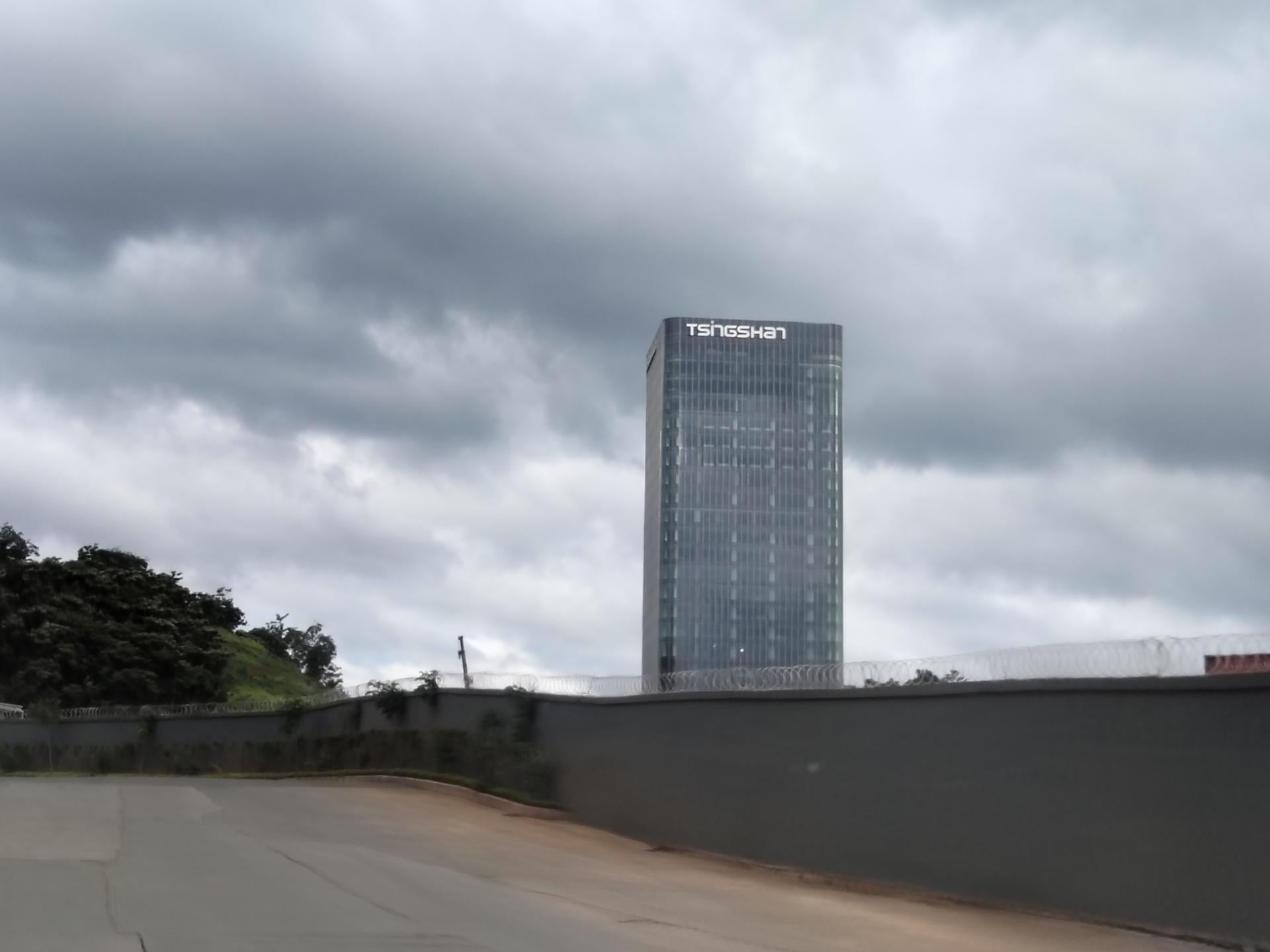
Beyond labor issues, residents have raised concerns about the environmental impact of mining activities. Lelilef and surrounding communities have reportedly experienced increased dust pollution, while coastal areas have been affected by industrial waste. Sagea Kiya Village, once known for its natural beauty, including waterfalls and caves, has faced environmental challenges linked to mining expansion.
“The water quality has changed. Some residents now need bottled water because well water has become cloudy, smells unpleasant, and is unsuitable for daily use,” Mirna said.
Residents have repeatedly said local communities have not received enough economic benefits despite living near large-scale mining operations.
Expansion of Industrial Areas and Foreign Influence
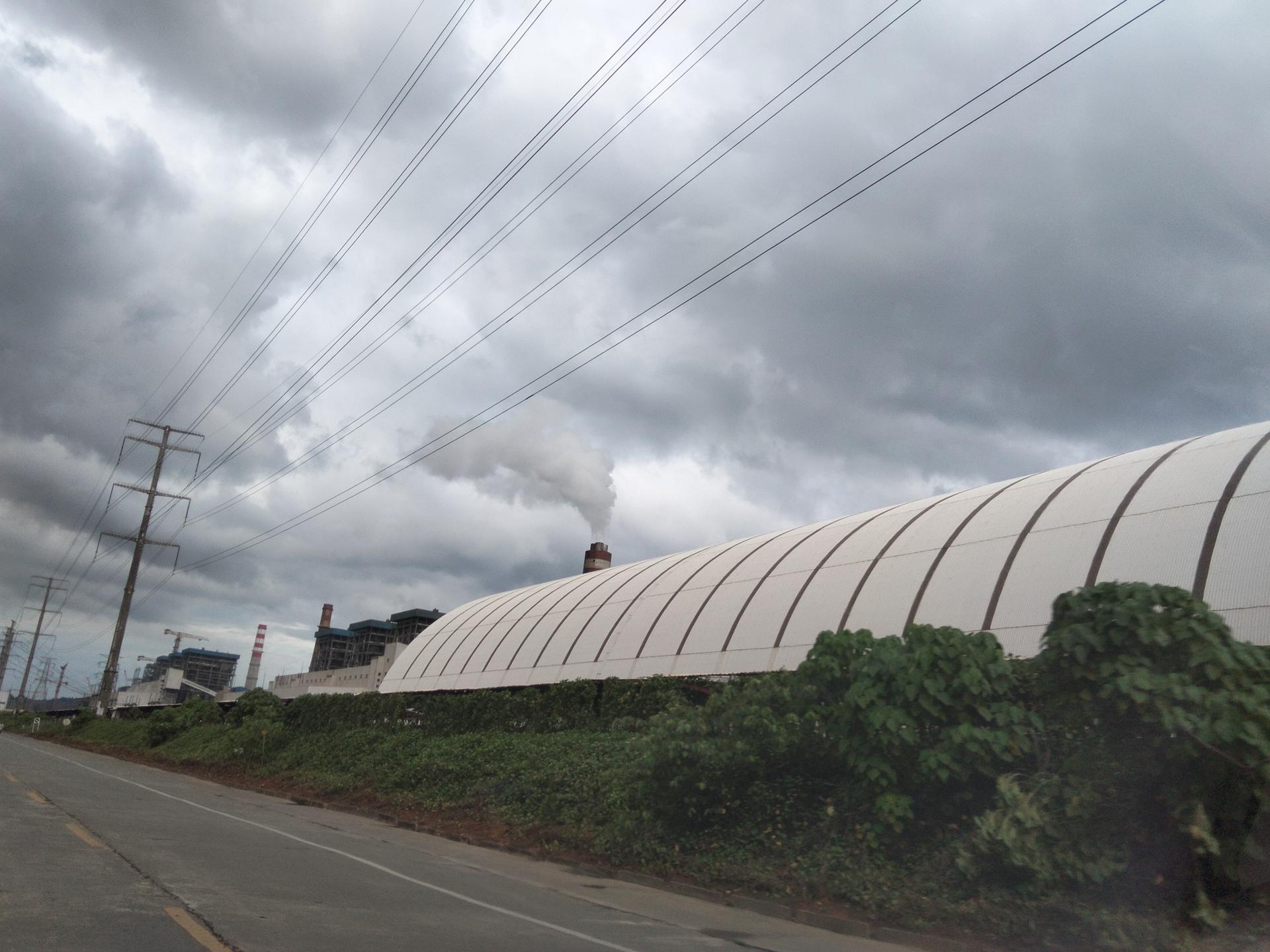
Mirna said IWIP’s industrial area has continued expanding, with mining concessions extending toward East Halmahera. She claimed that photography and video recording inside the complex are strictly prohibited, while mobile phone use is restricted during working hours.
“The area is enormous. Surveillance cameras are everywhere, and security forces are stationed around company boundaries,” she said.
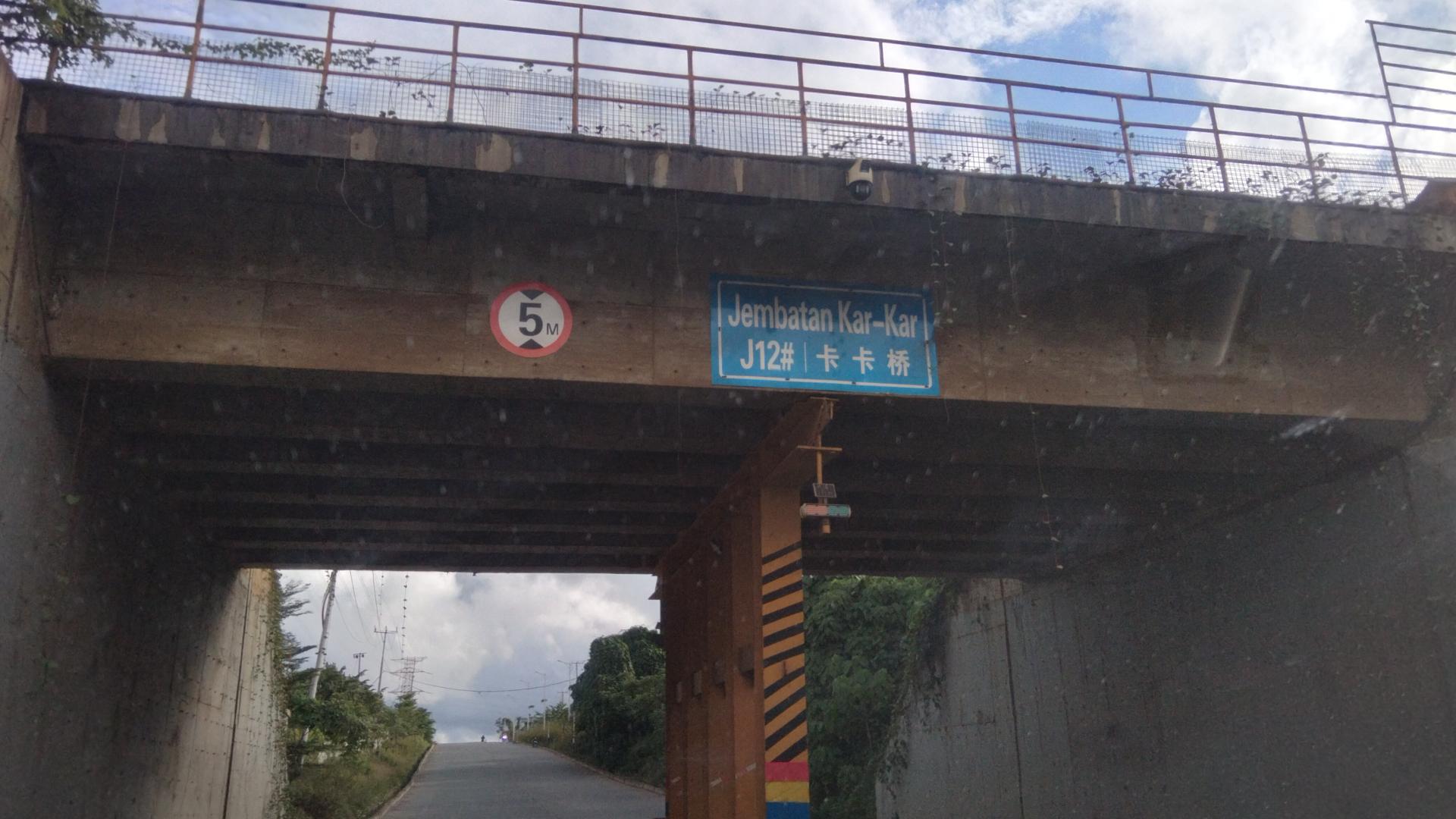
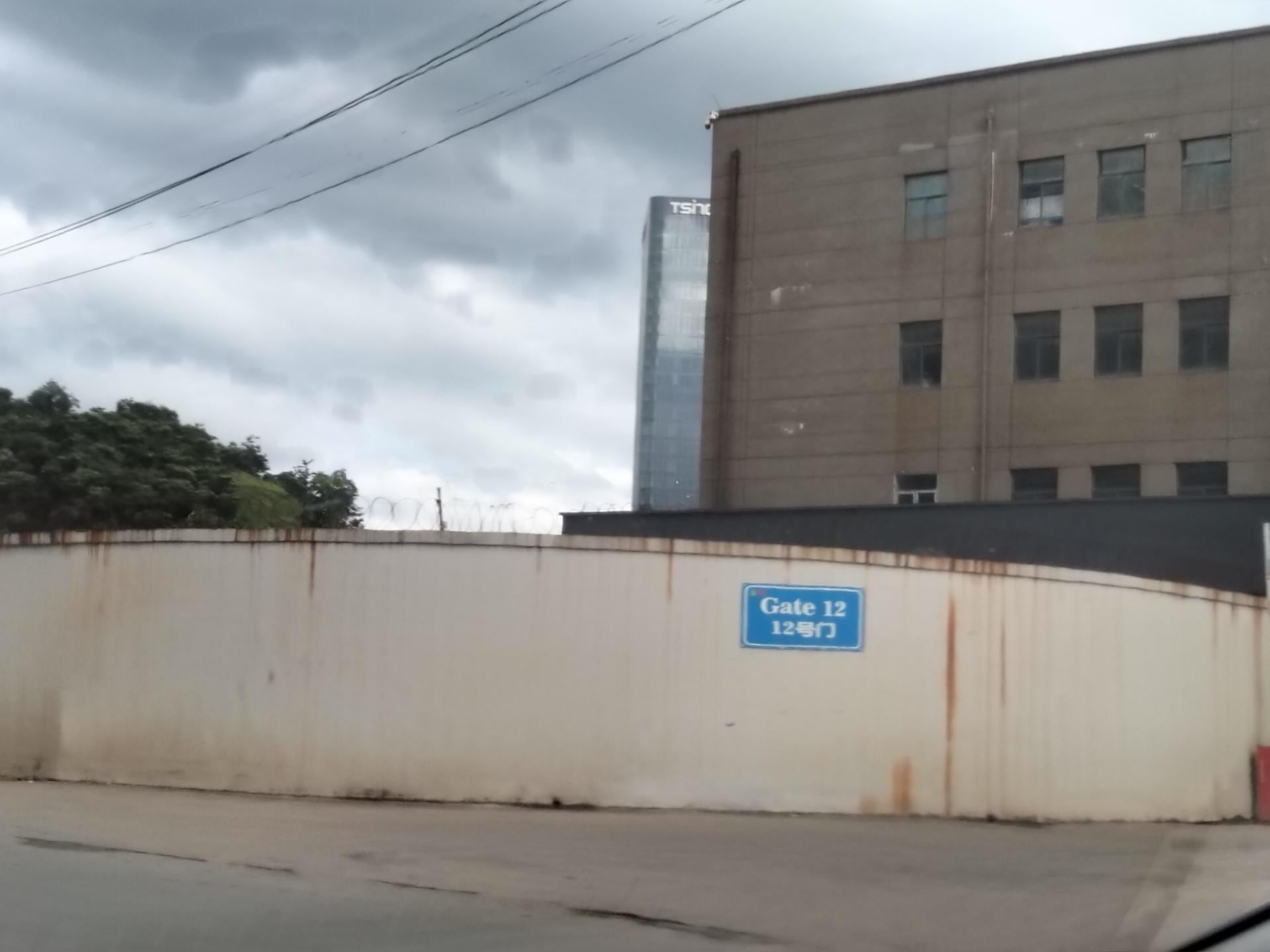
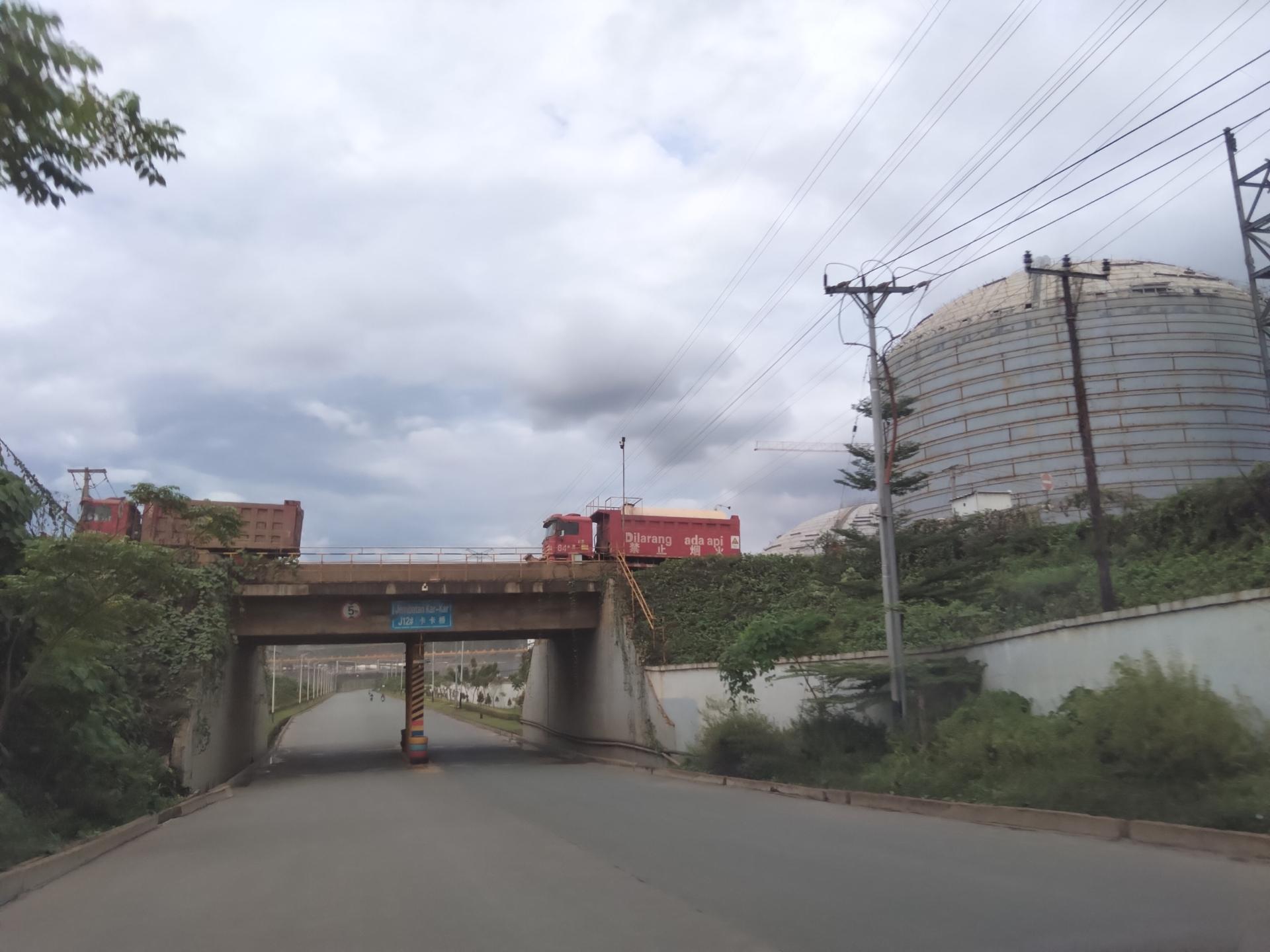
She also noted that many facility signs, computer systems, and equipment labels use the Chinese language, reflecting the strong presence of foreign investment and imported technology.
Drivers and Workers Confirm Tight Security
Rizal, a driver from Ternate who frequently transports workers and visitors to the industrial area, confirmed that the complex is vast and receives a continuous flow of workers, particularly from Ambon and Manado. He also confirmed the existence of Cekel Airport, a private airstrip used by company officials, and said security personnel are heavily present throughout the area. According to Rizal, some married workers eventually resign because living away from their spouses becomes difficult.
“Many return home because managing daily life alone is challenging. When they return late from shifts, food may already be finished, and they have to cook for themselves. With expensive rent and transportation costs, staying becomes difficult,” he said.
A Mining Industry Built on Temporary Dreams
For many workers, employment in Central Halmahera’s mining sector represents a chance to improve their financial situation. However, for others, the reality has been a cycle of demanding work, health risks, and economic pressure. While mining has transformed the region into one of Indonesia’s major industrial hubs, former workers say the benefits have not always reached those doing the hardest jobs.
Behind the rapid growth of the nickel industry, many laborers still face questions about fair wages, workplace safety, environmental protection, and the long-term well-being of communities around mining operations.
--The writer is a journalist covering Indigenous Peoples of the Indonesian Archipelago, specifically the Maluku Islands, and a 2026 Cultural Survival Indigenous Journalism Fellow. She is a journalist and human rights defender based in Indonesia who has pioneered some initiatives for women's empowerment and youth counseling. She has over two decades of experience in media advocacy for women, children, and Indigenous communities, documenting the violation of Indigenous Peoples' rights to land and access to customary forests by the extractive industries. In this fellowship, she will amplify the voices of Indigenous communities, primarily focusing on the environmental impacts of mining through investigative articles and visual reports on the disruption of local economies and the degradation of Indigenous land and territories caused by mining expansion.