
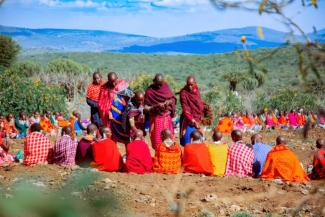
For countless generations, the Maasai have governed their communities without separating leadership from land, culture, spirituality, livestock, and collective responsibility. Our governance system is not built around one powerful individual. It is a living network of Elders, women, spiritual leaders, family heads, and community assemblies, each carrying different responsibilities. Authority is earned through service, wisdom, integrity, experience, and the ability to protect the well being of the whole community.
These structures continue to guide communities through drought, land conflicts, social change, and increasing pressure from conservation, tourism, and investment projects. Although State institutions now exercise formal administrative power, Maasai customary governance remains central to community identity and decision-making.
Governance as a Collective Responsibility
The Maasai understanding of leadership is based on the principle that no person exists alone. An individual belongs to a family, a clan, a neighborhood, an age-set, a territory, and the wider community. Decisions affecting grazing land, water, livestock, ceremonies, peace, and community relations are therefore not expected to be made privately. Traditionally, important matters are discussed through community gatherings where traditional leaders (spiritual, clan, and age-set), Elders, and other respected members contribute their knowledge. Discussion continues until there is broad consensus and a decision that protects the collective interest.
The Maasai age-set system is one of the most recognizable foundations of our social and political organization. Men pass through age-related stages with different responsibilities, moving from boyhood to warriorhood and into adulthood. Each age-set develops its own identity, solidarity, duties, and leadership, playing important political and representative roles.
The Olaigwanani is an age-set or a clan leader and spokesperson. His responsibility is not to rule as an individual, but to represent, coordinate, advise, and guide. A respected Olaigwanani must listen carefully, communicate clearly, maintain unity, and act in accordance with community values. He is supported by Elders and cannot legitimately make major decisions without consultation.
Elders hold authority because they carry historical knowledge, experience, customary law, memory of relationships among clans, territories, and generations. They mediate disputes, advise families, guide ceremonies, negotiate peace, and interpret community responsibilities. Their legitimacy depends on fairness and trust. An Elder who repeatedly acts selfishly or dishonestly may lose moral authority, even if he retains social status.
Customary dispute resolution is intended to restore relationships rather than merely punish the offender. When conflict occurs over livestock, marriage, grazing areas, or family responsibilities, Elders bring the parties together to hear both sides and seek an agreement that allows the community to continue living together.
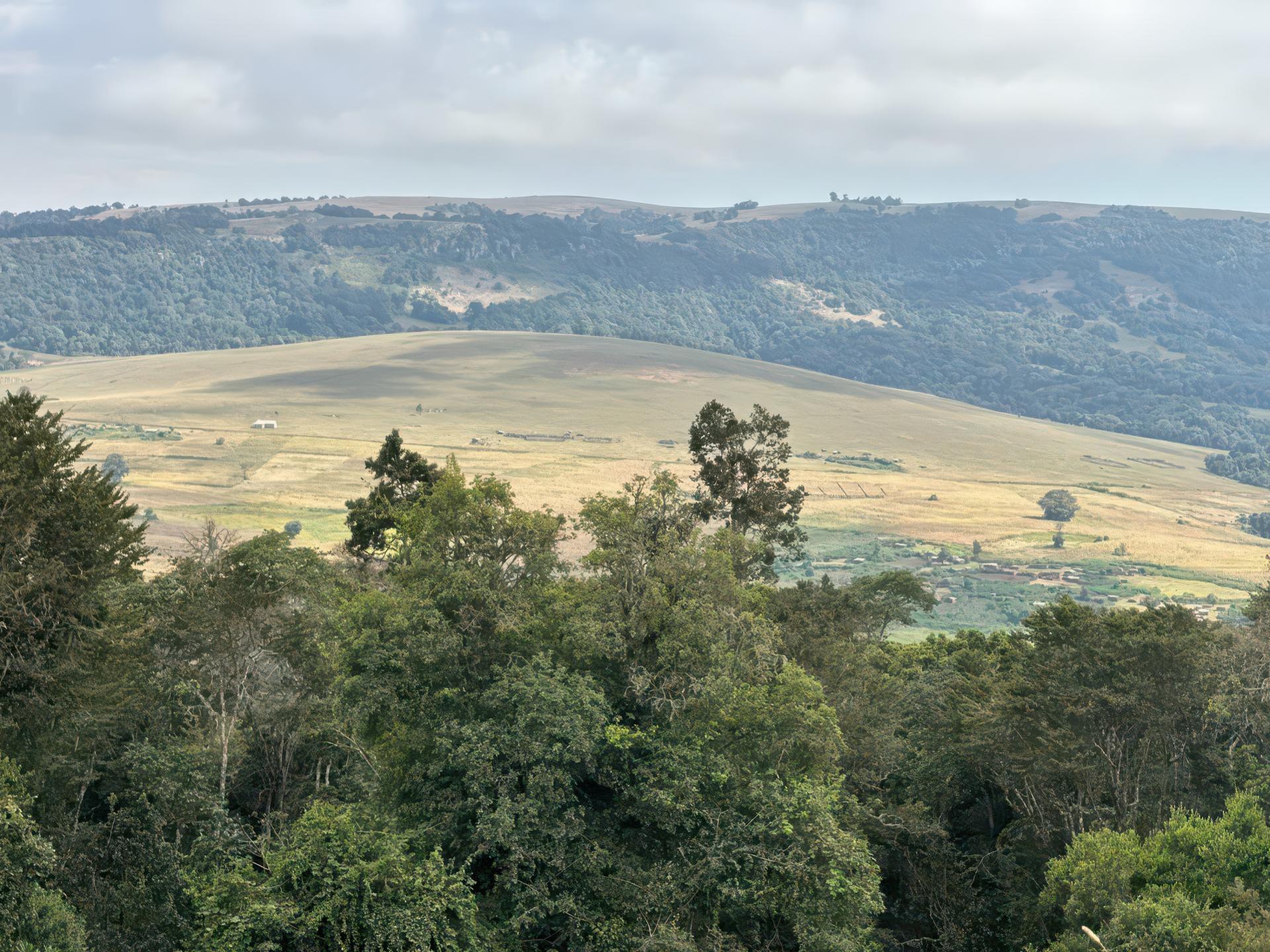
Maasai self-governance is inseparable from pastoral land management. Rangelands are not empty spaces waiting for investment. They are collectively used landscapes that contain wet-season and dry-season grazing areas, livestock routes, salt licks, water points, medicinal plants, sacred sites, wildlife habitats, and areas reserved for calves or vulnerable animals. Community members have traditionally used detailed ecological knowledge to decide when different areas should be grazed or rested. Pasture quality is assessed through the presence of particular grasses and plants, soil conditions, water availability, livestock health, and seasonal patterns.
This system depends on mobility. During drought, livestock may need to move across large areas to reach water and pasture. Community leaders negotiate access, coordinate use, prevent premature grazing of reserved areas, and address conflicts between neighboring groups. These practices have allowed people, livestock, and wildlife to coexist across variable dryland environments. The modern fragmentation of rangelands by conservation boundaries, farms, tourism concessions, roads, trophy-hunting areas, and private investments has weakened these governance systems. When communities lose access to dry season grazing areas or livestock routes, they also lose the ability to apply their knowledge responsibly. The result is overcrowding, pasture degradation, conflict, livestock deaths, and poverty.
Women’s Leadership and Authority
The Maasai governance system often focuses only on males. However, Maasai women have always exercised important forms of social, cultural, spiritual, and household authority, even when they are excluded from formal public leadership. Women manage households, food and water distribution, water, housing, and much of the daily knowledge connecting family well being to livestock and the environment. They preserve and transmit songs, oral histories, medicinal knowledge, ceremonies, and values to the children.
Women also observe changes in water availability, nutrition, livestock productivity, disease, and household vulnerability. This knowledge is essential to community decision-making. Women may collectively express approval, concern, blessing, or protest through gatherings, songs, ceremonies, and direct engagement with elders. Their moral voice can influence family and community decisions.
Patriarchal practices have limited women’s participation in land allocation, village leadership, and formal negotiations with government or investors, but today, Maasai women are demanding fuller recognition by strengthening governance so that it reflects the knowledge and rights of the whole community. Indigenous Women Development Affairs supports women to participate in village councils, land discussions, environmental governance, and advocacy. Maasai women are also beginning to serve on leadership bodies responsible for grazing, conservation, and finance.
Self-Governance Under Pressure
In Tanzania, customary Maasai governance now operates alongside village governments, district authorities, courts, conservation agencies, and national laws. This creates both opportunities and tensions. Some traditional leaders work closely with elected/appointed leaders, while others are consulted only after decisions have already been made. In many cases, communities receive information about our land use plans, restrictions, conservation/tourism investments, or carbon projects after negotiations have advanced. When outsiders/negotiators identify only a few individuals as community representatives and bypass broader assemblies, they create division.
Meaningful self-governance requires Free, Prior and Informed Consent. Communities must receive information in languages they understand, have sufficient time to discuss it through their own institutions, and include women and youth. They must be free to accept, reject, or reshape proposed activities. Consultation cannot be reduced to attendance sheets or meetings called after decisions have been made.
Current pressures in Ngorongoro and Loliondo demonstrate why Indigenous governance remains essential. Restrictions on land access, livestock confiscation, reduced services, and displacement threaten not only livelihoods but also the institutions through which Maasai communities govern themselves. Reports have documented serious concerns regarding access to health services, pressure to relocate, and interference with pastoral life in Ngorongoro.
Preserving Maasai governance does not mean freezing it in the past. It means strengthening its core principles of collective responsibility, accountability, consensus, respect for Elders, protection of land, intergenerational learning, and service to the community while ensuring equality and responding to new realities. We need stronger collaboration among customary leaders, women’s groups, youth, local government structures, civil society, and legal advocates. We need documentation of customary laws, grazing institutions, oral histories, and ecological knowledge, while protecting sacred and confidential information. Young people should learn not only the names of leadership structures, but also the values that make them legitimate.
Digital tools can help record community decisions, map resources, preserve oral knowledge, and communicate threats. However, technology must remain under community control. Knowledge should not be extracted, commercialized, or published without consent. For the Maasai, self-governance is ultimately about maintaining a living relationship with people, territory, livestock, wildlife, ancestors, and future generations. As environmental and political pressures increase, the survival of Maasai governance will depend on recognition of our collective land rights and our authority to determine our own futures.
Our governance systems are not obstacles to development. They are proven models of resilience, stewardship, peacebuilding, and belonging. Protecting them is essential not only for Maasai cultural survival, but for the dryland ecosystems that our communities have sustained for generations. A strong Indigenous governance system must be honest about internal inequalities. Culture should protect dignity: it should not be used to silence women, youth, persons with disabilities, or poorer households. Our traditions are living systems capable of reflection and change.
Alice Tipap (Maasai) is Climate Change Action Coordinator at Indigenous Women Development Affairs (IWDA).
Top photo: Olamal loo ndomonok, a women’s ceremony guided by Elders and traditional leaders at Maaloni village, Loliondo division, Tanzania.
