Por Mathias Tooko (Masái, becario de CS)
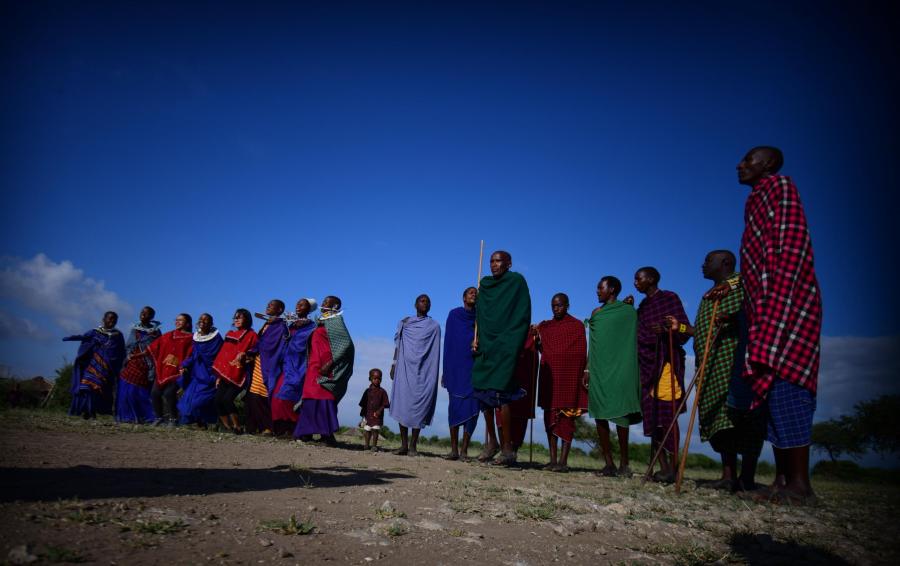
Los masái son ampliamente reconocidos como una de las pocas comunidades Indígenas cuya identidad cultural sigue siendo claramente visible y profundamente arraigada en la tradición. Durante generaciones, su forma de vida pastoral ininterrumpida, su organización social, sus ceremonias, su vestimenta y su conocimiento ecológico han definido su identidad colectiva, al tiempo que proyectan una poderosa imagen global de África Oriental. Tanto en Tanzania como en Kenia, los dos países donde reside predominantemente el pueblo masái, la cultura maa se ha convertido en un símbolo nacional que se exhibe con frecuencia en campañas turísticas, en el marketing global y en la industria del entretenimiento como representación de herencia cultural, autenticidad y armonía con la naturaleza.
Sin embargo, detrás de esta imagen celebrada existe una realidad más compleja y urgente. El patrimonio cultural masái enfrenta cada vez más desafíos que amenazan su continuidad. Aunque los Masái siguen profundamente vinculados y leales a su modo de vida tradicional —uno que define su orgullo, su identidad y su existencia—, las rápidas transformaciones ambientales, sociales y económicas están contribuyendo a una erosión cultural gradual, pero profunda.
Entre estas fuerzas, el cambio climático destaca como el factor más crítico y acelerado. Los cambios en los patrones de lluvia, las sequías prolongadas, las estaciones impredecibles y la reducción de las tierras de pastoreo no solo están transformando los medios de vida pastorales, sino que también están alterando los sistemas culturales arraigados en ellos. Para los Masái, el ganado es más que un recurso económico: es un elemento central de la espiritualidad, las relaciones sociales, los ritos de paso y la cohesión comunitaria. Cuando el cambio climático altera los ciclos de pastoreo y la disponibilidad de agua, también interrumpe las ceremonias, los patrones tradicionales de movilidad, la transmisión intergeneracional de conocimientos y los roles de género que durante mucho tiempo han estructurado la sociedad masái.
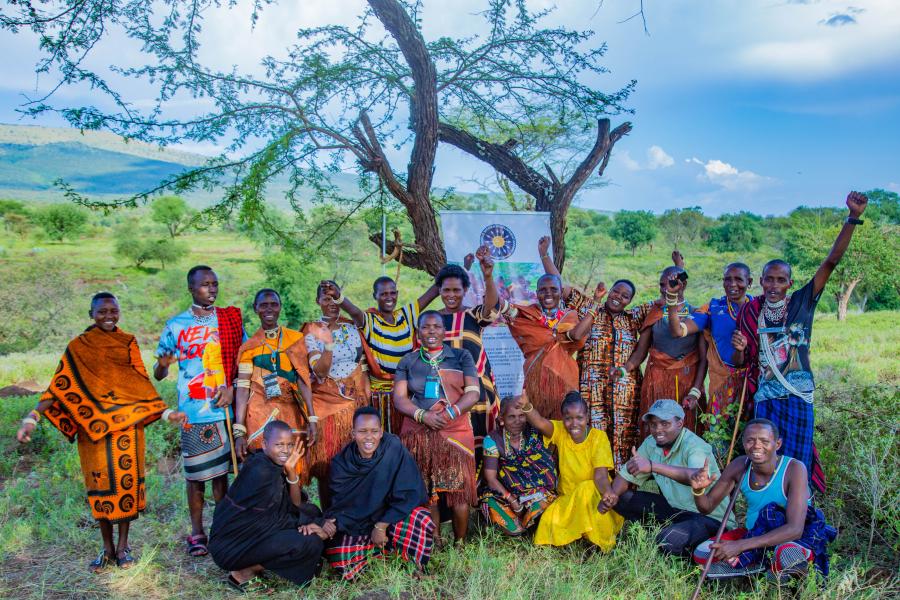
Este artículo es el resultado de un proyecto orientado a documentar la cosmovisión y la sabiduría del pueblo masái sobre el cambio climático, realizado en el marco de la Beca de Periodismo de Investigación de Cultural Survival. Se basa en experiencias compartidas por personas mayores masáis del norte de Tanzania, quienes reflexionan sobre cómo el cambio climático está influyendo en sus medios de vida y en sus prácticas culturales. A través de conversaciones en profundidad, cuatro personas mayores —mujeres y hombres con amplios conocimientos—, representantes de las aldeas de Engaresero, Oloirien, Olopiri y Ololosokwan, compartieron sus perspectivas y recuerdos. Estas aldeas fueron seleccionadas por la diversidad de sus entornos ecológicos, que abarcan desde zonas de tierras altas y las faldas del Gran Valle del Rift, hasta extensas sabanas de pastizales. Cada paisaje presenta presiones ambientales y respuestas de adaptación particulares, ofreciendo experiencias diversas, aunque interconectadas, frente a los cambios impulsados por el clima.
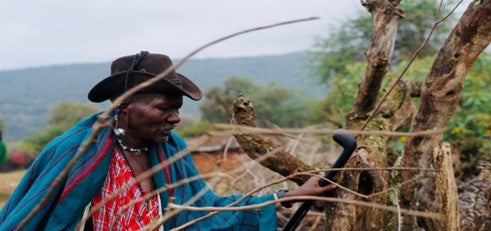
Kimbai Ole Nagol compartiendo sus amplios conocimientos sobre la medicina tradicional masái.
La lucha por salvaguardar la sabiduría herbolaria masái
En la aldea de Naan, el respetado anciano masái Kimbai Ole Nagol habló sobre las profundas transformaciones que se están desarrollando en su comunidad. Es un herbolario local muy conocido que ha tratado diversas enfermedades utilizando conocimientos medicinales Indígenas transmitidos de generación en generación. Aunque reconoce las dinámicas más recientes del cambio climático, Ole Nagol subrayó que este no debe entenderse únicamente como una crisis ambiental, sino también como una crisis cultural. Como practicante de la medicina herbolaria, presencia de primera mano cómo los cambios ambientales están afectando directamente los sistemas de conocimiento masáis y las tradiciones de atención médica. Las sequías prolongadas, el aumento de las temperaturas y los patrones erráticos de lluvia han provocado la desaparición de varias plantas medicinales importantes que antes crecían en abundancia en las tierras de pastoreo cercanas y en las zonas boscosas.
“Creo que muchas personas entienden el cambio climático solo como un problema ambiental. Ven la sequía, ven morir al ganado, ven el hambre”, señala Ole Nagol. “Eso es muy cierto, pero desde mi experiencia personal, el cambio climático va mucho más allá de eso. Está eliminando lentamente nuestro Conocimiento Tradicional, que ha pasado de una generación a otra. Por ejemplo, durante unos 15 a 20 años, yo solía recolectar un fruto medicinal llamado Iseketek. Crecía cerca de nuestras casas, en las colinas boscosas. No teníamos que caminar largas distancias para encontrarlo. Conocíamos su temporada, su sabor, su poder curativo. Formaba parte de nuestra vida y de nuestra medicina. Hoy, debido a las sequías prolongadas, esas plantas ya no están. La tierra se ha vuelto demasiado seca, las estaciones han cambiado y el Iseketek está desapareciendo. Lo que más me duele es que muchos jóvenes ni siquiera han visto este fruto. No conocen su valor, no conocen las historias que hay detrás de él, ni cómo se usaba para tratar ciertas enfermedades. Cuando una planta desaparece, su conocimiento también desaparece. Y no es solo el Iseketek; hay otras, como Osokonoi y Emugutan. Estas plantas se están volviendo raras. Con ellas, una parte de nuestra identidad se está desvaneciendo”.
Mientras escuchaba la experiencia de vida de este adulto mayor, oí en sus palabras algo más que preocupación: también transmitían dolor. Su reflexión revela una dimensión del cambio climático que rara vez se documenta: la silenciosa erosión de la memoria Indígena. Mientras que los debates sobre políticas públicas suelen medir el cambio climático en aumento de temperatura, variabilidad de las lluvias y pérdida de ganado, para comunidades como la masái la crisis también se mide en nombres que desaparecen, prácticas medicinales que se desvanecen y sistemas de conocimiento Indígena que se interrumpen. En otras palabras, la desaparición de las plantas medicinales representa más que un cambio ecológico. Más bien, constituye una ruptura en la cadena de transmisión cultural. El bosque funcionaba antes como un aula viva donde las personas mayores guiaban a la juventud en la identificación de plantas, la comprensión de sus propiedades y el respeto por la tierra. Ahora, a medida que ciertas especies desaparecen, esta aula se está reduciendo.
En Engaresero, situado en el fondo del Gran Valle del Rift, el paisaje ecológico difiere significativamente del entorno de tierras altas de Oloipiri. Ciertas plantas medicinales, como Iseketek y Osokonoi, que son más accesibles en las zonas elevadas, son naturalmente menos comunes aquí debido a las variaciones de altitud, suelo y vegetación. Sin embargo, a pesar de estas diferencias ambientales, la experiencia subyacente de la presión climática sobre el conocimiento cultural sigue siendo notablemente similar.
Allí hablé con Normao Kimojino para comprender los patrones del conocimiento herbolario Indígena y cómo están siendo afectados por el cambio ambiental. Ella reconoce que el cambio climático está generando tanto tensión ambiental como disrupción cultural. Según Kimojino, uno de los cambios más visibles ha sido la alteración en los desplazamientos de la fauna silvestre. Históricamente, las comunidades masáis han coexistido estrechamente con los animales salvajes, compartiendo el paisaje de maneras prácticas y culturalmente significativas. Sin embargo, las sequías prolongadas, la reducción de las fuentes de agua y los cambios en los patrones de vegetación están empujando a la fauna silvestre a migrar hacia zonas más remotas o protegidas en busca de pasto y agua.
Kimojino explica que los elefantes han desempeñado desde hace tiempo un papel indirecto, pero importante, en las prácticas curativas tradicionales. Los Masái utilizan el estiércol de elefante como remedio para ciertas afecciones relacionadas con las articulaciones. Debido a que los elefantes consumen una gran variedad de plantas silvestres, su estiércol parcialmente digerido contiene una mezcla de compuestos botánicos que se considera tiene valor terapéutico. Este conocimiento, desarrollado a lo largo de generaciones de observación ecológica cercana, refleja una comprensión sofisticada del comportamiento animal y de las propiedades de las plantas. Hoy, a medida que el cambio climático reconfigura el ecosistema, los elefantes se ven con menos frecuencia cerca de las tierras comunitarias. Su migración hacia zonas distantes ha hecho que el acceso a este remedio tradicional sea cada vez más difícil, lo que antes estaba fácilmente disponible dentro de un paisaje compartido ahora es más difícil de obtener. Ella explica:
“En Engaresero, he visto cómo la tierra ha cambiado con los años. A diferencia de las tierras altas, plantas como Iseketek y Osokonoi no son comunes aquí. Pero aun así, siento la misma presión que otras comunidades están experimentando a causa del cambio climático. No es solo el medio ambiente lo que está cambiando, sino también nuestra cultura, nuestro conocimiento, nuestra forma de vida. En el pasado, los elefantes y otros animales salvajes compartían estas tierras con nosotros. Coexistíamos. Sabíamos adónde iban y cómo su presencia influía en la tierra. Pero ahora, debido a las sequías prolongadas y a la escasez de agua, los animales se están alejando más hacia zonas remotas. Esto es más que un simple cambio en el lugar por donde se desplazan los animales: afecta nuestra medicina. Durante generaciones, hemos usado el estiércol de elefante para tratar problemas articulares. Los elefantes comen casi todo tipo de plantas silvestres y su estiércol lleva la medicina de todas esas plantas. Era un regalo de la naturaleza, disponible libremente y profundamente conectado con nuestra comprensión de la tierra. Ahora, con los elefantes alejándose de aquí, ese remedio se está volviendo más difícil de conseguir”.
Para Kimojino, este cambio representa más que la pérdida de un recurso medicinal. Señala un debilitamiento de la relación interconectada entre las personas, la fauna silvestre y la tierra. Cuando los animales migran y los ecosistemas se transforman, los sistemas de conocimiento construidos en torno a ellos también empiezan a desvanecerse. Las generaciones más jóvenes crecen sin presenciar estas interacciones, lo que limita sus oportunidades de aprender prácticas que antes estaban integradas en la vida cotidiana.
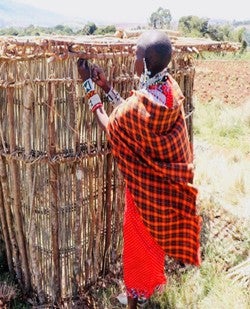
Una mujer masái asumiendo su responsabilidad tradicional de garantizar buenas viviendas para los miembros de la familia.
Cómo el cambio climático redefine los deberes sociales masái
El cambio climático está reconfigurando los roles y deberes tradicionales dentro de la cultura masái, los cuales históricamente han estado estrictamente definidos por el género y la edad. Tareas como la construcción de una vivienda eran tradicionalmente responsabilidad de las mujeres, y las habilidades y conocimientos necesarios se transmitían de madre a hija a lo largo de generaciones. Estas viviendas, construidas enteramente con barro, estiércol de vaca y madera, tenían un significado cultural que iba mucho más allá de servir como refugio: el propio proceso reforzaba los vínculos sociales y transmitía conocimientos culturales esenciales.
Hoy, sin embargo, las sequías prolongadas y el rápido deterioro de los bosques, las zonas arboladas y los pastizales han hecho que las materias primas para estas viviendas sean cada vez más escasas. Para hacer frente a esta situación, las comunidades están recurriendo a alternativas industriales como ladrillos, cemento y láminas metálicas. Este cambio ha provocado una reorganización inesperada de las responsabilidades, ya que los hombres, que históricamente tenían poca o ninguna participación en la construcción de viviendas, ahora están asumiendo estas tareas. La escasez de materiales tradicionales de construcción, agravada por las presiones climáticas, ha interrumpido la transmisión intergeneracional del conocimiento. Cada vez más, las jóvenes ya no heredan las habilidades, los rituales y las prácticas asociadas con la construcción de las viviendas masáis, lo que genera vacíos sutiles, pero significativos, en la continuidad cultural.
Kimojino describe este cambio con una mezcla de sorpresa y humor: “Construir las viviendas tradicionales masáis se ha vuelto un verdadero desafío en estos días porque los materiales de los que antes dependíamos ahora escasean. Aquí, en la aldea de Engaresero, es mucho más difícil encontrar suficiente madera, ramas y pastos para construir, en comparación con el pasado, cuando todo crecía justo a nuestra puerta. Creo que esta escasez es la razón por la que más personas están recurriendo a materiales industriales como ladrillos y láminas metálicas para construir sus casas. Lo que más me sorprende es que ahora suelen ser los hombres quienes hacen este trabajo, algo que habría sido inimaginable hace unas décadas. Casi da risa ver a los hombres asumir una tarea que siempre se ha considerado trabajo de mujeres, pero la necesidad lo ha cambiado todo”.
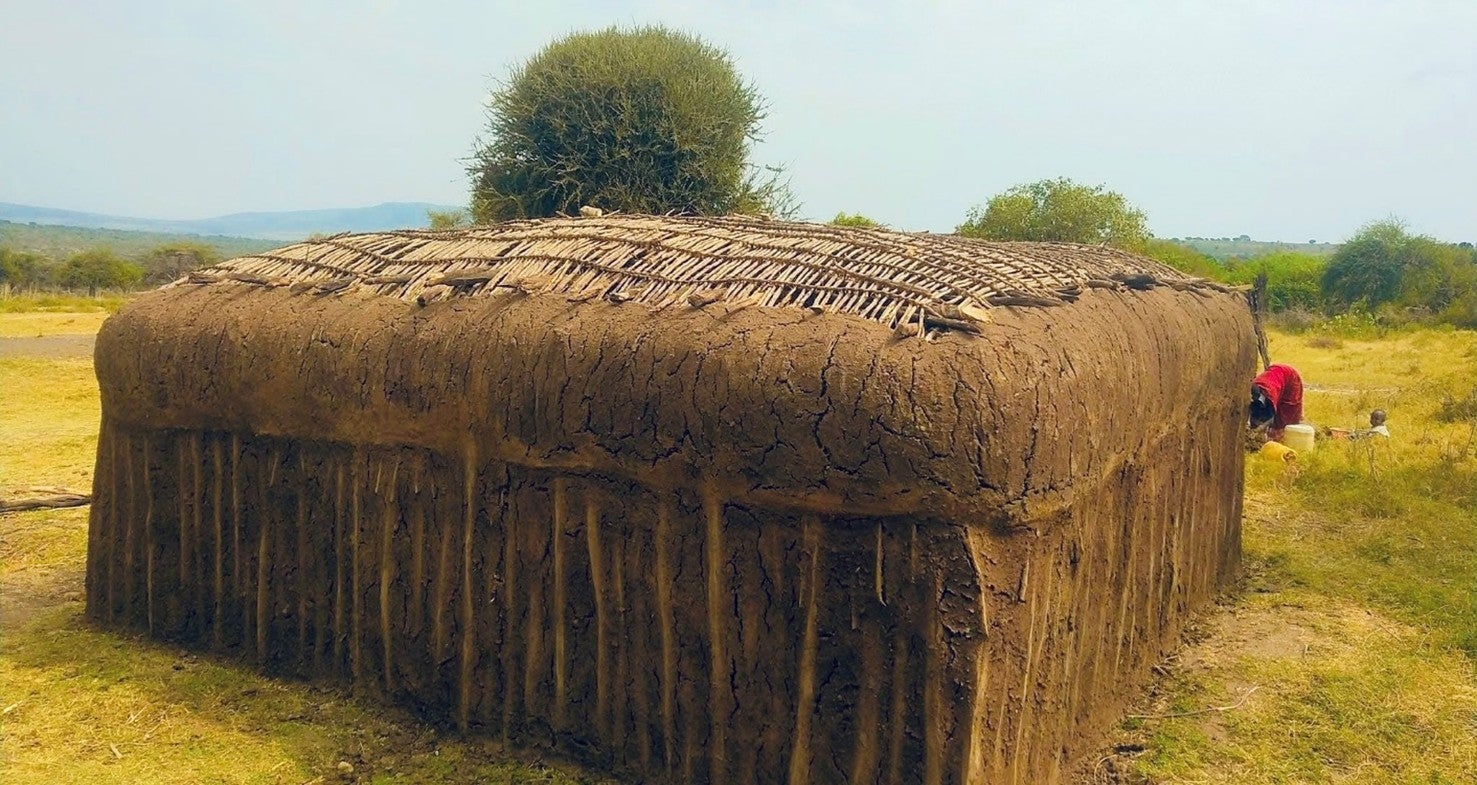
Las casas masáis están construidas exclusivamente con materiales biodegradables: estiércol de vaca, ramas, madera, tierra y hierba.
En Oloirien, visité a Ole Pusalet, un anciano masái que compartió conmigo cómo las condiciones climáticas adversas están reconfigurando las responsabilidades sociales dentro de la sociedad masái. Describe el cambio climático como una fuerza que está alterando las bases económicas y culturales de las que durante mucho tiempo ha dependido la vida comunitaria. Según Ole Pusalet, la disminución de las tierras de pastoreo, las sequías prolongadas y la reducción de las fuentes de agua han disminuido de manera significativa el número de cabezas de ganado, debilitando la seguridad alimentaria y desestabilizando las economías de los hogares. Para una comunidad cuya identidad es inseparable de la tierra y del ganado, estos cambios tienen consecuencias que van mucho más allá de la pérdida material.
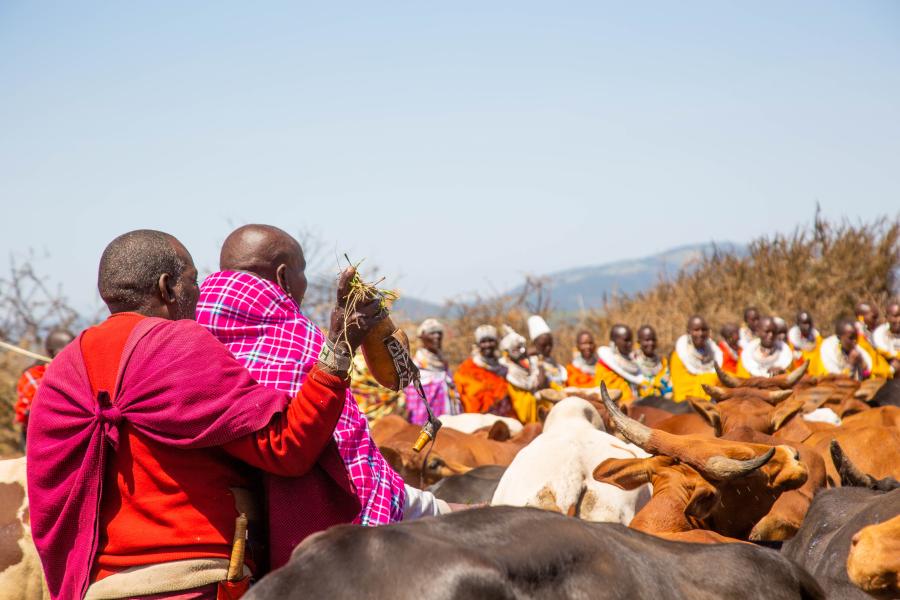
En la cultura masái, el ganado no es solo un activo económico, sino también una moneda social, central en los acuerdos matrimoniales, los rituales, el estatus y el sustento diario. A medida que los rebaños disminuyen, también están cambiando las tradiciones, costumbres y ceremonias vinculadas a ellos. Tradicionalmente, los jóvenes guerreros masáis servían como guardianes del ganado y protectores de la comunidad. Su identidad y su posición social se construían en torno a la responsabilidad pastoral. En épocas en que las tierras de pastoreo eran abundantes y los rebaños eran fuertes, este papel se veía reforzado culturalmente. Alimentos tradicionales como la leche, la carne y la sangre sostenían a los guerreros y simbolizaban la profunda interconexión entre el ganado y la vida comunitaria.
Ole Pusalet expresa una preocupación especial por el cambio en el papel de la juventud: “Hoy veo cómo la variabilidad climática ha alterado el sistema del que antes dependíamos. Los pastos ya no son confiables. Las fuentes de agua se secan rápidamente. Nuestro ganado muere durante las sequías prolongadas. La presión económica sobre las familias es más fuerte de lo que jamás había presenciado. La vida pastoral, que antes definía nuestros roles, se está debilitando. En el pasado, los jóvenes guerreros tenían un propósito claro: cuidar el ganado, proteger a la comunidad, crecer hasta convertirse en personas mayores responsables a través de la vida pastoral. La tierra proveía suficiente pasto y el ganado era fuerte. La leche, la carne y la sangre bastaban para sostener tanto a los guerreros como a las familias. Ese era nuestro sistema, y funcionaba. Me sorprende cuánto ha cambiado todo en tan poco tiempo. Muchos jóvenes ya no ven un futuro únicamente en el pastoreo. Algunos se marchan a pueblos y ciudades para trabajar como guardias de seguridad o asumir otros empleos asalariados. Otros se incorporan al sector turístico cerca de las áreas de conservación. Nunca imaginé que algún día nuestros guerreros cambiarían sus responsabilidades tradicionales por uniformes y la vida en la ciudad”.
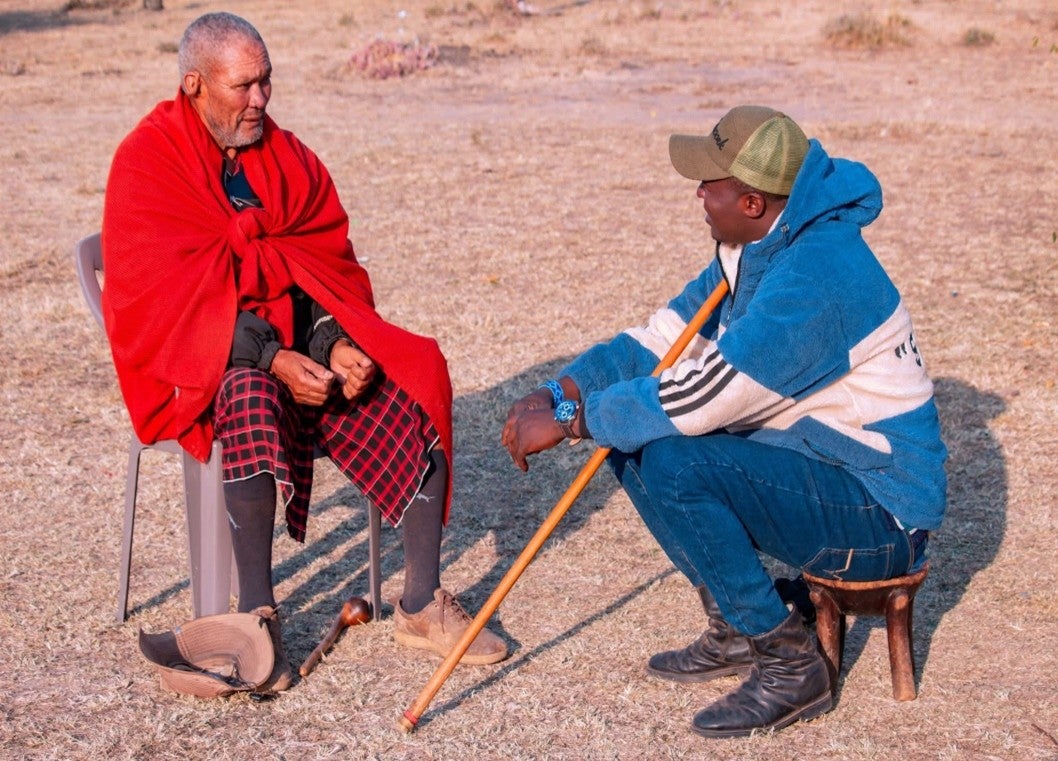
Compartiendo los conocimientos y la sabiduría de las personas mayores como aporte clave en la elaboración de este trabajo.
A medida que la juventud pasa menos tiempo dedicada a la vida pastoral, la transmisión de las habilidades tradicionales, el Conocimiento Ecológico y las prácticas ceremoniales se fragmentan. “No los culpo, porque están respondiendo a la realidad que enfrentamos, pero siento una profunda preocupación”, menciona Ole Pusalet. “Cuando los jóvenes abandonan la tierra, también dejan atrás las prácticas cotidianas mediante las cuales se transmite el conocimiento. La cadena que conecta a las personas mayores, a los guerreros y a la niñez se debilita. A veces me pregunto: si hay menos ganado y los guerreros ya no están, ¿qué quedará del sistema que nos formó? El cambio climático está cambiando quiénes somos”.
En Ololosokwan, Norkisaruni Ole Koipa compartió una observación similar sobre la transformación de los roles de las mujeres. Tradicionalmente, además de construir la vivienda familiar, las mujeres eran las principales cuidadoras, responsables de las actividades del hogar, como cocinar, ordeñar el ganado, acarrear agua y recoger leña. Más allá de estas tareas domésticas, las mujeres también desempeñaban un papel cultural esencial como animadoras de la comunidad y portadoras de saberes mediante el canto, la narración oral y la transmisión de historias, valores y enseñanzas morales a las generaciones más jóvenes en espacios sociales.
Ole Koipa señala que, hoy en día, esos momentos de transmisión cultural son cada vez menos frecuentes. El agua y la leña ahora se encuentran mucho más lejos de la aldea, lo que exige trayectos más largos y físicamente más agotadores. Al mismo tiempo, las mujeres deben afrontar las tensiones emocionales y prácticas de alimentar a sus familias mientras la sequía reduce la producción de leche y debilita al ganado. En algunos casos, las mujeres se ven obligadas a dedicarse al comercio a pequeña escala o a actividades informales generadoras de ingresos para complementar la economía del hogar, transformando sutilmente sus roles económicos tradicionales.
“Mis roles y responsabilidades como mujer han cambiado gradualmente con los años”, señala Ole Koipa. “Antes no estábamos tan cargadas de responsabilidades como lo estamos hoy, porque nuestra tierra y nuestro ganado proporcionaban casi todo lo que una familia necesitaba. La vida no era fácil, pero había equilibrio. De niñas, ayudábamos a criar a nuestros hermanos menores, traíamos agua de fuentes cercanas y asistíamos a nuestras madres en la cocina. Sin embargo, incluso con esas obligaciones, todavía teníamos tiempo para sentarnos con nuestros padres, escuchar historias, cantar juntos al atardecer y aprender el trabajo con cuentas para nuestros adornos personales. Esos momentos moldearon quiénes éramos. Nos enseñaron nuestra cultura, nuestra identidad y nuestros valores. Ahora, al hacerme mayor y ver a mis hijos y nietos, siento una tristeza silenciosa. Ellos no están disfrutando de la vida cultural que nosotras conocimos. El agua y la leña están lejos, hay menos ganado y las exigencias diarias de la supervivencia son más pesadas. Hay menos tiempo para contar historias, menos tiempo para los cantos, menos tiempo para la enseñanza pausada de las tradiciones. A veces me siento impotente, porque estos cambios están ocurriendo fuera de nuestro control”.
Los testimonios de las personas mayores de Oloipiri, Engaresero, Oloirien y Ololosokwan apuntan a una realidad compartida y urgente: el cambio climático no solo está transformando los paisajes, sino también reconfigurando las culturas. Está alterando las relaciones entre la tierra y el ganado, la fauna silvestre y los sistemas de sanación, género y responsabilidad, así como entre las personas mayores y la juventud. Para los Masáis, cuya identidad está profundamente entrelazada con la ecología, estos cambios golpean el corazón mismo de la organización social, la transmisión del conocimiento y la continuidad cultural.
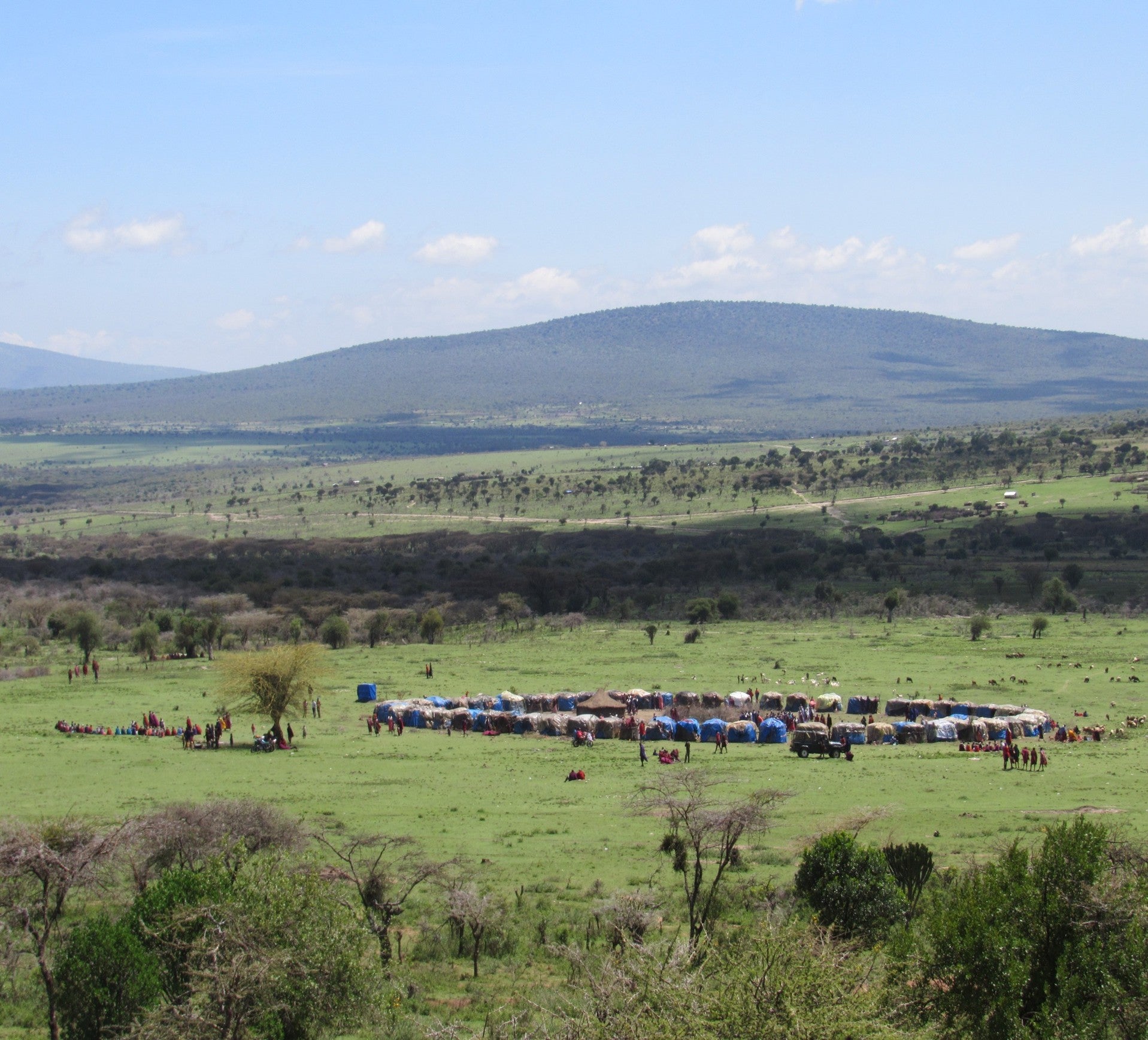
Sin embargo, a pesar de estas alteraciones, hay resiliencia. Las comunidades masáis se están adaptando de maneras visibles e invisibles, redefiniendo roles, explorando medios de vida alternativos y negociando nuevas realidades, mientras se esfuerzan por mantener su dignidad e identidad. Las personas mayores siguen alzando su voz, las mujeres continúan sosteniendo a las familias en medio de las dificultades, y la juventud transita entre la tradición y las exigencias de la economía moderna.
La documentación de estas experiencias vividas ha sido posible gracias al apoyo de Cultural Survival, cuyas becas crean espacios para que las voces Indígenas cuenten sus propias historias. Mediante el financiamiento de investigaciones comunitarias y de iniciativas de narración, Cultural Survival ayuda a visibilizar perspectivas que con frecuencia quedan fuera del discurso global sobre el clima. Con demasiada frecuencia, las conversaciones sobre el cambio climático están dominadas por estadísticas y marcos de políticas públicas, mientras que las dimensiones culturales de la pérdida y la adaptación permanecen invisibles. Esta beca ha dado voz a las palabras de las personas mayores, de las mujeres y de integrantes de la comunidad, cuyos conocimientos están arraigados en la experiencia vivida.
A medida que el cambio climático continúa redefiniendo los paisajes físicos de la tierra masái en el norte de Tanzania, también está redefiniendo los paisajes culturales. El desafío que se presenta no es, por tanto, únicamente la restauración ambiental, sino también la revitalización cultural: salvaguardar los sistemas de conocimiento Indígena, proteger el aprendizaje intergeneracional y garantizar que la adaptación no signifique desarraigo.
--Mathias Tooko (Masái) es un periodista y narrador de una comunidad del norte de Tanzania. Es becario del programa de Periodismo Indígena de Cultural Survival 2025.
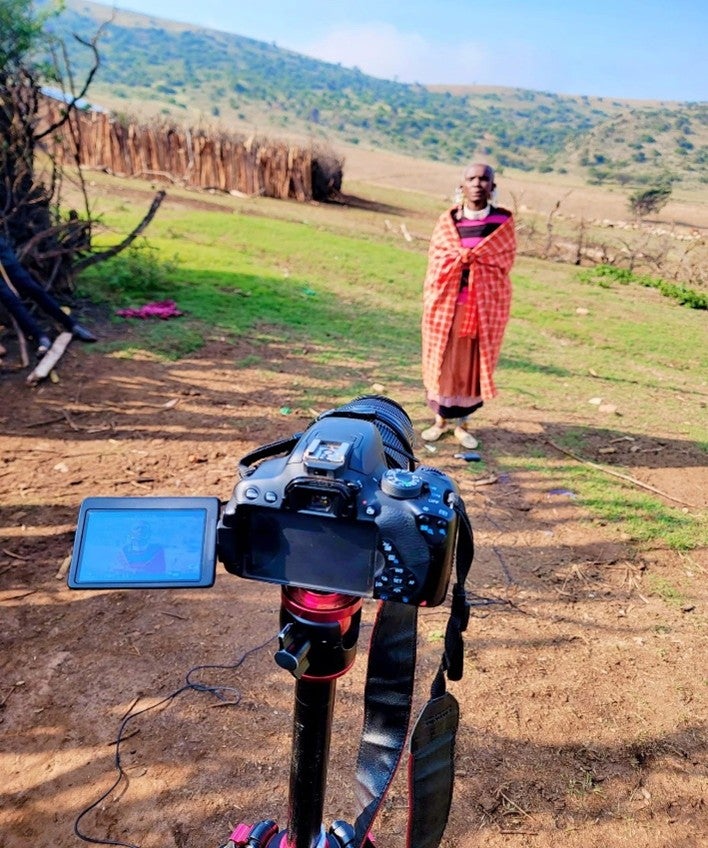
Foto superior: Entrevista con un adulto mayor durante este reportaje, en la aldea de Oloipiri.