By Bryan Bixcul (Maya-Tz’utujil), SIRGE Coalition Global Coordinator

By Bryan Bixcul (Maya-Tz’utujil), SIRGE Coalition Global Coordinator
By Oliver Lopez
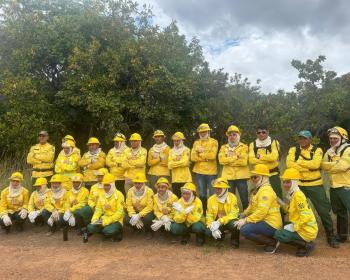
On a breezy morning in April 2025, after a long week of discussions at the 24th session of the UN Permanent Forum on Indigenous Issues, 32 delegates, Indigenous leaders, and Elders from around the world were invited by Comunidad Integradora de Saberes Andinos (CISA) and New York City’s Riverside Park Conservancy to gather at the Riverside Park Bird Sanctuary.
Although rainforests cover only 6% of the Earth, they harbor over half of its plant and animal species. These vital, biodiverse regions regulate the global climate by collecting carbon and producing oxygen. For millions of Indigenous Peoples, rainforests are homelands, providing food, medicine, and cultural identity. Indigenous Traditional Ecological Knowledge is crucial for forest sustainability and environmental resilience.
New documentary by acclaimed journalist Brandi Morin captures Shuar Peoples' resistance to a copper mining project threatening 268 square kilometers of pristine Amazon rainforest
By Ella Nathanael Alkiewicz (Labrador Inuk)
Five percent of Canada’s total population is Indigenous. Canadian Inuit, First Nations, and Métis are living, working, buying, and being alongside settlers, four-leggeds, winged-ones, and fins with the flora and fauna.
By Lucas Kasosi (Maasai, CS Intern)
“Our Elders hunted lions to protect our herds. Today, we are hunting for something else, plastic. It doesn’t roar, but it’s killing our way of life.”
— Ipato Kenta, Founder of Tembea Make An Impact
Over the past six months, Indigenous journalist Brandi Morin has travelled repeatedly to Ecuador, reporting on the impact of Canadian mining projects on the Indigenous Peoples who live there. In February, she spent time with the Shuar people, whose ancestral territory is threatened by a Solaris Resources copper mining project.
By Brandi Morin (Iriquois, Cree)
Por Pablo Xol (Maya Qʼeqchiʼ, Equipo de CS)
Por Verónica Aguilar (Mixtec, Equipo de CS)
En el Día de la Biodiversidad, presentamos el chaku o aprovechamiento de la vicuña en el paraje La Angostura de la provincia de Catamarca (Argentina). Se trata de una actividad económica y cultural que favorece la conservación de la naturaleza en tierras Indígenas.
By Esther Mwangaza
The Lemera cluster in the Democratic Republic of Congo is rich in cassiterite, a valuable mineral used in the global electronics industry. However, the pursuit of this mineral has led to conflicts with the ancestral land rights of Indigenous Pygmy communities. Mining operations have displaced many Pygmy families from their farmlands and cassava fields without consultation, leaving them without sustainable livelihoods and access to natural resources like water wells and sacred sites.
By Mariana Campos Rivera (CS intern)
“Blessed is the water
that makes the flowers of this threatened land grow
because in the face of death it grants beauty.”
-Fredy Chicangana (Quechua), Poet

Reconocimiento de tierra
Reconocemos que nuestra sede está en la tierra de Massachusetts, en Cambridge, MA, y agradecemos a los administradores Indígenas pasados, actuales y futuros de este territorio.