Pular para o conteúdo principal
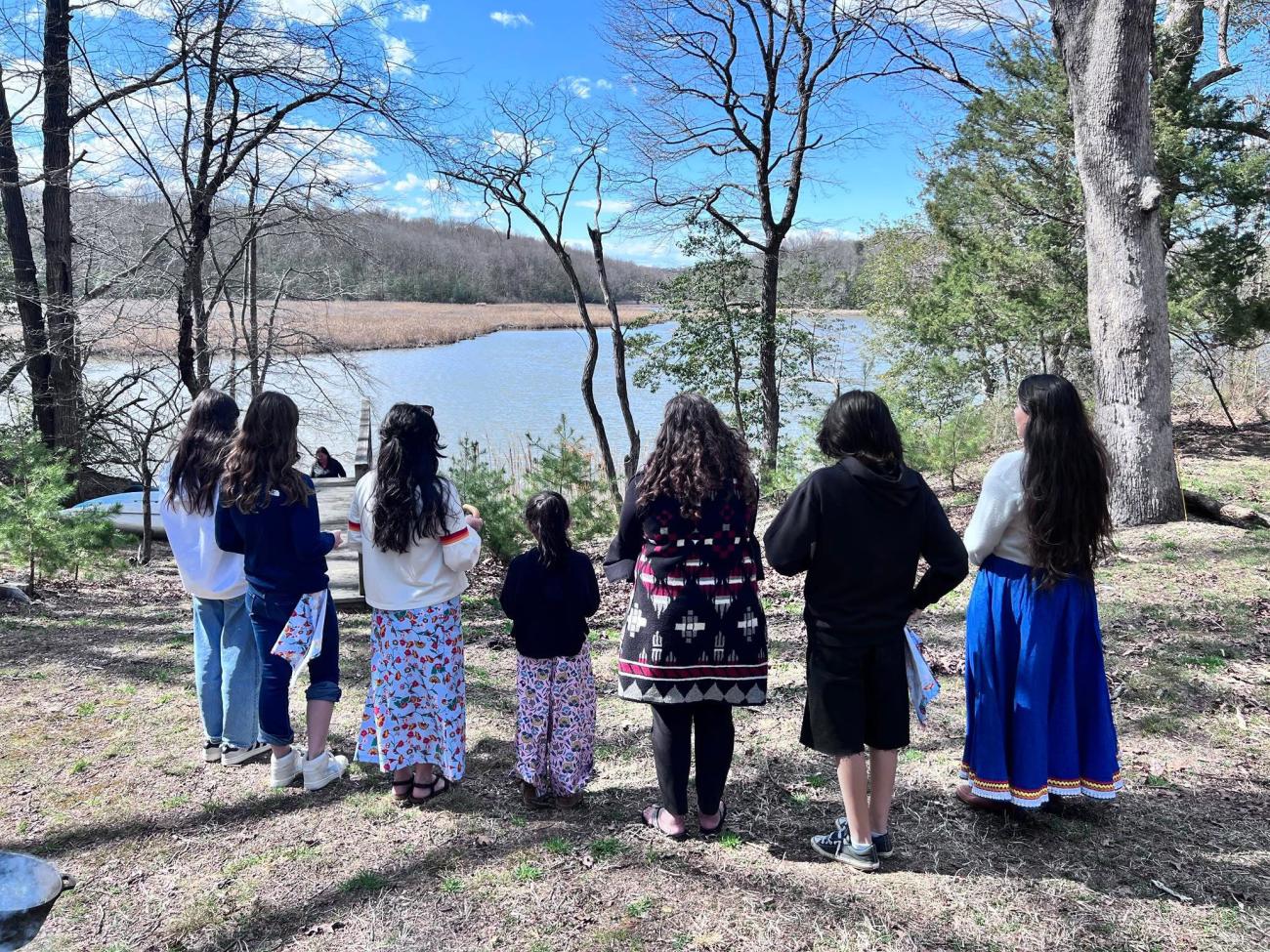
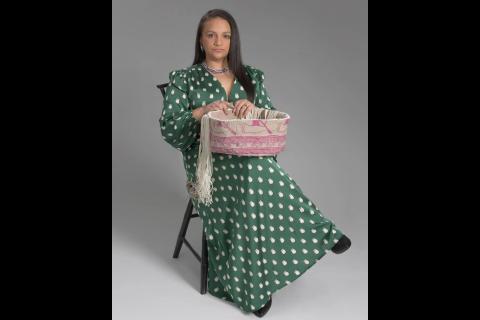
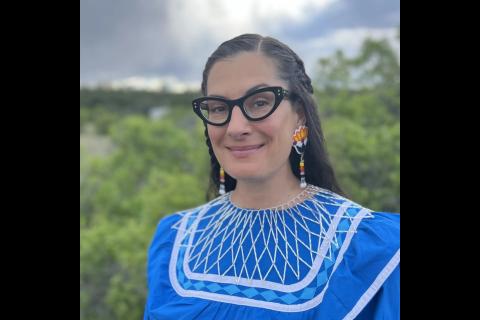
In 2016, Michelle Schenandoah, a member of the OnΛvyota’:aka (Oneida) Nation Wolf Clan of the Haudenosaunee Confederacy, founded Rematriation, an Indigenous women-led nonprofit based in Syracuse, New York. The organization uplifts Indigenous women’s voices and advances the rematriation movement, through films, podcasts, and fostering community gatherings and applying Indigenous Traditional Knowledge to areas such as environmental stewardship, governance,  policy, and justice practices.

 

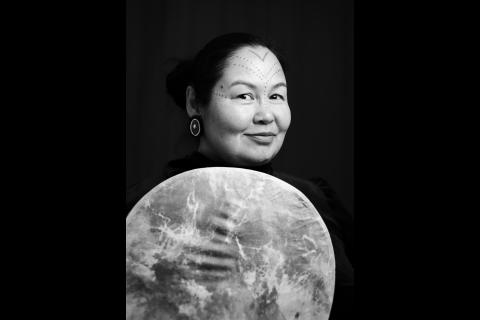
Dr. Lyla June Johnston (Diné/Tsétsêhéstâhese) is a musician, author, community organizer, and Cultural Survival Board Member. She blends her study of Human Ecology at Stanford, graduate work in Indigenous Pedagogy, and the traditional worldview she grew up with to inform her music, perspectives, and solutions. Her doctoral research focused on how pre-colonial Indigenous Nations shaped large regions of Turtle Island to produce abundant food systems for humans and non-humans.


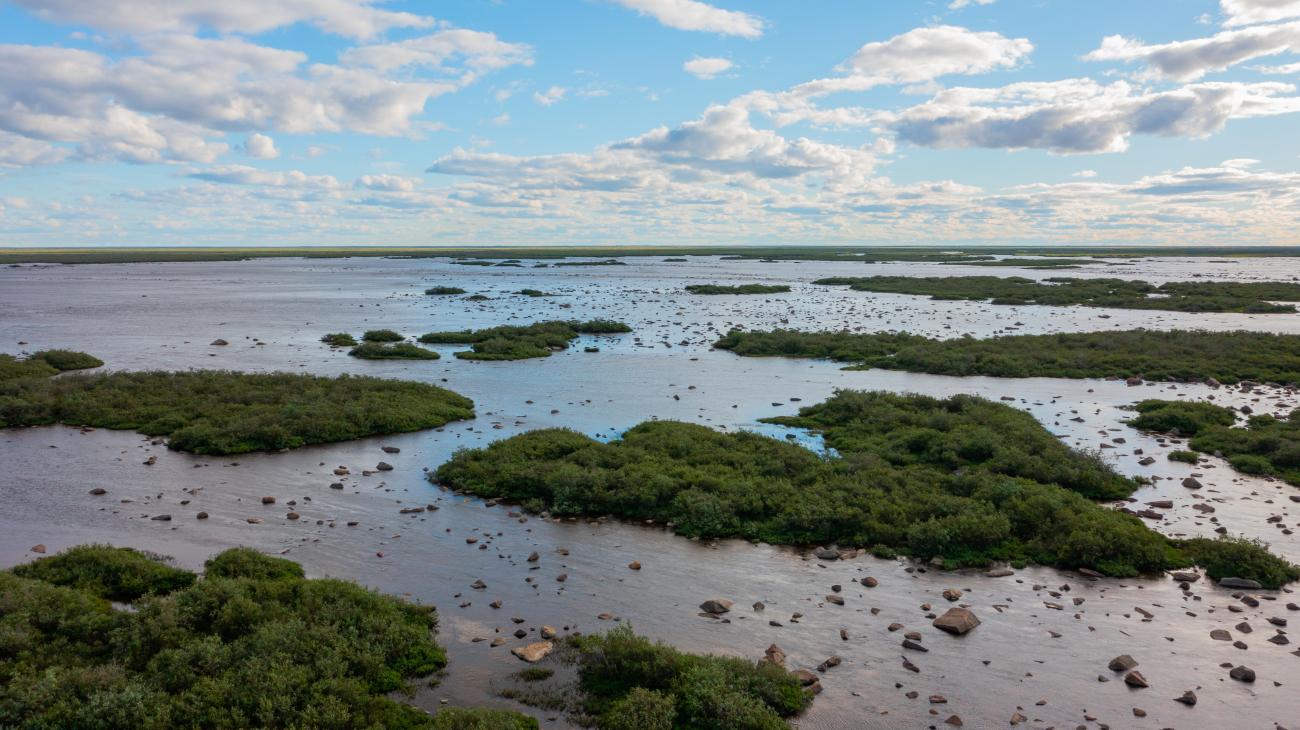
The Seal River watershed in what is now northern Manitoba, Canada, is 12 million pristine acres of forests, wetlands, lakes, streams, and rivers that support iconic species like polar bears, wolverines, gray wolves, and barren-ground caribou. It is also a critically important breeding and migratory stopover location for millions of birds of hundreds of species. Renowned as one of the world’s last remaining ecologically intact watersheds, it covers 50,000 square kilometers of boreal forest and tundra.


In the summer of 1995, as over 100 Indigenous women delegates gathered in Beijing for the Fourth World Conference on Women, a quiet revolution was taking shape. That same year, Indigenous women held continental gatherings, sowing the seeds of a global network. In Quito, Ecuador, they formed the Continental Link of Indigenous Women of the Americas (ECMIA) to unite organizations across the Americas.


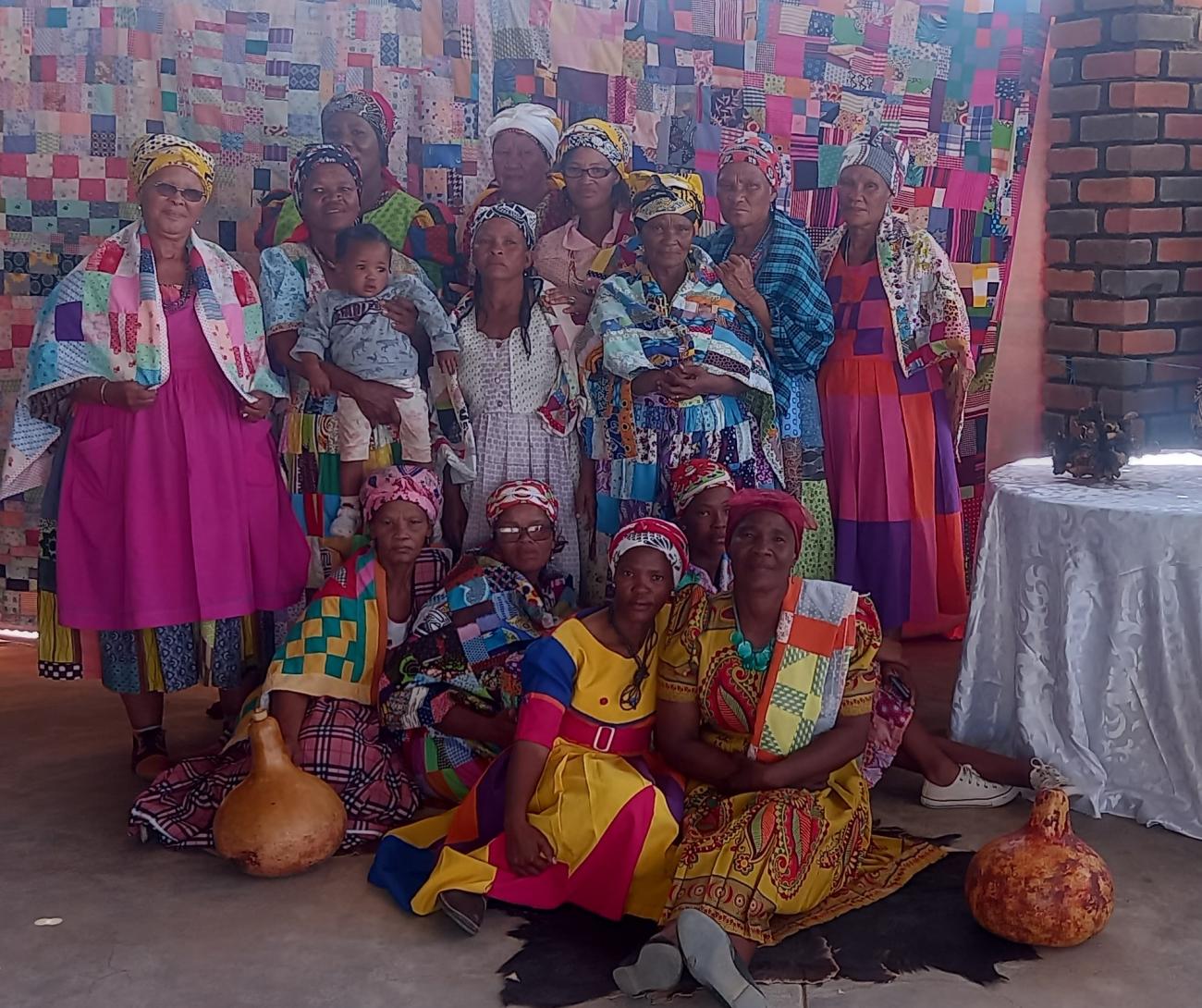
When you ask me about the bravery of the Nama women, I will tell you, it lies in stories untold, in her curves, when she sways, the wind moves with her, so certain in her walk, her bravery can never be missed, just one look at her face, the wrinkles that cover her face with of deep knowledge waving on her  her face, her face, that was described by a writer from 1968 as “the nose is broad and barely distinguishable at its base, which appears ugly to us.”


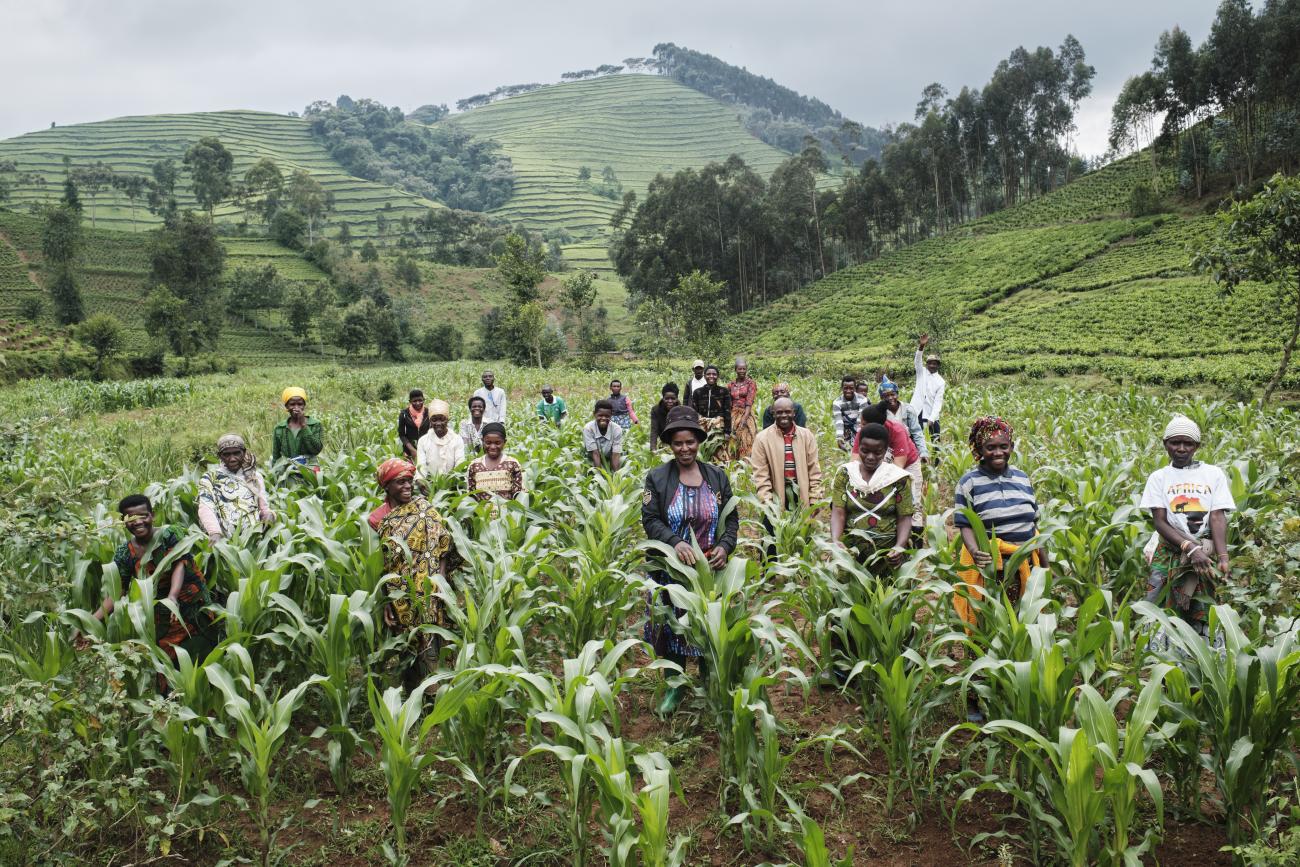
In the arena of climate change, Indigenous women are defenders, adaptors, activists, and change makers. Their work carries grave risks of backlash from State and corporate actors, as the world witnessed with the high-profile murder of Berta Cáceres (Lenca) in 2016 in Honduras.