By Blanca Idalia Díaz Jiménez (Zapoteca)
Nowadays, the importance of rescuing Indigenous languages is discussed in many spaces—forums and roundtables alike—where the disappearance of native languages is frequently mentioned. While the factors affecting their survival within communities have long been analyzed, the sad reality is that few actions actually succeed in halting—or at least delaying—their disappearance. Native languages have lost their functional value within their own communities for so long that restoring what has been lost will take a great deal of time; indeed, things may never return to the way they once were. Those involved in this struggle often become disheartened by various factors, but primarily by the prevailing mindset of the people in their own villages.
Community members do not actively collaborate in this process because, for a long time, the narrative has persisted that indigenous languages are useless, unimportant, or even a source of shame. Foreign elements are constantly highlighted and appreciated, while—sadly—what is local is disparaged. Why is this? Is there a need for greater awareness-raising among the villagers to achieve the desired goal? Restoring an indigenous community's dignity is a serious undertaking; working for a single year or carrying out a few isolated actions with a handful of people is not enough. One must truly address the root cause of the situation.
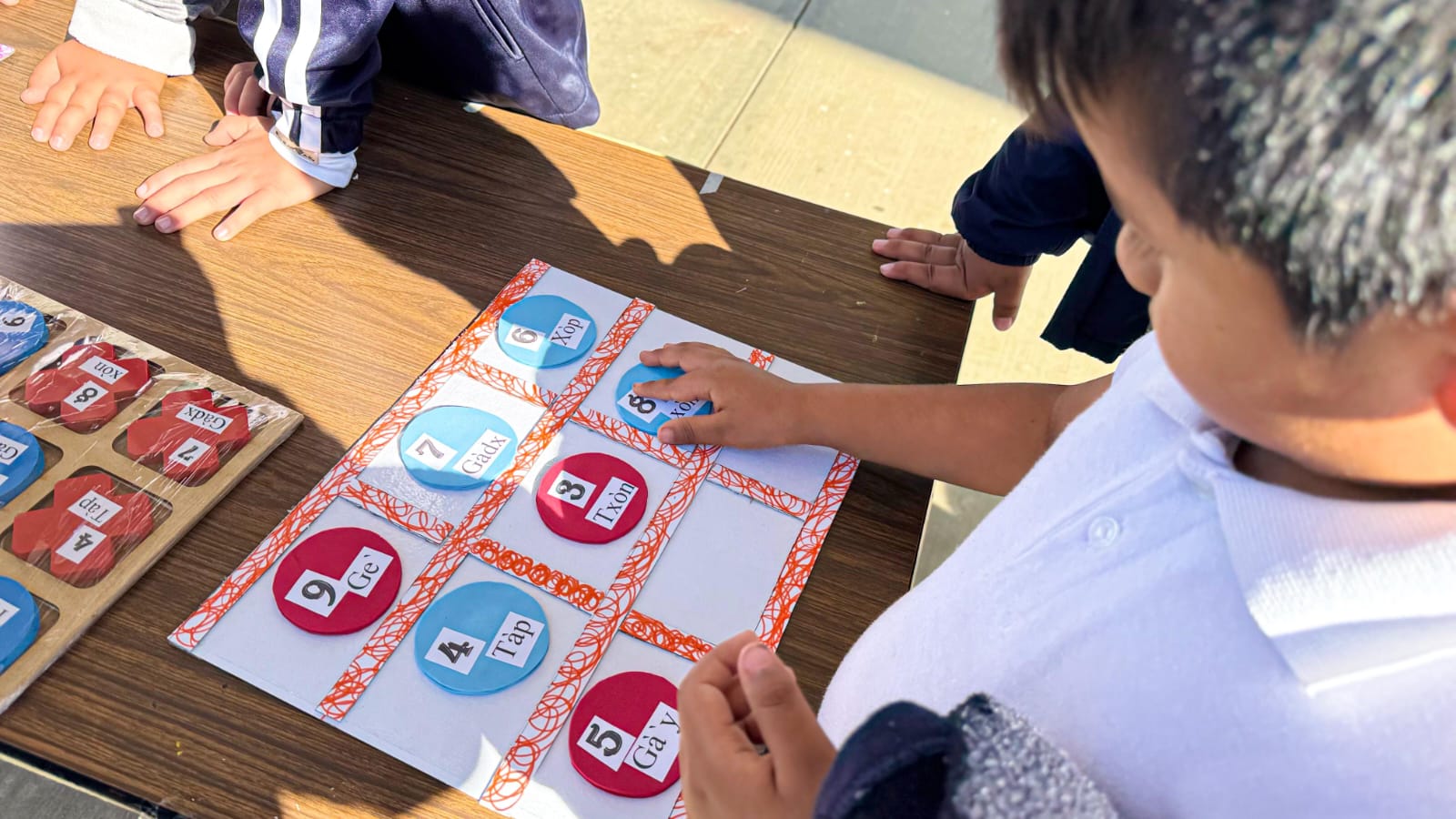
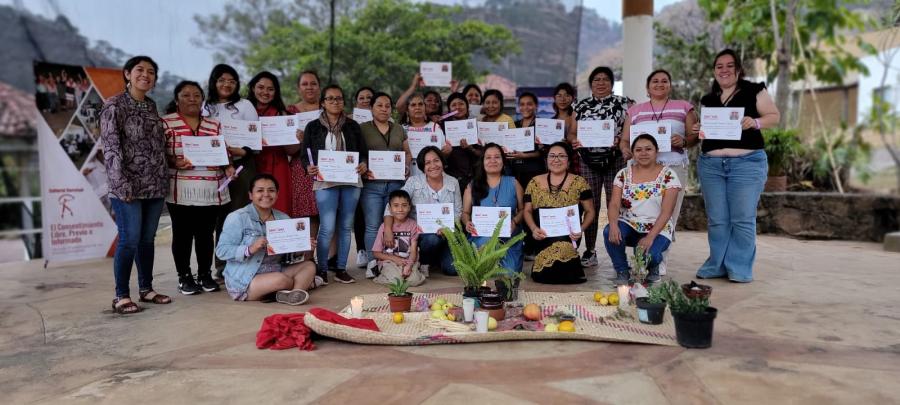
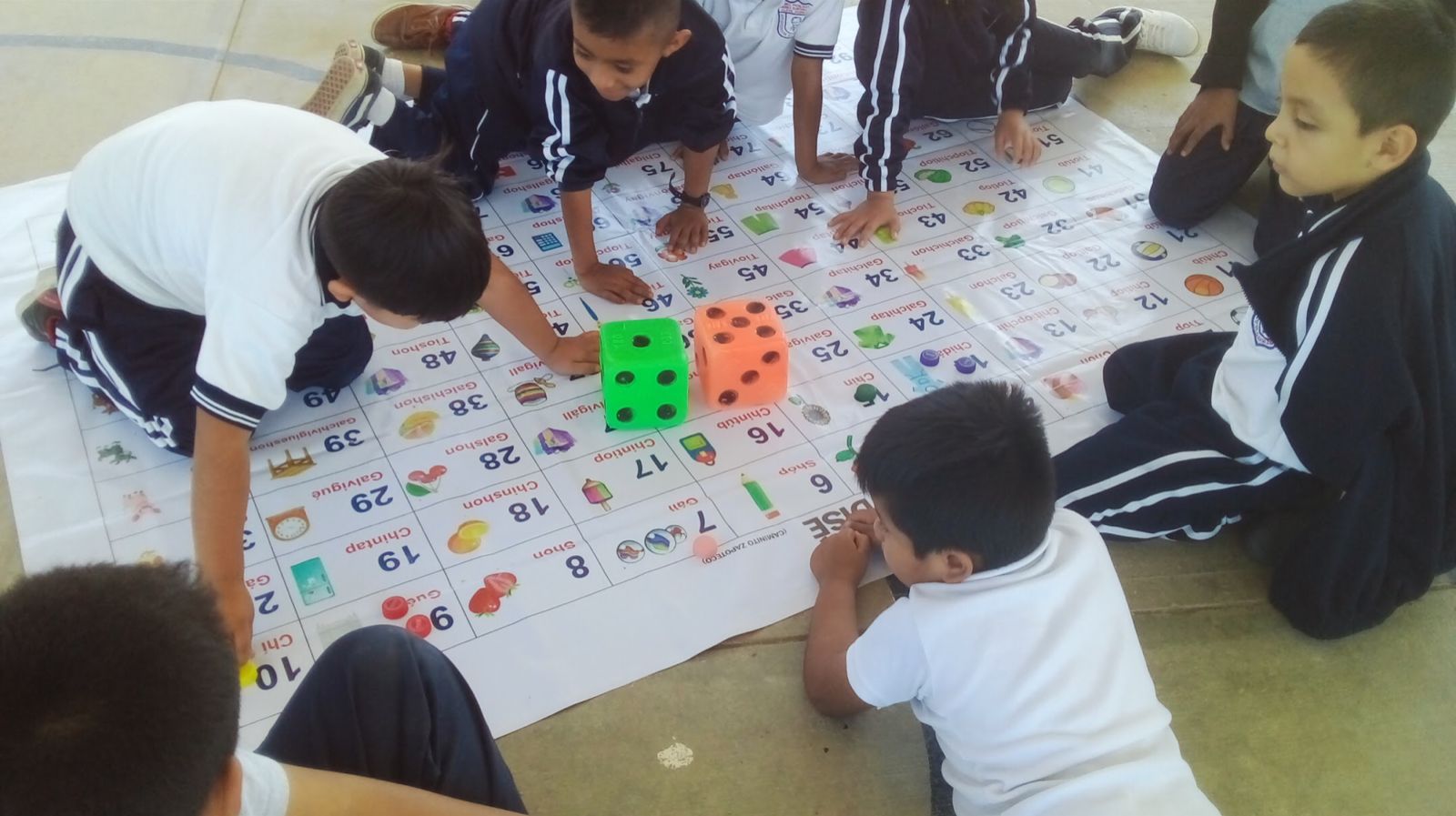
Members of the Ayoquezco Cultural Committee—who are working to revitalize the Zapotec language (specifically the *Dísè* variant) in the community of Ayoquezco de Aldama in southern Mexico—conducted a thorough analysis of their conservation and revitalization efforts. They realized that having a greater impact on the community's children was key. Although they had held various language-teaching workshops over the years and always invited children to participate, the response was insufficient, and the desired impact was not achieved; consequently, they decided to change their strategy. If we truly want community members to fight for the preservation of their languages, they must first make them their own and feel a sense of belonging to that culture; otherwise, they are unlikely to take action. The Indigenous identity that is so often lacking in these towns must be fostered from childhood. That is why working with schools was deemed crucial; to the extent that schools have contributed to the disappearance of native languages, it is only right that they now provide children with the ideal environment to reclaim the language of their ancestors—a language that was stripped from them through colonization.
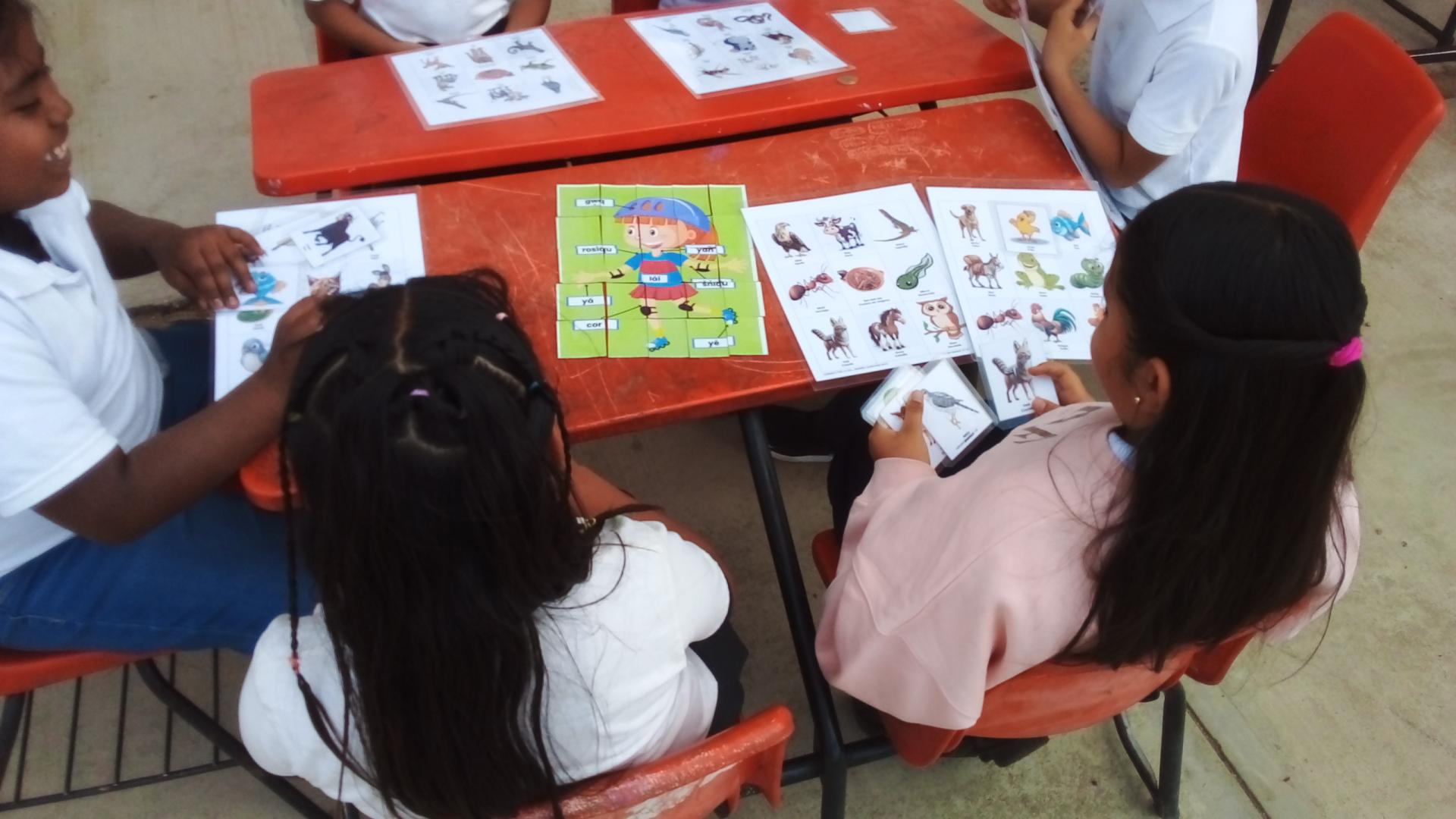
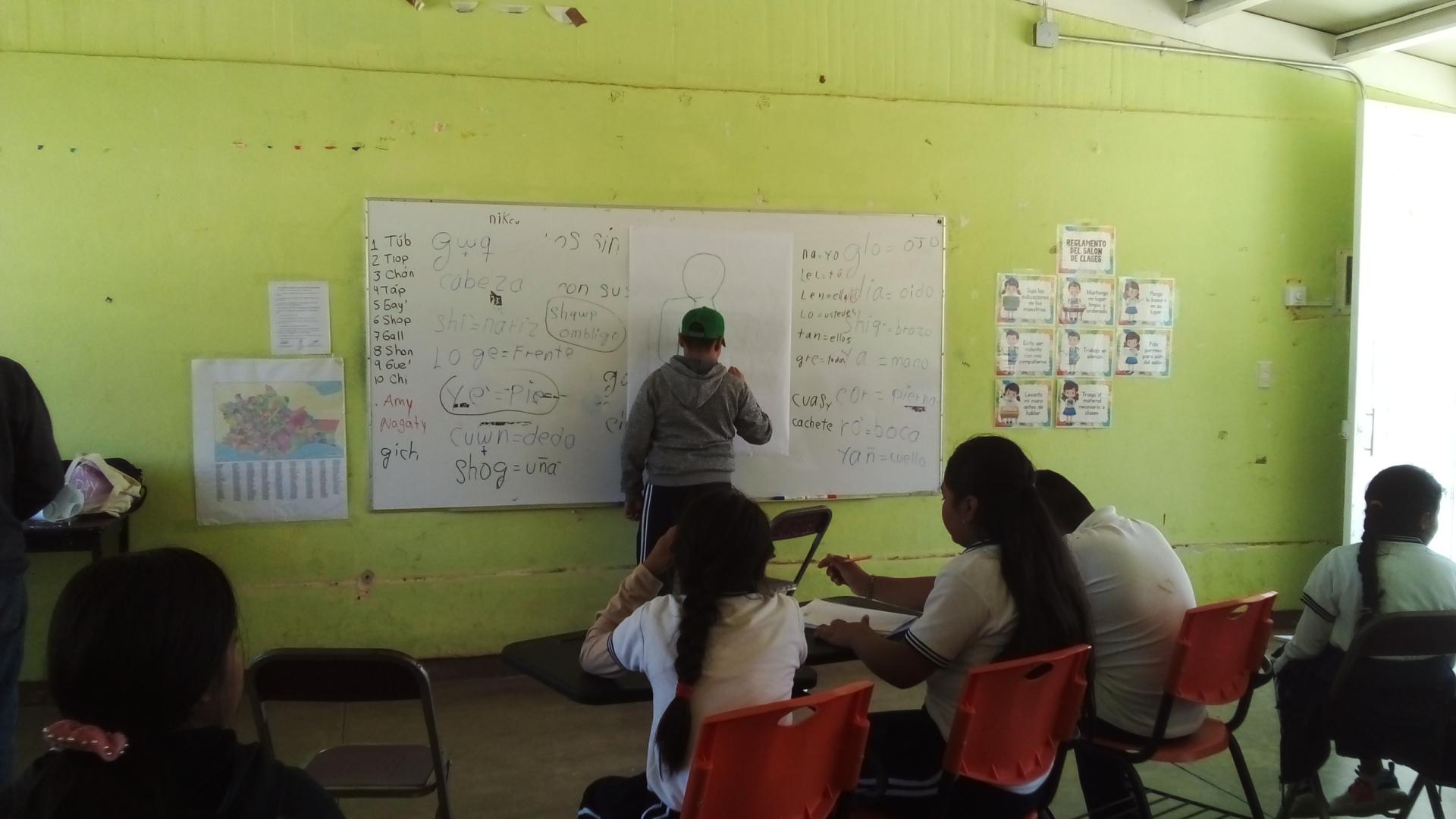
Children play a vital role in language preservation. The number of elders dwindles year by year, and the knowledge they hold dies with them; therefore, it is essential for new generations to have direct contact with the community's elders so that this ancient transmission of knowledge is not lost. The classes currently taught in the four primary schools of Ayoquezco de Aldama—a municipality in southern Mexico—share not only the Dísè language but also everything that stems from the local Zapotec culture.
In 2025, the Ayoquezco Cultural Committee received a Keepers of the Earth Fund grant. Their project aims to strengthen Disé, a variant of the Zapotec language that is only spoken in Ayoquezco de Aldama in the valley of Oaxaca. This process will involve teaching Zapotec to boys and girls in four primary schools and creating printed teaching materials. It is estimated that the project will directly benefit 450 children.