By Preeti Vasudevan
“Well, they put Jesus on the Cross as he was so handsome because they were jealous of their wives [falling for him]...”
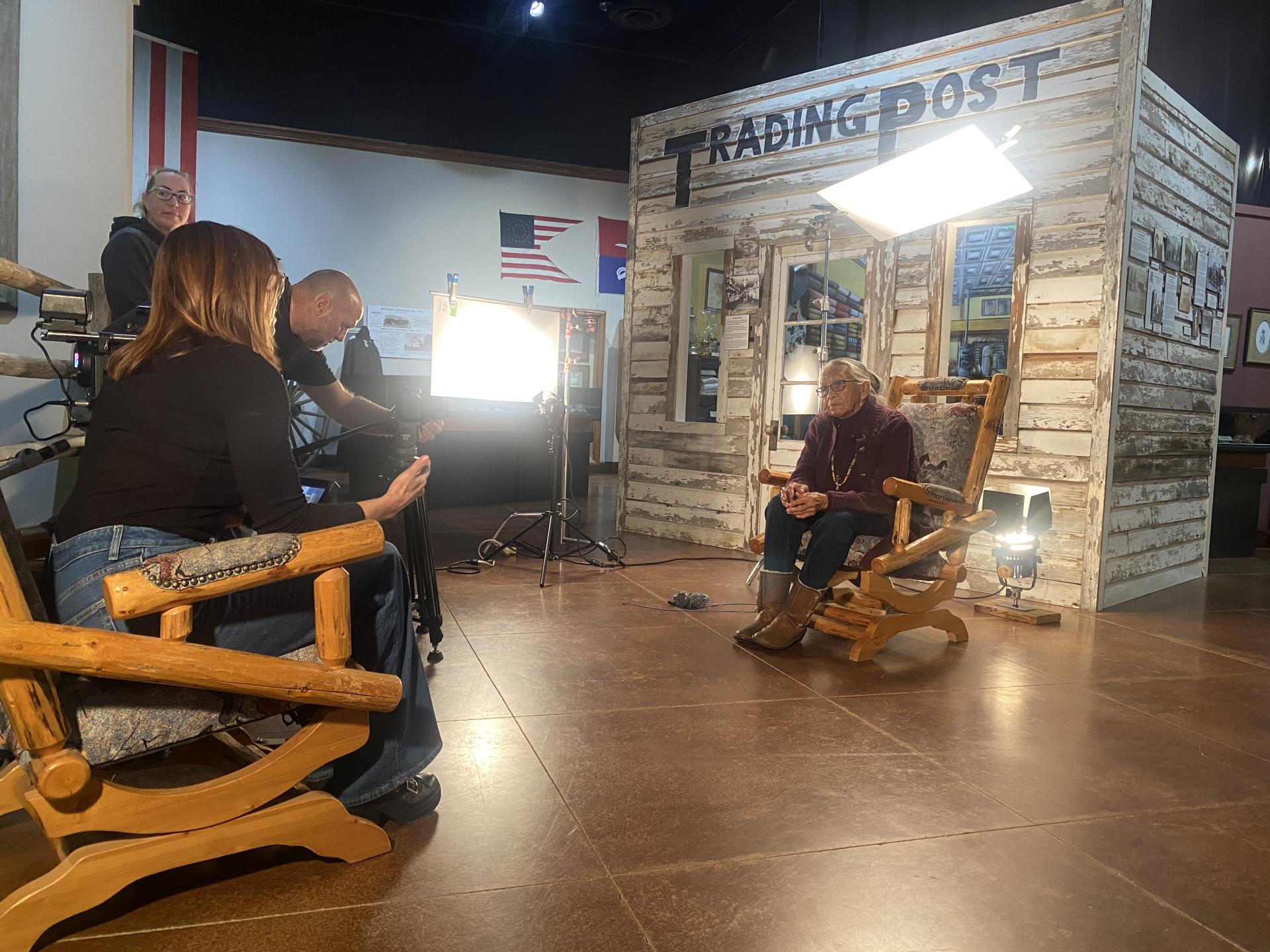
With peals of laughter, Margo Real Bird (Crow) told us this story of how her father introduced Jesus to her as a young, innocent girl. She was 82 then, rocking back and forth in a chair at the Big Horn County Historical Museum in Hardin, Montana, when we were filming her memories. None of us could stop laughing that afternoon.
Real Bird comes from an esteemed family, well known and respected among the Crow Tribe in Montana. The famous Battle of Custer took place on their land, and every summer there is a re-enactment by their family and community members of the way the battle unfolded, narrated by the people of the land to make us reflect on how land, memories, and the body carry history like the river by their house.
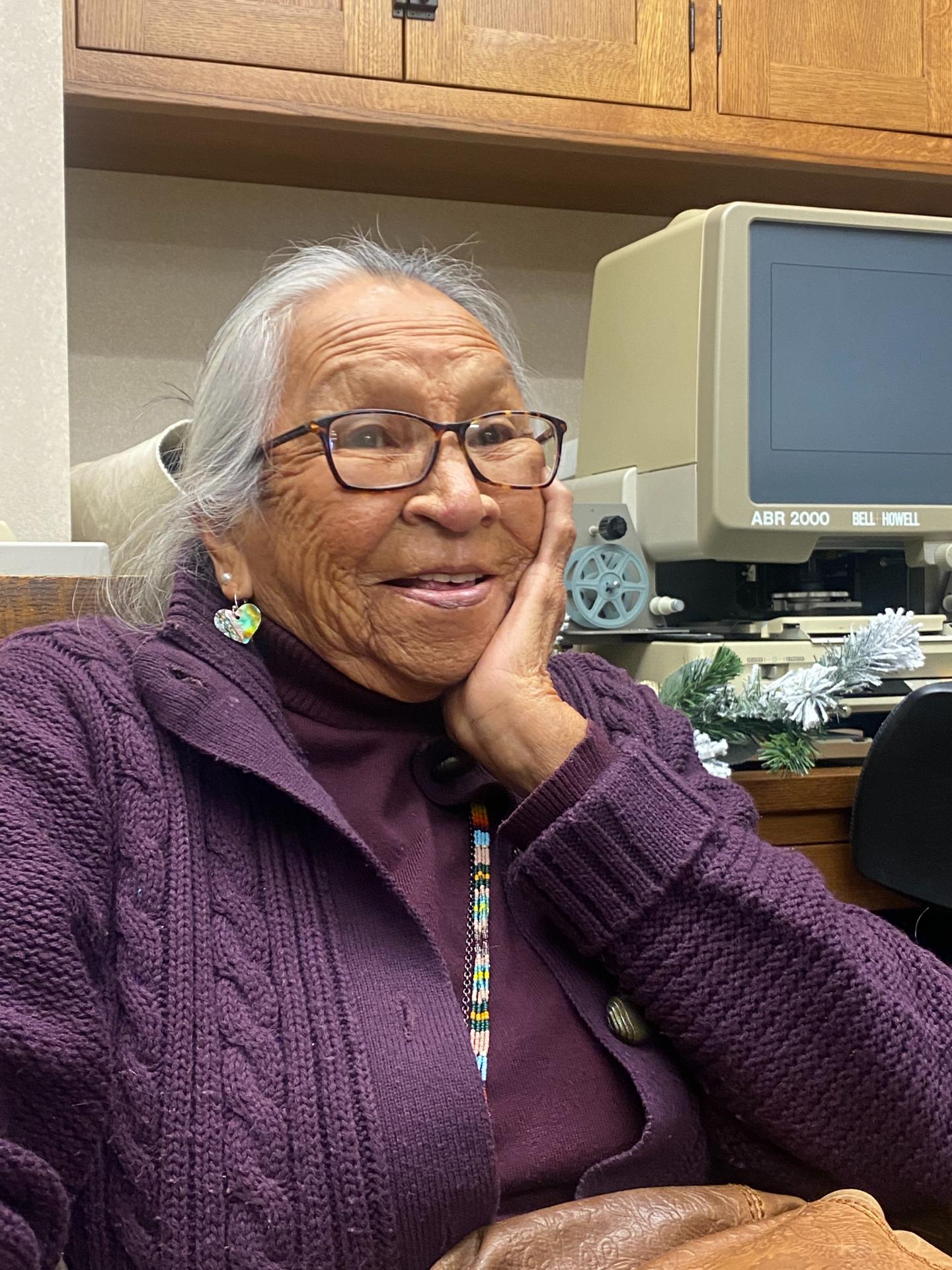
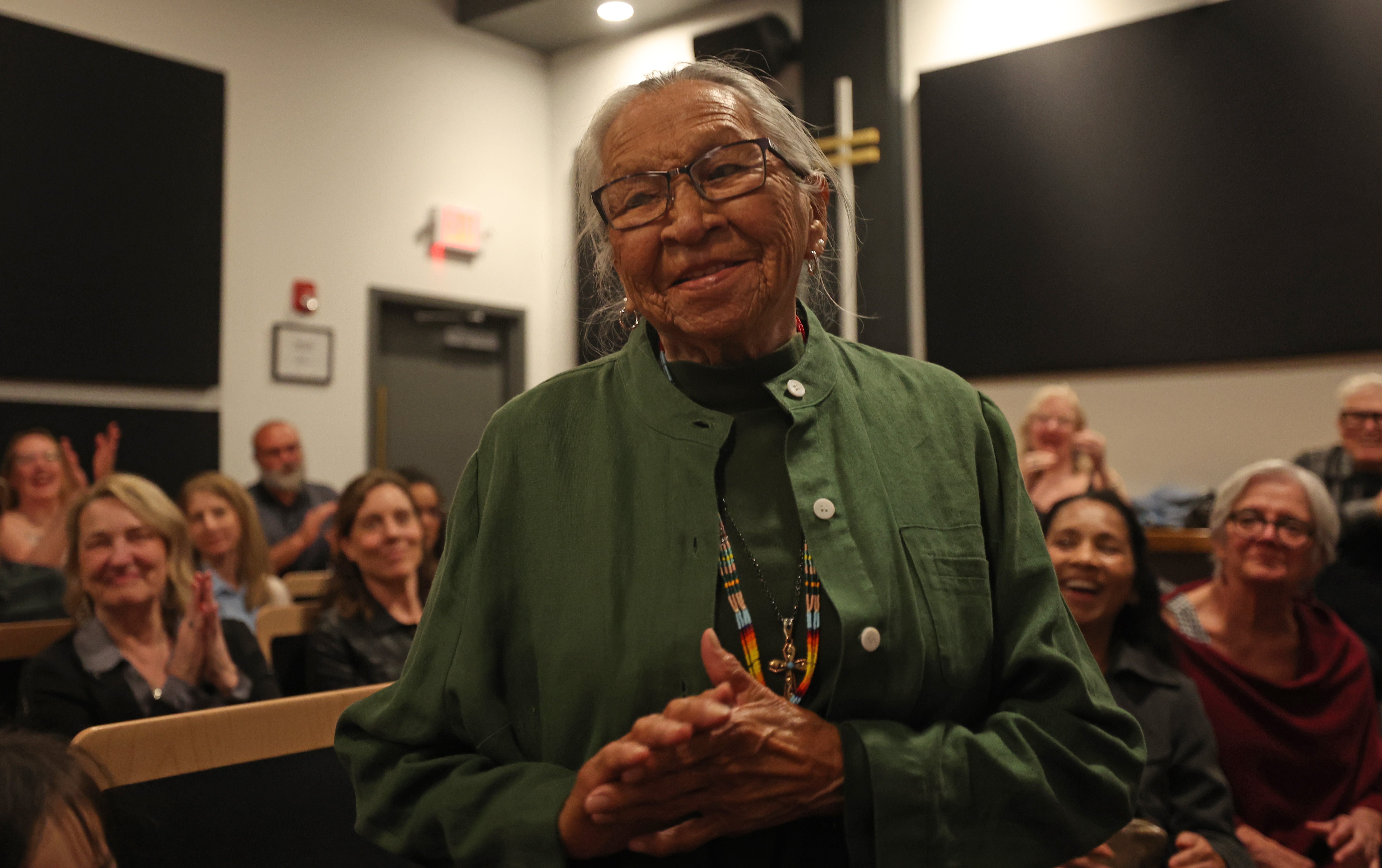
Real Bird transitioned on to her next journey on January 8, 2026. When I heard the news, I sat in silence, and the first image that came to mind was her twinkling eyes and heartfelt laughter. I imagined that that is how she saw life unfold in front of her—a rare mix of childlike innocence and the deep wisdom of ancestors running through her petite and fragile body. My last meeting with her was at a screening of her memories to audiences who found themselves in tears of laughter, listening to her various life anecdotes. Everyone left a bit wiser and happier that evening. Real Bird garlanded me with her beaded necklace with the love of a grandmother who seemed to tell me to continue what I was doing—a silent message. Her stories were important to pass on.
Real Bird was the first matriarch in a series of wonderful women I embarked on filming—the unheard stories of women in America. As gatekeepers of the family, nurturing the future generations, women are grand vessels of deep emotions, holding stories that they often keep within themselves, rarely shared with the outside world. Their bodies carry multiple narratives, each part carrying one dimension of the story, as if to show the most intricate kaleidoscope of life there is. Each story is priceless, for the visceral memories carried and evolved in a woman’s body cannot be replaced by translations, interviews, and books. They are not reliant on the verbal alone; instead, they are fluid and ever-changing. With women, the deep wisdom passed on is a dance between the verbal and nonverbal. You have to watch, breathe, sense, and listen—often to the silence—of their matriarchy, which is a deeper ocean than their patriarchal counterparts.
What struck me most about Real Bird was how she carried centuries of colonial trauma and turned them into a garden of hope and surrender. Not the surrender that is passive and lifeless, but a surrender of communing with a universe that teaches you about how to live and what to pass on to the future generations. It's either the genetic evolution of depression or humor; Real Bird chose humor over all else. Humor that is healing, life-changing, giving a great gift of a smile despite everything that is thrown at you. For that humor gives us hope and allows us to embrace what we can give to each other rather than crave a spotlight on just oneself. Empathy stems from this great gift and allows us to soar.
A true matriarch of her family, I saw her shopping with her granddaughters, laughing and observing how life embraced each of her beloved family members. “Oh! Look at that tree!” she exclaimed, showing us how to infuse curiosity again in the younger generations who are addicted to their devices, often forgetting that they are missing the glory of nature and life. Real Bird was very present, knew exactly what everyone was doing, saying, and thinking, and packaged it all in a chuckle.
Maybe that's how matriarchs carry their histories, viscerally knowing what it takes to give life, steward it, lose it, embrace it; watching centuries of a nurturing craft being destroyed in one sweep and then starting all over again. A beautiful pot cannot be broken, only reborn from that clay, that soil, that land that has always held the deepest stories in the hearts of kitchens, with the women who use it to cook and feed and embrace and teach—all with a chuckle!
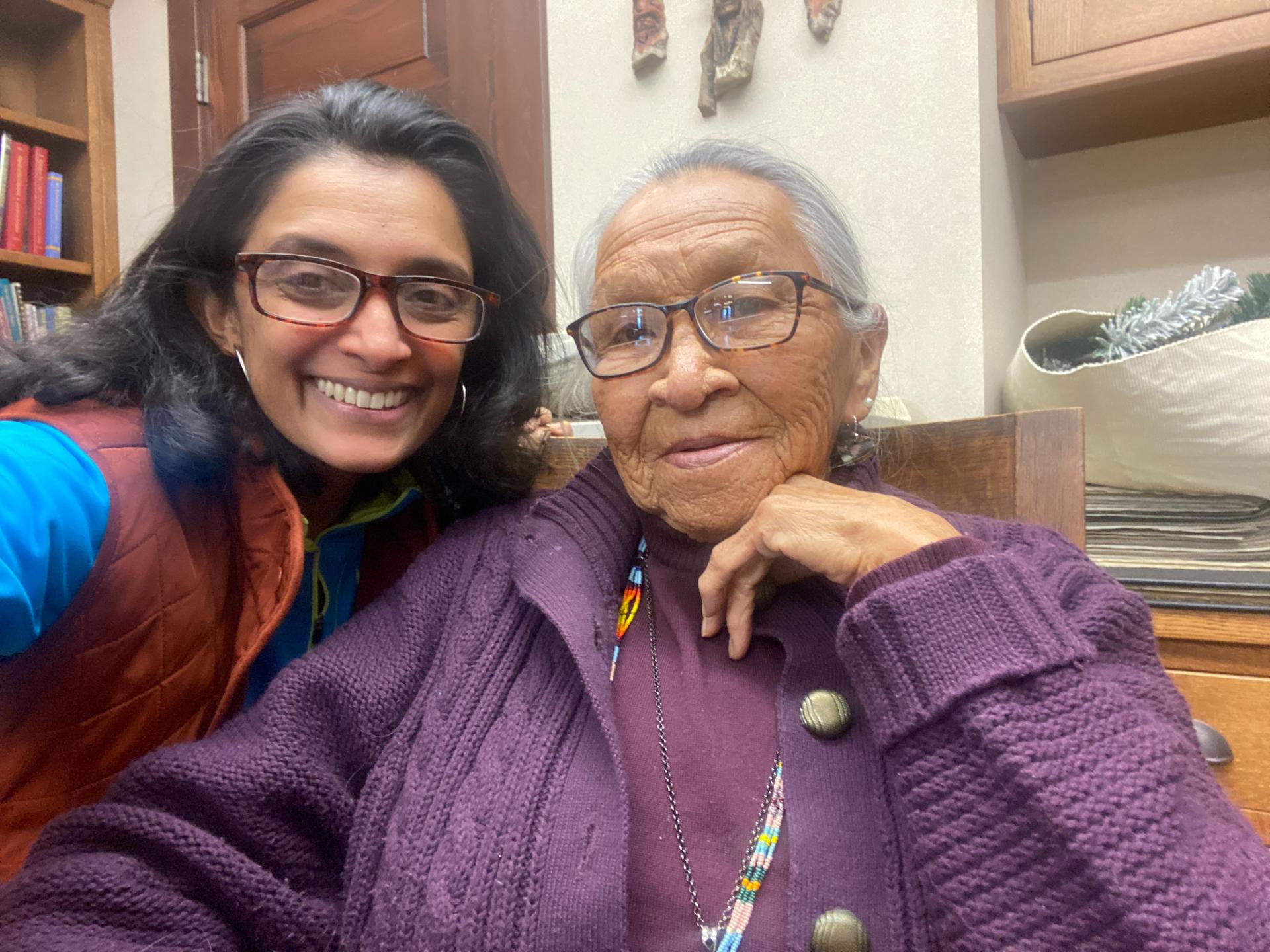
Preeti Vasudevan is an award-winning choreographer, writer, and Certified Movement Analyst with over 20 years of experience as a cultural diplomat. As the founder of Thresh, she has built an incubator for change where vulnerability is treated as a sacred asset and deep listening leads to true identity. Through Thresh’s signature program, First Voices, Vasudevan works at the heart of underserved communities, partnering with women and youth to transform unheard stories into a holistic, healing dance of shared humanity.
All photos courtesy of Thresh Archives.