Content advisory: The following content includes disturbing information on violence against Indigenous Peoples and gender-based violence against women and transgender people. We have strived to provide information on each individual in celebration of their lives and work, excluding unnecessary details about their deaths. While we have worked to avoid including links to sources that contain highly graphic images, please be aware that linked sources may include further details and may change images after we have reviewed them.
Read: "Defending the Land, Paying with Life" Report
Indigenous Defenders in Latin America
Latin America remains the most dangerous region for defending land rights, accounting for 82% of cases, according to a recent report by Global Witness. Within the Americas, the two areas of rights defense that suffer the most attacks are the rights of Indigenous Peoples (23%) and land rights (11.7%), which are closely related since land rights are often protected to a large extent by Indigenous Peoples. Indigenous defenders face a double threat: defending rights and being Indigenous. In 2024, 33% of defenders killed were Indigenous. Between 2012 and 2024, of a total of 2,253 documented murders of defenders, 799 were Indigenous people, a disproportionately higher figure compared to other groups. In more than 95% of cases, the reason for the attacks on Indigenous defenders is the defense of their lands and territories and the right to a healthy environment.
It is no coincidence that mining ranks first among the sectors with the highest numbers of murders, followed by logging and agribusiness, projects that tend to be developed in Indigenous territories because of their wealth of natural resources. Some 54 percent of transitional mineral deposits are known to be located in or near Indigenous territories. This violence is exacerbated by the lack of effective demarcation and insecurity of land tenure by Indigenous Peoples and the lack of Free, Prior, and Informed Consent on projects in their territories. In consultations with environmental defenders in Latin America conducted by the Special Rapporteur on Environmental Defenders in September 2024, participants identified a trend of "green colonialism," referring to the disproportionate impact on Indigenous Peoples from the growing demand for minerals used for renewable energy and the energy transition by Western countries.
There are broad regulatory frameworks that legitimize and protect the work of those who defend rights and territory, such as the Declaration on Human Rights Defenders, the European Union Guidelines on Human Rights Defenders, and the Guiding Principles on Business and Human Rights, among others. At the regional level in Latin America, there is the Escazú Agreement, a binding regional treaty that requires the protection of defenders and also promoted the approval of the Action Plan on Human Rights Defenders in Environmental Matters in Latin America and the Caribbean. At the national level, many countries in the region have protection mechanisms for human rights defenders. Despite these legal protections, the reality for those who defend rights remains extremely hostile.
It is important to take into consideration that the killings represent a small fraction of the violence that occurs. According to data compiled by the Alliance for Land, Indigenous, and Environmental Defenders (Allied) network, threats were the most common type of assault, followed by arbitrary detentions.
Recently, we have also been witnessing two trends that are experiencing worrying growth: threats against Indigenous defenders who participate in international advocacy spaces, and terrorism allegations against Indigenous defenders and communities. One of the most recent cases is the arrest of several Indigenous leaders in Russia who have been involved with the United Nations in the defense of human rights. Among them, Daria Egereva of the Selkup People of Russia, who is the co-chair of the International Indigenous Peoples' Forum on Climate Change, was imprisoned on December 17, 2025 on accusations of participating in a terrorist organization. The use of this terminology not only criminalizes the work of Indigenous people defending their territories, but positions entire communities as enemies of the rest of society, isolating them in their defense of the territory and the environment, when in reality it is work that benefits society as a whole.
In the Name of Memory
As part of our Advocacy Program, Cultural Survival tracks violence against Indigenous defenders in an effort to draw connections between cases and demonstrate that these are not just isolated incidents of aggression against individuals, but a systemic crisis against Indigenous defenders around the world.
We do this work to raise awareness about this systemic persecution, but also in the name of memory. The Indigenous defenders killed throughout 2025 will never be forgotten by their families and communities. The voids left in their communities and cultures will be irreplaceable, but their lives and deaths are just as important outside their communities, as these people are the ones who defend our planet from environmental collapse, and who keep alive valuable knowledge about how to protect our ecosystems and how to relate to each other. Each and every one of them was a beloved person, part of both a family and a community, and their murders have caused profound grief and loss.
The impact of attacks against Indigenous defenders goes beyond the act itself and is often intended to intimidate those who defend rights, sending a message about the negative consequences of this work and further promoting fragmentation of communities.
How We Collect Information
The cases for this project have been compiled from media reports, communities, and partner organizations. It is not exhaustive, and there are cases that have not come to our attention. Although individuals may not be specifically named in this In Memoriam, their murders are no less serious. This work also pays tribute to all those who, for a variety of reasons, we are unable to publicly acknowledge, and whose struggles continue to resonate in their communities, their territories, and their families.
Our goal is to make all names and legacies known, regardless of how much attention they received, especially by promoting cases that had less media coverage. When we receive cases from partner communities that have not yet been published, we ensure that it is safe to publish them, always with the community's consent.
In most cases, a few months after the murder, impunity reigns. In some Latin American countries, the overall impunity rate is 90% or higher, which means that only 10 crimes (or fewer) out of every 100 are properly investigated and resolved by the judicial system. These figures are optimistic when compared to crimes against Indigenous defenders. Authorities tend not to conduct thorough investigations related to Indigenous defenders for several reasons: incidents often occur in remote locations with limited access, there is collusion between authorities and illegal armed actors or multinational companies involved in the attack, and there is widespread disinterest in issues related to Indigenous Peoples, intrinsic to state discrimination against them. In some cases, it is the governments themselves that instigate these attacks.
In Memoriam
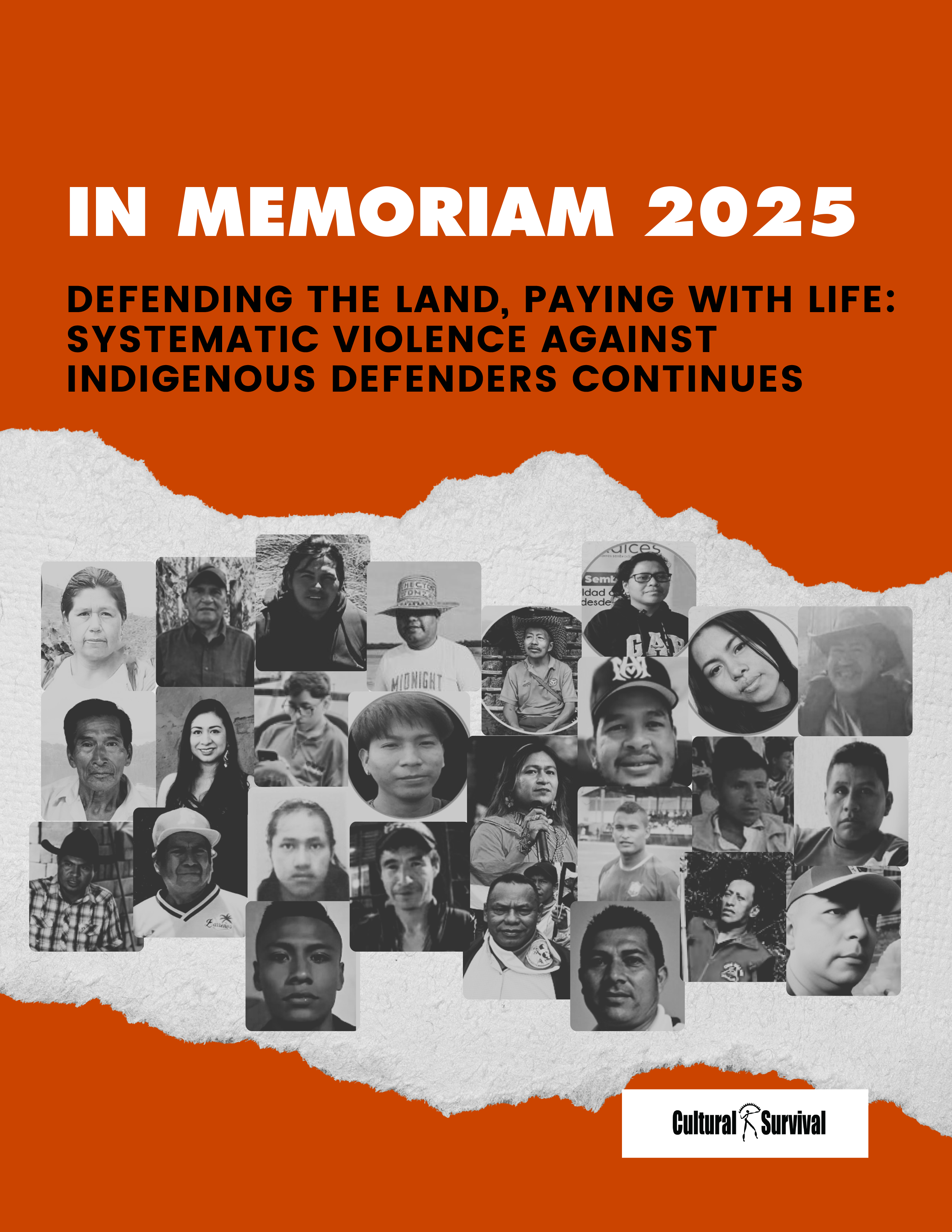
In the profiles presented below, we remember with great sorrow 46 Indigenous defenders who were murdered in 2025, a very high percentage of whom were young people. We also acknowledge and condemn the other attacks, disappearances, criminalization, and other forms of violence against Indigenous defenders around the world. We recognize that our reach is limited and that violence against Indigenous people, and in particular against environmental and rights defenders, greatly exceeds the data we are able to collect. We honor all the people and communities that have been affected. We are committed to continuing to work for justice for rights and land defenders together with the affected communities.
Defenders are listed by country in alphabetical order, and then chronologically based on the date of the incident.
ARGENTINA
Although we have no record of murders of Indigenous defenders in Argentina in 2025, the excessive rise in other types of attacks on Indigenous communities has been a concern throughout the year.
The increase in domestic and foreign investment in mining, hydroelectric, oil, tourism, and agribusiness projects in Indigenous Peoples' territories has been further encouraged by the recent approval of the Large Investment Incentive Regime in August 2024, which will promote the type of investment that displaces peoples from their lands and territories. The permissiveness of these types of activities demonstrates the discrimination and racism promoted by the political and economic agenda of the current national government, which is supported and sustained by various provincial governments that have long spoken out publicly against the rights of Indigenous Peoples.
This violence was exacerbated by the announcement made by the National Executive at the end of 2024, first with the repeal of the National Registry of Indigenous Communities, and then by repealing Law 26160 on Indigenous Territorial Emergency, which suspended evictions and ordered the territorial survey of Indigenous communities. Both events have placed the Indigenous Peoples of Argentina in a serious state of legal uncertainty, increasing the risk of forced evictions and criminalization.
In this context, several Indigenous communities in different regions of Argentina are facing a pattern of repressive police operations, evictions, and the prosecution of their members. On February 11, 2025, 12 locations belonging to the Mapuche-Tehuelche Peoples, including private homes and a radio station, were violently raided in Patagonia, and one person was arrested with the aim of criminalizing the defense of the territory.
Political and judicial persecution worsened in October 2025 when members of Mapuche communities were included in the Public Registry of Persons and Entities Linked to Acts of Terrorism and Their Financing, which is under the jurisdiction of the Ministry of Justice. This also led to the freezing of bank accounts and virtual wallets, and the suspension of social assistance and pensions.
Throughout 2025, various Indigenous communities in the Quebrada de Humahuaca area of Jujuy have been victims of violent evictions and acts of repression. The Cueva del Inca community of the Kolla People has suffered several eviction attempts throughout 2025 with the aim of developing tourism projects on their territory.
In the provinces of Salta and Chaco, Qom and Wichí communities continue to resist the advance of logging and deforestation in their territories. Families suffer constant threats, repression, and arrests, and the use of force and violence against them has increased. In particular, women have been the focus of persecution and harassment as they put their bodies on the frontline of defense of the land, facing heavy machinery, illegal burning, and intimidation tactics. For years, communities have denounced the lack of access to basic rights such as water, health, and healthy food.
BRAZIL
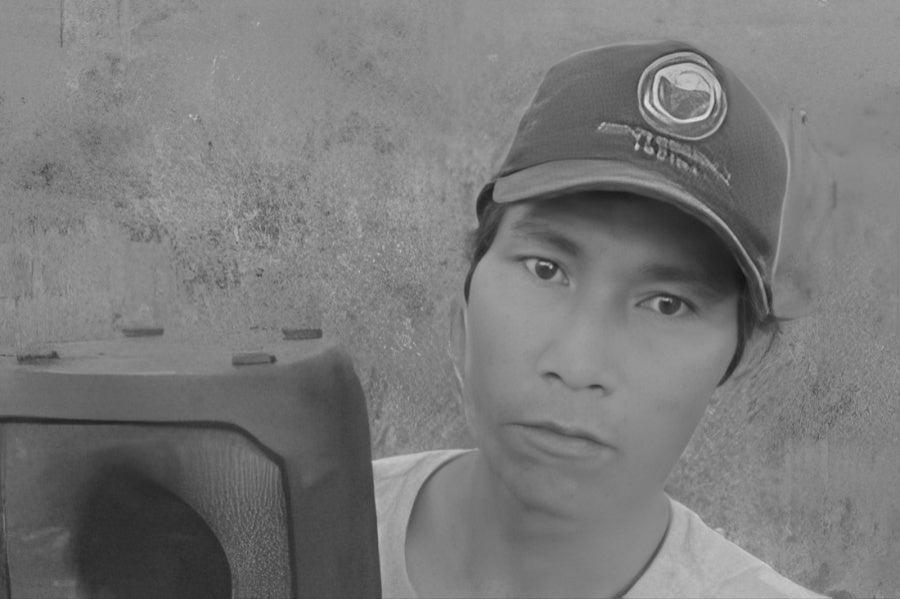
Vicente Fernandes Vilhalva
Guaraní-Kaiowá • 36 • November 16, 2025
Vicente Fernandes Vilhalva (Guaraní-Kaiowá), 36, was shot and killed by hitmen on November 16, 2025. His murder took place in the Iguatemipeguá I Indigenous Land in the municipality of Iguatemi (Mato Grosso do Sul), in a Land Back action known in Brazil as retomada (land reclamation) territories known as Pyelito Kue. This is not the first time that this community has suffered attacks by agricultural militias.
The community had intensified its Land Back actions in the days leading up to Vicente’s murder, with the intention of stopping the use of agrochemicals that are causing health problems and food insecurity in the area. As a result of their territorial recovery, 20 hitmen arrived in the community and attacked it in an incident that, in addition to Vicente's murder, left four other people injured.
The Aty Guasu organization of Guaraní and Kaiowá Peoples expressed its condemnation of this crime: “Our struggle is for the land, for life, and for Tekoha* Guasu. We refuse to continue being treated as invaders on our own land.”
The National Indigenous Peoples Foundation (FUNAI) demanded a thorough investigation into the murder with the aim of confronting the hitmen operating in this region.
*Tekoha: a Guaraní concept meaning “the place where we are from.” It refers not only to a physical place such as territory, but also to a people's identity and way of life.
BOLIVIA
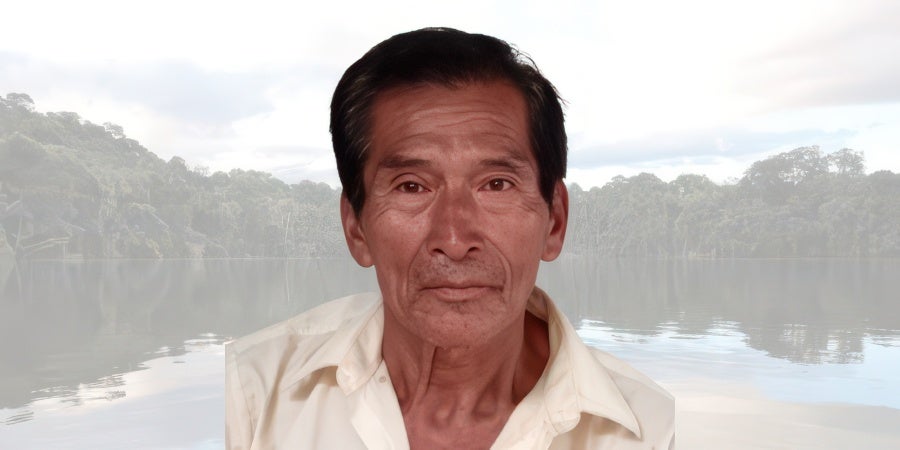
Francisco Marupa
Leco • 66 • February 11, 2025
Francisco Marupa (Leco), 66, was a leader recognized for his work defending the territory within Madidi National Park, a protected area located in northwestern Bolivia and recognized as the most biodiverse place in the world. The park is also home and ancestral territory to some 60 Indigenous and campesino communities.
Francisco had six children. He was a member of the Indigenous Center for the Leco de Apolo People, and his Indigenous community, Torewa, is part of the Leco de Apolo Community, Land of Origin, a model for Indigenous land titling that began in the 1990s. Francisco had been vocal in his opposition to the threats to his territory by illegal mining, logging, and land trafficking.
He was murdered on February 11, 2025, in his home, because of his work as a defender. A government minister tried to pass it off as a personal dispute, but a variety of national and regional organizations have demanded justice for Francisco's murder, recognizing the risks he faced as a territorial defender.
Francisco's killing for his defense of a national park is not unique in Bolivia, where several protected areas inhabited by Indigenous Peoples are threatened by mining, logging, or infrastructure projects that have been pushed through without proper consultations or the communities’ Free, Prior and Informed Consent. The Bolivian government historically has created divisions among the Indigenous communities inhabiting these territories, establishing parallel leadership structures to those who oppose its extractive projects.
The European Union issued a statement condemning the murder of Francisco and calling for those responsible to be brought to justice in order to guarantee the protection of the Leco People. Despite expressing its commitment to the fight against deforestation and the promotion of human rights in Bolivia, the European Union itself has been unable to pass binding regulations that will guarantee respect for the rights of Indigenous Peoples by European companies operating in other countries.
COLOMBIA
Colombia has the highest number of murders of human rights defenders globally, with 509 committed between 2012 and 2024. Since 2023, there has been a documented increase in attacks on traditional Indigenous authorities and territorial defenders. In the first half of 2025, 28% of human rights defenders murdered in Colombia were Indigenous, and 39% of people affected by forced displacement were Indigenous, many times forced to leave their territories of origin due to conflict or relentless persecution for defending their territories.
According to a report by the National Indigenous Organization of Colombia (ONIC), 58,000 Indigenous people were victims of the armed conflict in 2023, including forced displacement, confinement, imposed curfews, threats, and murders. The Indigenous Peoples most affected by violence in 2023 were the Wounaan, Nasa, Awá, Barí, Emberá, Wayúu, and Yanacona Peoples, as their territories are located in strategic corridors for illegal or border groups. According to initial estimates by ONIC, these figures remained steady in 2024.
The departments of Cauca, Chocó, Nariño, Norte de Santander, and La Guajira have the highest levels of violence against Indigenous Peoples, coinciding with areas of strong presence of FARC dissidents, the National Liberation Army (ELN), paramilitary groups, and drug traffickers, who, collectively, are primarily responsible for the forced displacement of Indigenous people in recent years and most of the murders throughout 2025. However, law enforcement has also been responsible for a large number of violations against Indigenous Peoples.
Adán Enevia Dovigama
Embera • 73 • January 5, 2025
Adán Enevia Dovigama (Embera), 73, left his home in the Bajo Humacas community of the Embera Chamí Unified Reserve in Risaralda on January 5 when he was shot and killed. No one has yet been held responsible for his murder.
Several groups, including the National Liberation Army and the Gaitanista Army of Colombia, also known as the Clan del Golfo or Gaitanista Self-Defense Forces of Colombia, operate in the region where Adán was killed. These groups pose a constant threat to Indigenous leaders for control of the territory, which in some cases results in the murder of authorities or community leaders.
Adán's leadership in his community will be a legacy for the resistance and vindication of the territorial rights of Indigenous Peoples.
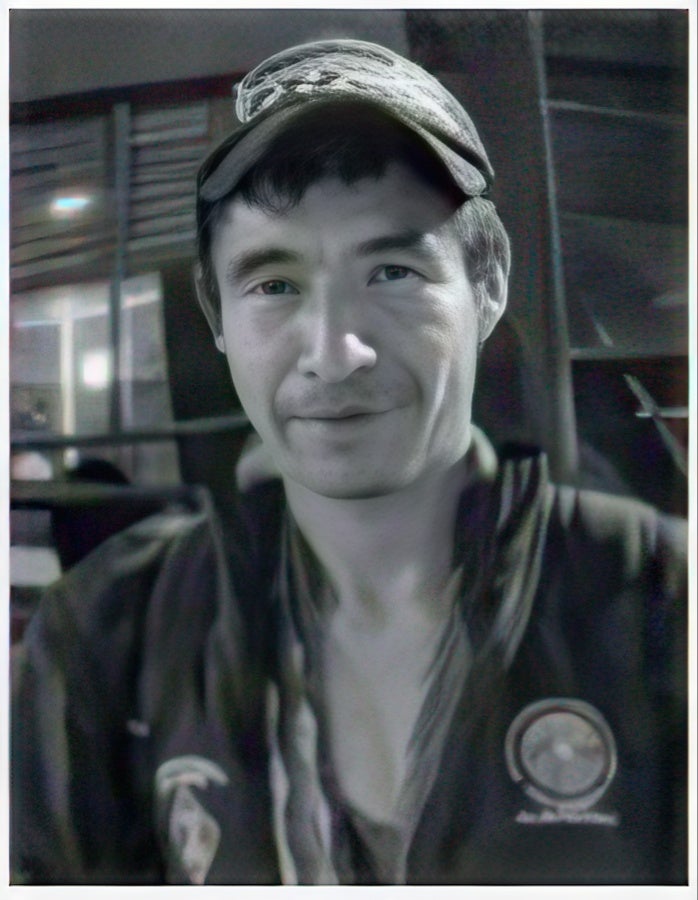
Jose Albeiro Liz Muchicon
Nasa • January 27, 2025
Jose Albeiro Liz Muchicon (Nasa) was murdered on January 27 by unknown assailants who entered his plot of land. Jose lived in the U'sxa Guyumús territory of the Nasa people in Tierradentro, Cauca, where he served as a traditional doctor and ancestral knowledge keeper.
This region suffers from extremely high levels of violence due to systematic violence perpetrated by dissidents from the FARC and the National Liberation Army against the Indigenous Guard for territorial control. The Cauca Regional Indigenous Council (CRIC) reported that some of the groups responsible are the Jacobo Arenas Western Bloc of the Estado Mayor Central, dissidents of Ivan Lozada or Mordisco, and the Dagoberto Ramos and Jaime Martinez factions.
The CRIC demanded urgent action in response to the murder of Jose Albeiro, stating: “We strongly condemn the murder of the knowledgeable Elder Albeiro Liz in the U'sxa Guyumus (Togoima) territory in Páez. We demand respect for life!”
The European Union also expressed concern about violence in several regions of the country, including the municipality of Inzá, where Jose was murdered. On the same night that he was killed, Camilo Pardo, another Indigenous Guard from the municipality of Inzá, was kidnapped and tortured.
Jose's legacy in territorial autonomy and community health will remain despite the void his spiritual leadership leaves in the community.
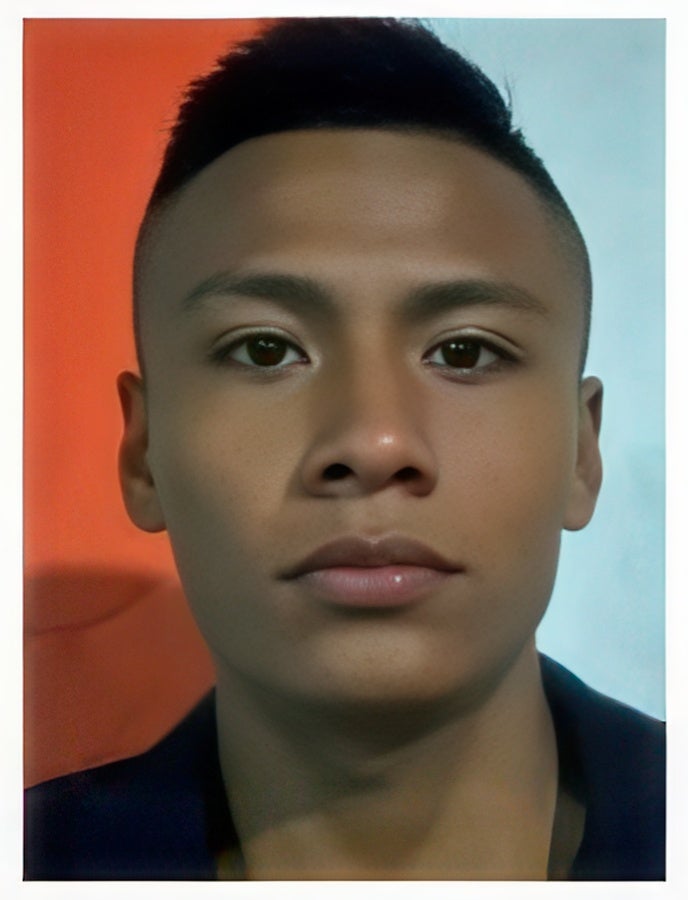
James Tomás Guanga Quelal
Awá • 25 • February 2, 2025
James Tomás Guanga Quelal (Awá), 25, was traveling on his motorcycle with his wife in Ricaurte, Nariño, on February 2 when he was shot and killed. His wife was seriously injured in the attack.
James was a recognized youth leader in his Pialapí Pueblo Viejo Reserve and a member of the Association of Traditional Indigenous Authorities of the Awá Camawari Grand Council. He had also recently been working in the mayor's office in Ricaurte.
His father suspects that his murder was due to a political dispute, as elections for a new governor of the organization to which he belonged were approaching. The violence against Indigenous communities in Ricaurte has led to several social protests demanding reparations for the victims.
The Camawari Indigenous organization expressed its condemnation of the threats and murders of the Awá People and demanded justice for James’s murder, stating: “We reaffirm the path of unity, harmony, dialogue, and resistance of the Indigenous communities, where the actors continue failing to keep their word of dialogue and peace.”
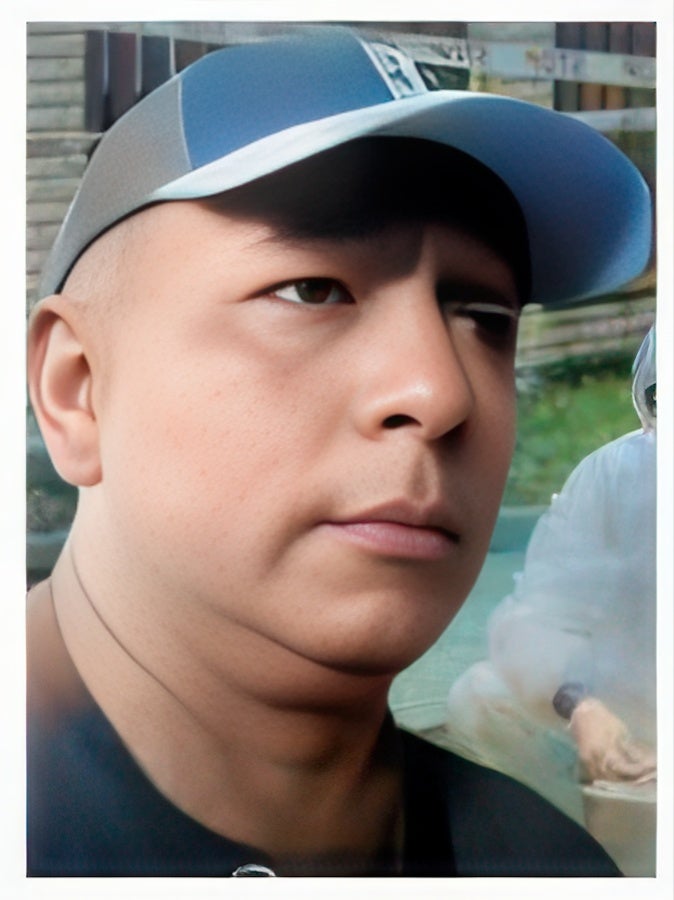
Leonairo Samir Montero Paz
Nasa • February 9, 2025
Leonairo Samir Montero Paz (Nasa) served as governor of the Nasa council of Kwe'sx Tata Wala, Puerto Asís, Putumayo, and was a recognized leader in the region as well as a father of three. On February 9, he was murdered by an unknown assailant who was waiting for him at his farm. His wife was also seriously injured in the incident.
Several criminal groups operate in the area, sowing insecurity and violence in Indigenous communities. In this case, the alleged perpetrator is a member of the Comandos de la Frontera, an alliance between FARC dissidents and another criminal group that controls part of the drug trafficking from Putumayo to Ecuador and Brazil. This group is in conflict with other FARC dissidents, creating a climate of widespread violence in the region due to the dispute over drug trafficking routes.
Communities in Putumayo have expressed their concern about the violence: “It is urgent that the Ministries of Defense, Interior, Environment, the Office of the Peace Commissioner, and the Victims' Assistance Unit take decisive and efficient action to implement the policy of protection and assistance for communities in Putumayo.”
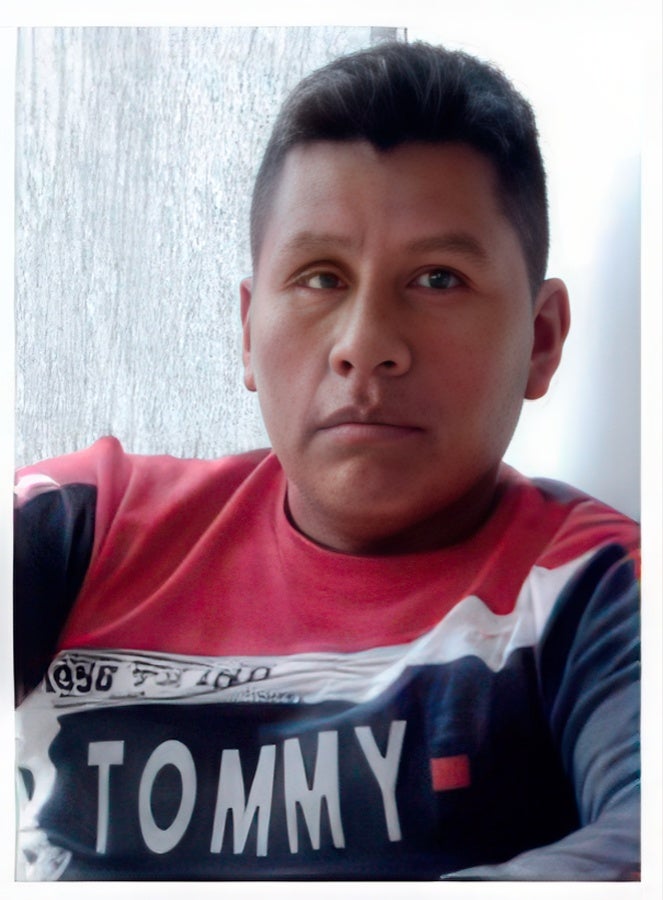
Alberto Quitumbo Yatacue
Nasa • 41 • February 10, 2025
Alberto Quitumbo Yatacue (Nasa), 41, was shot and killed on February 10 in the village of La Palma in Toribío by men belonging to the Dagoberto Ramos Front of the Estado Mayor Central. Alberto belonged to the Indigenous Guard of the Toribío Reserve and had previously been the target of other attacks and threats.
Toribío is a rural region affected by territorial disputes between various dissident groups of FARC, the National Liberation Army, and the 57th Yair Bermúdez Front. Several leaders of the Toribío Reserve had received direct threats from the Dagoberto Ramos Mobile Section if they continued to interfere with their activities to control the territory against opposition groups.
The CRIC stated: “The murder of Alberto Quitumbo adds to the ongoing extermination that violent groups are carrying out against the Indigenous guard in the department of Cauca, especially in northern Cauca. We denounce this extermination once again before history.”
Jacinto Chocue
Nasa • February 18, 2025
Jacinto Chocue (Nasa) was shot and killed on February 18 in the village of San Vicente, Páez, Cauca. Jacinto was an Elder of the Nasa People and served as an ancestral knowledge keeper. He lived in the ancestral territory of U'sxa Guyumus (Togoima).
The director of the Land Restitution Unit denounced his murder: “Jacinto was not only a leader, but also a guardian of ancestral knowledge, a bridge between the past and the present who transmitted the memory of his people. With his death, not only was a life extinguished, but they are also trying to silence the resistance and ancient knowledge of the Nasa community. We cannot allow violence to erase the struggle of Indigenous Peoples for their territory, their culture, their history, and their worldview."
The CRIC also condemned Jacinto’s murder for causing disharmony in the territory, as it is people with roles like Jacinto's who bring harmony. They also reported that on January 28, another community member in the region, Rodrigo Astudillo, had been murdered, while another community member had suffered an attempted strangulation on February 18.
Celimo Chilivico Hurtado
Wounaan • February 20, 2025
Celimo Chilivico Hurtado (Wounaan) was a member of the Chagpien Medio community in Chocó and worked as a traditional doctor in his village. He left the community to search for his daughter, who had been recruited by the National Liberation Army. Celimo's body was found by colleagues from the Indigenous Guard of the Santa María de Pángala Reserve a few days later, on February 20.
The Organization of the Wounaan Nation of Colombia demanded that the Attorney General's Office clarify the facts and that the armed actors operating in the area respect the rights of the Indigenous communities that inhabit it.
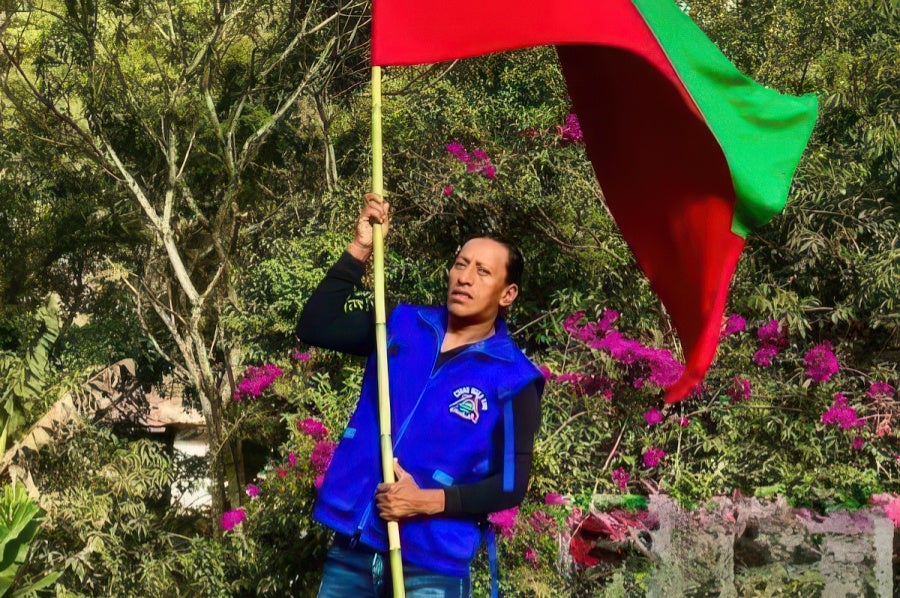
Edgar Tumiñá Gembuel
Nasa • 48 • March 1, 2025
Edgar Tumiñá Gembuel (Nasa), 48, was shot and killed on March 1. Edgar was a community leader in the village of Pueblo Viejo in Toribío, Cauca, and also served as Kiwe Thegna (Indigenous Guard) of the reserve in the Nasa Life Plan Project.
He was a leading figure in the defense of his People's territory and culture and a much loved leader in his community, where he encouraged young people to participate joyfully in the defense of their territory.
Edgar Tumiñá had previously received threats from organized crime groups operating in the region, specifically the Dagoberto Ramos Front, and his brother had also been killed by FARC in 2014.
In a statement, the CRIC denounced that dissident groups have “a plan of direct physical extermination against the Indigenous Guard...” and that “as the Indigenous Guard, we do not recognize these criminals as revolutionaries, due to their paramilitary and terrorist practices.”
Less than a month earlier, Alberto Quitumbo was also murdered in the same Nasa Indigenous Reserve in Toribío.
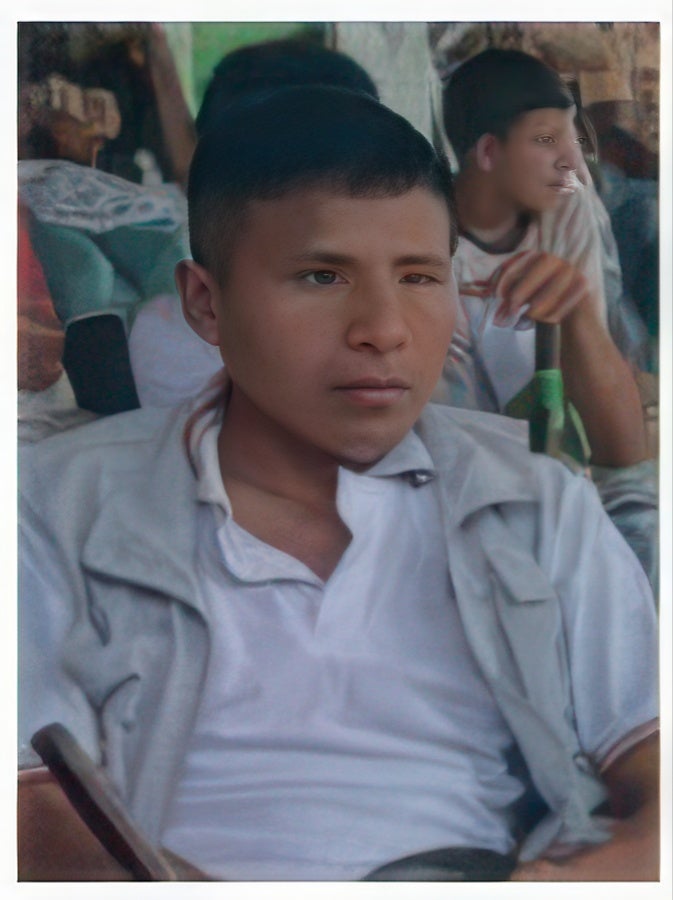
Cristian Fernando Guanga
Awá • 24 • March 9, 2025
Cristian Fernando Guanga (Awá), 24, was murdered on March 9 in Tumaco, Nariño, by armed men who were waiting for him. He was an Indigenous leader of the Piguambi Palangala Indigenous Reserve, where he had been deputy governor and was also a member of the Indigenous Guard.
In response to this widespread violence in the reserve, the Indigenous Unit of the Awá People said it had “repeatedly requested support...” due to the constant risk faced by leaders and the Awá community.
Several paramilitary groups such as Los Rastrojos, or the Clan del Golfo, and dissidents from FARC and the National Liberation Army, as well as Indigenous authorities of the Awá People, associate this and other incidents of violence with the conflict between these groups.
As in many cases of murders of defenders, Cristian had previously reported threats against him, but the protection measures in place were clearly inadequate for the level of risk he faced.
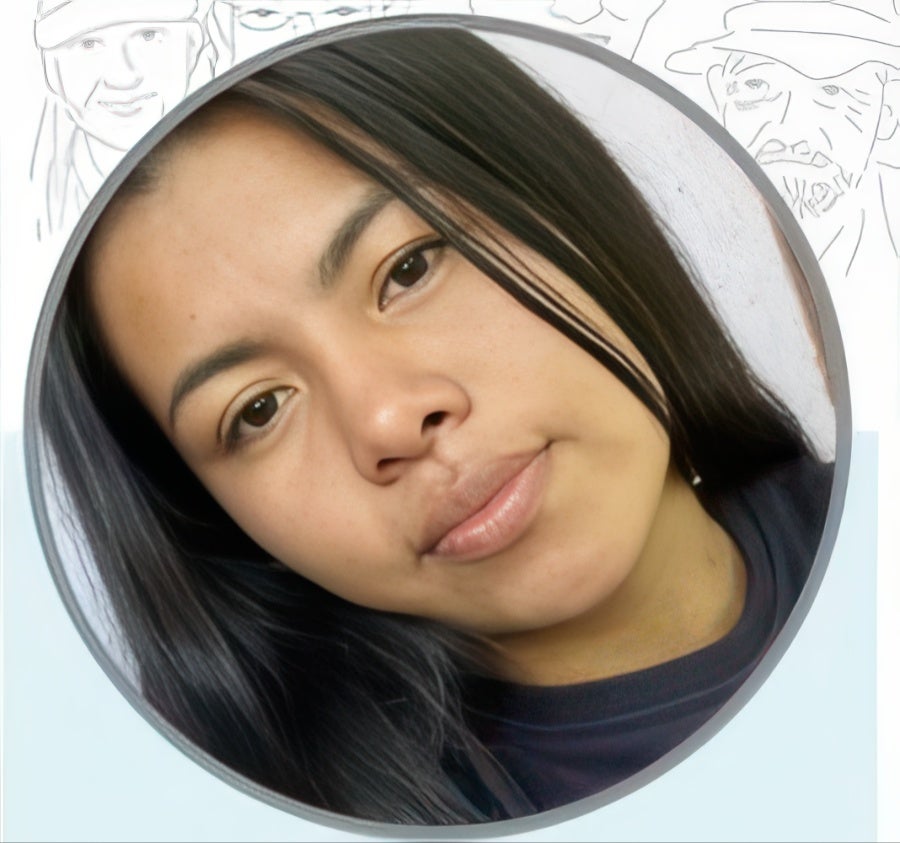
Diandra Natalia Zamora
Siriano • 24 • March 16, 2025
Diandra Natalia Zamora (Siriano), 24, was murdered on March 16 in Miraflores, Guaviare. She was a well known youth leader among her People and lived in the Tucán de Caño Giriza Reserve. In addition to her role with youth, she was also the women and family coordinator for the Association of Traditional Indigenous Authorities of Miraflores Guaviare.
FARC dissidents operate in the area where she lived, specifically the Armando Ríos Front of the Southeastern First Bloc. It is known that Diandra was traveling with her family in a vehicle when she was intercepted by men who identified themselves as members of this armed group, and, according to the community, killed her.
The Ombudsman's Office had previously issued an Early Warning (AT 011/21), a mechanism for situations of imminent risk, for human rights defenders in the municipality of Miraflores.
Wilmer Soltarte Pascal
Awá • March 24, 2025
Wilmer Soltarte Pascal (Awá) was murdered on March 24 in the municipality of San Miguel, department of Putumayo. He was well known in his community and worked as a taxi driver, an activity that is essential for daily life and mobility in rural areas.
Wilmer’s murder took place amid a high presence of illegal armed actors and territorial control by criminal structures operating in the area. Putumayo continues to be one of the most dangerous departments for the Indigenous communities that inhabit the territory.
Although Wilmer did not hold a formal leadership position, his death shows how violence affects people who sustain the community fabric through essential work. His death has caused great sadness among his family and friends, and adds to the alarming situation of violence faced by Indigenous communities in Putumayo.
Manuel Betancur
Quillasinga • April 12, 2025
Manuel Betancur (Quillasinga) was an Indigenous authority who was murdered on April 12 in the municipality of Yacuanquer, department of Nariño. He served as Indigenous vice governor and was recognized for his commitment to defending the territory and collective rights of his people.
The crime occurred in a region marked by armed violence and the presence of illegal groups, which continue to put Indigenous authorities and communities that exercise their own forms of government at risk.
Manuel was a respected figure within his community for his leadership and organizational work. His murder leaves a deep political, organizational, and spiritual void for the Quillasinga People.
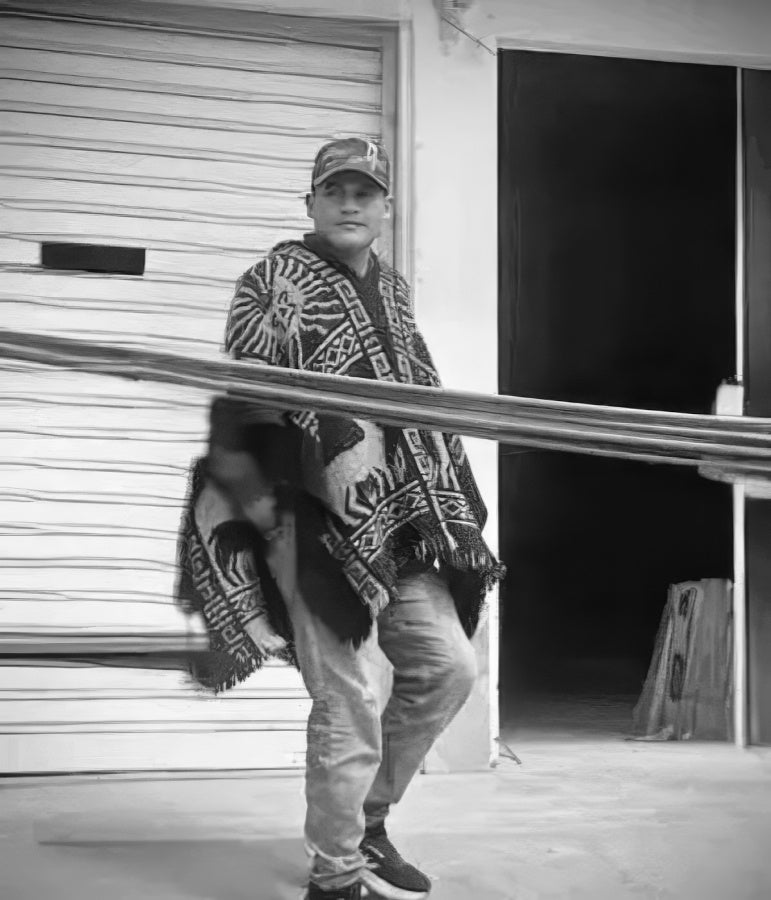
Erik Anderson Menza Pavi
Nasa • 32 • April 12, 2025
Erik Anderson Menza Pavi (Nasa), 32, was murdered on April 12 in the municipality of Toribío, in the department of Cauca. Erik served as Khabuwe'sx, a community authority responsible for protecting the territory, collective life, and spiritual balance within the community.
Erik’s murder took place in a region historically affected by the territorial control of illegal armed groups that exert constant pressure on Indigenous communities and their traditional authorities.
According to Indigenous organizations in northern Cauca, this crime constitutes a direct attack on the autonomy and organization of the Nasa People. Indigenous authorities and human rights organizations denounced his murder as part of a systematic pattern of violence against the Nasa People.
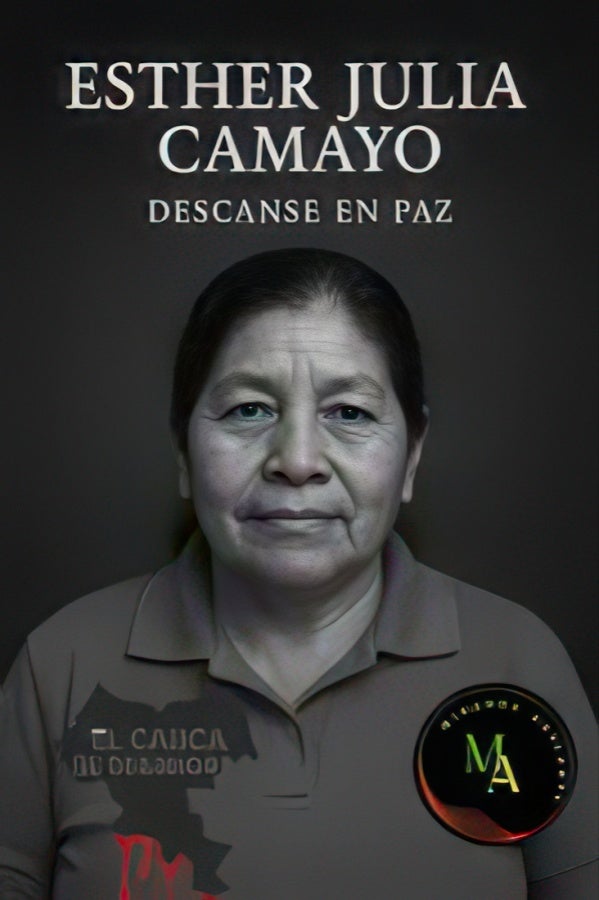
Ester Julia Camayo
April 16, 2025
Ester Julia Camayo, a community member of La Concepción reserve, was murdered on April 16 in the Mondomo sector of the municipality of Santander de Quilichao, department of Cauca. Ester was a coffee producer and supported her family through agricultural work. She was killed during an attack with explosives in a region marked by persistent armed violence and the presence of various illegal groups.
Ester represented the everyday, and often invisible, leadership of rural Indigenous women. Her death leaves an irreparable void in her community and reinforces calls to guarantee the lives and safety of Indigenous women.
Teófilo González Coqui
Nasa • May 10, 2025
Teófilo González Coqui (Nasa) was shot dead on May 10 by unknown assailants in the Indigenous Council of La Gaitana territory, municipality of Inzá, department of Cauca. Teófilo was a recognized leader of this Council and its spiritual Elder.
As is the case of many other murders of Indigenous defenders, this crime took place in a region under strong territorial control by dissident groups and criminal organizations including the National Liberation Army and the Dagoberto Ramos Front of the Western Bloc, which pose a constant threat to the Indigenous communities that live there peacefully.
According to other Indigenous leaders in the area, Teófilo “was a respected figure for his leadership, ancestral wisdom, and commitment to protecting the territory. His murder has generated a wave of outrage and deep sadness among the Indigenous communities of eastern Cauca, who once again denounce the systematic violence faced by their authorities and spiritual leaders."
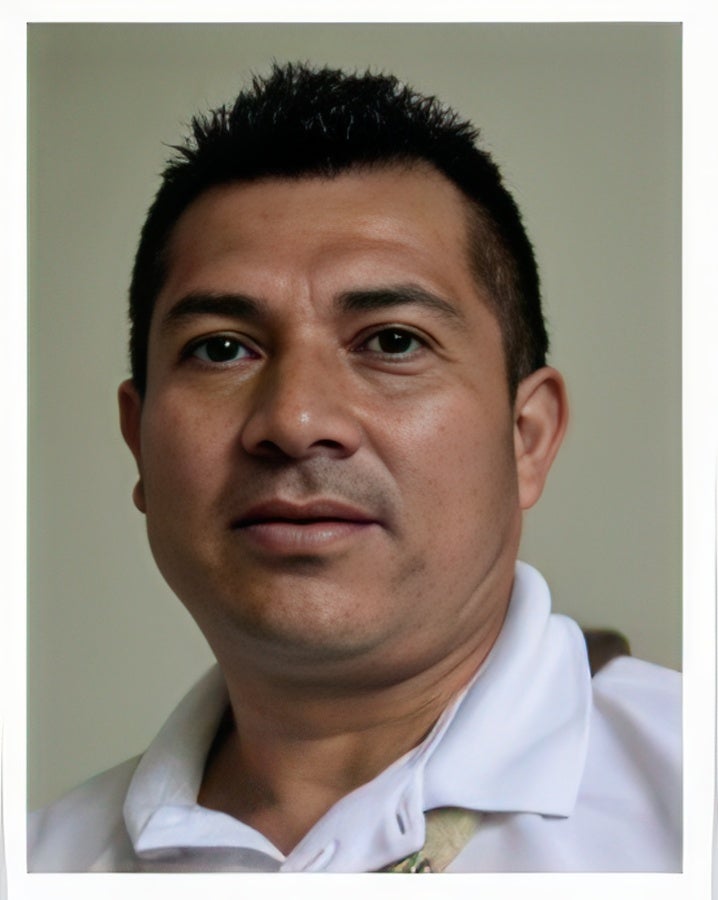
Luis Aurelio Araujo Hernández
Awá • June 3, 2025
Luis Aurelio Araujo Hernández (Awá) was murdered on June 3 while traveling in a vehicle provided by the National Protection Unit that was supposed to guarantee his safety. Unknown assailants shot and killed Luis and his two bodyguards, Jesús Albeiro Chávez and Jackson Solarte, before burning the truck and their bodies.
Luis was the coordinator of the Awá General Council of Ricaurte Camawari, Nariño, which comprises 10 Indigenous reserves. According to civil society organizations, Luis was “the strong voice of his People, the guiding force, the guardian of the mountains and of memory.”
The Ministry of the Interior urged “the judicial and police authorities to find those responsible for these acts, so that they may be punished and held accountable.” Luis’s murder exemplifies how even strong security measures are often inadequate to prevent the murder of human rights defenders.
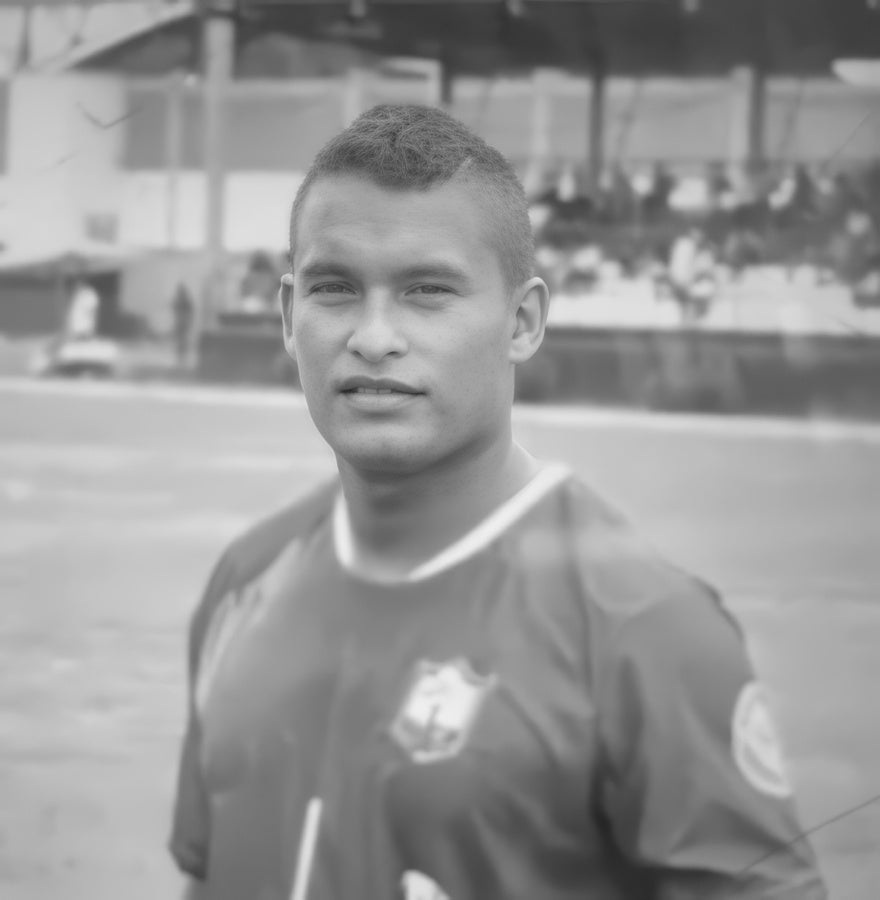
Iván Causil
Zenú • June 5, 2025
Iván Darío Álvarez Causil (Zenú) was a young leader of the El Polvillo community in the municipality of San Pedro de Urabá. He was murdered on June 5 in the village of La Florida, Anorí in northern Antioquia, while working construction at an Indigenous school.
Although those responsible for his murder are unknown, several witnesses reported that armed individuals entered the premises and forcibly took Iván and four other workers away. The others were eventually released, leaving Iván as the sole victim.
Jaimé Andrés Rivera Donado, Chief of the Río Alto San Juan de San Pedro de Urabá Indigenous reserve, said that Iván had not received any previous threats. It is believed that armed groups operating in the area may have misinterpreted the regularity with which Iván entered the reserve to visit his partner, and this may have been the reason for his murder.
The Ombudsman's Office has warned that this is a high-risk area due to clashes between the ELN and FARC dissidents against the Clan del Golfo/EGC, and denounced the human rights violations that occur due to various forms of social control by these illegal actors.
Gustavo Alfredo Silva, the mayor of Anorí, spoke about the fear and despair of the community due to the lack of public security in the territory, as well as the area’s abandonment by the national authorities in the face of murders and forced displacement due to the ongoing territorial disputes between the armed groups.
Family and community members will always remember Iván for having served his community and for his struggle to guarantee the right to education for Indigenous Peoples. His murder is another tragic example of the systematic violence that armed groups exert against Indigenous Peoples who inhabit, and are guardians of, territories that have been disputed since long before these groups’ arrival.
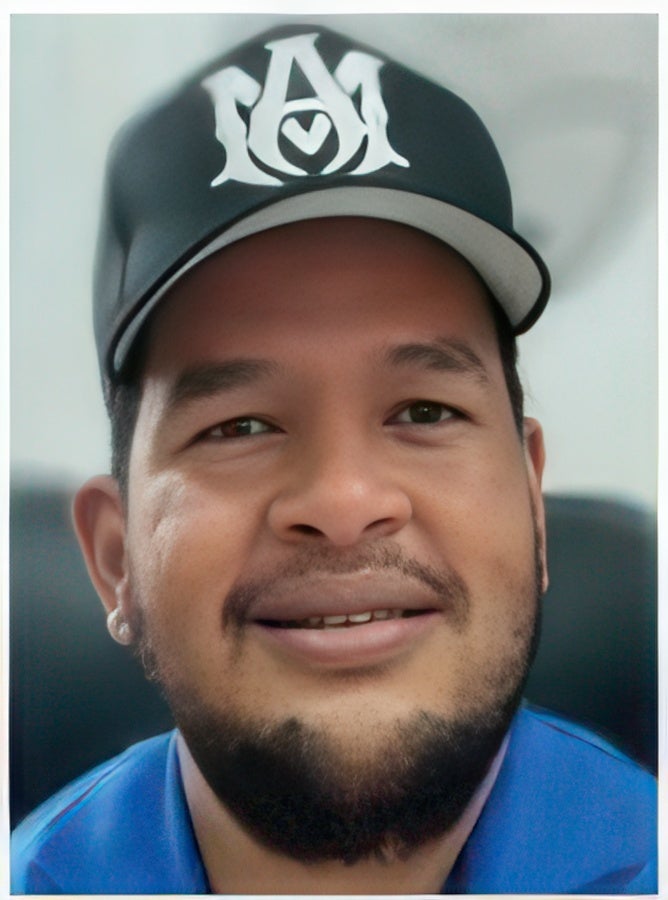
Juan Camilo Espinosa Vanegas
32 • June 16, 2025
Juan Camilo Espinosa Vanegas, 32, was a renowned social leader and councilor in San Andrés de Cuerquía, Antioquia, representing the Indigenous Authorities of Colombia political party. On June 16, he was murdered in broad daylight in the center of San Andrés de Cuerquía.
Juan used a wheelchair due to his impaired mobility. According to authorities, the perpetrator is a 17-year-old belonging to the 36th Front of the Estado Mayor de Bloques y Frente.
Juan had been active in promoting policies of inclusion in the municipality as well as protection for the most vulnerable communities, and was well known in the community for this work.
The Ombudsman's Office issued an Early Warning including San Andrés de Cuerquía, underscoring the level of violence in certain regions where the systematic killings of defenders, the presence of armed groups, and the recruitment of minors for these crimes threaten the stability of Indigenous communities.
William Gaitán
Sikuani • July 13, 2025
William Gaitán (Sikuani) was an Indigenous leader who served as manager of the Indigenous Matsuludani IPS health care provider in the Domo Planas Reserve in the municipality of Puerto Gaitán, Meta. He previously held other political positions in which he fought for access to health care in his community, making him a recognized and respected leader.
On July 13, William was reportedly traveling by land near the Muco River in the La Cristalina sector of Puerto Gaitán with three family members when two armed individuals on a motorcycle shot his vehicle several times, killing him and injuring his son.
The Indigenous Technical Secretariat of the National Commission for Indigenous Territories denounced the incident as a serious violation of human rights and a direct attack on defenders of the territory. They say the incident is part of the systematic violence experienced by Indigenous Peoples in Colombia, and called on armed groups to cease attacks on Indigenous Peoples, and for the authorities to guarantee justice for William and his family.
Several national and state government entities recognized William's legacy for his work to ensure dignified access to health care with an intercultural approach for Indigenous Peoples, and urged the judicial authorities to clarify what happened and find those responsible.
Florilba Ramos Morano and Ferney Elago Caviche
Nasa • July 14, 2025
Florilba Ramos and Ferney Elago Caviche (Nasa) were a couple with a strong social commitment and position of great leadership in their community. They were shot dead in their home in the village of Valle Nuevo in Silvia, Cauca, on the night of July 14 by armed men who fled the scene.
As in other municipalities in Cauca, there is a presence of FARC dissidents, the ELN, and other criminal groups in Silvia.
Florilba and Ferney were peace signatories in the 2016 Peace Agreement between guerrilla forces and the Colombian government, and were involved in the Cooperativa Multiactiva Ecomún Esperanza del Pueblo, an organization that supports the reintegration of peace signatories to strengthen the social and economic fabric of communities historically affected by the armed conflict in Colombia.
Since 2016, 472 peace signatories have been murdered, 28 of them in 2025. The Cauca Community Organizations Platform Corporation issued a statement condemning the crime and demanding that the state guarantee the protection of those who defend the territory.
Florilba and Ferney were part of a project dedicated to the collective cultivation of Hass avocados. Their legacy in building peace in the region through their belief in collective processes and the creation of spaces of hope will live on despite the violence that ended their lives.
Aída Damaris Flor Camayo
Nasa • July 18, 2025
Mayor Aída Damaris Flor Camayo (Nasa) was shot and killed in her home on July 18. Aída was a leader of the Honduras Reserve in the municipality of Morales, Cauca, as well as a member of the Indigenous Guard.
A few weeks before her murder, two other women, Edilma Cruz and Celmira Camayo, were murdered in the same municipality.
Leaders of the municipality confirmed that community members found the person responsible for Aida’s murder, a local man, who was to be tried in a community hearing. There is no further public information about the verdict. Mujeres CRIC expressed the need to create spaces where Indigenous women can live freely and safely.
The Honduras Indigenous Reserve condemned Aída’s murder and warned about the other murders of women in its territory, stating that “femicides represent the most extreme form of violation of women's rights...”
Marcos Yonda
Nasa • July 21, 2025
Marcos Yonda (Nasa) was an Indigenous Elder and spiritual leader from the Talaga territory. He was murdered on July 21 at his home in the municipality of Páez, Cauca.
Marcos played a very important role in his community as an ancestral knowledge keeper and was a guide and source of counsel in many ways for his people.
The killings of spiritual leaders affect the transmission of knowledge and the identity of an entire People, who are left without their role models to teach balance with nature and community life. In the words of the community, “To attack a spiritual Elder is to wound the very heart of the territory.”
The CRIC also expressed grief over Marcos’s murder, noting that such attacks are particularly significant because they generate fear among other communities and disrupt harmony in the territories.
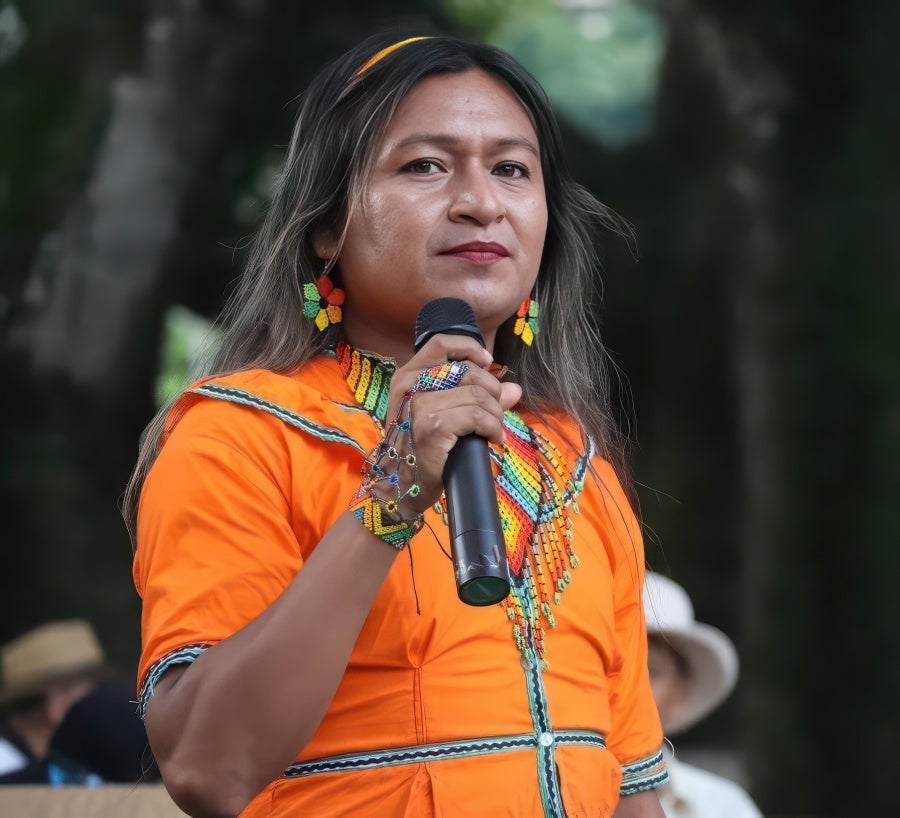
Fernanda Domicó
July 25, 2025
Fernanda Domicó was an Indigenous Trans woman and renowned social leader in the municipality of Dabeiba, Antioquia. She was the first female chief of the municipality's volunteer fire department.
Fernanda was murdered on July 25. According to media sources, her body was found on the banks of a stream. However, the facts of the case have not yet been clarified.
Fernanda was a beloved figure, recognized throughout the community for her commitment to defending human rights and diversity in the community. The mayor of Dabeiba remembered her as a “symbol of courage, dignity, and service to the community.”
Social organizations in the municipality stated: “Fernanda lived in resistance: in the face of rejection, discrimination, and oblivion...” Neither her legacy nor her struggle will be forgotten.
Yeison Aizama Variaza
Embera • August 11, 2025
On August 11, Yeison Aizama Variaza (Embera), a member of the Indigenous Guard of the Dai Umadamia Reserve, located in the municipality of El Dovio, Valle del Cauca, was murdered.
The authorities of the Embera Nation of Valle del Cauca reported that Yeison’s body was found abandoned in a field near the reserve in the village of La Cabaña. Grassroots organizations denounced the young man's murder, while demanding justice and clarification of the case.
The Valle del Cauca Regional Indigenous Organization stated that Yeison’s murder is mourned not only by his family and community, but also the entire Embera Nation of Valle del Cauca, who constantly live under acts of violence that endangers their personal, family, and collective safety, threatening their lives and survival as a People.
The National Commission for Indigenous Territories condemned Yeison's murder and demanded justice for Indigenous Peoples: “Each of these deaths brings grief to our communities and constitutes a serious threat to the physical and cultural survival of our peoples...Defending our territories should not cost us our lives!”
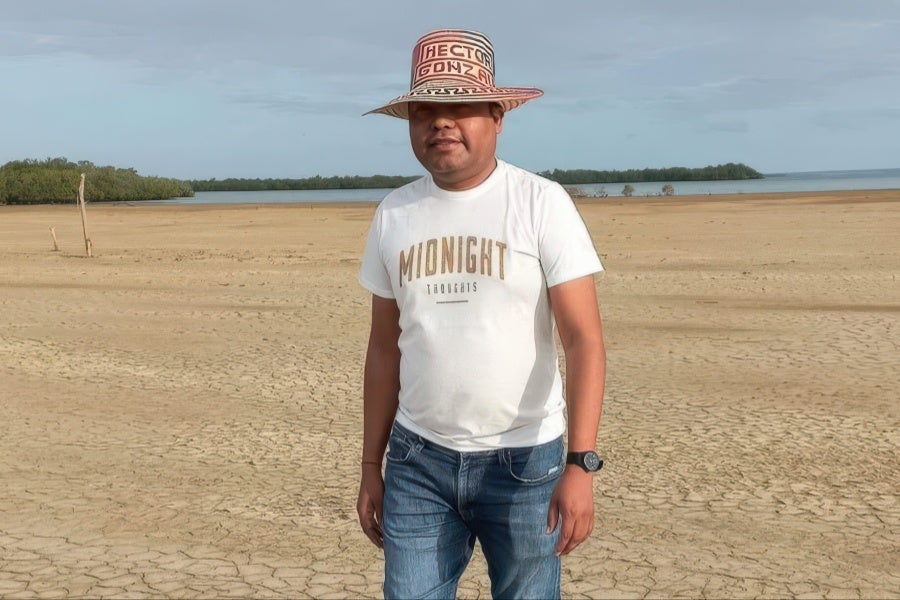
Héctor González Epieyu
Wayúu • August 22, 2025
Héctor González Epieyu (Wayúu) was a renowned leader and brother of the former governor of La Guajira, Wilmer González Brito. Héctor was known for his commitment to defending his People and for wanting to achieve a just energy transition in the territories of La Guajira. He was also a well known figure among many grassroots organizations and communities, having served as secretary of Indigenous Affairs for the municipality of Uribia.
On August 22 he was attacked in broad daylight in his vehicle as he left his home. Two armed men on a motorcycle shot him repeatedly, causing serious injuries. Although Héctor was taken to a health center, he was already dead on arrival, according to the medical report.
Indigenous leaders, traditional Wayúu authorities, and various communities and grassroots organizations condemned Héctor's murder and expressed their concern about the political and criminal violence in Uribia.
Héctor will live on forever in the memory of the community of Uribia and his family and loved ones. He leaves behind a legacy of peace and justice for the Indigenous Peoples of La Guajira.
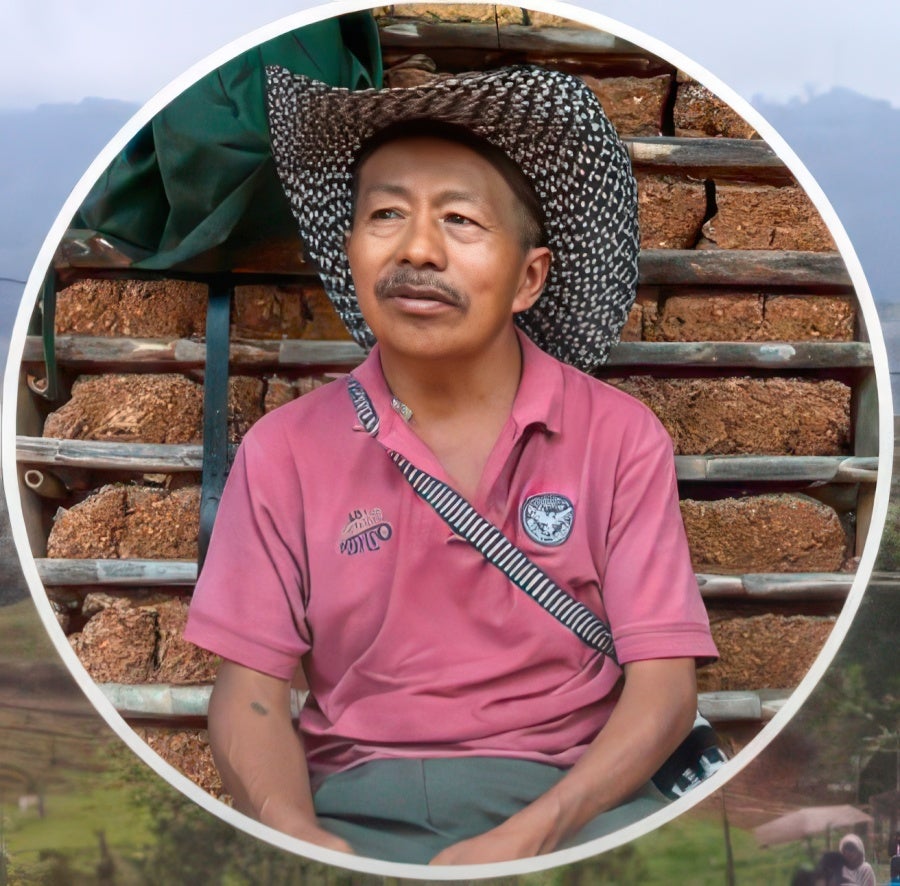
José Adelmo Valencia
Nasa • November 17, 2025
José Adelmo Valencia (Nasa) was arriving home in Santander de Quilichao, Cauca, when he was attacked by armed men. After a week in the hospital, he died on November 17. He had already suffered a prior attempt on his life.
José held a variety of community positions, including leadership of the Munchique Los Tigres territory and participation in the Association of Indigenous Councils of Northern Cauca and the CRIC.
ACIN honored José’s long history of community dedication, including the strengthening of self-government and the defense of territory, through which he accompanied various leaders and territories in their struggles.
A fellow Indigenous leader and colleague, Ismael Jumbe Yatacué, said: “How can we forget the difficult times we went through as a legal team... José Adelmo Valencia, thank you forever for your contribution to our families.”
Eduardo Campo
Nasa • November 25, 2025
Eduardo Campo (Nasa) was murdered on November 25 while returning home on his motorcycle in the municipality of La Plata, Huila, after participating in an Indigenous Guard event in the territory of Mariana Mandiguga. Eduardo was a member of the Indigenous Guard.
Indepaz reported that Eduardo's murder took place shortly after the Dagoberto Ramos Front made public threats against leaders and members of the Indigenous Guard in Cauca.
The CRIC holds the group responsible for this crime and condemned the systematic persecution of the Indigenous communities of Cauca and their leaders, stating that Eduardo’s legacy “remains under the protection of the spirits of the territory,” and that “his passing is not an end: it is a seed that strengthens our struggle."
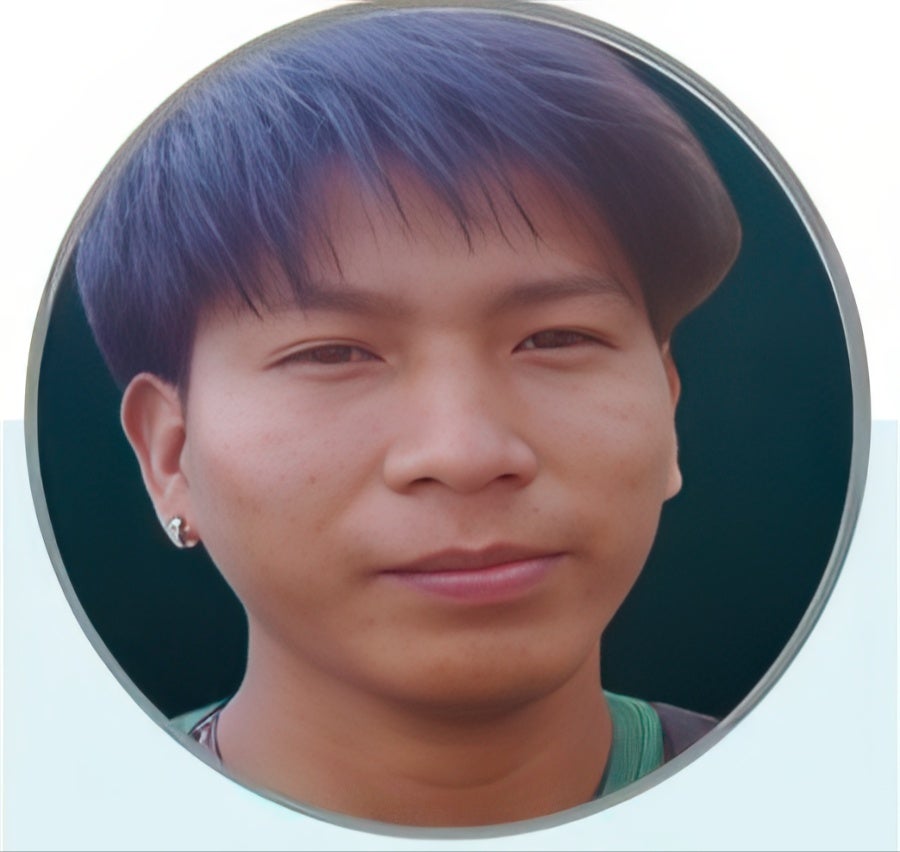
Niver Membache Piraza
Wounaan • 21 • November 27, 2025
Niver Membache Piraza (Wounaan), 21, a member of the Khirardú community, was murdered on November 27 in Buenaventura, Valle del Cauca, while he was with his family. Like many of the defenders murdered throughout 2025, Niver was a member of the Indigenous Guard and a social leader in his community.
Niver was the father of a three-month-old baby and the son of a Wounaan leader. His family had already suffered the consequences of violence in the region when they were displaced from their territory in 2022.
Communities Building Peace in Colombia (CONPAZCOL), an organization of which he was a member, demanded an urgent investigation into his murder and the adoption of preventive measures.
The Ombudsman's Office had previously issued an Early Warning due to the risk faced by social leaders in the municipality of Buenaventura because of the presence of illegal armed groups.
José Miguel Mojica Conchangui
Wiwa • December 26, 2025
José Miguel Mojica Conchangui (Wiwa) was murdered in the early hours of December 26 in the village of La Mucura in Riohacha, La Guajira. He was celebrating Christmas with his family when armed individuals took him from his home and shot him dead in front of his family.
José was a leader in his community, and his father was a mamo (spiritual leader) in the nearby community of Siminque.
Illegal armed groups such as the Clan del Golfo and Los Conquistadores de la Sierra operate in the area, leading the Ombudsman's Office to issue a warning about the risk to community leaders in that region.
The organization Wiwa Yugumaiun Bunkuanarrua Tayrona issued its own warning in a statement about “the humanitarian crisis and the risk to the communities of the Wiwa Indigenous people...”
ECUADOR
In September 2025, the Indigenous Peoples of Ecuador peacefully protested against the economic and extractive reforms enacted by the government of Daniel Noboa, which have directly impacted people's daily lives and jobs, increasing the cost of living and deepening the exploitation of their territories.
On September 18, the Confederation of Indigenous Nationalities of Ecuador (CONAIE) called for a national strike that lasted 31 days. The government responded with brutal repression tactics, including militarization of the territories, arbitrary detentions, criminalization and persecution of protesters and community leaders, and other serious human rights violations.
During the protests, 473 people were injured, 206 were detained, and 16 temporarily disappeared. Four people were killed in the brutal repression and excessive use of force by the Ecuadorian security forces.
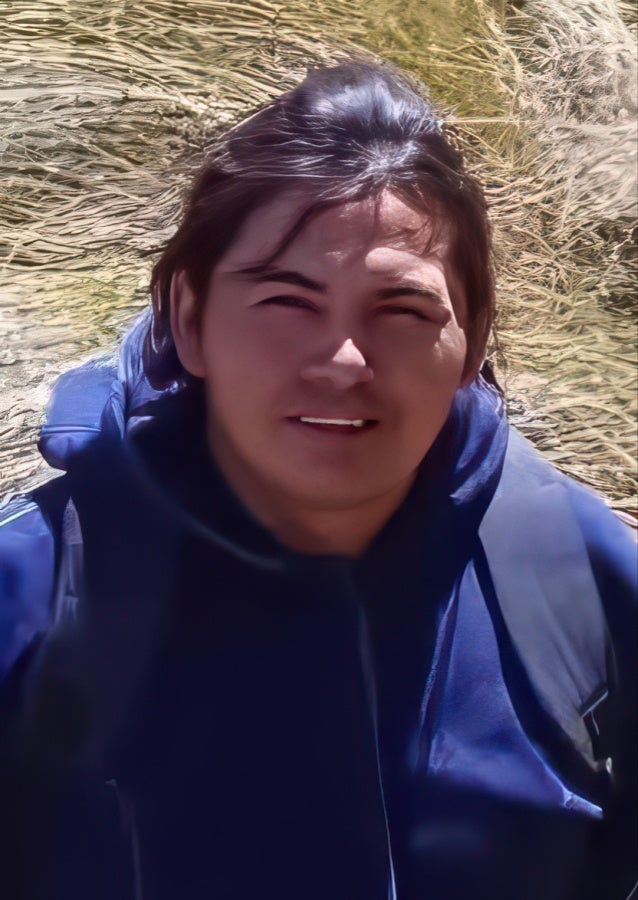
Efraín Fuerez
Kichwa • 46 • September 28, 2025
On September 28, at around 6:30 a.m., Efraín Fuerez (Kichwa), 46, was killed in Cotacachi, Imbabura. Efraín was a father of two. He was the first fatal victim at the hands of Ecuadorian security forces during the national strike.
The forensic autopsy performed on Efraín revealed that he was struck by a firearm projectile. The Public Prosecutor's Office is investigating this crime as a suspected case of excessive use of force in the line of duty.
The Regional Foundation for Human Rights Advisory Services has filed paperwork for the case to be investigated as an extrajudicial execution, since it was a crime committed by the state.
As expressed in the streets, “Efraín went out to defend life and returned as a symbol of resistance.” He will always be present in the active memory of a people fighting against the injustices imposed by the state.
Rosa Elena Paqui
61 • October 14, 2025
On October 14, the community of Gunudel, Pueblo Kichwa Saraguro, reported the death of Rosa Elena Paqui, 61, a mother and community member.
Rosa suffered a cardiac arrest, which was reportedly caused by the inhalation of tear gas used by Ecuadorian security forces to disperse protestors and demonstrations. Rosa was the second death recorded in the National Strike.
According to the police report, Rosa was found dead next to her home by one of her neighbors. Although it is unclear whether she was directly involved in the protest, her body was located just meters away from the site where acts of repression and violence took place.
In response to these events, CONAIE stated: “We demand truth and justice for Rosa Elena and for all social activists who have been detained or killed in defense of the rights of our people.”
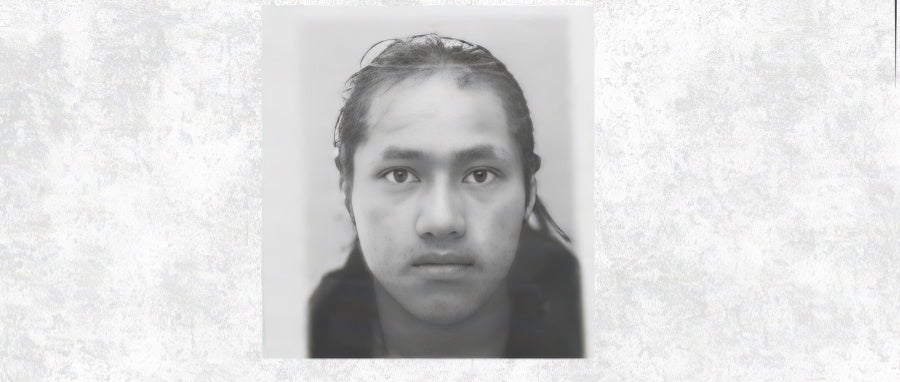
José Alberto Guamán
Kichwa • 30 • October 15, 2025
José Alberto Guamán (Kichwa), 30, was a father of two and member of the Cachiviro community in Otavalo, Imbabura. He was the third fatality recorded during the National Strike.
José was killed on October 15 after being hit by a projectile during the demonstrations in Imbabura. Although he was taken to the local emergency hospital and later transferred to a hospital in Quito due to the severity of his injuries, “Ñoño,” as he was called by his family and friends, died hours after arriving in the capital.
The community of Cachiviro said during his farewell: “We will never forget him; we will always carry him in our minds and hearts...”
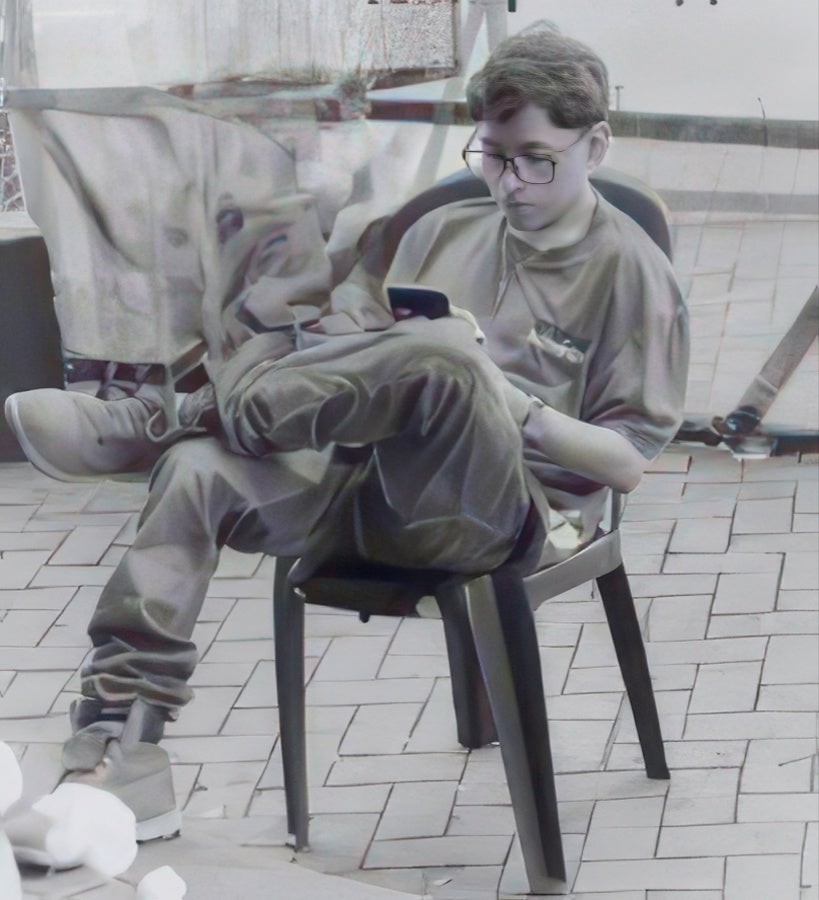
Edison David Farinango Tontaquimba
Kichwa • 30 • December 27, 2025
On December 27, 2025, two months after the end of the National Strike, Edison David Farinango (Kichwa), 30, became the fourth fatality linked to the excessive use of force in the repression of protests and demonstrations in Imbabura.
Edison was a craftsman, farmer, and builder from the Kichwa community of San Ignacio de Cotacachi in the province of Imbabura. He was hit by two tear gas canisters, one in the leg and one in the back, the latter seriously affecting his kidney function.
Although he remained hospitalized and fought for his life for two months, he never recovered from his injuries.
The Union of Indigenous Campesino Organizations of Cotacachi and CONAIE condemned the repression and expressed condolences to his family and community.
GUATEMALA
2024 was the deadliest year on record for human rights defenders in Guatemala, according to the Guatemalan Unit for the Protection of Human Rights Defenders, with 29 murders recorded, most of them belonging to Indigenous Peoples. In addition to these murders, a pattern of criminalization of entire communities continues, as in the cases of Dos Fuentes and Verapaces.
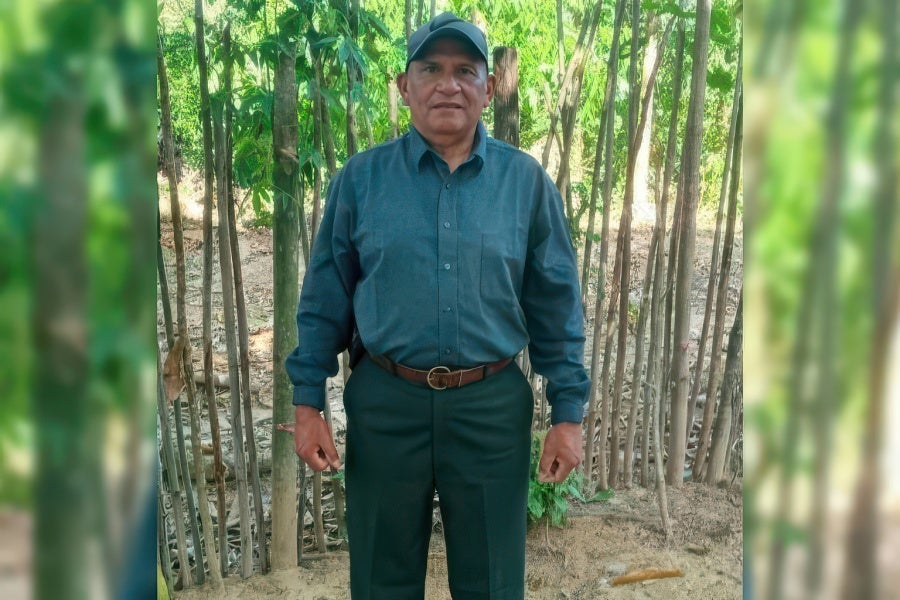
Misael Mata Asencio
Maya Q'eqchi' • May 14, 2025
Misael Mata (Maya Q'eqchi') was shot and killed on May 14 by two men who surprised him at his job as a security guard. Misael was originally from the community of Las Flores and was part of the 54 communities in the Sierra de Santa Cruz involved in anti-mining resistance.
This region is of great ecological importance, as more than 60 rivers originate there. Their opposition was focused on the projects of the Canadian company Río Nickel S.A., which has been granted licenses to extract nickel in the area and whose operations would cause contamination of those water sources.
Just weeks before Misael's murder, the alliance of 54 communities had filed complaints before the Congress of the Republic alleging that the company had conducted a fraudulent consultation and demanded that the licenses granted by the Giammattei government be canceled.
Five days before Misael's murder, Marco Antonio Zuleta Quevedo, a forest firefighter who had received threats for his defense of the forests, was also killed.
MEXICO
Mexico is considered one of the most dangerous countries in the world for human rights defenders. From 2019 to 2023, the Office of the United Nations High Commissioner for Human Rights recorded 46 murders or disappearances of Indigenous defenders potentially linked to the defense of their territory.
In 2024 the situation worsened, with attacks and murders of environmental defenders increasing by 25% in Oaxaca, Chiapas, Michoacán, Puebla, and Veracruz—states with a high percentage of Indigenous populations.
The Mexican state is the main aggressor against defenders of the territory: in 2024 it was involved in 62 of the 94 recorded acts of violence. Private companies were involved in an additional 25 incidents, with organized crime responsible for 17.
The deficiencies of the justice system in Mexico create a vicious cycle of impunity in which there is no proper followup investigation of reported crimes, sentencing of the guilty parties, or provision of protection measures for the victims.
Arnoldo Nicolás Romero
Ayuujk • January 22, 2025
Arnoldo Nicolás Romero (Ayuujk) was a defender of the territory and commissioner of communal property in Buena Vista, San Juan Guichicovi, Oaxaca. He was reported missing on January 17, and ultimately found dead by his relatives on January 22 after having been shot several times.
Arnoldo led the resistance against the Interoceanic Train, part of the Interoceanic Corridor of the Isthmus of Tehuantepec megaproject, promoted by the Mexican government.
This project was imposed on Indigenous communities without their Free, Prior and Informed Consent, and without adequate consultation or Environmental Impact Studies in several areas.
Arnoldo's murder should not be considered an isolated incident, but rather an attempt to silence several communities resisting for their rights.
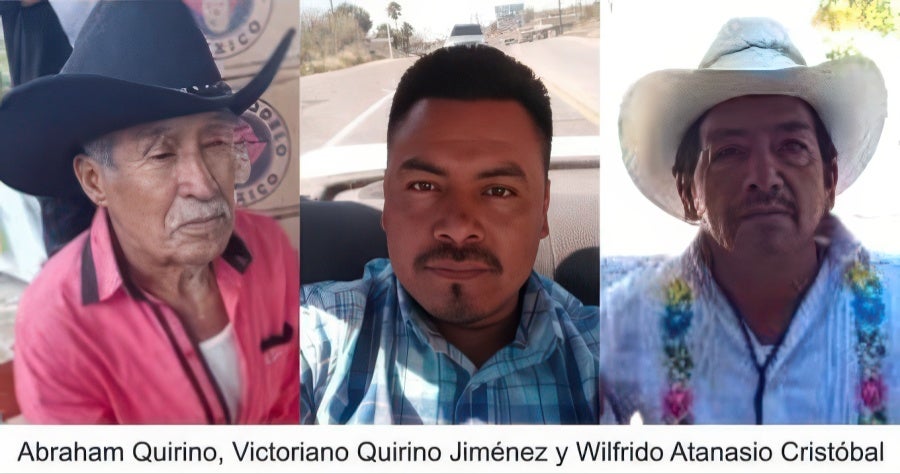
Wilfrido Atanacio, Victoriano Quirino, and Abraham Chirino
February 13, 2025
On February 13, Wilfrido Atanacio, Victoriano Quirino, and Abraham Chirino, defenders of the territory of the Ayuujk people of the El Platanillo community, were murdered in Río del Sol, Santo Domingo Petapa, Oaxaca.
It is reported that the victims were traveling by land when an armed group attacked and killed them. Members of the community claimed that members of the armed group El 33 are responsible. Other sources attribute the killings to an agrarian conflict that escalated in 2023.
The Union of Indigenous Communities of the Northern Zone of the Isthmus demanded justice and protection in the face of widespread fear of new ambushes.
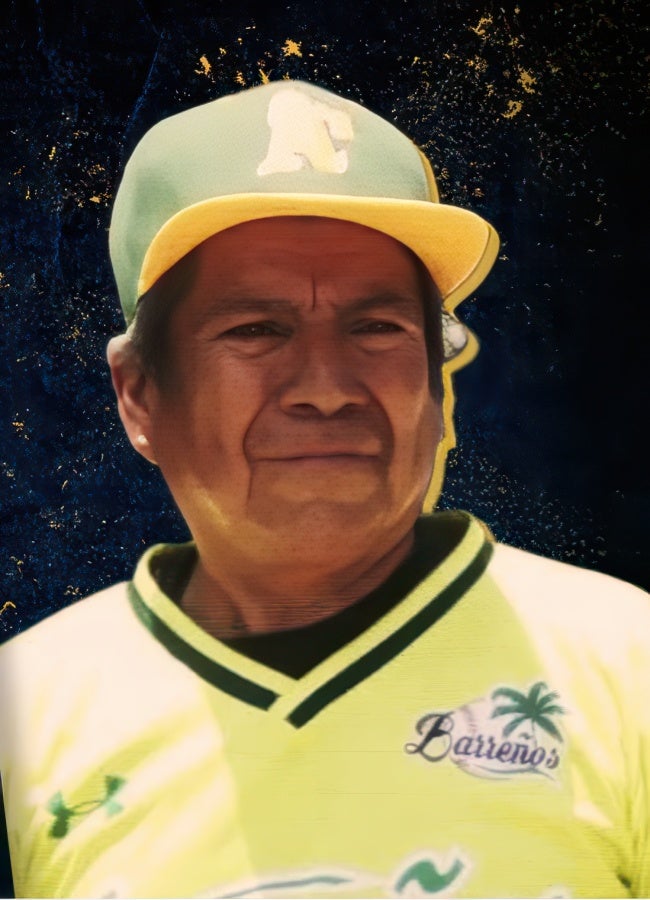
Cristino Castro Perea
Chontal • February 28, 2025
On February 28, Cristino Castro Perea (Chontal), a land defender and community leader, was murdered in Barra de la Cruz, Santiago Astata, Tehuantepec, Oaxaca. Two armed individuals on a motorcycle attacked him.
Cristino was a beneficiary of the Protection Mechanism for Human Rights Defenders and Journalists.
Although he had not previously received threats, it is believed the murder was directly related to his leadership defending the territory. The region faces threats from illegal logging of mangroves and land sales to developers.
The struggle has been ongoing since 2013. While the territory was declared a protected natural area in 2023, it has been insufficient to protect defenders’ lives.
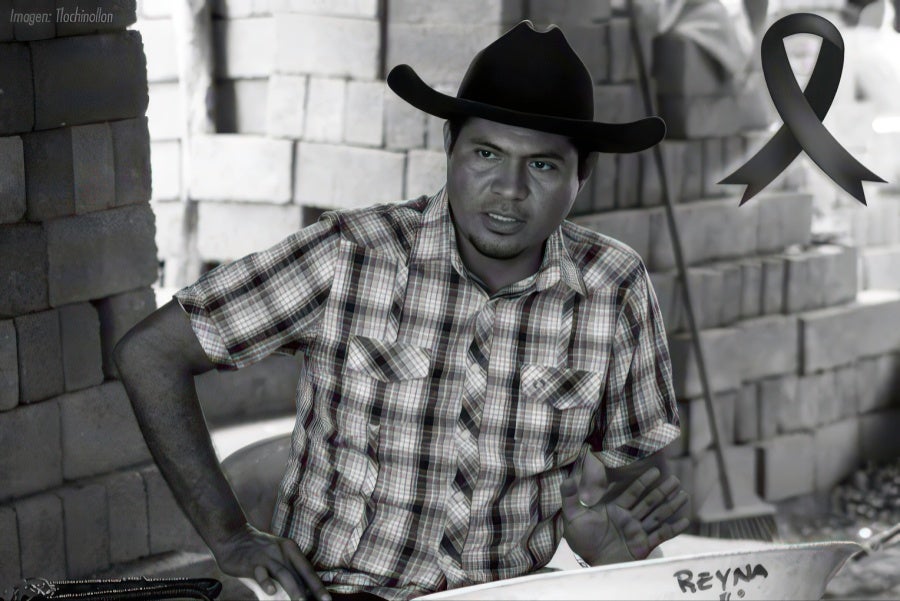
Marco Suástegui
Nahua and Afro-Mexican • 49 • April 25, 2025
Marco Antonio Suástegui Muñoz (Nahua and Afro-Mexican), 49, was a defender of the territory, a farmer from Cacahuatepec, Guerrero, and an architect. He led resistance to the La Parota Dam and defended Icacos Beach.
On April 18, Marco was attacked at work and shot repeatedly. He was taken to a hospital in Acapulco but died on April 25. Those responsible have not been found.
His case highlights the impunity surrounding attacks on land defenders and decades of persecution tied to opposing powerful interests.
After his brother disappeared in August 2021, Marco’s family continued search campaigns. Precautionary measures were indicated, but authorities ignored repeated calls for protection.
Marcelino Ramírez
Mixtec/Ñuu Savi • July 10, 2025
Marcelino Ramírez (Mixtec/Ñuu Savi) was an Elder from Cuajilotes, San Juan Mixtepec, Juxtlahuaca, Oaxaca. He was shot and killed along with his dog on July 10 at his home.
Neighbors attribute the murder to an agrarian conflict that has caused forced displacement after years of escalating violence and attacks.
Marcelino's resistance was expressed by inhabiting his territory by birthright, even in the midst of escalating violence, until the end of his life.
Marcos Aguilar Rojas
Tepehuano-Wixárika • November 26, 2025
Marcos Aguilar Rojas (Tepehuano-Wixárika), a community leader, was killed on November 26 during an armed attack on the El Caracol communal property in San Lorenzo Atzqueltan, Villa Guerrero, Jalisco.
He and his brother Gabriel were shot while engaged in livestock activities. No one has been arrested, though community members report they have identified those responsible.
The community has fought for restitution of 45,000 hectares long recognized by decree, with ongoing attacks and alleged coverups. Community members protested in Guadalajara and Mexico City demanding justice and recognition of their territory.
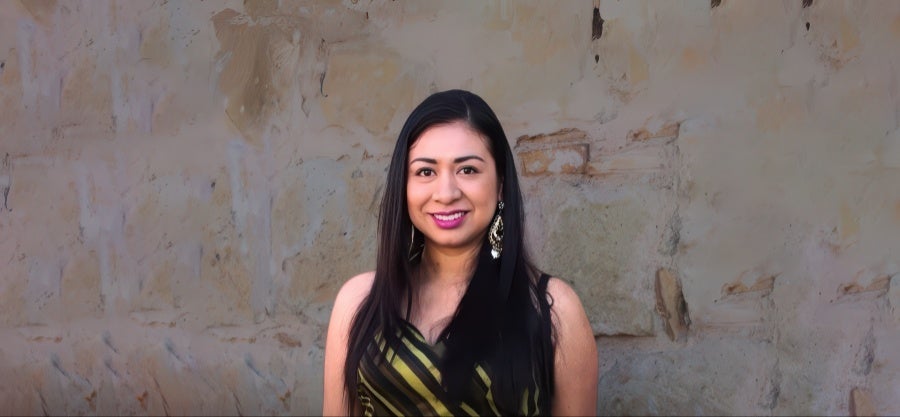
Sandra Domínguez
Ayuujk • April 24, 2025
Sandra Estefana Domínguez Martínez (Ayuujk) was an activist, lawyer, and defender of Indigenous Peoples, in particular Indigenous women. She was found dead on April 24 after being missing for more than six months, alongside the body of her husband, Alexander Hernández.
Authorities claimed a criminal group was responsible; relatives and activists denounced lack of followup and that the case was not classified as a femicide.
Sandra had publicly denounced sexual violence and gender-based violence. Her family demanded an end to revictimization and criminalization of missing persons and reported harassment and threats after her disappearance.