By Shimron Kiptoo (Ogiek), Assistant Project officer, Chepkitale Indigenous People Development Project/Tulwoob Koony Radio, Kenya
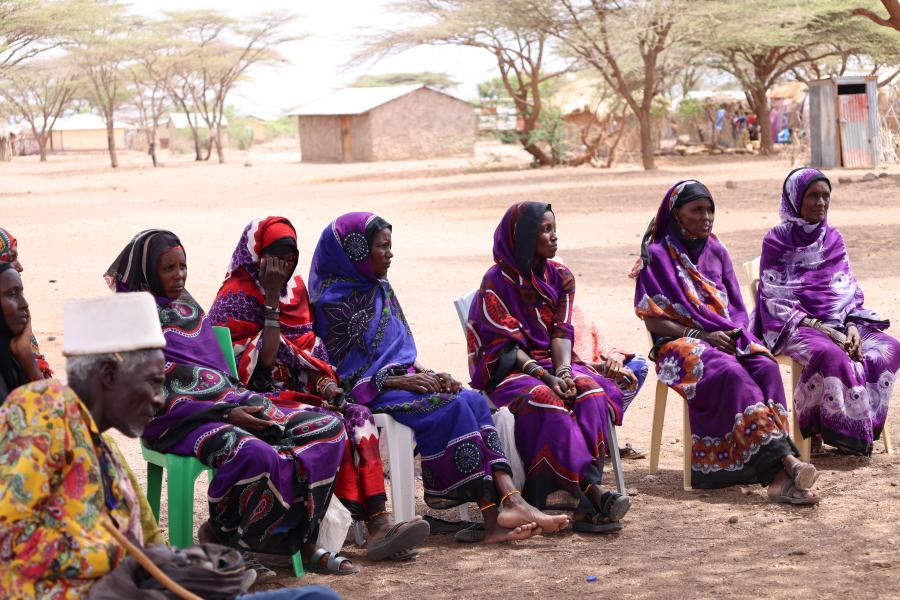
Changing weather patterns, severe soil erosion, and growing deforestation are putting the fragile Mt. Elgon highland ecosystem under increasing pressure. For the Koony People, the climate crisis is not an abstract global issue. It is a direct threat to their ancestral land, culture, and survival. To respond, the community has turned to a powerful local tool: Indigenous-language community radio. Through interactive broadcasts, residents are making climate information easier to understand and connecting global climate change to their daily lives and traditional conservation practices.
For years, climate discussions have been led mostly by scientists and policymakers, often leaving Indigenous communities out. On Mt. Elgon, community radio is helping close that gap by translating climate science into the Koony language. “The presenters explained climate issues in a simple way that made sense to people like us who are not experts,” said Joseph Pkemoi, a resident of Sendera, adding, “I liked that it was interactive. We could ask questions and even share our opinions live on radio.”
By using the community’s own language, the broadcasts have built trust and encouraged more people to take part. They have also helped residents see how climate change is affecting their environment and daily lives. “The discussions on climate change helped me understand how our daily activities are affecting the environment around us,” said Mary Chepkwemoi, a resident of Kaberwa. “I also appreciated how they linked these issues to our culture by showing that some of our traditional practices can actually help protect nature.”
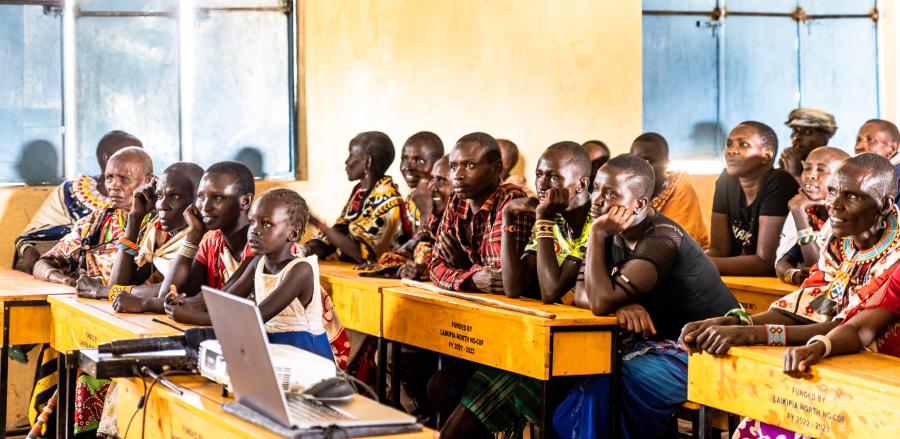
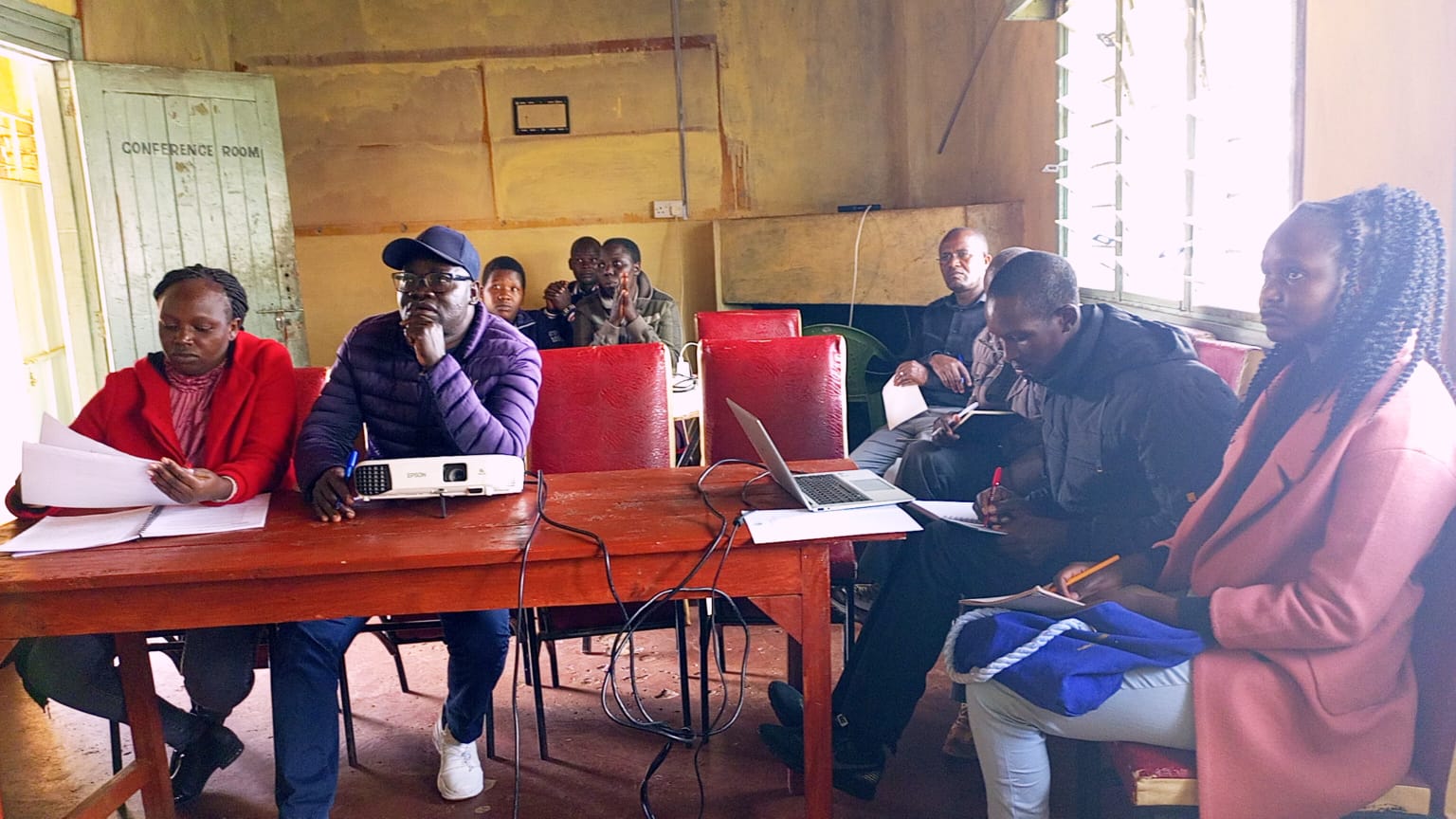
The climate justice effort has included live community broadcasts from remote mountain and forest areas. Using mobile broadcasting setups across Elgon, Chepyuk, Cheptais, and Kaptama wards, the project has created space for Elders, women, and young people to share their views. For local journalists, this has changed how environmental reporting is done. “Before, I used to struggle with coordinating guests, controlling background noise, and maintaining a clear flow during live sessions,” said radio presenter Caren Chemtai. “Through the program, I gained hands-on skills that made me more organized and confident on air. What stood out most was learning how to connect community voices to larger issues like climate change in a way that feels relevant and relatable.”
Another presenter, Sylvia Chemtai, said the training also helped her build confidence and handle live radio more effectively. “The training gave me a clear structure on how to engage a live audience while keeping radio listeners connected and interested,” she said. “I learned how to ask better questions, manage time on air, and adapt when things don’t go as planned. The sessions on climate change and culture also helped me understand the topics more deeply so I could communicate them with confidence and accuracy.”
The strong community response shows a growing need for platforms that lift up Indigenous voices in environmental discussions. By using radio broadcasting to reach isolated communities, the project has helped connect remote highland residents to wider policy conversations.
As Mt. Elgon continues to face environmental damage, the shift from citizens as passive listeners to active advocates marks an important change. By placing Indigenous language, Traditional Knowledge, and community testimony at the center, the people of Mt. Elgon are showing that real climate justice begins when vulnerable communities are finally heard.
In 2025, Tulwoob Koony Radio, received a grant from Cultural Survival’s Indigenous Community Fund, which provides opportunities for journalism, broadcasting, audio editing, technical skills, and more for community media from Indigenous communities around the world. In 2025 CS awarded a total of $502,000 to 63 Indigenous communication projects that will benefit Indigenous Peoples in 29 countries: Argentina, Bangladesh, Bolivia, Botswana, Brazil, Chile, Ecuador, Colombia, United States of America, Philippines, Guatemala, India, Kenya, Mexico, Nepal, Peru, South Africa, Democratic Republic of Congo, Indonesia, Honduras, Mali, Nicaragua, Cambodia, Chile, Canada, Panama, Paraguay, Papua New Guinea, New Zealand, Nicaragua, and Tanzania.