By Celia Nichim (Tsotsil)
The highlands of Chiapas, Mexico, are primarily home to Maya Tsotsil communities. Known for its cold, rainy climate, its main city is San Cristóbal de Las Casas. While its colonial character has earned it the designation of "Magical Town" (Pueblo Mágico), for the Tsotsil people it remains the Jobel Valley—the "place of grasses"—which has long served as a meeting point for the various communities inhabiting these cold mountains.
Feeding Tsotsil families is the responsibility of the women. In Tsotsil culture—particularly in Chamula—the gender-based division of roles is deeply defined and shaped by tradition. Men take on the role of economic providers, while women act as caretakers of the home and organizers of the labor that sustains the food system: the milpa (traditional polyculture field), the backyard garden, and the livestock herds.
The Traditional Food System
In Nuevo Corral Ch’en, a community on the outskirts of San Cristóbal, a group of Tsotsil women has organized to continue practicing and defending traditional agriculture. The milpa, the backyard garden, and the herds—each acting as a link in the chain—combine to form a food system adapted to local climatic conditions and nutritional needs. The loss or vulnerability of any one of these links directly impacts the families' nutrition and autonomy.
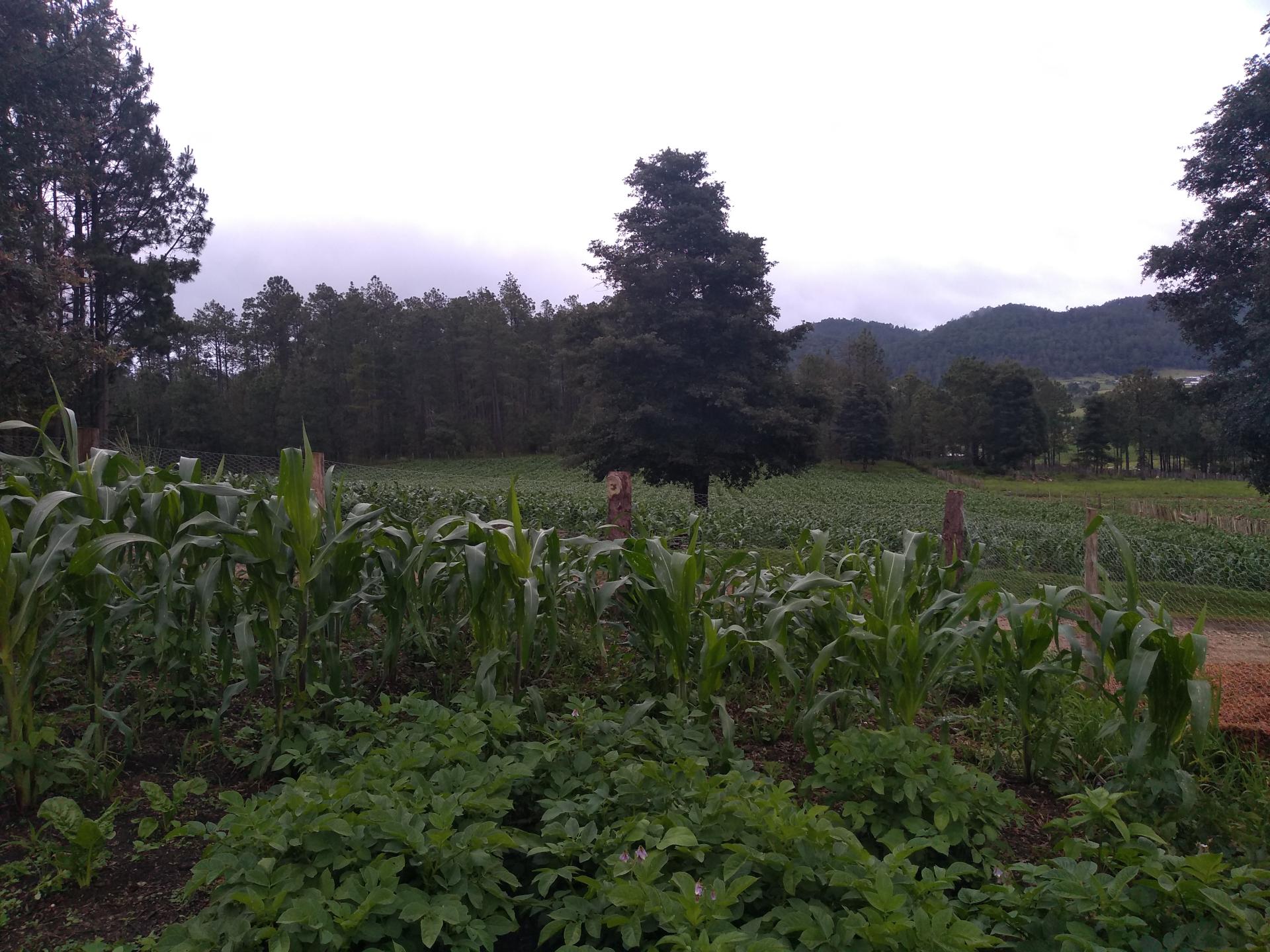
The traditional production system relies on three main crops: maize, beans, and squash. These varieties form a symbiotic relationship as they grow together on the plot. The broad leaves of the squash plants protect the soil and retain moisture, while the legumes capture nitrogen and fix it in the earth, enabling the maize—the primary crop and dietary staple—to thrive. In the highlands, the milpa production cycle is long—lasting eight to ten months —and corn is harvested only once a year. Throughout the milpa's growing season, a wide variety of foods are obtained: squash, beans, tomatoes, potatoes, fava beans, and various types of edible wild greens (quelites) that are part of the agroecosystem. During the Day of the Dead celebrations in November, offerings placed on altars and in cemeteries consist of produce from the milpa and home gardens. After the harvest, the remaining crop stubble serves as feed for sheep flocks during the dry season.
Sheep Flocks and Women's Work
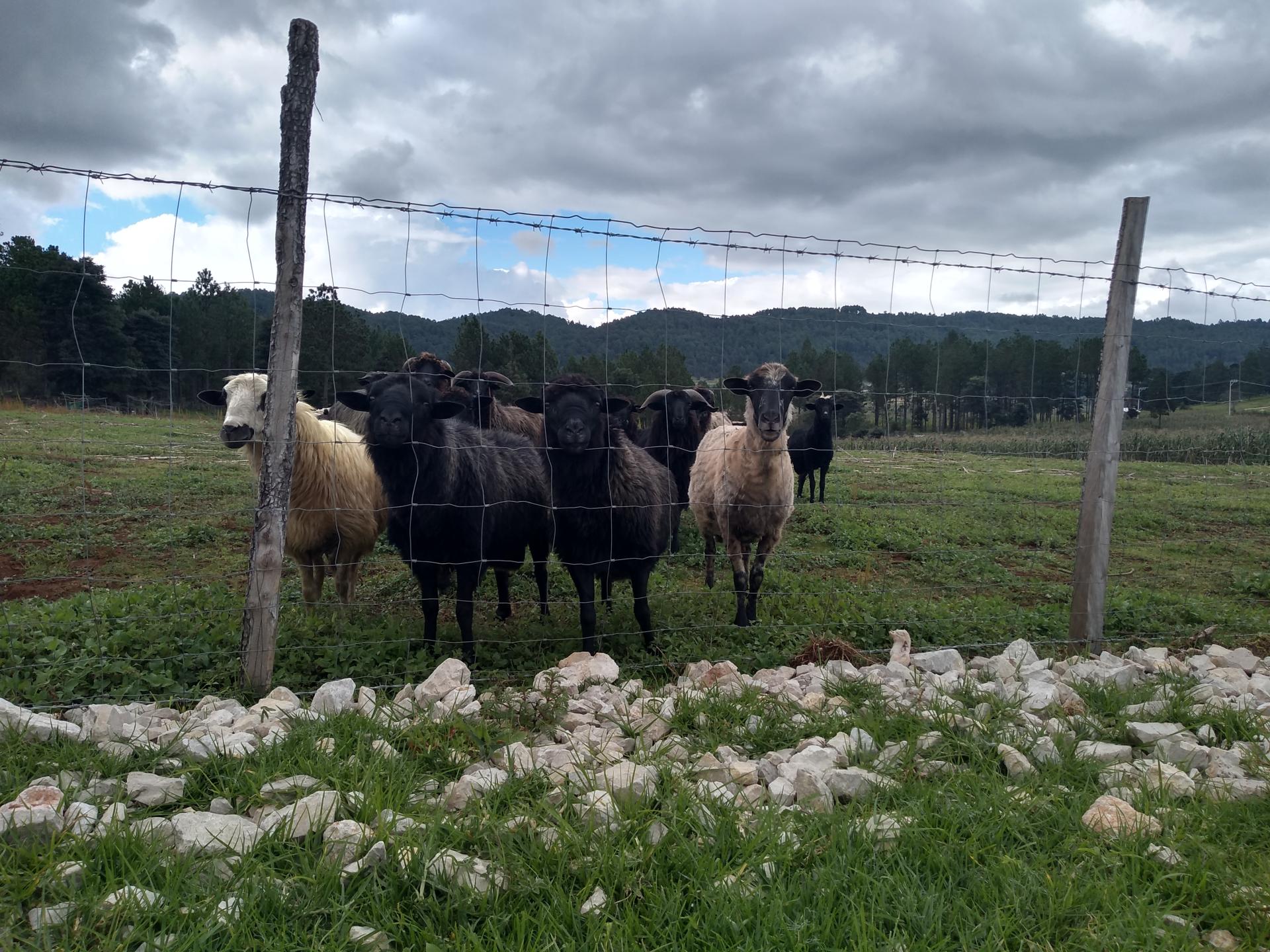
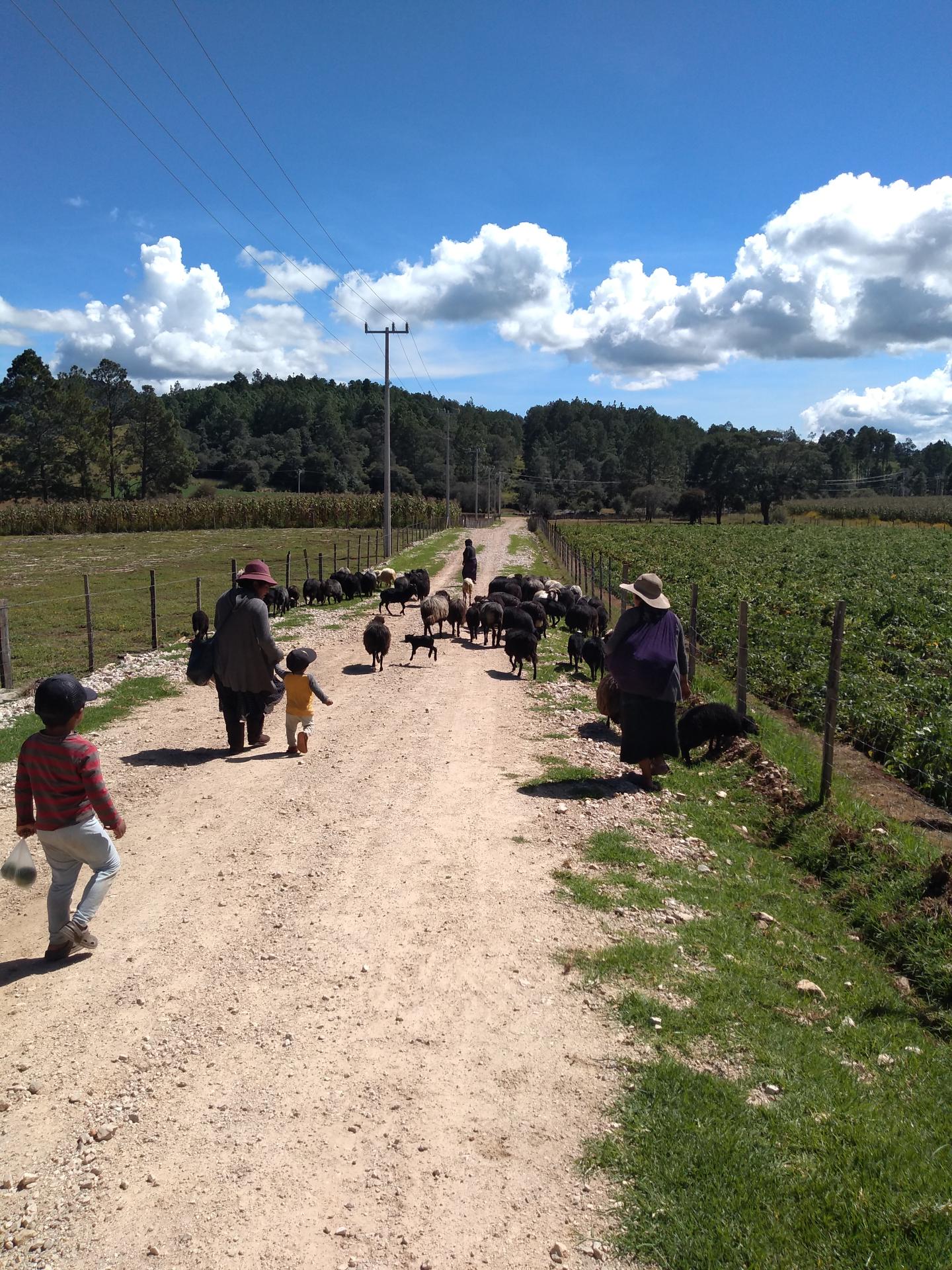
In winter, temperatures in the Chiapas highlands can drop a couple of degrees below freezing—cold enough to scorch the vegetation. Sheep flocks can survive this season without a reduction in numbers if families have access to milpa cornfield stubble. This ground cover retains moisture and protects against frost, allowing vegetation to grow that serves as fresh fodder for the animals.
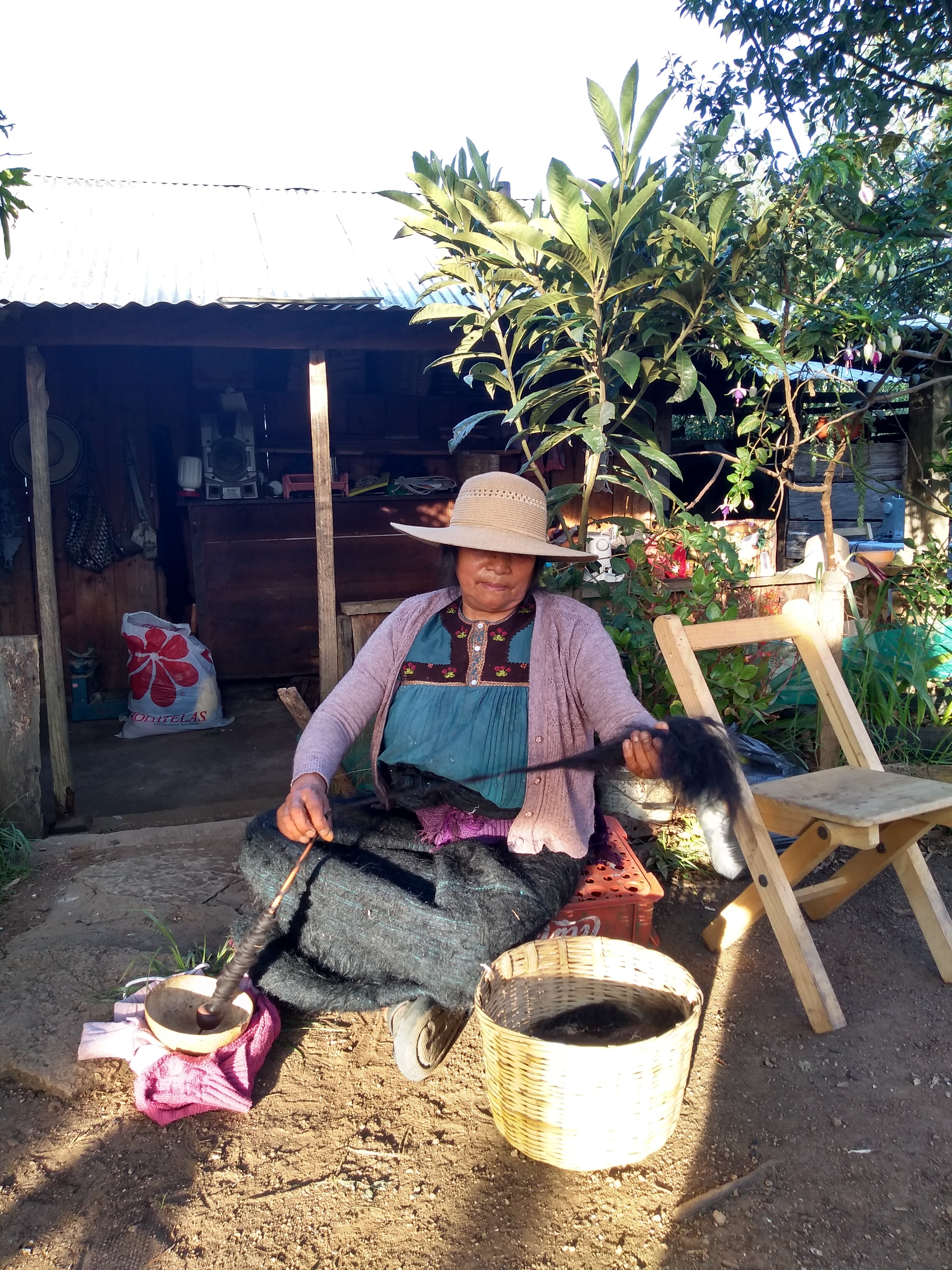
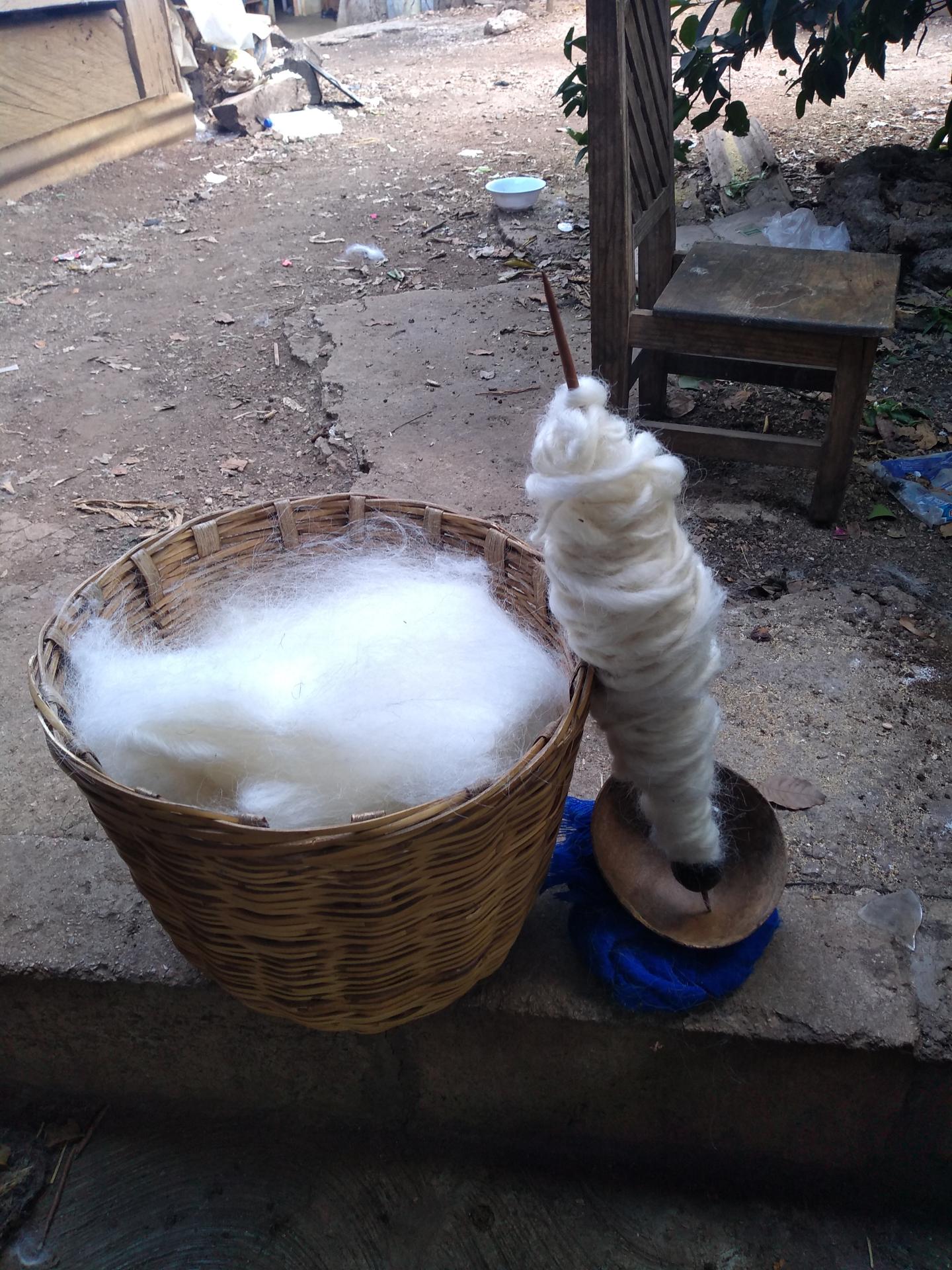
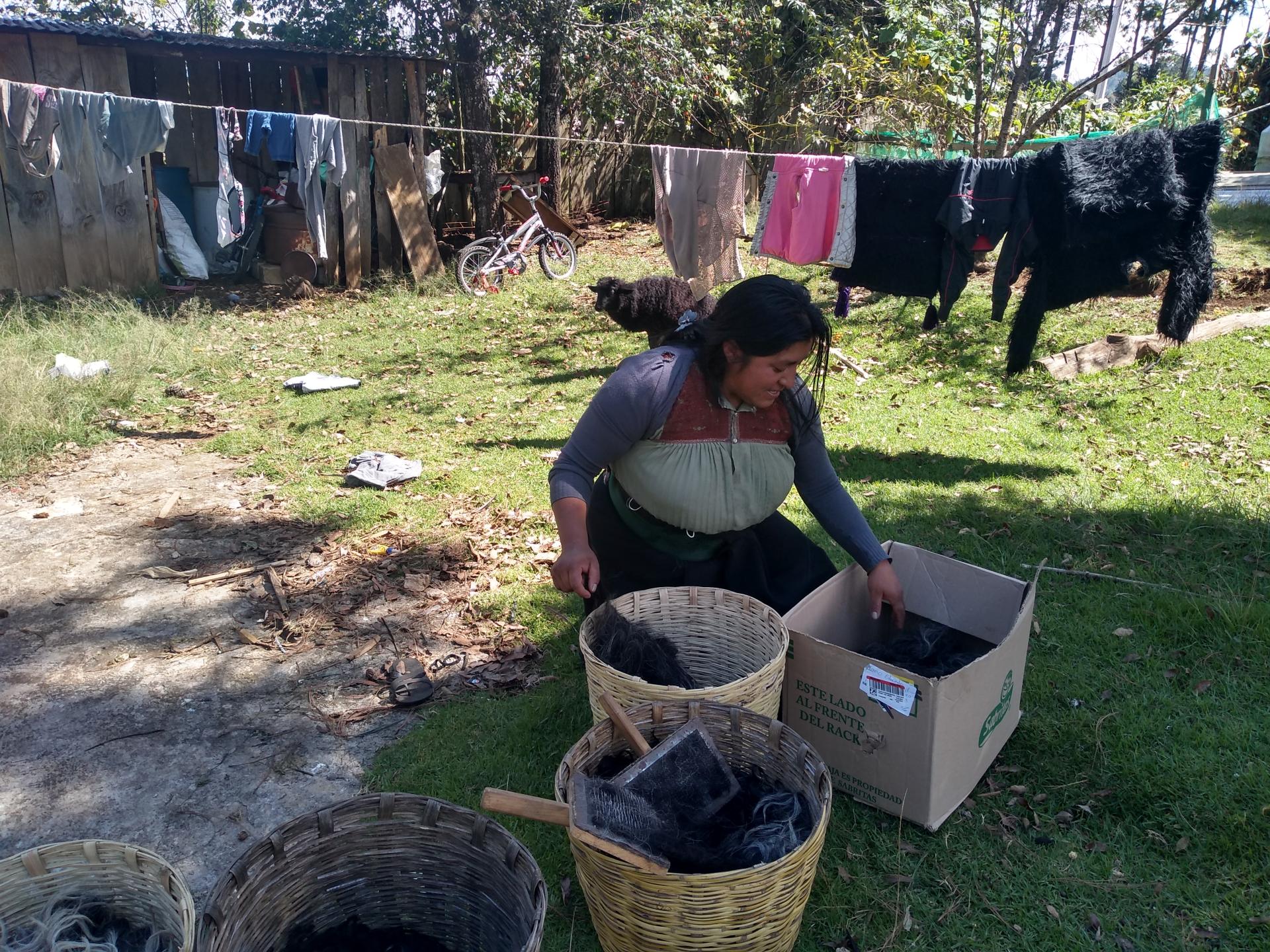
The defining characteristic of these sheep is their wool, which is used to make clothing suited to the climate: it provides warmth in winter and—thanks to a finish that acts like a raincoat—protection against the rain. Both tending the flocks and crafting the clothing are tasks performed by women. It is traditional for mothers or grandmothers to pass on their first pair of sheep to their daughters, enabling them to start their own flocks.
The income generated from the sheep—whether through the direct sale of wool or the creation of handicrafts—represents a significant part of women's economic activity, and in many cases, their sole source of income. Another benefit of the flocks is the composting of their manure, which serves as a primary source of nitrogen for fertilizing the milpa and home gardens.
Backyard Gardens and Dietary Diversification
Backyard areas—where home gardens are established, and domestic animals are raised—serve as extensions of traditional kitchens. Food scraps and leftover corn provide feed for a variety of poultry, as well as the occasional pig kept in these spaces. Kitchen waste is sorted for animal feed, while organic refuse is composted to be returned to the soil as fertilizer.
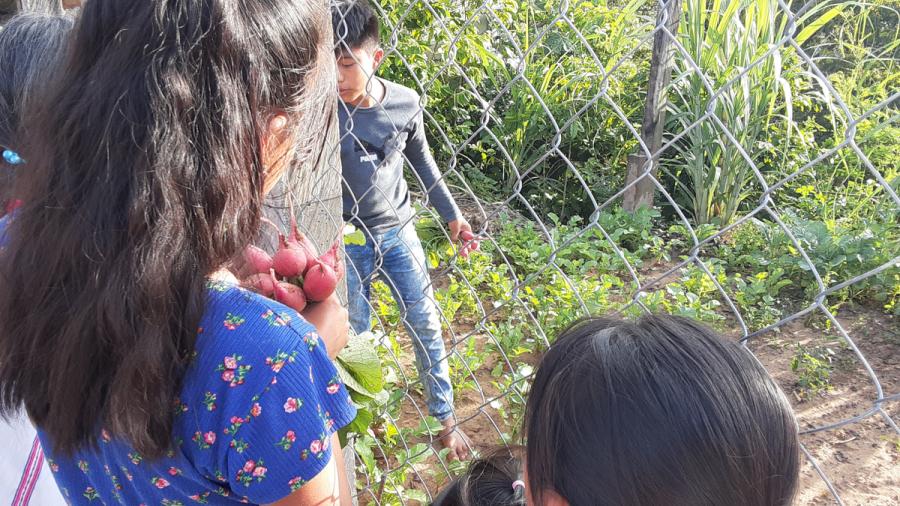
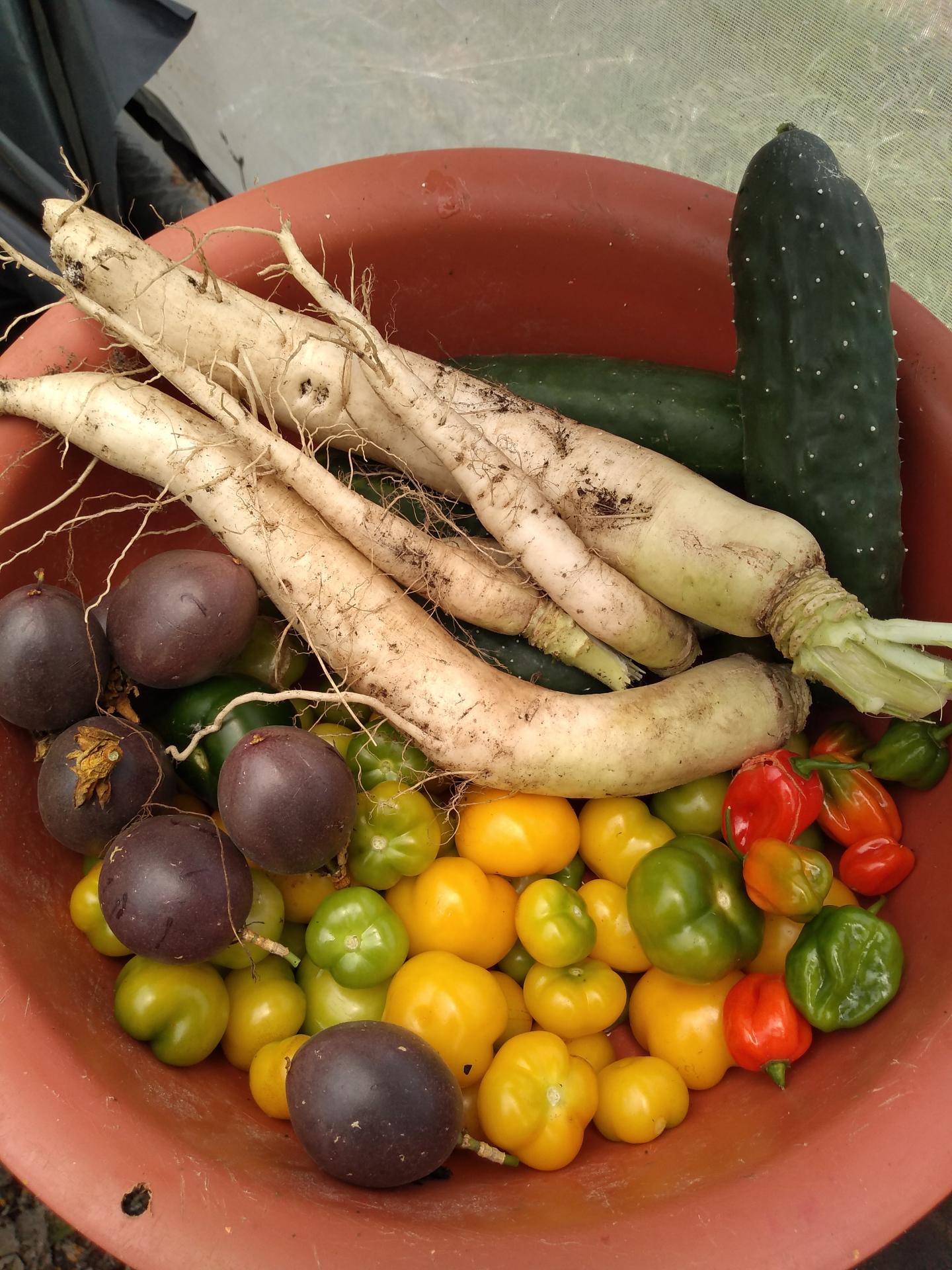
Home gardens are spaces where diets are diversified. They yield vegetables, tubers, spices, and medicinal plants. Produce is not only for family consumption but also supplements the poultry's diet; a healthy diet ensures the birds provide enough eggs and meat for household use or local sale.
Environmental and Economic Threats
Unfortunately, the primary economic activities—woodworking and commercial potato farming—are generating environmental problems that affect the entire territory. Woodworking creates a high demand for timber, and rapid deforestation is evident. Flat, fertile lands are highly sought after for commercial agriculture; areas that were once forested are quickly transformed into bare soil, ready for cultivation.
Demand for produce at the San Cristóbal wholesale market, combined with the economic needs of some families, has led to a decision to abandon traditional milpa farming in favor of planting and trading potatoes or vegetables. However, when prices plummet, families are left vulnerable: they lose their primary income, fail to recoup their investment, and incur debt. Furthermore, there is no corn available for food. In many such cases, more than one family member chooses to migrate to the United States.
Silent Pollution
Another environmental issue is contamination of soil and water bodies by highly toxic agrochemicals, which not only harms human health but also the entire ecosystem. Maintaining potato or vegetable plots during their three- to four-month production cycle involves spraying insecticides and fungicides every other day. Several of these products are banned in industrialized nations.
Yet, in Mexico, they are promoted within rural farming communities and sold in stores alongside pantry staples. They are applied without protective gear, and containers are discarded like ordinary trash, creating a silent, gradual form of pollution across the entire region.
The constant use of agrochemicals has impacted traditional food systems, not only through competition for land but also by fostering resistance among pests and diseases. A specific example is blight, a fungus that previously affected only potatoes but is now also found in tomato crops. There is also a displacement of native seed varieties; while these do not require agrochemicals to grow, their pink color makes them unmarketable, leading fewer and fewer families to plant them.
Organization and Collective Resistance
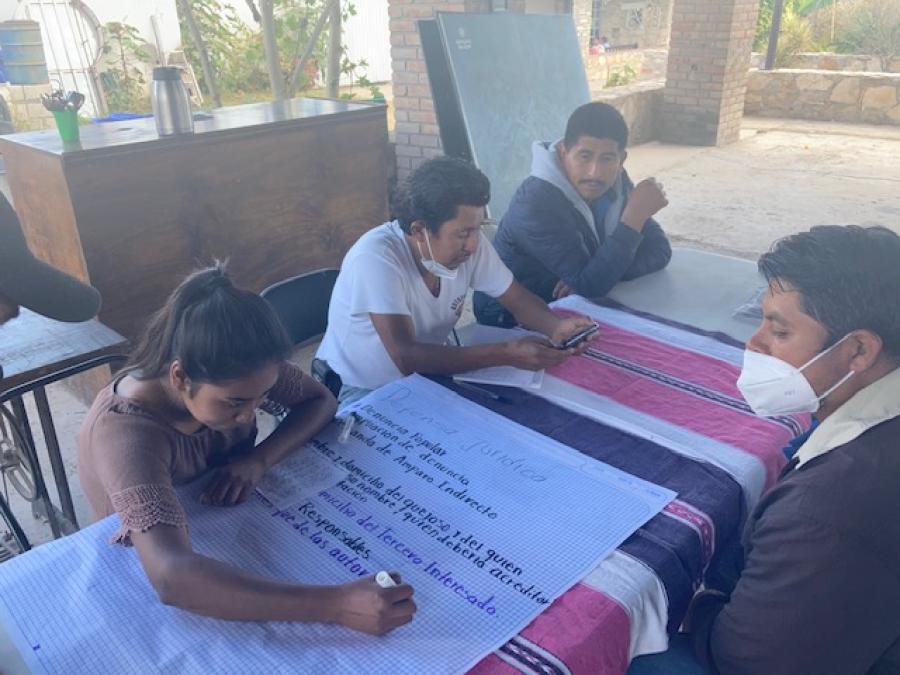
Strengthening the traditional food system—across its various stages—has served as a collective strategy for Tsotsil women. It enables them to guarantee the right to healthy food, exercise leadership, and seek autonomy in decision-making, while also acting as a foundation for resistance against a system that has sought to turn food into a commercial enterprise.
This collective work has faced various challenges, ranging from the economic to the social. Although these production sites ensure the family’s self-sufficiency, in most cases, no investment is allocated for their improvement. It is common to see well-equipped carpentry workshops with solid infrastructure, whereas backyard plots are maintained with only the bare minimum. Compounding this is the fact that husbands often feel entitled to grant or revoke permission for women to participate in collective activities—a practice too often normalized as a means of controlling women.
Paths to Empowerment
Over the past five years, proposals to improve these food systems have been put forward. Designing projects based on the local context—with women playing a leading role—has been a strategic move to foster leadership from the very beginning. The collective effort has since borne fruit, evidenced by the continued and growing participation of families, as well as visible improvements to backyard infrastructure and herd management—all of which translate into greater benefits for the families involved.
These tangible results are complemented by less tangible ones, such as the women’s increased confidence in social participation and a growing sense of autonomy: the conviction that they, too, can achieve—and have a right to—a more dignified life.
-- Celia Flor Díaz Pérez (Celia Nichim) was born and raised in the forests of Chiapas. At 20, she decided to move to San Cristóbal de Las Casas to forge her own path. She needed to learn and speak another language—Spanish—to build a network of friendships and survive. She currently supports various local groups with project management, planning, and monitoring within civil society organizations, as well as with the design and implementation of education and training initiatives using participatory methodologies. She is part of the Yimom Collective.
In 2023, the Yimom Collective received a Keepers of the Earth Fund grant to support their sheep praising project. Raising sheep is an important activity in the Ttsotsil way of life, as they use wool to make their traditional clothing and sell it as a raw material to outside buyers. Additionally, sheep manure serves as fertilizer, nourishing traditional food systems. The Yimom Collective, made up of Maya Ttsotsil mothers, daughters, and granddaughters, is working on an infrastructure project to raise sheep and improve resting and grazing conditions. They also seek to create spaces for dialogue with other women to share knowledge about breeding, feeding, and deworming, as well as the types of wool and the art of working with it, ultimately strengthening their community-run economies.