At Cultural Survival, we recognize the importance of Indigenous media as platforms through which Indigenous Peoples share their stories, struggles, knowledge, and visions for the future. This media is essential for amplifying their voices, preserving their memory, and ensuring the continuity of their Traditional Knowledge.
Since 2017, Cultural Survival’s Indigenous Community Media Fund has supported Indigenous Peoples’ efforts to foster intercultural dialogue, promote intergenerational knowledge exchange, and strengthen community collaboration. It has also helped Indigenous Peoples exercise their right to free and informed decision-making to achieve good living, harmonious coexistence, respect for diversity, and to define and sustain their own narratives.
From its inception, the Indigenous Community Media Fund has provided a total of 455 grants supporting community media projects in 42 countries across 4 continents, for a total of $3,086,561. In 2026, the Fund provided a total of $257,000 in funding to 36 Indigenous communication projects in 23 countries across the Americas, Asia, and Africa. Projects will be implemented in Argentina, Bolivia, Cameroon, Canada, Chile, Colombia, the Democratic Republic of the Congo, Guatemala, Indonesia, Kenya, Malaysia, Mexico, Nepal, Peru, the Philippines, South Africa, Tanzania, Thailand, Uganda, the United States, and Zimbabwe.
The 36 funded projects will focus on strengthening media infrastructure, acquiring equipment, building capacity, and producing content on topics such as climate change, territorial defense, natural disaster response, and the strengthening of Indigenous cultures, languages, and communication.
We are pleased to present the 36 funded projects from the 2026 cycle, described here with their consent:
Americas
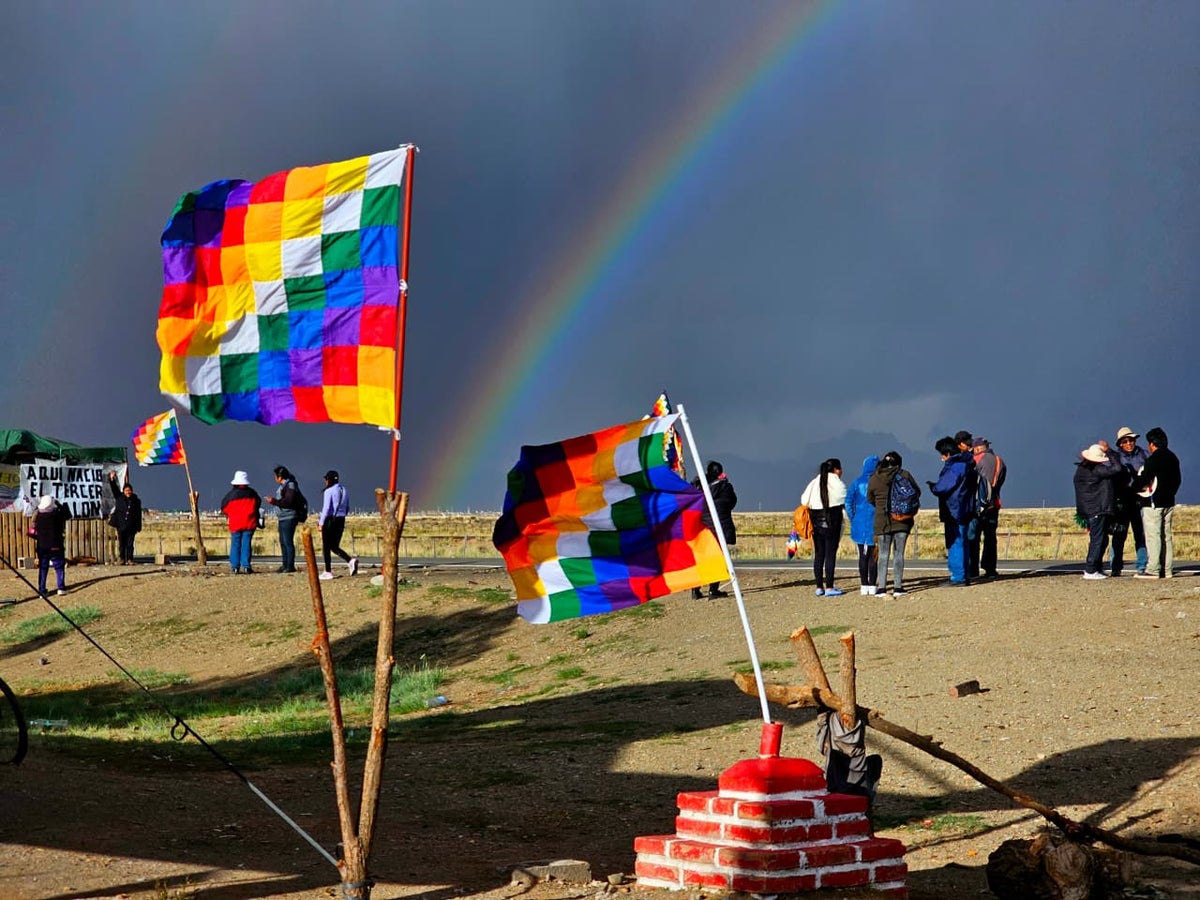
Narciso López Parliament of Indigenous Peoples, Nations, and Communities
(Kolla, Quechua, Chicha, Atacama, and others), Argentina
The Narciso López Parliament of Indigenous Peoples, Nations, and Communities, based in Abra Pampa, Jujuy, works to strengthen identity and to preserve, reclaim, and defend the worldviews, traditions, spirituality, and rights of the Indigenous Peoples of the Puna region of Jujuy. It also promotes the revitalization of their languages and raises awareness of the issues they face related to territory, water, memory, and history. The Parliament has a communications department dedicated to promoting news and activities and concerning the ancestral Nations of what is now Argentina.
The project “Yachay Wasi (House of Knowledge) Indigenous Communication Incubator” aims to strengthen the field of communication, with a particular focus on young people, to create tools for raising awareness about the issues communities face in their territories from extractive development in Jujuy. Workshops will be held on the right to communication with identity; Indigenous rights, youth rights, women’s rights, rights of sexual and gender minorities, and the right to a healthy environment; public speaking and interviewing; writing and editing; photography and sound; and audiovisual production using mobile phones.
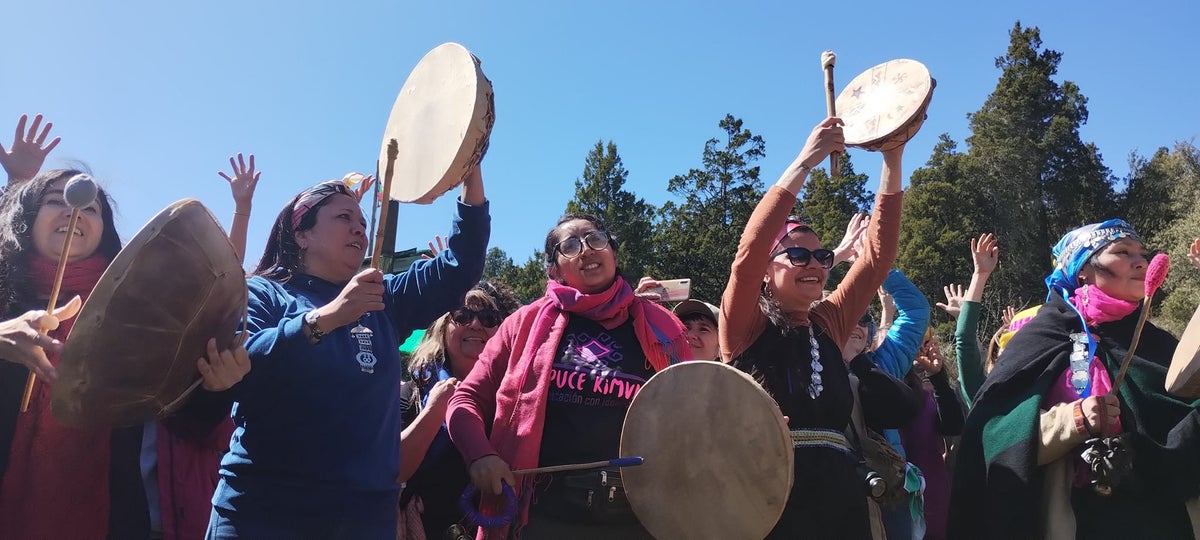
Mapuce Kimün Collective, Arteadentro Association
(Mapuche), Argentina and Chile
“Taiñ zugu ka ayekan (Our Words and Sounds)” is a project that seeks to promote the knowledge of the Mapuche people through the creation of a website that will serve as a platform and archive of community-produced audio content. It draws specifically from the trawn (gatherings) of women, youth, and children in dialogue with Elders, who are recognized as bearers of kimün (ancestral knowledge). The community will produce and distribute these materials, creating an audio archive accessible for educational, community, and research purposes, as well as for dissemination on social media.
The project will be a collaboration between the Arteadentro Association and the Mapuce Kimün collective, who will support one another with logistics and outreach through weekly thematic columns published on digital media platforms in Mapuche communities. Content includes songs, music, reflections on buen vivir, and audiovisual productions that highlight the Mapuzungun language.
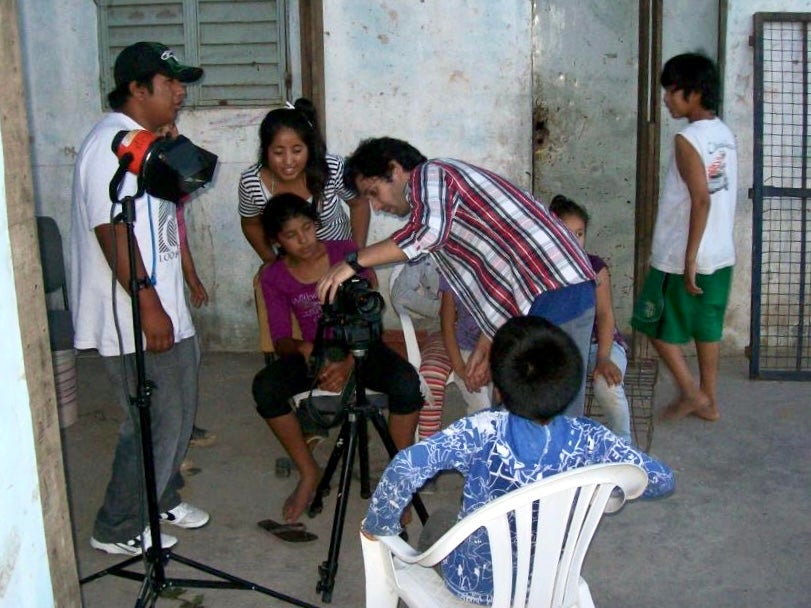
Qadhuoqte Community, Qadhuoqte 94.5 FM Community Radio
(Qadhuoqte, Qom), Argentina
Qadhuoqté FM (“from the very beginning”) is a Qom community radio station located in Rosario, Santa Fe, established to revitalize the Qom worldview and the Qomlaqtaq language. It is the city’s first Indigenous radio station and serves as a forum for concerns of the Qom community and a link to increasing the visibility of their cultural and social life and worldview. The station carries out a variety of youth-focused activities.
The project “L,lamaqa ya ahuiaq (Voices of the Forest)” aims to revitalize the radio station following a period of hiatus. New technical and radio operations training sessions will be held, as well as programming content workshops that will offer young people in particular a space to gather and grow in the various roles associated with radio. The goal is to ensure that their worldview and customs are given a voice, in their language, to address the complexity of keeping the Qom worldview alive in a city.
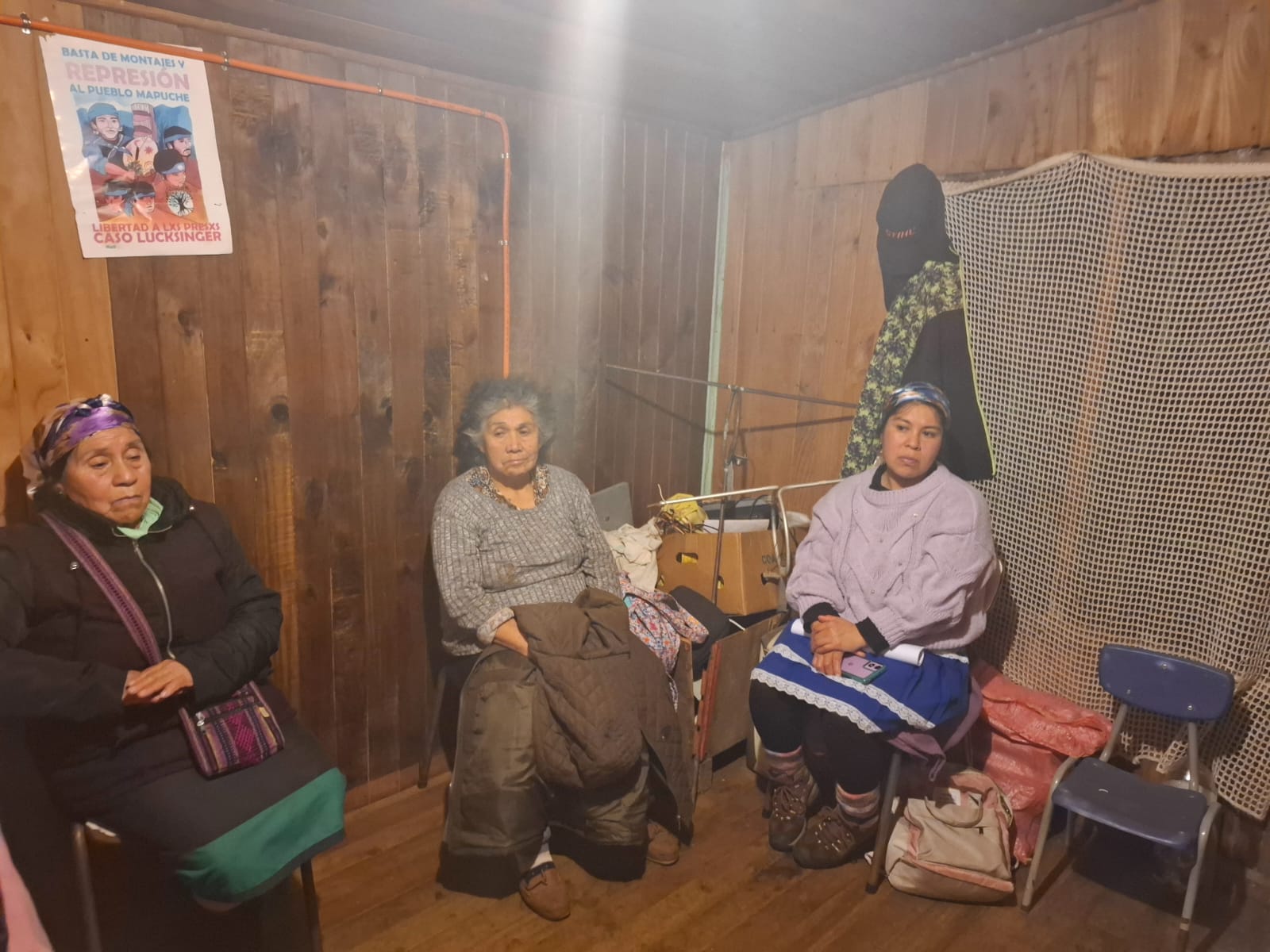
Werken Kurruf Cultural Association
(Mapuche), Chile
Radio Werken Kurruf (“Messenger of the Wind”), Radio La Voz del Budi, and the radio program “Lafken Tañi Dugun (Voice of the Sea)” are located in the rural Mapuche territory of Aylla Rewe Budi. These media outlets seek to strengthen local culture, revitalize the Mapuzungun language, and give a voice to the communities. They also play a key role in disseminating information about emergencies, health, transportation, government services, schools, municipality, cultural activities, and territorial conflicts. They are a space for gathering, dialogue, and intercultural exchange that strengthen community bonds and connect the community with the outside world.
The project “Community Radio Network for the Defense of itrofill mogen (Biodiversity) in the Territory of Aylla Rewe Budi” seeks to strengthen reflection and practice based on Mapuche kimün (ancestral knowledge) regarding the recovery, conservation, and defense of biodiversity while promoting the appreciation of the knowledge of Elders and encouraging its transmission to younger generations. Collaborative networks will share knowledge on forest restoration, the recovery of medicinal plants for the machi (spiritual authority), preservation of native seeds, use of dye plants, and the protection of spaces fundamental to Mapuche spiritual life such as menoko (wetlands), trayenko (waterways), and mawiza (forests).
Anti-Patriarchal Community Feminism Radio
(Aymara, Quechua, Guaraní), Bolivia
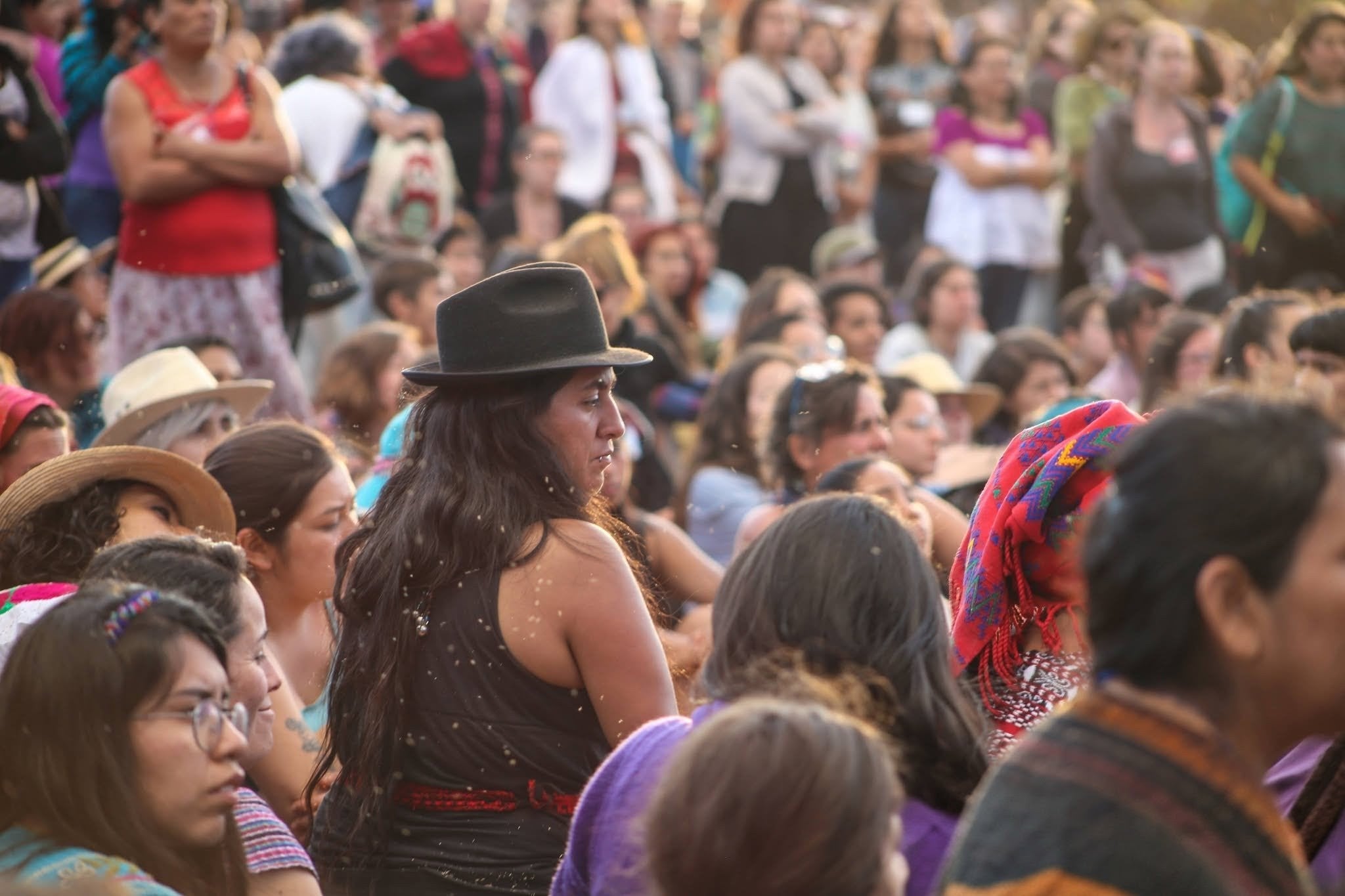
Anti-Patriarchal Community Feminism aims to combat systems of patriarchy, capitalism, colonialism, racism, extractivism, machismo, and misogynism by drawing on ancestral memory. The goal is to build a society free from subjugation and violence and in harmony with nature, following in the footsteps of the ancestral peoples who have walked this path before us.
The radio program “Warmi Jallp´a, Warmi Marka (Women and Territory)” airs every Saturday in Aymara, Quechua, and Spanish from Cercado province in the department of Cochabamba. It seeks to create a space for political education and debate rooted in anti-patriarchal community feminism, where memory and languages can be reclaimed and national and regional issues are discussed as an act of decolonization and to break down borders. The program analyzes the patriarchal system, structural violence, and extractivism by amplifying the voices of women from Abya Yala, confronting racism and repression and promoting autonomy and living well without violence. It is strengthened through political education workshops to develop discourse and technology workshops.
Wayna Tambo Foundation – Diversity Network
(Aymara, Quechua), Bolivia
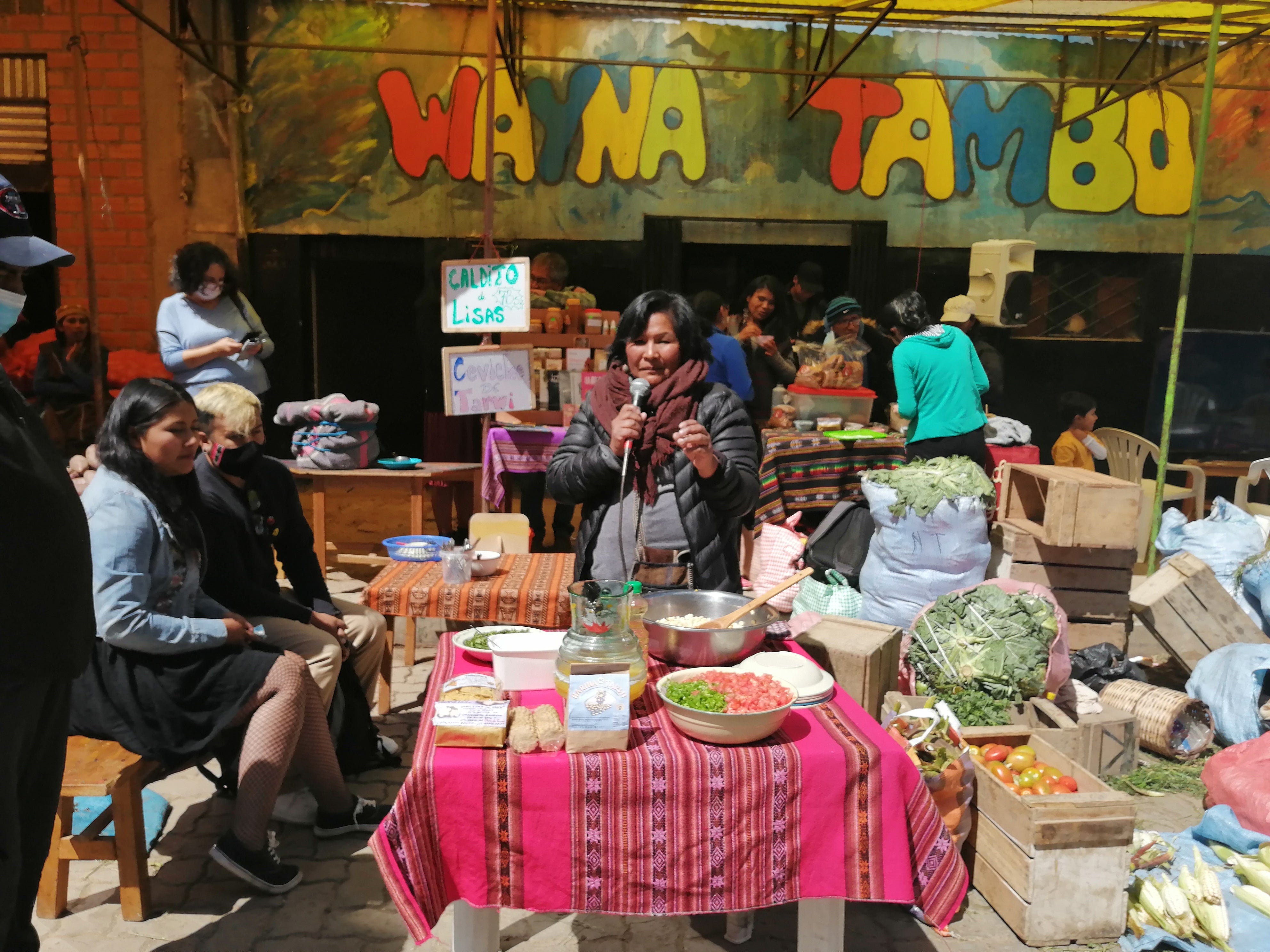
Wayna Tambo is a cultural center located in El Alto that organizes cultural events, radio programs, educational initiatives, community outreach activities, and publications. It operates an intercultural community radio station, also called Wayna Tambo, which collaborates with a broader network of radio stations. The center’s mission is to contribute to the revitalization of community life from the perspectives of buen vivir and plurinationality as a form of equitable organization. It involves the active participation of urban, working class communities, and seeks to strengthen the connections between urban and rural areas in decolonizing, decommodifying, and dismantling patriarchal and anthropocentric perspectives through cultural, artistic, educational, communication, and economic strategies and actions.
The project “Buenos convivires (To Nurture, Care for, and Invigorate Life)” aims to highlight the knowledge, resistance, and ancestral existence of Indigenous Peoples to sustain buen vivir and the care of water and biodiversity in the communities of the Titicaca and Río Chico basins and surrounding areas in Chuquisaca. It also seeks to confront the threat of dispossession, extractivism, and expansion in contemporary Bolivia. Micro-programs, interviews, reports, and other coverage will be produced to strengthen the Indigenous communities’ sense of belonging and highlight the importance of their knowledge for a more dignified, balanced, and sustainable life for all people.
Indigenous Climate Action
(Indigenous Peoples of Turtle Island), Canada
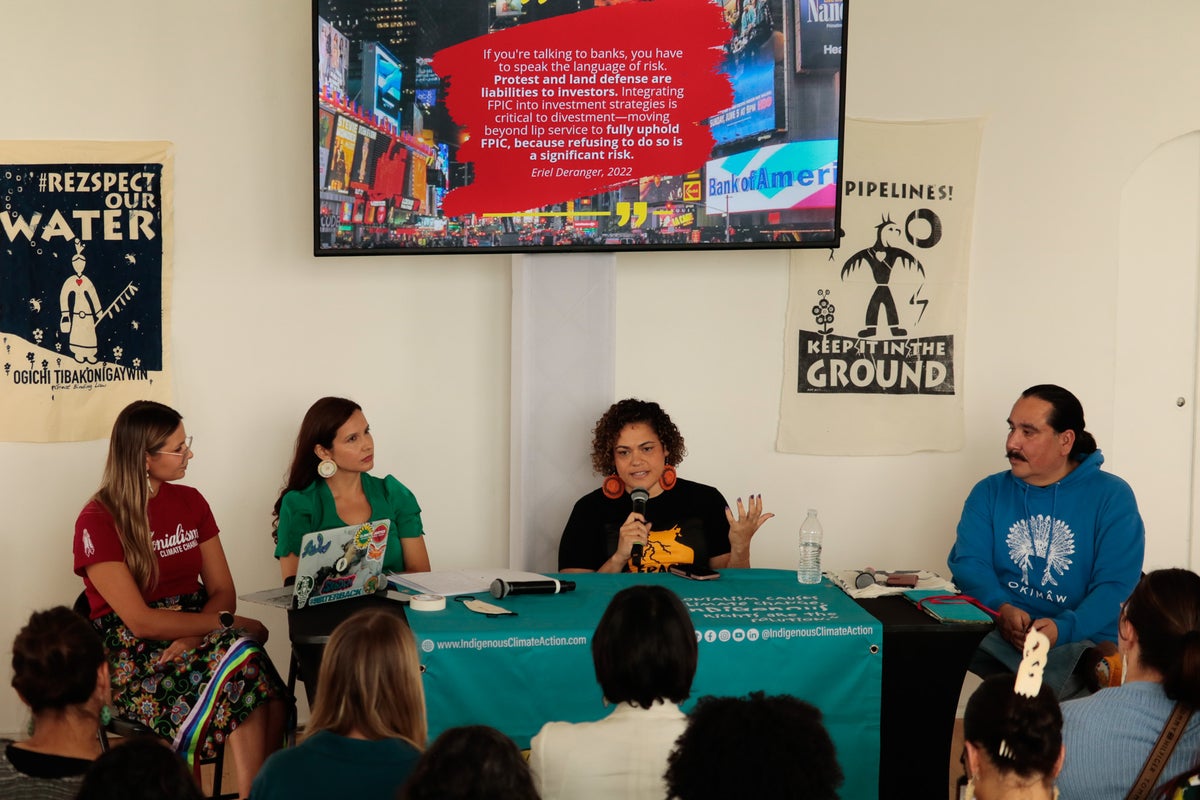
Since 2015, Indigenous Climate Action has existed as an organization led by and for Indigenous Peoples working on issues related to climate change. Indigenous Climate Action empowers Indigenous Peoples to engage in decision-making spaces and demand the necessary systemic changes. They do this through five avenues: meetings, resources and training, restorative justice, support for sovereignty and self-determination, and amplifying voices. By developing tools, resources, and opportunities created with, by, and for Indigenous Peoples, they empower voices, sovereignty, and the stewardship of lands and waters for future generations.
“Indigenous Climate Action Pod” Season 5 is part of an effort to amplify Indigenous voices through a podcast highlighting the stories, knowledge systems, lived experiences, and leadership of Indigenous Peoples as essential elements for climate action and solutions. The podcast will seek to address the lack of representation of Indigenous issues in the climate justice discourse and support those on the front lines in establishing the connection between extractive colonial systems and climate change. It will also focus on capacity building with and for community members.
IndigiNews, Tâpwêwin Media
(Inuit, Métis, Cree), Canada
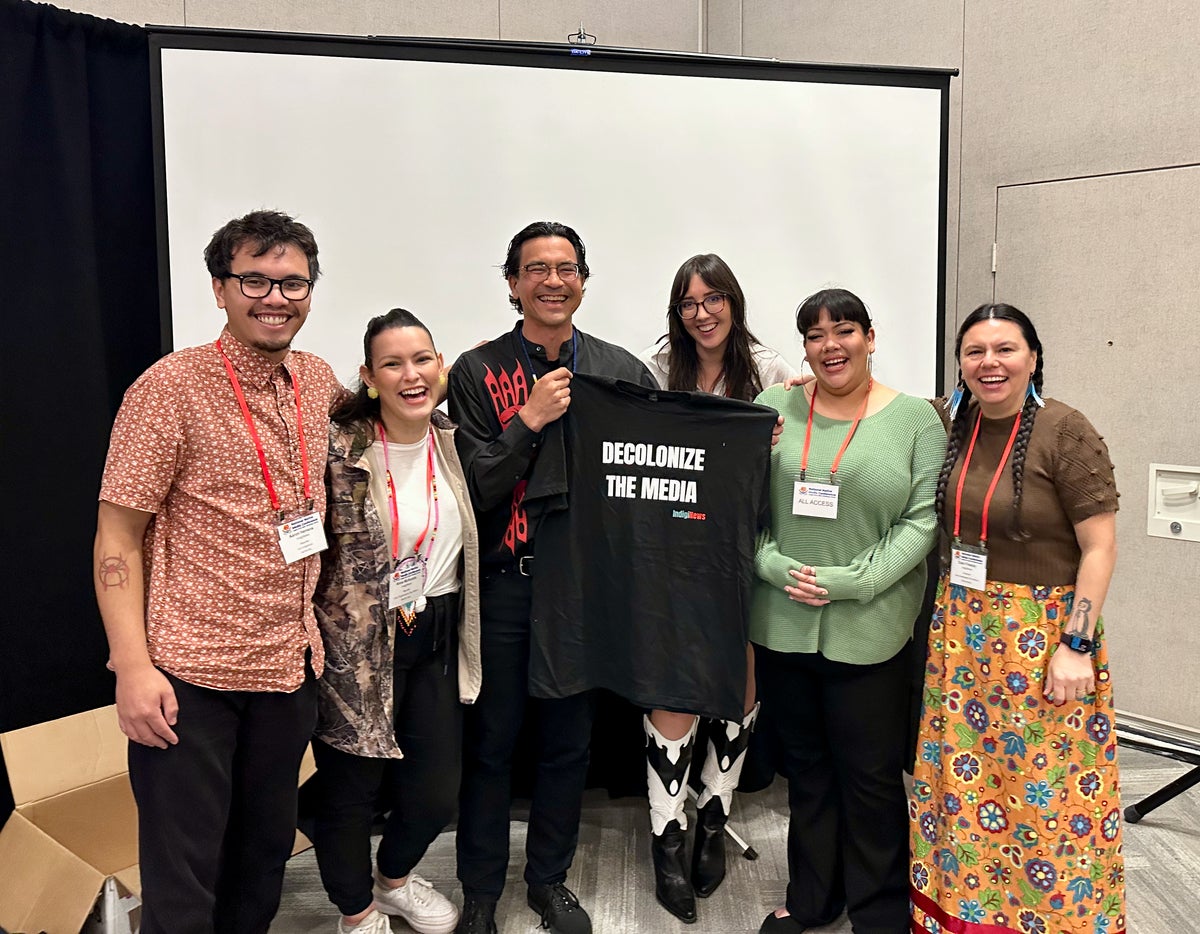
Tâpwêwin Media is a nonprofit organization that supports the creation of trustworthy, trauma-informed media grounded in Indigenous values, protocols, and relational care. Tâpwêwin Media views media as a space for healing, recovery, and collective change. They amplify voices, mentor future storytellers, and model a new way of doing business based on sovereignty, solidarity, and truth. The organization was founded and run entirely by Indigenous women to serve as a home for storytelling, leadership, and innovation in its many forms. Its mission is to publish Indigenous-led journalism, support emerging storytellers, revitalize Indigenous languages and cultural knowledge, and offer mentorship and mutual support to grow an Indigenous-centered media ecosystem.
The IndigiNews Photojournalism Fellowship Equipment Library project aims to improve access to photography and video equipment for Indigenous photojournalism fellows and support them through culturally empowering workshops, mentorship, and hands-on training as part of their fellowship. To this end, they will acquire a library of equipment to improve the fellows’ technological proficiency.
Aguacate Audiovisual S.A.S., Film and Audiovisual Incubator
(Wayuu), Colombia
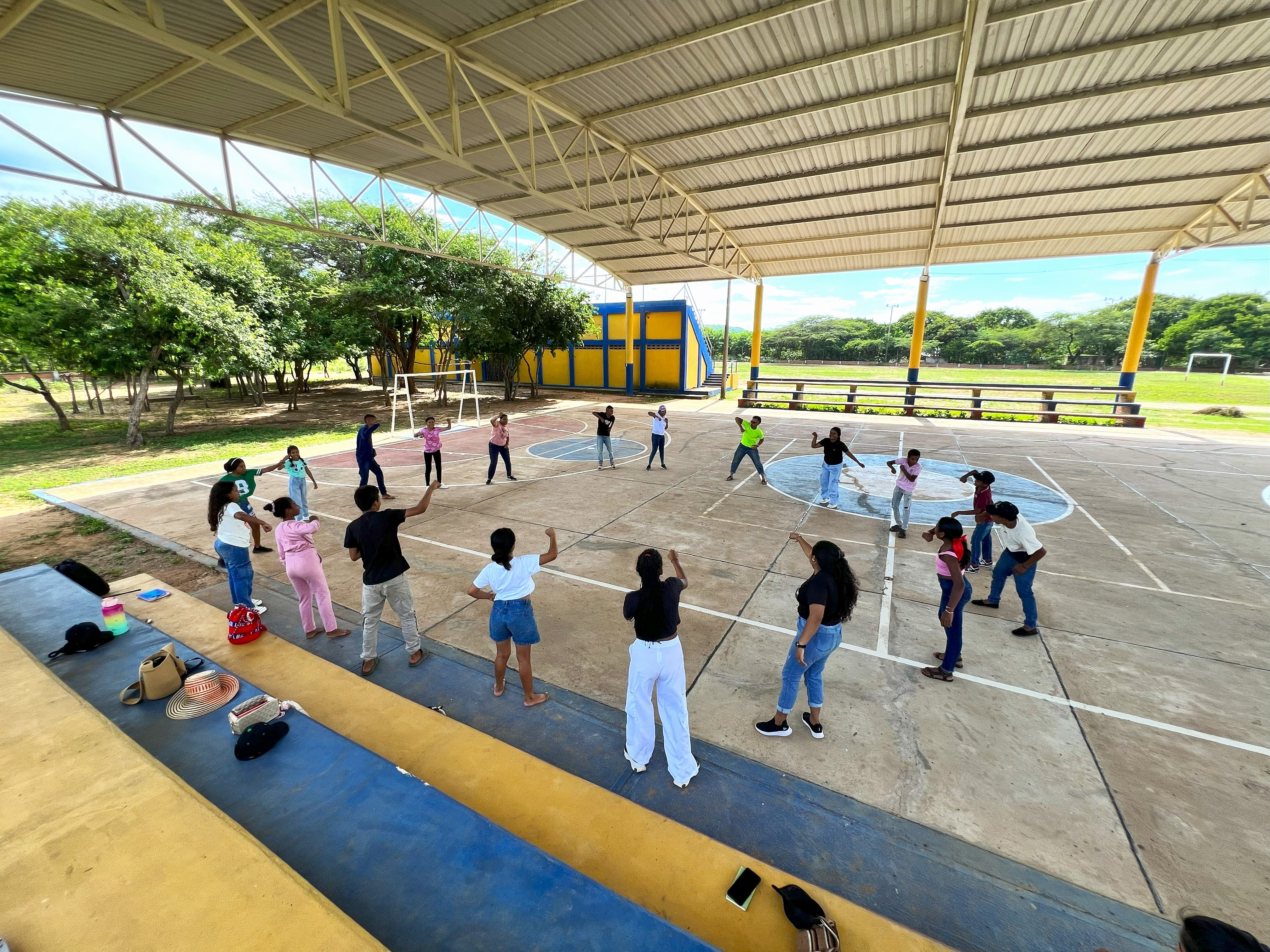
Aguacate Audiovisual is an audiovisual production company in the department of La Guajira created to share the Wayuu People’s stories and support political processes and training in communication, film, and audiovisual production. They work to ensure that the Wayuu People are the narrators and protagonists of their own stories, and their mission is to train young people to defend and promote the rights and knowledge of their ancestors through the production of audiovisual works.
The project “Strengthening the Film and Audiovisual Talent Pool” aims to promote the preservation and defense of Wayuu territory through the production of audio and visual content, specifically a series of four Wayuunaiki language podcasts and a photographic archive that celebrates Wayuu territory, the role of Wayuu women, and the Wayuu cosmovision while promoting the use of their mother tongue among children and youth. This content will be promoted in satellite classrooms and neighboring communities through communication workshops, expanding young people’s creative skills and ability to narrate their identity. The project will culminate with an exhibition of community integration and reflection.
Akpé Collective, Madre Luna
(Pasto), Colombia
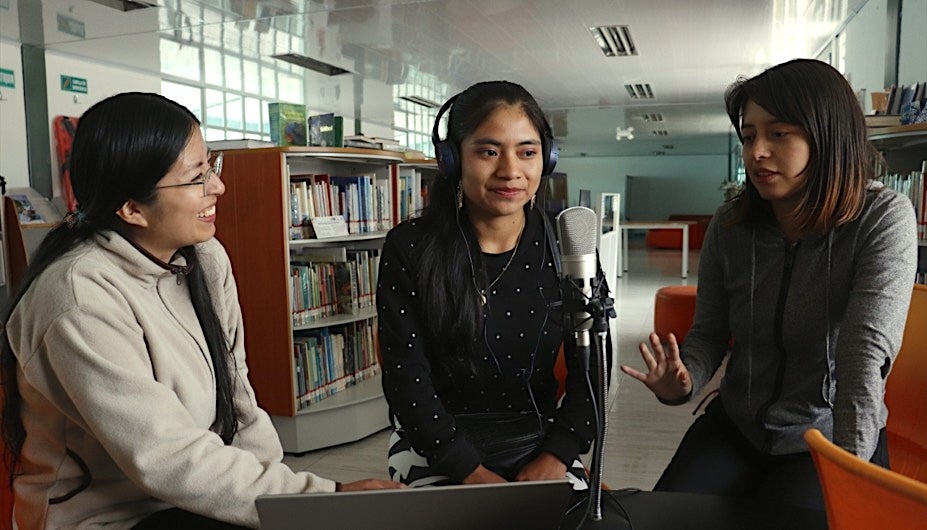
The Akpé Collective was founded in 2023 in the Pastos Indigenous Reserve in Aldana with a cultural and spiritual approach that values the wisdom of Elders. It is a space for memory, care, and community learning, with a mission to amplify people’s voices by creating spaces for active listening, connection with the land, and the strengthening of ancestral knowledge. The women-led collective works toward community and environmental stewardship, self-knowledge, and the revitalization of the collective memory of the Pasto People by promoting the exchange of knowledge through giving, receiving, and returning.
The project “When the Land Speaks, the Community Remembers” aims to revitalize the ancestral memory of Narcisa Quiscualtud, as well as the spirituality and unique worldview of the Pastos People, through audio programs. Stories of sacred sites, myths, life stories, and memories will be collected for podcasts and radio programs that will offer educational and spiritual content for children, youth, and the entire community, fostering a love for sacred places, environmental awareness, and Pasto thought. Recording this material will create a lasting community archive of territorial memory for current and future generations.
Misak Women’s Collective - Movement of Indigenous Authorities of Southwestern Colombia (AISO)
(Misak), Colombia
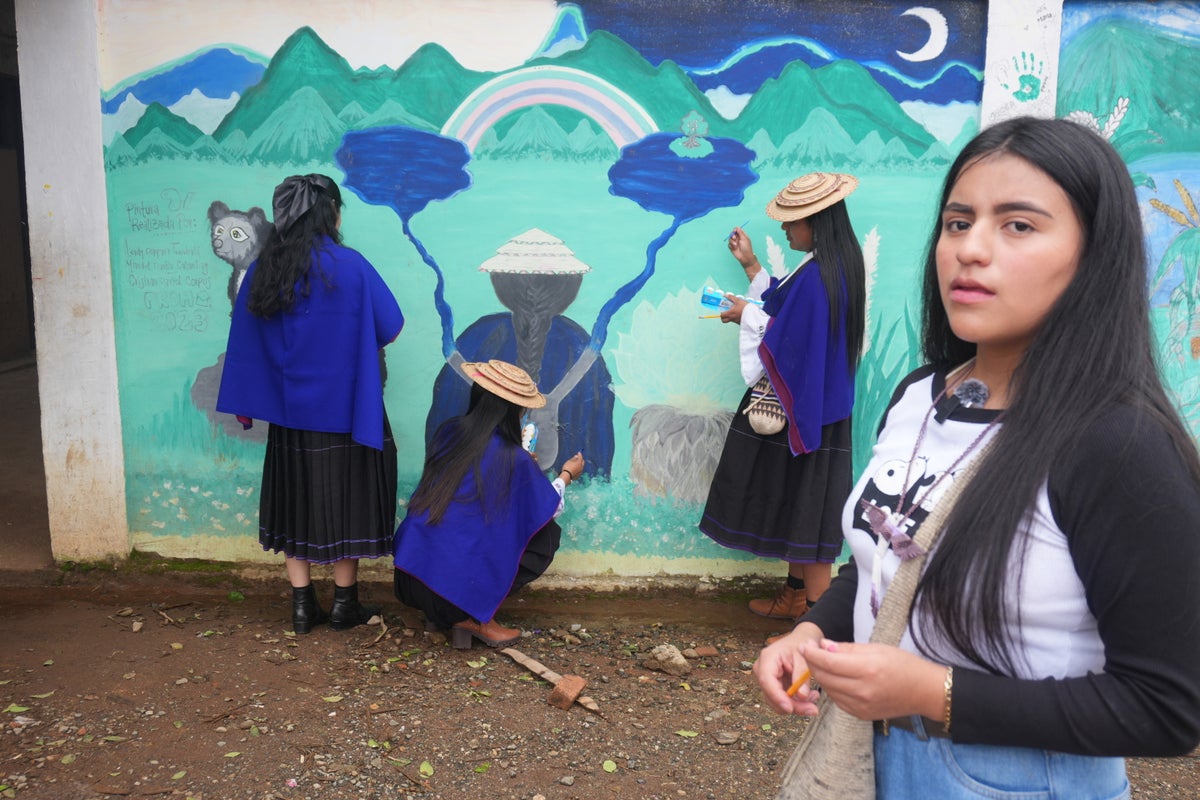
The Misak Women's Collective is a group of Misak women, also known as Guambiano. The media outlet of the AISO Movement was born from the living words of Indigenous women, the bearers of the memory, knowledge, and spiritual strength of the Peoples. Their mission is to weave a narrative for life, strengthening identity, culture, and independent thought. They support the organizational, political, and spiritual processes of the AISO Movement and seek to educate, guide, train, and harmonize based on truth, respect, and collective commitment.
The project “Namui nu Wuam, ishuk misak weik nuk kutri Manakatik Tap Waramik kƟntraik (The Voice of the Earth: Women-Centered Communication)” aims to strengthen the unique communication practices of Misak women. They will conduct trainings on communication, technical, and cultural skills for women and youth with a focus on gender and the Misak worldview. They will create spaces for intergenerational and spiritual dialogue to strengthen speech, identity, and community bonds. And they will produce communications content that reflects the female perspective on territory, health, education, culture, gender-based violence, and discrimination. Among other activities, they will hold an intercultural journalism workshop and produce a radio program that highlights the memory and resilience of Misak women.
U'ywe'sx Çxhaçxha Yaakxsa - Women of Courageous Thought
(Nasa), Colombia
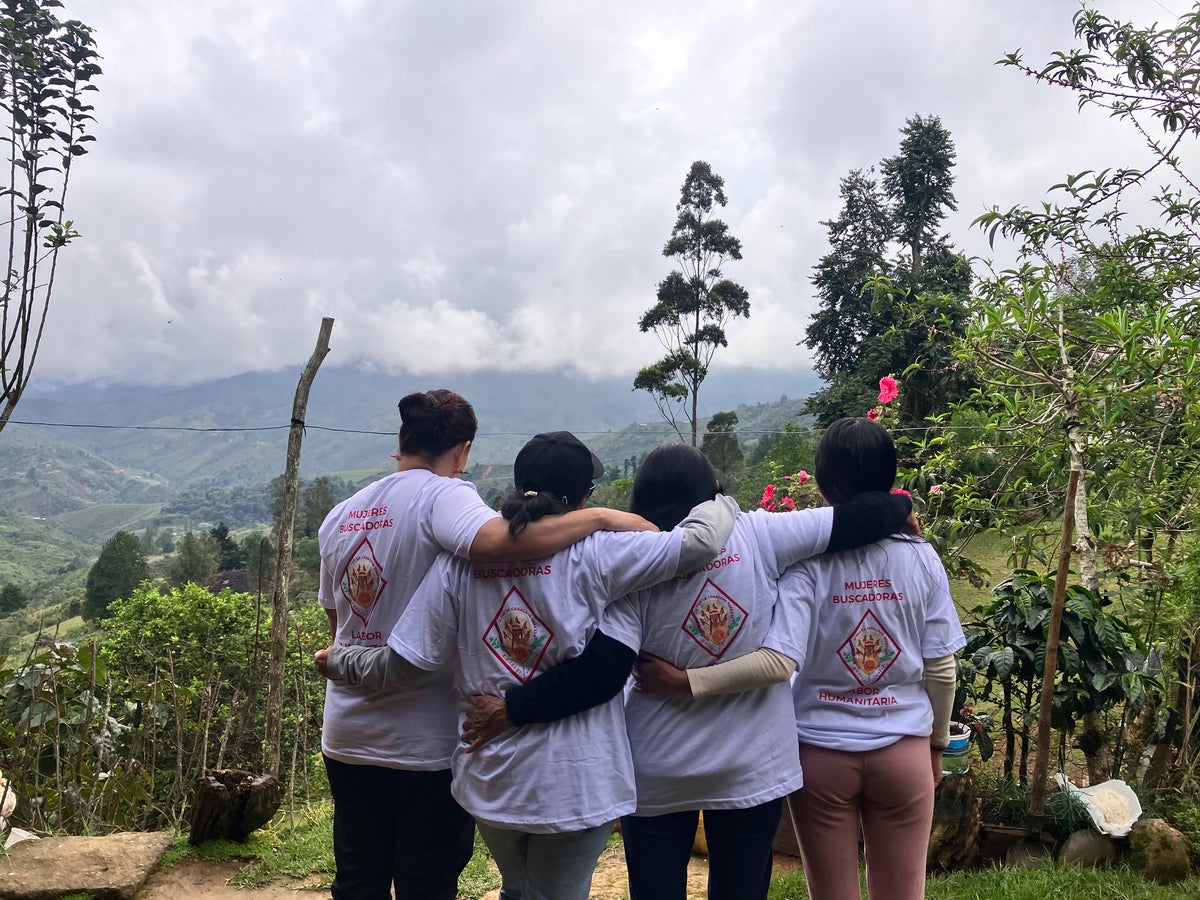
The collective U’ywe’sx Çxhaçxha Yaakxsa - Women of Courageous Thought is a group made up of women from the Nasa Indigenous people who are searching for family members who disappeared during the armed conflict in Colombia. They meet at the House of Memory and Youth in Caldono (Cauca), a place where they can unite their voices and support one another. Most of them are working mothers who live off the land, weavers, and speakers of the Nasayuwe language. Among the group are women who have served as Indigenous leaders, and some are even signatories to the Peace Accords. Since March 2025, they have been meeting regularly to reflect on and share their experiences as they search for their family members. They have decided to stand together and support one another throughout this long process, organizing to demand their rights as women searching for their loved ones, and to use remembrance as a path of collective struggle and search.
With support from the Indigenous Community Media Fund, the collective will carry out the project Women Searchers: A Humanitarian Effort to Heal the Territory, an initiative that seeks to raise awareness of the work of Indigenous women searchers and strengthen their communication skills. Through bilingual radio programs in Spanish and Nasayuwe, social media content, a workshop on Indigenous photography and communication, and the production of a documentary, the participants will share their experiences, raise awareness about humanitarian search efforts and the rights of women searchers, and foster intergenerational dialogue in their communities. The project will also help preserve collective memory and strengthen community-led processes of peace, justice, and non-repetition in Nasa territory.
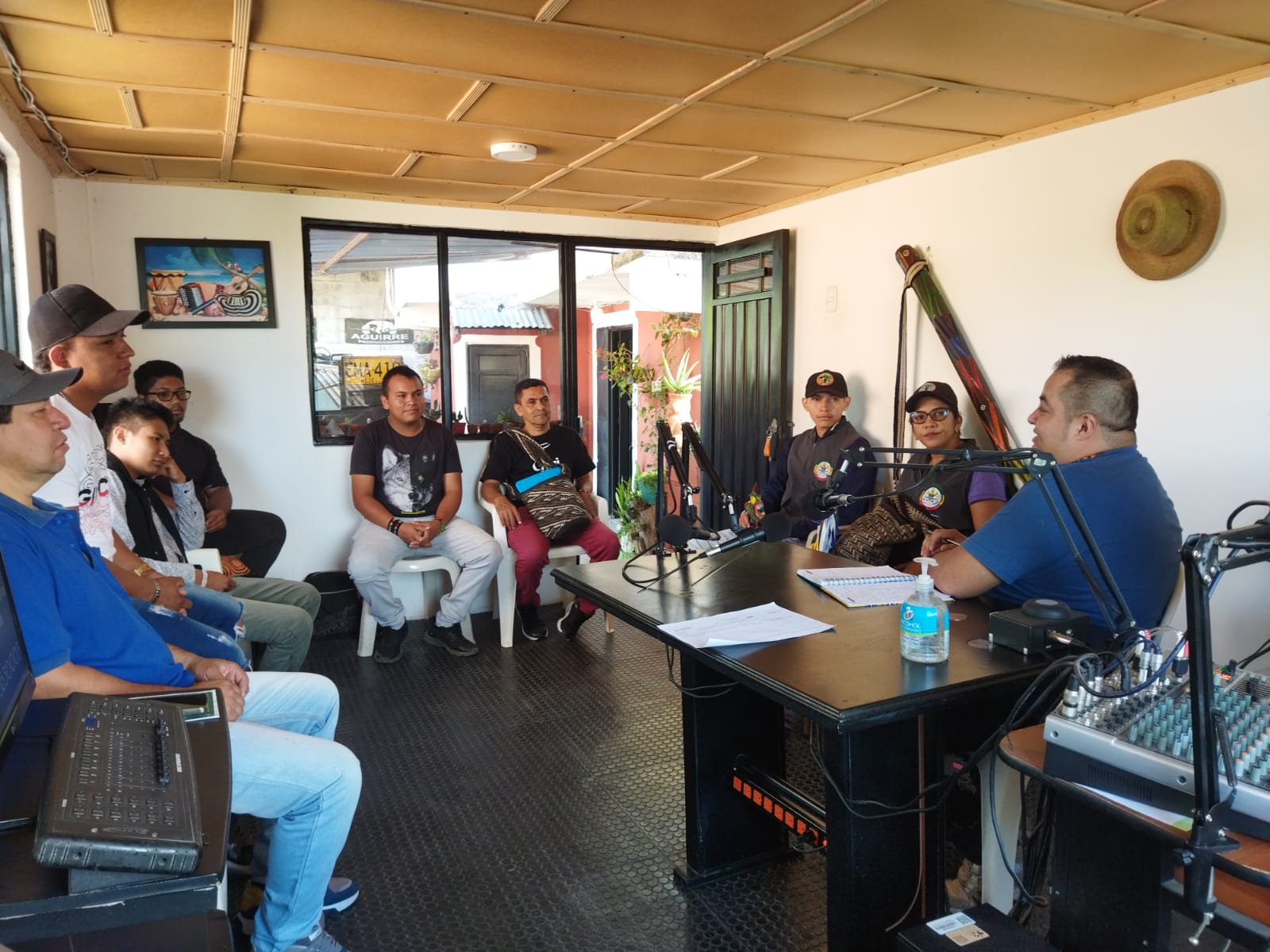
Lomaprieta Community Radio
(Emberá Chamí), Colombia
Lomaprieta Radio was founded in 2007 as part of the Cañamomo Lomaprieta Reserve’s Life Plan, which sought to strengthen community communication in order to promote free expression, education, and the cultural advancement of the Emberá Chamí People. The main objective of Lomaprieta Radio is to serve as a public and community media outlet that strengthens Emberá Chamí culture, fosters citizen participation, and guarantees the right to information. It seeks to promote values of equity, democracy, and respect for Mother Earth through educational, cultural, and environmental programs aimed at strengthening the social fabric and raising awareness about the importance of coexistence and sustainability.
The communications campaign “Mutual Defense and Care: Voices of Women and Children in the Territory Strengthening Identity” aims to strengthen the communication skills of women, children, and youth associated with the Local Observatory on Gender-Based Violence and the Seeds of Resistance Indigenous Guard initiative by promoting the defense of the territory, gender equity, and collective care in the Cañamomo and Lomaprieta Reserve.
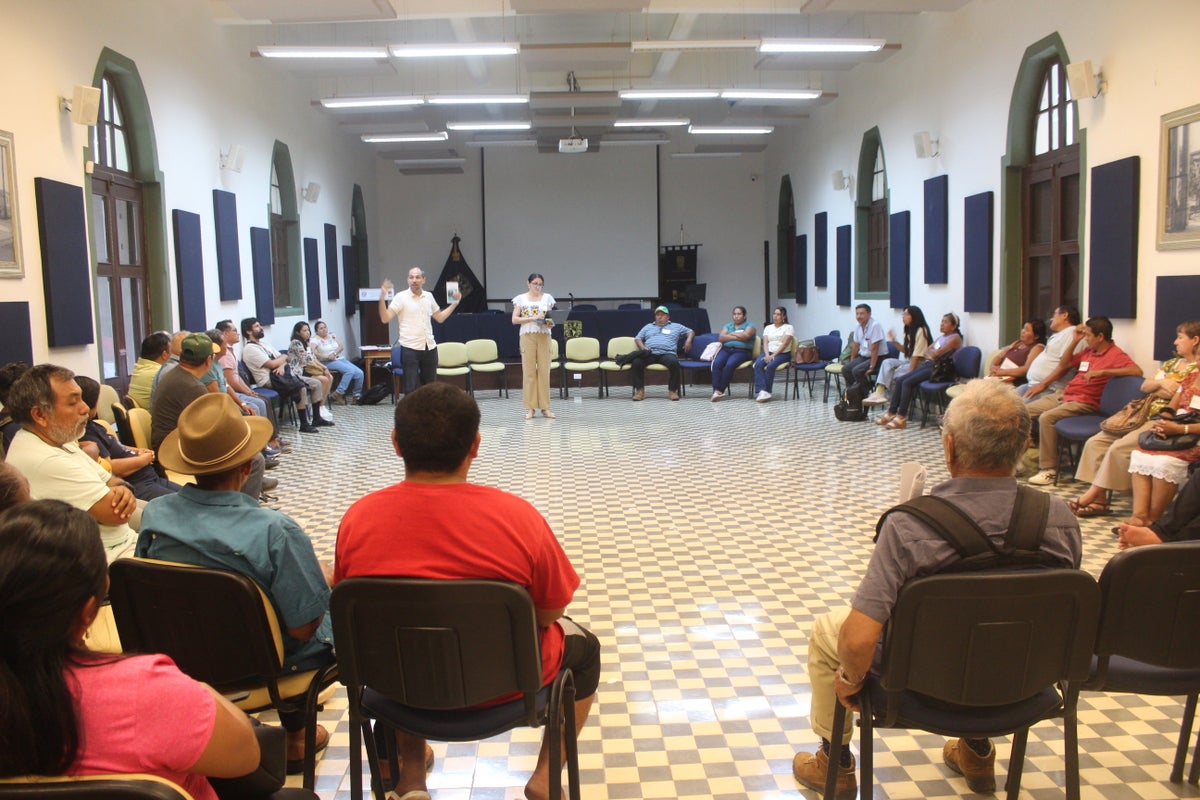
Utsil Kuxtal A.C. Human Rights Center
(Maya), México
Utsil Kuxtal is composed of land defenders and communicators who have been supporting legal efforts to defend the land since 2023. These efforts address the environmental emergency on the Yucatán Peninsula caused by megaprojects that threaten the ways of life of numerous Maya communities. Their mission is to promote and defend human rights with a special focus on Indigenous, rural, and coastal communities on the Yucatán Peninsula, ensuring respect for a dignified and sustainable life for all people.
“U t’aanil maaya wíiniko’ob yéetel k’áaxo’ob (The Voice of the Maya and the Forest)” aims to highlight the socio-environmental impacts on the Yucatán Peninsula and the need to declare the peninsula a socio-environmental emergency zone due to the intrusion of development megaprojects. Maya communities receive information about the peninsula via social media, but with little content in the Mayan language and no spaces for debate on the environmental, political, and legal implications in their territories. Three videos in Mayan with Spanish subtitles will highlight the socio-environmental impacts damaging the peninsula and how these megaprojects are not isolated, but interconnected with one another.
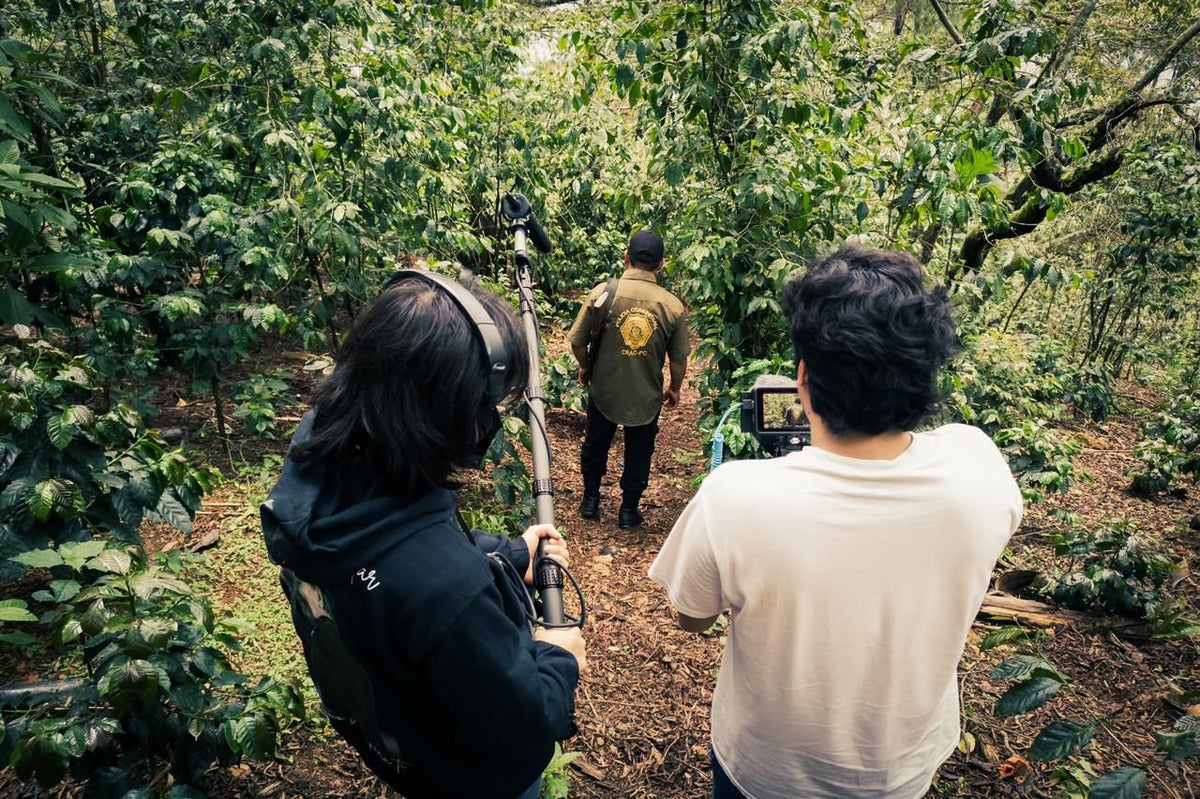
Xtája Collective
(Me’phàà), México
The Xtája Collective was founded in 2010 in the mountainous region of Guerrero state, spearheaded by young people from the Mè’phàà community. In 2015 they established themselves as a community film production collective focused on preserving ancestral memory through oral and visual traditions in the Mè’phàà language. Through self-representation, the collective works with community leaders and Elders to ensure their voices take center stage. They have produced short films, documentaries, photography exhibitions, and a feature film, which have been shared in schools and communities. They view film as a tool for cultural resistance and territorial defense, strengthening Mè’phàà identity in the face of contemporary challenges.
“A’gòn’mbaa (Land of the Moon)” is a documentary project that aims to preserve and transmit the cultural heritage of the Júba Wajíín People to future generations. By highlighting their cosmogonic and cultural knowledge, it will strengthen their identity and sense of community belonging. The project seeks to raise awareness among broader audiences about the importance of respecting the cultural rights of Indigenous Peoples and protecting their ancestral knowledge, as well as inspiring other communities to defend and revitalize their worldviews in the face of displacement.
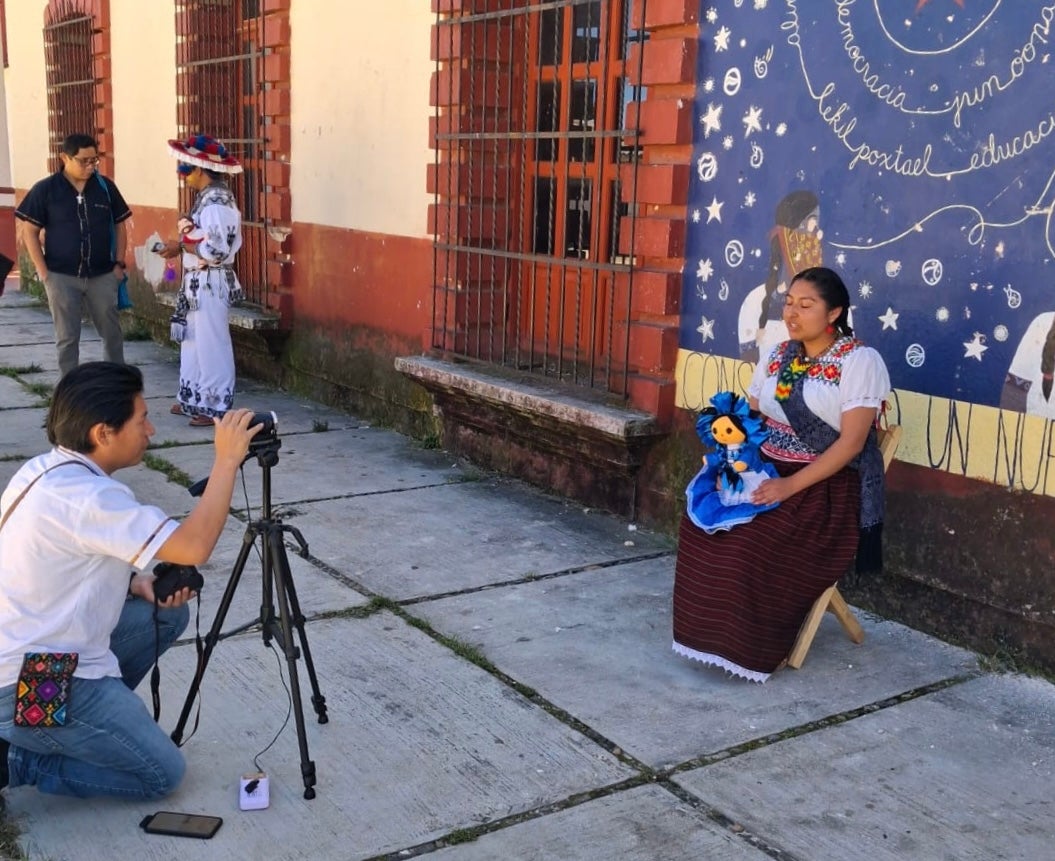
Radio Ach’ Lequilc’op
(Tseltal), México
Radio Ach’ Lequilc’op has been broadcasting since 2015 in the municipalities of Chilón and Sitalá, with the aim of creating a space where the Tseltal people can make their voices heard, share their experiences, discuss their needs, and strengthen their cultural identity. The station promotes the development and rights of the Tseltal People, contributing to preserving their autonomy, traditions, and forms of organization. It contributes to lequil cuxlejalil (living well) through the recovery of ancestral knowledge, the care of Mother Earth, harmony with the environment, and the defense of life and the dignity of the Peoples. The content incorporates the words of Elders, traditional music, and collective reflection. In recent years, the radio station has promoted the participation of women as producers and spokespersons.
“Radio Ach’ Lequilc’op (Voices Weaving Community)” will work to recover and share knowledge, stories, and traditions through community radio, while also promoting the active participation of young people in the creation of audiovisual content that fosters intergenerational dialogue and strengthens collective memory. It will also offer an introductory workshop on visual narrative photography, organize community outings to capture images, and create a digital archive.
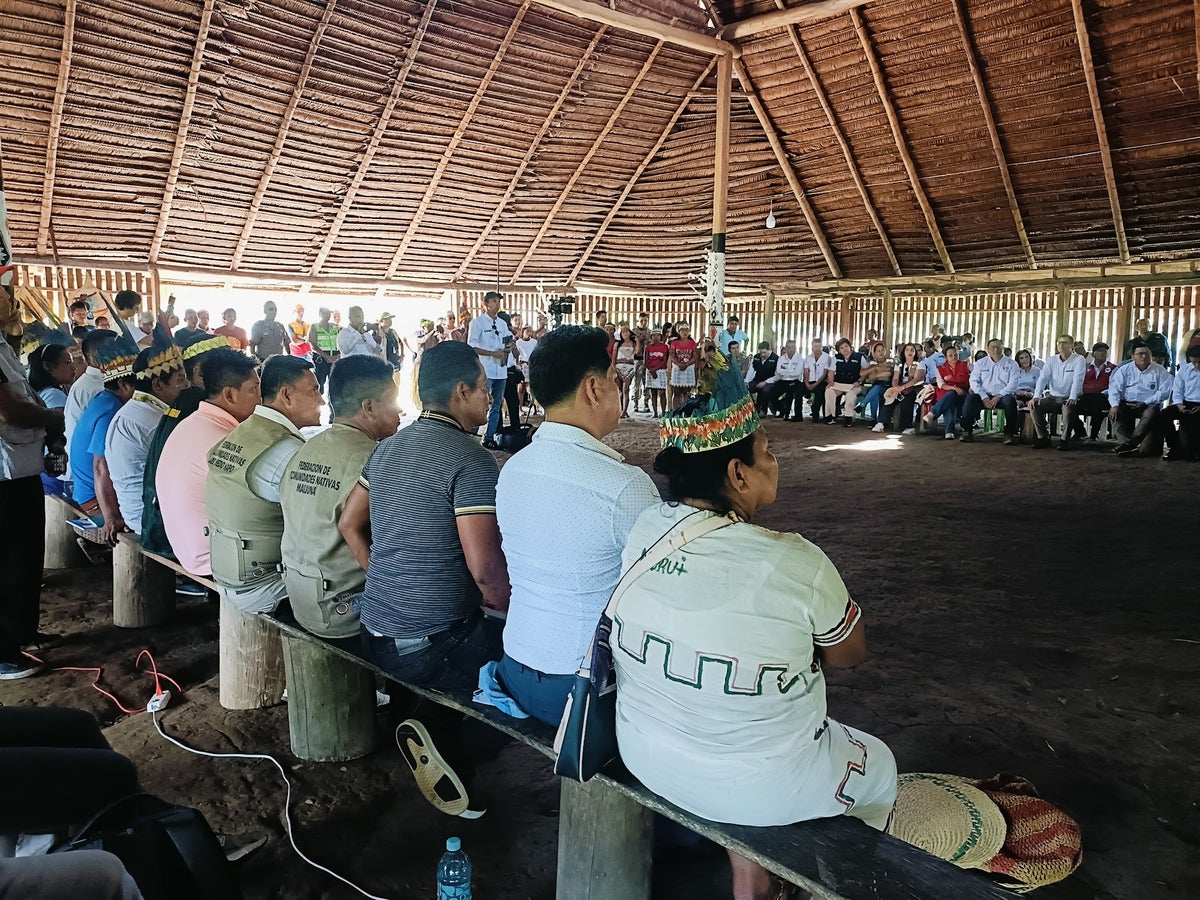
Federation of Indigenous Border Communities of Putumayo
(Huitoto, Kichwa, Ocaina, Bora), Perú
The Federation of Indigenous Border Communities of Putumayo was established in 1991 to defend the lives and collective rights of the Indigenous Peoples of Putumayo following decades of state neglect and historical violence. They promote issues related to Indigenous governance, territorial monitoring, co-management of conservation areas, sustainable economies, and community communication to raise awareness of local realities and coordinate rapid responses. Their goal is to strengthen governance and community monitoring by integrating culture, memory, and intercultural education.
The project “Indigenous Integration and Communication: Making Visible the Resilience of Survivors of the Rubber Boom Era” will implement a community communication system that combines internet access, training, and content production. Through local correspondents and a direct reporting channel, the project will promote early warning regarding illegal logging and mining, dispossession, and other forms of violence, as well as the documentation of evidence in various formats. In addition, it will promote intercultural education, multilingual programming (Huitoto/Kichwa/Ocaina–Spanish), and coordination with authorities and partners contributing to river monitoring, timely institutional responses, and territorial conservation.
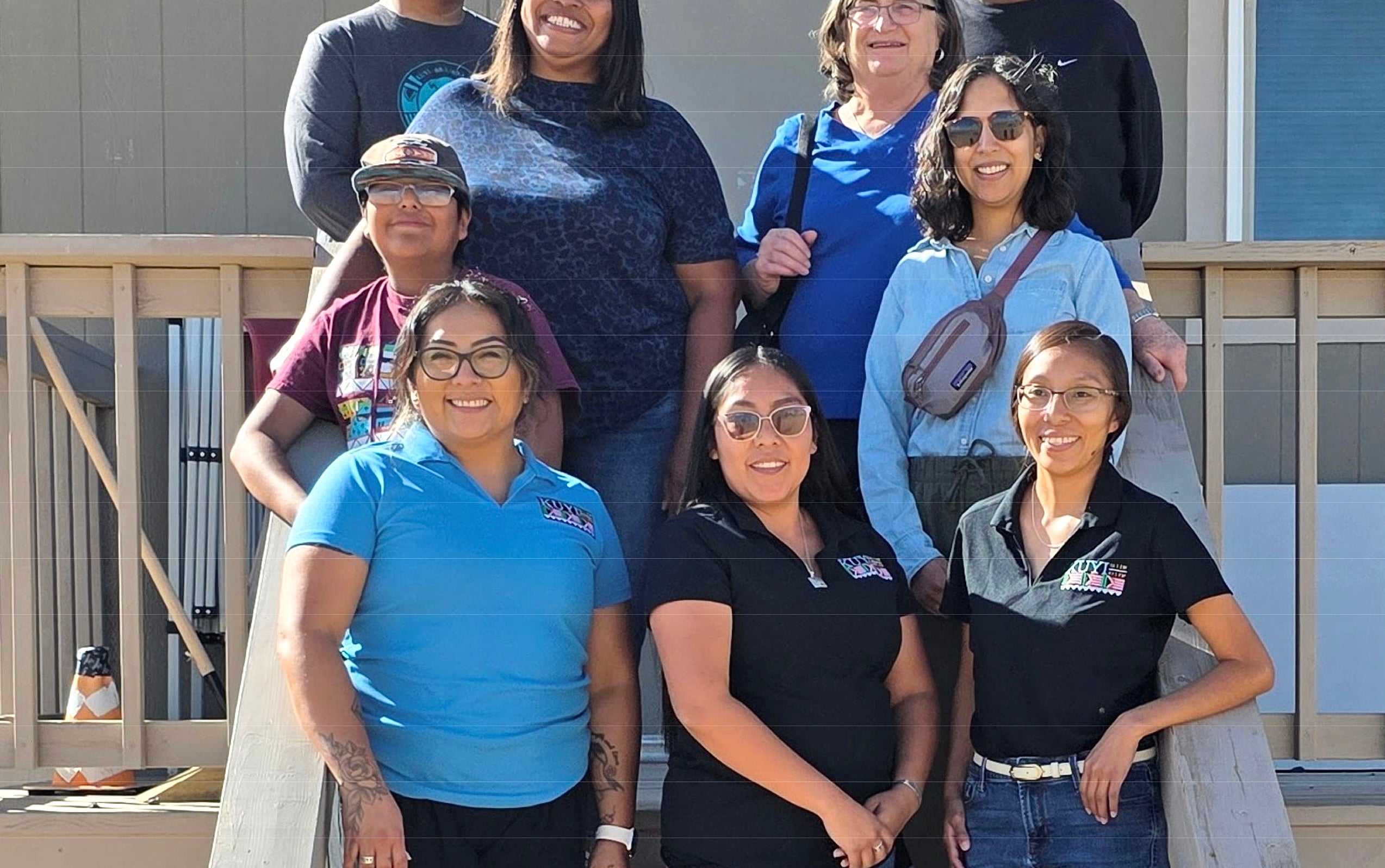
KUYI Hopi Public Radio, Hopi Foundation
(Hopi and Tewa), United States
KUYI Hopi Public Radio, founded in 2000 as a program of the Hopi Foundation, is a community radio station dedicated to amplifying the voices, stories, and cultural heritage of the Hopi People. As the region’s only Native-owned public media platform, KUYI bridges tradition and innovation. Its mission is to inform, educate, and empower the Hopi and Tewa Peoples. Its content includes emergency broadcasts, weather updates, highlights on local resources, and educational, musical, and health programs.
“KUYI Tuuwa’ow Tuunatyawta (Caring for the Earth)” aims to strengthen Hopi cultural knowledge regarding the care of the Earth and its resources. The project will involve youth in recording, editing, and sharing stories about environmental protection while supporting the use of the Hopi language. Through local radio broadcasts and community storytelling, it will highlight knowledge related to water conservation, food sovereignty, and respect for sacred sites across the 12 villages of the Hopi Tribe. Participants will receive hands-on media training and mentorship, and the episodes will be broadcast and archived online as enduring cultural resources.
Africa
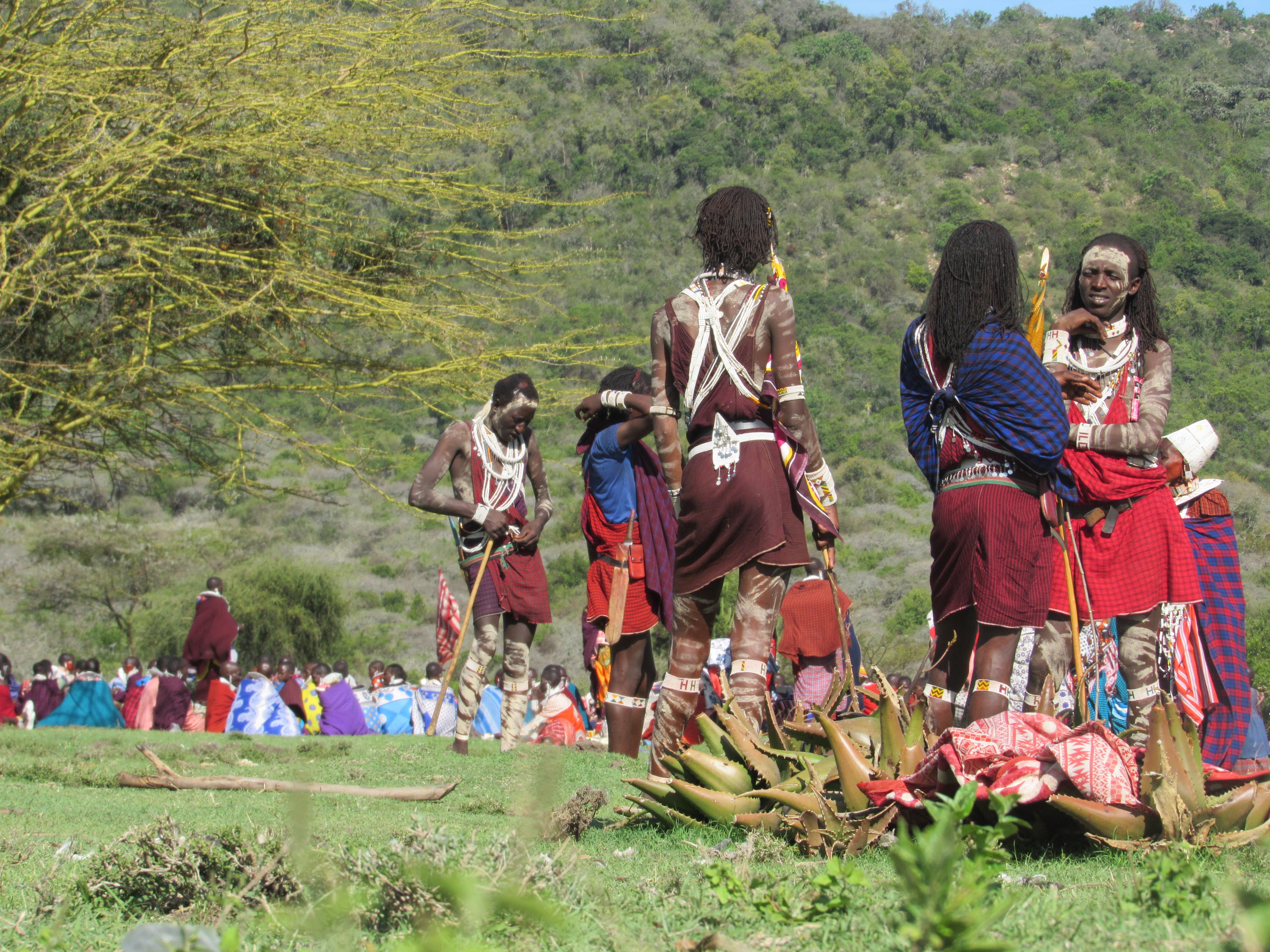
Rozalia Foundation
(Maasai), Tanzania
The Rozalia Foundation was established in 2023 in Tanzania to improve the living conditions of the Maasai People while supporting the preservation of their cultural heritage and the conservation of their ancestral lands. By integrating visual, narrative, and educational approaches into community interventions, the Foundation promotes sustainable development, gender equality, and climate resilience. Its goal is to empower the Maasai to safeguard their cultural wisdom, ecological stewardship, and economic vitality.
The “Restore Maasai Legendary Tales” project aims to revitalize Maasai oral traditions by combining ancestral storytelling with modern technology. They will record, disseminate, and document Maasai legends to ensure their preservation and accessibility for future generations. Through community storytelling events and the active participation of Elders, youth, women, and traditional leaders, the project will facilitate the transfer of knowledge across generations.
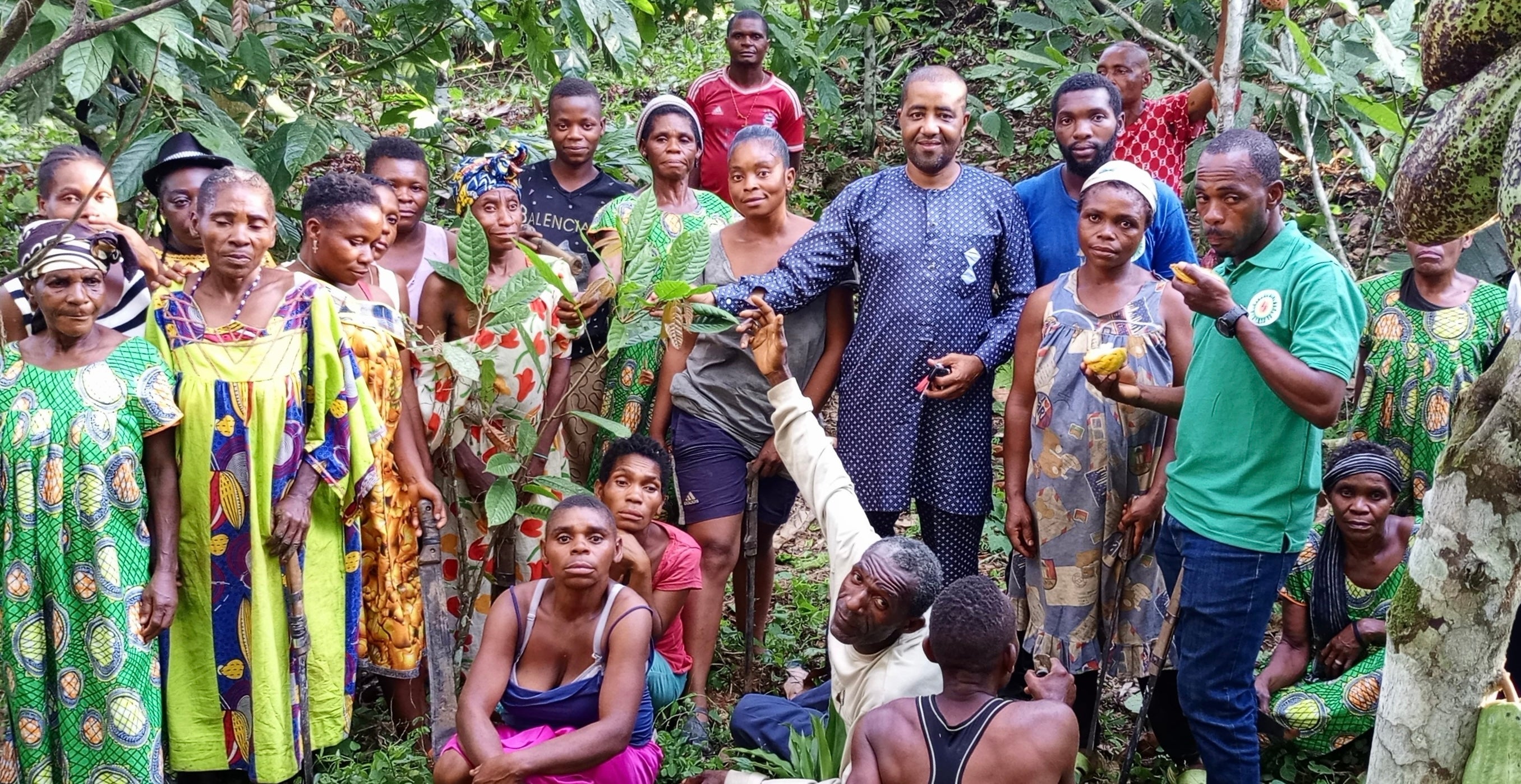
Lelewal Foundation
(Baka), Cameroon
The Lelewal Foundation is an organization dedicated to raising awareness about issues affecting the rights and well being of all Indigenous Peoples in Cameroon, particularly the Baka People. It advocates for the recognition of their existence and rights, as well as for their meaningful participation in decision-making regarding all issues, programs, and projects implemented in their territories, with full respect for their Free, Prior and Informed Consent. Specifically, it promotes the Traditional Knowledge, cultures, and customs of the Baka People.
“Voices of the Forest: Empowering the Baka Pygmies Through Djoum Community Radio” serves as a platform for communication, education, and cultural revitalization. Through the organization of the Ejengui festival and the implementation of collaborative dialogue groups, the 11 Baka communities will be encouraged to remain united around an inclusive vision of development. The project will also focus on raising awareness among the Baka Pygmies about climate change and the conservation of forests and biodiversity while valuing their traditional knowledge.
Jambo Radio
(Batwa, Luba, Yira), Democratic Republic of the Congo
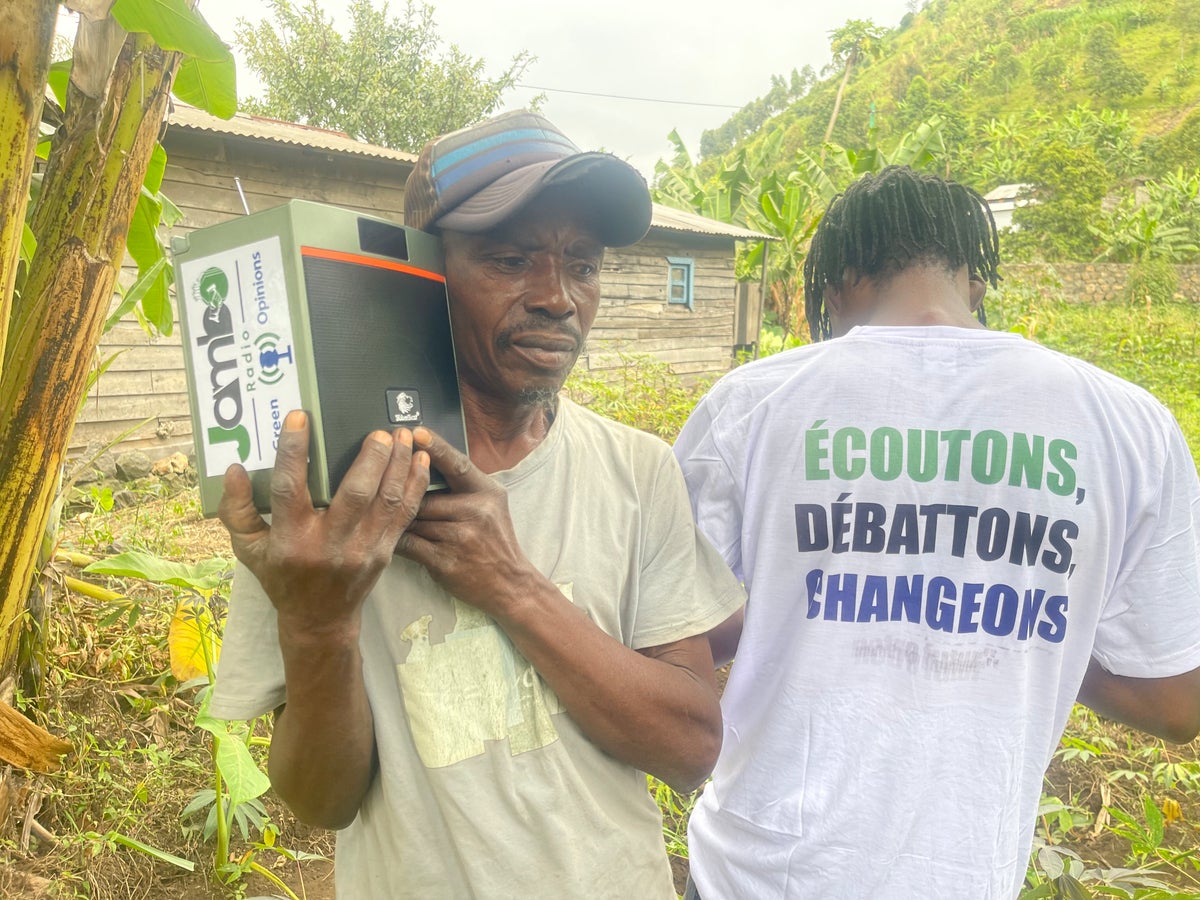
Jambo Radio has been operating since 2022 in the heart of the Congo Basin in the Democratic Republic of the Congo. This community and Indigenous media platform aims to give a voice to the local population by producing content in Indigenous languages on human, environmental, and climate rights. Jambo Radio combines online podcasts and group listening sessions with discussions in listener clubs. It was born out of the need to combat misinformation and promote social, environmental, and climate justice in a region marked by armed conflict, mining exploitation, and violations of people’s rights. The initiative seeks to combat myths and misinformation while strengthening resilience, civic engagement, and inclusive dialogue.
The project “Strengthening Indigenous Voices in the Congo Basin” aims to produce participatory content in local languages in order to raise public awareness, spur action on environmental and climate issues, encourage citizen participation, and promote social and environmental justice in a context of widespread crisis. The project will improve the technical skills of local producers, increase content production, encourage the participation of women and youth, and strengthen mobilization and advocacy for the principle of Free, Prior and Informed Consent.
Young Indigenous Investigative Journalists (JEJAC)
(Batwa), Democratic Republic of the Congo
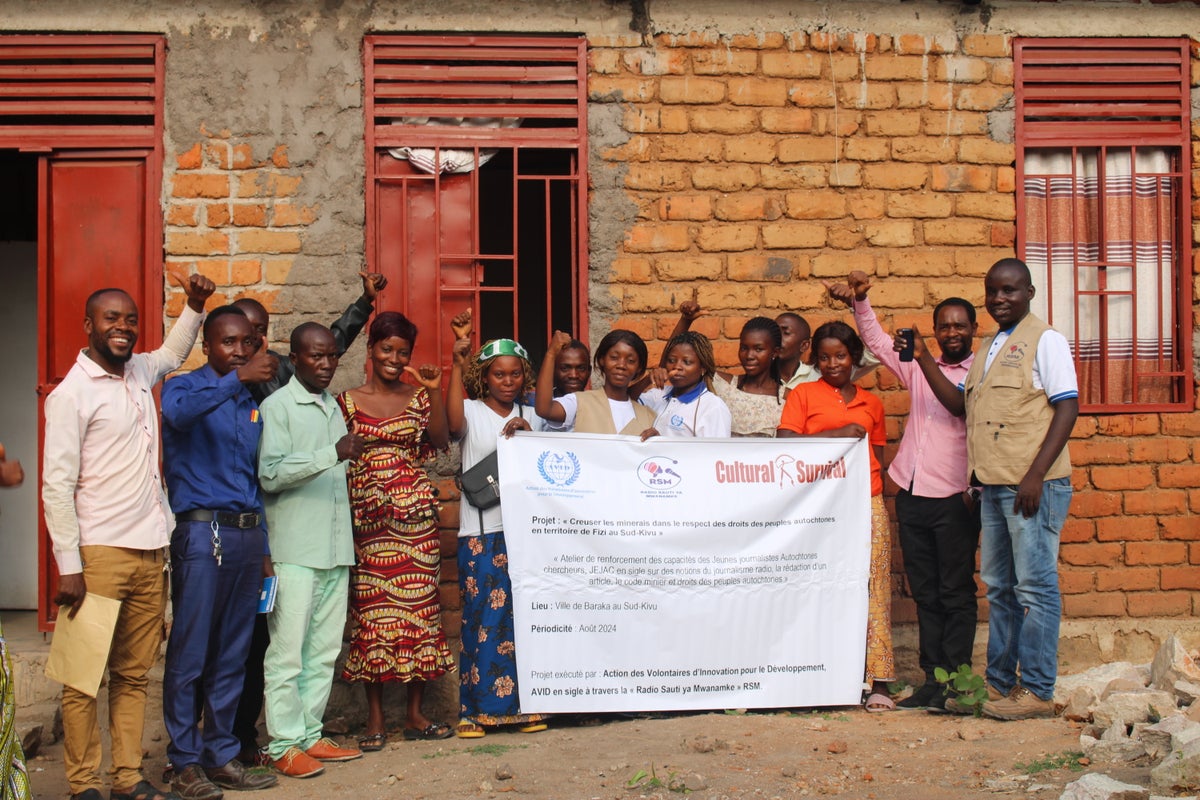
Young Indigenous Journalists and Researchers is a local organization made up of 15 young people from the Batwa Pygmy community in eastern Democratic Republic of the Congo. Their main objective is to inform, educate, and combat acts of abuse and violations of people’s rights by collecting, processing, and disseminating information from research and field studies. They also support youth and women in the peacebuilding process and campaign for the respect of their rights.
“Young Indigenous Journalists: Investigating for Information and Strengthening Respect for Rights Related to the Exploitation of Transition Minerals in Indigenous Territories of the Democratic Republic of the Congo” aims to promote and strengthen the participation of Batwa Pygmy youth and communities in the fight against the illegal exploitation of transition minerals in their territories. They will address the problem of the communities’ lack of information regarding mineral exploitation, as well as the lack of consideration given to their voices, by providing training in research techniques, information gathering and dissemination, and writing blogs on topics related to minerals in South Kivu.
Vision of the Women Leaders for Development, Lemera Community Radio
(Batwa), Democratic Republic of the Congo
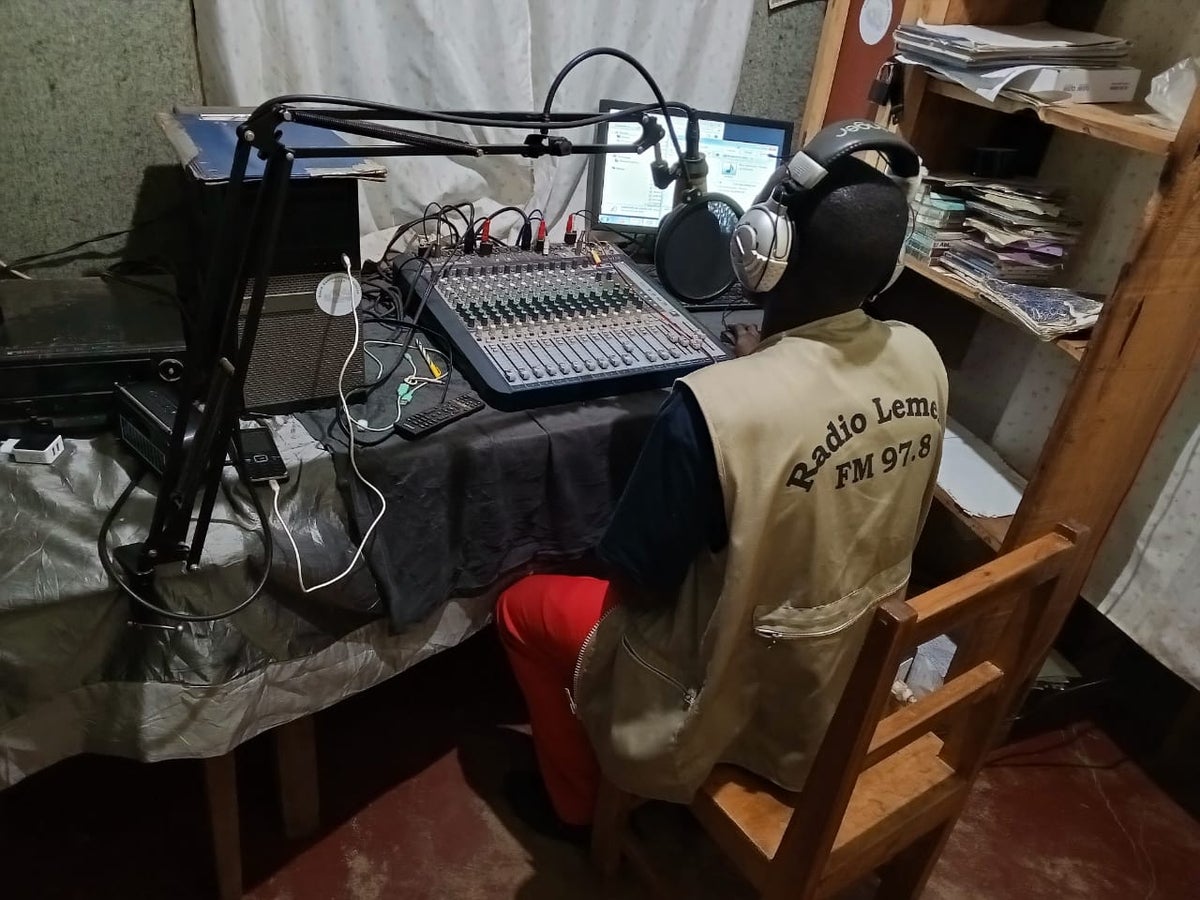
The Pygmies of Lemera have lived on the margins of society since the 1996 war, grappling with land disputes and conflicts with neighboring communities as well as language barriers resulting from historical exclusion from education. In this context, the young women organized a day of reflection in Lemera with representatives of Pygmy families, which culminated in the creation of an organization. In 2020, they launched a community radio station whose mission is to promote the leadership of Pygmy women and girls.
The “Project to Strengthen the Legal Autonomy of the Pygmy Indigenous Peoples of the Lemera Group Through Lemera Community Radio” aims to promote the legal empowerment and recognition of the land rights of the Batwa Peoples by building capacity and raising public awareness through training courses, radio programs, and participatory communication initiatives. Forty-five community leaders will be trained on land rights, mining codes, citizens’ rights and duties, and gender-based violence. Programs will be produced to raise awareness among local authorities, mining companies, and members of other communities regarding respect for the rights of Pygmy Peoples and, above all, respect for their lands and cultures.
Bush Radio
(Khoi-San), South Africa
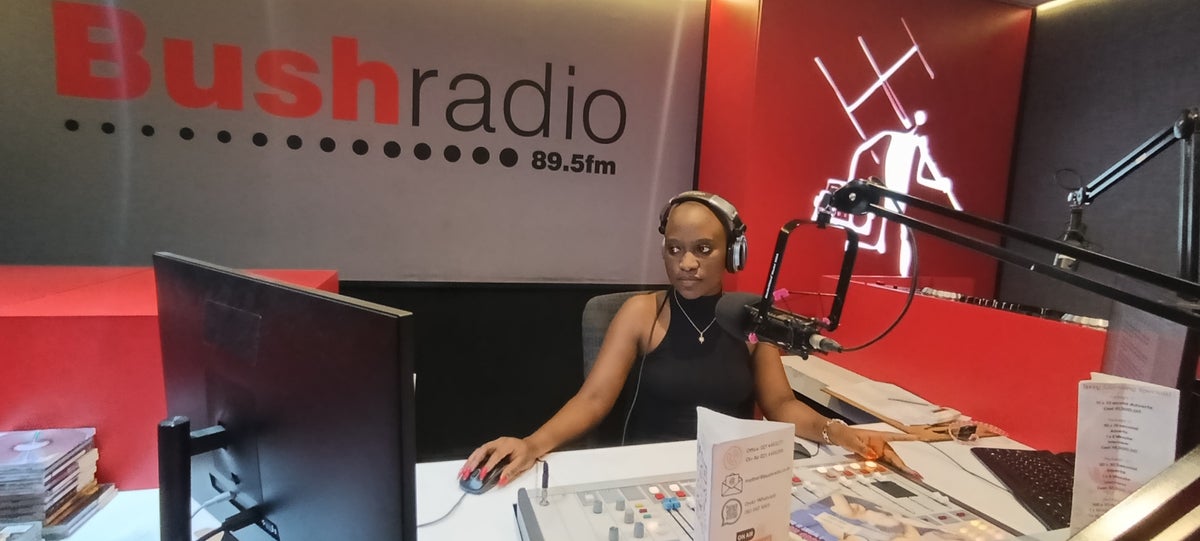
Bush Radio offers programming designed to inform and empower listeners, promote Indigenous rights, languages, and cultures, and strengthen democracy by fostering active citizenship. Through training initiatives and youth projects, Bush Radio develops the community’s media skills, enabling people to tell their own stories. Its work is grounded in responsible management, proactive outreach, and a team committed to social responsibility, critical thinking, and innovation.
The project “Voices of Hoerikwaggo: Indigenous Stories of Cape Town” explores the history of the Khoi and San Peoples, both before and during colonial rule. The radio series will connect historical narratives with physical locations in Cape Town, encouraging listeners to “listen to the land” and focus on the lasting effects of dispossession, land loss, and cultural erasure. By amplifying the voices of the Khoi-San Elders and the communities at large, the project will foster pride and awareness. Audio archives will also be created to support ongoing educational and cultural initiatives.
Bamasaba Custodians Community Media
(Bamasaba), Uganda
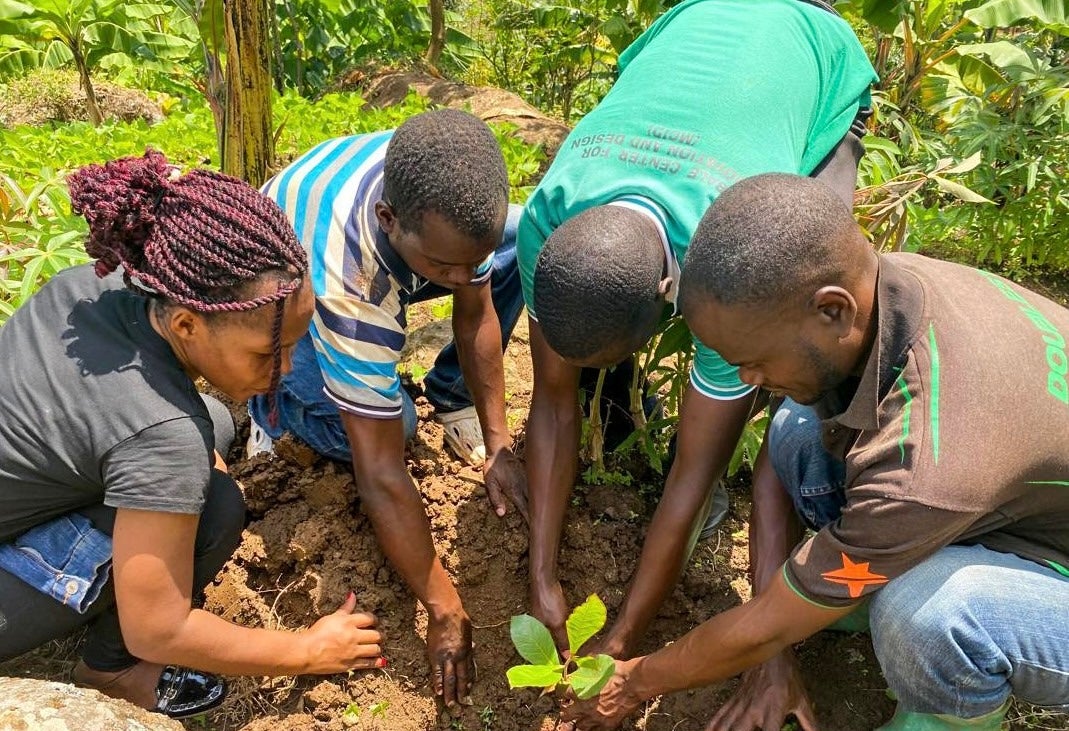
The Bamasaba Communities Custodians Media Outlet was established in 2023 as a community media collective committed to environmental stewardship and the recognition of Indigenous knowledge in conservation efforts. Guided by the principles of reciprocity, respect, and responsibility toward the land and its communities, the organization works to promote sustainable practices that benefit both people and their natural environment. Its mission is to provide a platform for Indigenous voices, support cultural revitalization, and promote social justice.
“Strengthening Networks and Ecological Governance: Enhancing the Efforts of the Bamasaba Indigenous Communities of Mount Elgon to Address Climate Challenges Through Knowledge Sharing and Collaborative Action” is a project that will provide training and resources in media production, environmental conservation, and community engagement. Community stories about environmental conservation and restoration will also be documented and shared.
Vemuganga Community Radio
(Ndau), Zimba
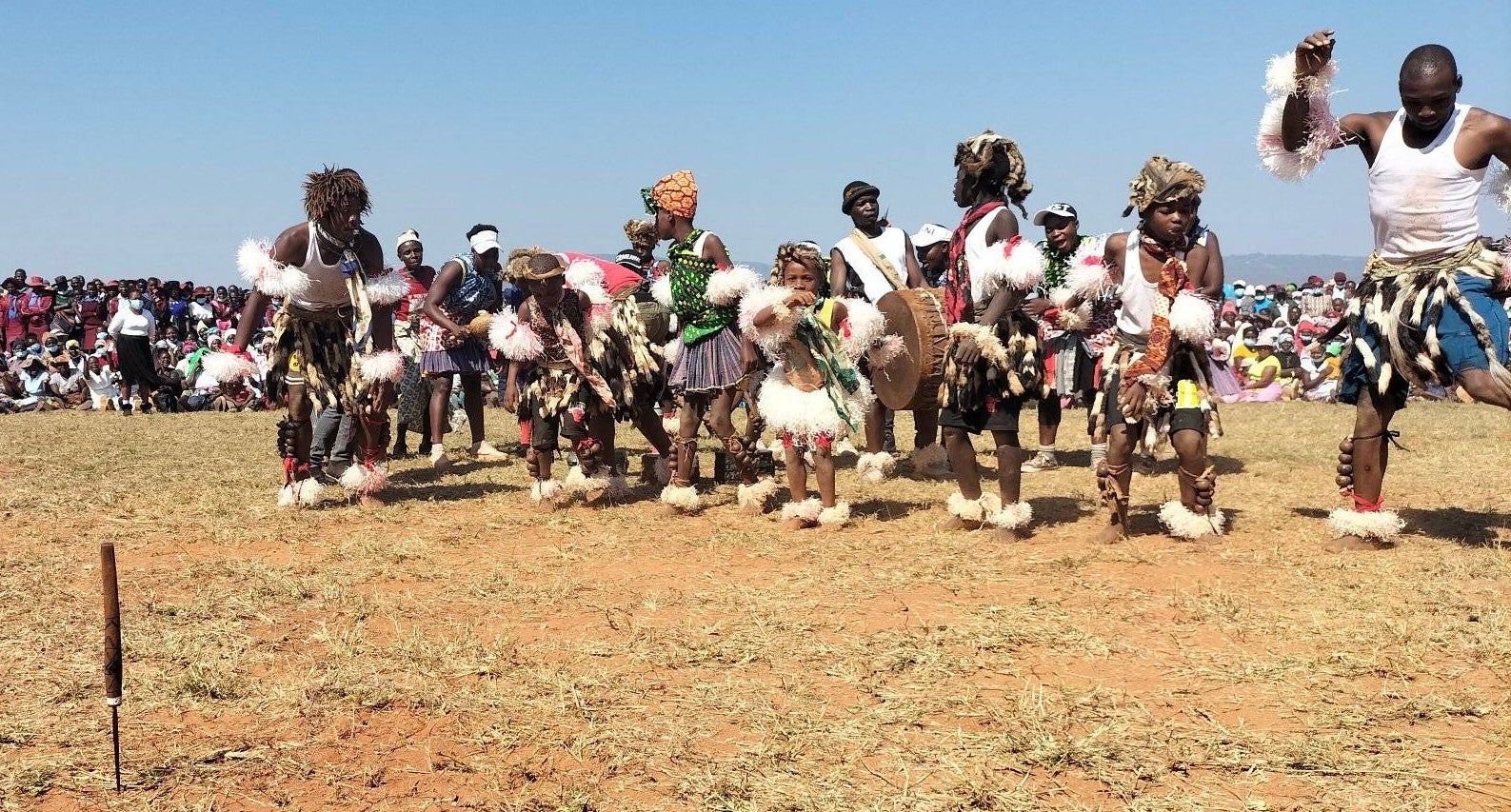
Vemuganga Community Radio was founded in 2012 in the Chipinge district to amplify local voices and preserve the Ndau cultural heritage, providing accessible and reliable information in the local language and in formats that resonate with the community. The station plays a vital role for the community, as it is located in a region historically marginalized by national media coverage. It encourages active community participation through interactive programs, conversations, and debates.
“Strengthening Indigenous Knowledge Systems to Address Environmental and Climate Challenges in the Chipinge District” promotes the recognition and application of Ndau Traditional Ecological Knowledge as a sustainable response to environmental degradation and climate change. Through the documentation and dissemination of Ndau environmental practices, the project raises climate awareness and fosters community dialogue on land management, biodiversity conservation, and the protection of sacred ecological sites. It also strengthens the participation of women, youth, and people with disabilities, contributing to the development of inclusive, locally-led climate resilience based on cultural knowledge and community action.
Asia
Siow Media Siber, Carita Sulut
(Minahasa), Indonesia
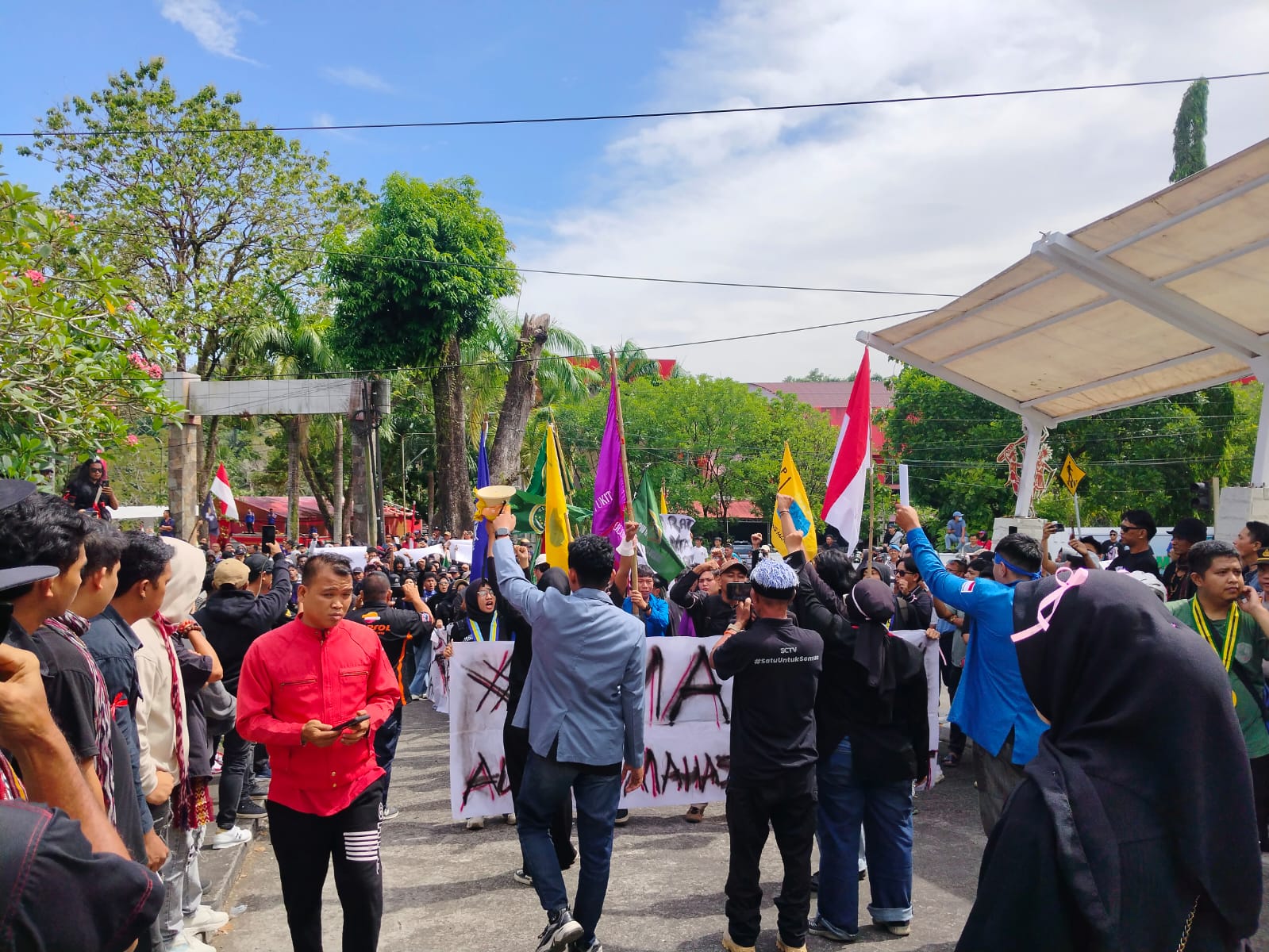
Northern Sulawesi, on the Indonesian island of Sulawesi, is inhabited primarily by the Minahasa, Bolaang Mongondow, and Sangihe-Talaud Peoples. In 2022, a group of young Minahasa people created Carita Sulut, an online news platform designed to address the information gap faced by the Minahasa people on issues such as tourism, marine resources, natural wealth, education, and health. Carita Sulut provides up-to-date, relevant news on issues affecting the Minahasa People, promoting their cultural richness and fostering dialogue to strengthen ties between remote communities.
“Corong Sulut (The Voice of North Sulawesi)” will conduct various training sessions and workshops addressing the needs and challenges of the Minahasa People. They seek to empower the community, promote its cultural heritage, and ensure that its voices are heard and respected. They will provide in-person and virtual safety training for journalists to equip them with the skills and knowledge necessary to protect themselves and their information. Training will also be provided on geopolitical challenges and the interests of the Minahasa People.
SAVE Rivers Networks
(Kenyah, Penan, Saban), Malaysia
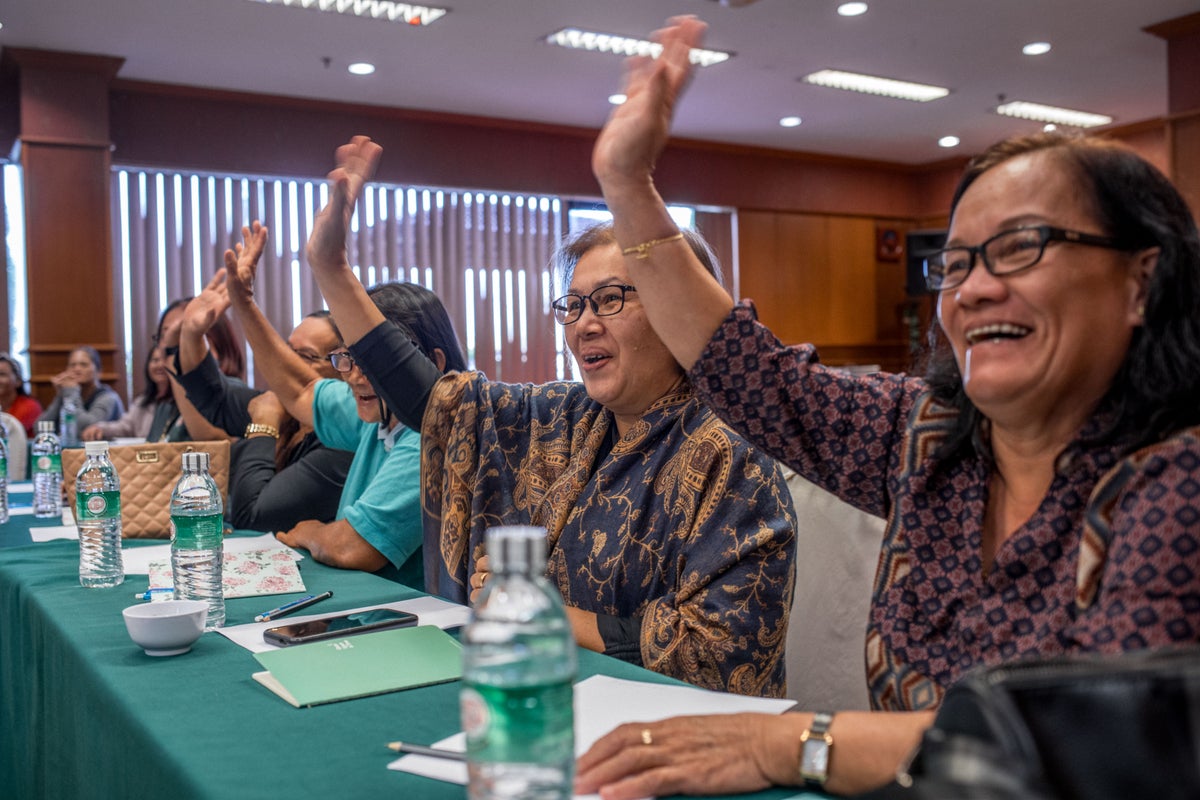
SAVE Rivers Network is an organization led by Indigenous women from Malaysia that advocates for environmental and Indigenous Peoples’ rights. It works to empower communities in Sarawak to protect their territories, rivers, and forests through capacity building, the promotion of sustainable livelihoods, and the encouragement of collective action. It also supports the documentation of their stories, the mapping of ancestral territories, and the amplification of their voices on the international stage.
“Voices of Sarawak: Indigenous Media for Environmental Justice” aims to strengthen the capacity and sustainability of SAVE Rivers’ Indigenous media team to produce, translate, and disseminate content on environmental justice in the Baram region. This includes improving digital storytelling skills, ensuring fair compensation for media contributors, and producing accessible content in local Indigenous languages and Bahasa Melayu. Training will also be provided on digital communication tools, such as infographics, short videos, animation, subtitling, and basic media design.
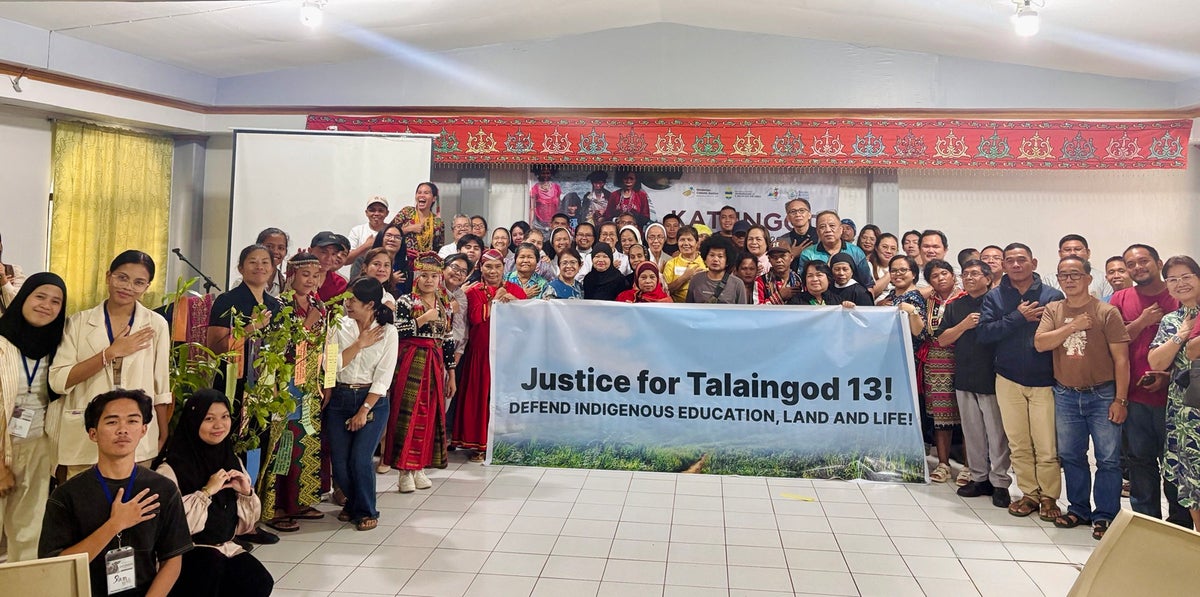
Mindanao Climate Justice Resource Facility (MCJ)
(Lumad), Philippines
Mindanao Climate Justice (MCJ) is a non-profit organization dedicated to advancing community-led climate and social justice in Mindanao. In partnership with Lumad, Bangsamoro, and other local communities, MCJ promotes community resilience, fosters sustainable development, and defends the rights and dignity of those most affected by the global climate crisis.
The project funded during this cycle will provide citizen journalism training to Indigenous Peoples, youth, and human rights defenders in Mindanao, with a focus on ethical, safe, and rights-based communication practices. To achieve this goal, the project will offer facilitated learning sessions, practical exercises, and guided community-led media production processes.
In addition, the project will implement community-level capacity-building activities in connection with the 2026 International Day of the World’s Indigenous Peoples. These activities will include structured dialogues, learning sessions, and collective reflection spaces that integrate communication tools, rights awareness, and psychosocial support. Through these processes, the project aims to amplify the priorities, experiences, and messages of participating communities.
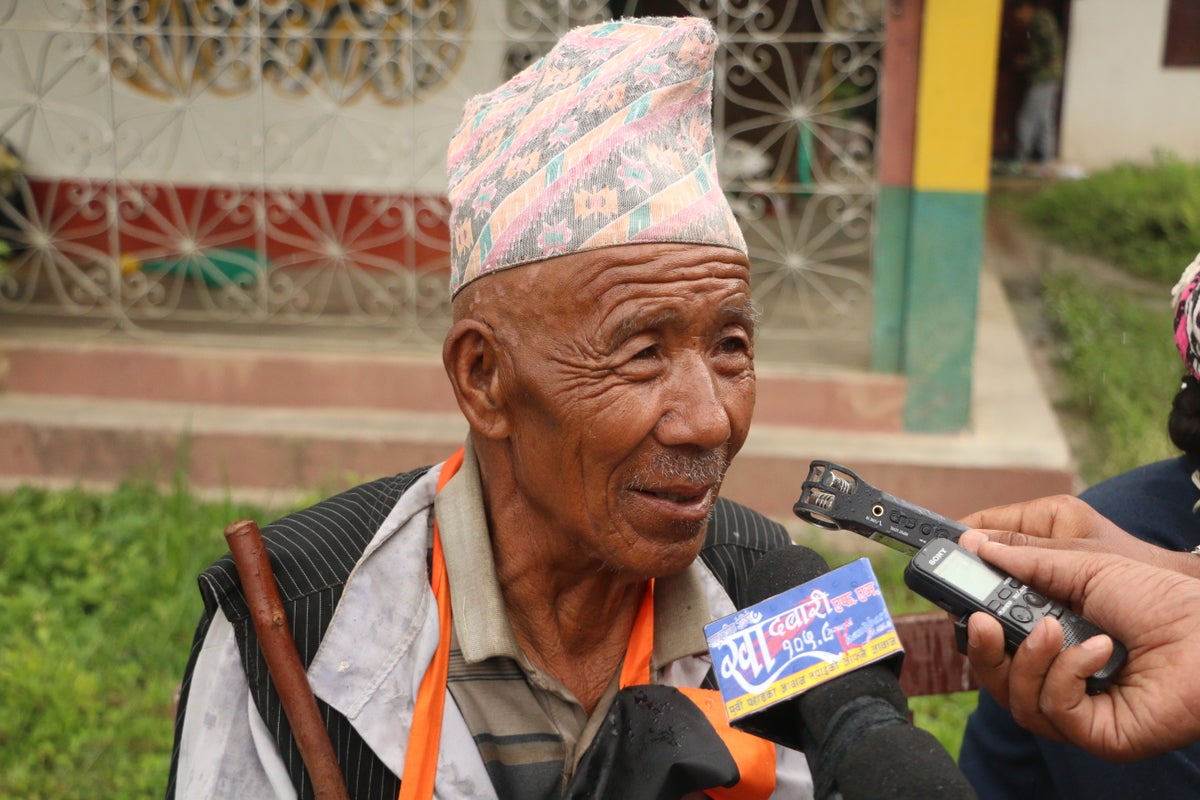
Khandbari FM Community Radio
(Kulung, Bhote, Newar), Nepal
Khandbari FM is a community radio station based in the district of Sankhuwa in eastern Nepal. The organization’s goal is to report on national issues, news, and current events, as well as to educate and empower the population in remote areas of the Sankhuwasava district. It advocates for human rights, culture, equality, and quality of life, with a vision to establish self-governance and foster cultural harmony among the population.
The “Ethnic Voice Support” project will support Indigenous Peoples to deepen their awareness of their culture and language, empowering them to speak out for their rights and against inhumane treatment. Training sessions will be held on their rights to education, health care, employment, and other fundamental rights.