By Byron Tenesaca Guaman (Kañari Kichwa, CS Staff)
Across Indigenous communities worldwide, young leaders are finding creative, community-centered ways to preserve ancestral knowledge while responding to the social, cultural, and economic realities their peoples face today. Through weaving, storytelling, language revitalization, environmental learning, and digital media, they are strengthening intergenerational connections and ensuring that traditional knowledge continues to thrive. For many Indigenous communities, cultural strengthening means affirming identity, creating opportunities for future generations, and sustaining collective resilience. From the Andes of Bolivia and the Maya communities of Mexico to the hill tracts of Bangladesh, Indigenous youth are demonstrating that culture remains a living source of strength, creativity, and self-determination.
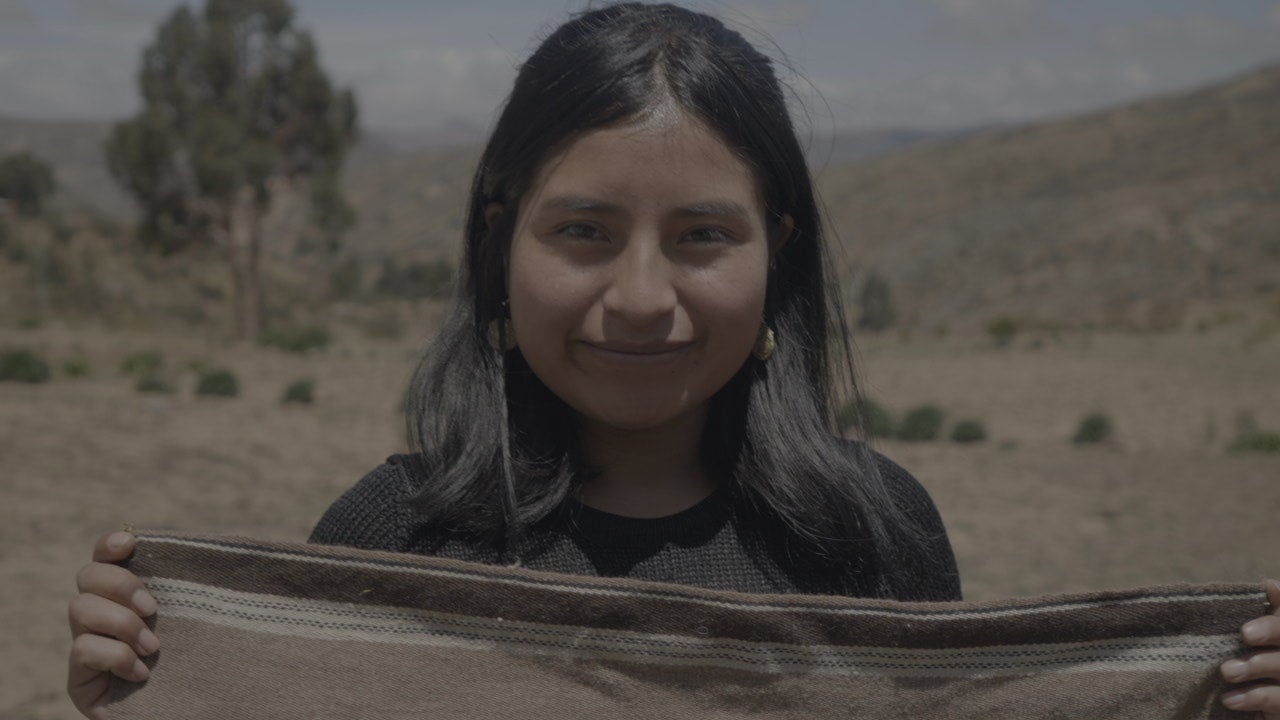
Deniza Flores Orcko (Quechua)
Born in the Quechua community of Chaquilla Alta in Potosí, Bolivia, Deniza Flores Orcko is an agroindustrial engineer, graphic and web design student, and journalist-in-training, passionate about environmental and cultural communication. Growing up surrounded by ancestral traditions, medicinal plant knowledge, and artisanal weaving practices, she developed an understanding of the deep relationship between culture, language, and territory. Through her work, Deniza raises awareness of socio-environmental challenges, such as mining contamination and access to water, while supporting community-based educational and environmental initiatives.
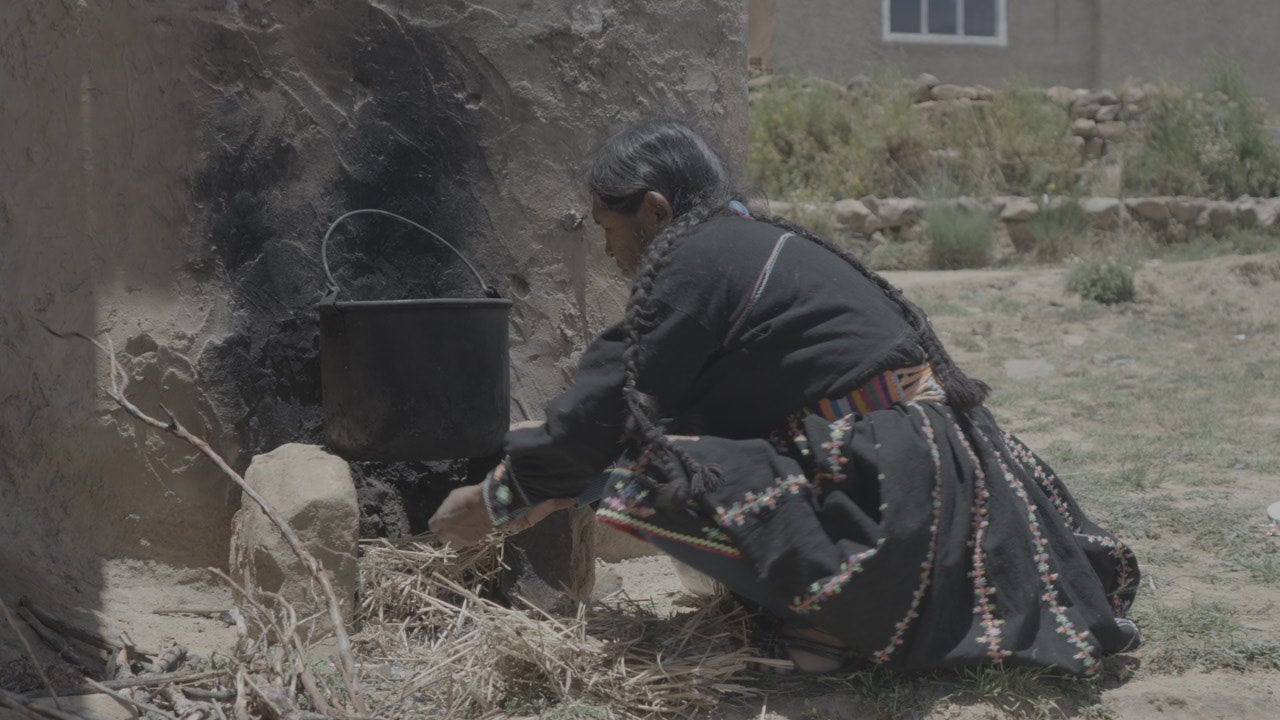
In Chaquilla Alta, many traditional practices continue to survive despite the social and economic challenges faced by rural Quechua communities. Elders continue passing down knowledge about medicinal plants, weaving techniques, and the Quechua language, yet Deniza has witnessed how migration, modernization, and discrimination against Indigenous identity are increasingly distancing younger generations from these traditions. As fewer young people engage with their language and cultural practices, communities risk losing valuable ancestral knowledge that has been preserved for generations. Limited visibility and market access for traditional artisanal work also reduce economic opportunities that could sustain cultural long-term sustainability.
In response, Deniza is leading a project that combines traditional weaving, medicinal plant knowledge, and audiovisual storytelling to strengthen Quechua cultural identity among youth ages 18 to 28. Through participatory workshops, artisans and community members will collaboratively create textiles incorporating medicinal plant symbolism and Quechua language elements while using natural dyes rooted in ancestral practices. The project will also document oral histories, weaving processes, and community testimonies through educational videos and digital storytelling. By training youth in audiovisual production and creating online spaces to share these stories, Deniza hopes to foster pride in Quechua identity while ensuring that ancestral knowledge remains alive and accessible for future generations.
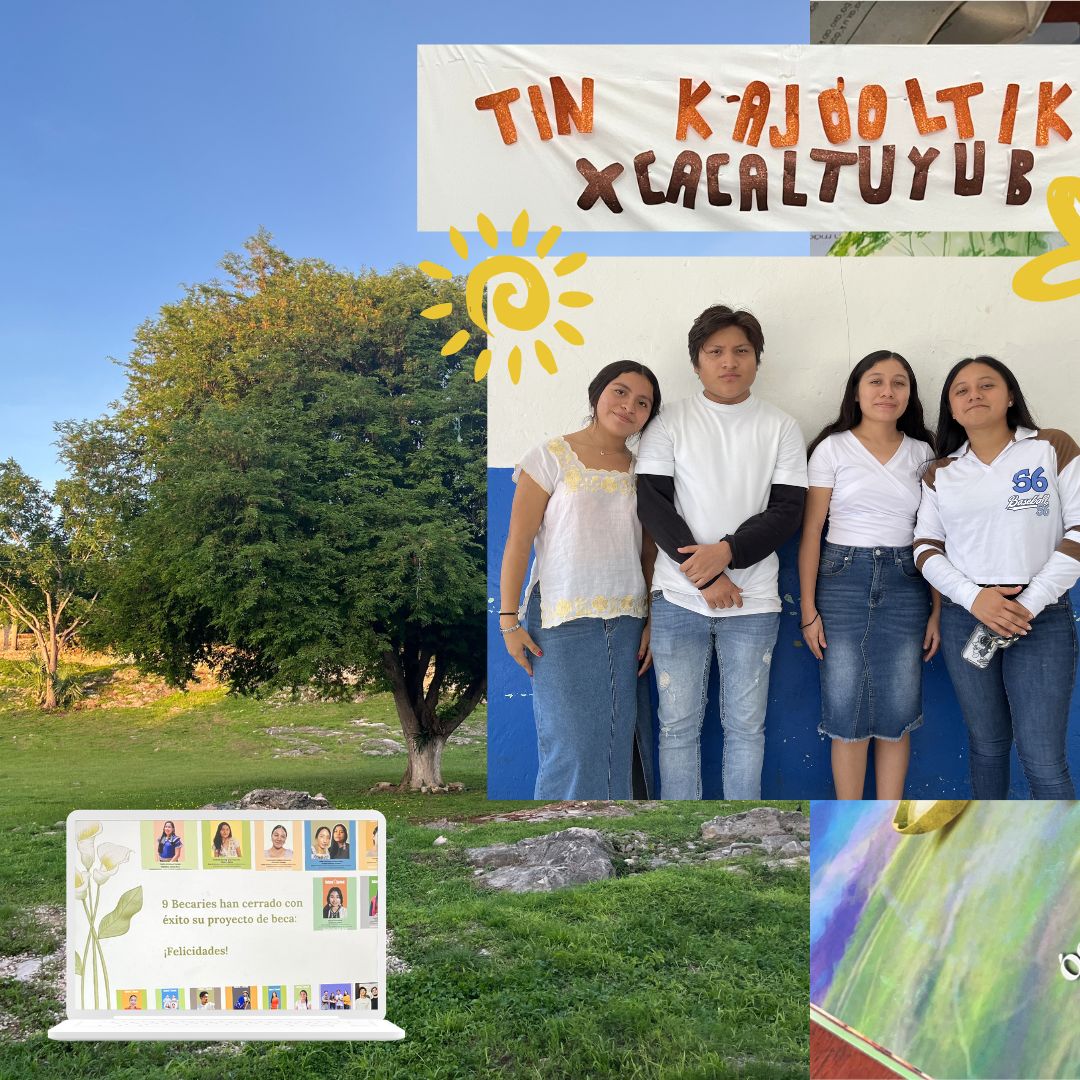
Gabriela de los Ángeles Reyes Xix (Yucatán Maya)
Gabriela de los Ángeles Reyes Xix comes from Tixcacaltuyub, a rural Maya community in Yucatán, Mexico, where Maya language and cultural traditions continue to shape daily life. Raised by her grandparents, she learned to speak Maya from an early age and developed a strong connection to her community's customs, stories, and collective knowledge. Currently studying Social Communication at the Universidad Autónoma de Yucatán, Gabriela combines her interests in communication, social change, and media with her commitment to revitalizing Indigenous languages. Her participation in Colectivo Weech, a university-based collective working to destigmatize the use of Maya in educational spaces, has further deepened her dedication to preserving and promoting her language.
Although Tixcacaltuyub maintains strong cultural traditions—including agriculture, hammock weaving, embroidery, and community celebrations—Gabriela has observed growing challenges affecting children and youth. The accelerated loss of the Maya language, combined with limited educational spaces that center Indigenous knowledge and worldviews, threatens the continuity of local identity and community memory. Many young people are increasingly disconnected from their linguistic and cultural heritage, while formal education systems often fail to provide meaningful intercultural learning opportunities rooted in Maya perspectives.
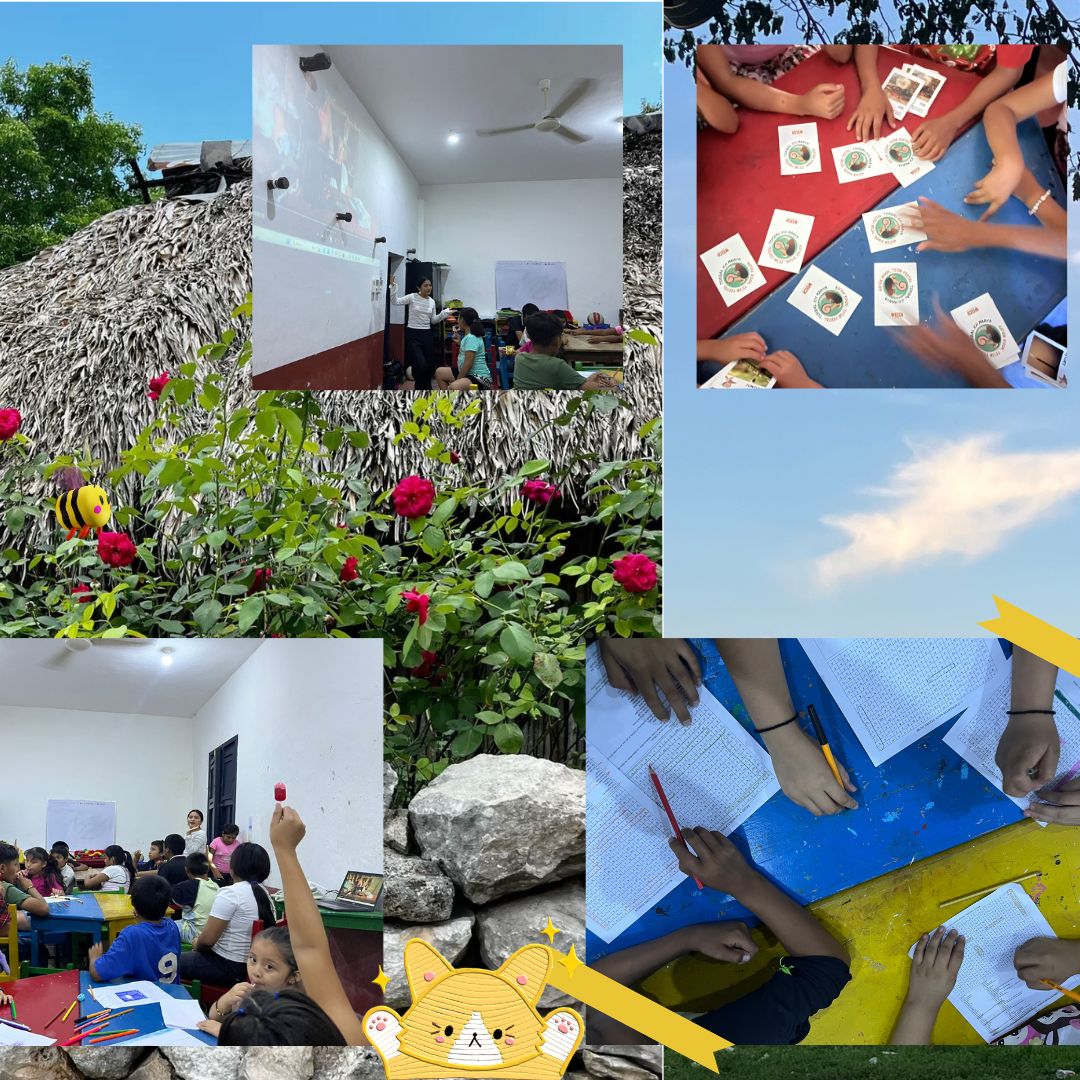
To address these challenges, Gabriela is creating a community cultural space that promotes Maya language revitalization and local knowledge through participatory, education-based activities. Her project includes games designed entirely in Maya, audiovisual storytelling projects documenting ancestral knowledge, and community gatherings where families can reflect collectively on traditions and identity. Children and youth will also participate in creating a community book featuring photographs and Maya-language stories that capture their perspectives on family, food, nature, and everyday life. In addition, Gabriela will launch a digital platform through Facebook to share community-created content and encourage broader engagement with Maya language and culture. Through these activities, she hopes to inspire younger generations to take pride in their heritage and actively participate in preserving their language and traditions for the future.
Ukhing Nue Chak (Chak)
Ukhing Nue Chak is an Indigenous rights advocate, development practitioner, and member of the Chak community in Bangladesh's Bandarban Hill Tracts. Deeply committed to preserving Indigenous knowledge systems and strengthening community resilience, Ukhing works at the intersection of cultural preservation, sustainable livelihoods, and women’s empowerment. Through grassroots organizing and community-based initiatives, she supports Indigenous women and youth in protecting traditional practices while creating pathways toward economic independence and long-term sustainability.
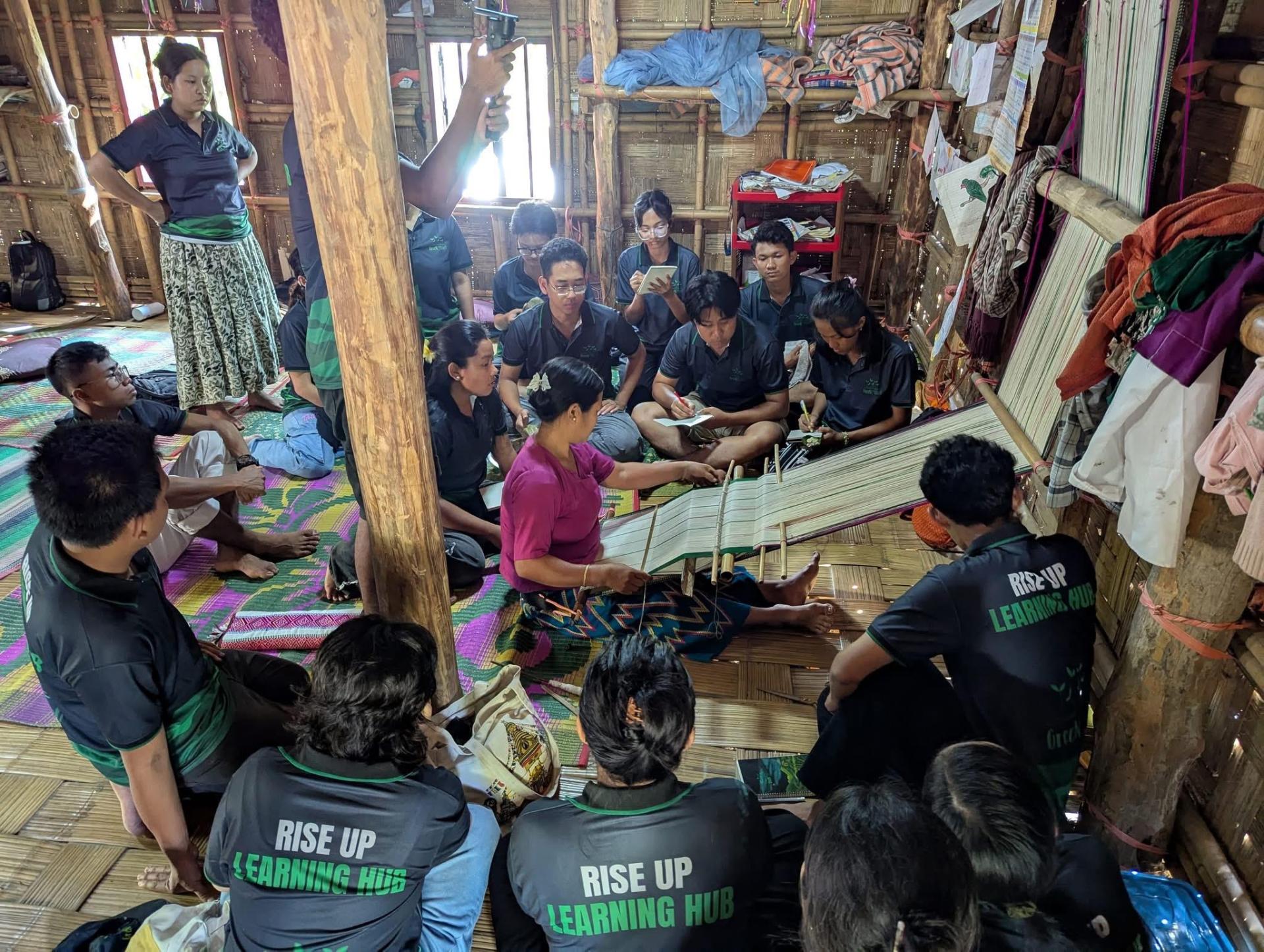
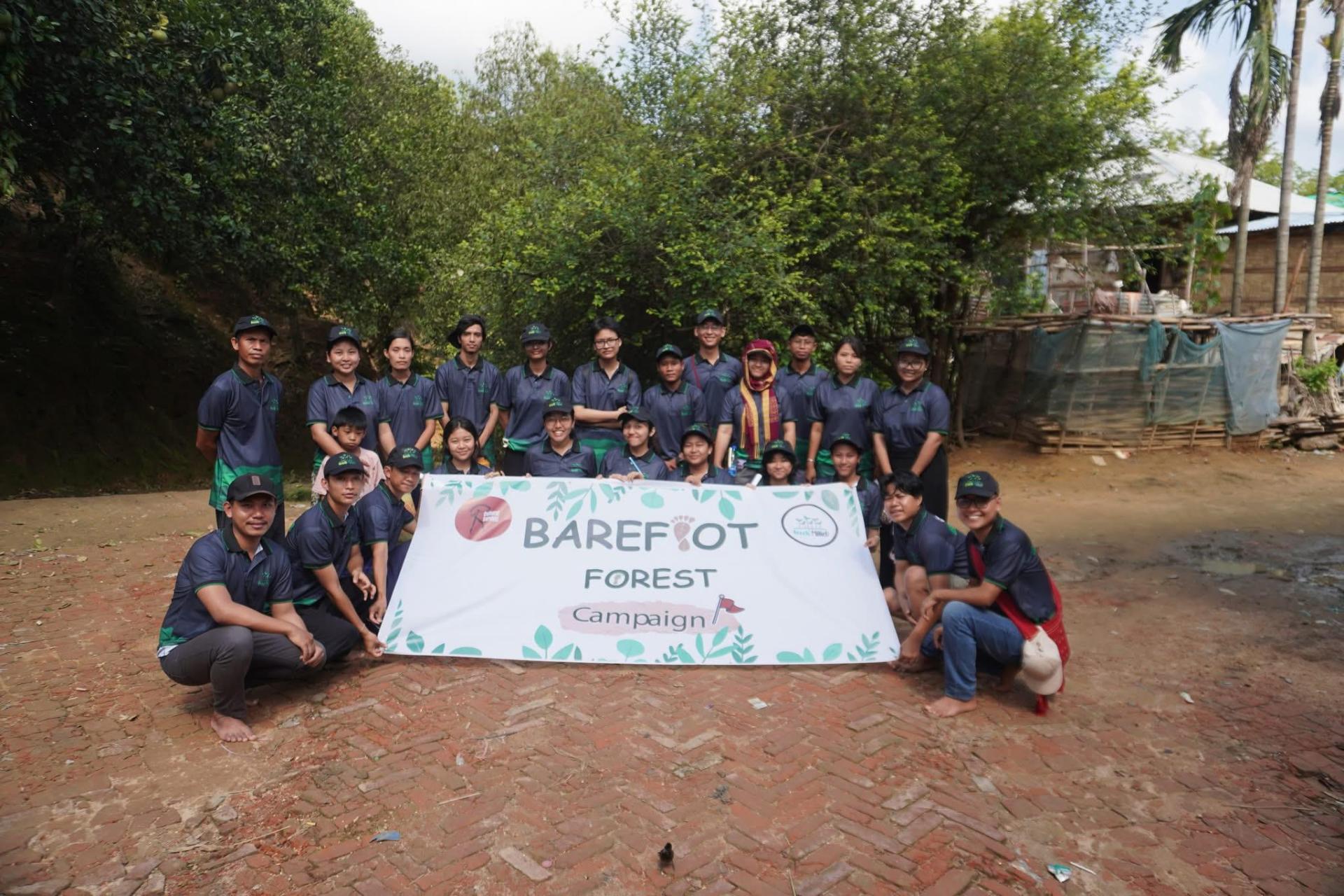
As an Executive Board Member of Green Milieu, an Indigenous youth-led organization, Ukhing collaborates with fellow organizers Ushing Mya, Puchainu Marma, and Chaw Way Marma to advance environmental and cultural preservation initiatives across the region. Together, they developed BIRDS: Bandarban Indigenous Roots Development and Sustainability, a project representing six Indigenous communities from Bandarban—Chak, Marma, Mro, Khyang, Tripura, and Tanchagya. These communities maintain strong cultural ties to nature and possess rich traditions of craftsmanship, particularly weaving. However, many of these traditions are at risk of disappearing. Within the Khyang community, for example, only two elderly women still know traditional weaving designs. Without urgent efforts to transfer this knowledge to younger generations, these cultural practices may be permanently lost. At the same time, Indigenous women in rural areas face limited economic opportunities, while many youth are becoming increasingly disconnected from traditional ecological knowledge, language, and cultural identity.
By Byron Tenesaca Guaman (Kañari Kichwa, CS Staff)
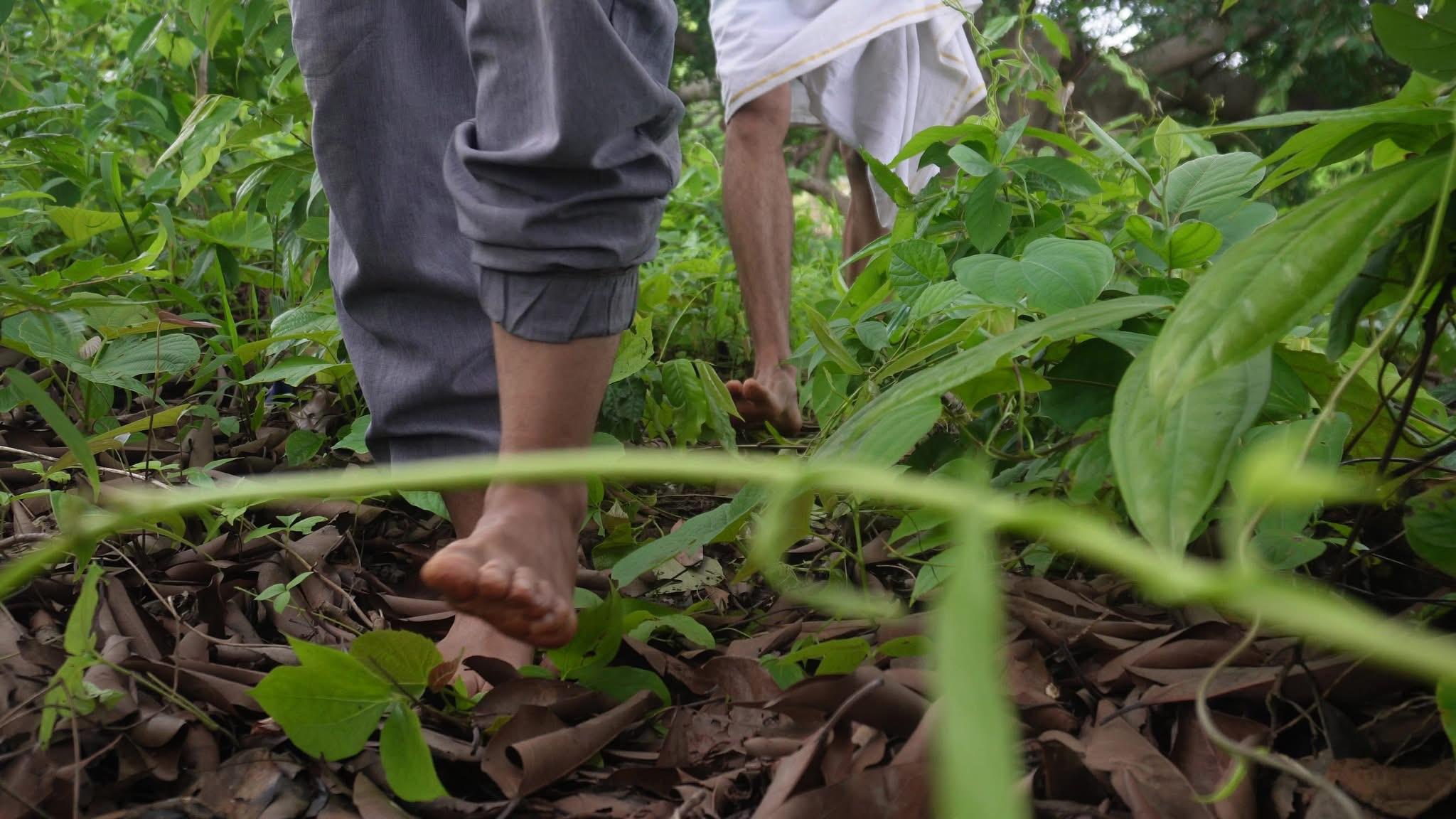
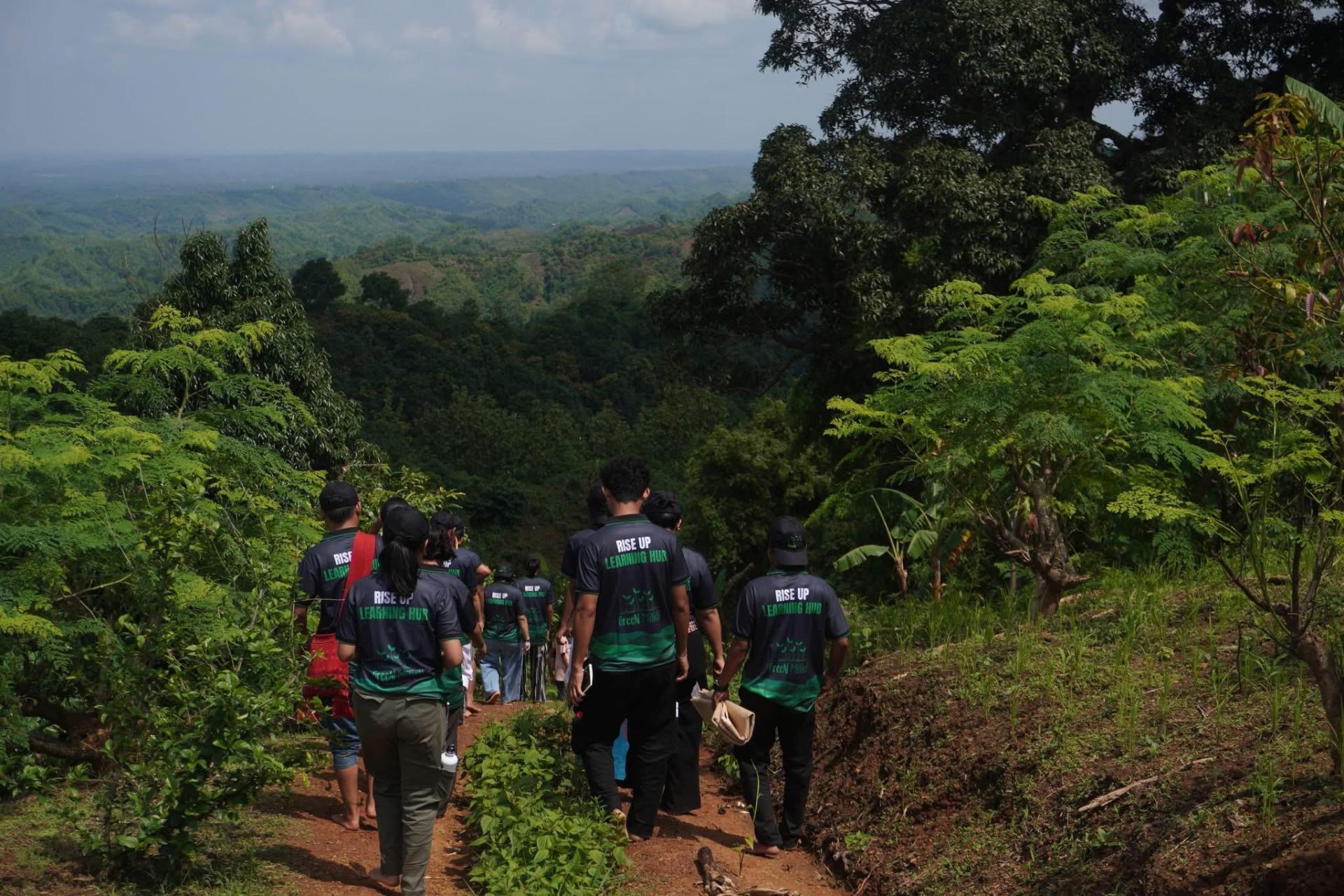
In response, Ukhing and her team are implementing a project that combines cultural preservation, intergenerational learning, and sustainable entrepreneurship. The initiative provides traditional weaving workshops for women from the six Indigenous communities, helping participants strengthen their weaving skills while exploring opportunities for income generation and financial independence. The project also includes the creation of a cultural handbook documenting traditional weaving techniques, ancestral tools such as ching domas and kyaprang, and oral histories shared by elders. Through quarterly “Barefoot Forest” campaigns, youth participate in nature-based learning activities focused on traditional ecological knowledge, cultural identity, and leadership development. In addition, the project will establish a resource center that connects Indigenous women artisans with local markets and tourist spaces where they can showcase and sell their woven products. By creating spaces for cultural learning, storytelling, and entrepreneurship, Ukhing hopes to ensure that Indigenous traditions remain vibrant while empowering women and youth to carry their cultural heritage into the future.