By Clemente Flores (Kolla) and Soledad Sede
In Argentina, the Glacier Law was not merely an environmental regulation; it was a fundamental tool for protecting water, Indigenous territories, and life in high-mountain zones. Its recent reform—approved by the National Congress—marks a turning point in the conflict between two models of development: one based on the protection of common goods and collective rights, and the other on their intensive exploitation.
We write from our own territories and from our direct experience to warn that what has occurred does not constitute a minor technical adjustment, but rather a profound regression in environmental protection standards in Argentina. What is at stake is not solely the future of the glaciers; it is water security, the integrity of mountain ecosystems, and the enforceability of Indigenous Peoples' rights.
A Law Won Against Extractive Power
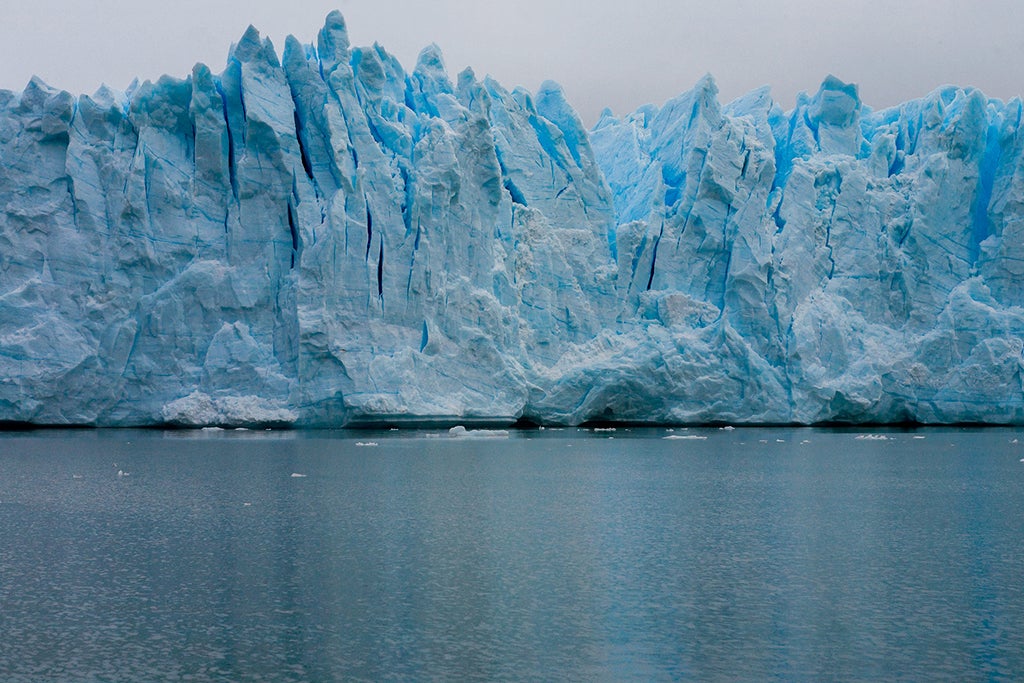
The National Law on Minimum Standards for the Protection of Glaciers and the Periglacial Environment was enacted in 2010, following a process marked by intense political conflict. A first attempt in 2008 was vetoed under pressure from the mining sector, thereby exposing, from its very inception, the tension between economic interests and environmental rights. The original statute established a prohibition on extractive activities within glaciers and the periglacial environment, recognizing their function as strategic water reserves. This protection had positioned Argentina as a regional pioneer.
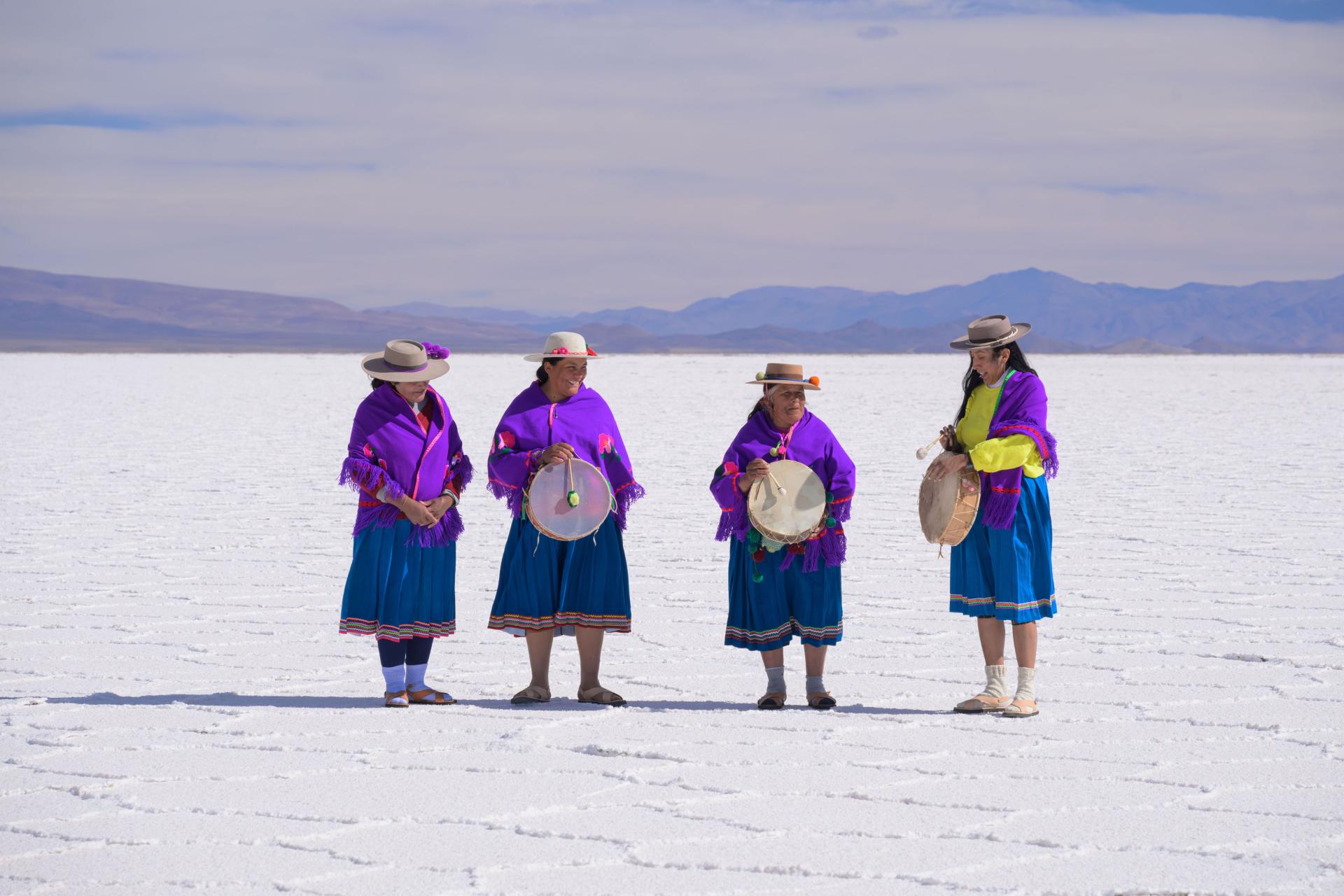
Photo by Martin Katz.
The Approved Reform: A Deregulation That Weakens Protection
The recently enacted reform modifies central aspects of the law—specifically, the scope of protection for the periglacial environment and the criteria for determining which areas are effectively safeguarded. Furthermore, it grants the provinces greater latitude to define protection zones and authorize economic activities in territories previously subject to stricter restrictions. This change neither strengthens legal certainty nor improves the implementation of the regulation; on the contrary, it fragments environmental protection standards and opens the door to regressive competition among provinces seeking to attract extractive investments.
The reform creates an objective tension with the principle of environmental non-regression. This principle derives from Article 41 of the National Constitution; from the General Environmental Law (Law 25,675)—which enshrines the principles of prevention, precaution, and progressivity (Art. 4); and from the international commitments undertaken by Argentina—including the Escazú Agreement and Advisory Opinion OC-23/17 of the Inter-American Court of Human Rights—which require States not to unjustifiably lower the levels of protection already achieved regarding essential environmental assets, such as water.
A Public Participation Process: Formally Open, Yet Substantively Restricted
Following the Senate’s approval of the bill, the public hearing convened in the Chamber of Deputies took place at an advanced stage of the legislative process—specifically, after the initiative had already received preliminary approval. This significantly diminished citizens' ability to exert real influence over the content of the reform. More than 100,000 people registered to attend the public hearing on the reform bill. However, only approximately 360 to 400 individuals were authorized to speak during the scheduled sessions. This disparity is not merely an anecdotal detail; rather, it reveals a substantive gap between the formal openness of the process and the actual conditions for citizen influence.
In environmental matters, public participation cannot be reduced to a merely ritualistic or symbolic exercise. The Escazú Agreement—ratified by Argentina through Law 27,566—mandates that participation in environmental decision-making be open, inclusive, informed, timely, and effective. In this instance, restricting the opportunity to speak to a mere fraction of the registered participants—within a debate of paramount socio-environmental significance and concerning a bill that had already received preliminary legislative approval—raises serious questions about the adequacy of the adopted procedure. The objective is not merely to establish a formal channel, but rather to ensure that genuine conditions exist for citizens and potentially affected communities to exert influence over public decision-making. Far from bolstering the democratic legitimacy of the reform, this procedure leaves it vulnerable to institutional and legal challenges regarding the quality of the legislative process.
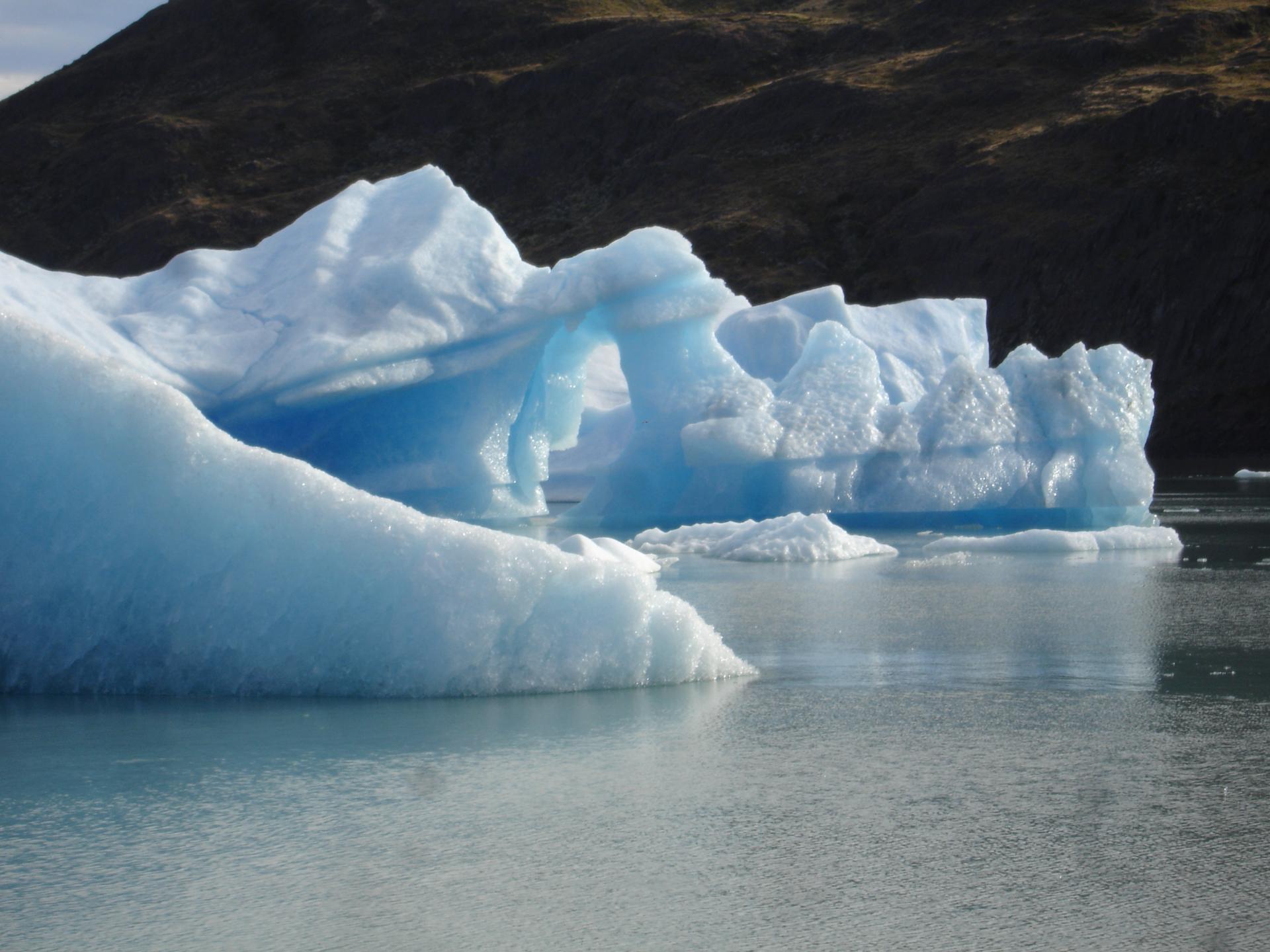
Photo by Gina-Marie Gattone.
Without Indigenous Consultation, There Is No Territorial Legitimacy
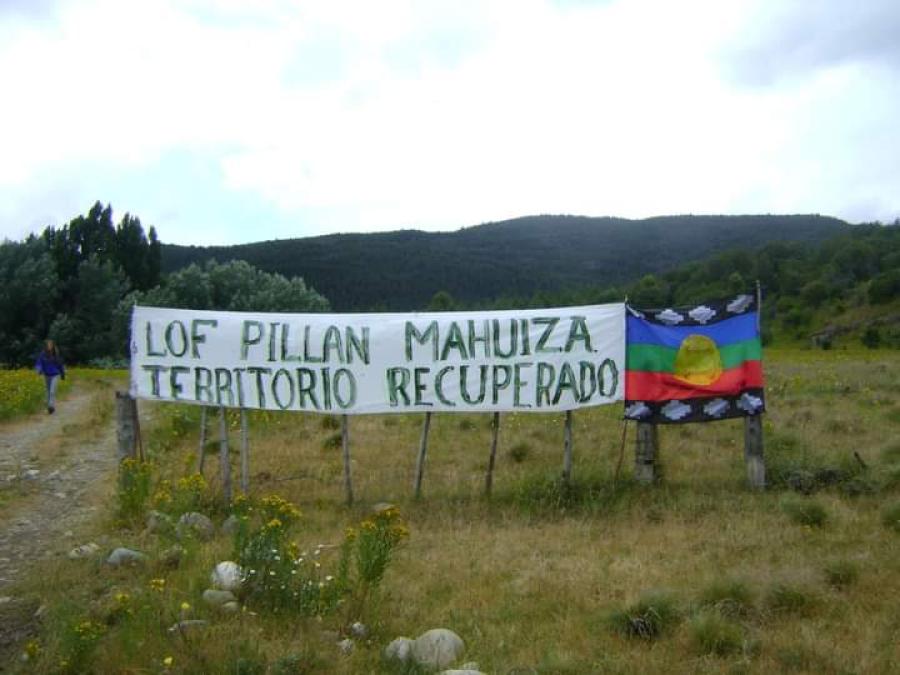
The reform also exposes an even more serious omission: the absence of a specific consultation and participation process with Indigenous peoples whose territories, water sources, and ways of life may be directly affected by the weakening of glacial and periglacial protection. This is not a minor political shortcoming, but rather a potential violation of constitutional and international obligations in force in Argentina.
The 1994 Constitution of the Argentine Nation recognizes the ethnic and cultural pre-existence of Indigenous peoples and guarantees their participation in the management of their natural resources. Furthermore, ILO Convention 169 obliges the State to carry out processes of prior, free, and informed consultation whenever legislative or administrative measures may directly affect them.
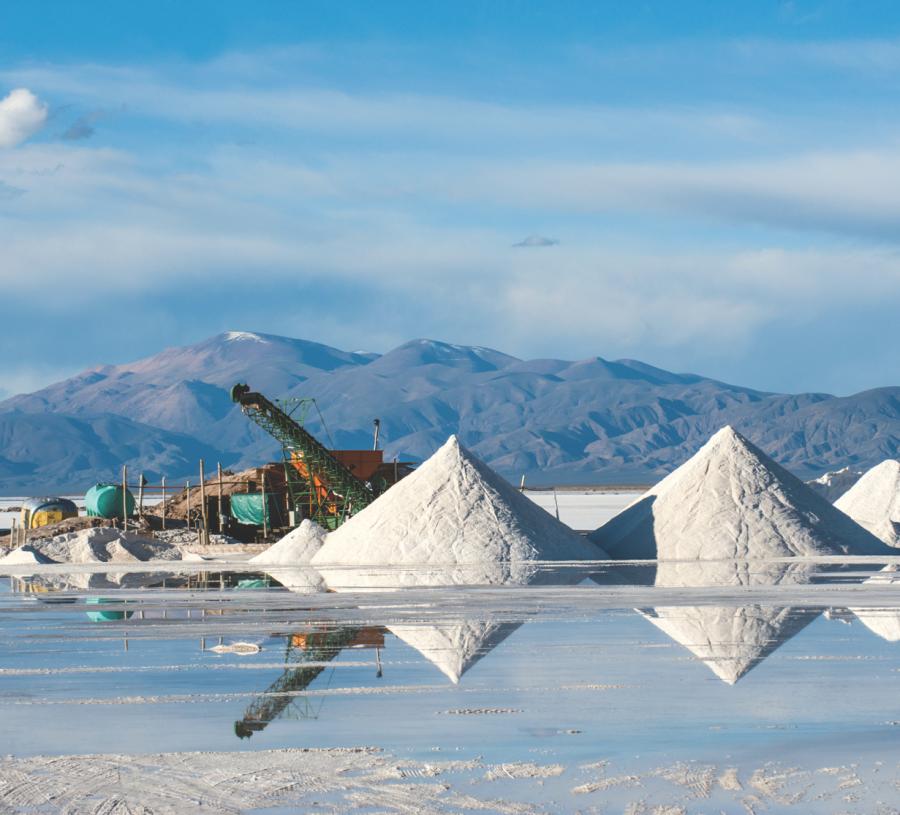
The amendment to the Glaciers Law directly impacts high-altitude Indigenous territories, water sources fundamental to community life, and spaces of spiritual, cultural, and ancestral value. In this context, proceeding without specific consultation not only weakens the law's legitimacy but also compromises the State's international responsibility. In territories like Salinas Grandes and the Andean Puna basin, this omission takes on a concrete dimension. We are not discussing a normative abstraction: we are legislating on living, inhabited territories with their own history, spirituality, and systems of relationship with water and the mountains.
Therefore, the discussion on reforming the Glaciers Law cannot be limited to legislative technique or the promotion of investment. It must also be measured in light of the right of communities to decide matters that affect their territory, culture, and future. A fundamental legal question: which law applies to ongoing projects? Rather than simply identifying which projects might benefit from the reform, the central point is to recognize the legal uncertainty this amendment introduces regarding projects already underway, in process, or with partial authorizations under the previous regime. The fundamental question is as simple as it is crucial: should the new law apply to projects that began their processing, evaluation, or execution under the previous regime, or should the regulatory framework in force at the time of their initiation be respected?
This question is not insignificant. In environmental matters, the general principle indicates that public policy regulations can be applied immediately. However, this does not automatically authorize altering established legal situations or reducing previously existing protection standards, especially when collective assets such as water and strategic ecosystems are at stake.
In this case, moreover, the discussion is not limited to a temporal or procedural issue. The reform raises a potential tension with the structural principles of Argentine and international environmental law: the precautionary principle, the principle of progressive development and non-regression, and the duty to guarantee effective participation in decisions that may affect the environment and territories. Therefore, the real problem is not only which mining projects might be affected by the relaxation of regulations, but also what institutional message a regulatory change sends, altering the rules for protecting strategic ecosystems in contexts where territorial conflicts, ongoing environmental assessments, and compromised collective rights already exist.
Far from providing greater legal certainty, the reform opens the door to increased litigation and uncertainty. The potential application of the new regulations to pre-existing projects will surely be one of the main points of administrative and judicial dispute in the coming months. In this sense, the discussion now beginning goes beyond the case of a specific project: it challenges the very scope of the rule of law in Argentina and the validity of the principle that the protection of water and common resources cannot be rolled back.
Ultimately, the discussion on the temporal application of this reform demands a clear, predictable, and consistent legal criterion. Conversely, if the regulation were to tighten environmental restrictions or introduce greater requirements for mining activity, it would be difficult to argue without debate that it could be automatically applied to projects already underway, with permits pending, or with committed investments. In that case, the sector itself would rightly invoke the principles of legal certainty, legitimate expectation, and regulatory predictability. Precisely for this reason, the analysis cannot vary depending on the economic interests at stake or whether the regulatory change expands or restricts exploitation margins. The fundamental discussion requires clearly defining the cutoff point for application.
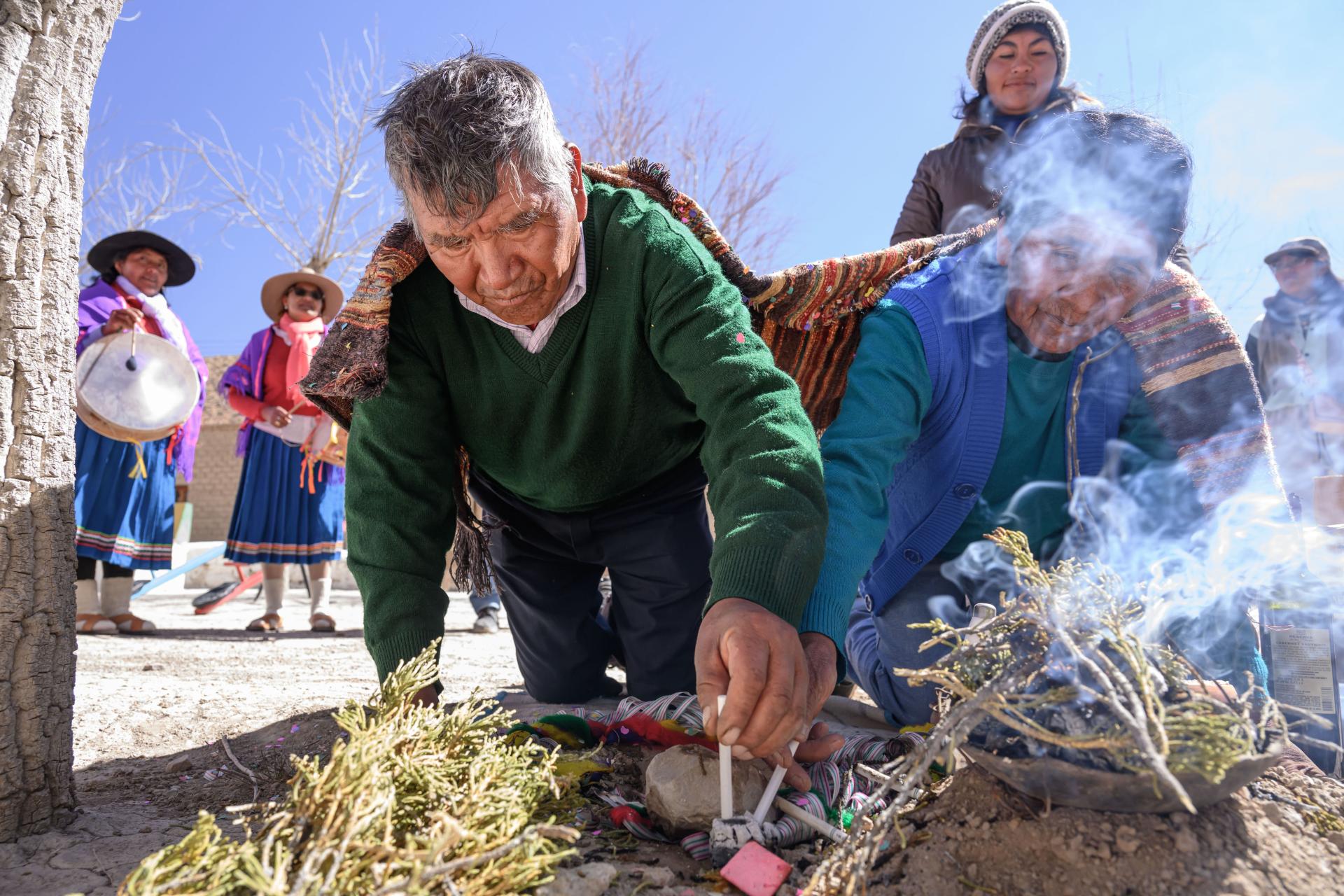
Photo by Martin Katz.
Impacts on Indigenous Territories: Mining Concessions, Communities, and Glaciers in Salinas Grandes
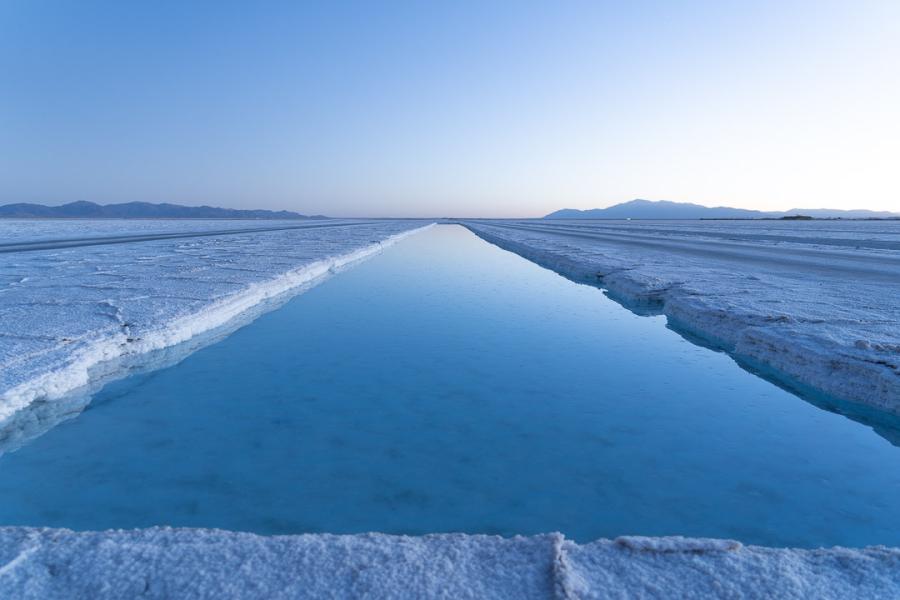
The debate surrounding the reform of the Glacier Law plays out directly within the territories themselves—the very places where water use, the continuity of high-mountain ecosystems, and the living conditions of Indigenous communities are determined. In this regard, the Salinas Grandes and Laguna de Guayatayoc basin, located in the Puna region of Jujuy, stands as an emblematic case.
The regional map clearly illustrates the spatial overlap between mining concessions—including applications and exploration permits at various stages—and the territories inhabited by Indigenous communities within the Salinas Grandes–Guayatayoc basin.
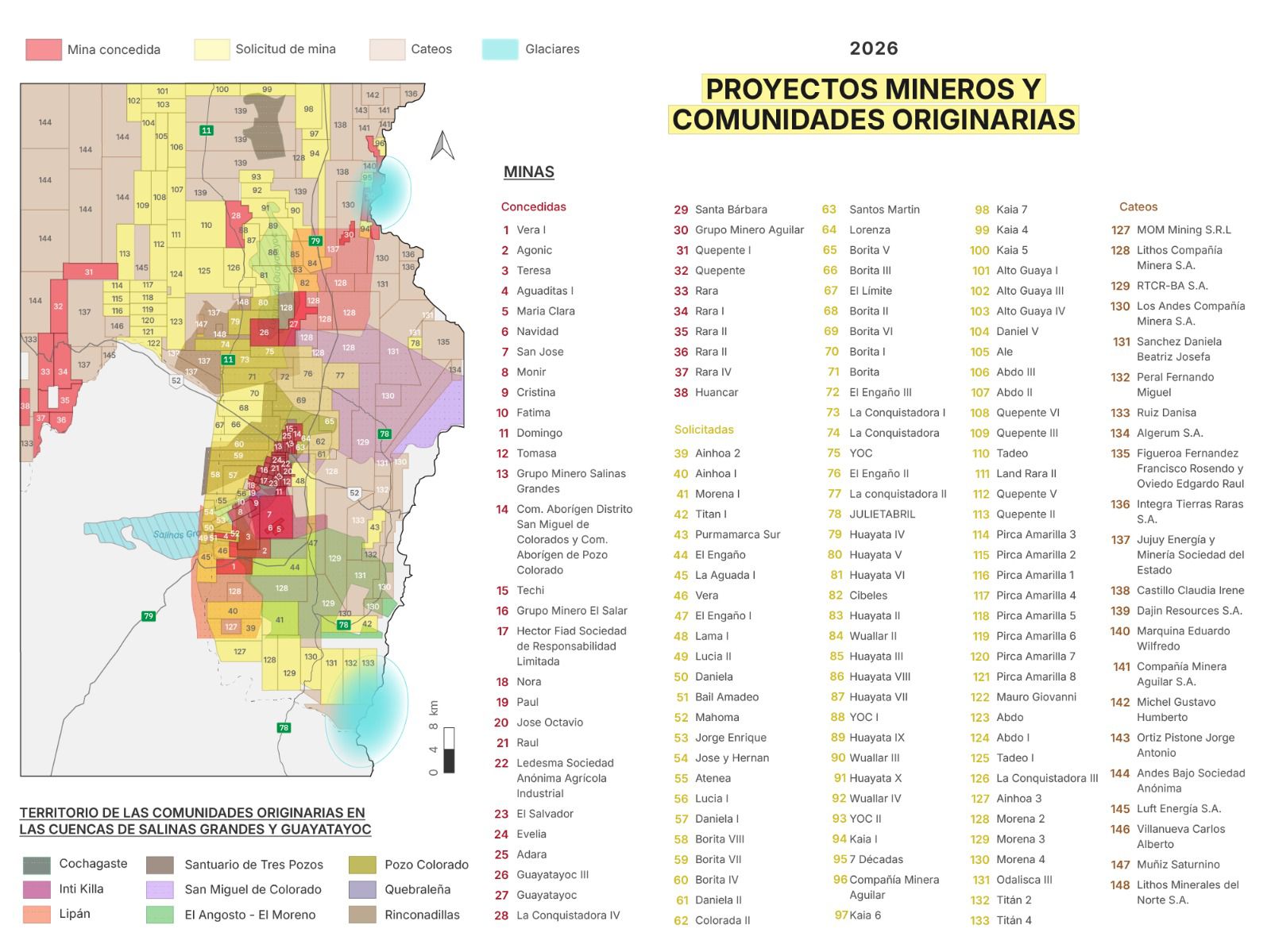
This map integrates data from the National Glacier Inventory (compiled by IANIGLA) with the mining cadastre of Jujuy province, and it also highlights the presence of rock glaciers and periglacial landforms in the region—features that are crucial for water regulation in the Puna. This survey reveals a situation of structural territorial overlap involving mining projects, glaciers, sensitive water basins, and Indigenous territories characterized by ancestral use and occupation. Both the expansion of lithium-related mining activities and the proposed reform of the Glacier Law have been advanced without undergoing processes of free, prior, and informed consultation with the affected Indigenous communities—a failure that directly impacts their living conditions and their holistic relationship with the land.
This situation constitutes a violation of Article 75, Paragraph 17 of the National Constitution; ILO Convention 169 (Law 24.071); the United Nations Declaration on the Rights of Indigenous Peoples (UNDRIP); the Escazú Agreement (Law 27.566); and the General Environmental Law (Law 25.675)—insofar as these instruments establish clear obligations regarding public participation, territorial protection, and access to environmental information. In this context, territory cannot be understood as a space available for extractive expansion, but rather as a living system where collective rights, essential ecosystem functions, and forms of community organization converge—all of which are protected by the current legal framework, the effective application and enforcement of which are mandatory for the State.
Defending the Law Still Means Defending the Territories
The reform of the Glacier Law not only reopens a fundamental environmental debate; it also once again exposes a structural problem within Argentine public policy: the lack of predictability and of basic consensus regarding the protection of strategic common resources.
The debate over which law applies to ongoing projects—what effects this reform has on permits already granted or procedures currently underway, and where the cutoff point lies in defining its scope—demonstrates that this is not merely an environmental dispute; legal certainty is also at stake.
In just sixteen years, Argentina has gone from enacting a law for glacier protection to attempting to relax it, to defending it in court against challenges, and now to reforming it once again by lowering its protective standards. Such regulatory instability serves neither environmental protection nor the predictability required for long-term investments.
Legal certainty cannot be invoked selectively—only when the objective is to safeguard economic interests. It also demands clear rules, legitimate procedures, respect for prevailing environmental principles, and institutional predictability in the management of essential resources such as water. No one disputes the need for development, investment, or productive activity. The true debate centers on the conditions under which these take place, the limits that must be observed, and the guarantees provided to the communities and ecosystems that sustain life.
Reforms pushed through without sufficient participatory processes, consultation with indigenous peoples, or broad social consensus do not strengthen the investment climate; on the contrary, they generate increased litigation, territorial conflict, and regulatory uncertainty. Therefore, defending the protection of glaciers is not tantamount to opposing development. Rather, it means demanding clear rules, legitimate institutions, and a national model that does not compromise its water sources or the rights of present and future generations. Protecting water is not an obstacle to development; it is the minimum prerequisite for any development to be possible at all.
Top photo by sandeepachetan.com.