By CS Staff
The rights of Indigenous Peoples to their lands, territories, and natural resources constitute the material and spiritual basis of their self-determination, cultural identity, food systems, political organization, and intergenerational continuity.
In Latin America, Indigenous Peoples' territories remain a central point of contention within the framework of extractive development models, infrastructure expansion, and environmental conservation policies. Although significant constitutional and legal reforms recognizing collective rights have occurred in recent decades, the reality in Indigenous territories demonstrates that the effective protection of these territories remains a major challenge to human rights in the region.
Faced with this reality in these territories, Cultural Survival felt it necessary to contribute to the call of the UN Special Rapporteur on the Rights of Indigenous Peoples on “Demarcation, Registration, and Titling of Lands, Territories, and Resources of Indigenous Peoples,” with the aim of informing the thematic report that will be prepared and presented on the demarcation, registration, and titling of Indigenous Peoples' lands, territories, and resources. This report, submitted in February 2026, consists of legal analysis, information directly from Indigenous territories, and experiences documented in Latin America, focusing on specific situations in Argentina, Brazil, Panama, and Paraguay.
The cases analyzed in Argentina, Brazil, Panama, and Paraguay reflect common challenges in the region. Although these countries have constitutional and legal frameworks that recognize Indigenous territorial rights, in practice, the processes of delimitation, demarcation, registration, and titling remain slow, incomplete, or subject to political and economic pressures. This situation has led to the overlapping of Indigenous territories with extractive, energy, or infrastructure projects, as well as with protected areas established without adequate participatory processes. As a result, many communities face persistent legal insecurity, territorial conflict, and restrictions on the traditional use of their lands.
Based on these experiences, Cultural Survival emphasizes the need for States to guarantee timely, participatory, and culturally appropriate processes for the demarcation and titling of Indigenous territories, as well as the effective application of free, prior, and informed consent before approving any decision that may affect these territories. It is also crucial to recognize and strengthen Indigenous Peoples' own territorial governance systems and the value of their knowledge and practices for managing their land, which have proven essential for protecting biodiversity, environmental sustainability, and the continuity of Indigenous Peoples and their ways of life.
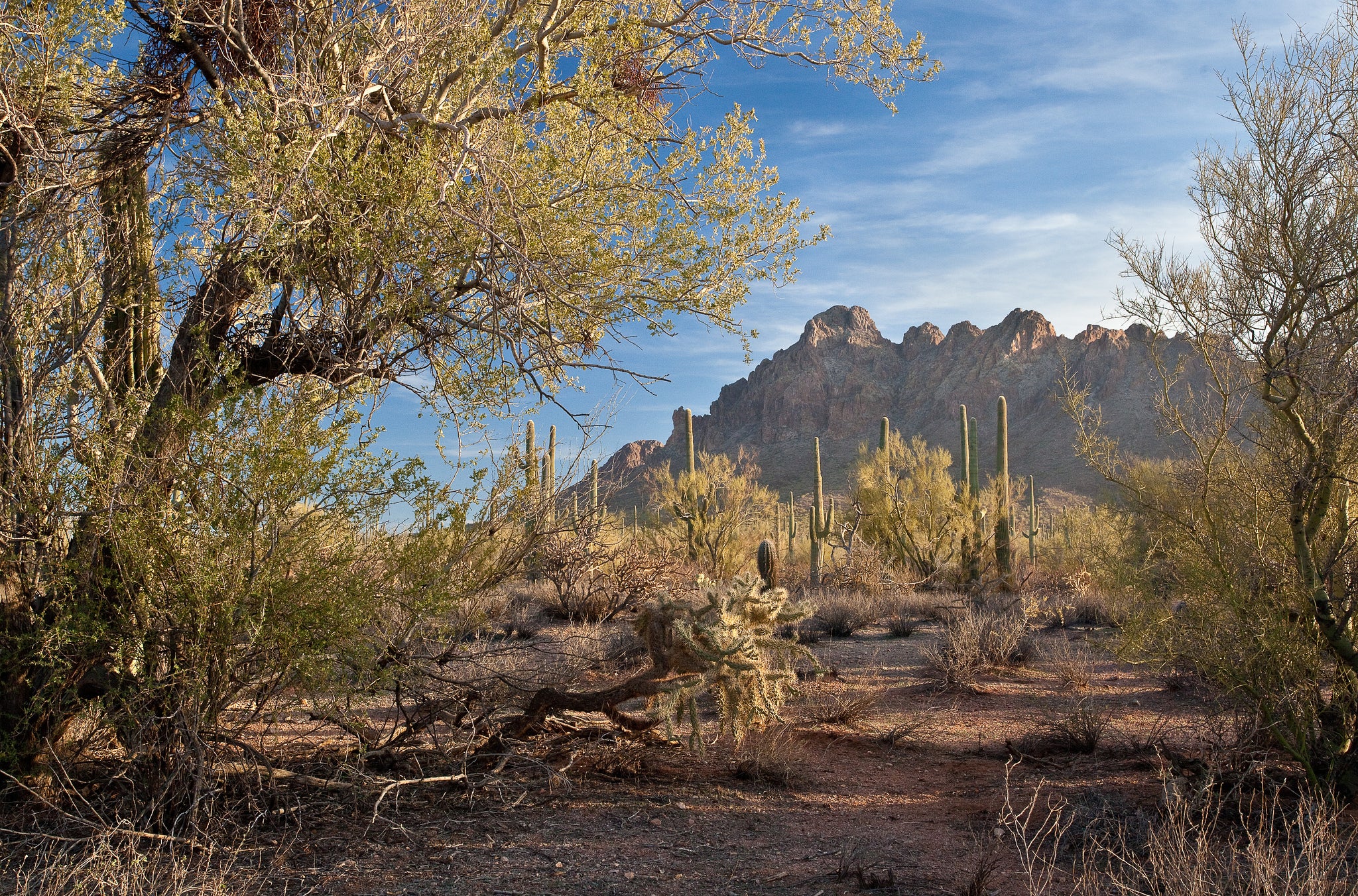
Photo by Bureau of Land Management.