Childhood Memories and Youth
My parents, like many Indigenous parents, migrated to the city seeking better education for their children. Living in a space that wasn’t mine meant facing racism, exclusion, and a constant feeling of not fully belonging. My father’s love for our people and the support of my mother and aunts kept me connected to my roots. There was never a complete break with my Peoples.
About My Community
I belong to the Guna Peoples from northeast Panama, a Peoples with a deep spiritual connection to our territory, made up of islands, mangroves, rivers, and mountains. Our lives revolve around the sea, community, and nature. We are a people of history and resistance. In February, we commemorate the 1925 Guna Revolution, when we defended our identity, culture, and territory against externalized forces.
Fighting for Indigenous Peoples’ Rights
Seeing firsthand the inequalities and needs in our communities motivated me to do this work. I felt reflected in Indigenous Peoples’ issues because I lived those experiences. I also saw how important decisions about our territories and lives are made without consultation. I understood then that it is necessary to participate in processes so our voices are clearly heard and our dignity and identity is seen in spaces where decisions are made.
Connection to Land
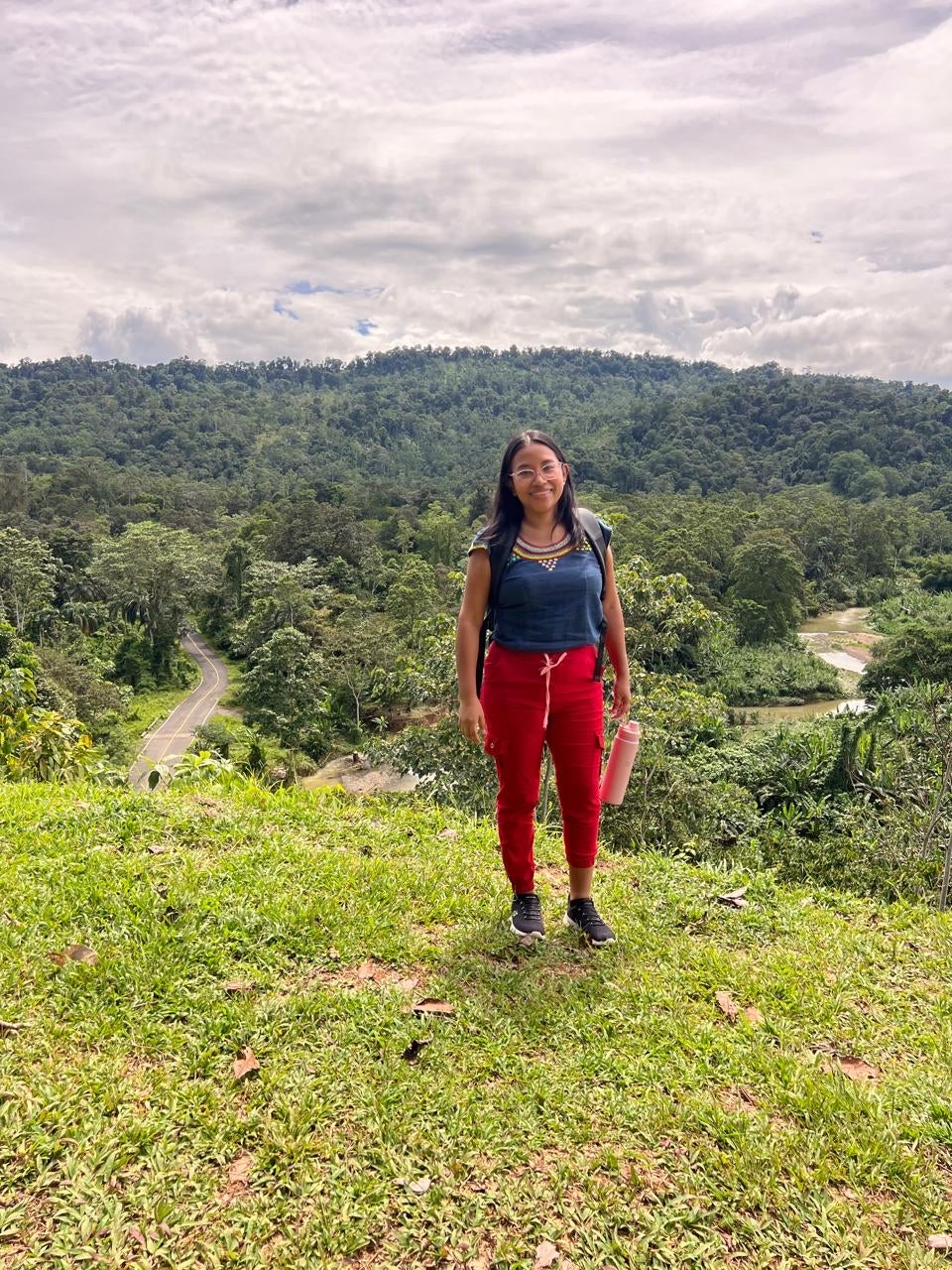
As a Guna woman, my connection to the territory is a natural part of who I am. Land is not a resource, but life: Nabguana (Mother Earth) and Muu billi (Grandmother sea). This guides my community work. When I arrive in an Indigenous community, I feel their struggles as my own, born from the same love for the land. Although each person has their own way of living, we share a common root. My work is based on respect, listening, and coherence, walking with humility and recognizing a Peoples’ spirituality, history, and decisions.
Working on Environmental Issues
I have participated in processes that strengthen community life, territory, and biodiversity, such as the marine coastal project of the Indigenous Women’s Network on Biodiversity, which is based on Indigenous knowledge and the vision of the sea as a source of life. Together with fishermen and communities, we promoted the care of reefs and mangroves, generating positive social and economic impacts like a women-led community restaurant and educational spaces for youth. Our work demonstrates that conservation strengthens identity, autonomy, and the transmission of knowledge across generations.
Ancestral Knowledge and Climate Change
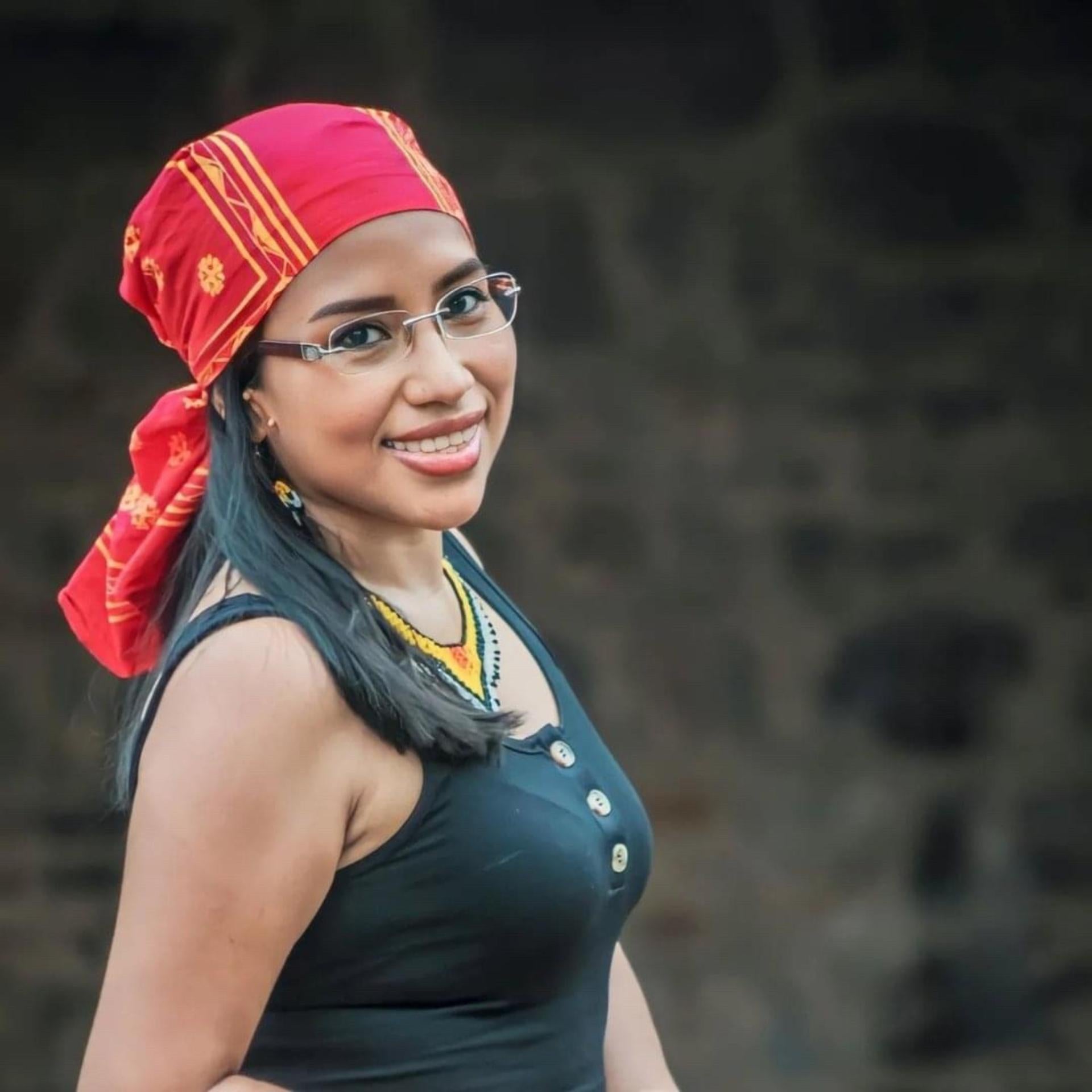
Indigenous Traditional Knowledge, especially that of women, is key to caring for life and facing climate change. It is present in songs, medicines, and daily practices, teaching us to live in balance with Mother Earth. Although much of the planet’s biodiversity is in Indigenous territories, there is still a lack of recognition of the value of the knowledge that protects it. Keeping this knowledge alive and connecting Indigenous Peoples with new tools is essential to respond to climate change, always with respect and recognizing the central role of women in protecting land and life.
Vision for Work at Cultural Survival
I want to strengthen support for Indigenous communities with accessible information on rights, safe spaces for their voices, and trust-based relationships with leadership, women, and youth. I would love to expand my support for Panama and the region and to advocate for international political action to strengthen collective strategies. I prioritize coherence, respect, autonomy, and collective defense of Indigenous rights.
Message for Indigenous Youth and Women
To the new generations of Indigenous Peoples, I say that territory defense begins in what we are: in our knowledge, memories, and communities. Empower yourselves with your ancestral knowledge, listen to the Elders, dialogue with youth, and unite the traditional with current tools. Technology and academia can be allies if they stem from your identity, but don’t forget your origin. To Indigenous women, I want to remind you that your leadership is born from care and connection to life. Above all, don’t walk alone: true resistance is sustained by community and shared hope.
All photos courtesy of Ilenia May Perez.