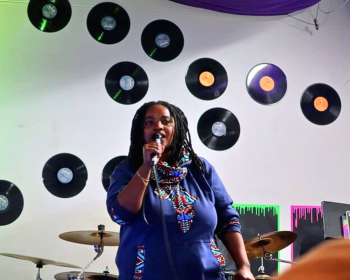

By Celia Nichim (Tsotsil)
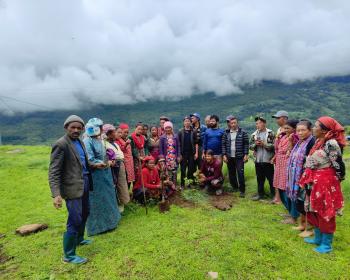
By Sandra Peláez (CS Intern)
By Sandra Peláez (CS Intern)
The Camentsa Shnan Wabuatmeng Indigenous Association is an organization composed of members of the Kamëntsá Peoples—primarily midwives, traditional healers (sobanderas), medicinal knowledge keepers, traditional doctors, and apprentices—both women and men. The Kamëntsá, who refer to themselves as Kamuentsa Ÿentsá, Kamëntšá Biÿá (Peoples of this place, with their own thought and language)—are an Indigenous Peoples living in the Sibundoy Valley, Colombia.
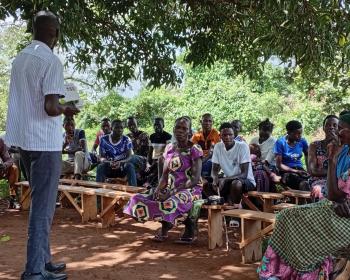
By Kuela Kiema (Dcui Bushman)
The Kalahari Bushmen are Indigenous to southern Africa, where they lived for time immemorial, depending on hunting various species of wild animals and gathering plant roots and fruits. Today, the San are found in southern African countries, including Angola, Botswana, Namibia, South Africa, Zambia, and Zimbabwe.
Keepers of the Earth Fund 2025 Call for Projects in Botswana, Namibia, and South Africa
Submission Deadline: August 22, 2025
By Verónica Aguilar (Mixtec, CS Staff)
On May 22, the International Day for Biological Diversity, Cultural Survival presents the practice of chaku, or vicuña wool harvesting, in the La Angostura area of Catamarca Province in Argentina. Chaku is an economic and cultural activity that promotes the conservation of nature on Indigenous lands.
By Xiting Tong (CS Intern)
“We who have the spiritual strength and relied on our land as a source of life are now selling our wealth and allowing them to be devastated in the name of progress…So what kind of progress is this?” asked the resident of the Jequitinhonha Valley, questioning the false promise of lithium mining corporations.

Land Acknowledgement
We acknowledge that we are headquartered on Massachusett land, in Cambridge, MA, and we thank the past, current, and future Indigenous stewards of this territory.