By Verónica Aguilar (Mixteca, CS Staff)
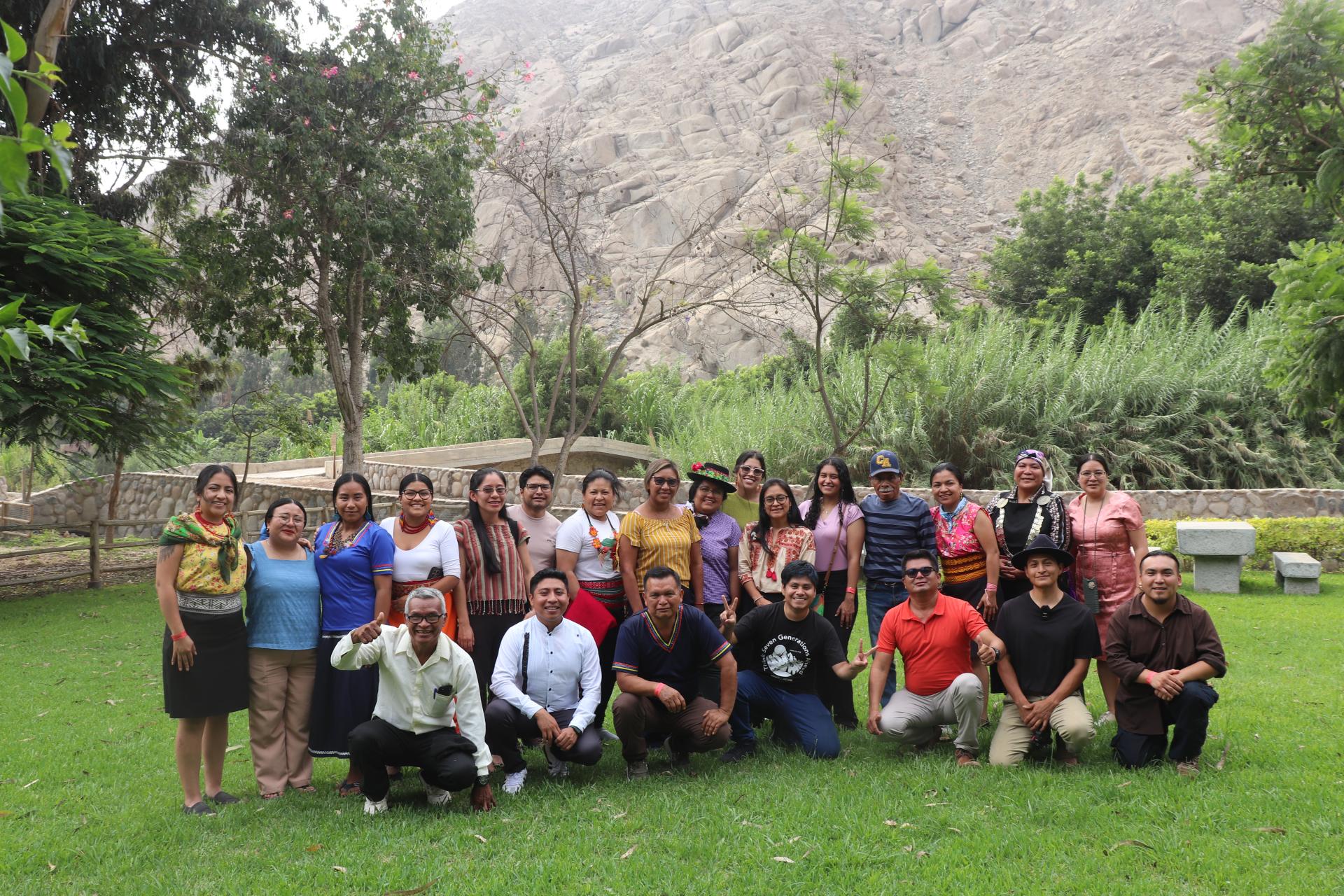
In keeping with its commitment to Indigenous Peoples in the defense and preservation of their knowledge, cultures, and worldviews, Cultural Survival employs various approaches to support Indigenous communities in strengthening their languages. Within this framework, the third Language Projects Gathering was held in Cieneguilla, Peru, from February 28 to March 2, 2026.
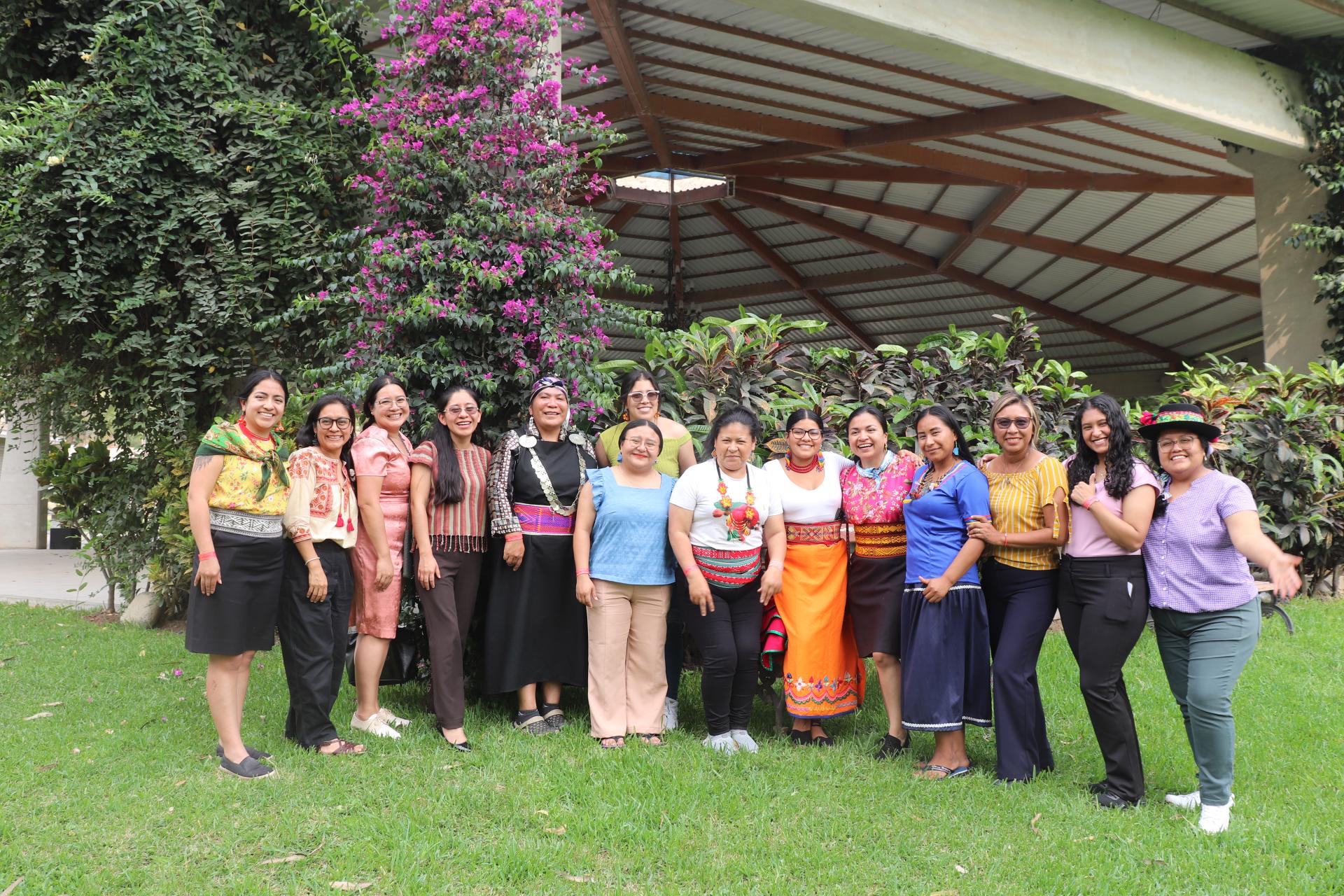
The gathering was attended by various partners from the Keepers of the Earth Fund program and young participants from the Cultural Survival's Youth Fellowship program—individuals with diverse backgrounds who share a common dedication to working on behalf of their languages. Their work focuses primarily on areas such as teaching languages as both first and second tongues, transmitting language within culturally relevant contexts, and creating materials in Indigenous languages—both for educational purposes and for the sheer enjoyment of the language—among other initiatives.
The following partners and youth participants took part:
-
Tuteayen Tse Süngun (Chile), Mapuzugun Tse Süngun language
-
Puriyninchik (Peru), Quechua language
-
Comité Cultural Ayoquezco (México), Disé language
-
Colectivo Ayents (Colombia), Kamëntšá language
-
Organización de Comunidades Kichwa de Loreto (OCKIL) (Ecuador), Kichwa language
-
Comité de Revitalización de la Lengua Originaria Omagua (Peru), Omagua language
-
Tajëëw Beatriz Díaz Robles, Colmix (Mexico), Ayuujk language
-
Santos Melchor Noh Pech (Mexico), Maya language
-
Ninari Chimba Santillán (Ecuador), Kichwa language
-
Adriana Vanessa Tisoy Tandioy (Colombia), Inga language
-
Catalina Vergara Realpe (Colombia), Nasa Yuwe language
-
Gloria Guadalupe Dzib Kumul (Mexico), Maya language
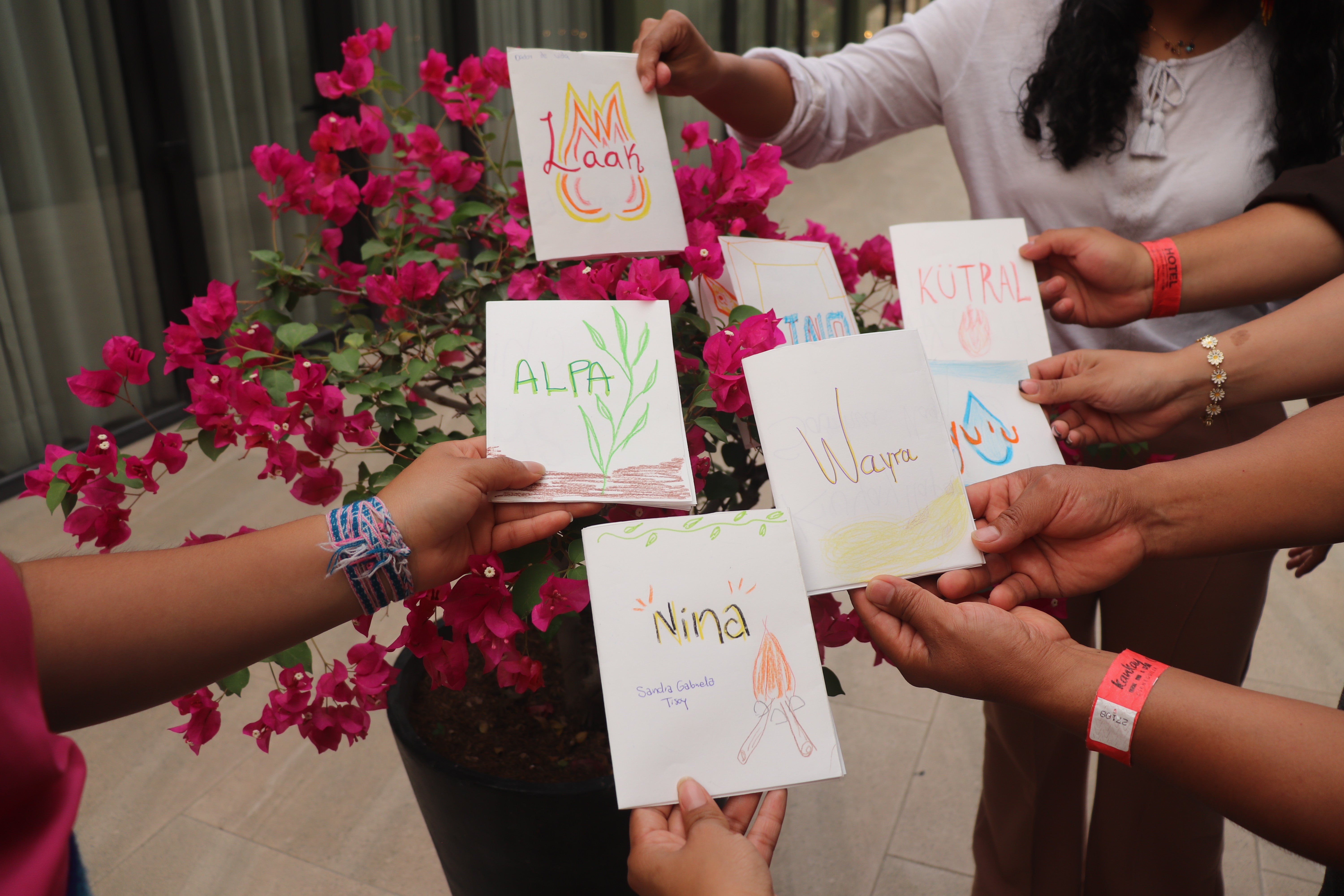
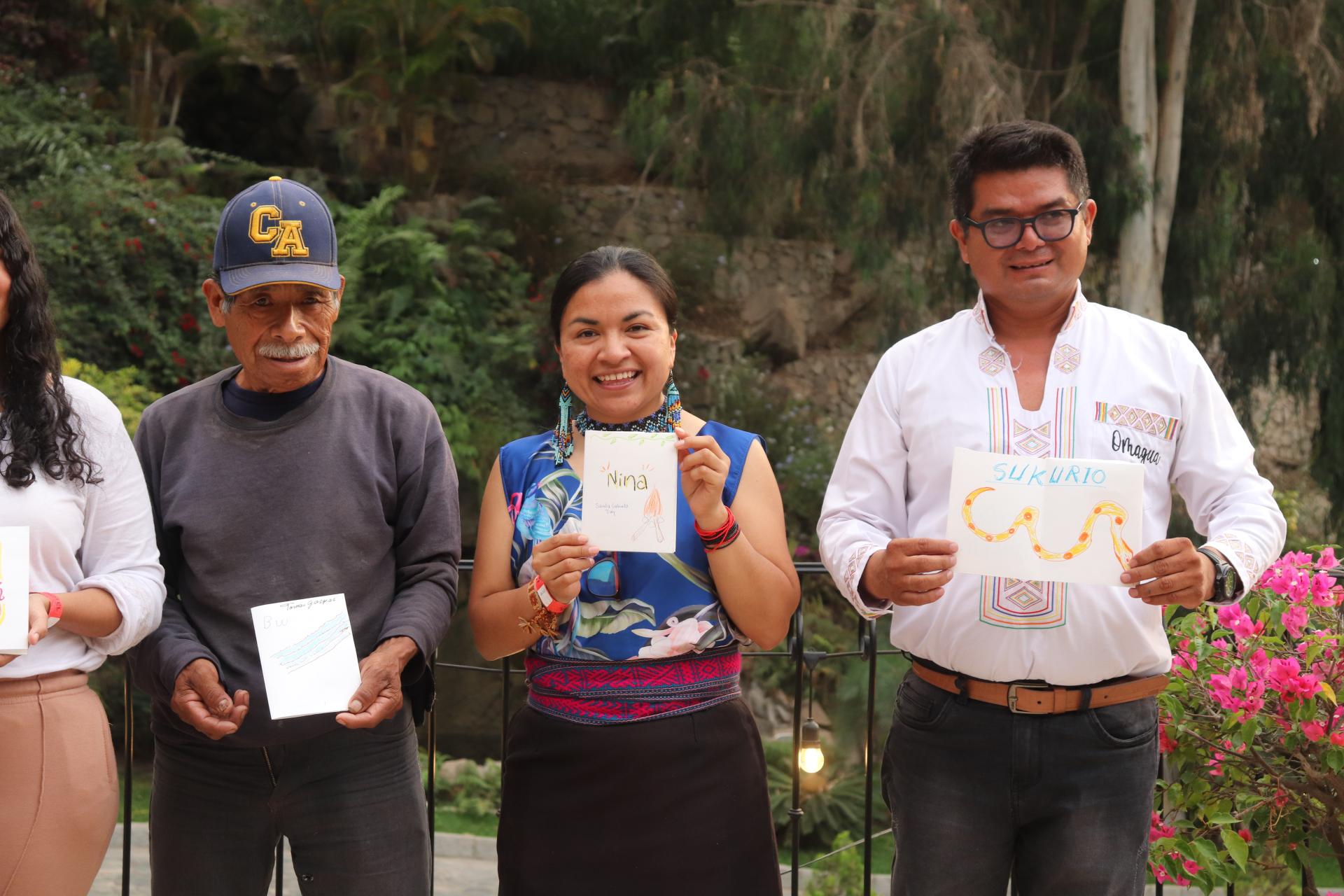
This gathering aims to build upon the two previous events organized by Cultural Survival: the 2021 virtual conference, Restoration and Protection of Our Native Languages and Landscapes and the 2023 Exchange and Convention of Grassroots Language Projects. For the 2026 gathering, the goal was to create a regional exchange space—centered on Latin America—with a practical focus; a significant portion of the time was dedicated to workshops, dialogues, and demonstrative presentations. Provisions were also made for spaces to facilitate the reuse or exchange of linguistic materials among projects, such as cartonero books.
A particular highlight was the presentation by educator Ninari Chimba Santillán, featuring her talk on the decolonization of Indigenous education, as well as the presentation by Tajëëw Díaz Robles regarding language planning and the coordination of various small-scale projects toward a common goal. There was also significant participation from Colectivo Ayents, the Comité Cultural Ayoquezco, and the Comité de Revitalización de la Lengua Originaria Omagua, who shared their strategies for teaching language in diverse settings—ranging from the classroom to other spaces for community gathering and interaction. The Organization of Kichwa Communities of Loreto (OCKIL) demonstrated how it uses Kichwa music to teach the language, while the Tuteayen Tse Süngun Collective explained how it conducts its language immersion retreats.
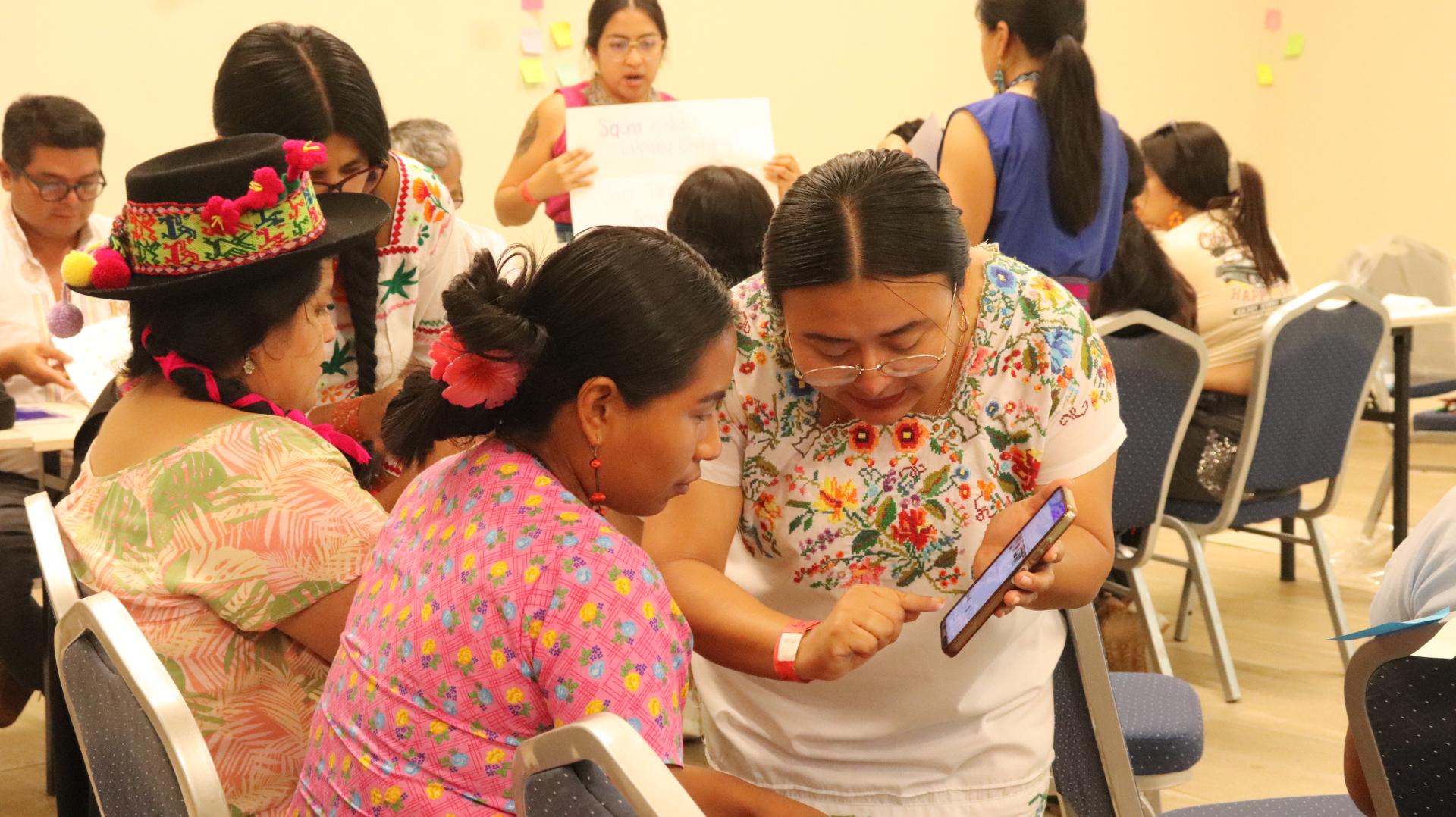
The workshops covered topics such as linguistic documentation, fundraising, image editing, the creation of digital and physical materials, and digital tools (such as Story Weaver). A particular highlight was the Puriyninchik workshop, which focused on crafting cardboard books and other common materials to foster self-publishing and community-based publishing, thereby enabling projects to expand their repertoire of materials in Indigenous languages.
During each activity, attendees presented and demonstrated the strategies, tools, and methodologies that guide their work within their territories, taking into account the specific needs of their language and people. In their evaluations of the gathering, participants expressed their intention to apply the tools they had learned—such as games, cardboard bookmaking, linguistic landscape mapping, and the Story Weaver platform—to their own projects.
At Cultural Survival, we remain committed to supporting Indigenous peoples in their struggle to maintain and continue using their languages across all spheres of community life. We continue working to provide further learning and funding opportunities to the teams that dedicate their lives to teaching and strengthening their languages—whether within educational and family settings, or in public spaces and through language policy initiatives.