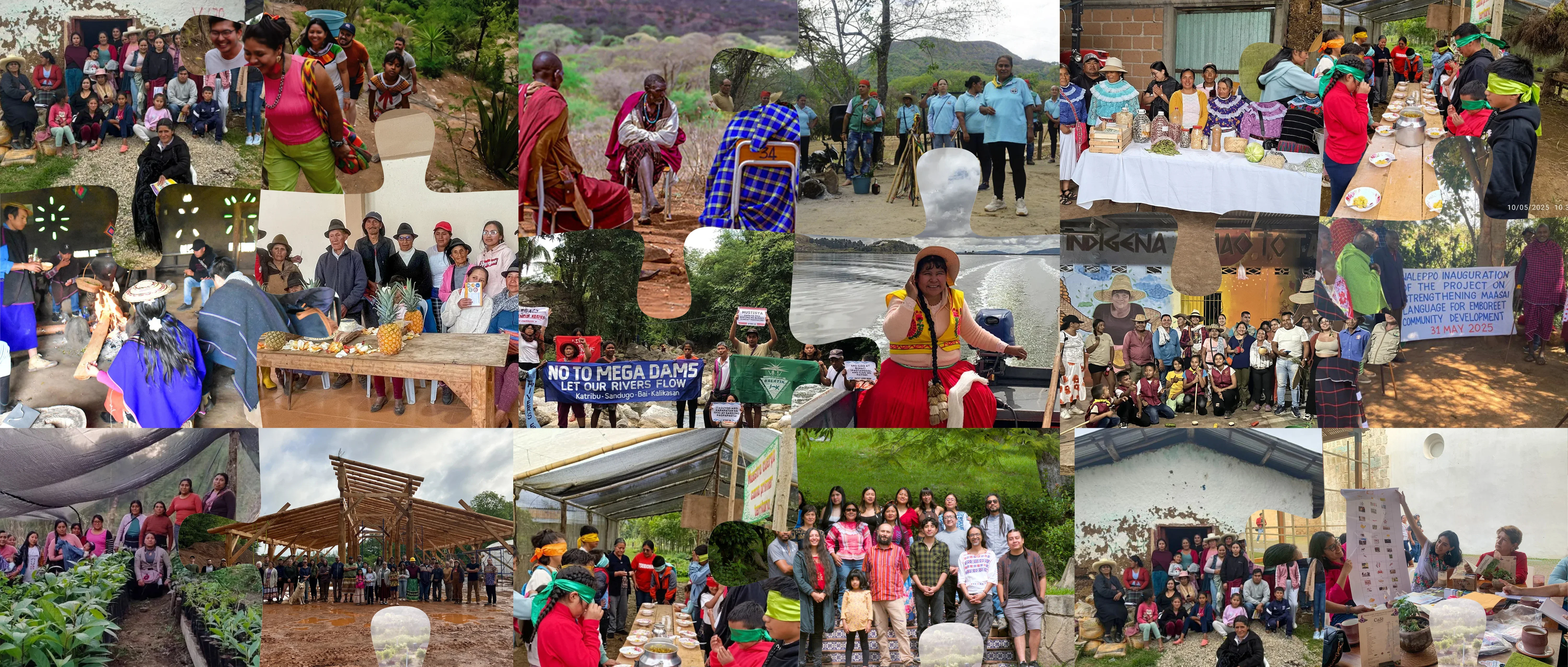
In 2026, the Keepers of the Earth Fund (KOEF) celebrates its 10th cycle of direct support for Indigenous Peoples through their communities, governments, collectives, and networks.
Keepers of the Earth Fund is a Cultural Survival fund led by Indigenous Peoples and designed to strengthen advocacy and community development projects by Indigenous Peoples worldwide. Since 2017, we have awarded 506 grants in 42 countries totaling $3,232,000. The grants go directly to Indigenous communities, collectives, organizations, and traditional governments to support projects designed by them and aligned with their Indigenous values. Cultural Survival uses a rights-based approach, drawing on the UN Declaration on the Rights of Indigenous Peoples, in its grant-making strategies to support Indigenous-led solutions.
2026 marked our 10th funding cycle, during which we awarded 60 grants totaling $564,000 to projects in Indigenous communities, collectives, and governments across 19 countries. Of these grants, 17 went directly to Indigenous traditional governments and 9 to women's organizations. Additionally, 6 grants were awarded to Indigenous rights defenders in Kichwa, Tseltal, and Inga communities facing threats to their safety and and destruction of their lands. The funds were used for transportation, food, medical care, and security measures.
The KOEF approach is holistic, and we strive to maintain long-term relationships with our partners. This year, we are supporting eight partners receiving grants for the third time, and 24 receiving grants for the second time, while also providing support through Cultural Survival's Advocacy, Communications, and Capacity Building programs.
Art and Artisanal Craftsmanship for Community Strengthening
The knowledge and artistry of Indigenous Peoples converge in music, textiles, and other techniques used to create art and objects. In these projects, communities organize to transmit the technical and artistic knowledge at the core of their identity while promoting and celebrating their culture. They also strengthen their economies by selling their products beyond their communities, always with a collective, respectful approach to the land.
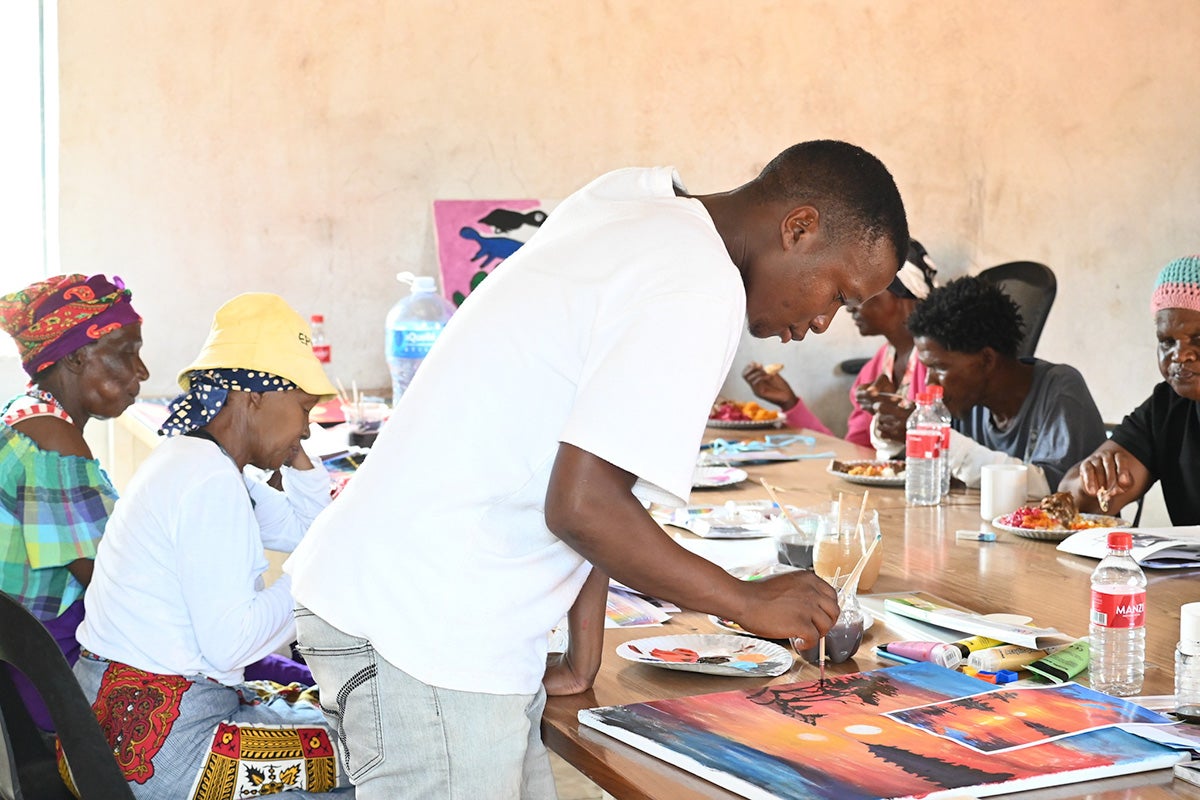
Southern African San Development Organization (SASDO)
!Xun, Khwe San, and !Khomani San Peoples • South Africa
SASDO's project will be implemented in the communities of Platfontein and the Kalahari region.
The goal is to empower San communities through cultural preservation and sustainable livelihoods by supporting local artists, promoting Indigenous knowledge, strengthening cultural identity, and creating economic opportunities through arts, crafts, and cultural tourism.
The project will directly benefit approximately 60 people from Indigenous communities, while also contributing to the protection of Indigenous languages, traditions, and community well being.
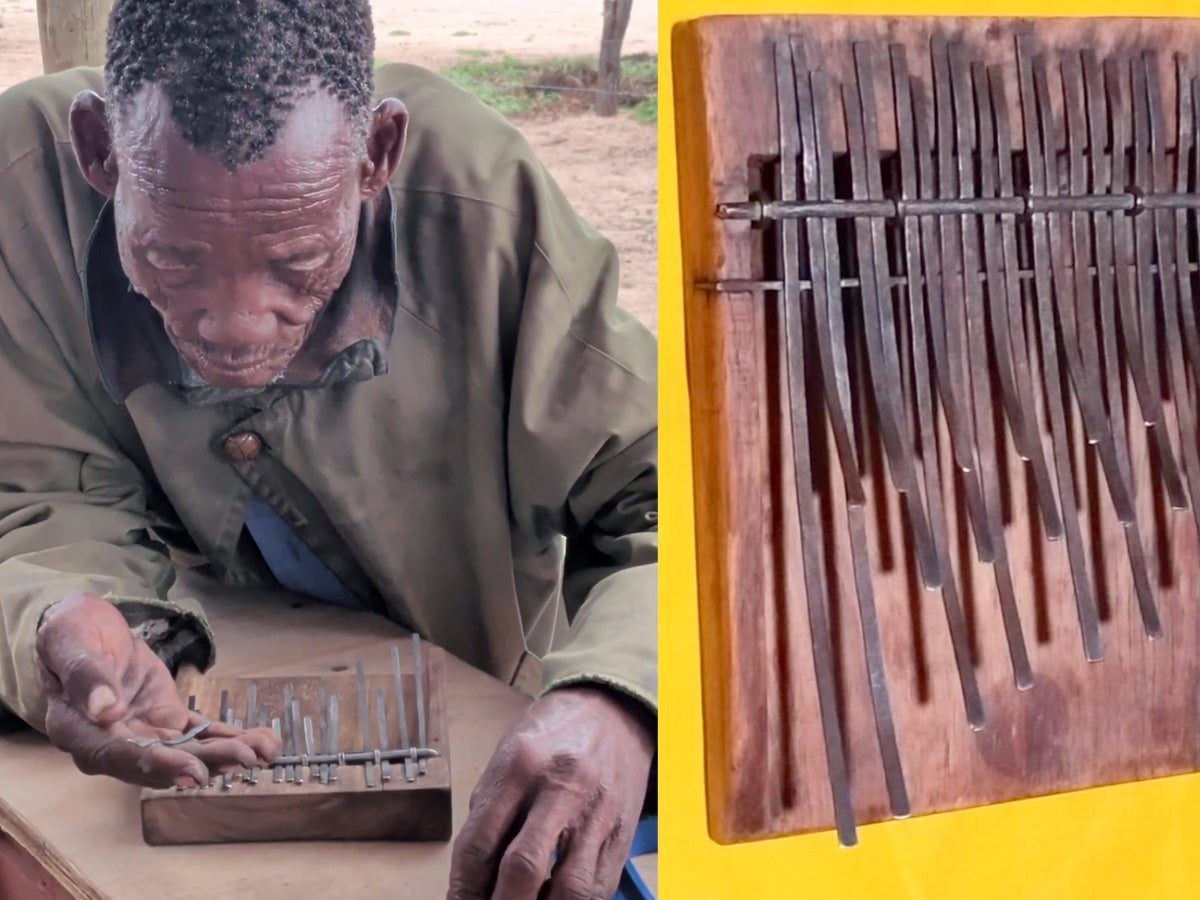
Saikota Self Development Trust
San • Botswana
The Saikota Self Development Trust is a community-based, San-led organization in Botswana.
The project's main goal is to preserve and revitalize the San Peoples’ musical heritage while creating sustainable income opportunities through the production of traditional music instruments called deengu.
The project will also include documentation of San music and youth trainings. It will directly benefit more than 20 community members by promoting cultural preservation and providing educational and income opportunities for youth through the sale of instruments, paid workshops, deengu lessons, and the sharing of San musical knowledge.
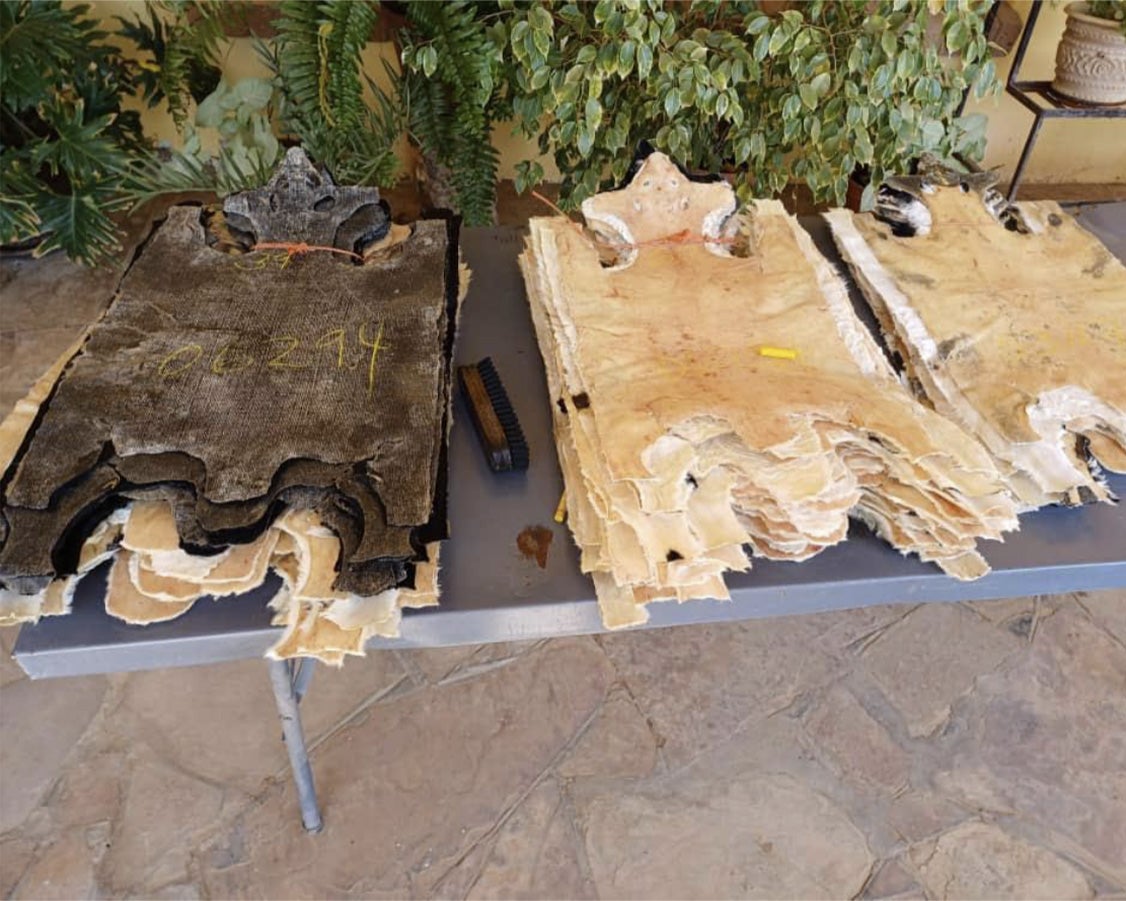
Swartwater Cooperative
Nama • Namibia
This community project is led by the Nama People of the Swartwater community in Namibia, home to around 300 people whose livelihoods primarily depend on farming karakul sheep.
The project focuses on strengthening local organization by establishing a cooperative, creating a workshop for pelt processing and handicraft work, installing a solar-powered well to secure water access, and documenting Indigenous knowledge in karakul breeding, lamb selection, and pelt preparation to safeguard practices for future generations.
The project will sustainably boost the karakul-based economy by valuing Elders’ knowledge and creating income opportunities through the sale of hides and crafts. The initiative aims to improve the quality of life, reinforce cultural identity, and support a more sustainable future for the community, especially the youth.
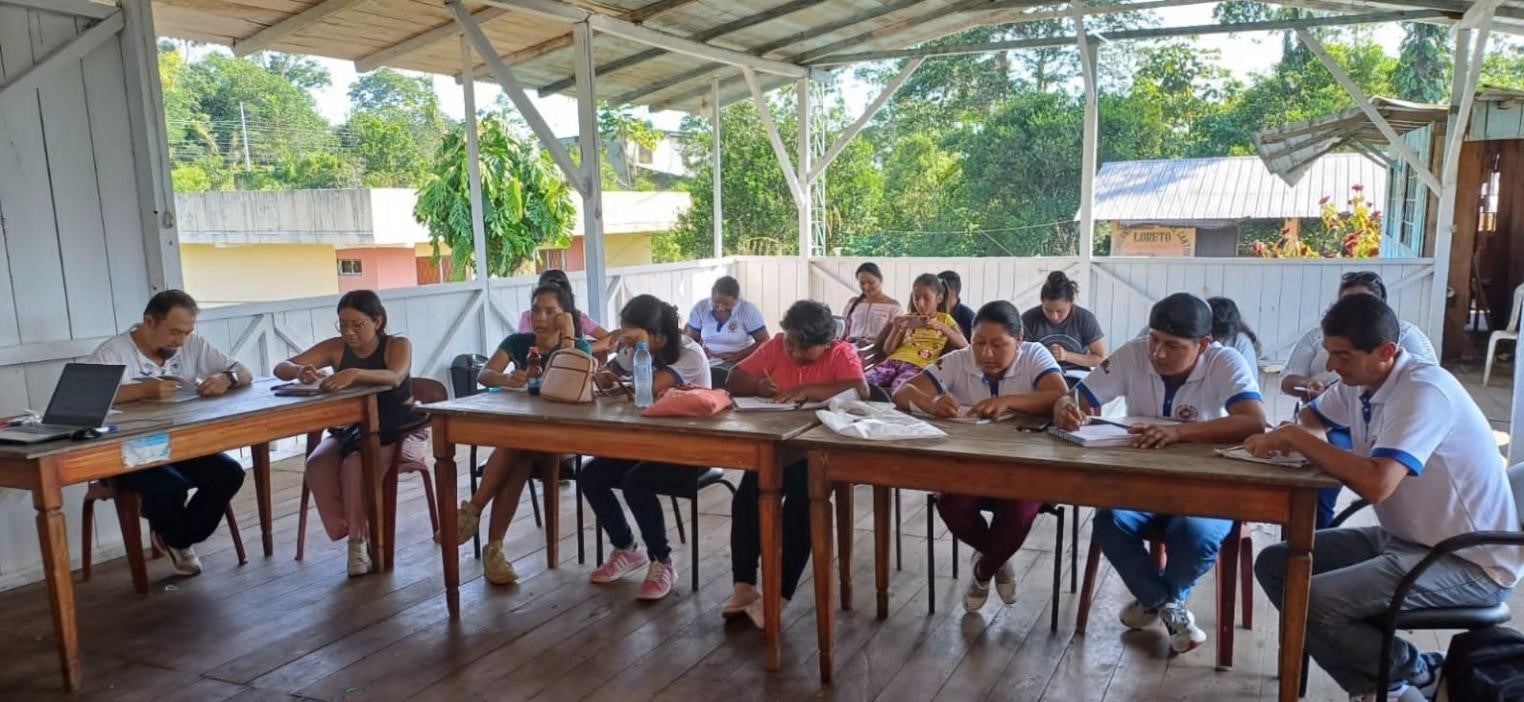
Kichwa Communities Organization of Loreto (OCKIL)
Kichwa • Ecuador
OCKIL aims to revive the traditional music and clothing of the Kichwa People in Loreto, providing basic instruments and clothing from the Amazonian Kichwa culture to musical groups and community leaders.
It also seeks to strengthen their native language through music education.
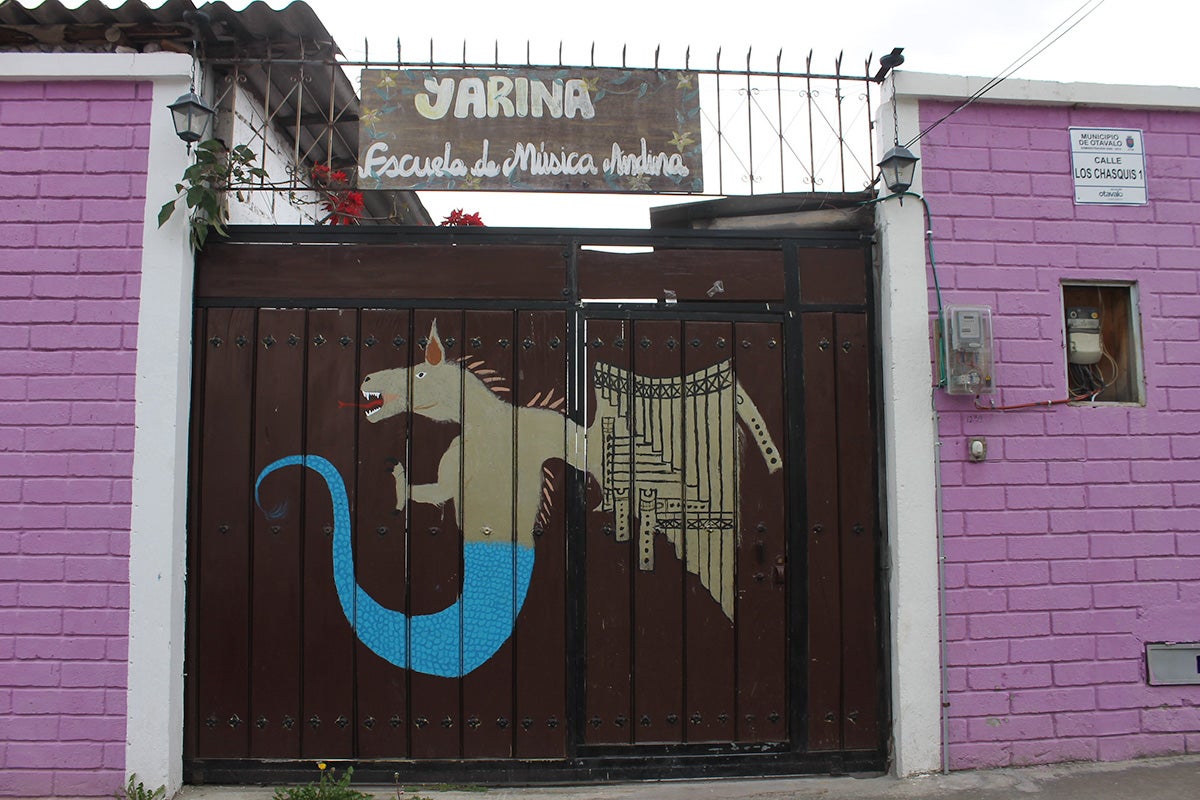
Yarina School of Music
Kichwa • Ecuador
The project aims to reduce inequality, discrimination, and inequities faced by Kichwa girls and young women in the province of Imbabura with an emphasis on access and retention in education and musical artistic practice.
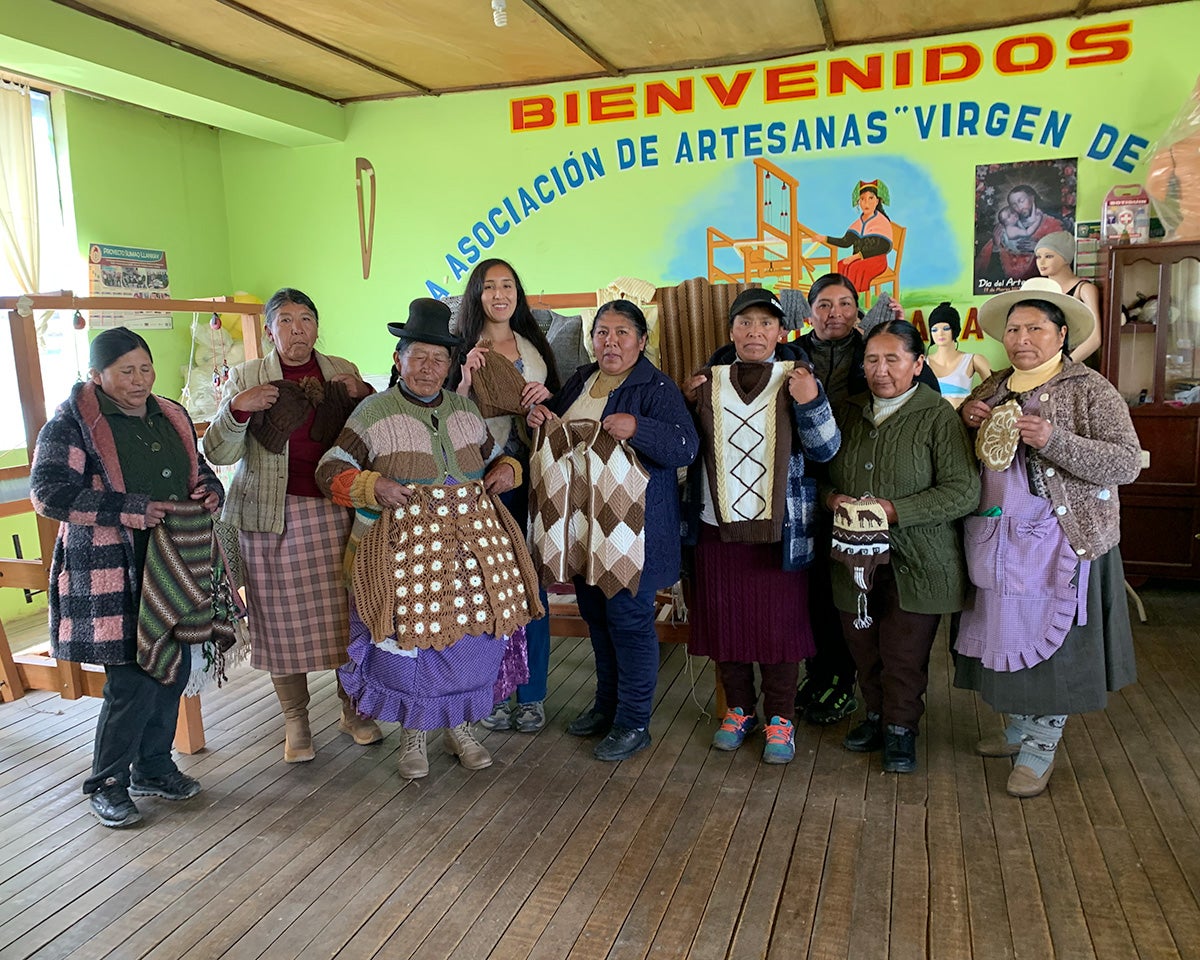
Artisan Women Association of Ccapac Hancco Ayaviri
Quechua • Perú
Women from the Ccapac Hancco community in Puno established this association in 2009 out of concern that their ancestral weaving practices, knowledge, and designs may disappear.
They focus on the retrieval and revaluing of ancestral Quechua craft and weaving through spinning, dying, machinery, and selling.
Their project will impact the economic independence of the artisans while strengthening the autonomy and culture of this Quechua campesino community.
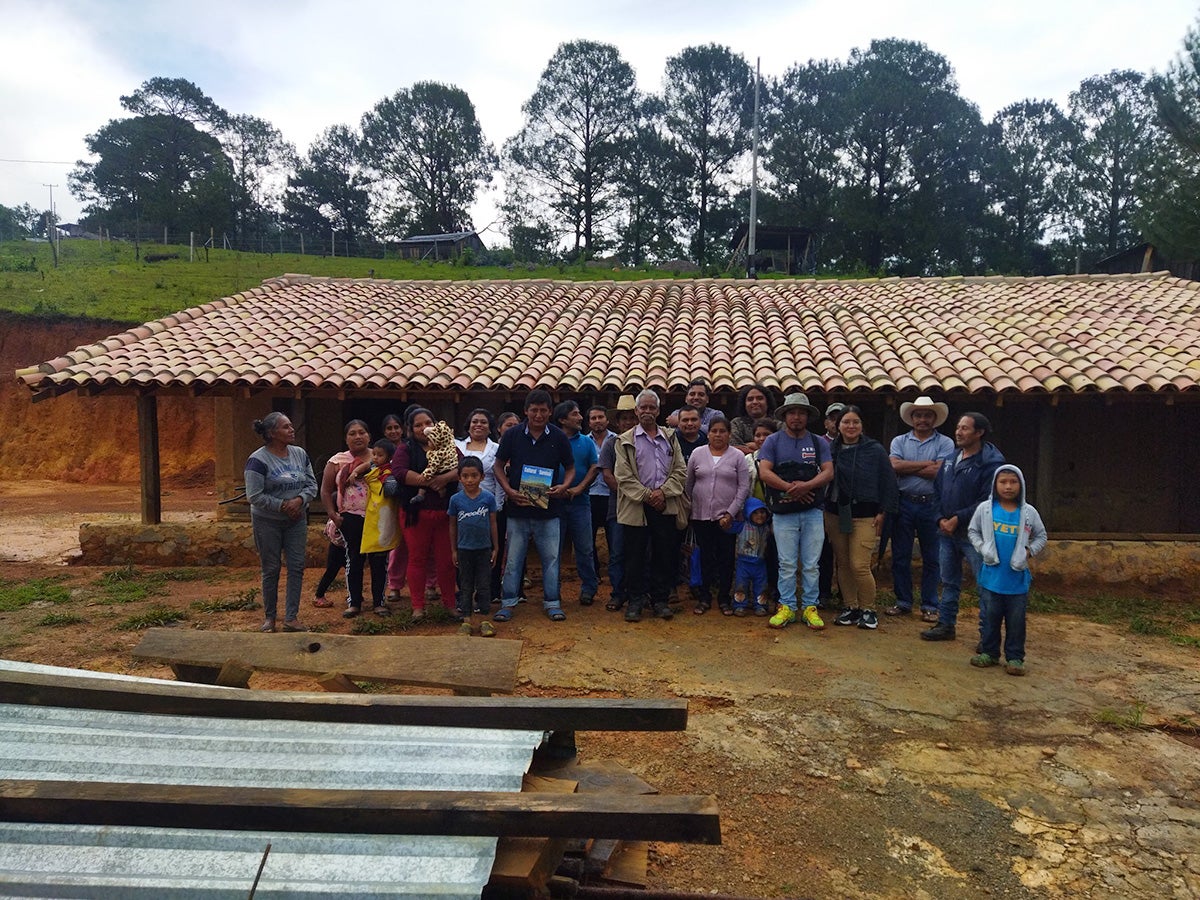
Llano de Heno community in Malinaltepec
Mèꞌphàà • México
This Mè’phàà community in the state of Guerrero looks forward to reviving the Dance of the 12 Pairs for their patron saint festivities and rituals as a way of bonding with other communities.
This project focuses on increasing the youth’s interest in the community’s spirituality, festivities, and agricultural cycle.
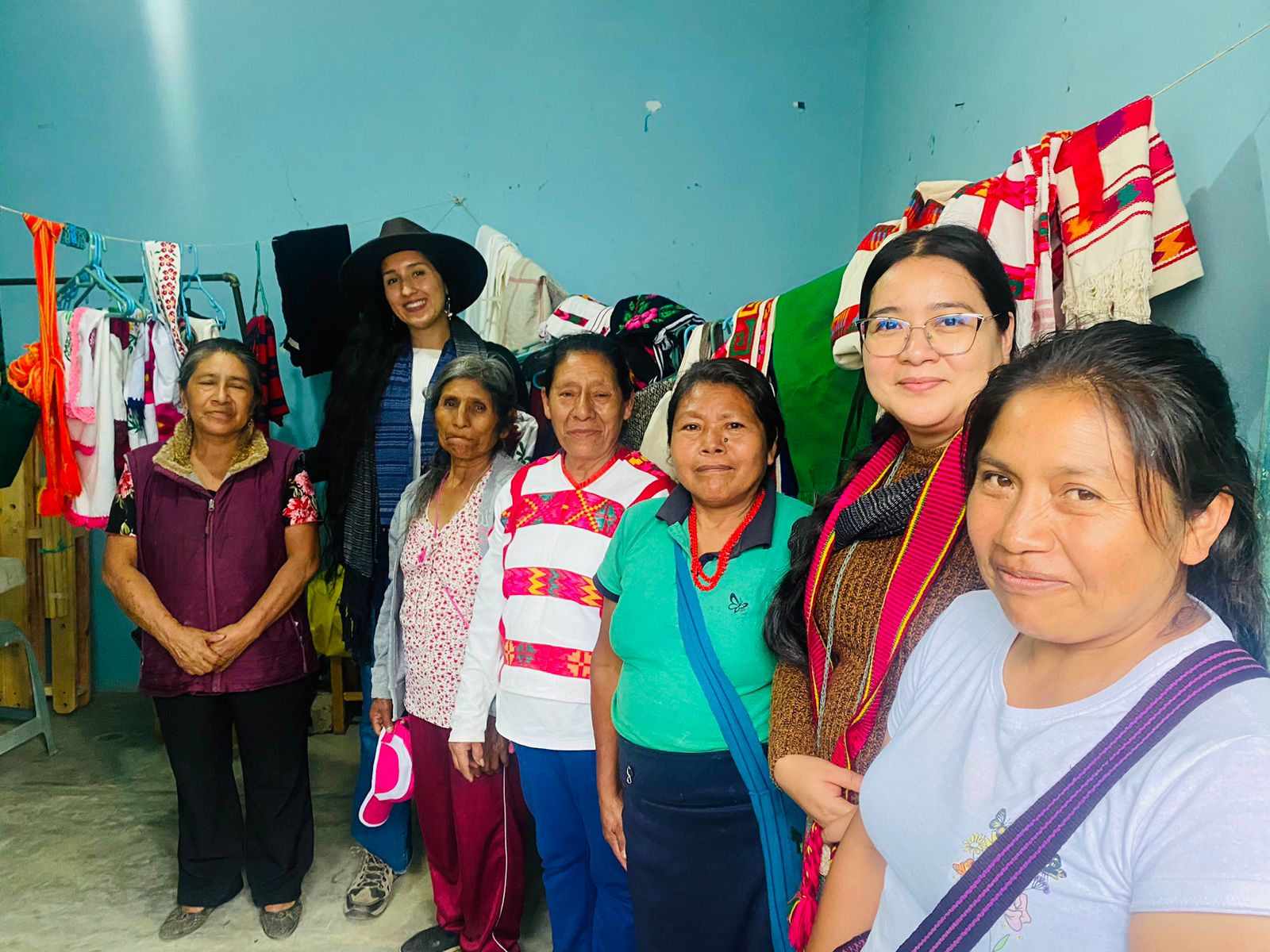
Ra ñivi kunu isa ñuu nuu yoo
Mixtec • Mexico
This women's collective, composed of artisans from Santiago Nuyoo in Ñuu Savi, seeks to strengthen and pass down knowledge of the backstrap loom to new generations, as the region's textile tradition, one of the defining aspects of the culture, is currently under threat.
The project consists primarily of weaving workshops geared toward young people.
Capacity Building in Governance, Indigenous Rights, and Movement Building
The Keepers of the Earth Fund supports initiatives by collectives, communities, and organizations to strengthen their knowledge of rights, technical skills, and other activities aimed at preserving memory and fostering reflection to help Indigenous communities remain strong in the defense of their rights and territories.
Through this work, it is hoped that members will be better prepared to face the modern challenges facing Indigenous Peoples, particularly the pressure on their land and water resources due to climate change and resource exploitation.
Gabrieleno-Tongva Tribal Council
Tongva • USA
The Gabrieleno-Tongva Tribal Council in Southern California seeks to strengthen their organizational capacity and sovereignty through culturally grounded training in legal rights, governance, and risk management.
Guided by communal methodologies and intergenerational knowledge exchange, the project emphasizes collective learning and the protection of Tribal sovereignty.
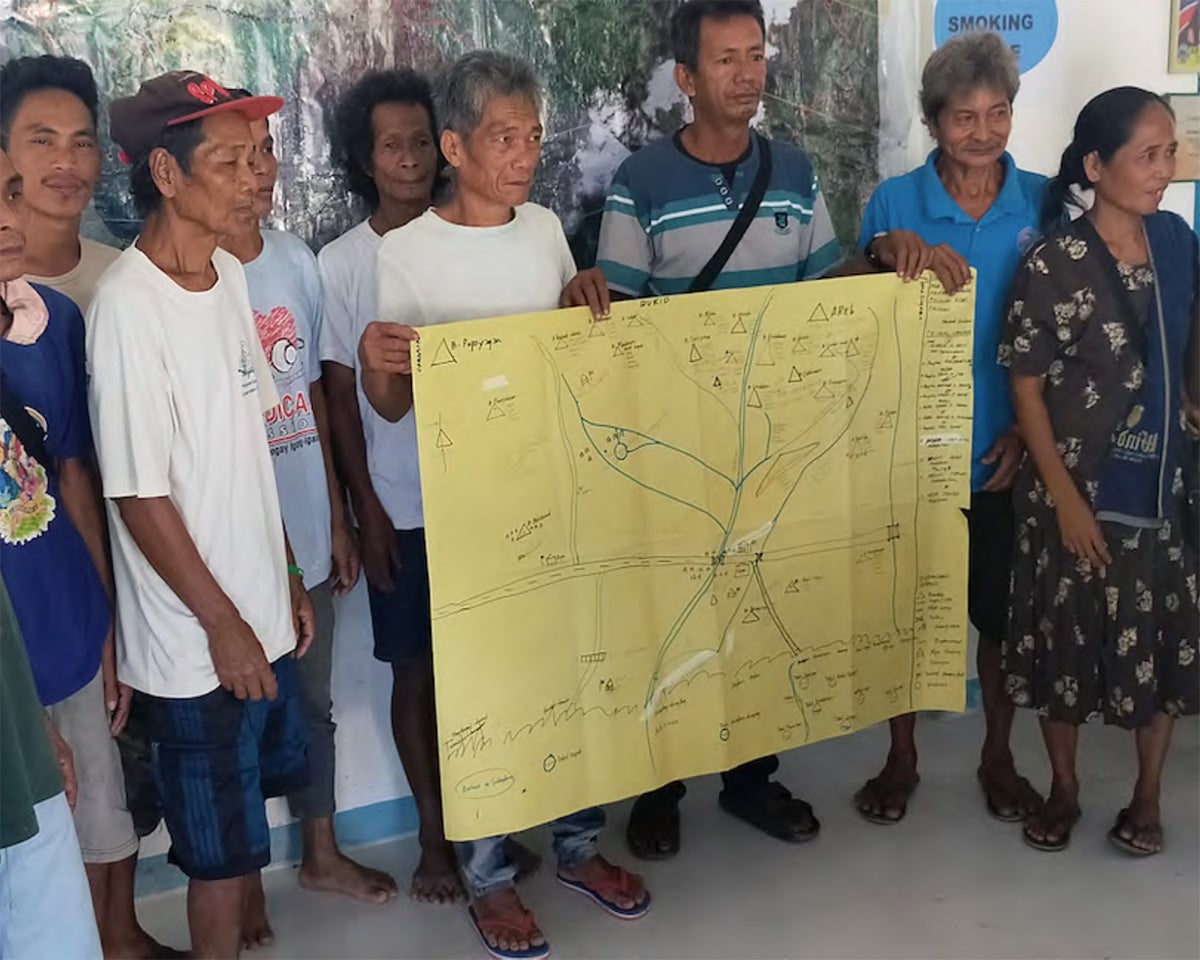
Group Coalition Against Land Grabbing
Palaꞌwan • Philippines
The Group Coalition’s project intends to organize community-to-community exchanges in Palawan and to build strategic alliances and responses to new mining operations.
The Coalition aims to develop an advocacy model capable of strengthening the relationship between local resistance efforts and global advocacy.
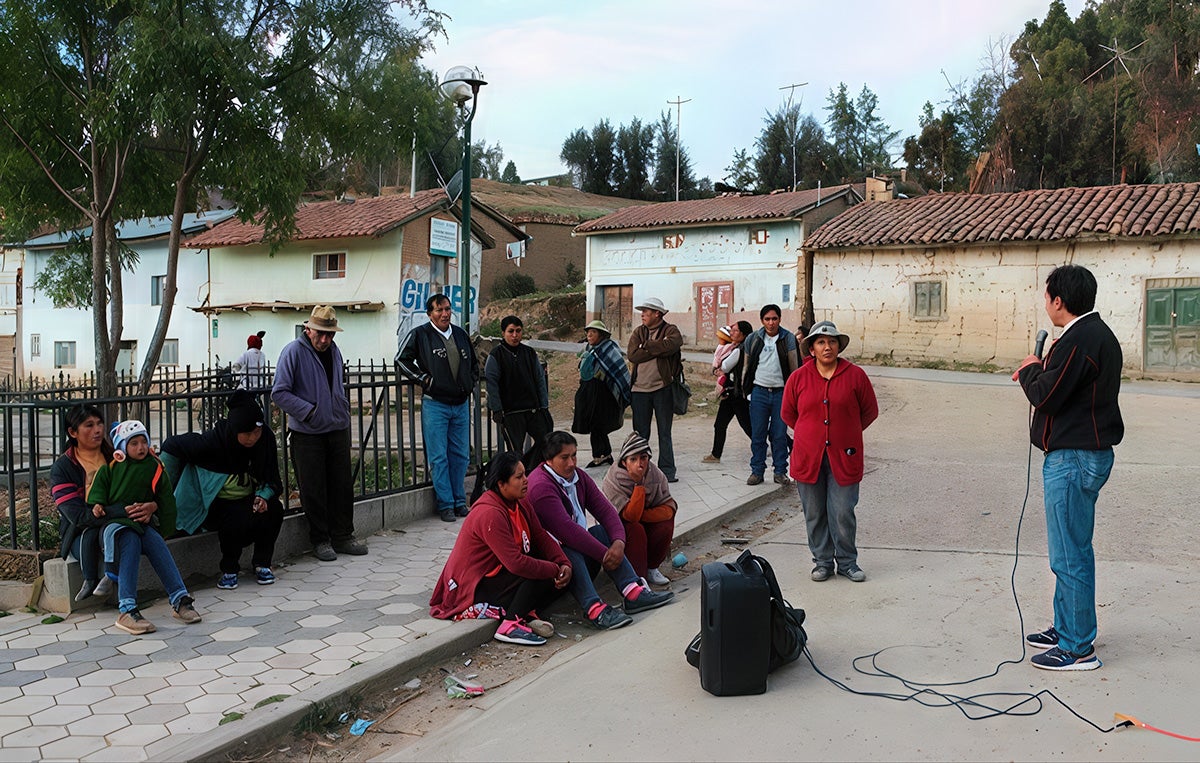
Saphichay
Wanka, Chanka, Ashaninka, Yaꞌnesha, Awajun, Kana, and Quechua Peoples • Peru
The Collective will strengthen the self-determination of 14 Andean Indigenous communities by building their capacity to design, lead, and sustain their own initiatives.
The focus is on strengthening leadership, project management, and fundraising skills through intensive training retreats that provide practical tools, strategic guidance, and collaborative learning spaces.
Amid environmental damage caused by mining, the loss of livelihoods, and growing restrictions on Indigenous rights, the initiative seeks to empower communities to access and manage funding, protect their territories, and lead solutions that secure their cultural, environmental, and economic futures.
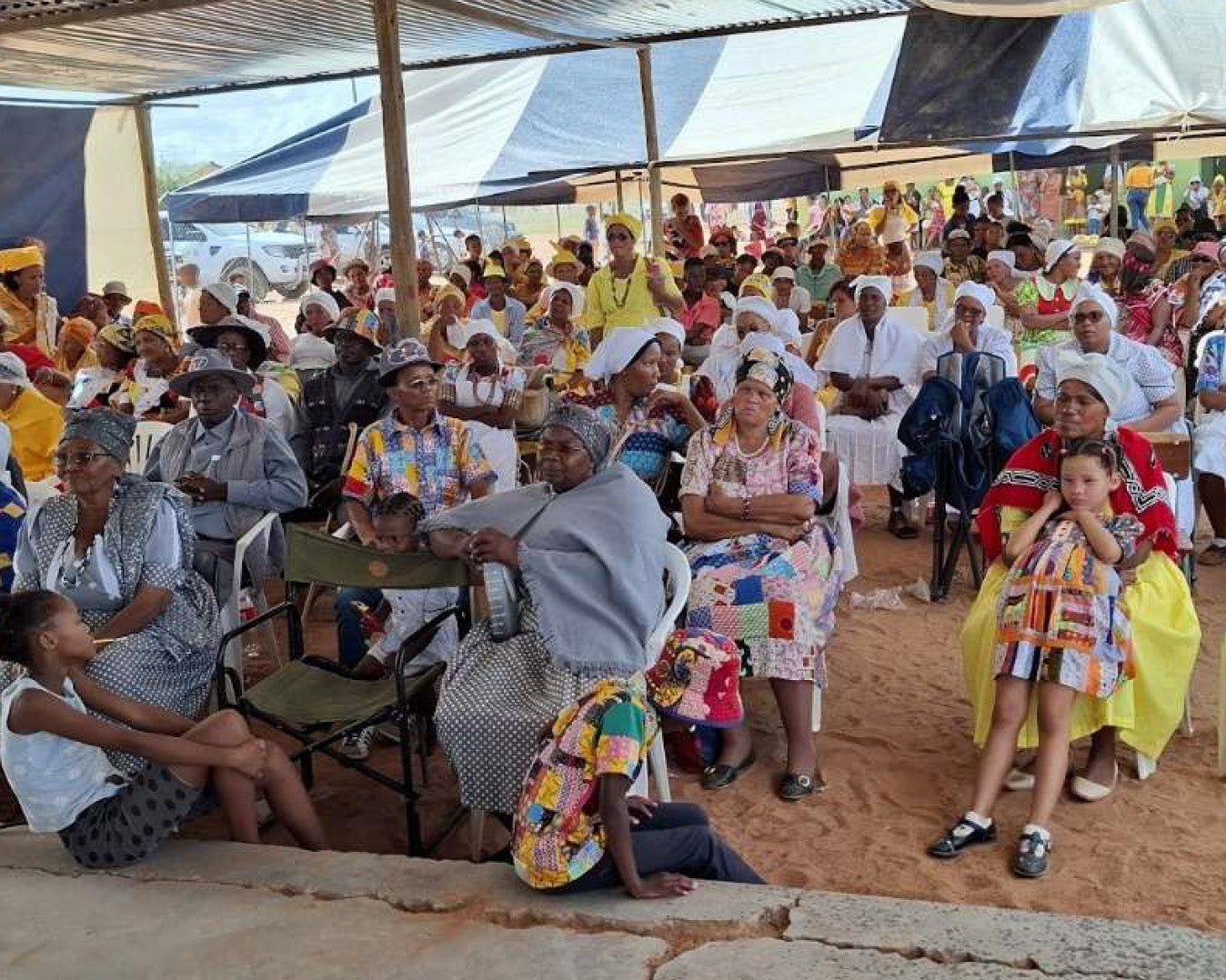
Nama Traditional Leaders Association
Nama • Namibia
The Nama Traditional Leaders Association represents the Nama People in Namibia and across the diaspora, bringing together Gaogu, or traditional leaders, from 13 Nama clans to defend their socio-political, cultural, and economic rights.
The project is a three-day commemoration event to honor victims of colonial genocide while promoting Indigenous rights, cultural preservation, and community development.
It combines memorial ceremonies, advocacy actions, and workshops to strengthen identity, support sustainable livelihoods, and raise awareness about the protection of ancestral lands. Around 300 people are expected to participate in the ceremonies and workshops.
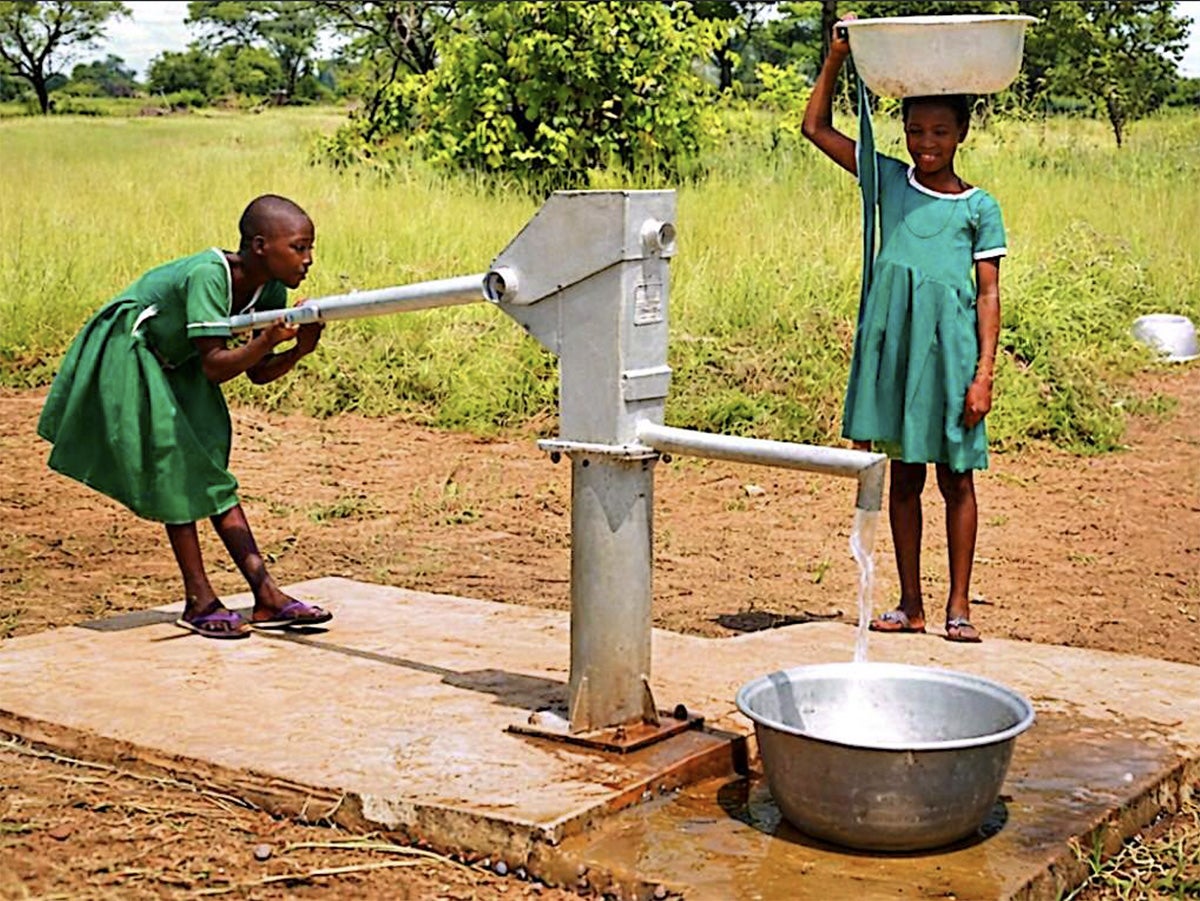
The Hai||om San Community Council
Hai||om San • Namibia
The Hai||om San Community Council, based in the Oshikoto Region of Namibia, is a women-led initiative designed and implemented by Hai||om women leaders with a focus on advancing the participation and leadership of women and girls in traditional governance.
The project aims to revitalize the traditional Hai||om governance model by integrating women and youth into community decision-making processes.
Through dialogues with Elders to document original consensus-based practices, the establishment of women’s and youth circles, targeted leadership training, and the co-creation of a Hai||om Governance Protocol booklet, the project seeks to restore cultural agency, strengthen social cohesion, preserve critical knowledge, and build a more inclusive and resilient governance structure.
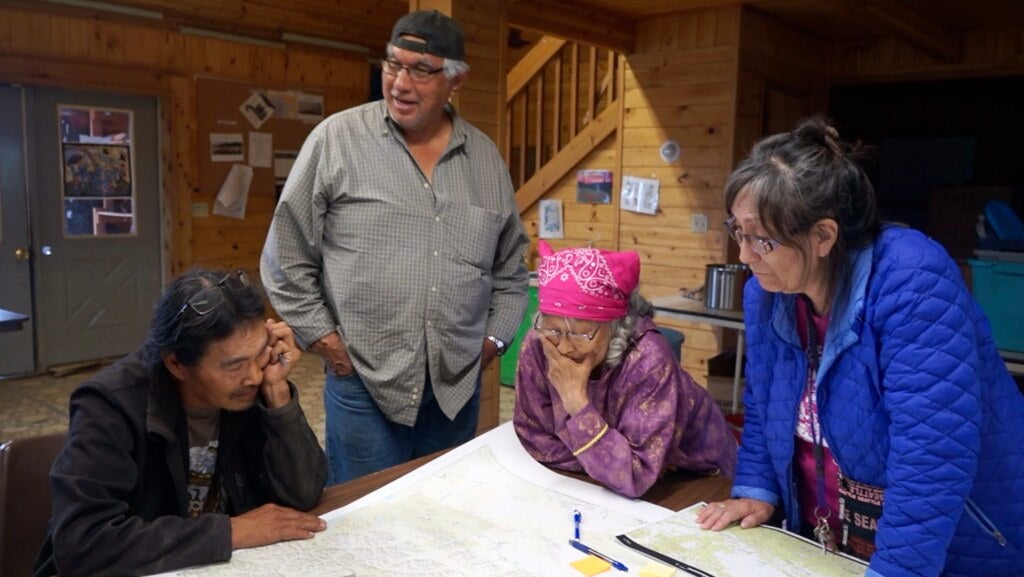
Native Village of Ambler Traditional Council
Nunatchiaq, Ipnatchiaq, Katyaak, Sinġaqmiut, Laugviik, Qiqiktaġruk, Napaaqtuġmiut, Nuurvik, Akuligaq, and Isiŋnaq Peoples • USA
The Native Village of Ambler Traditional Council is an Indigenous community council with about 600 members.
Their initiative aims to inform and educate communities about the risks of mining in the region, including impacts on land, water, and traditional ways of life.
It will share knowledge through community meetings and discussions by bringing together traditional knowledge and local voices. The goal is to support informed decision-making and help protect culture and the environment. It will reach communities in the Upper Kobuk River region, benefiting a significant number of people.
Women Weaving Life Association (MUTTEVI)
Muinane, Nonuya, Muina Muruy, Miraña, Andoque, Tikuna, and Bora Peoples • Colombia
MUTTEVI is a women-led organization from the Amazon province seeking to rebuild the Casa Grande, known as the maloca.
The project's main objective is to recover and strengthen this sacred space where cultural identity is preserved, ancestral knowledge is passed down, and organizational, educational, and artisanal processes are developed, especially for Indigenous children and youth.
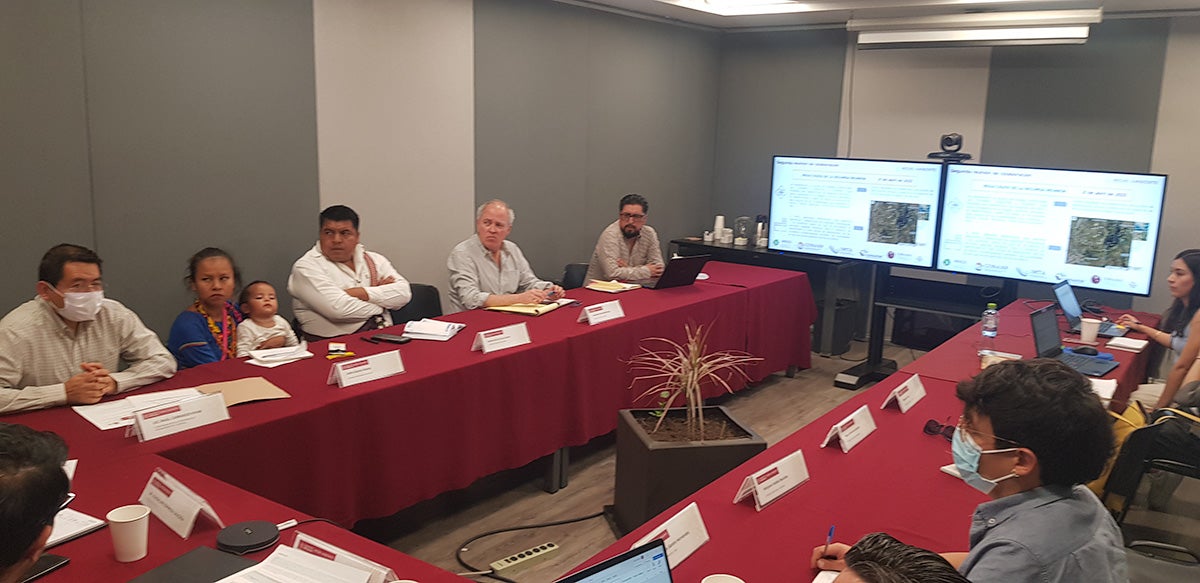
Wixárika Regional Council for the Defense of Wirikuta
Wixárika • México
The Wixárika People have engaged in a longstanding fight for their territorial rights against extractivist and agroindustrial threats.
The Council’s project is framed around that fight, which currently involves lobbying state institutions to enforce respect for the environment and the rights of the communities that inhabit and use the sacred lands of Wirikuta in the highlands of San Luis Potosí.
Their project seeks to diversify the activities of the inhabitants to promote the care and protection of the environment while ensuring a livelihood free of violence and an increased quality of life.
Richtersveld Traditional Nama Council
Nama • South Africa
The Richtersveld Traditional Nama Council was formed to address local and immediate cultural and development issues in Richtersveld municipality, Namaqua District.
The objective of the project is to foster unity among all the Nama communities living in Richtersveld to meaningfully push for their right of inclusion and self-determination in decision-making on their natural resources.
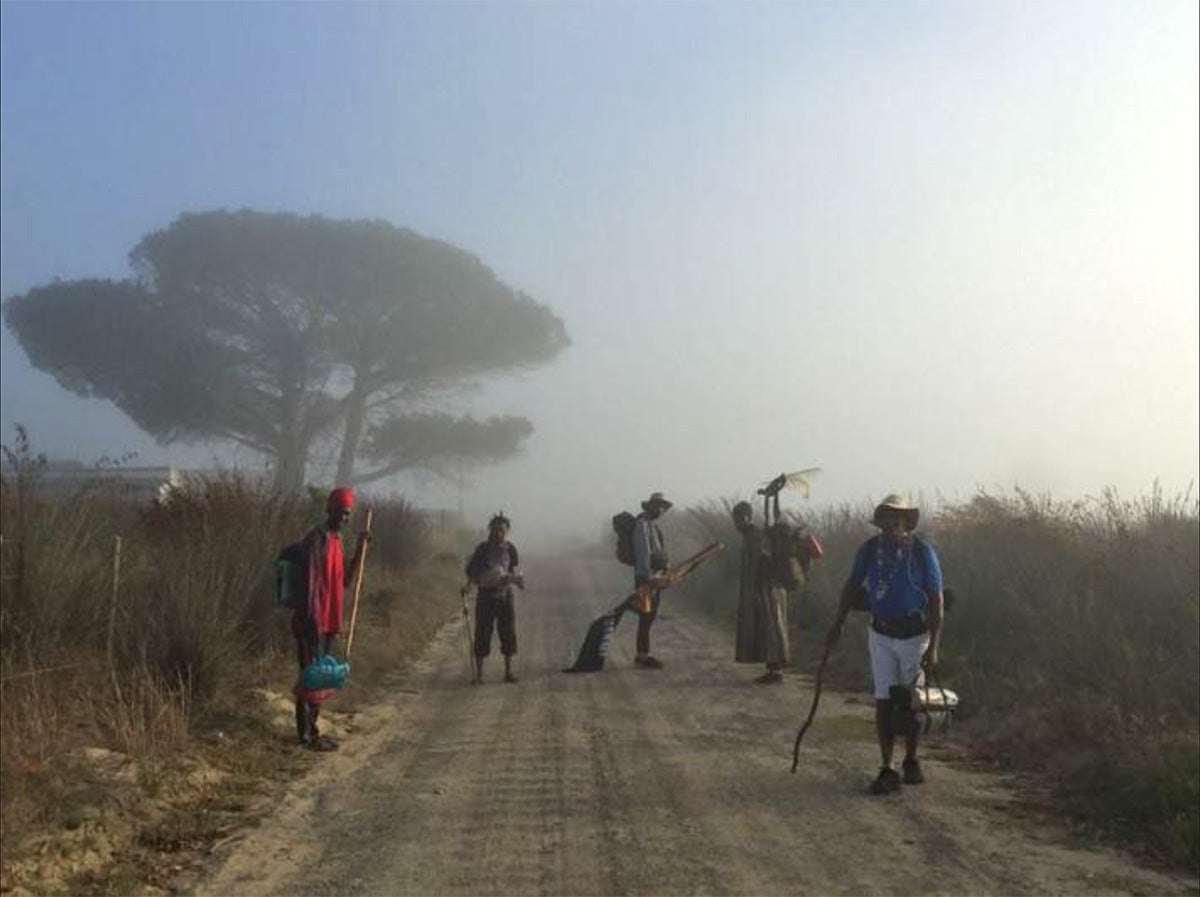
IYX Africa
Nama, Ju/ꞌhoan, Naro, Khwe, and !Xun Peoples • South Africa
IYX organizes a residential camp aiming to build the skills, confidence, and capacity necessary for sustainable, community-driven initiatives of rural Indigenous advocates.
After the residential phase, participants will return to their communities in Namibia, Botswana, and South Africa to implement their projects.
Land and Territorial Care
Indigenous Peoples’ survival is directly linked to their land, and they are dedicated to protecting it from extractive industries, pollution, land grabbing, encroachment, and climate change, among other threats.
In these projects, communities carry out water conservation activities, reforestation initiatives, boundary monitoring, and education to further strengthen their communities in the defense of their territories.
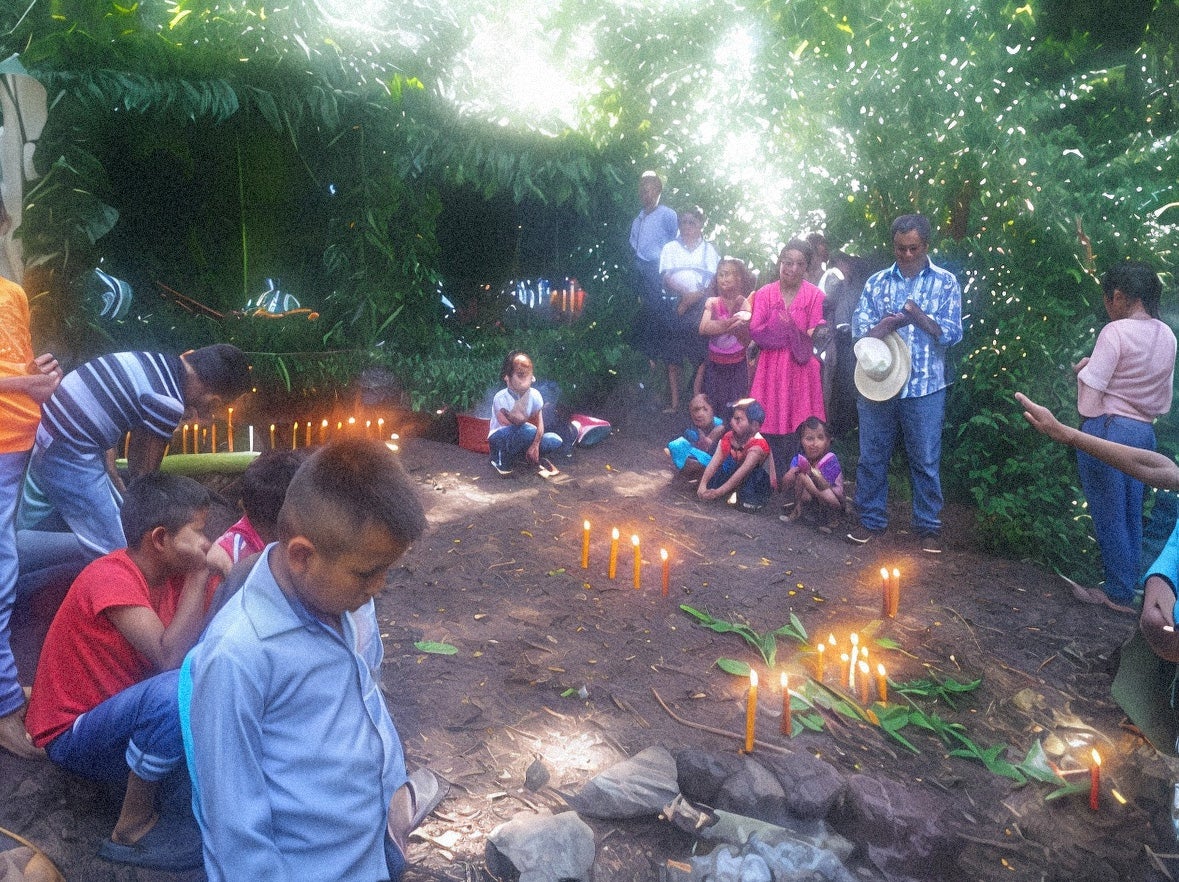
National Ancestral Coordinator of Indigenous Rights of the Maya Chortí in Honduras (CONADIMCHH)
Maya Chortí • Honduras
This project focuses on the protection and conservation of water resources in the micro-watershed and water systems of five Maya Chortí communities in the department of Copán.
Its objectives include safeguarding the land, biodiversity, and water sources, strengthening adaptation and resilience to climate change, and reinforcing territorial governance based on the Maya Chortí worldview.
The project also addresses the threats posed by extractive industries through raising awareness and building the capacity of women, youth, and Elders to prevent water pollution and defend their territories while promoting Traditional Knowledge, spiritual education, and community governance.
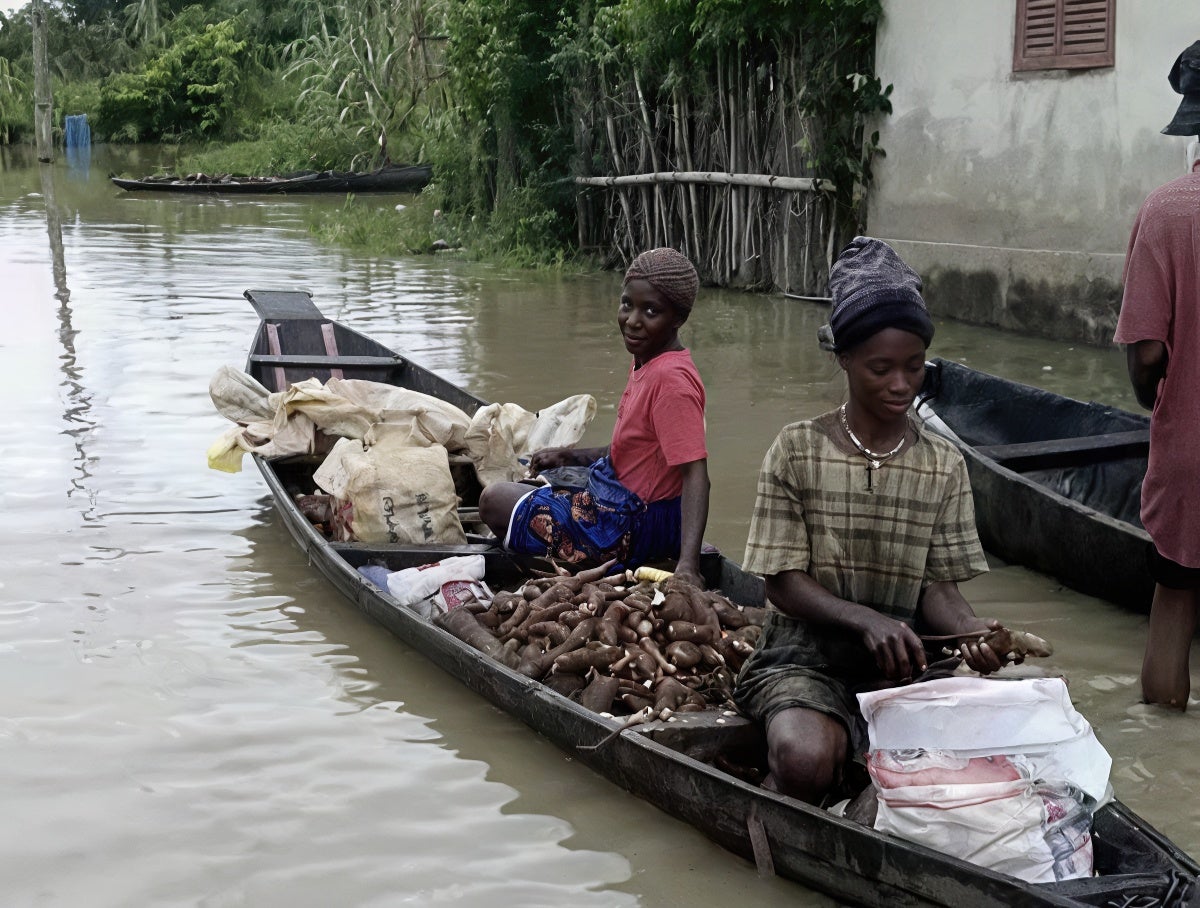
Ogoni Youth Alliance for Climate and Sustainable Development
Ogoni • Nigeria
The Ogoni Youth Alliance’s main goals are to revive traditional water management practices, train community members in eco-friendly techniques, restore natural waterways, raise environmental awareness about the harmful effects of oil drilling activities, and establish community-led systems to monitor progress and ensure sustainability.
The project also promotes intergenerational knowledge transfer guided by Elders, with children learning and youth implementing environmental stewardship.
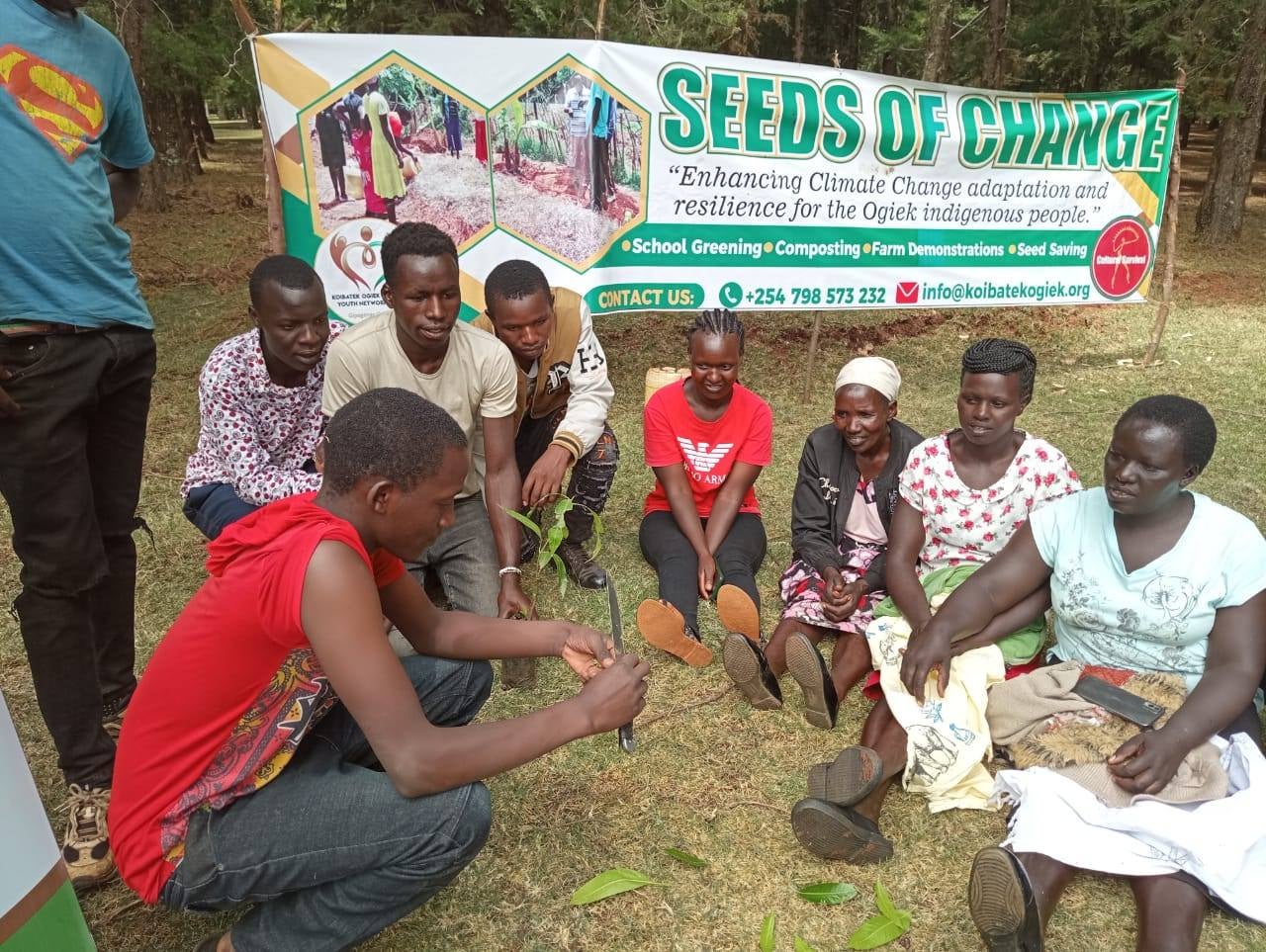
Koibatek Ogiek Women and Youth Network (KOWYN)
Ogiek • Kenya
KOWYN is an organization of Indigenous forest Peoples whose existence, governance systems, culture, and knowledge are rooted in the Mau forest.
This project will expand the previous measures taken to strengthen resilient seed systems and sustainable agriculture by adopting a holistic, forest-centered climate adaptation approach.
It responds to the severe degradation of the Mau Forest, specifically biodiversity loss, declining soil fertility, water catchment destruction, and threats to the forest-based livelihoods that are essential to Ogiek identity and culture.
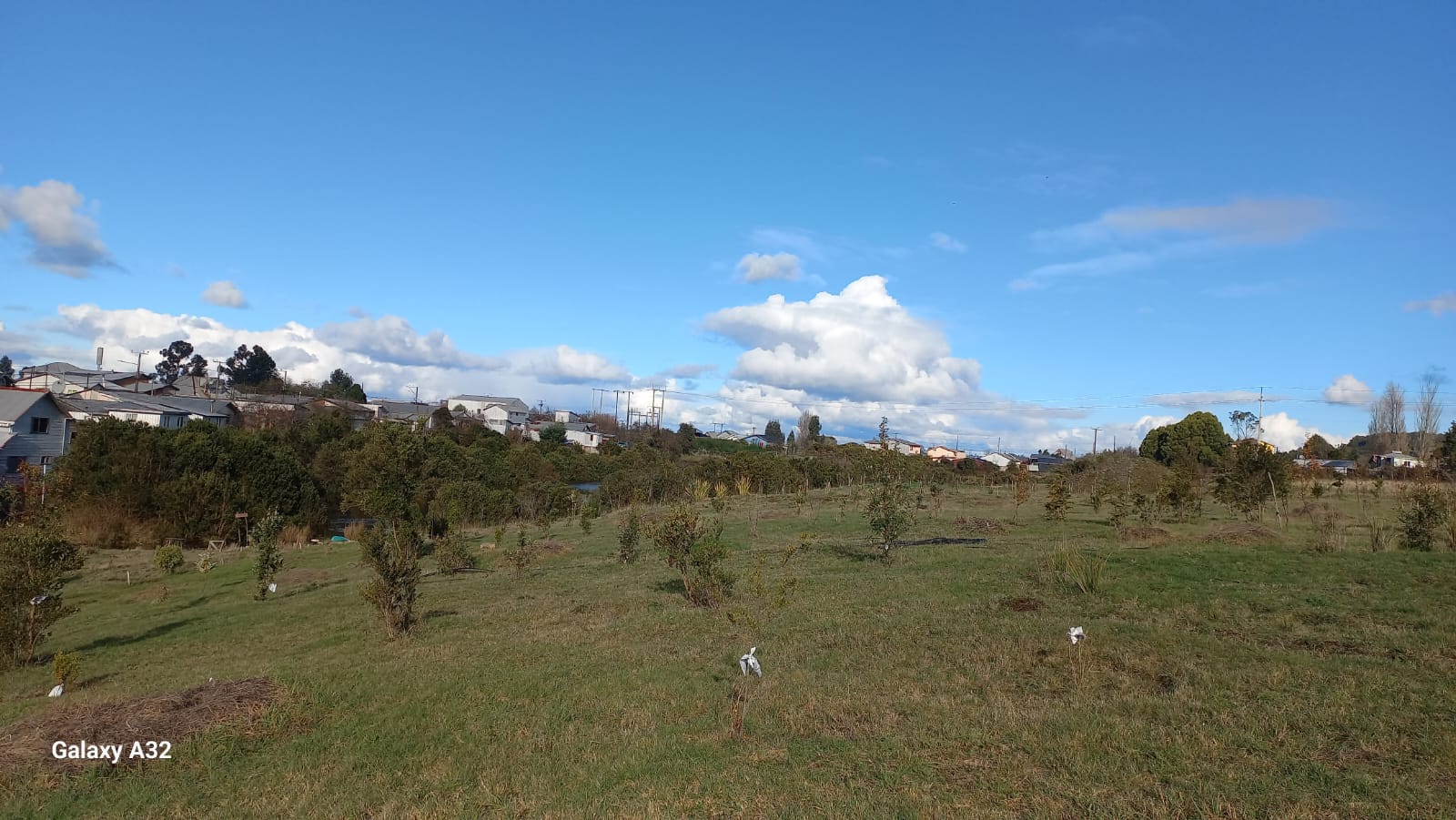
Williche Alto del Fundo Gamboa Community
Mapuche Williche • Chile
The Williche community of Alto Gamboa, Chiloé province, seek to contribute to the restoration of their native forest through natural practices such as rainwater harvesting, dew and humidity collection, reforestation with native tree species, and the protection and safeguarding of sacred sites.
The project also aims to strengthen ancestral practices, including traditional medicine, gastronomy, and cultural and sporting activities, all deeply rooted in the Mapuche Williche worldview.
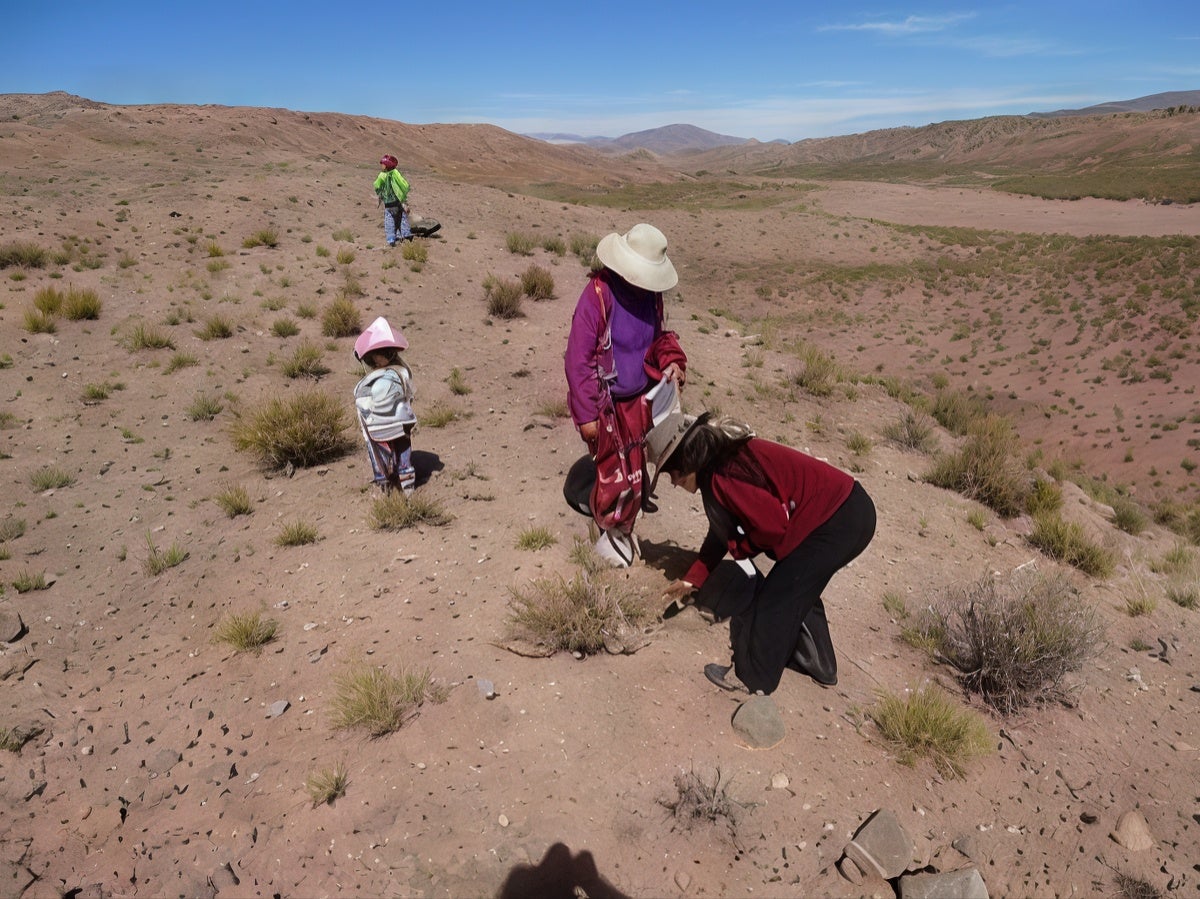
Aboriginal Community of Casa Grande, Vizcarra, and El Portillo / Women Defenders of the Natural Habitat
Omaguaca Coya • Argentina
In the highlands of Casa Grande, Vizcarra, and El Portillo, a group of women will work to revitalize the native queñoa forest through reforestation with queñoa trees, helping to mitigate environmental impacts and improve water retention.
They will also focus on monitoring and protecting the reforested areas with barriers and promote the sustainable use of queñoa wood through responsible harvesting techniques.
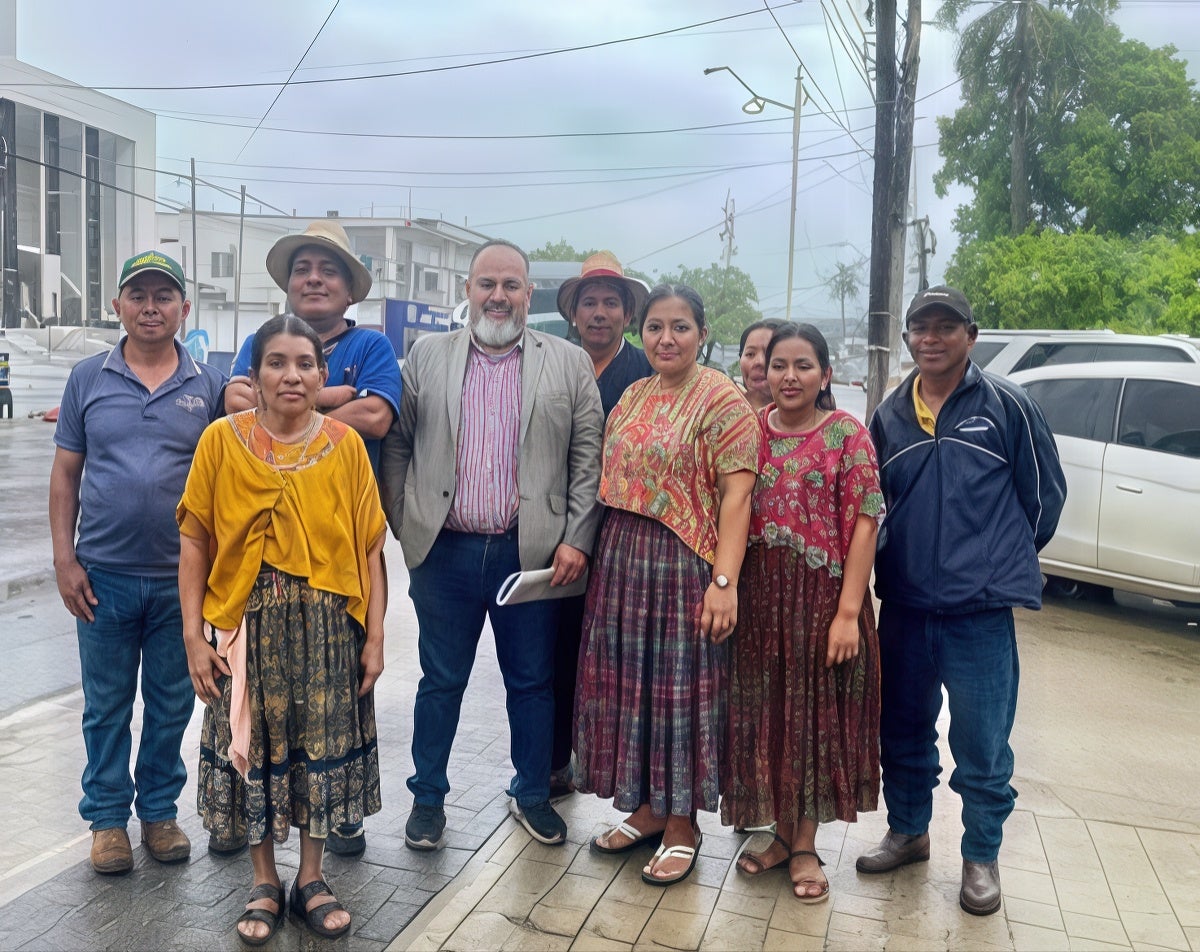
Maíz de Vida Association for Integral Development
Qꞌeqchiꞌ • Guatemala
The Maíz de Vida Association supports a network of defenders, spiritual guides, and ancestral authorities in Guatemala who dedicate their efforts to defending natural resources, including Lake Izabal and the surrounding land, against the encroachment of monocultures and nickel mining.
This project will produce a podcast about extractive interests, specifically the use of nickel and its market value globally, to foster a dialogue about these issues and their cultural, social, economic, and environmental impacts on Qꞌeqchiꞌ communities.
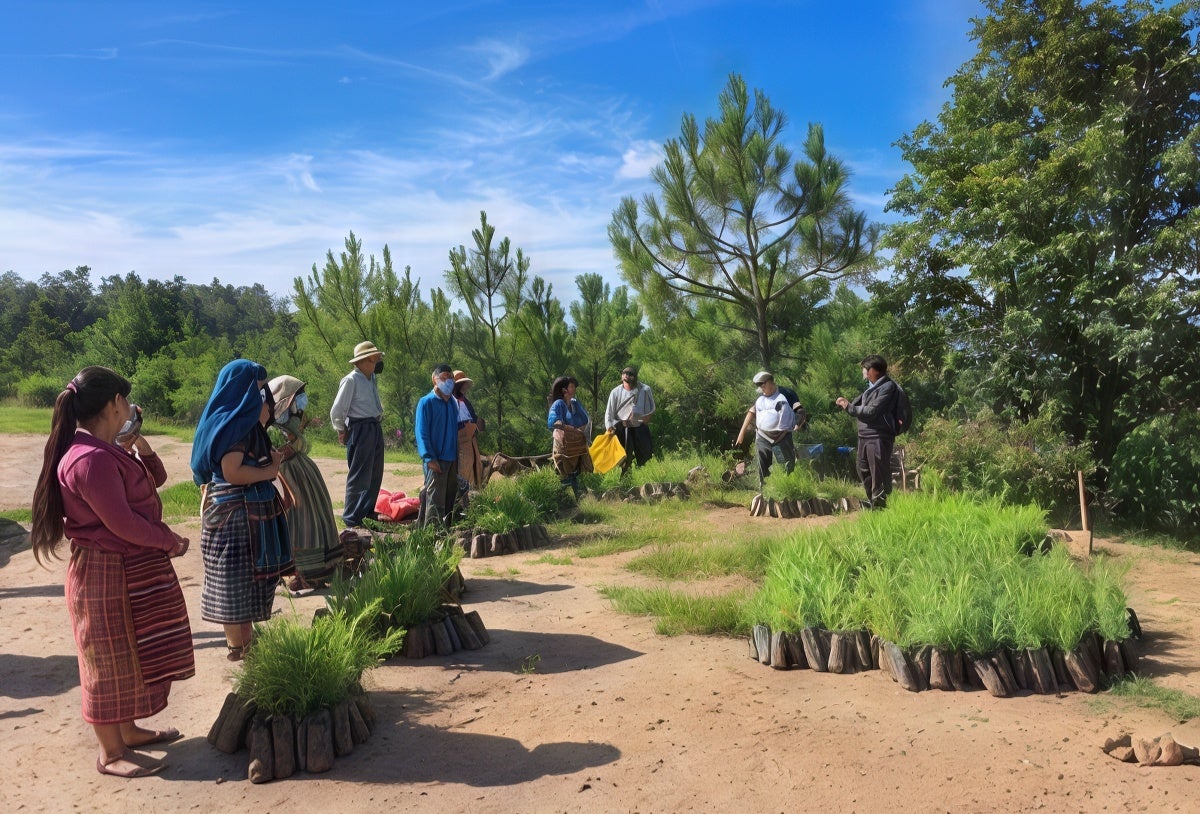
Council of Indigenous Authorities for the Protection of Natural Resources
Maya Kꞌicheꞌ • Guatemala
In a previous KOEF-supported project, the Council executed reforestation campaigns and communal forest maintenance.
This year they will focus on water conservation and the strengthening of their food sovereignty while incorporating Maya spirituality. There will be a cleanup of local rivers and streams and family orchards will be planted, benefiting the communities of San Pedro Jocopilas.
In addition, a theater project will be held to raise awareness among the youth on the importance of co-existing with Mother Earth. These initiatives will focus on the values and lifeways of the Maya community to strengthen their organization, autonomy, and culture.
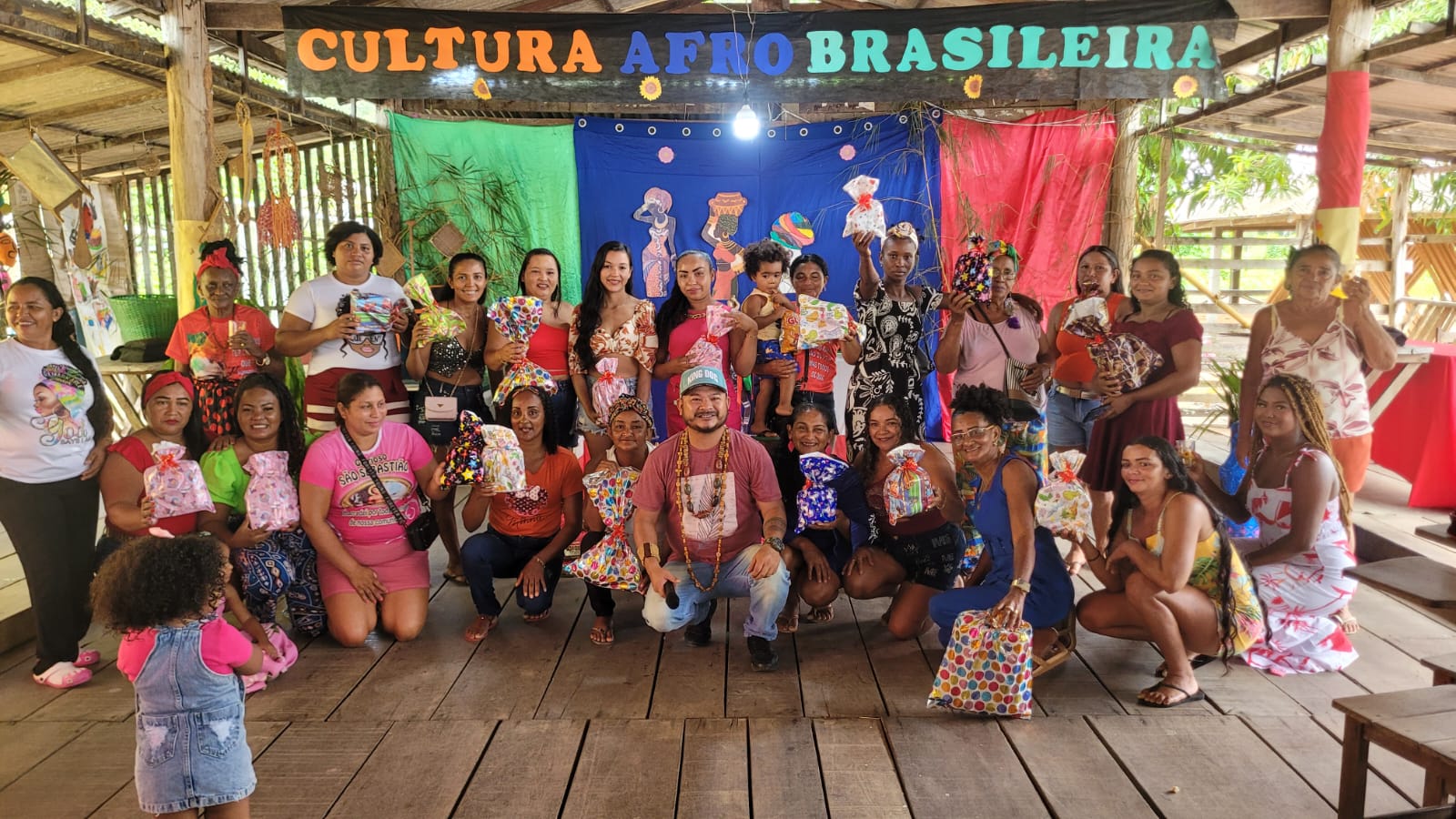
Association of Quilombo Descendants of the São Sebastião Community (ARQUISC)
Cipoal Rio Pacajá, Quilombola • Brazil
São Sebastião Cipoal de Portel is located in the state of Pará in the Amazon region.
ARQUISC’s project aims to strengthen the leadership of Quilombola women in adapting to climate change and protecting their territory through the creation and collective management of a community nursery of native cuttings and medicinal plants.
Activities include workshops on Traditional Knowledge and knowledge-sharing circles with community Elders, establishment of the nursery, and the production, care, and distribution of seedlings in gardens and areas of the territory that require restoration.
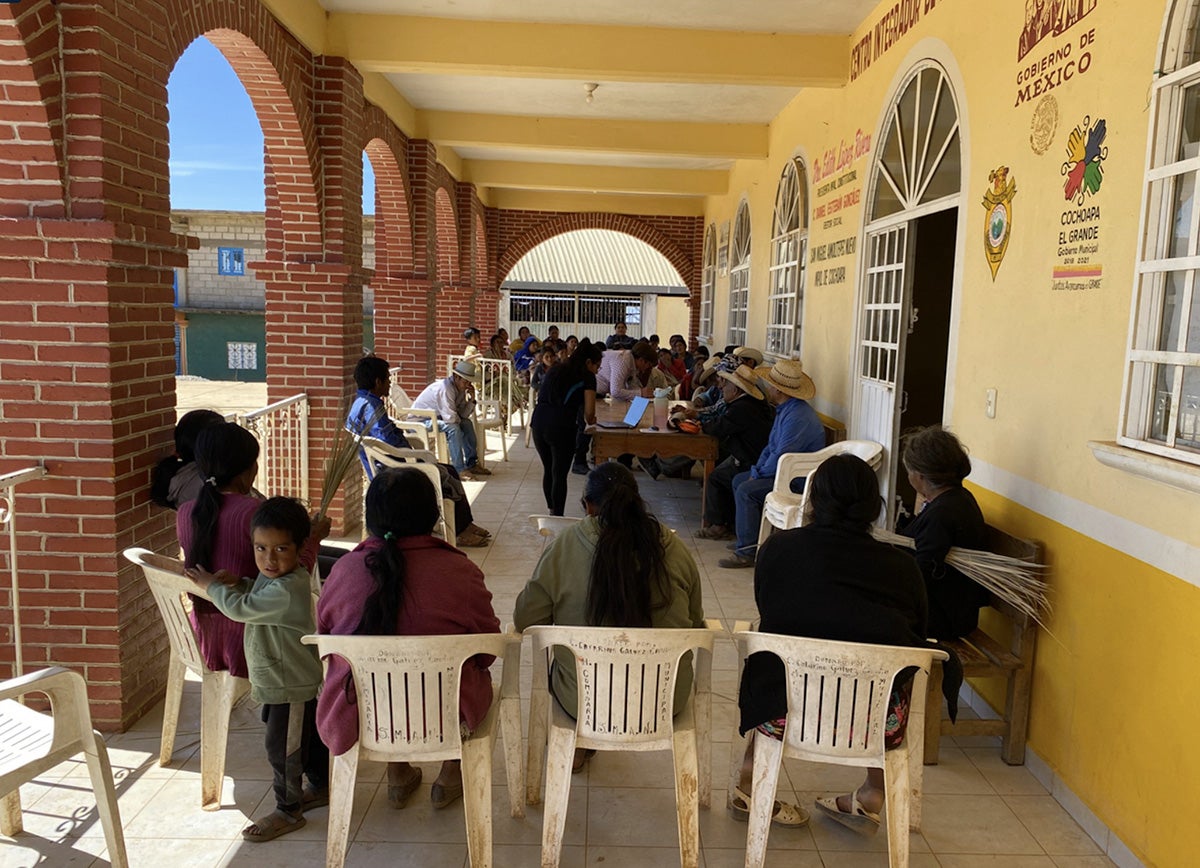
San Miguel Amoltepec el Nuevo
Pueblo Indígena Na Savi • México
In the mountain region of Guerrero, territorial defense and the security of the inhabitants are the main tenets of community living.
This project seeks to protect the forest, rescue the memories of sacred places, and strengthen community organization through purchasing equipment, holding workshops, and community mapping.
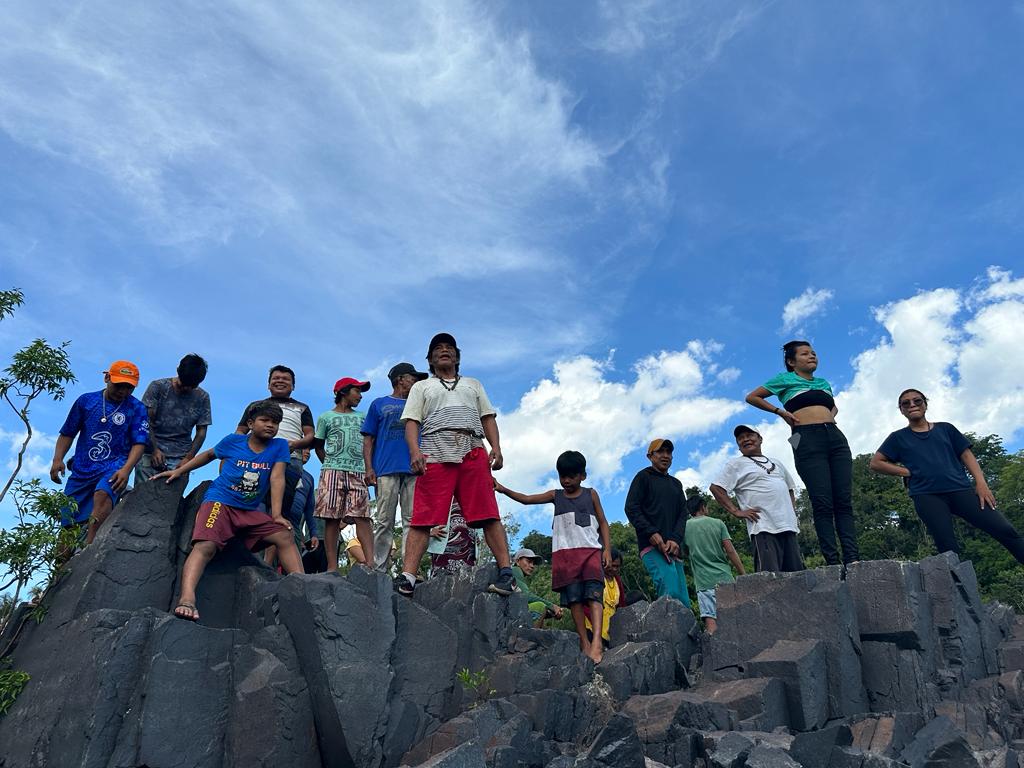
Pariri Indigenous Association of the Munduruku of the Middle Tapajós
Munduruku • Brazil
The Pariri Indigenous Association is located in the state of Pará in the Amazon region. Its purpose is to address the needs of the Munduruku People, especially in the protection of their territories, education, and the appreciation of their culture.
This project will contribute to territorial monitoring activities, a traditional practice of the Munduruku People that includes self-demarcation, clearing and maintenance of their territorial boundaries, and autonomous control of the area.
It will also support the organization of the Middle Tapajós Munduruku Women's Gathering, promoting practical workshops and the exchange of knowledge specific to their culture. These actions will strengthen community organization and the production of handicrafts, topical medicines, and cosmetics made with resources sustainably harvested from the Amazon rainforest.
Shuar Center Númpaim
Shuar • Ecuador
The Shuar Center Númpaim, located in the Sevilla Don Bosco area, have been working to demarcate and define their territory.
This project will focus on installing signage and the placement of boundary markers to define and protect its borders with neighboring communities. They will also conduct training sessions and implement measures to respect, conserve, and repopulate the local biodiversity to maintain environmental quality.
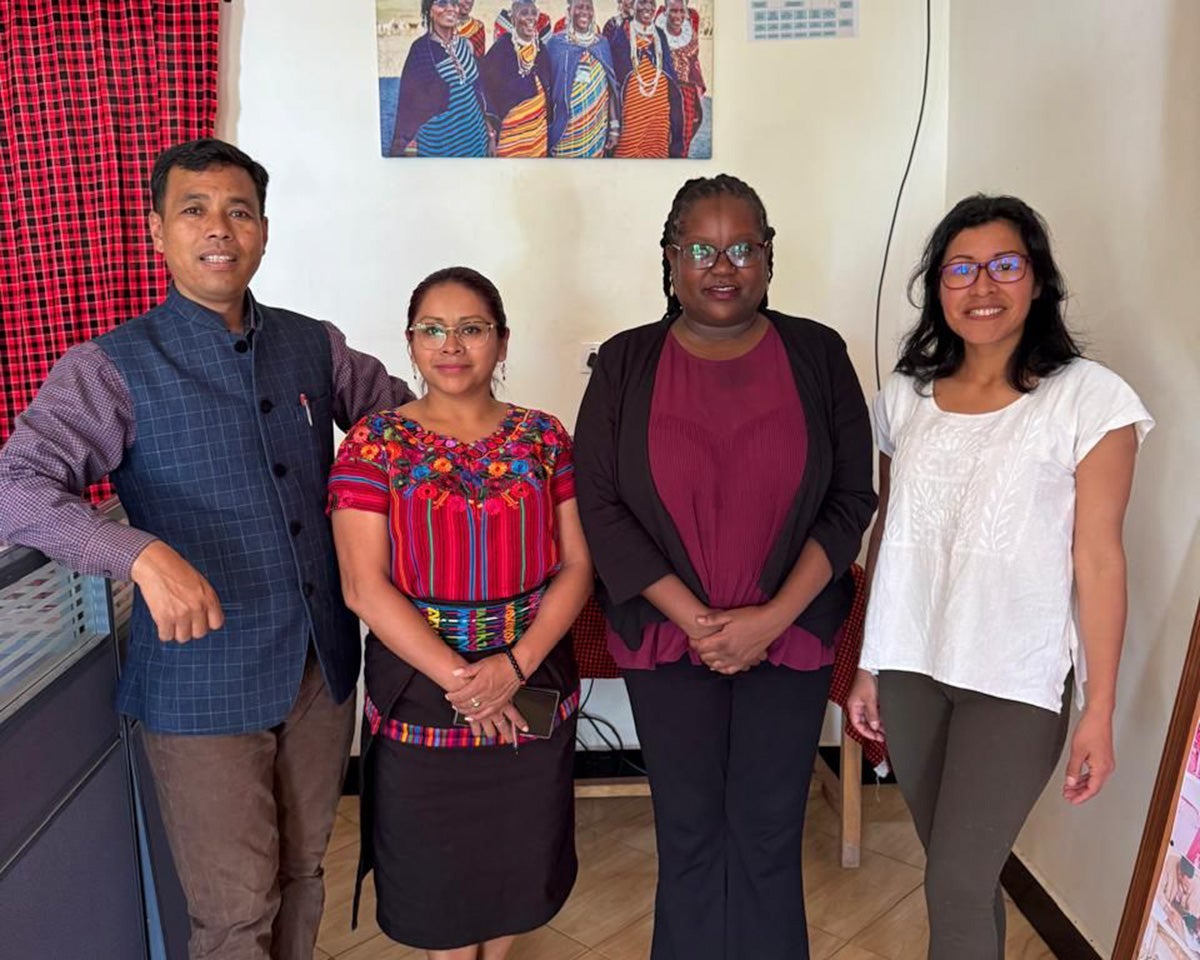
Pastoral Women’s Council
Maasai • Tanzania
The Pastoral Women’s Council works with Indigenous pastoralist and agro-pastoralist women and girls in four pastoralist districts.
Their project, Indigenous Women-Led Climate Knowledge and Environmental Stewardship in Ngorongoro District, focuses on strengthening women’s leadership in climate action. Its main objective is to strengthen climate resilience and the environmental stewardship capacity of Indigenous pastoralist women and youth through women-led documentation of Traditional Ecological Knowledge and community-led climate adaptation.
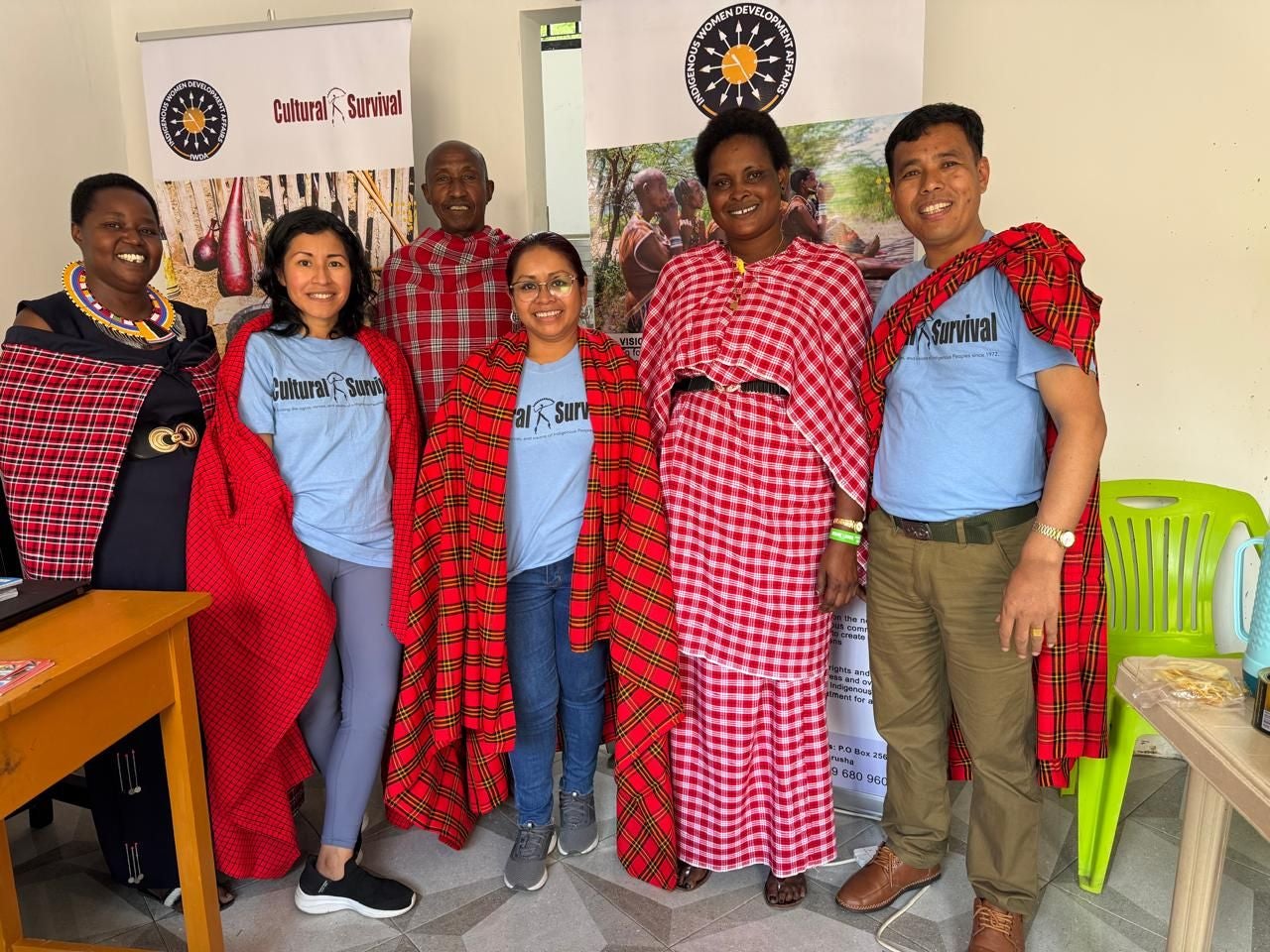
Indigenous Women Development Affairs
Maasai • Tanzania
Indigenous Women Development Affairs is a community-driven, women-led initiative with founding members drawn from grassroots Indigenous women leaders, educators, and community advocates.
The objective of their Engitati Project is to protect land, water, and biodiversity in Maasai territories by revitalizing and strengthening Maasai knowledge systems, ancestral spiritual practices, and language through communal and culturally grounded methodologies.
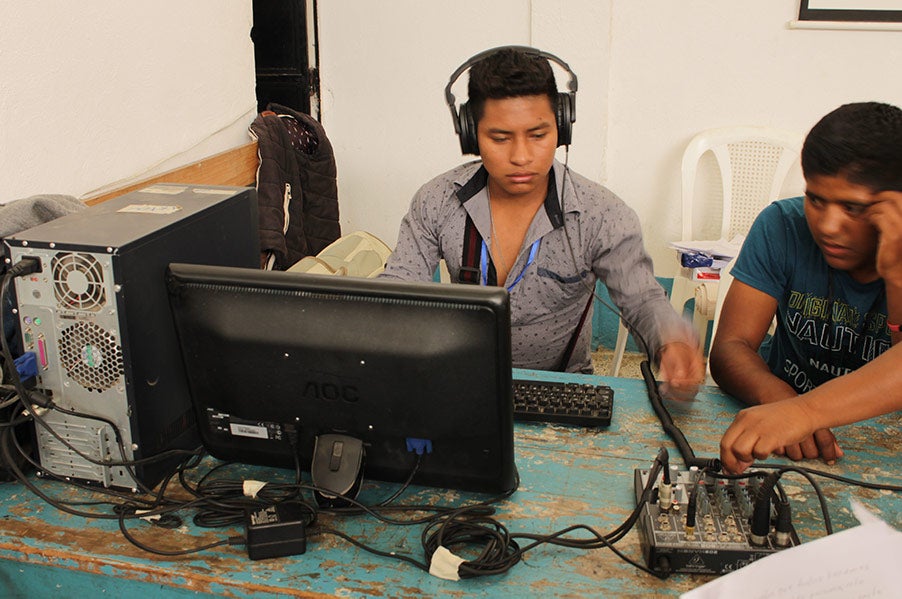
Community Development Shield Uganda
Karimojong • Uganda
This project will be developed in Abim District by the Karimojong (Ethur/Thur) communities to strengthen and apply Indigenous adaptation knowledge such as natural early warning systems, climate-resilient crops, seed preservation, use of wild foods, water and land management practices, and cultural traditions.
These efforts work together to strengthen resilience and prevent the impacts of climate change on food systems and livelihoods.
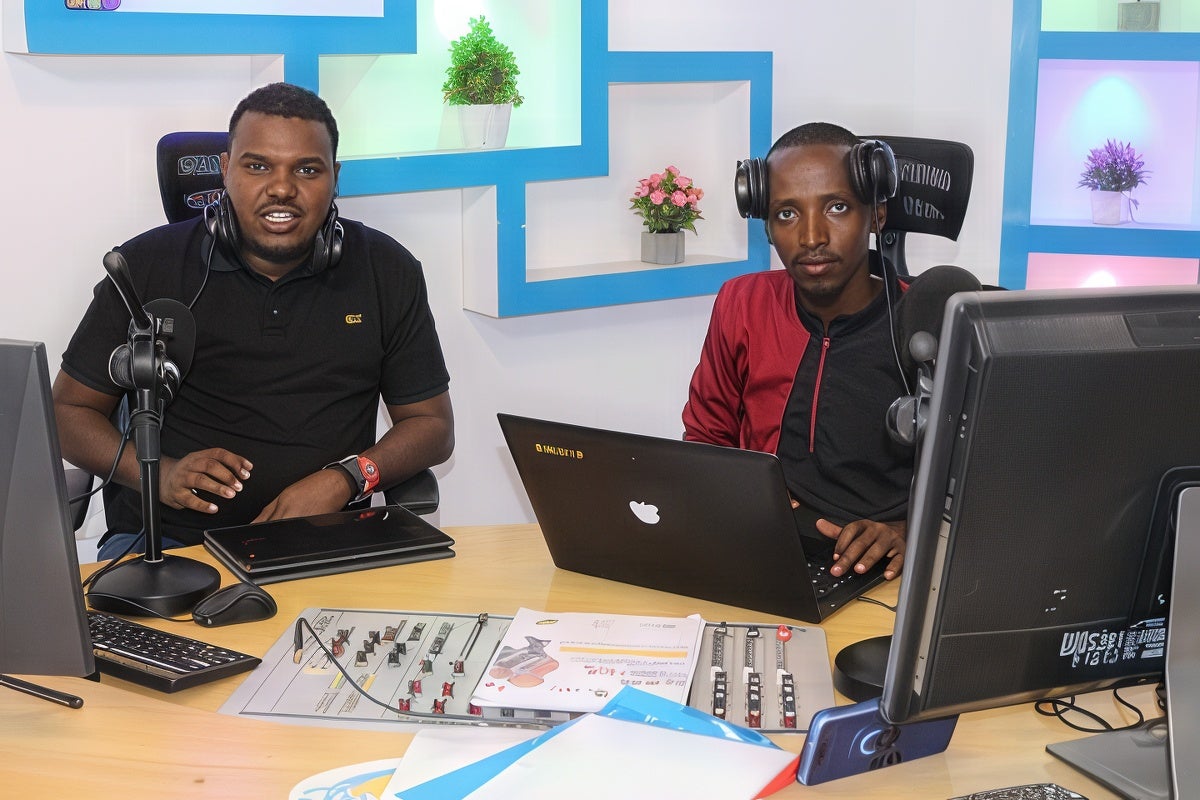
Pastoralist Peoples’ Initiative
Rendille • Kenya
The Pastoralist Peoples’ Initiative is made up of Indigenous pastoralist community members and grassroots leaders from the Rendille community.
They came together to strengthen Indigenous land governance, peace, and social cohesion in Marsabit County through communal, culturally rooted methodologies.
The project will prioritize traditional community forums, Elders’ councils, and intergenerational dialogues to share knowledge on customary land tenure, boundaries, and Indigenous conflict resolution practices.
Transmission of Indigenous Knowledge, Values, and Worldviews
Indigenous communities are taking concrete steps to ensure the continuation of their languages, memories, values, and natural and spiritual knowledge, which largely depend on intergenerational transmission and its use in the daily lives of these Peoples. In these projects, Indigenous Peoples work to strengthen their cultures, knowledge, and worldviews through educational programs primarily aimed at younger generations.
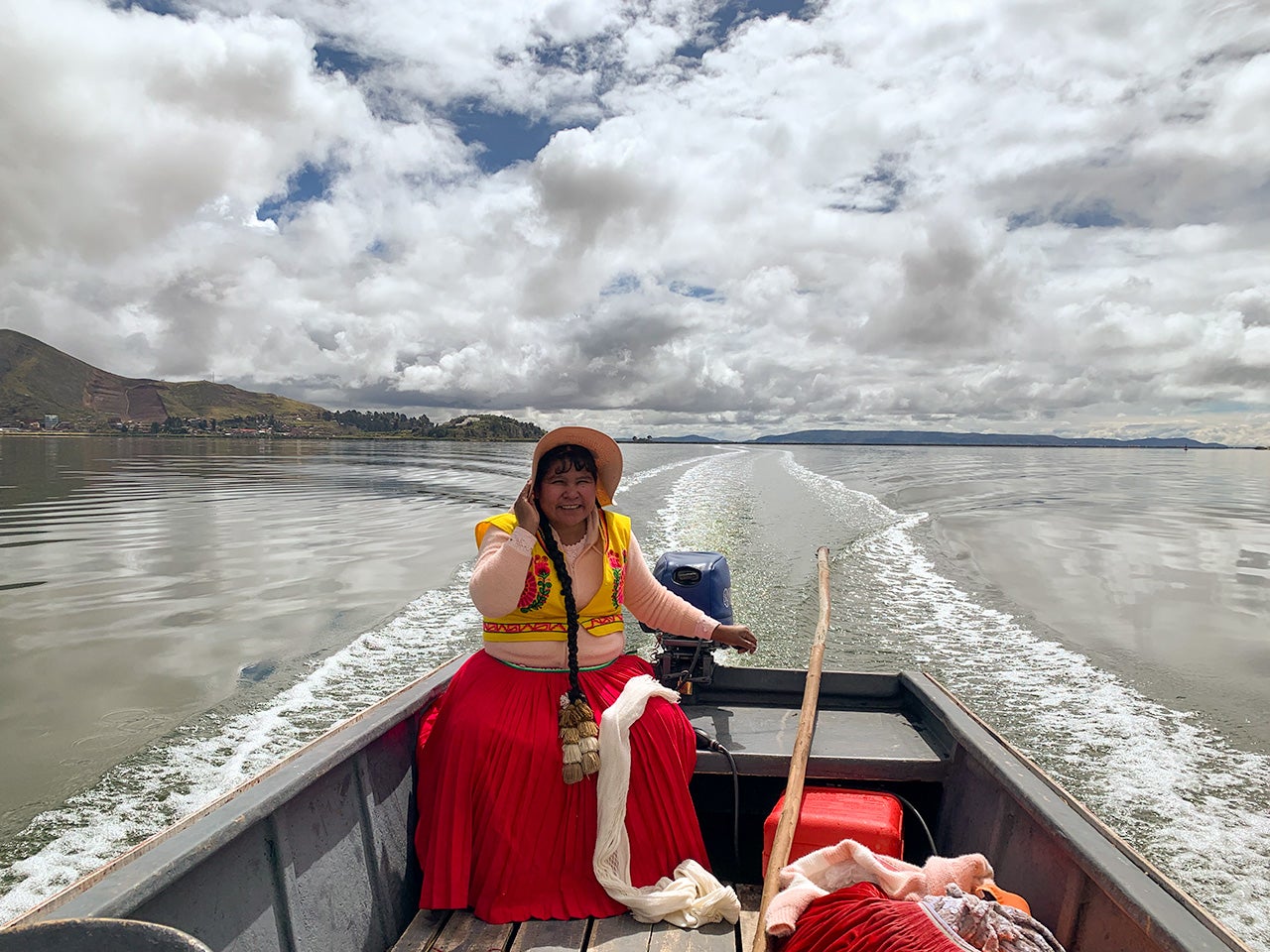
Uro Indigenous Women Artisans Association/Qotꞌika Flor del Lago Uros
Uro • Peru
Near the waters of Lake Uros in Peru, a group of women keeps the essence of their culture alive by strengthening Indigenous education and the transmission of Traditional Knowledge in weaving, language, and wisdom through an intergenerational process.
The team proposes an intergenerational school led by women artisans, where auki (wise women) and master artisans will teach oqhala (children) and qorincho (young people) using the “learning by doing” methodology.
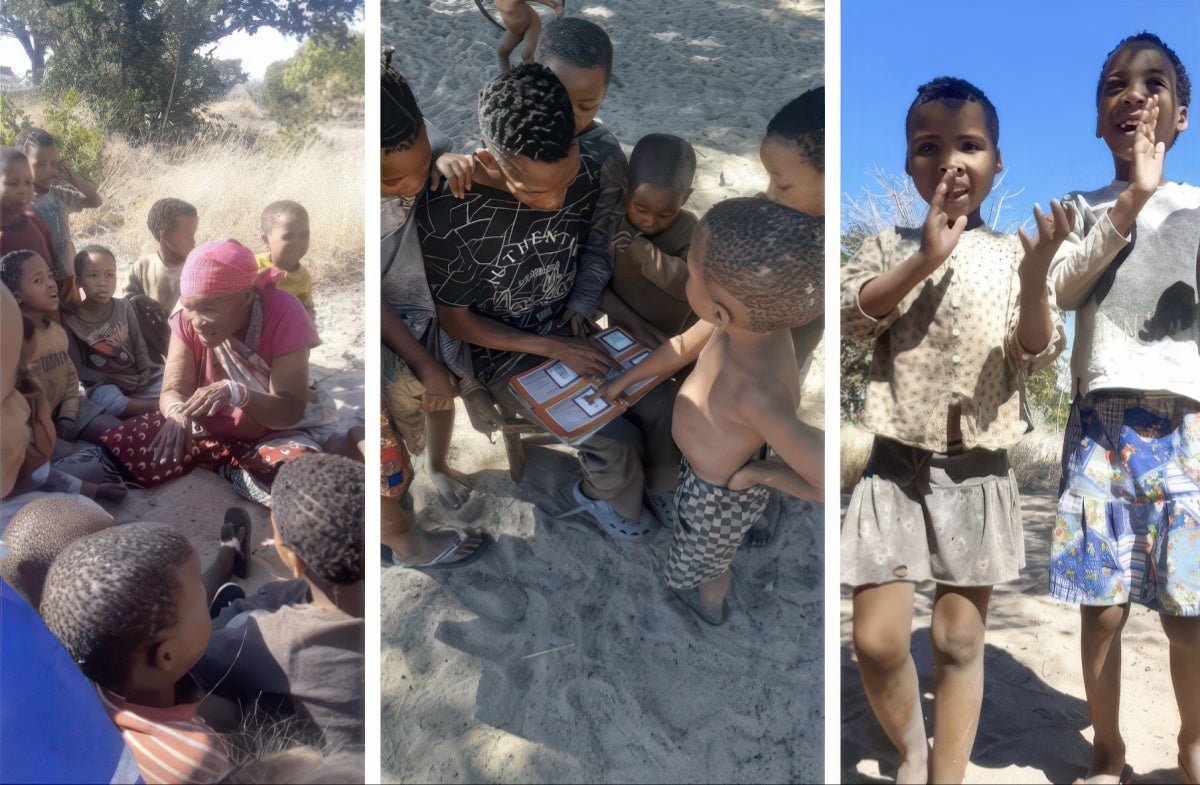
/Xoa-//he community
Ju/ꞌhoansi San • Namibia
The members of /Xoa-//he came together to dream of a formal learning space that could reflect and sustain Ju/ꞌhoansi knowledge, language, and practices.
This project will create an Indigenous-led school and curriculum that integrates Ju/ꞌhoansi knowledge with western education. The school will be a place where children can learn without being separated from their culture, protecting their language and traditions while strengthening community identity and providing accessible cultural education within the community.
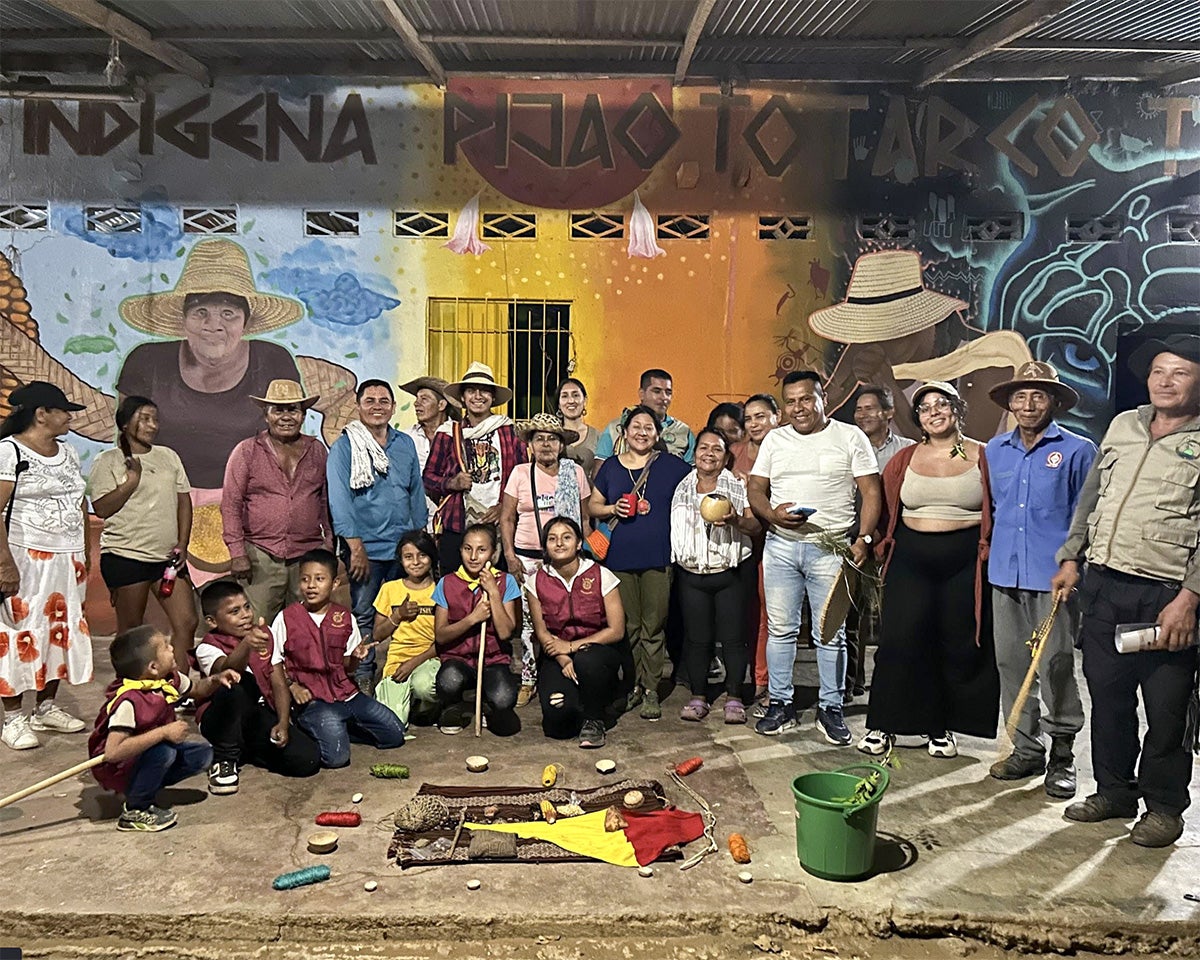
Totarco Tamarindo Indigenous Reserve
Pijao • Colombia
The Pijao People of this reserve in Tolima seek to strengthen the transmission of knowledge, collective identity, and cultural values, positioning new generations as guardians of their cultural and territorial memory.
Their project teaches children cultural and spiritual practices to help them become guardians of their territory.
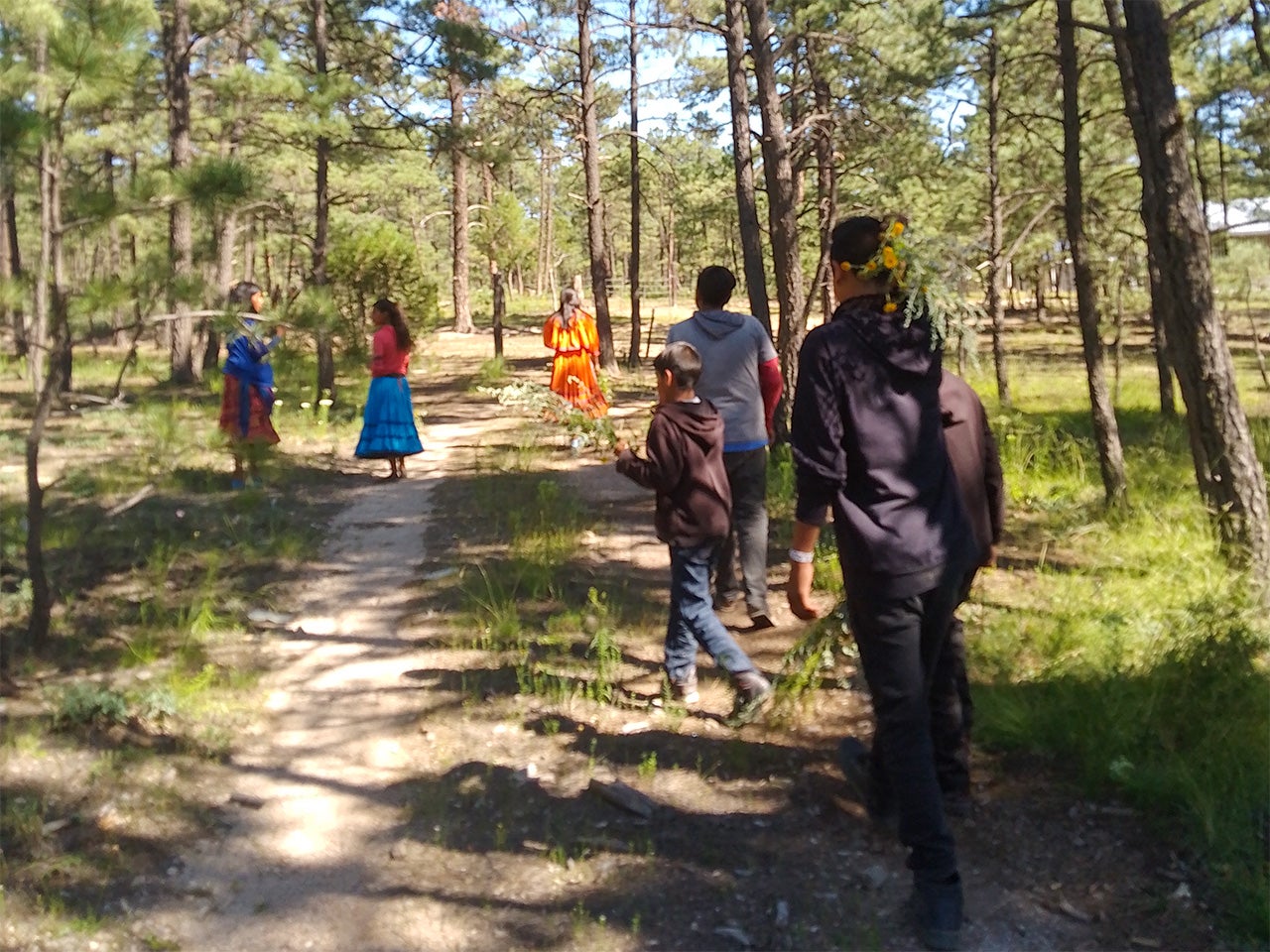
Kuechi Community Education
Rarámuri • México
The Kuechi Community Education collective, formed to support a community school that provides culturally appropriate education, previously received a KOEF grant.
This year, they plan to expand their youth activities through programs in agriculture, water stewardship, and culture, exposing youth to rituals, traditional games, arts, and music of the Rarámuri People. The project aims to provide a space of cultural, artistic, and spiritual expression to heal historical wounds and maintain Rarámuri culture.
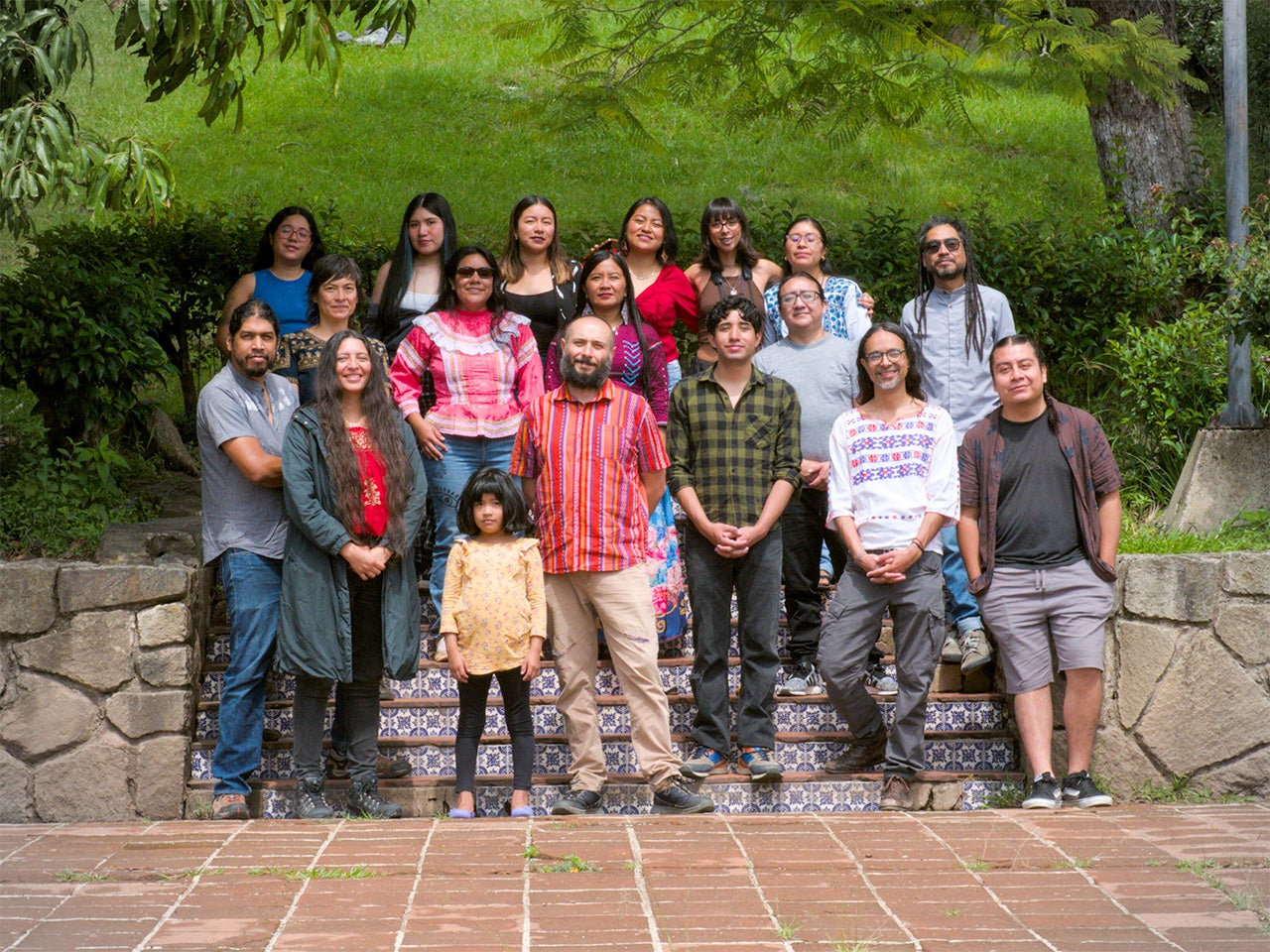
Yi, Hagamos Lumbre
Zapotec • México
This collective comprises narrators and communicators from central and southern Mexico who support a community-based approach to territorial defense.
In 2025, with the support of KOEF, they held La cochinilla, Kutsí, an audiovisual camp. In 2026, they look forward to hosting the camp again, aiming to achieve a broader geographic impact through a community-based open call. This non-academic program is focused on literary creation and animation production for young Indigenous language speakers.
Their main objective is to build capacity for audiovisual and literary content creation in Indigenous languages.
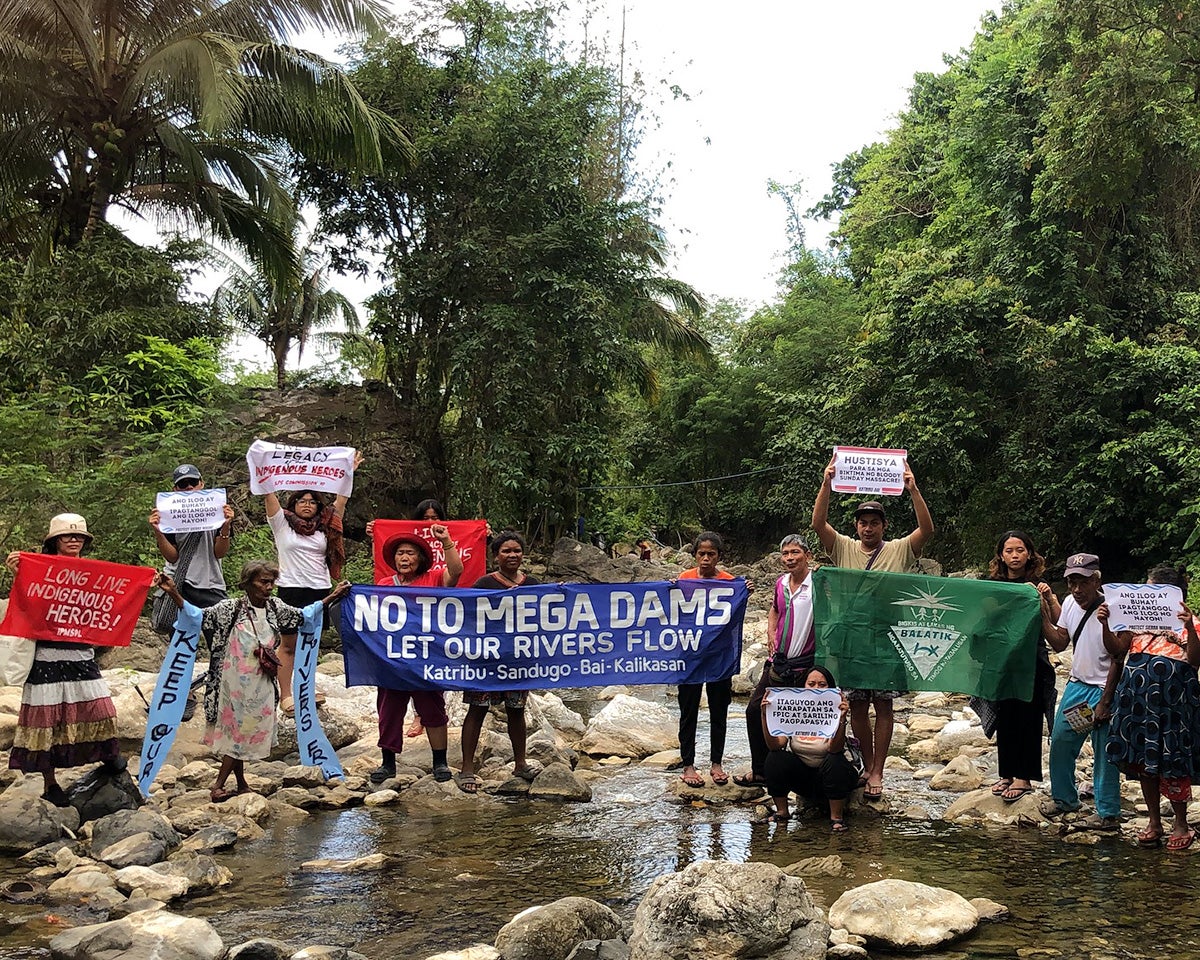
Asia Young Indigenous Peoples Network (AYIPN)
Chothe, Ibaloi, and Kankanaey • Philippines
The AYIPN comprises Indigenous youth-led organizations and groups in Asia.
Their project aims to develop a Guidebook for Community Reality Mapping, a practical tool for Indigenous youth across the region to document, reflect on, and share knowledge about their cultures, social realities, and rights.
Pastoralists Indigenous Non-Governmental Organizations Forum
Maasai • Tanzania
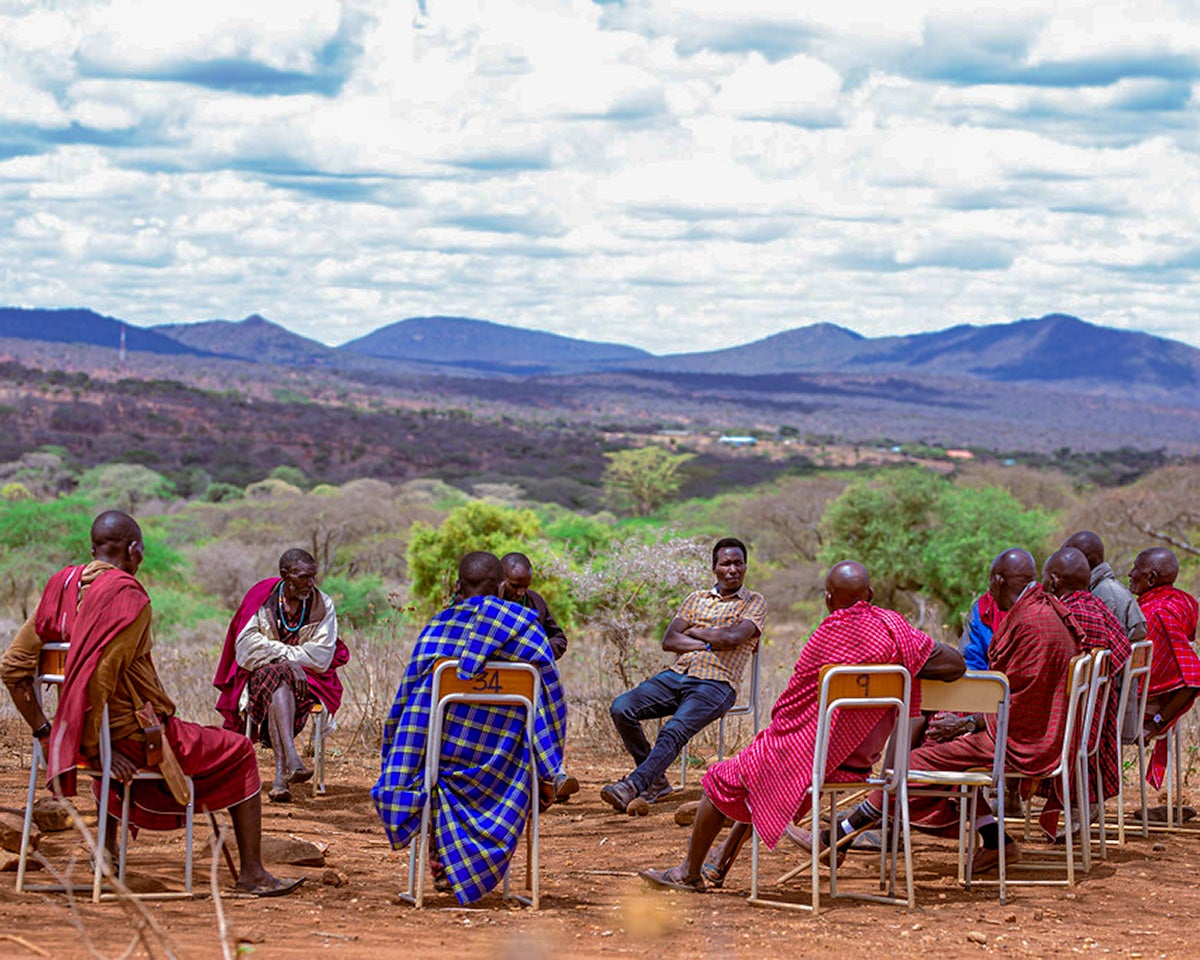
PINGOs Forum is a network of Indigenous pastoral and hunter-gatherer organizations.
The aim of the project is to improve women’s and youth participation in decision-making for the protection of Indigenous Peoples’ land and resources through culture revitalization. They also seek to improve intergenerational knowledge transmission among Indigenous communities.
Ayents Collective
Kamëntsá • Colombia
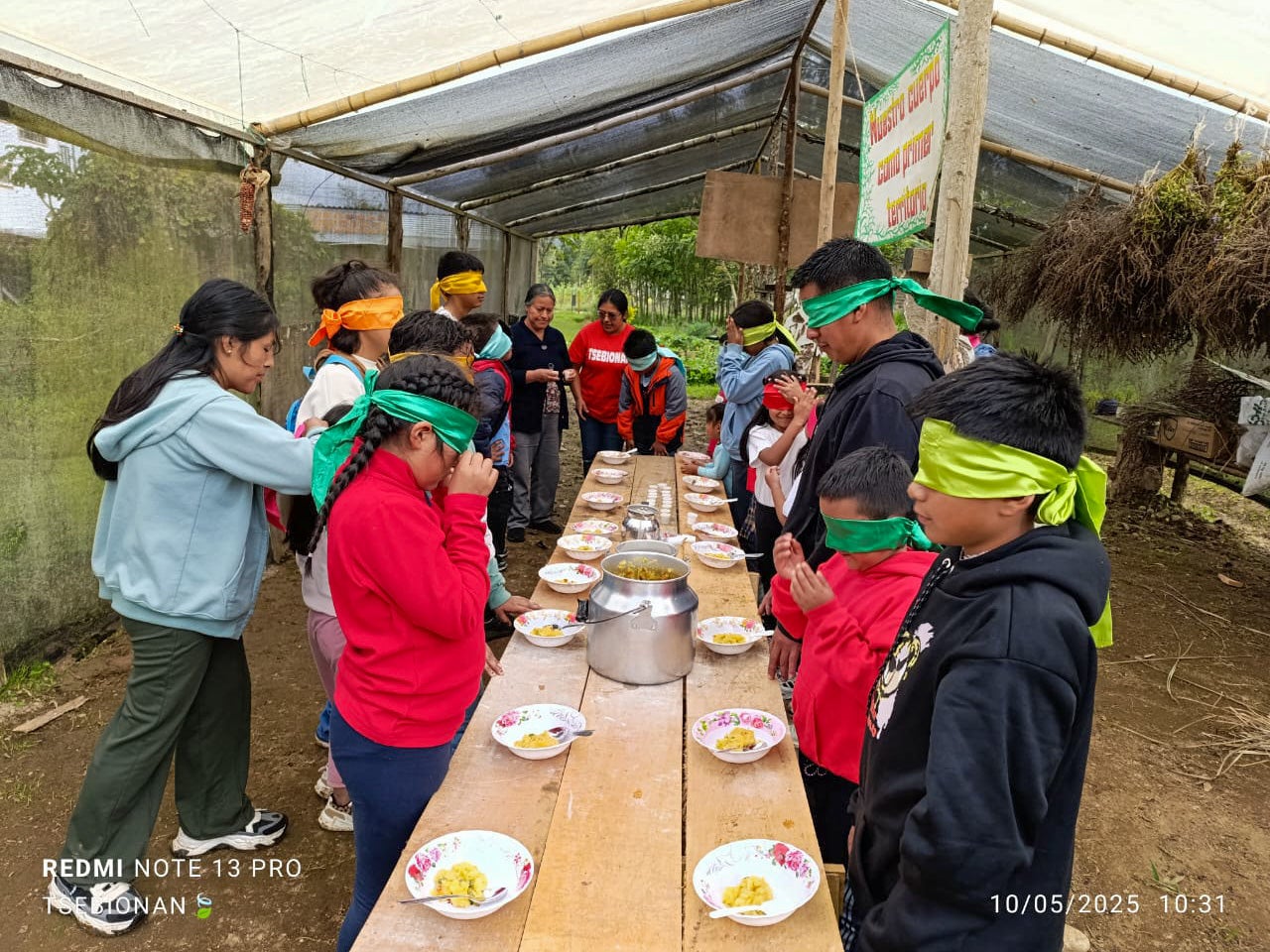
In their second project supported by KOEF, the Ayents Collective from Sibundoy seeks to teach the Kamëntsá language to groups of children using their methodology of cultural practices.
Through the implementation of the first iteration of this initiative and the Collective’s own research, they have identified the fundamental importance of collecting, creating, and transmitting their own narratives to current and future generations.
Brisas de Laguna Encantada Indigenous Community
Pijao • Colombia
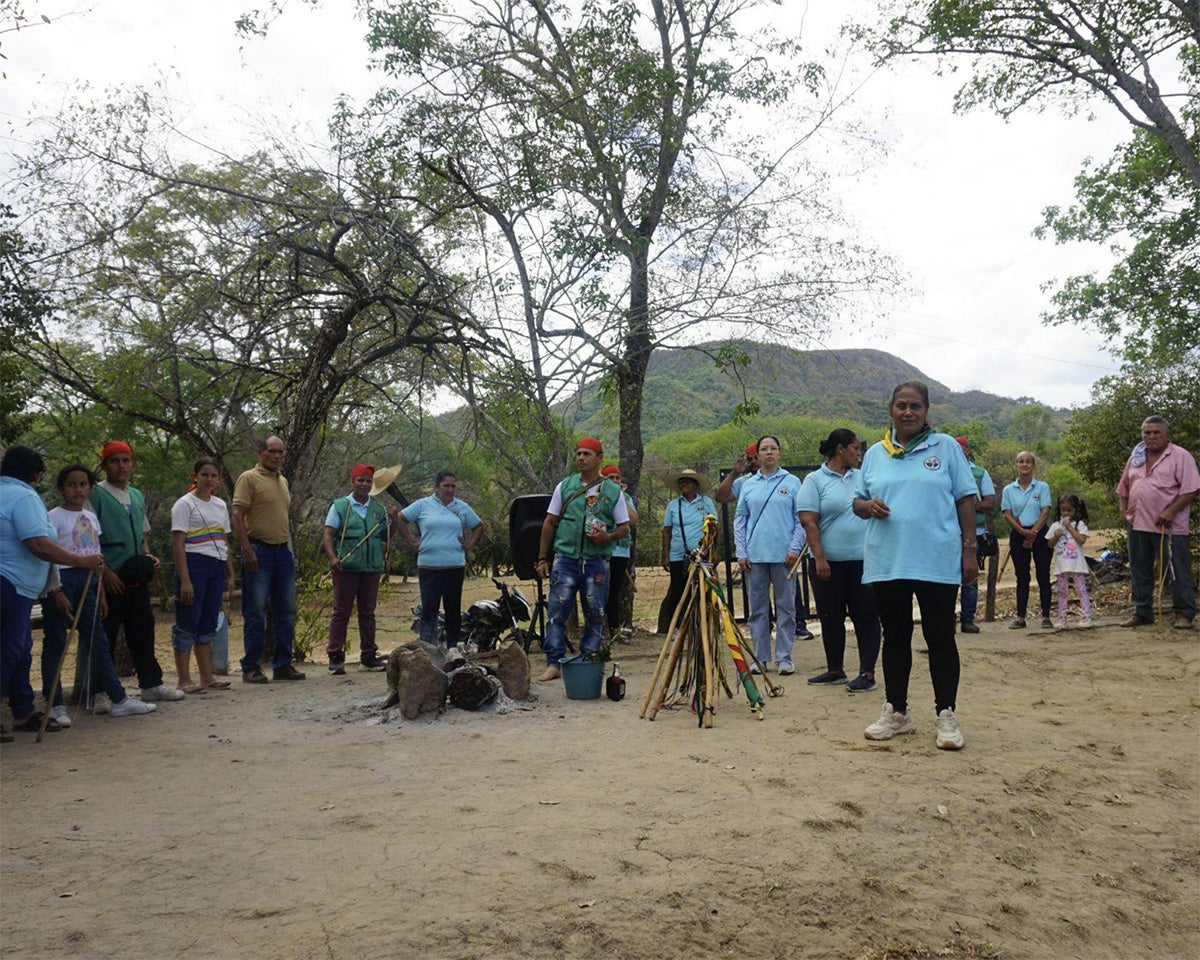
The Pijao Peoples, one of the cultures most affected by colonization in Colombia, are in the process of revitalizing their native language.
This project aims to strengthen language learning by utilizing existing written materials. Additionally, it seeks to strengthen other cultural practices such as gastronomy, crafts, and spirituality.
Colectivo Nemuk
Ayöök Jayu • México
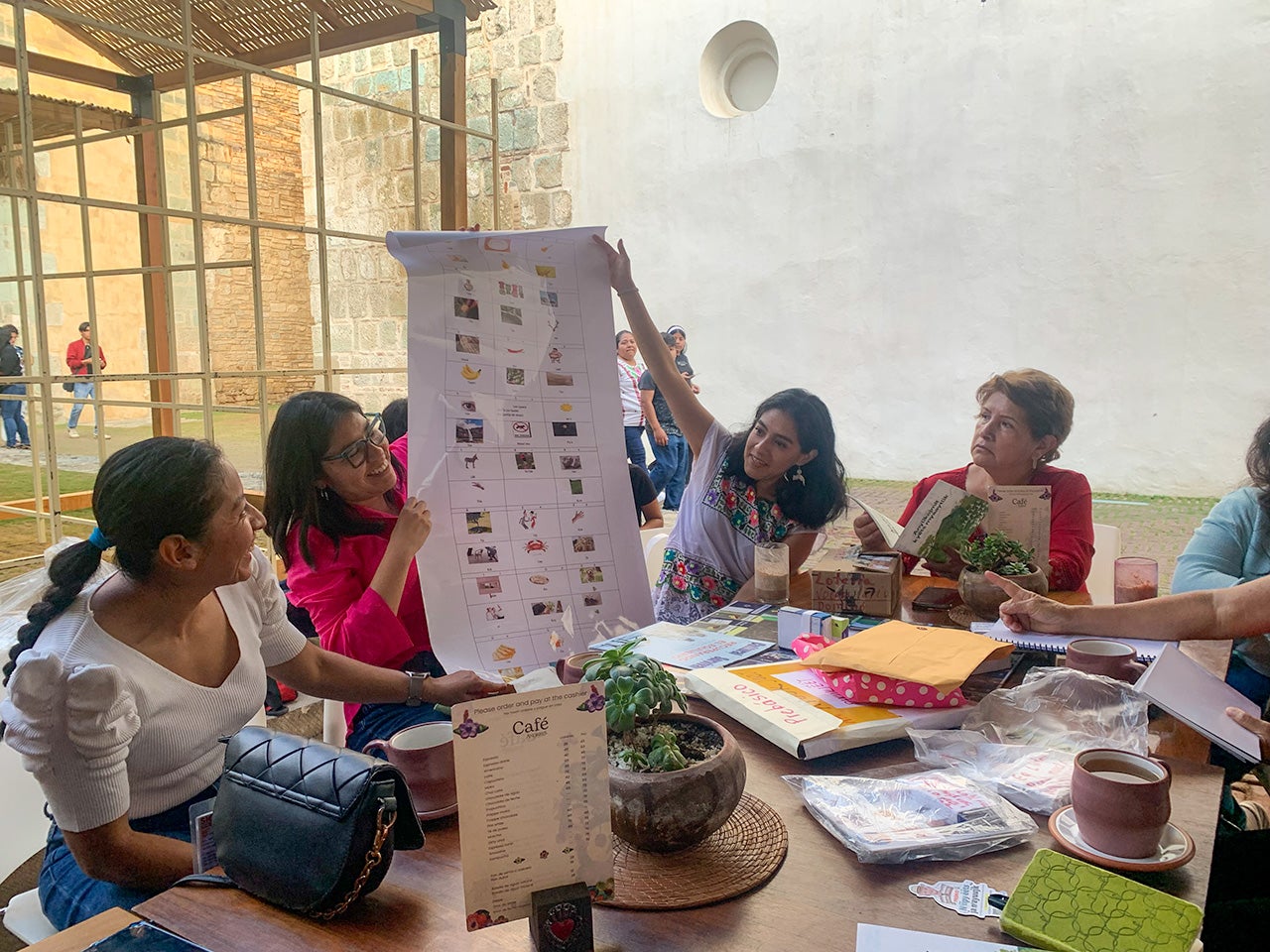
In 2022, KOEF provided financial support for one of the Nemuk Collective’s projects focused on teaching Ayöök as a second language, which included creating an oral tradition archive and a pilot of the teaching method.
The number of Ayöök speakers has decreased primarily due to migration and the dominance of Spanish, so this year they will continue the Ayöök language classes, along with producing workbooks and audio materials for teaching and linguistic immersion activities.
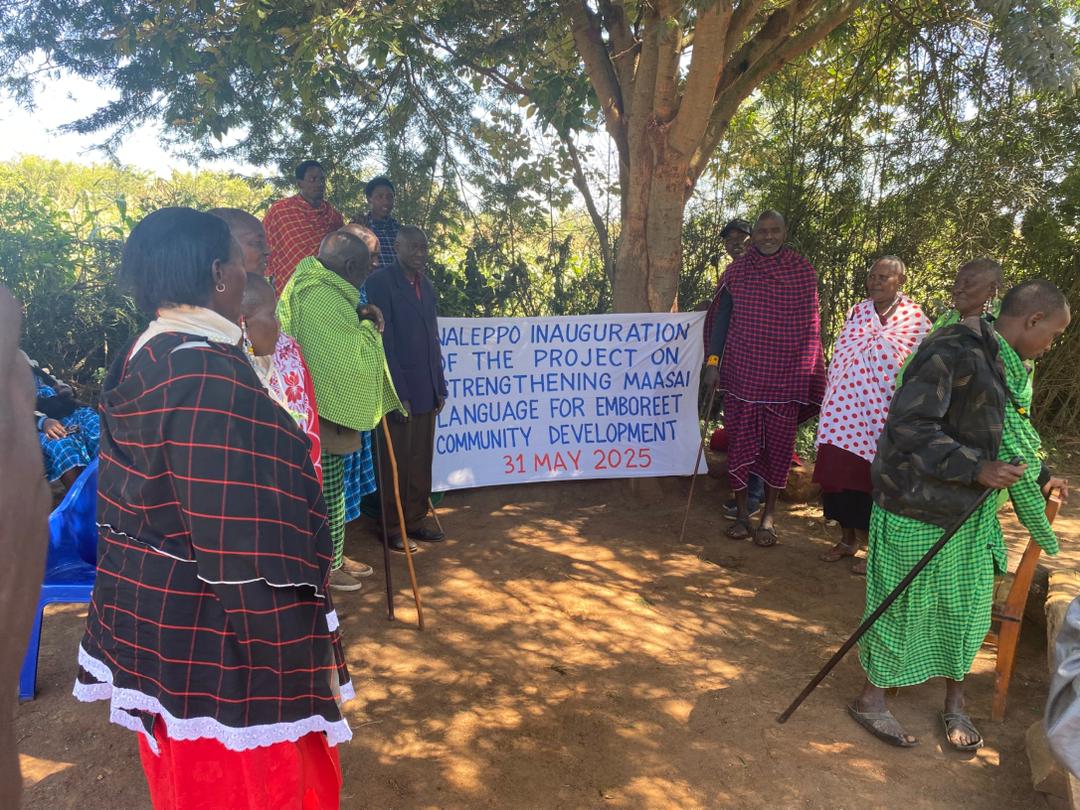
Natural Resources, Livestock, Education, People, Production, and Other (NALEPPO)
Maasai • Tanzania
The NALEPPO project continues last year’s KOEF-supported initiative, “Strengthening the Maasai language for Emboreet community development.”
This second phase will continue to motivate youth to value the language and culture while strengthening intergenerational knowledge transfer. It will establish sustainable strategies and actively engage parents, Elders, knowledge holders, spiritual leaders, and traditional governing bodies, reminding them of their responsibility to ensure that culture transmitted through the Maa language continues and to support community development.
Indigenous Economy and Livelihoods
Indigenous communities depend on the land they live on for subsistence and their economies. Activities like farming and livestock raising provide food for the household, and are a critical source of income or a means of exchange.
In these projects, organizations and collectives carry out productive, conservation-based activities to improve their communities' living conditions.
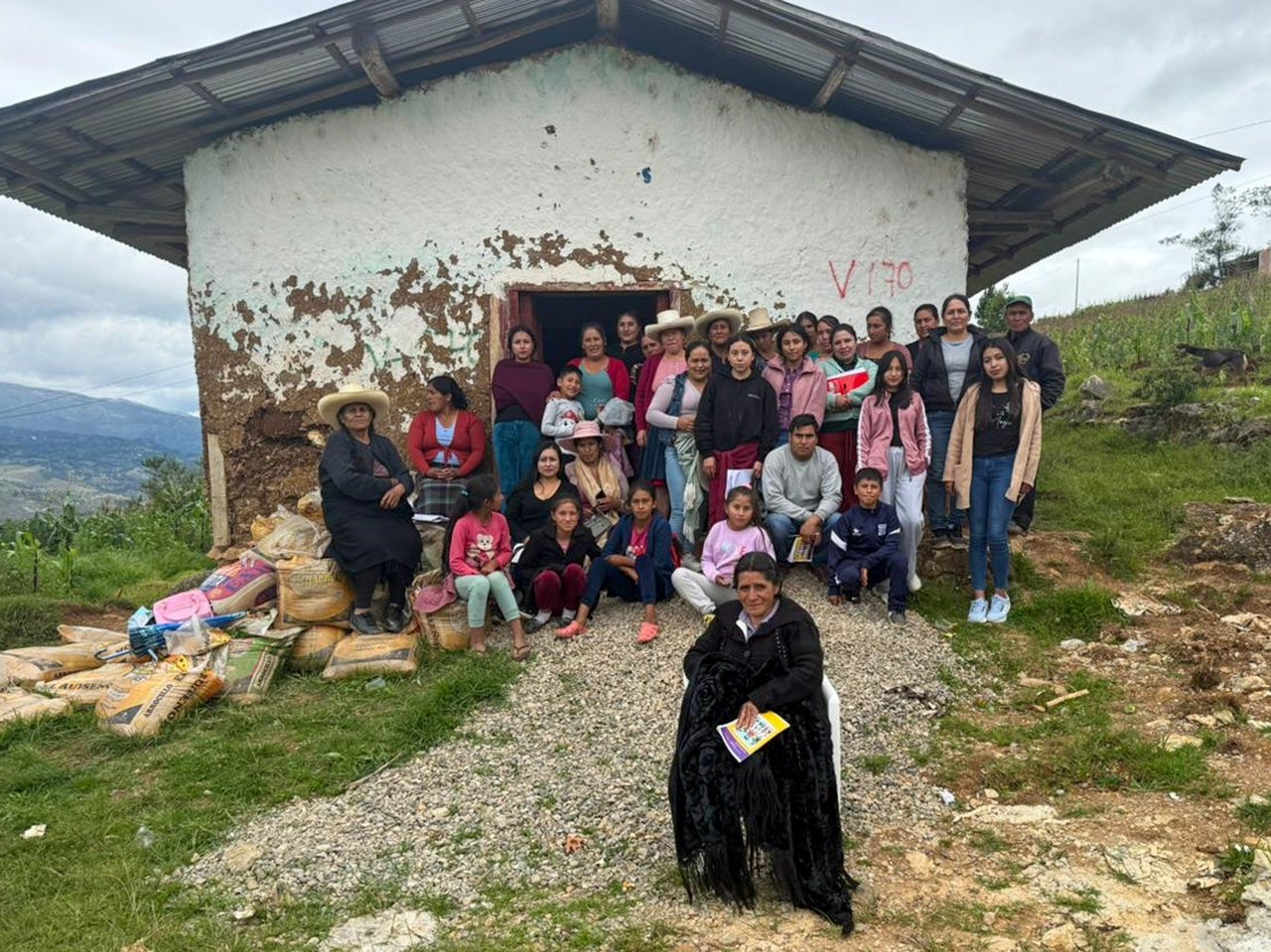
Women's Patrols of San Antonio
Quechua • Peru
The Women's Patrols of San Antonio de Bambamarca are defenders of the land, water, and community life, building resilience through collective knowledge and action.
Their project strengthens food security and climate resilience through education, organization, and knowledge-sharing, including training modules and workshops focused on climate adaptation and Indigenous economies.
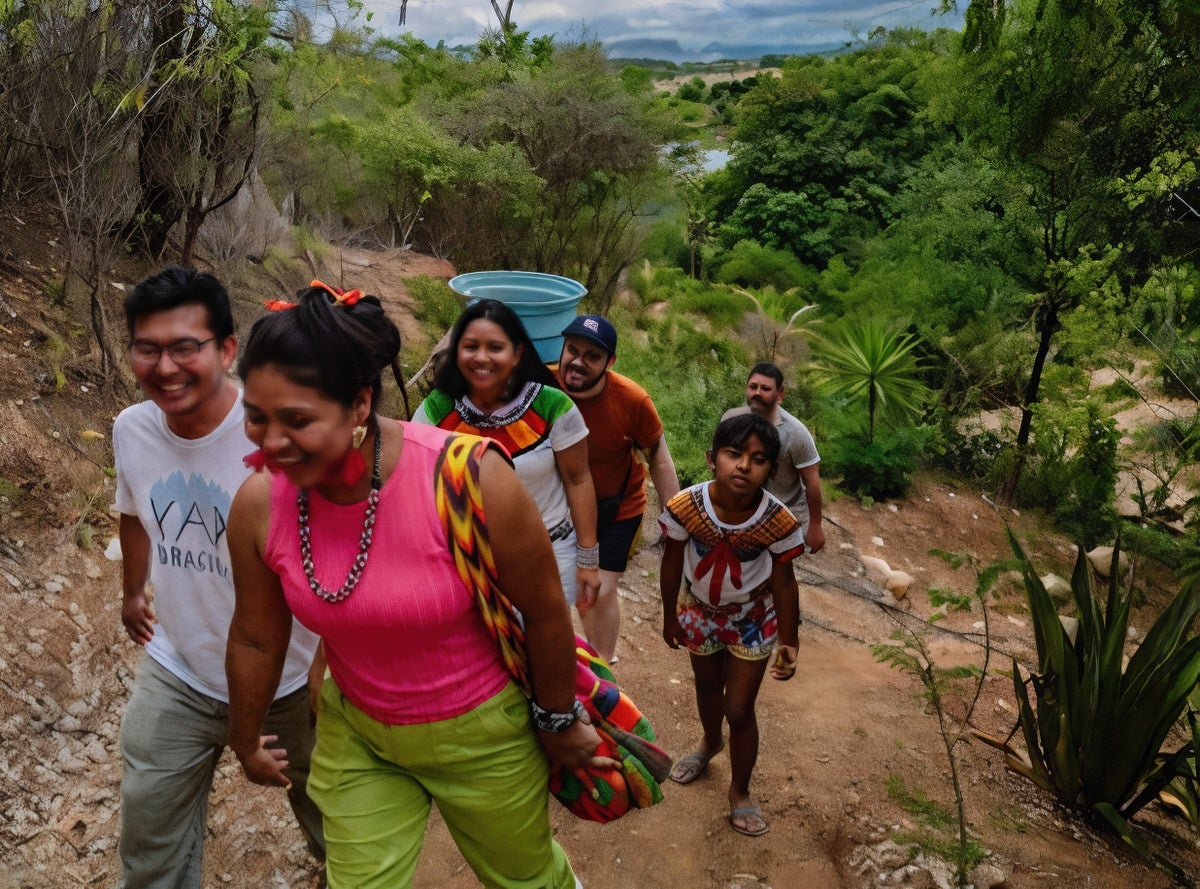
Cinta Vermelha - Jundiba Village
Pankararu-Pataxó • Brazil
The Jequitinhonha Valley faces environmental and economic threats from lithium mining expansion.
This project strengthens traditional food systems, promotes biodiversity conservation, and supports income generation through community gardens and food sovereignty initiatives.
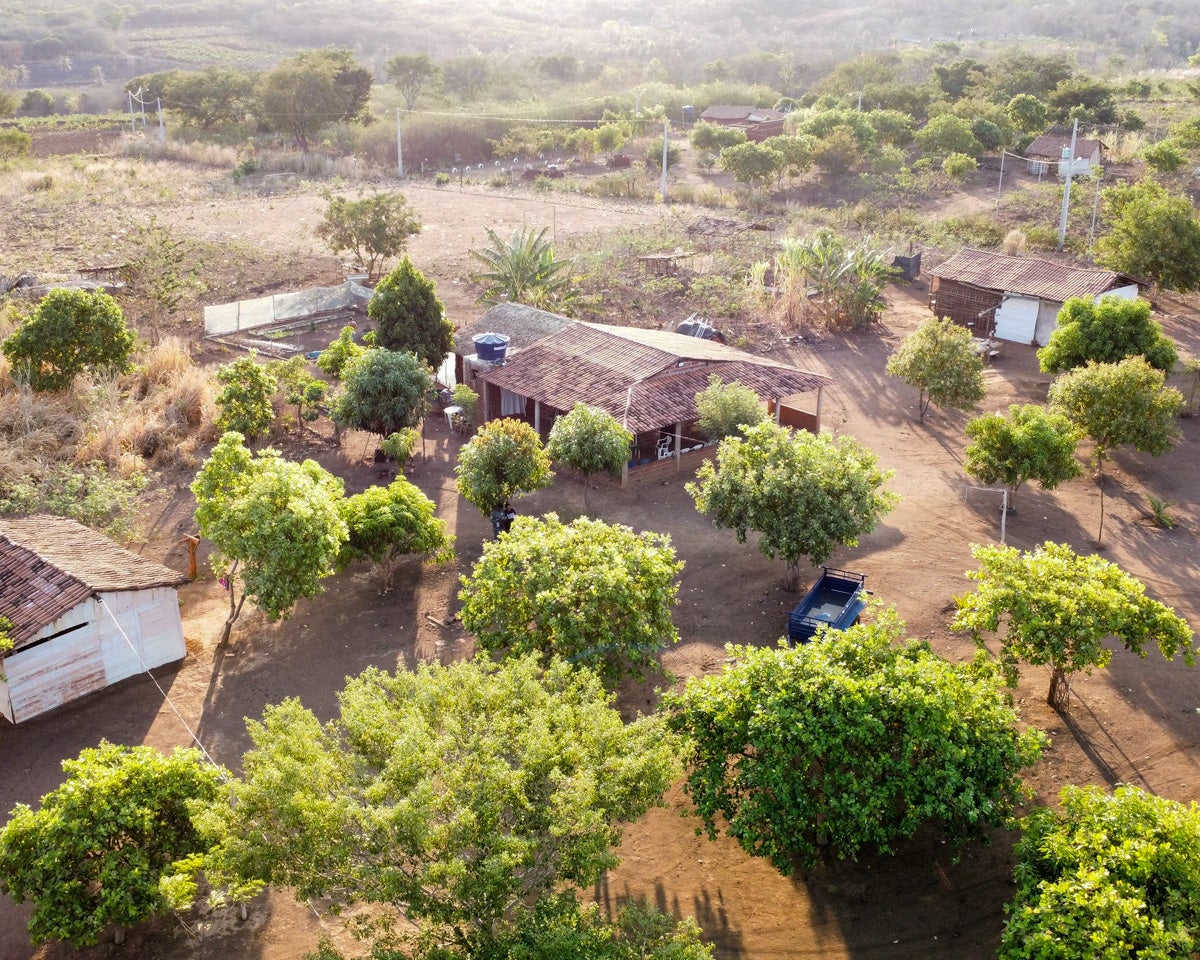
Remnant Quilombo Association of Cascavel
Quilombola • Brazil
This project creates a community nursery and irrigation system to restore degraded land.
It aims to strengthen food security, improve environmental conditions, and generate income through sustainable agriculture and local markets.
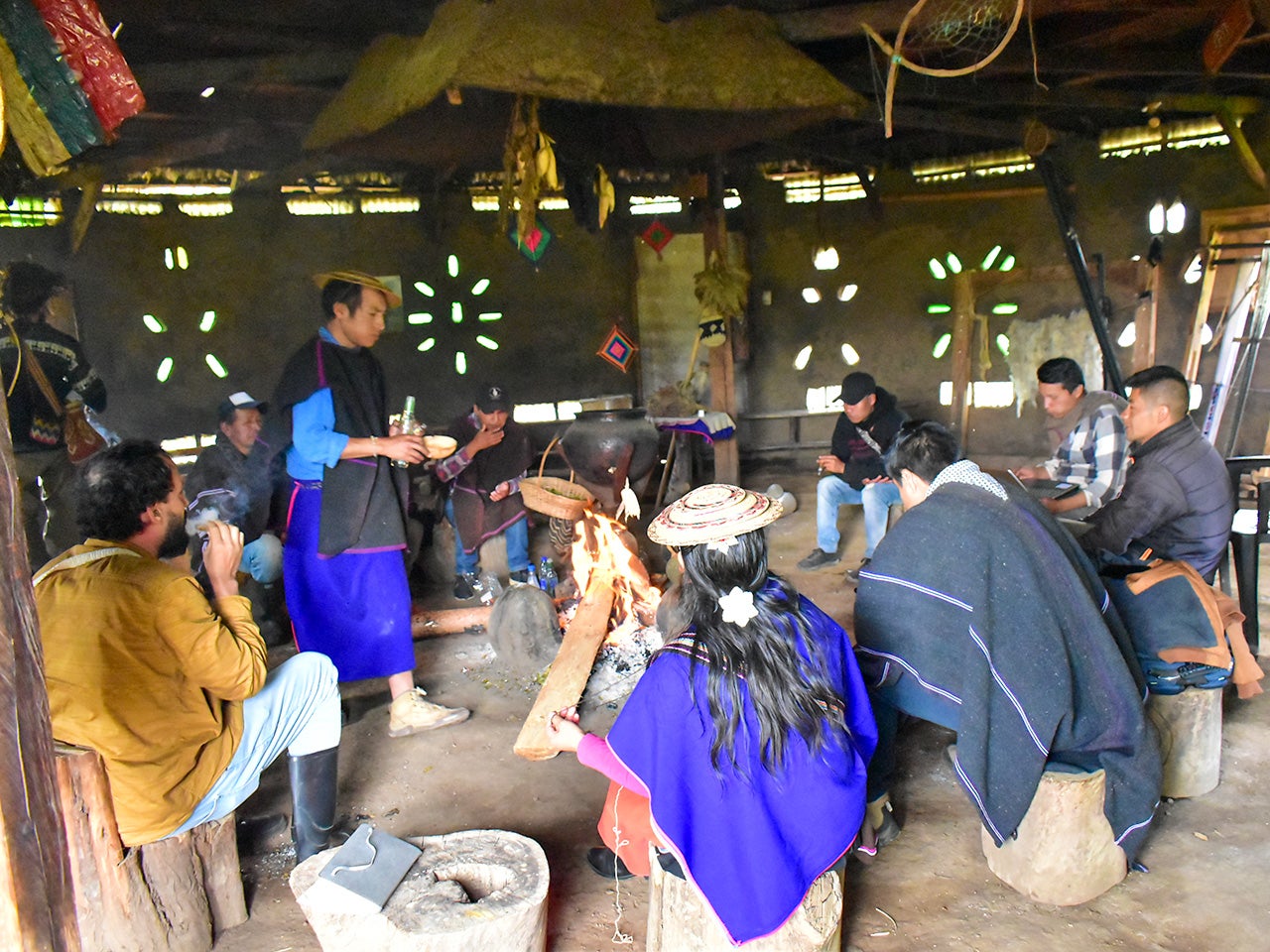
Las Delicias Botanical Garden
Misak • Colombia
This project strengthens cultural, educational, and research initiatives through four areas: food sovereignty, women's knowledge, clay education, and sustainability.
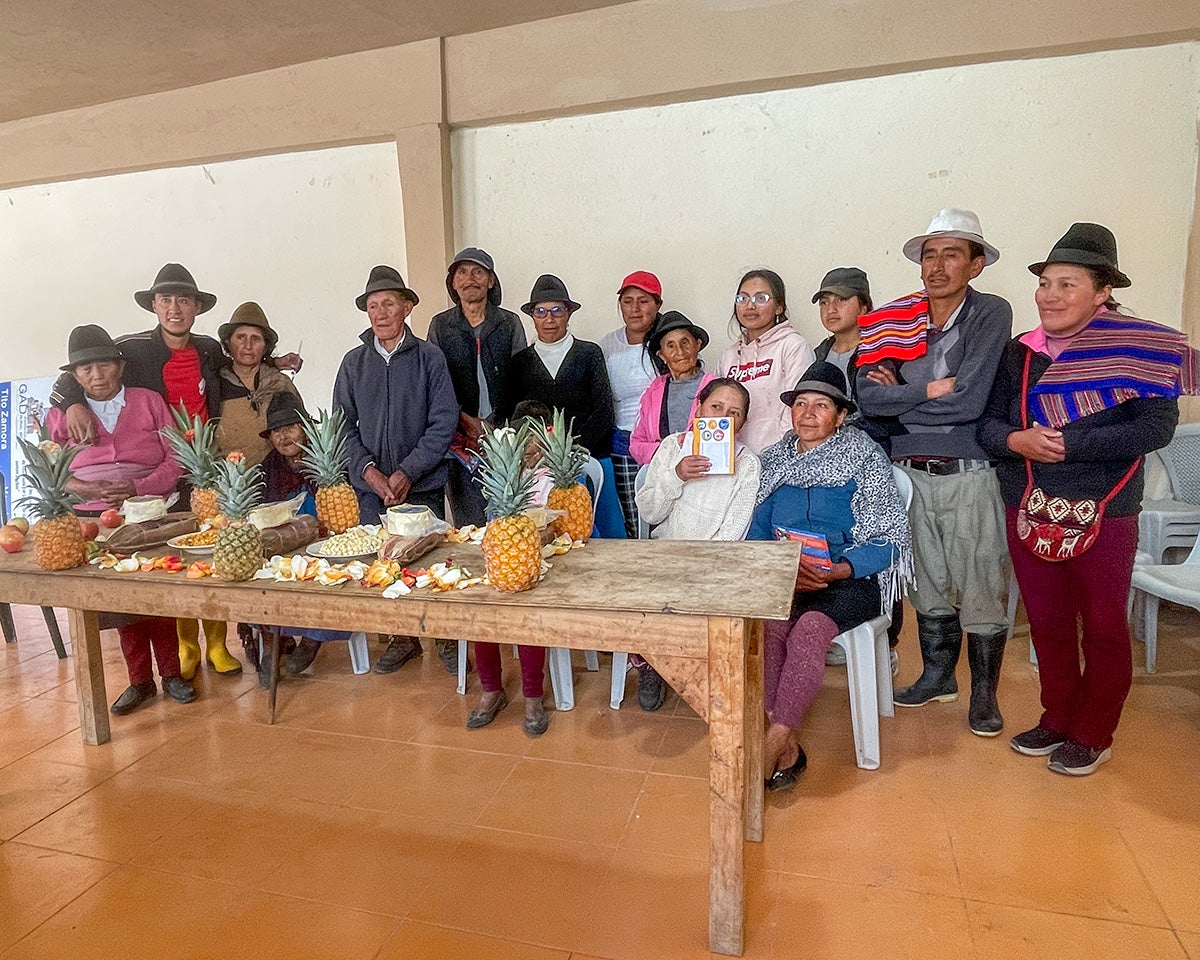
Women's Collective of Isinliví Parish
Kichwa • Ecuador
This project strengthens sheep production and marketing while improving food security and the local economy through training and community collaboration.
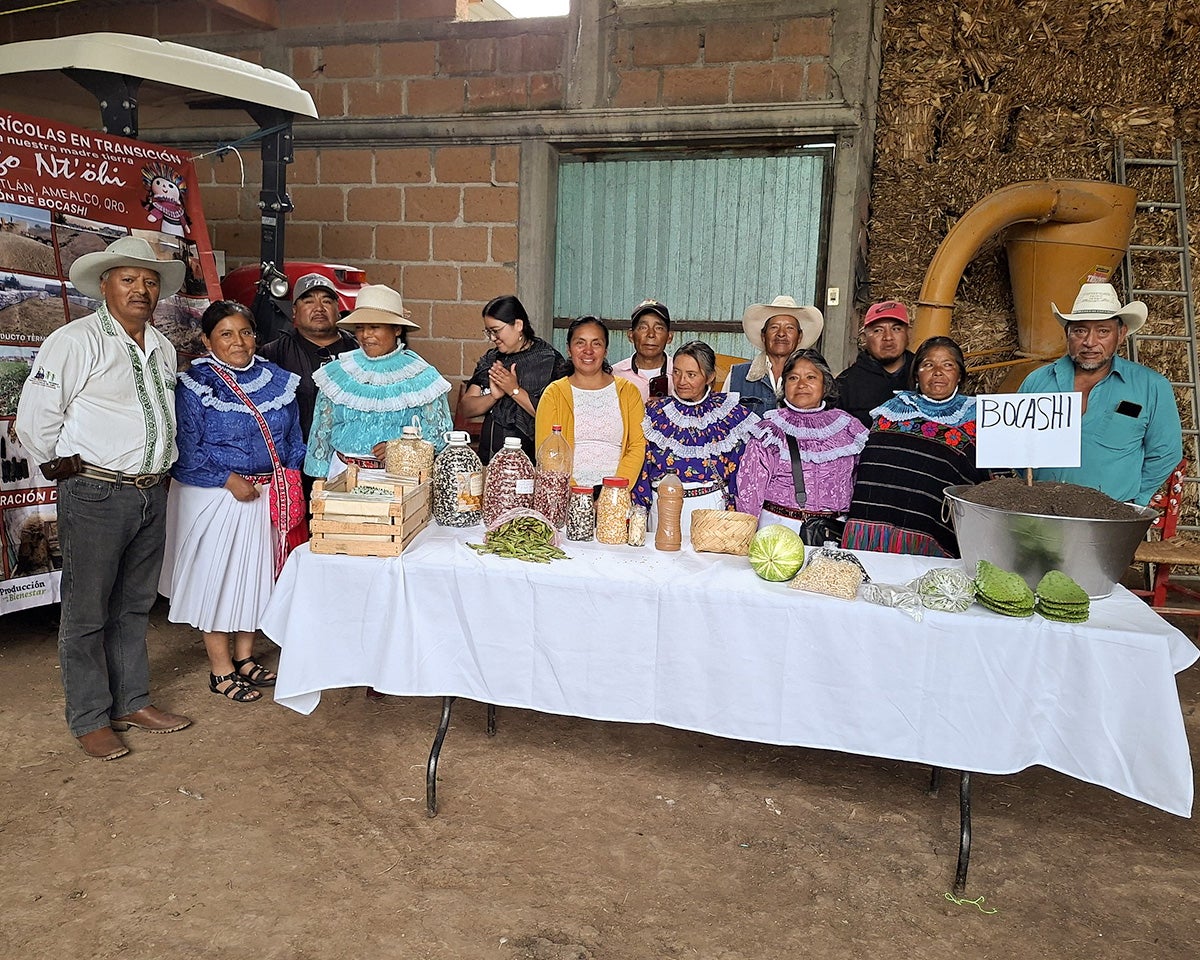
Agricultores del Pueblo Otomí
Hñohño • México
This project revives ancestral soil management techniques, including compost trenching, to restore fertility and support traditional crops in arid regions.
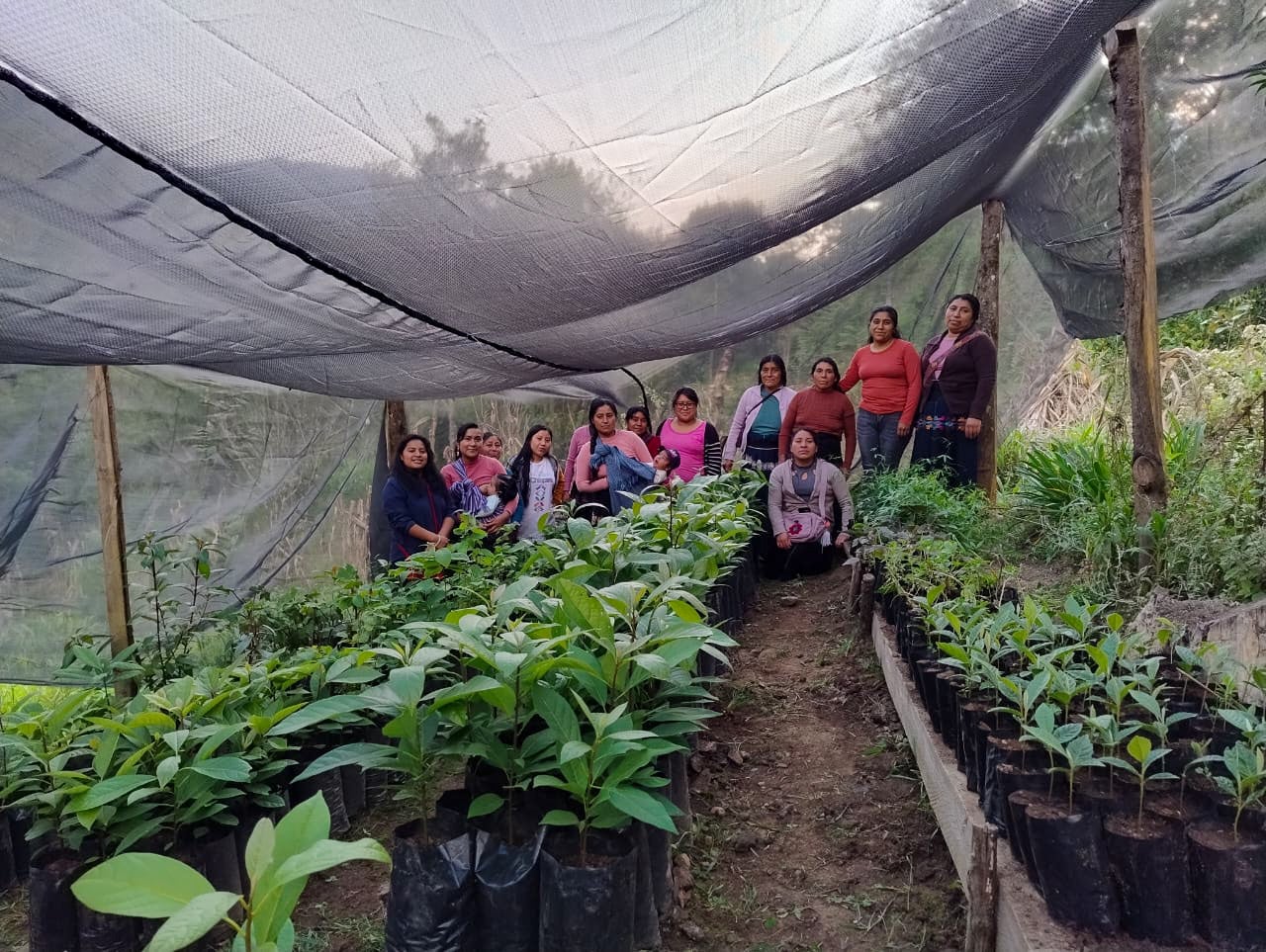
Tsꞌunojob Oꞌtanil Antsetik
Tseltal • México
This project expands family gardens through workshops, seed storage, and exchanges to improve land stewardship, diet, and income.
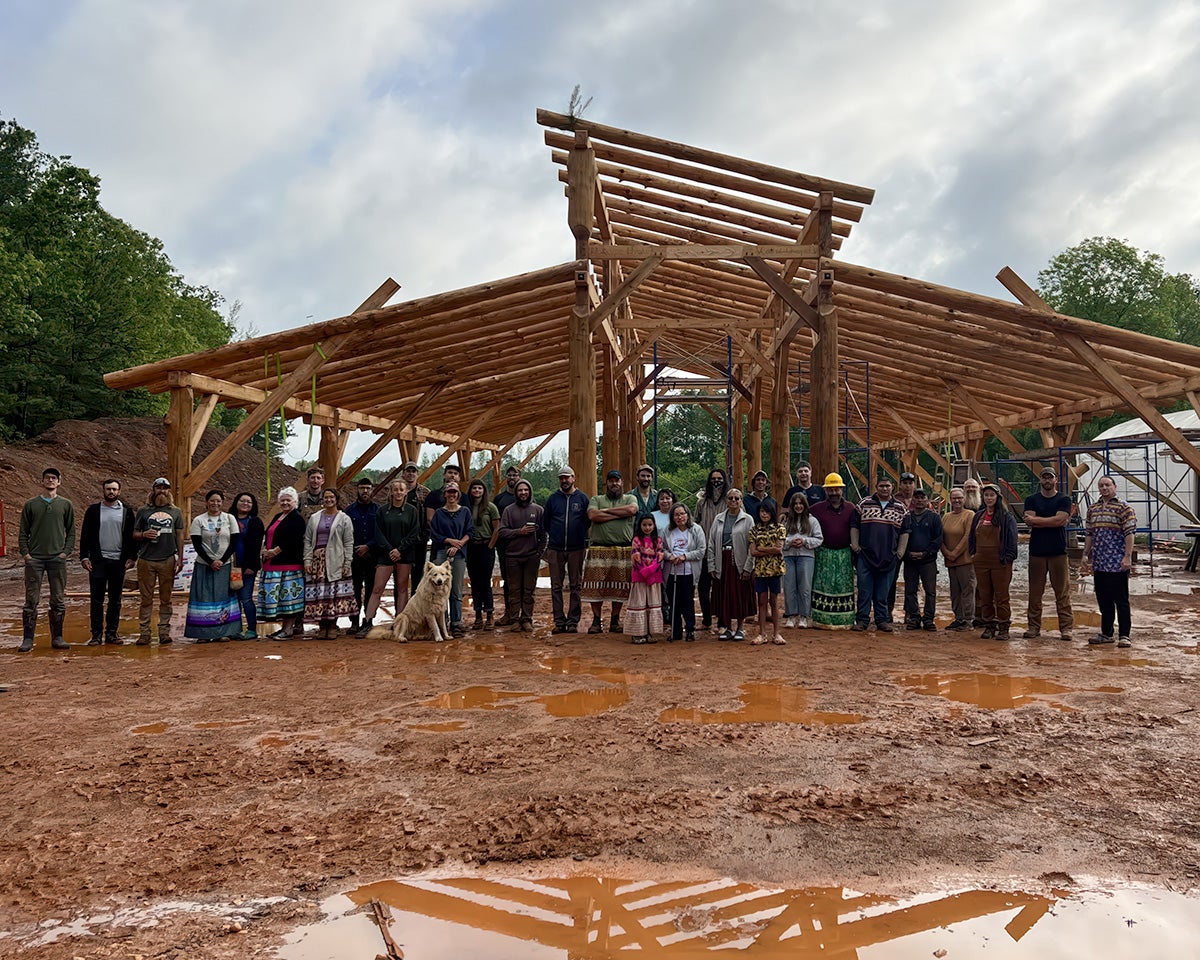
Ekvnv Yefolecvlke
Maskoke • USA
This ecovillage project preserves the Maskoke language while promoting food sovereignty, regenerative agriculture, and traditional lifeways.
It integrates cultural preservation with sustainable infrastructure and environmental stewardship.